

Last Updated: June 17th, 2026 by Matthew Brown
From Ebbets Field to Chavez Ravine, the Dodgers have given us moments that still make grown men weep into their beer and old-timers argue until last call. These seasons didn’t just win games—they carved themselves into the soul of America’s pastime.
Don't lose this article. Enter your email below, and I'll send it to you right now. Plus, we'll send you other unbelievable stories from baseball's past.
1955: Brooklyn’s Boys Finally Silenced the Bronx Bombers
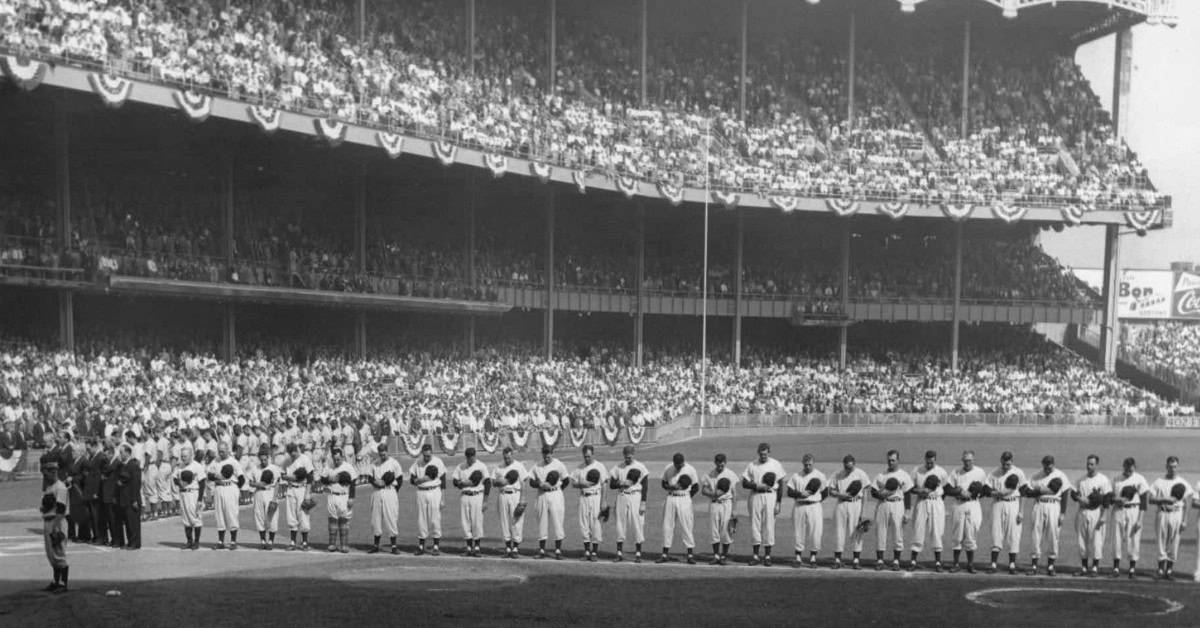
After five heartbreaking World Series losses to the Yankees, Brooklyn finally got its revenge in seven games that felt like seven lifetimes. Johnny Podres threw a shutout in Game 7, and grown men openly sobbed on Flatbush Avenue as car horns honked until dawn. This wasn’t just a championship—it was Brooklyn’s middle finger to Manhattan, delivered with a perfect curveball.
1981: Fernandomania Made Every Kid Want to Throw Screwballs

Fernando Valenzuela’s rookie season turned baseball upside down faster than you could say “¡Vamos Dodgers!” The 20-year-old lefty from Mexico started 8-0 with five shutouts, looking skyward before each pitch like he was consulting the baseball gods personally. Suddenly, every Little League field in America echoed with kids trying to master the screwball, usually resulting in sore arms and confused catchers.
1988: Kirk Gibson’s Impossible Homer on One Good Leg

Gibson limped to the plate in Game 1 looking like he belonged in a hospital bed, not a batter’s box, with two injured legs that had kept him out of the lineup. Dennis Eckersley’s slider hung just long enough for Gibson to golf it into the right field seats, then hobble around the bases pumping his fist like Rocky Balboa. That one swing turned a 100-to-1 underdog season into World Series gold, proving that sometimes the most broken heroes hit the hardest.
1963: Sandy Koufax’s Perfect Year in an Imperfect World
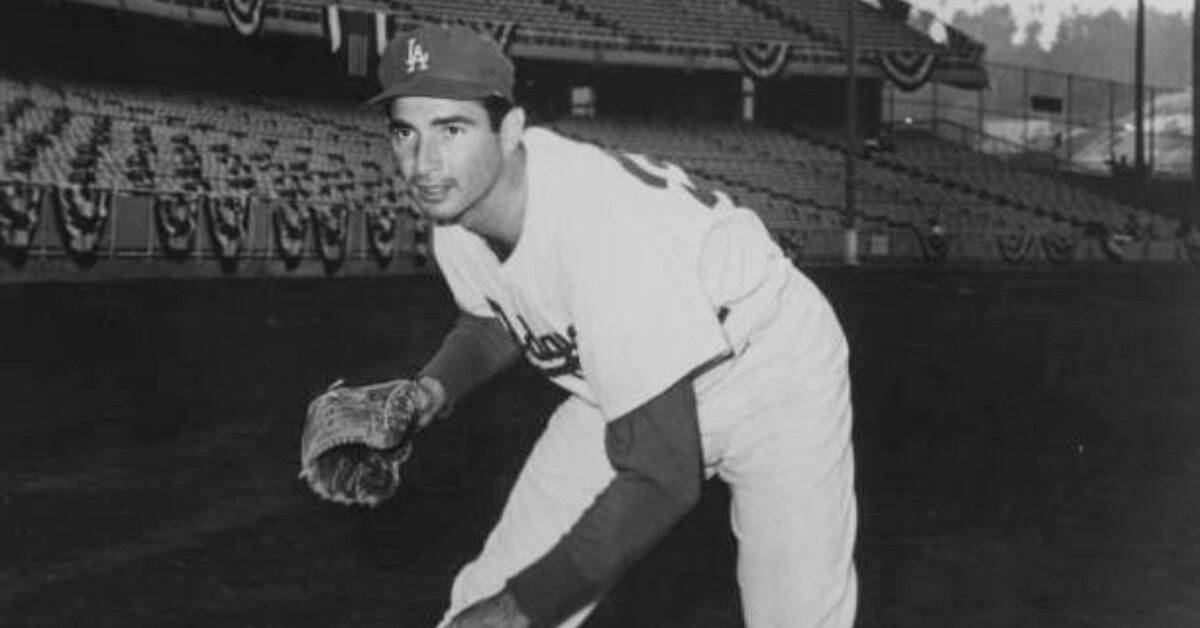
While America grappled with civil rights and Cold War tensions, Koufax threw a no-hitter and struck out 306 batters with a curveball that defied physics and common sense. His 25-5 record and 1.88 ERA made opposing hitters look like they were swinging pool noodles at lightning bolts. The Dodgers swept the mighty Yankees in the World Series, with Koufax striking out 15 in the opener—a performance so dominant it made Mickey Mantle consider retirement.
1965: When Koufax and Drysdale Owned October
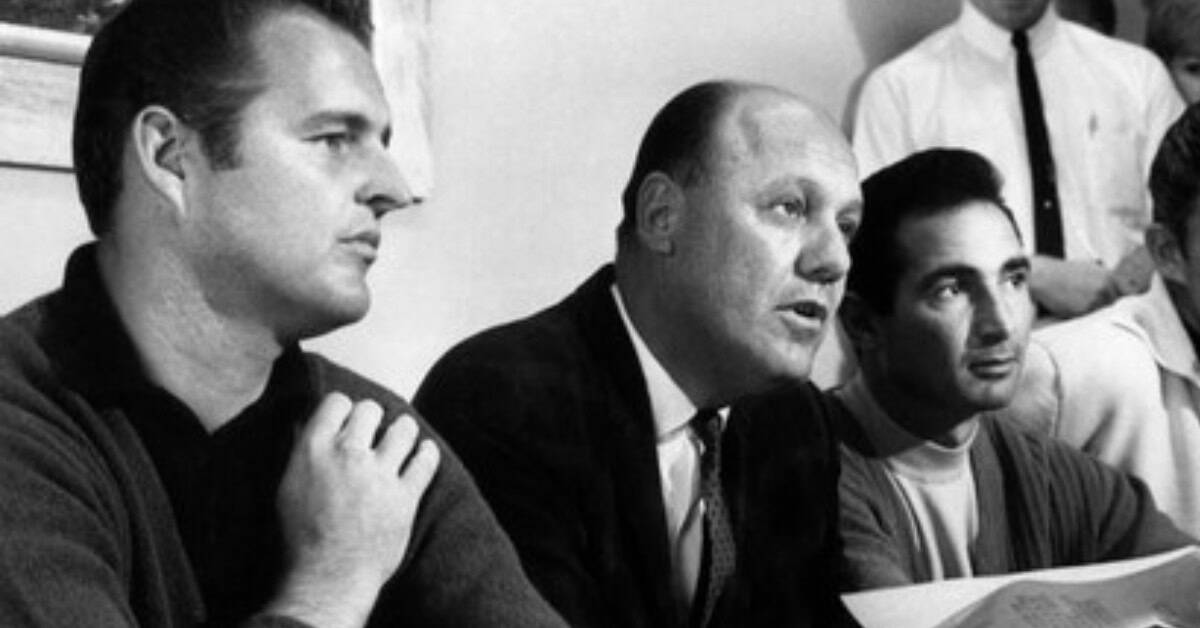
Koufax’s perfect game against the Cubs was just the appetizer for a season where he and Don Drysdale formed the most feared pitching duo since Ruth pointed to center field. Sandy went 26-8 with a 2.04 ERA while battling arthritis that required ice baths after every start, his left elbow swelling like a grapefruit. The World Series against Minnesota showcased their dominance—Koufax refused to pitch Game 1 on Yom Kippur, then came back to throw shutouts in Games 5 and 7, proving that sometimes principles and pennants go hand in hand.
1977: The Infield That Made Baseball Look Easy
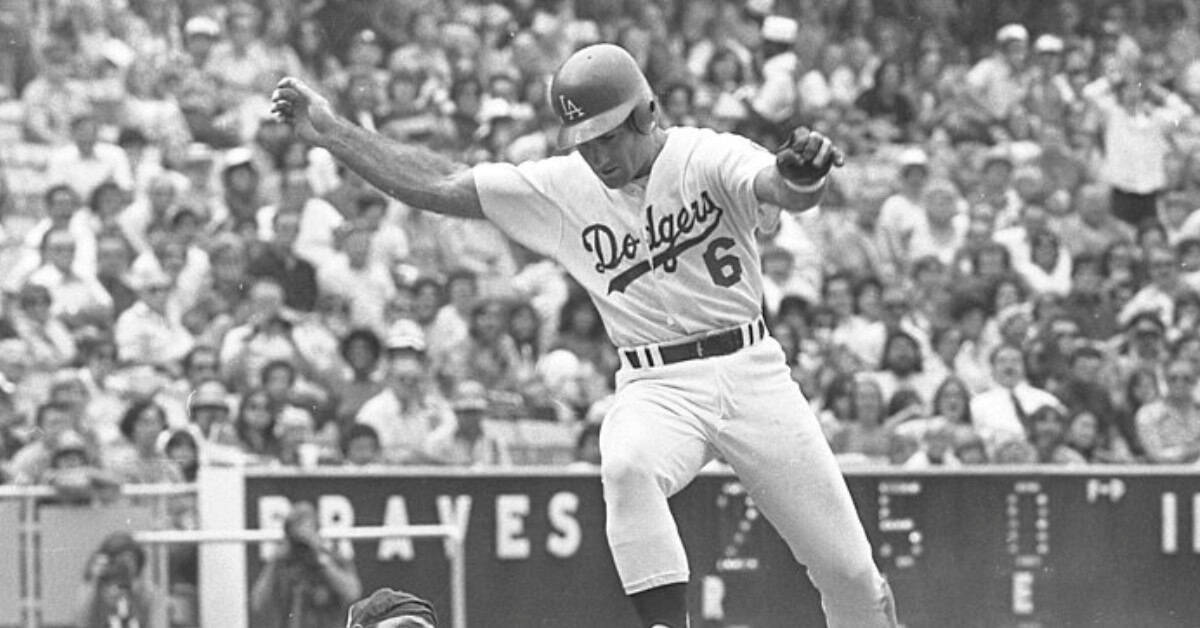
Steve Garvey, Davey Lopes, Bill Russell, and Ron Cey turned double plays with the precision of a Swiss watch and the chemistry of a garage band that somehow made it big. They played together for eight straight seasons, longer than most Hollywood marriages, turning routine grounders into poetry and making 98 wins look effortless. Though they lost to the Yankees in the World Series, watching this infield work was like seeing four guys who could read each other’s minds—and usually did, right around second base.
2020: The Bubble Championship That Ended 32 Years of Heartbreak
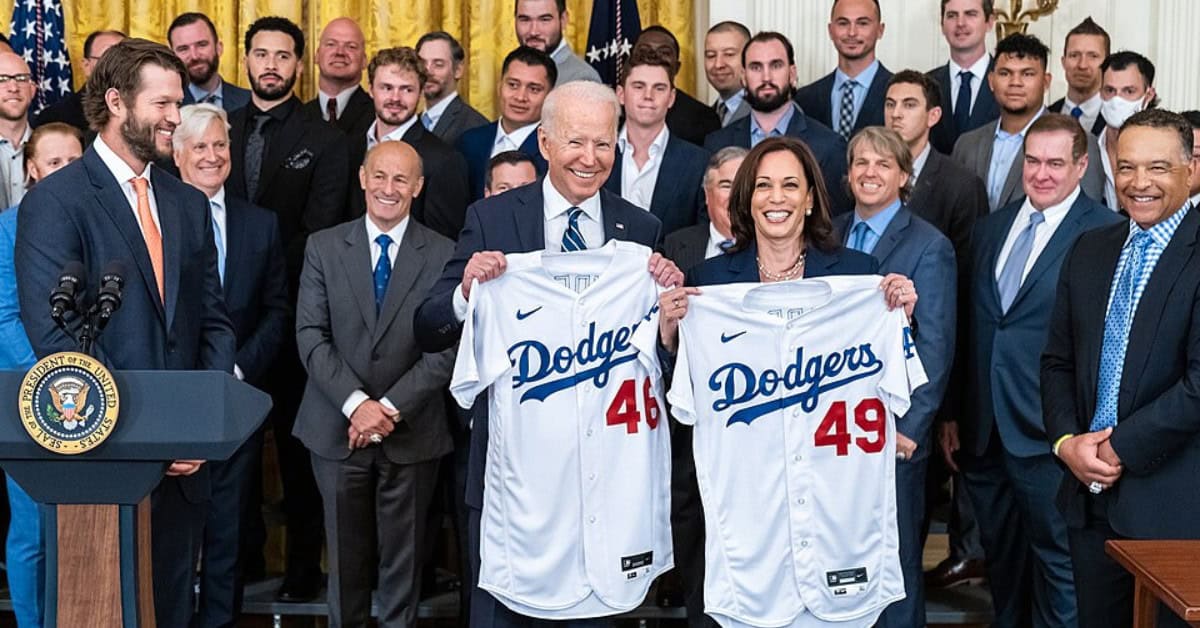
In a season shortened by a global pandemic, played in empty stadiums with cardboard cutouts for fans, the Dodgers finally broke their championship drought with a team deeper than the San Andreas Fault. Mookie Betts arrived from Boston like a gift from the baseball gods, while Corey Seager and Justin Turner powered through a postseason that felt both surreal and inevitable. When they beat Tampa Bay in six games, Dodger fans celebrated in driveways and empty parking lots, honking horns that echoed through a quiet Los Angeles night.
1959: Moving to LA and Stealing America’s Heart
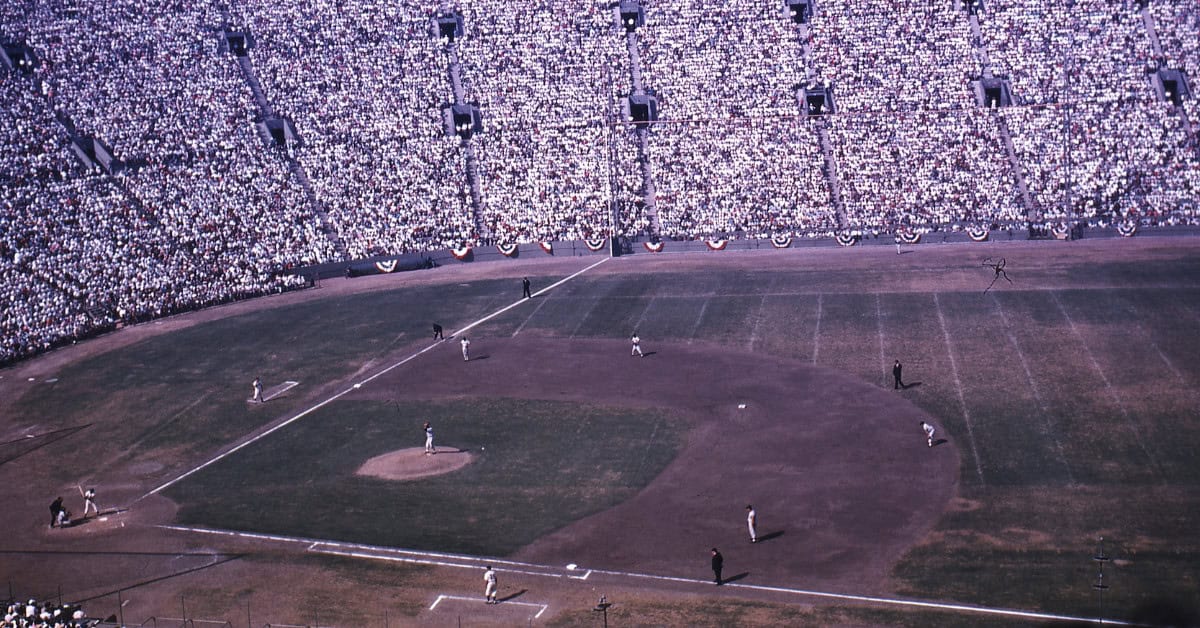
Playing in the cavernous LA Coliseum with its 251-foot left field fence that made pop flies into home runs, the transplanted Dodgers won their first West Coast championship in dramatic fashion. The World Series against the White Sox drew over 92,000 fans to Game 5, a crowd so large it looked like a Beatles concert with baseball uniforms. Larry Sherry emerged from nowhere to win two games and save two others, proving that sometimes the best stories come from the most unlikely heroes in the most impossible venues.
1947: Jackie Robinson Changed Baseball and America Forever

When Jackie Robinson stepped onto Ebbets Field on April 15, 1947, he carried the weight of a nation’s conscience on his shoulders and somehow still managed to steal home. Despite death threats, beanballs, and teammates who initially refused to play alongside him, Robinson hit .297 and won Rookie of the Year while breaking baseball’s color barrier with dignity and fire. The Dodgers reached the World Series that year, and though they lost to the Yankees, Robinson’s courage had already won something far more important than any championship ring.
2024: Shohei Ohtani and the $700 Million Dream Season
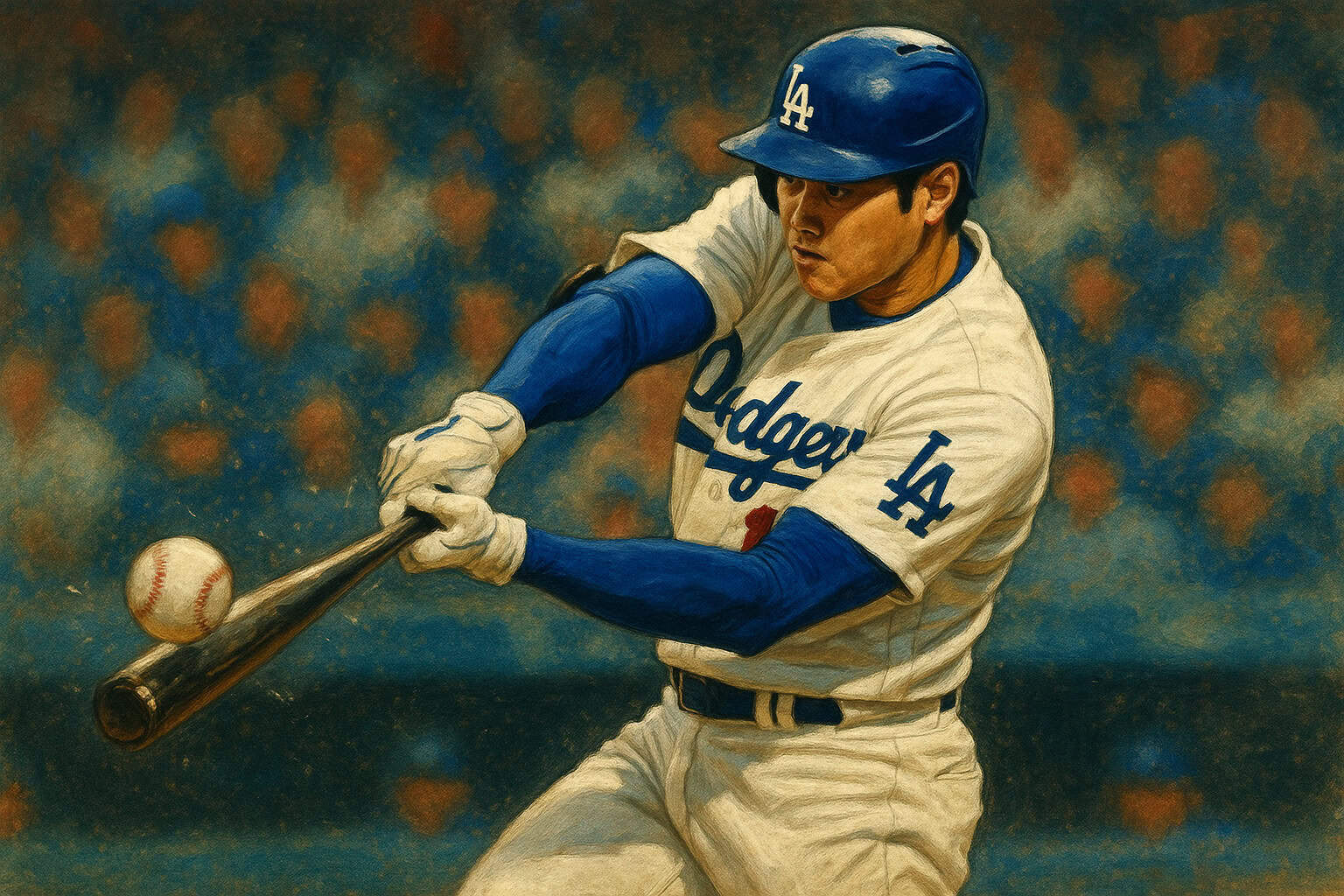
Ohtani’s first season in Dodger blue rewrote the record books with the first 50-50 season in baseball history—50 home runs and 50 stolen bases from a player who makes hitting look as effortless as breathing. His $700 million contract raised eyebrows until he started treating opposing pitchers like they were throwing batting practice, leading the Dodgers to another World Series title. Watching Ohtani play baseball is like watching someone speak a language the rest of us are still trying to learn, except he’s fluent in both hitting bombs and stealing bases with equal artistry.