
Last Updated: June 17th, 2026 by Matthew Brown
The 1930s were baseball’s most dramatic decade. Even the Great Depression couldn’t dampen America’s love for the national pastime, and radio broadcasts brought the crack of the bat into living rooms across the nation. This was the era of larger-than-life characters who played with passion and personality, making every game feel like theater—from the Bronx Bombers’ relentless machine to the Cardinals’ colorful Gashouse Gang. From Babe Ruth’s legendary called shot to Lou Gehrig’s tearful farewell, these twenty champions defined a decade when baseball provided hope, heroes, and unforgettable moments that still echo through the corridors of memory.
Don't lose this article. Enter your email below, and I'll send it to you right now. Plus, we'll send you other unbelievable stories from baseball's past.
Lou Gehrig’s Iron Horse Farewell That Left Not a Dry Eye
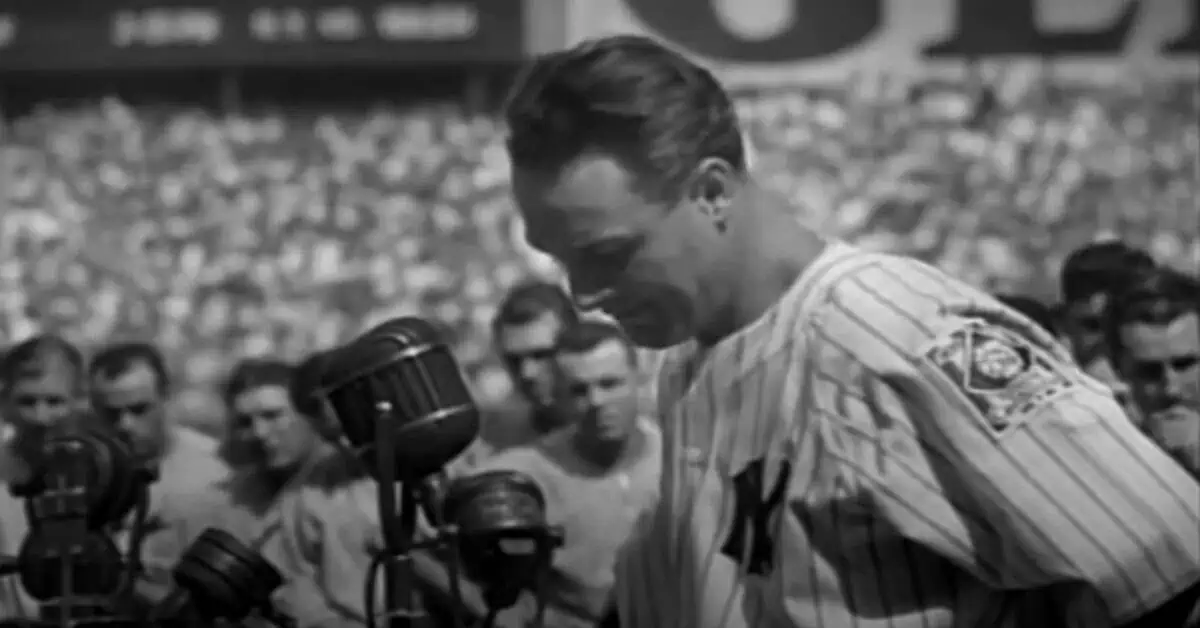
Lou Gehrig’s consecutive games streak and quiet leadership anchored four Yankees championships in the 1930s, but it was his courage in the face of ALS that transformed him from baseball hero to American icon. The Iron Horse’s “luckiest man” speech at Yankee Stadium in 1939 remains one of the most powerful moments in sports history, delivered with the same grace and dignity that defined his entire career. When Gehrig spoke those immortal words, his voice echoing through the cathedral of baseball, fans witnessed not just the end of a career but the birth of a legend whose spirit would outlive any record book.
Lefty Grove’s Fastball Fury That Anchored Athletics Dynasty
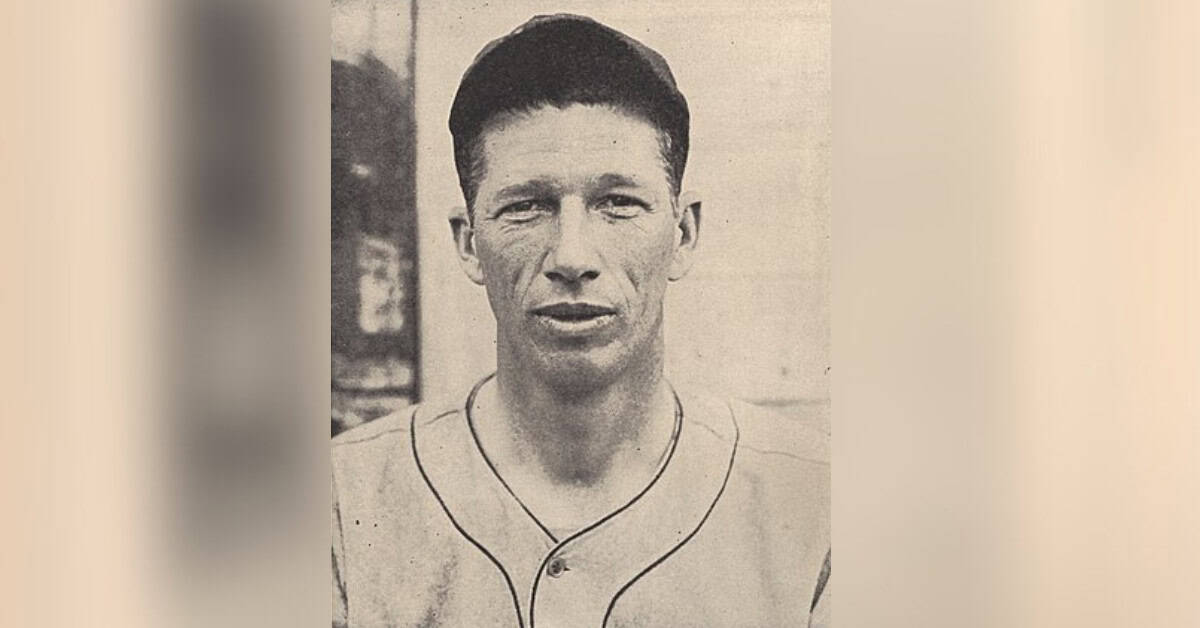
Lefty Grove’s blazing fastball was like lightning captured in human form, striking out American League hitters with such devastating effectiveness that he won 31 games in 1931 while leading Philadelphia to their final championship. Grove’s competitive fire burned as hot as his heater, creating an intimidating presence on the mound that made even the bravest hitters think twice about digging in. When Grove wound up with his legendary fastball crackling toward home plate at Shibe Park, Athletics fans witnessed pure dominance in motion, watching a left-handed legend who proved that sometimes the most effective pitch is simply the one that arrives too fast to hit.
Dizzy Dean’s Gashouse Gang Leadership That Made St. Louis Believe
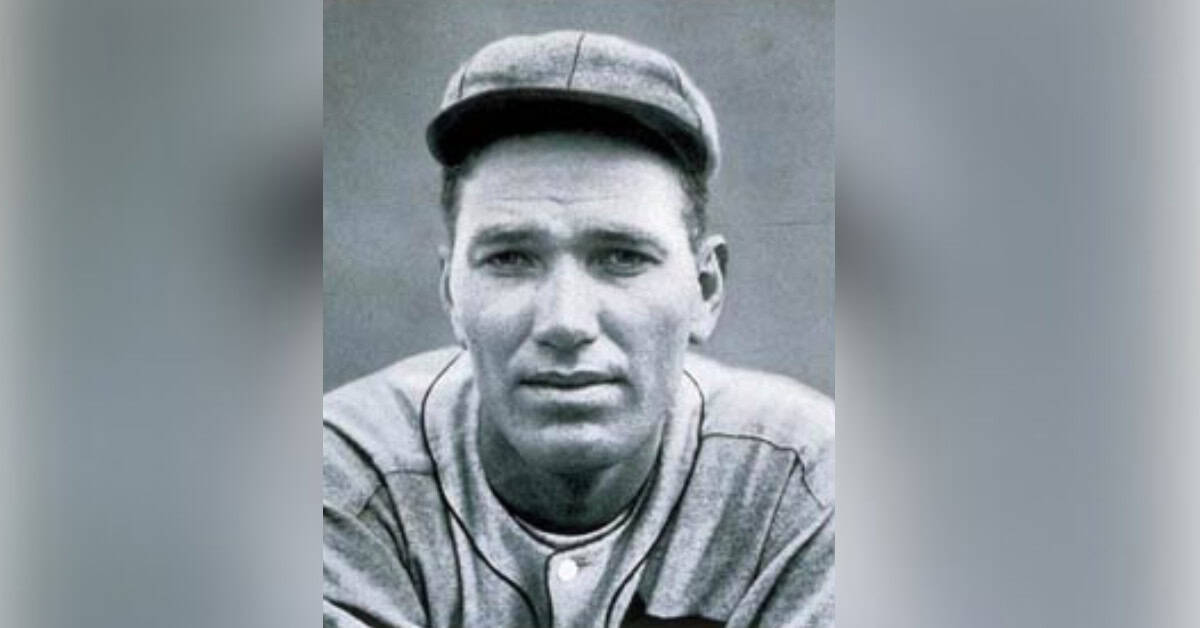
Dizzy Dean’s colorful personality was matched only by his devastating fastball, leading the Cardinals’ Gashouse Gang to the 1934 championship while entertaining fans with his folksy wisdom and unshakeable confidence. Ol’ Diz’s ability to back up his boastful predictions made him the perfect leader for St. Louis’s collection of characters, proving that sometimes the loudest voice in the room also belongs to the best pitcher. When Dean took the mound at Sportsman’s Park, his blazing fastball and infectious grin in perfect harmony, Cardinals fans knew they were watching more than just a pitcher—they were witnessing the heart and soul of a team that played baseball the way it was meant to be played: with joy.
Charlie Gehringer’s Mechanical Man Precision That Powered Detroit
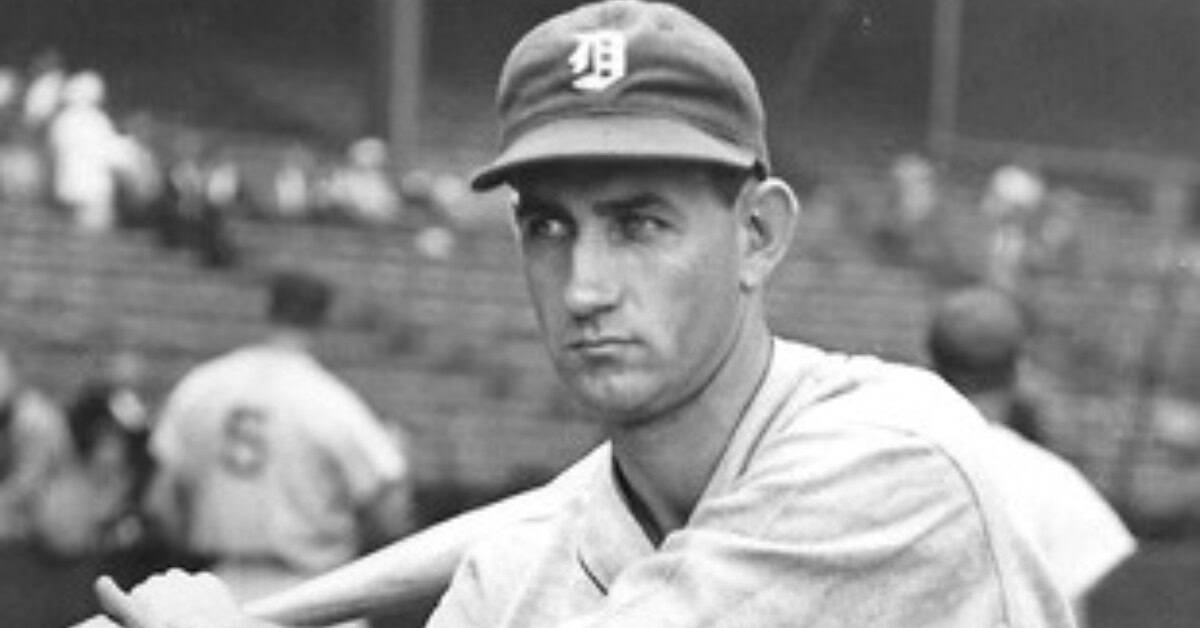
Charlie Gehringer earned his “Mechanical Man” nickname through the kind of consistent excellence that made hitting .300 look as routine as brushing your teeth, anchoring Detroit’s 1935 championship with quiet brilliance. Gehringer’s smooth swing and flawless fielding were like watching a perfectly calibrated machine in action, generating production with the same reliability that Henry Ford’s assembly lines generated automobiles. When the Mechanical Man settled into his stance at second base, Tigers fans witnessed the perfect example of how championships are built on players who make the extraordinary look effortless, day after day, season after season.
Babe Ruth’s Called Shot That Made Chicago Cubs Fans Cry

Babe Ruth’s legendary called shot in the 1932 World Series remains baseball’s most debated moment, but there’s no arguing that the Bambino’s swagger and clutch hitting helped sweep the Cubs while adding another chapter to his mythical legacy. Whether Ruth actually pointed to center field or was just gesturing at the Chicago bench, his home run that followed was pure theater delivered by the game’s greatest showman. When the Sultan of Swat stepped into the batter’s box at Wrigley Field with 50,000 fans hanging on his every move, baseball witnessed the perfect marriage of legend and reality, watching a player who understood that sometimes the most important thing is not what you do, but how you make people feel when you do it.
Joe Medwick’s Ducky Wucky Swing That Terrorized National League
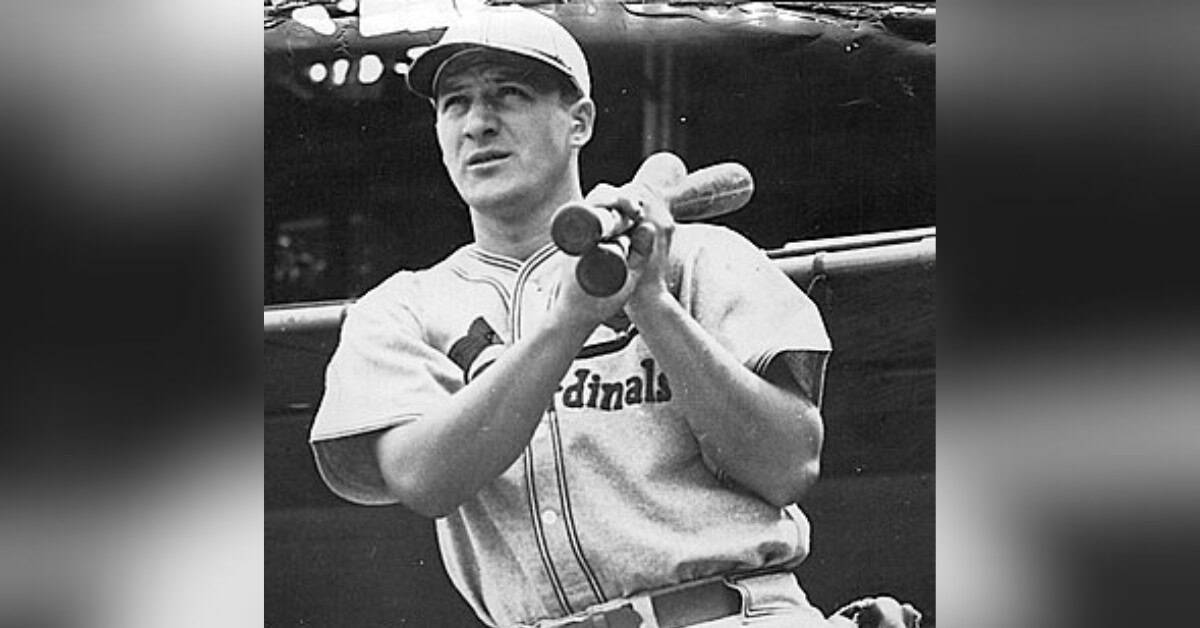
Joe “Ducky Wucky” Medwick’s line-drive swing was like a machine gun firing baseballs, generating hits with such consistent violence that he became the last National League player to win the Triple Crown. Medwick’s aggressive approach at the plate matched his fiery personality perfectly, creating a dangerous combination that made him the perfect fit for St. Louis’s Gashouse Gang. When Ducky stepped into the batter’s box with his distinctive stance and fierce determination, opposing pitchers faced a simple choice—throw strikes and get tattooed, or throw balls and watch him walk his way into scoring position.
Bill Dickey’s Catching Brilliance That Anchored Bronx Bombers
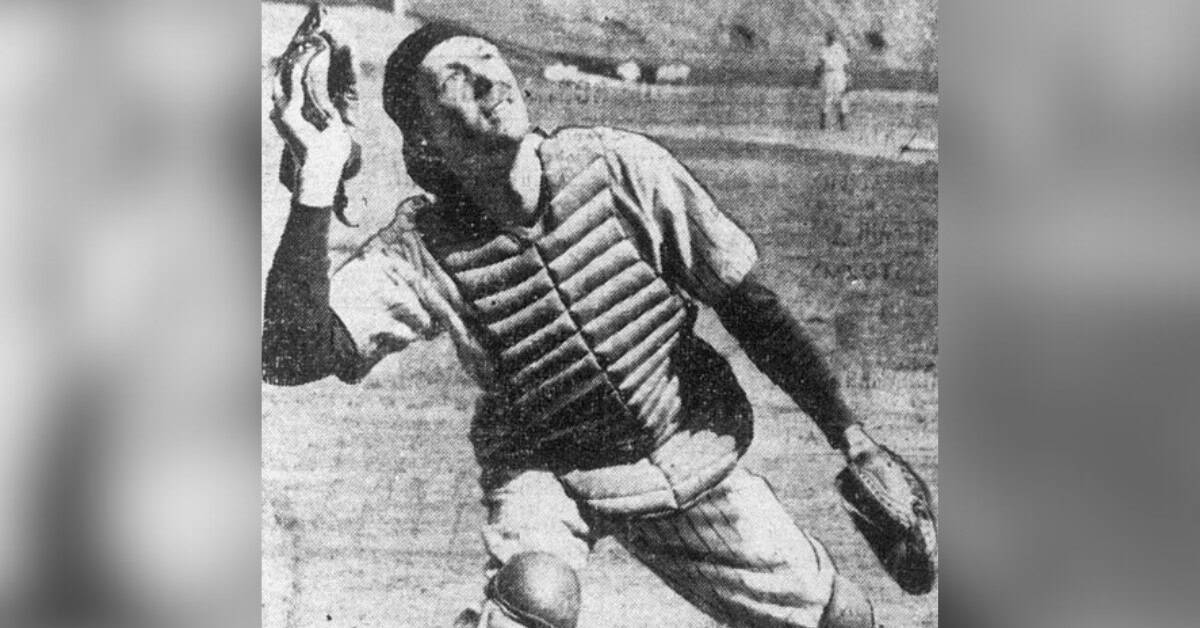
Bill Dickey was like a field general wearing shin guards, directing the Yankees’ championship machine from behind home plate while his steady bat provided the kind of reliable production that dynasty teams require. Dickey’s defensive brilliance and pitch-calling genius made him invaluable to New York’s success, transforming good pitchers into great ones while his leadership qualities made him the perfect veteran presence. When Bill Dickey crouched behind home plate with his keen baseball intelligence and steady hands, Yankee Stadium became an impenetrable fortress anchored by a catcher who understood that the most important position on the field is the one that touches the ball on every single play.
Pepper Martin’s Wild Horse Speed That Ignited Cardinals
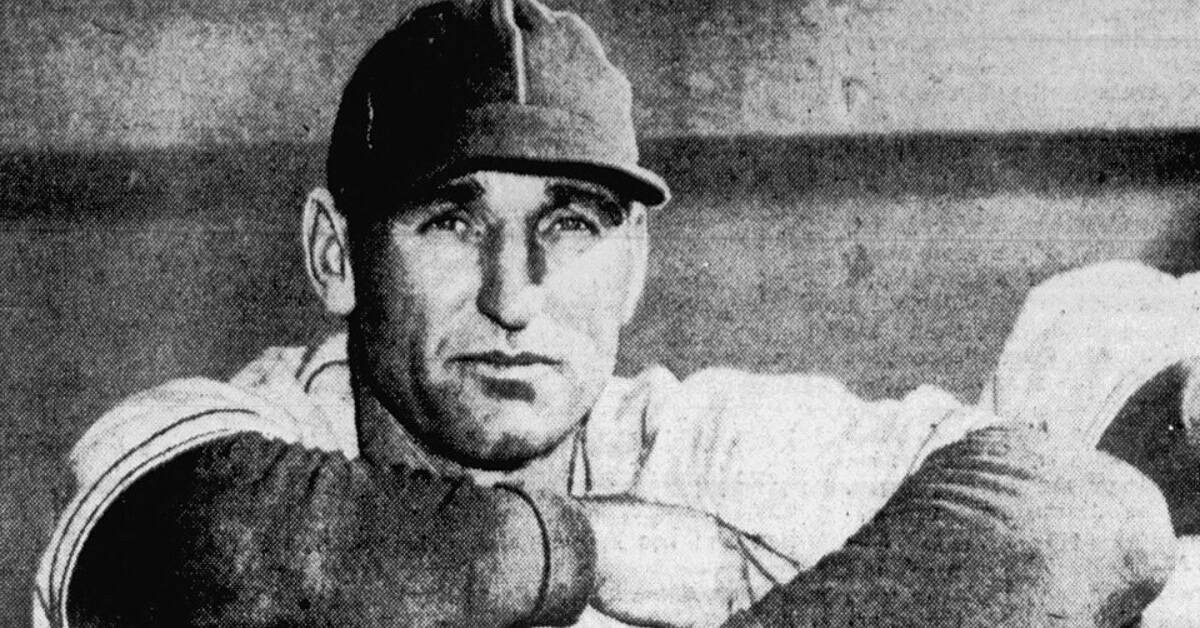
Pepper Martin’s base-running was like watching a tornado with cleats, creating chaos on the basepaths while his aggressive style embodied everything that made the Gashouse Gang so entertaining and effective. The Wild Horse of the Osage, whose fearless approach to baseball made him a fan favorite and a nightmare for opposing defenses, slid headfirst into bases with the same reckless abandon that defined his approach to life. When Pepper Martin took his lead off first base, dirt already staining his uniform and mischief gleaming in his eyes, Sportsman’s Park erupted in anticipation of another stolen base or perfectly executed hit-and-run, watching a player who proved that sometimes the most dangerous weapon is simply the willingness to take risks that scare everyone else.
Jimmie Foxx’s Double X Destruction That Powered Philadelphia
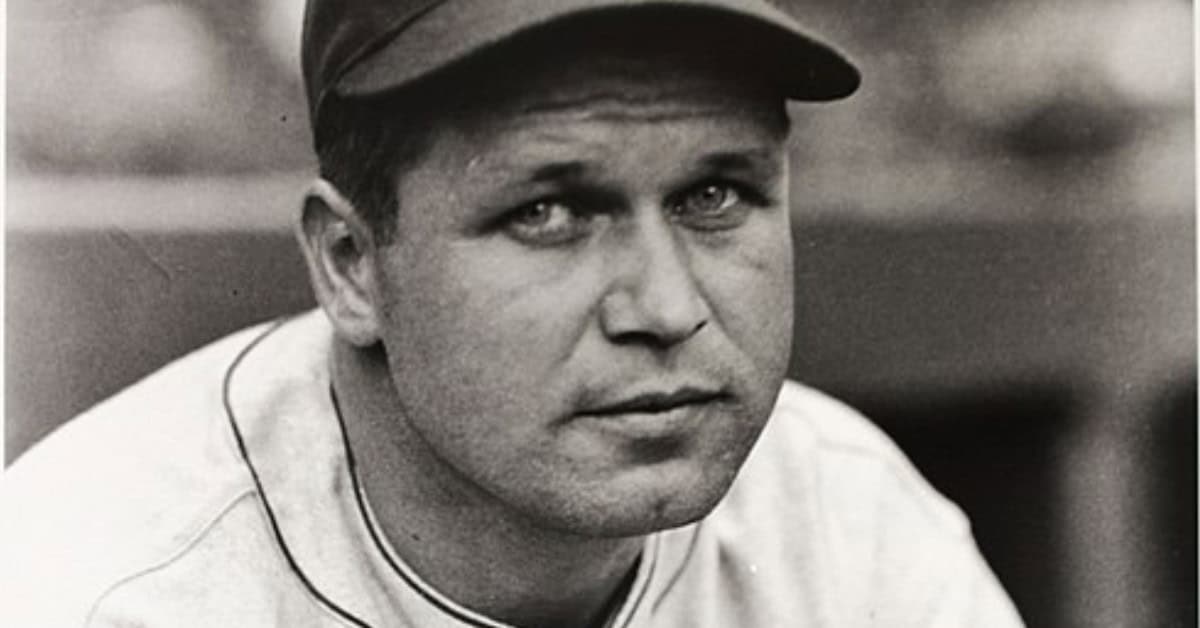
Jimmie Foxx’s swing was like watching Paul Bunyan attack a baseball, generating home runs with such raw power that opposing pitchers developed nervous conditions just thinking about facing the Beast. Double X’s 58 home runs in 1932 came tantalizingly close to Babe Ruth’s record, while his championship contributions to Philadelphia proved that pure strength never goes out of style. When Foxx stepped into the batter’s box at Shibe Park with his massive frame and confident swagger, Athletics fans knew they were watching one of the strongest men ever to play baseball demonstrate why power hitting will always be baseball’s most exciting art form.
Red Ruffing’s Pitching Artistry That Dominated October
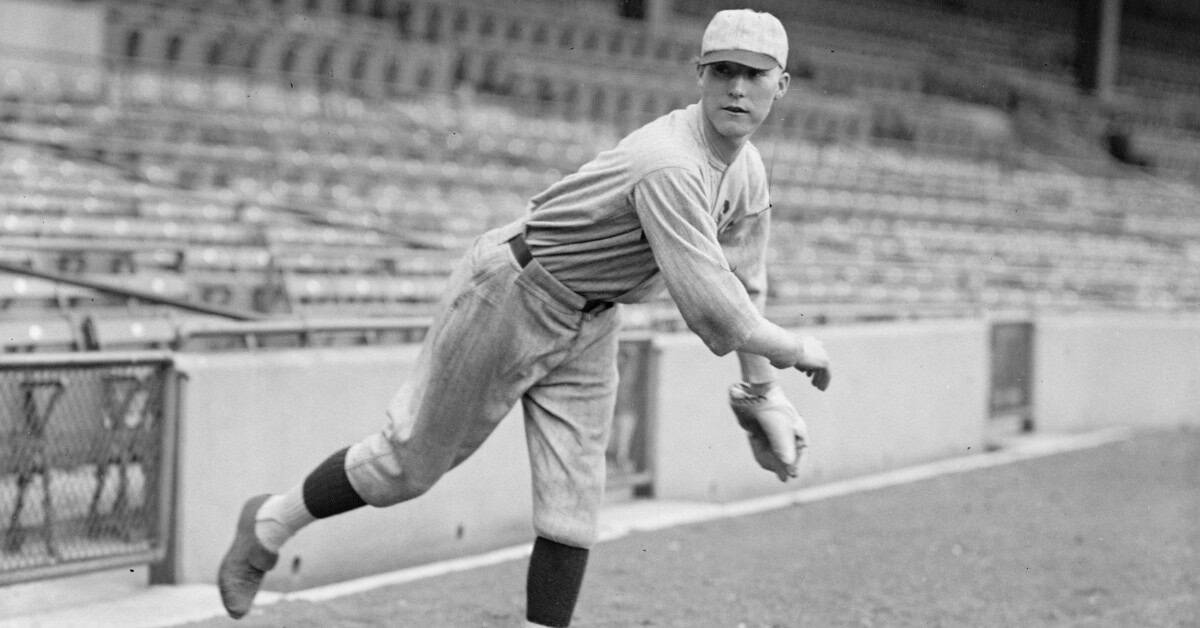
Red Ruffing’s transformation from struggling Red Sox pitcher to Yankees ace was like watching a caterpillar become a butterfly, as his pinpoint control and clutch gene made him the perfect big-game pitcher. Ruffing’s ability to rise to the occasion in pressure situations made him invaluable to New York’s championship runs, proving that sometimes the most important quality in a pitcher is simply the ability to get better when the stakes get higher. When Red Ruffing wound up with his polished repertoire working like a Swiss watch, Yankee Stadium became a showcase for pitching excellence, where fans witnessed the perfect marriage of natural talent and acquired wisdom delivered by a pitcher who understood legends are made in October.
Hank Greenberg’s Jewish Power That Broke Barriers and Records
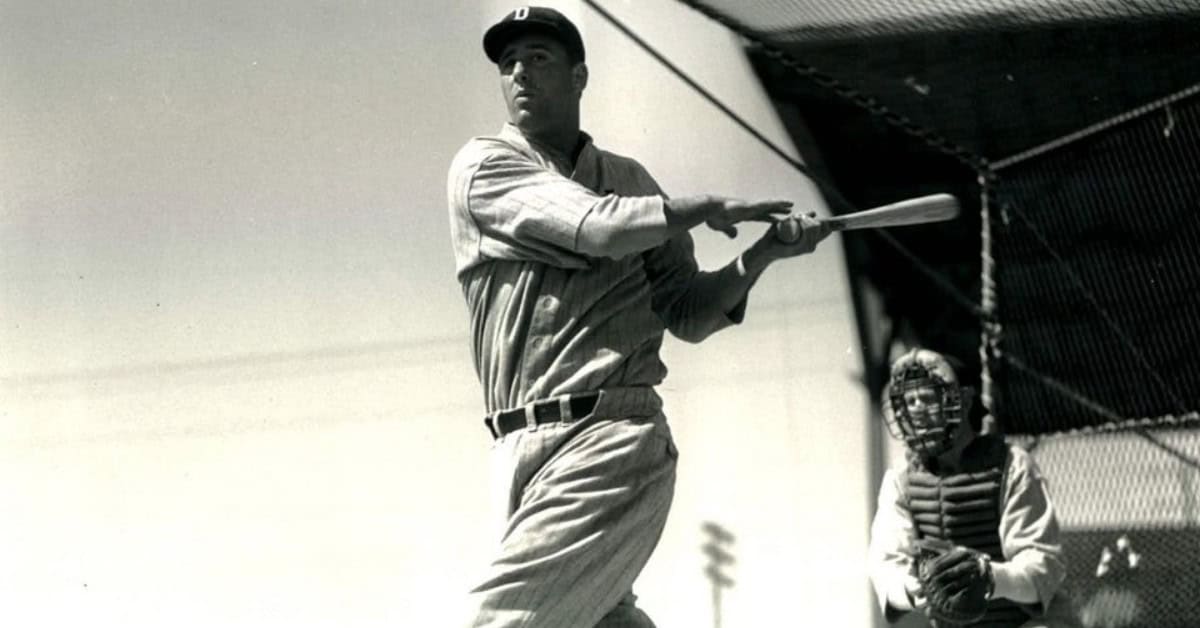
Hank Greenberg’s 58 home runs in 1938 brought him within two swings of Babe Ruth’s record, while his championship contribution to Detroit’s 1935 title proved that excellence knows no religious boundaries. Hammerin’ Hank’s success as one of baseball’s first prominent Jewish stars made him a hero to immigrant communities, and his powerful swing made him a nightmare for American League pitchers. When Greenberg stepped into the batter’s box at Briggs Stadium with his smooth stroke and quiet dignity, Tigers fans witnessed more than just great hitting—they watched a barrier-breaker who proved the American dream was big enough for everyone willing to work hard enough to achieve it.
Lefty Gomez’s Goofy Personality That Hid Championship Stuff
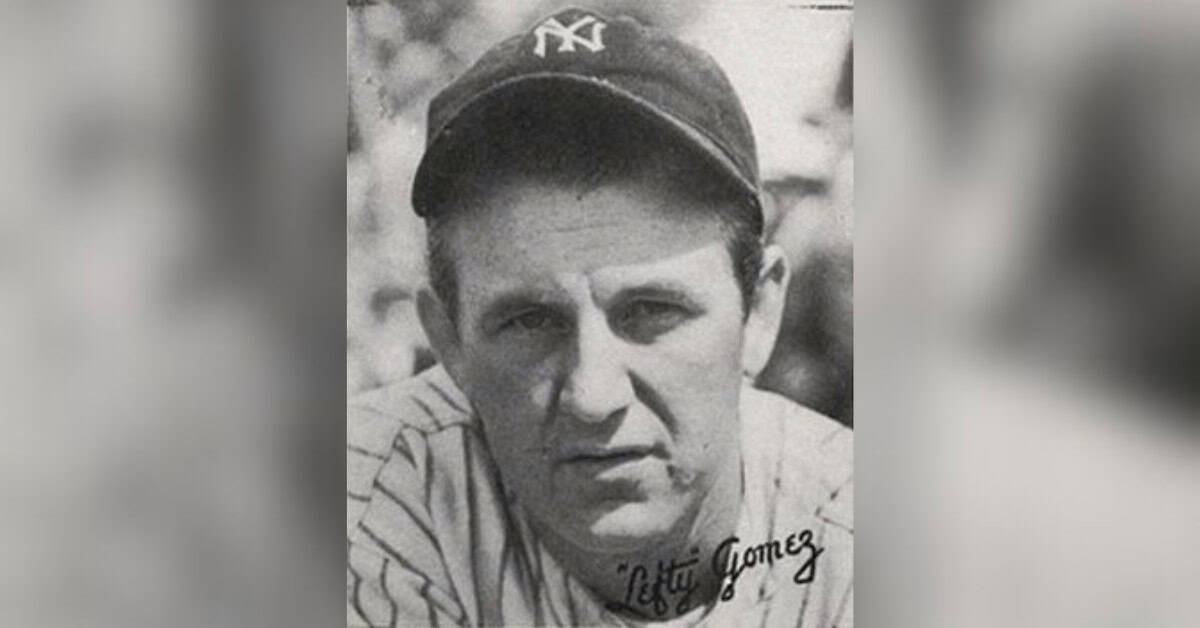
Lefty Gomez’s wisecracks and practical jokes made him the Yankees’ court jester, but his devastating fastball and clutch pitching made him one of the most important pieces of their championship puzzle. Goofy’s ability to keep the clubhouse loose while delivering in pressure situations proved that sometimes the best way to handle stress is to laugh at it while throwing strikes. When Gomez wound up with his blazing fastball and infectious personality working in perfect harmony, Yankee Stadium became a showcase for the perfect marriage of talent and humor, watching a pitcher who understood that baseball was supposed to be fun, even when championships were on the line.
Mickey Cochrane’s Black Mike Fire That Ignited Tigers
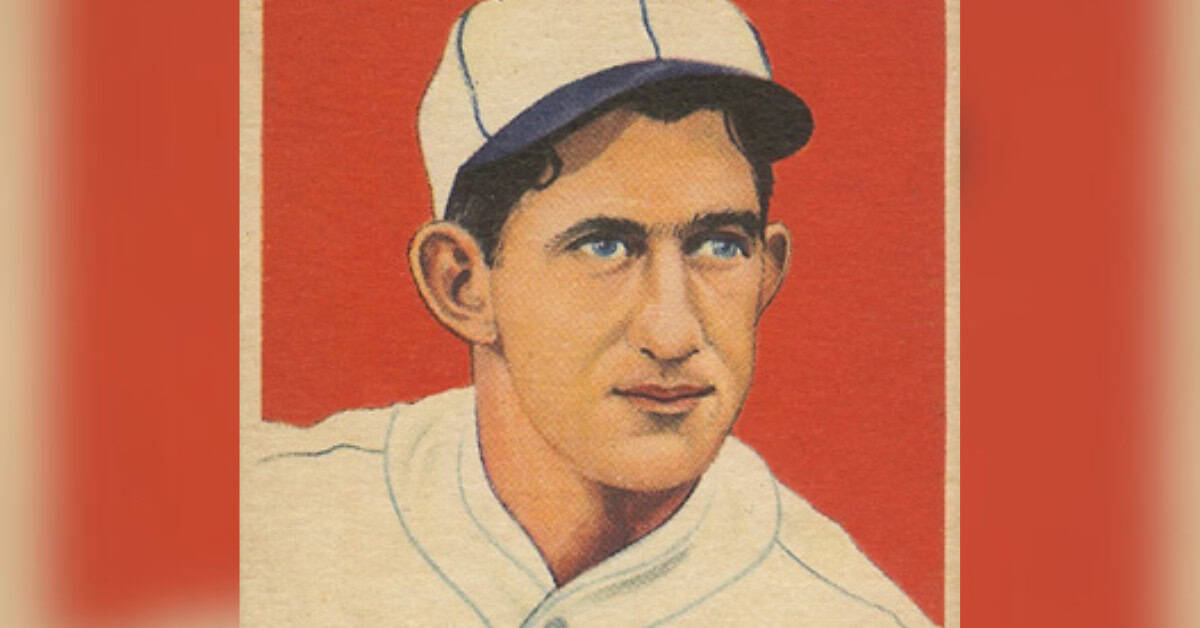
Mickey Cochrane’s arrival in Detroit was like adding rocket fuel to an already powerful engine, as “Black Mike’s” fierce competitiveness and leadership transformed the Tigers from contenders into champions. Cochrane’s combination of catching brilliance and managerial genius made him the perfect player-manager, proving that some people are simply born to lead while excelling at the game’s most demanding position. When Black Mike crouched behind home plate with his competitive fire and baseball intelligence, Briggs Stadium became a launching pad for championship dreams, anchored by a catcher who understood that a leader’s most important quality is the ability to make everyone around them better.
Carl Hubbell’s Screwball Magic That Made Giants Championship Contenders

Carl Hubbell’s screwball was like a magic trick performed in broad daylight, breaking in the opposite direction of everything hitters expected while helping the Giants capture the 1933 championship. The Meal Ticket’s reverse-breaking pitch was so devastating that even Hall of Fame hitters looked foolish trying to time its unusual movement, creating some of the most memorable strikeouts in baseball history. When Hubbell wound up with his legendary screwball ready to dance through the strike zone at the Polo Grounds, Giants fans witnessed pure artistry in motion, watching a master craftsman use one devastating pitch to prove that sometimes the most effective weapon is the one that does exactly what nobody expects.
Tony Lazzeri’s Clutch Second Base Magic That Powered Yankee Dynasties
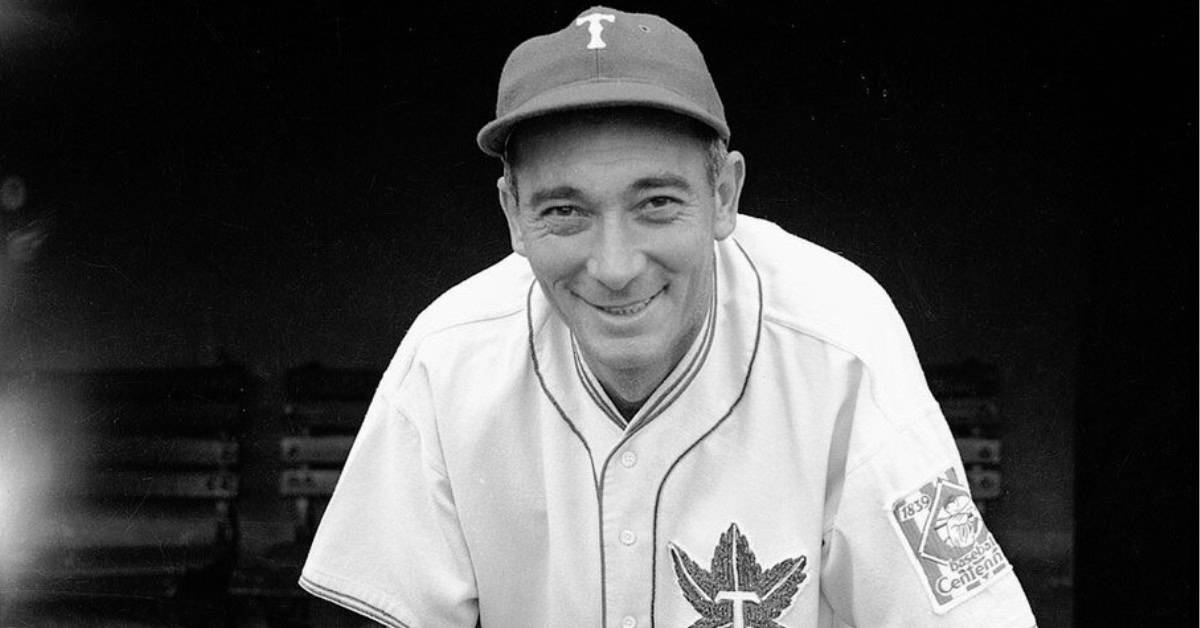
Tony Lazzeri’s clutch hitting and defensive brilliance made him the perfect complement to the Yankees’ star-studded lineup, providing the kind of all-around excellence that separates dynasty teams from one-year wonders. Lazzeri’s ability to deliver in pressure situations while anchoring the infield defense proved that championships are won by players who understand their role and execute it perfectly when it matters most. When Tony Lazzeri stepped into the batter’s box with runners in scoring position and the championship on the line, Yankee Stadium erupted in anticipation of another clutch hit from a player who understood that pressure is just another word for opportunity to become a hero.
Al Simmons’ Bucket Foot Stance That Terrorized World Series Pitching
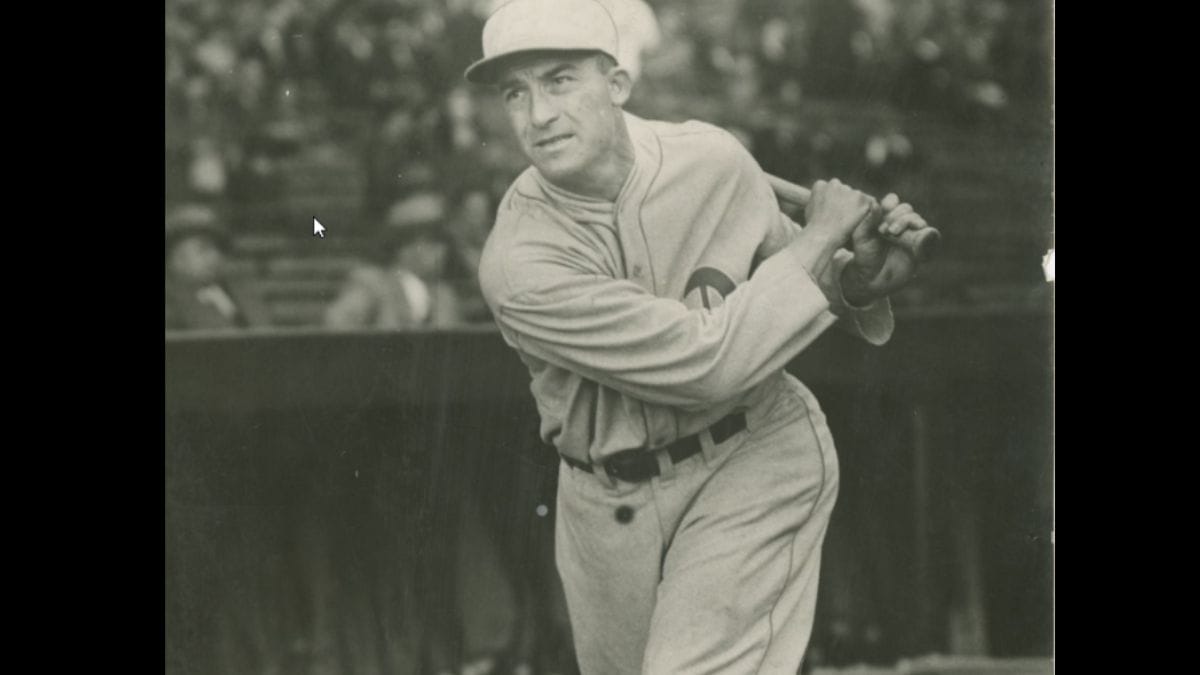
Al Simmons’ “bucket foot” batting stance looked like a violation of every hitting fundamental ever taught, but the results spoke louder than any textbook as he terrorized American League pitching during Philadelphia’s championship run. Bucketfoot Al’s unorthodox approach proved that sometimes the most effective technique is the one that feels natural to the individual, regardless of what the coaching manuals recommend. When Simmons stepped into the batter’s box with his distinctive stance and fierce determination, Shibe Park erupted in anticipation of another line drive that would rocket off his bat like it had been fired from a cannon, proving that greatness comes in all shapes and forms.
Frankie Frisch’s Fordham Flash Intelligence That Managed Championships
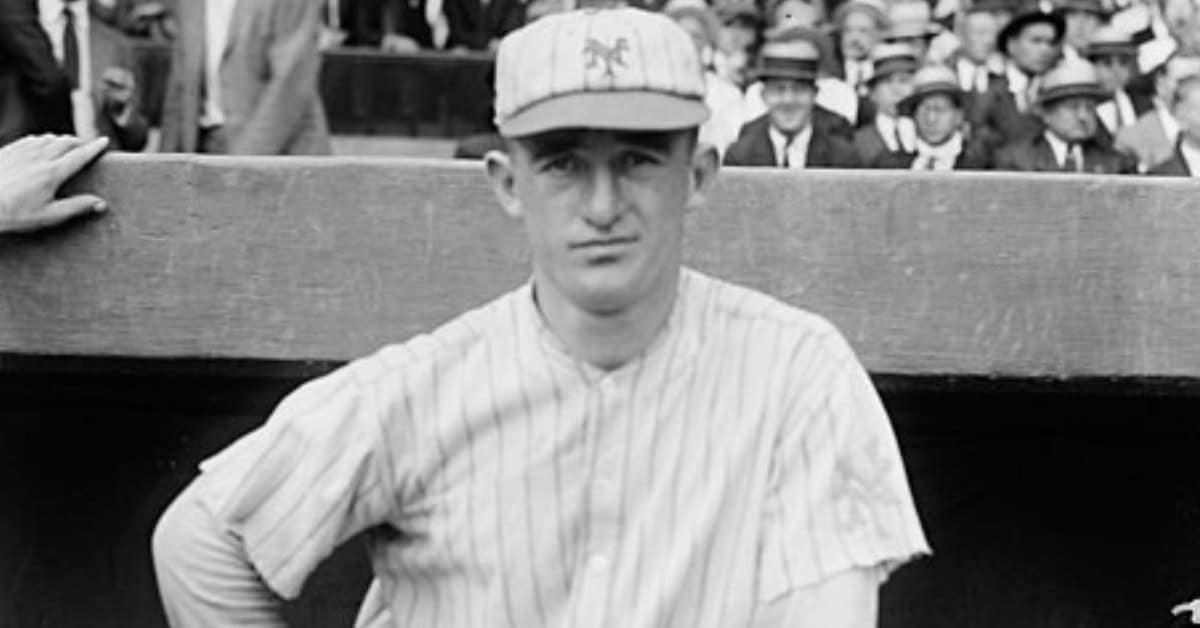
Frankie Frisch’s transition from star player to championship manager proved that baseball intelligence and competitive fire could overcome any challenge, as the Fordham Flash guided the Cardinals’ Gashouse Gang to glory. Frisch’s ability to handle the colorful personalities in St. Louis’s clubhouse while keeping them focused on winning made him the perfect leader for a team that played baseball like it was supposed to be fun. When the Fordham Flash made his moves from the dugout with his keen understanding of game situations and player psychology, Cardinals fans witnessed the perfect example of how leadership and intelligence transform talented individuals into championship teams.
Goose Goslin’s Clutch Hitting That Delivered Washington’s Last Hurrah
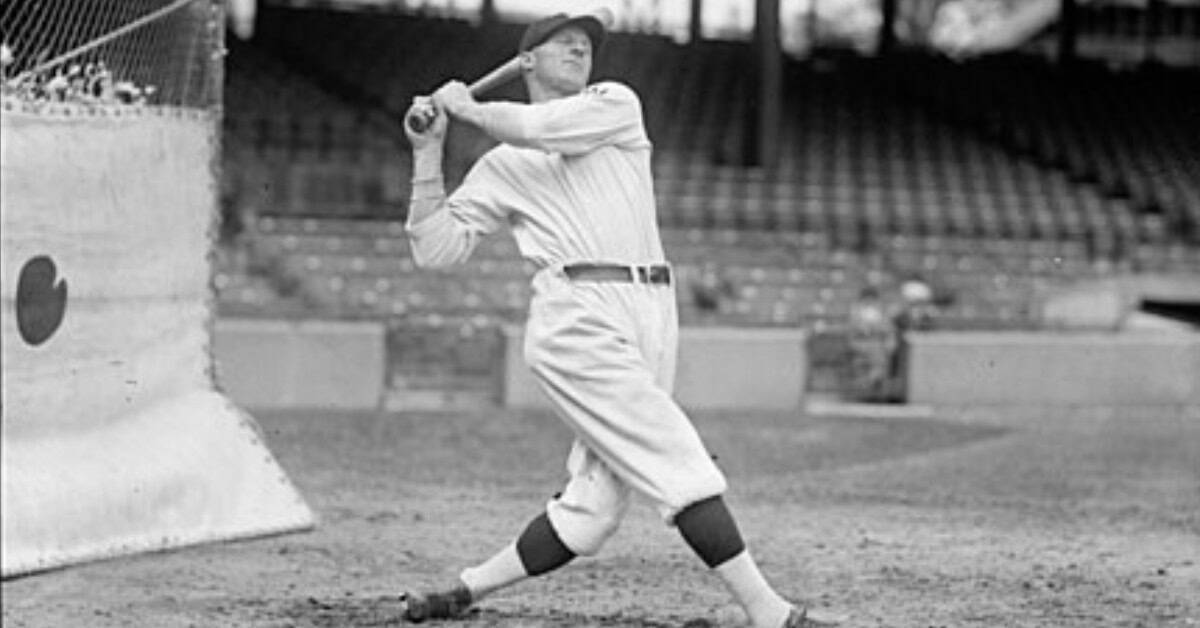
Goose Goslin’s clutch hitting helped deliver Washington’s final championship in 1924, but his return to the Senators in the 1930s provided veteran leadership and timely hits that kept the franchise competitive during its twilight years. Goslin’s ability to rise to the occasion in pressure situations made him one of the most valuable players of his era, proving that some hitters are simply born with the clutch gene. When Goose Goslin stepped into the batter’s box with the game on the line and Griffith Stadium holding its breath, Senators fans witnessed the perfect example of how experience and determination can overcome any situation, watching a player who understood that legends are made in the moments when everyone else is afraid to fail.
Frankie Crosetti’s Steady Shortstop Play That Completed the Machine
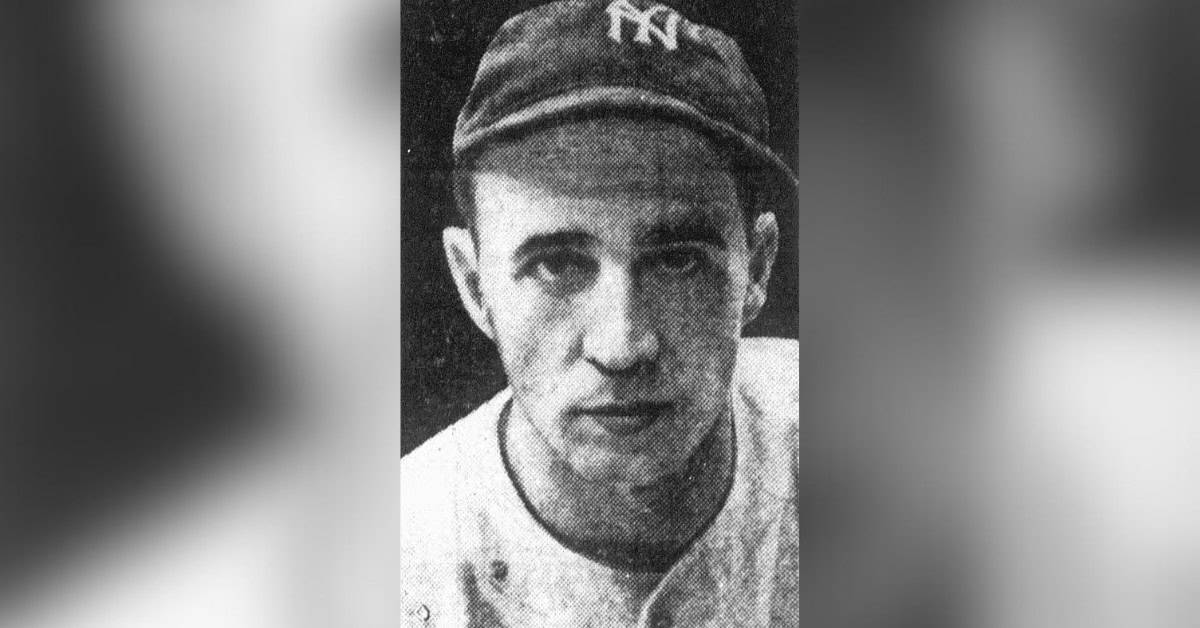
Frankie Crosetti was the steady heartbeat of the Yankees’ championship infield, providing the kind of reliable defense and timely hitting that championship teams require while never seeking the spotlight that shone so brightly on his more famous teammates. Crosetti’s understated excellence was like the foundation of a skyscraper—invisible to most observers but absolutely essential to the structure’s stability and success. When Frankie Crosetti settled into his stance at shortstop with his quiet confidence and fundamental soundness, Yankees fans witnessed the perfect example of how championships are built on players who understand that the most valuable contributions are often the ones that never make headlines but always make the difference.
Joe DiMaggio’s Rookie Magic That Sparked Yankee Dynasty
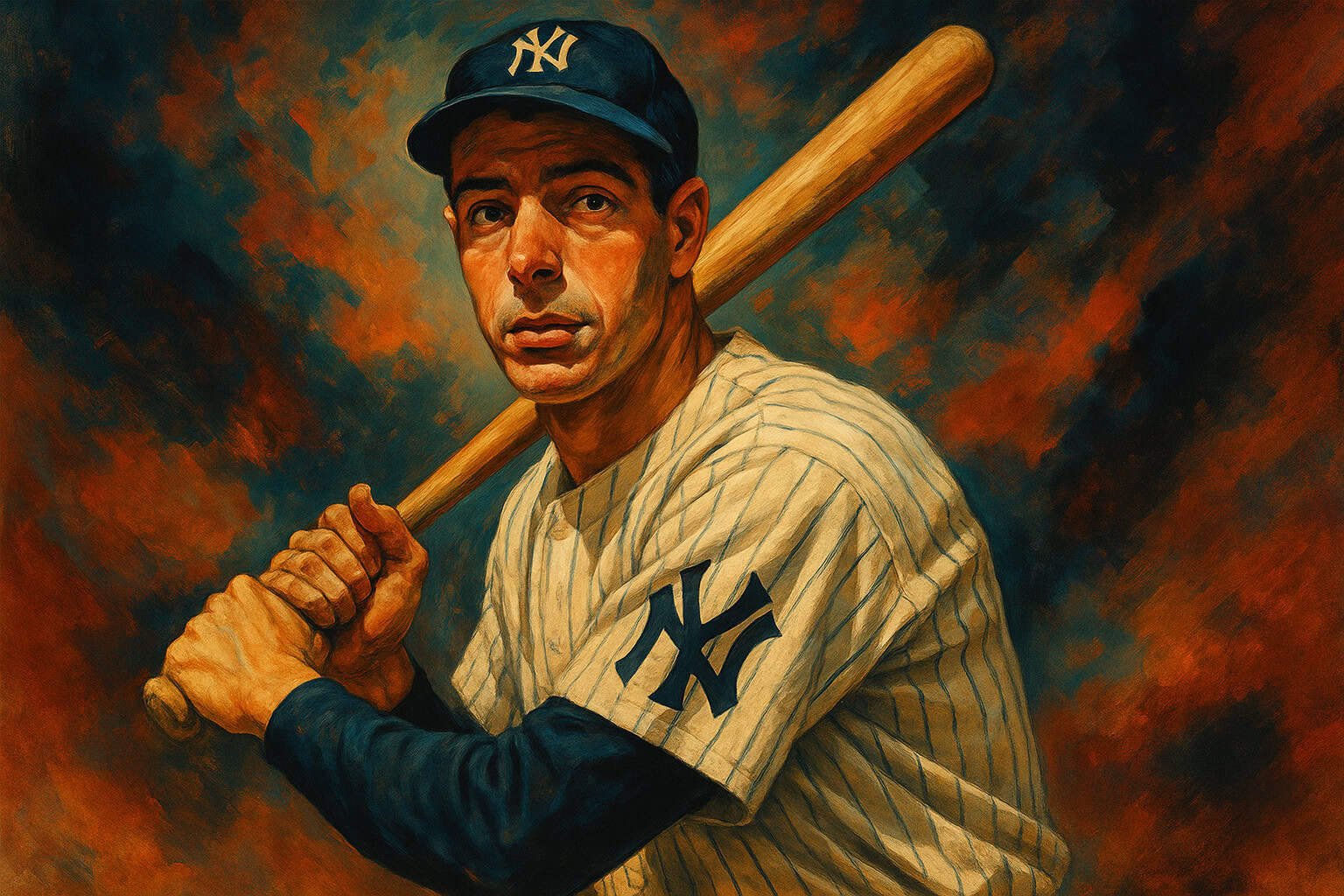
Joe DiMaggio’s arrival in 1936 was like adding a turbocharger to an already powerful engine, as the Yankee Clipper’s rookie season sparked a championship run that would define the late 1930s. DiMaggio’s graceful swing and effortless center field play made him an instant star, proving that some players are simply born to perform on baseball’s biggest stage. When the young DiMaggio stepped into the batter’s box at Yankee Stadium with his smooth stroke and natural confidence, fans witnessed the beginning of a legend—watching a rookie who understood that greatness isn’t just about talent, but about having the courage to be great when everyone is watching and expecting you to fail.