

Last Updated: June 17th, 2026 by Michael Schatz
Before television brought baseball into living rooms and statistics became obsessions, the 1940s produced a generation of stars whose names have faded like old newspaper clippings. These weren’t just ballplayers—they were the heartbeat of a sport that defined American summers during wartime and recovery.
Don't lose this article. Enter your email below, and I'll send it to you right now. Plus, we'll send you other unbelievable stories from baseball's past.
Vern Stephens: The Slugging Shortstop Who Out-Hit Ted Williams

In 1949, while Ted Williams was chasing .400, his Red Sox teammate Vern Stephens quietly drove in 159 runs—more than Williams ever managed in a single season. The stocky shortstop from New Mexico became the first player at his position to lead the American League in home runs, smacking 39 that magical year when Fenway Park still smelled of cigar smoke and hope. Stephens could turn a double play with ballet-like grace, then step into the batter’s box and launch missiles that made grown men weep with joy.
Tommy Holmes: The Hitting Machine Who Never Struck Out
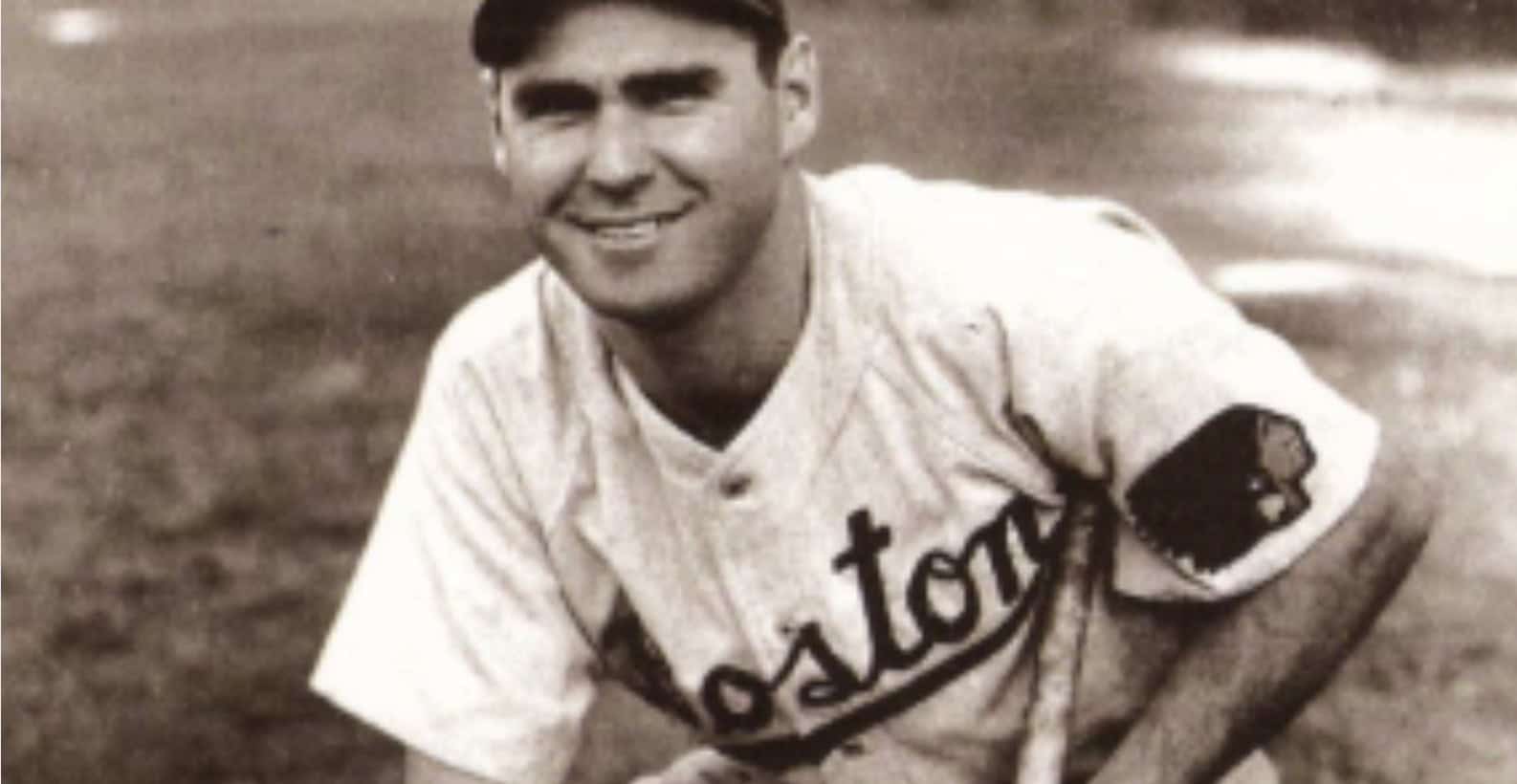
Tommy Holmes owned 1945 like a man possessed, hitting safely in 37 consecutive games—a modern National League record that still stands. The Boston Braves outfielder struck out just nine times that entire season while collecting 224 hits and leading the league in home runs with 28. Holmes had the kind of contact swing that made pitchers question their life choices. He sprayed line drives to all fields with the precision of a Swiss watchmaker and the consistency of a grandfather clock.
George McQuinn: The First Baseman Who Made Wartime Baseball Sing
When the St. Louis Browns finally reached their only World Series in 1944, George McQuinn was the steady heartbeat that kept their miracle season alive. The graceful first baseman hit .438 in that Fall Classic, turning Sportsman’s Park into a cathedral of impossible dreams during the darkest days of World War II. McQuinn’s glove work was poetry in motion, scooping throws from the dirt like a man gathering fallen angels. His left-handed swing produced the kind of doubles that rolled to the wall like whispered prayers.
Dom DiMaggio: The Little Professor in Ted’s Shadow
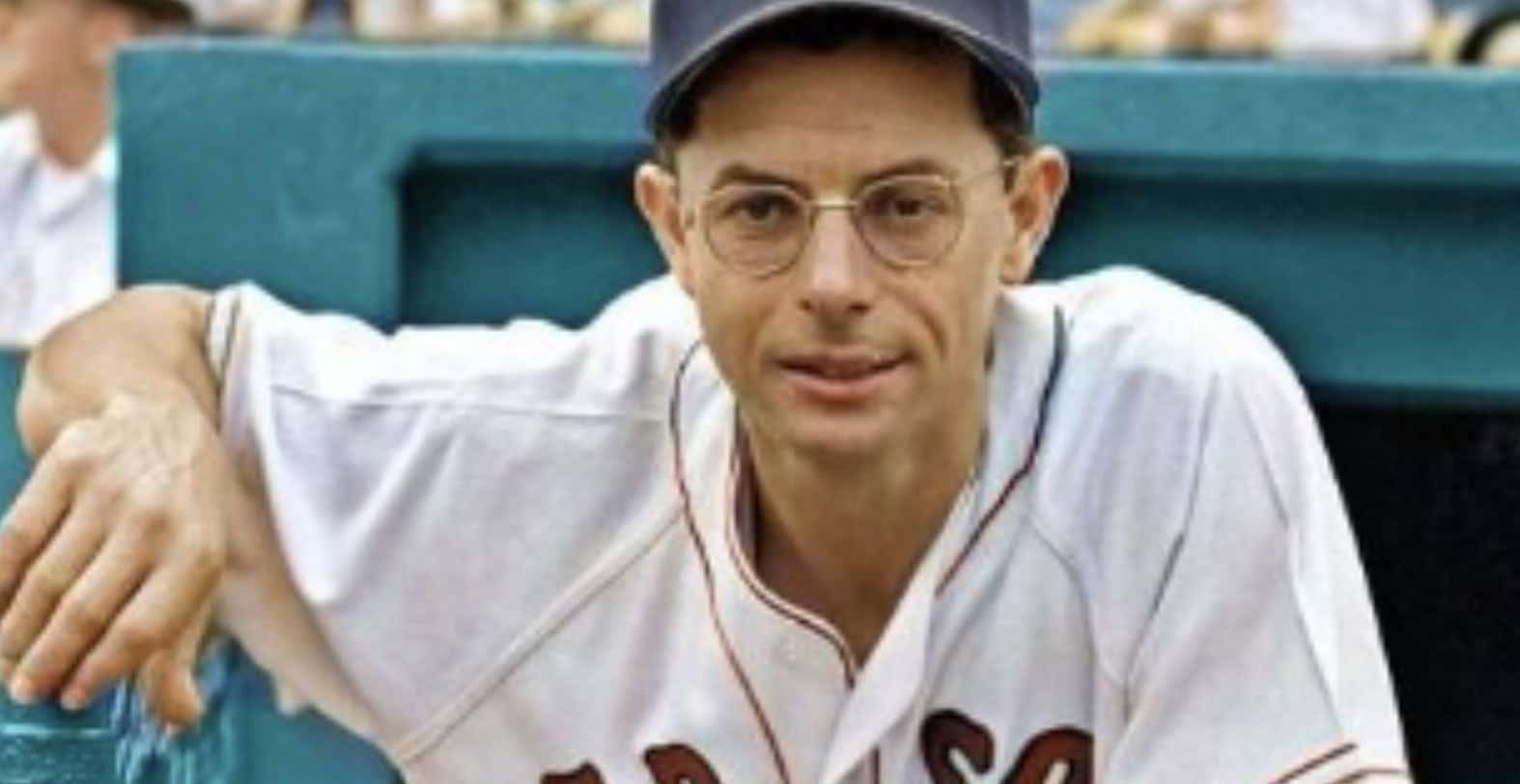
Dom DiMaggio patrolled center field at Fenway Park with the intellectual precision that earned him the nickname “The Little Professor,” his wire-rimmed glasses glinting in the afternoon sun as he tracked fly balls like a mathematician solving equations. The youngest DiMaggio brother hit .300 seven times for the Red Sox, often overshadowed by Ted Williams in left field and his famous brother Joe in New York. Dom’s 34-game hitting streak in 1949 was pure artistry—line drives that found gaps with the reliability of a Swiss train schedule. He proved that genius sometimes comes in smaller packages.
Dixie Walker: Brooklyn’s People’s Choice Before Jackie

Before Jackie Robinson changed everything, Dixie Walker was Brooklyn’s golden boy, earning the nickname “The People’s Cherce” from fans who pronounced “choice” with thick Flatbush accents. Walker won the 1944 National League batting title by hitting .357, his smooth swing producing doubles that caromed off Ebbets Field’s quirky walls like pinball machine magic. The Alabama-born outfielder represented an era when baseball heroes were measured not just by statistics but by their ability to make ordinary people believe in extraordinary things, one swing at a time.
Bobo Newsom: The Wandering Mound Magician with 20 Teams
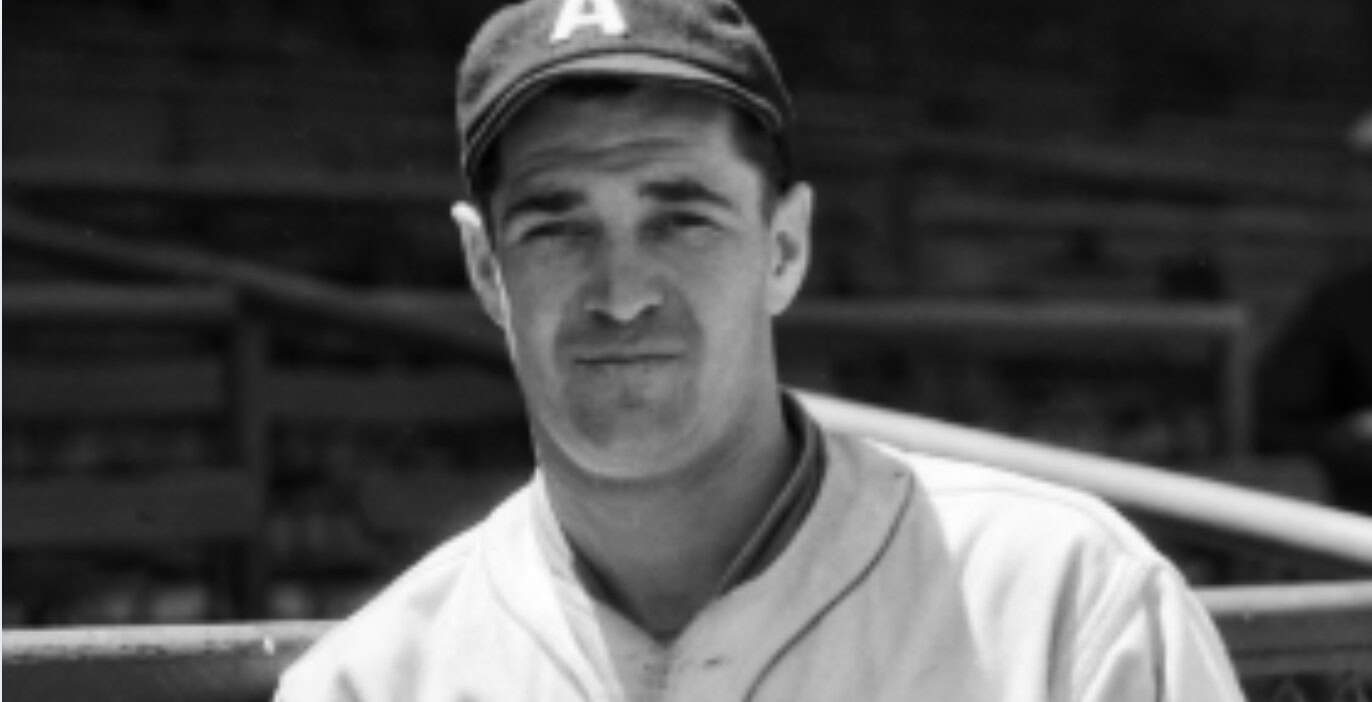
Buck “Bobo” Newsom pitched for nine different franchises during his nomadic career, donning 20 uniforms as he moved between teams and cities. The colorful right-hander won 20 games three times in the 1940s, including a magical 1940 season with Detroit when he pitched the Tigers to the World Series. Newsom had a fastball that hummed like a summer cicada and a personality bigger than the stadiums he conquered. He called everyone “Bobo” because he claimed he couldn’t remember names—though his memory for opposing hitters’ weaknesses was photographic.
Dutch Leonard: The Knuckleball King Who Fooled Everyone
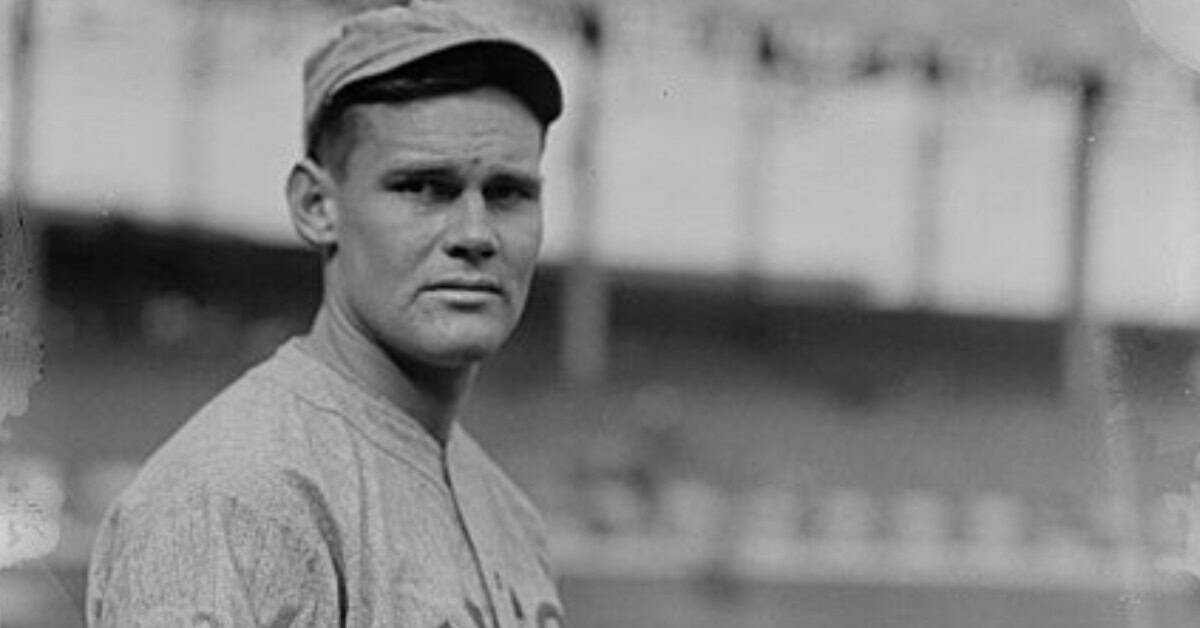
Emil “Dutch” Leonard threw a knuckleball that danced through the strike zone like a butterfly caught in a windstorm, baffling hitters and catchers alike throughout the 1940s. The Washington Senators’ crafty right-hander led the American League in ERA twice, his signature pitch floating toward home plate with all the predictability of a leaf falling from an autumn tree. Leonard’s knuckler was so effective that opposing batters would swing at pitches that seemed destined for the backstop, only to watch them dart back over the plate like mischievous spirits.
Johnny Pesky: The Contact Hitter Who Lost His Prime to War
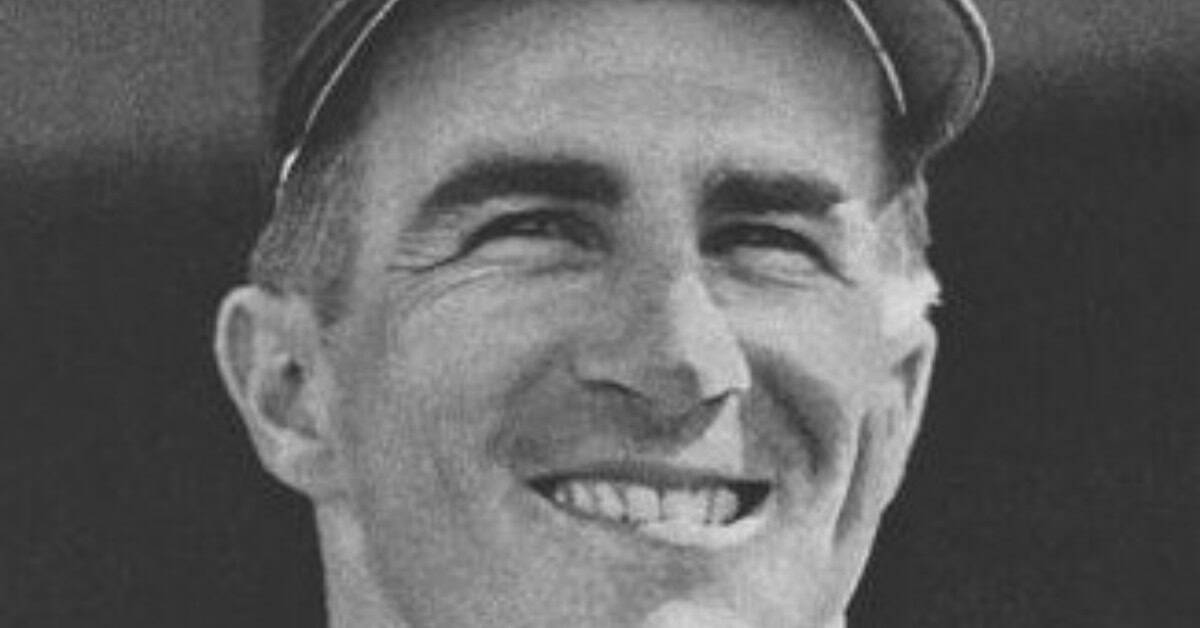
Johnny Pesky hit .331 as a rookie in 1942, then disappeared for three years to serve in World War II. He returned to lead the American League in hits for three consecutive seasons. The Red Sox shortstop had a swing smoother than silk pajamas, spraying singles and doubles with the consistency of a metronome while working counts like a chess master planning five moves ahead. Pesky’s bat control was so precise he could place a ball wherever he wanted, turning at-bats into artistic expressions that made pitchers feel like they were being dissected by a surgeon with a Louisville Slugger.
Spud Chandler: The Yankees’ Secret Weapon Nobody Remembers
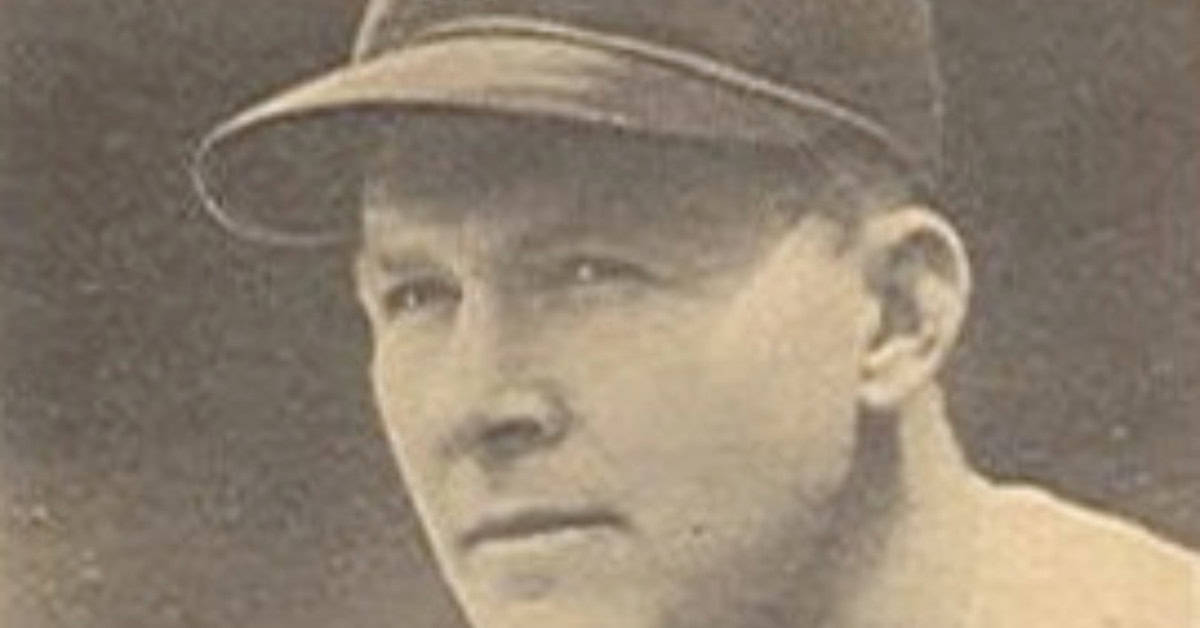
Spurgeon “Spud” Chandler won the 1943 American League MVP Award with a microscopic 1.64 ERA, anchoring a Yankees rotation that dominated baseball like a well-oiled machine. The Georgia-born right-hander possessed a curveball that dropped off tables and a competitive fire that burned hotter than a summer day in the Bronx. Chandler’s pinpoint control and ice-water temperament helped the Yankees win four World Series titles in the 1940s. Although his quiet demeanor meant he was often overshadowed by flashier teammates who grabbed headlines, he simply won ball games.
Luke Appling: Old Aches and Pains Who Played Forever

Luke Appling earned the nickname “Old Aches and Pains” for his legendary hypochondria, constantly complaining about imaginary ailments while playing shortstop for the Chicago White Sox with the durability of a cast-iron skillet. The master of the foul ball could work counts until pitchers’ arms felt like overcooked spaghetti, once fouling off 24 consecutive pitches just to prove a point. Appling’s career spanned four decades; his bat stayed sharp enough to hit .301 at the age of43. He proved that sometimes the best medicine for whatever ails you is simply refusing to quit playing the game you love.