


Last Updated: June 17th, 2026 by Michael Schatz
Before sabermetrics and highlight reels, the 1970s belonged to players who simply showed up and delivered, day after day, in polyester uniforms tough enough to survive a nuclear winter. These forgotten stars didn’t chase social media fame—they chased fly balls in cavernous stadiums where the only instant replay was your memory.
Don't lose this article. Enter your email below, and I'll send it to you right now. Plus, we'll send you other unbelievable stories from baseball's past.
Cesar Cedeno: The Dominican Dynamo Who Should’ve Been a Superstar
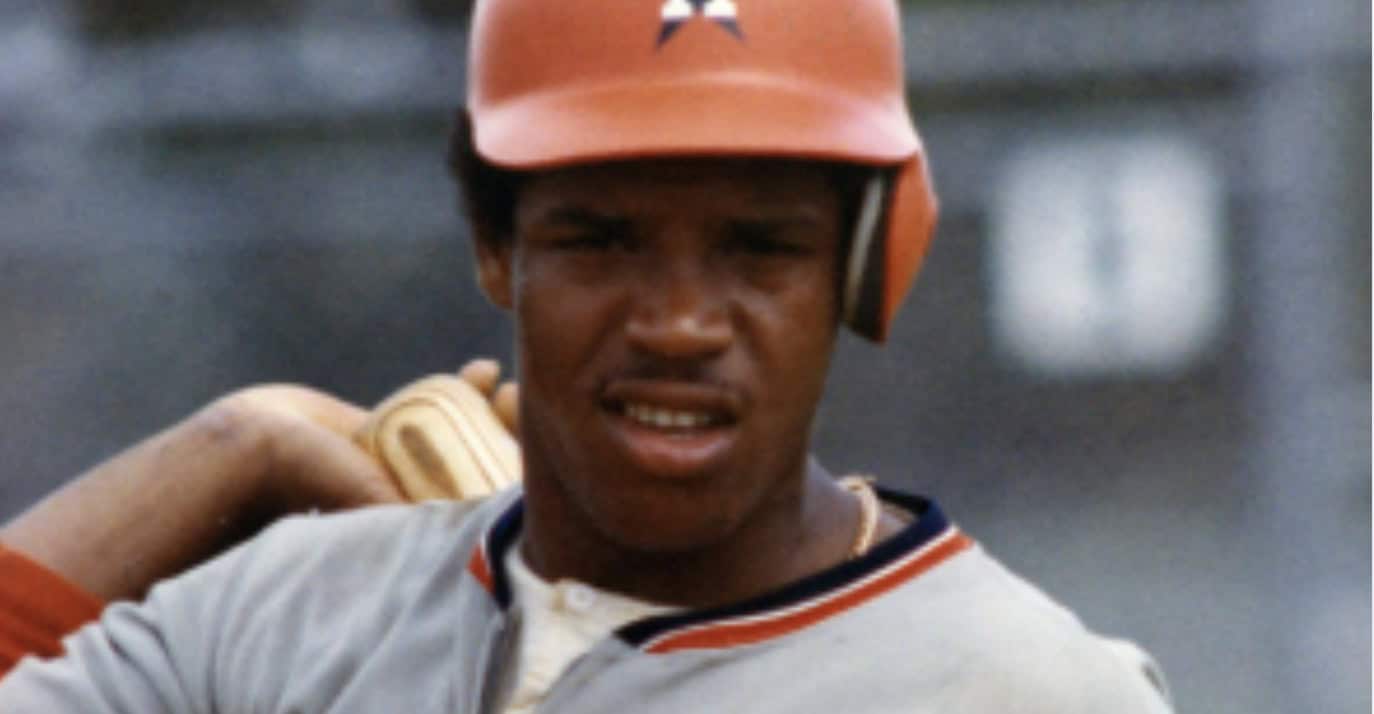
At 21, Cesar Cedeno was hitting .320 with Gold Glove defense in center field for Houston, looking like the next Willie Mays. He became the first Astro to hit for the cycle in 1972, stole 487 bases as an Astro, and compiled a .285 career average with legitimate five-tool skills. Yet somehow, despite 550 career stolen bases and 199 home runs, Cedeno remains baseball’s greatest “what if” story from the decade.
Thurman Munson: The Gritty Catcher Who Died Too Young
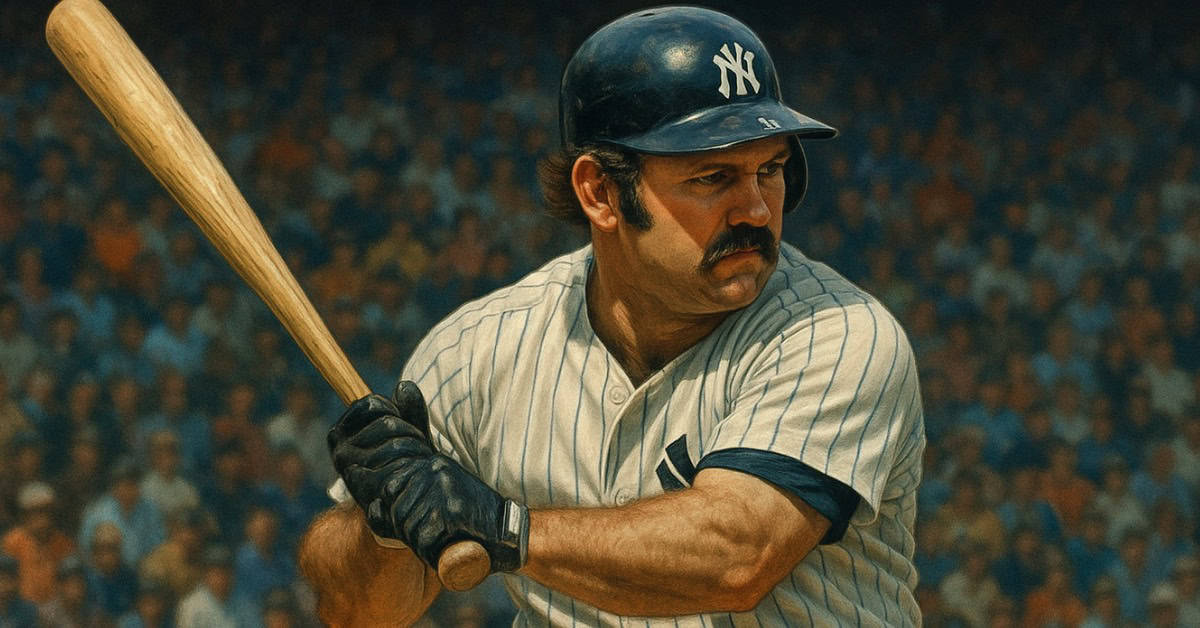
Thurman Munson embodied everything tough about 1970s baseball—a mustached catcher from Akron who called his own game and wasn’t afraid to block the plate. The 1976 AL MVP hit .302 in his MVP season and .292 for his career, anchoring two World Series champions before his tragic death in a plane crash at age 32 in 1979. His number 15 was immediately retired, but his gritty leadership style and clutch hitting deserve more recognition than just a plaque in Monument Park.
Bill Madlock: “Mad Dog” and His Four Batting Titles Nobody Remembers
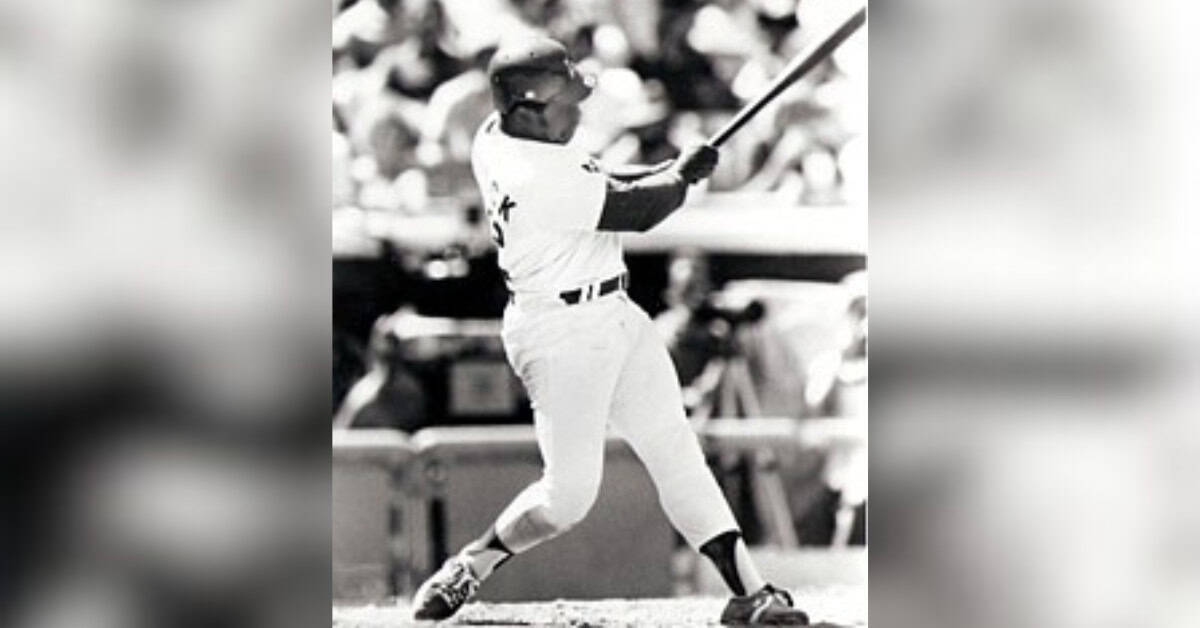
Bill “Mad Dog” Madlock won four National League batting titles between 1975 and 1983, including back-to-back crowns with the Cubs in ’75 (.354) and ’76 (.339). The fiery third baseman from Memphis could flat-out hit, maintaining a .305 career average while bouncing between five teams. His record of four batting titles as a third baseman stood until Wade Boggs surpassed it, yet Madlock remains criminally underrated despite being one of the premier pure hitters of his generation.
Don Money: The Brewers’ Steady Eddie with the Perfect Name
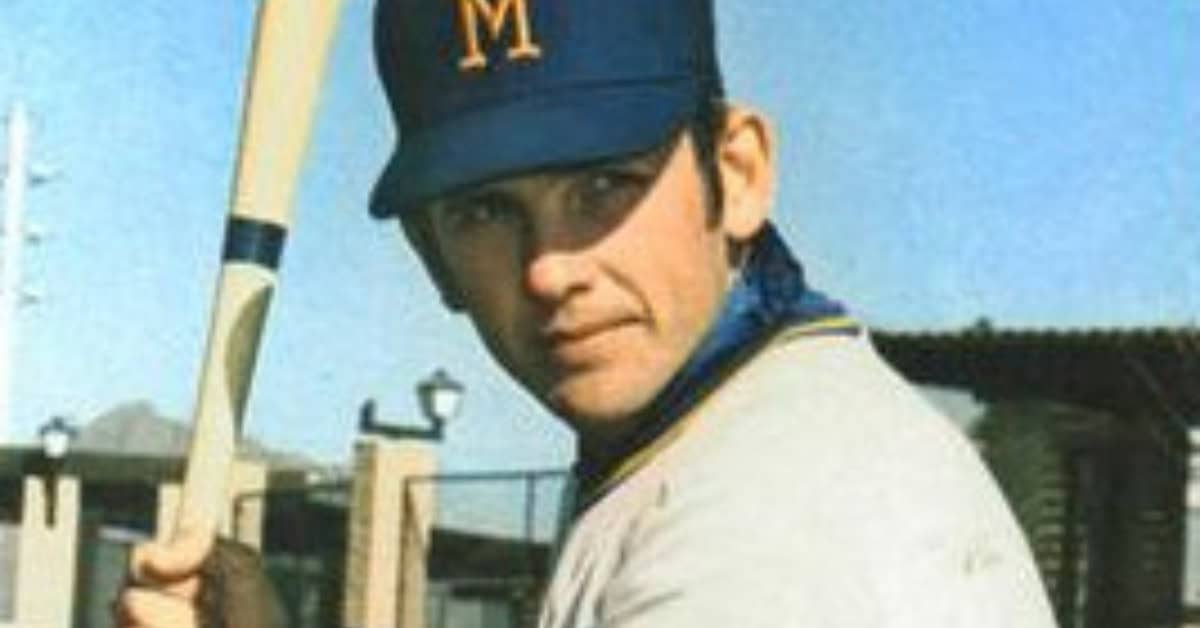
Don Money was Milwaukee’s Mr. Reliable before Robin Yount became a household name, playing 11 seasons with the Brewers and earning four All-Star selections. The versatile infielder set a major league record in 1977 with 261 consecutive errorless chances at third base, while hitting .270 with 134 home runs during his Brewers tenure. Money was voted team MVP twice (1974, 1977) and provided the steady veteran presence that helped transform Milwaukee from an expansion doormat into a playoff contender.
Freddie Patek: The 5’5″ Shortstop Who Played Like a Giant
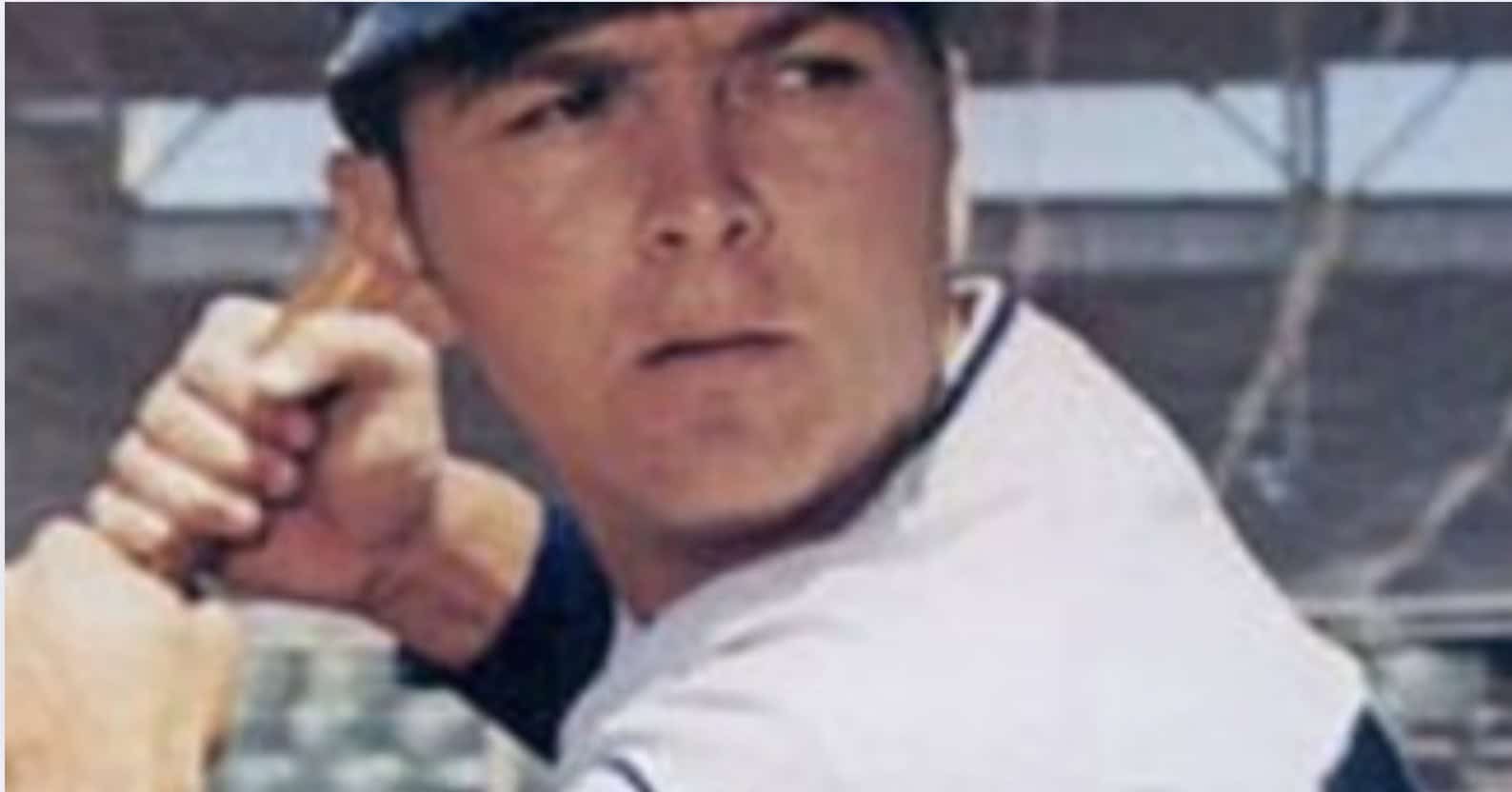
At 5’5″ and 148 pounds, Freddie “The Flea” Patek proved that heart mattered more than height in 1970s baseball. The Kansas City shortstop made three All-Star teams while anchoring the Royals’ defense, leading the AL with 510 assists in 1971 and stealing 336 bases during his nine seasons in Kansas City. Patek even hit for the cycle in 1971, completing it with a game-winning ninth-inning homer that showed this little giant could deliver in the clutch when it mattered most.
Al Oliver: The Quiet Hitting Machine Pittsburgh Forgot

Al Oliver was the consummate professional hitter who quietly compiled 2,743 career hits while playing for seven different teams from 1968 to 1985. The smooth-swinging outfielder won the 1982 NL batting title at age 35 (.331 with Montreal) and finished with a .303 lifetime average, yet somehow gets overlooked in Pirates history despite helping Pittsburgh win the 1971 World Series. Oliver’s consistency was remarkable; he hit over .300 in eight seasons and drove in 1,326 runs during an era when offense was harder to come by.
Toby Harrah: The Swiss Army Knife Who Could Play Anywhere
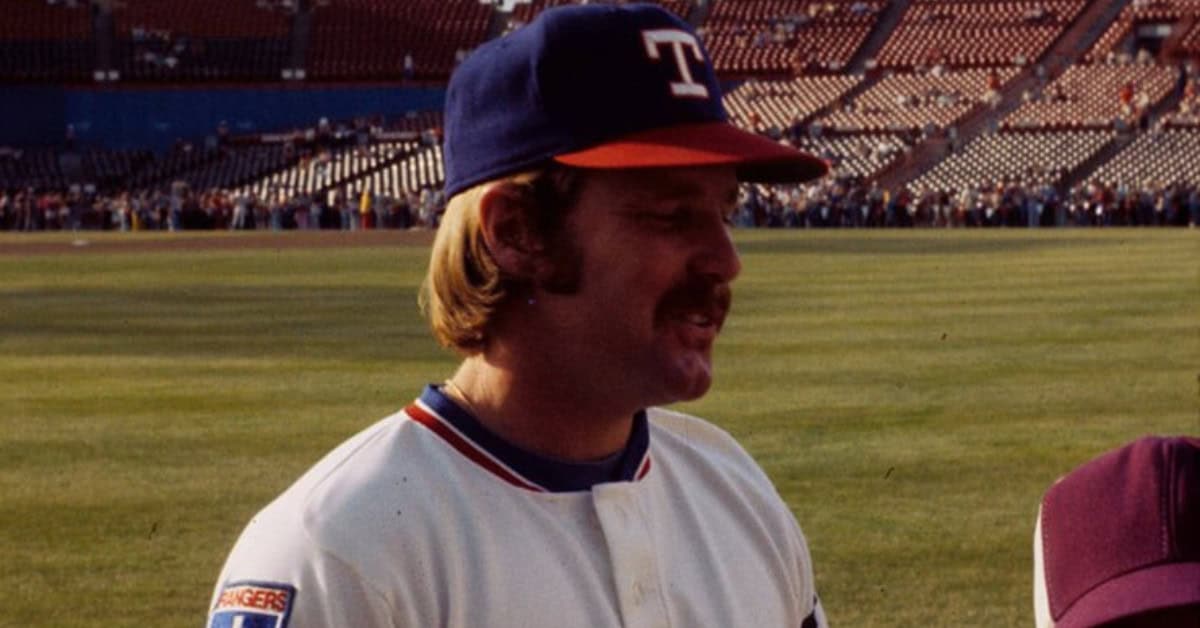
Toby Harrah was the ultimate utility player before the term became fashionable, starting games at shortstop, second base, third base, and even catcher during his 17-year career. The Texas Rangers stalwart made four All-Star teams while providing consistent offense (.264 average, 195 home runs) and Gold Glove-caliber defense wherever he was needed. Harrah’s versatility was invaluable during the 1970s when rosters were smaller and managers needed players who could handle multiple positions without missing a beat.
Larry Bowa: The Fiery Phillies Shortstop with Golden Gloves

Larry Bowa was the emotional heartbeat of the Philadelphia Phillies throughout the 1970s, combining spectacular defense with fiery leadership that helped drive the franchise to its first World Series title in 1980. The scrappy shortstop won two Gold Gloves and made five All-Star teams while setting NL records for fielding percentage and consecutive games without an error. Bowa’s .260 career average doesn’t tell the whole story—his clutch hitting, base-stealing ability (318 career steals), and defensive wizardry made him indispensable to Philadelphia’s success during their golden era.
Bob Watson: Houston’s First Baseman Who Hit for the Cycle in Both Leagues

Bob Watson achieved baseball immortality by scoring the one millionth run in MLB history in 1975, but his consistent hitting deserves equal recognition. The Houston first baseman compiled a .295 career average with 184 home runs and became the first player to hit for the cycle in both leagues (1977 with Houston, 1979 with Boston). Watson’s smooth swing and clutch hitting helped anchor the Astros’ lineup throughout the 1970s, and he later became the first African-American general manager to win a World Series (Yankees, 1996).
Rusty Staub: “Le Grand Orange” and His Sweet Montreal Swing

Rusty “Le Grand Orange” Staub became Montreal’s first baseball hero when the Expos arrived in 1969, his red hair and clutch hitting making him an instant fan favorite in French-speaking Canada. The versatile outfielder hit .302 with 292 home runs over 23 seasons, playing for six different teams and earning All-Star selections in four different decades. Staub’s patient approach at the plate (1,255 career walks) and ability to drive in runs made him one of the most consistent offensive threats of the 1970s, though his nomadic career path often overshadowed his impressive statistical achievements.