

Last Updated: June 17th, 2026 by Matthew Brown
Before launch angles and exit velocities, baseball was built on batting practice rituals and the sweet crack of ash wood meeting cowhide. Wade Boggs’ 18-year career placed him in clubhouses with legends who could turn routine ground balls into poetry and make grown men believe that .300 batting averages were achievable through sheer willpower and superstition.
Don't lose this article. Enter your email below, and I'll send it to you right now. Plus, we'll send you other unbelievable stories from baseball's past.
Roger Clemens: The Rocket Whose Fastball Could Rattle Fenway’s Green Monster

Roger Clemens’ fastball arrived at home plate with the subtlety of a freight train hitting a brick wall, his 20-strikeout games making Fenway Park sound like a cathedral filled with gasping congregants. The Rocket’s presence on those Red Sox teams gave Wade Boggs the luxury of knowing that leads would be protected by a man who threw baseballs like Zeus threw lightning bolts. Clemens’ intimidating glare from the mound could freeze batters before his four-seamer finished the job, creating the kind of dominant pitching that made .300 hitters like Boggs even more valuable when runs were at a premium.
Jim Rice: The Designated Hitter Who Made Pitchers Pray for Rain Delays
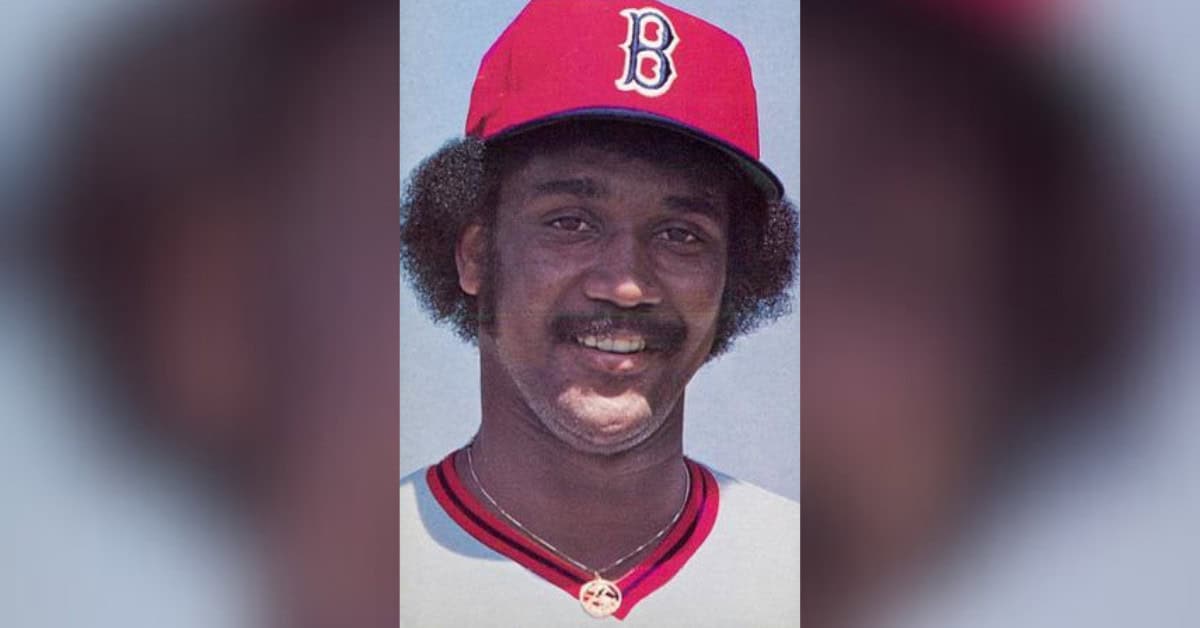
Jim Rice’s massive forearms and menacing stance made opposing pitchers reconsider their career choices before they even released the ball, his 382 career home runs sailing over fences with the casual authority of a man swatting flies. The intimidating slugger’s presence in the Red Sox lineup during Boggs’ early years provided the kind of protection that allowed the third baseman to see better pitches and work deeper counts. Rice’s ability to turn mistakes into moonshots gave Boston fans the kind of offensive thunder that made Fenway Park feel like the center of the baseball universe during those magical 1980s summers.
Dwight Evans: Dewey’s Glove That Turned Fenway’s Right Field Into Art
Dwight Evans patrolled Fenway’s tricky right field with the precision of a Swiss watchmaker, his knowledge of every carom and bounce turning the Green Monster’s shadow into his personal playground. Dewey’s cannon arm could gun down runners who dared to test him, while his eight Gold Gloves proved that defense could be both functional and beautiful. Evans’ steady presence in right field gave Wade Boggs the confidence that any ball hit in that direction would be handled with the kind of artistry that made routine plays look like highlight-reel masterpieces.
Carlton Fisk: The Pudge Whose Home Run Wave Still Echoes in October

Carlton Fisk’s body language while willing his 1975 World Series home run to stay fair became one of baseball’s most iconic moments, his frantic waving motion replayed in slow motion for generations of October dreamers. The Pudge’s leadership behind the plate and clutch hitting in pressure situations provided Wade Boggs with a front-row seat to witness how true professionals handled the biggest moments in baseball. Fisk’s New England grit and determination showed Boggs what it meant to be a Red Sox legend, lessons that would serve the third baseman well during his own rise to Hall of Fame status.
Rich Gedman: The Backstop Who Made Fenway’s Foul Territory His Kingdom
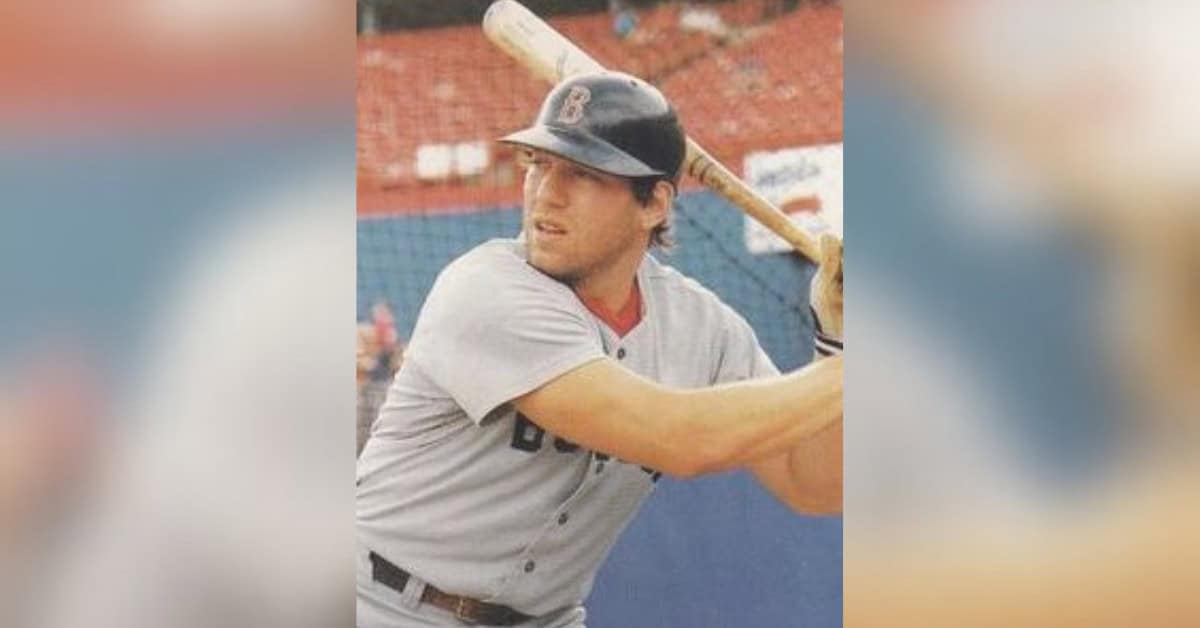
Rich Gedman navigated Fenway Park’s cramped foul territory like a master chess player planning moves three squares ahead, his knowledge of every angle and bounce turning pop-ups into routine outs that other catchers could only dream about. The steady backstop’s ability to handle the Red Sox pitching staff during their mid-1980s glory years gave Wade Boggs the luxury of focusing on his hitting without worrying about passed balls or stolen bases. Gedman’s clutch hitting and reliable defense provided the kind of steady presence that championship teams require when every game feels like it could determine a pennant race.
Oil Can Boyd: The Pitcher Whose Nickname Sounded Like a Honky-Tonk Song
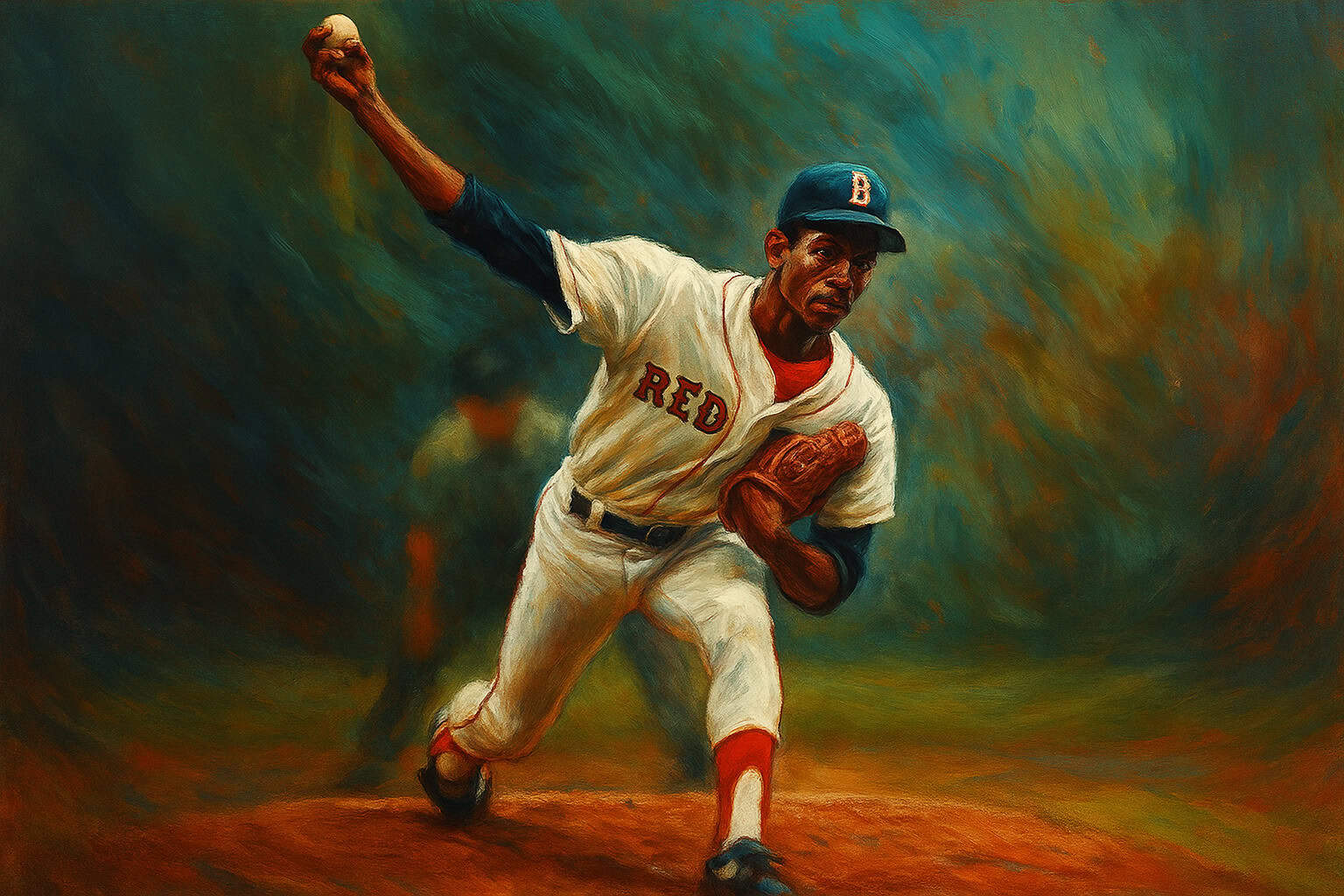
Dennis “Oil Can” Boyd earned his colorful nickname from his love of beer, but his fastball and competitive fire burned hotter than any beverage could provide, his 16-win season in 1986 proving that sometimes the most effective weapons come in unexpected packages. The fiery right-hander’s animated celebrations and emotional outbursts made him a fan favorite at Fenway Park, while his ability to pitch in clutch situations gave Wade Boggs confidence that leads would be protected by someone who cared as much about winning as he did. Boyd’s larger-than-life personality and clutch pitching showed Boggs that baseball was as much about heart as it was about talent.
Tom Seaver: Tom Terrific’s Final Act in a Red Sox Uniform
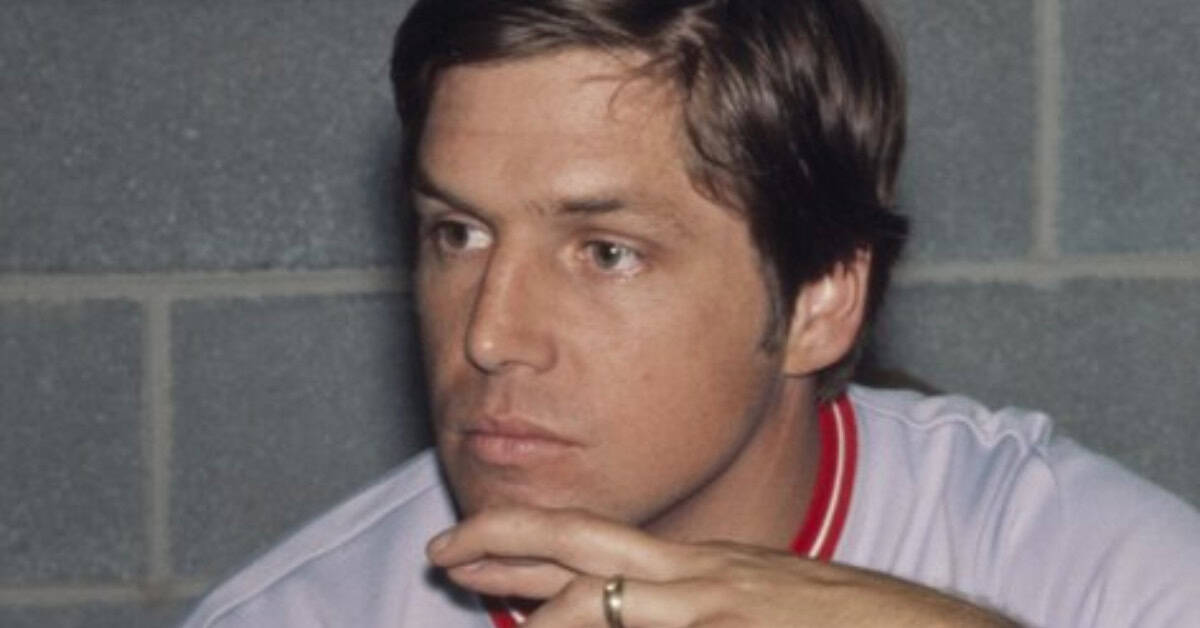
Tom Seaver’s arrival in Boston during the 1986 season brought Hall of Fame pedigree to a Red Sox rotation already blessed with talent, his legendary drop-and-drive delivery still effective enough to make American League hitters look foolish. Tom Terrific’s presence in the clubhouse gave Wade Boggs access to one of baseball’s greatest minds, a pitcher who understood the mental aspects of the game as well as anyone who ever took the mound. Seaver’s professionalism and attention to detail provided the perfect example of how legends maintained their excellence even as Father Time knocked on the door, lessons that would serve Boggs well throughout his own lengthy career.
Don Baylor: The Veteran Who Crowded Plates Like He Owned Them
Don Baylor’s intimidating presence at the plate made opposing pitchers think twice about throwing inside; his willingness to get hit by pitches earned him a reputation as one of baseball’s toughest competitors. The veteran designated hitter’s leadership during the Red Sox’s 1986 pennant run provided Wade Boggs with a masterclass in how champions handled pressure situations when October dreams hung in the balance. Baylor’s clutch hitting and veteran savvy gave Boston the kind of experienced presence that young stars like Boggs could learn from, showing that sometimes the most valuable lessons come from watching how professionals approach their craft day after day.
Dave Henderson: Hendu’s Swing That Saved the ’86 Red Sox Season
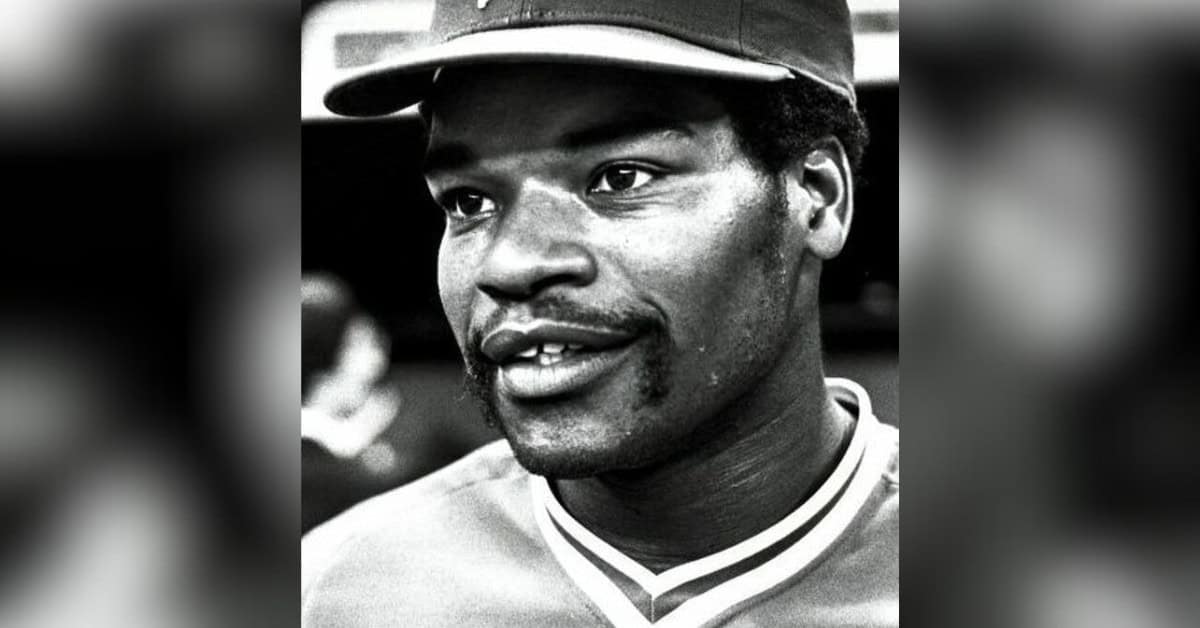
Dave Henderson’s two-strike, two-out home run in Game 5 of the 1986 ALCS became the stuff of Red Sox legend, his clutch swing saving a season that seemed destined to end in heartbreak. Hendu’s infectious smile and clutch gene provided Wade Boggs with a front-row seat to witness how true professionals performed when the stakes reached their absolute peak. Henderson’s ability to deliver in the biggest moments showed Boggs that October heroes weren’t always the biggest names on the roster—sometimes they were the guys who simply refused to let their teammates down when everything was on the line.
Bruce Hurst: The Lefty Who Almost Stole the ’86 World Series
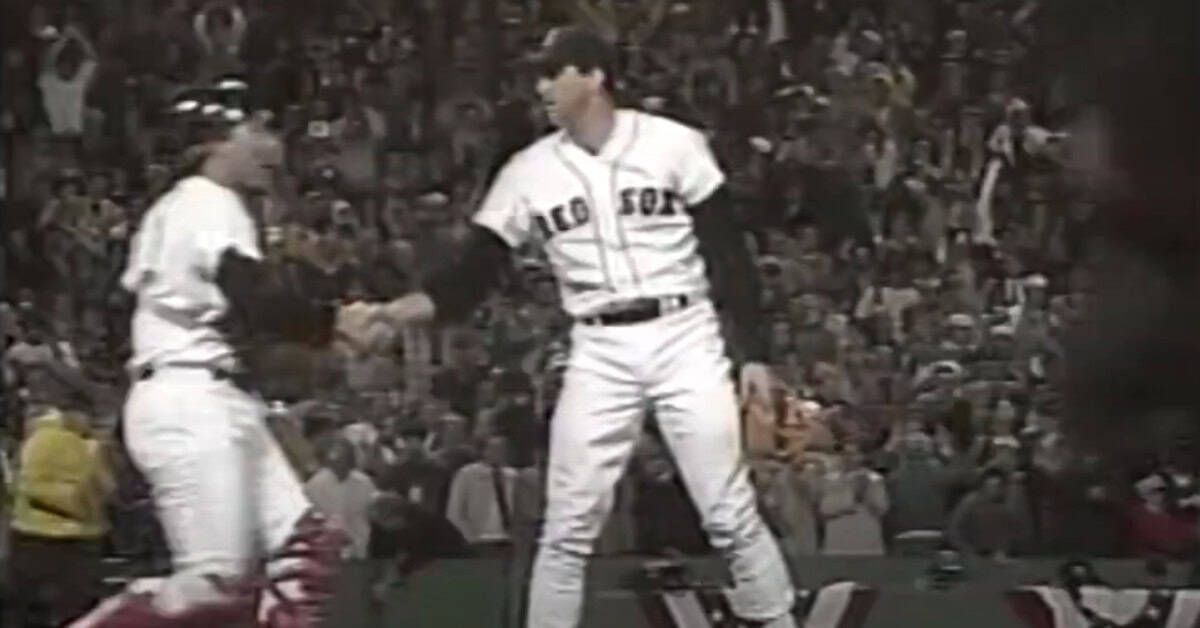
Bruce Hurst’s crafty left-handed pitching nearly carried the Red Sox to their first World Series championship since 1918, his two victories against the Mets proving that sometimes finesse could be more effective than raw power. The Utah native’s ability to change speeds and hit spots gave Wade Boggs confidence that games would be kept close enough for the offense to make a difference when it mattered most. Hurst’s near-miss at World Series MVP honors showed Boggs that individual excellence meant nothing without team success, a lesson that would drive the third baseman’s pursuit of championships throughout his career.
Derek Jeter: The Rookie Shortstop Who Learned from a Legend
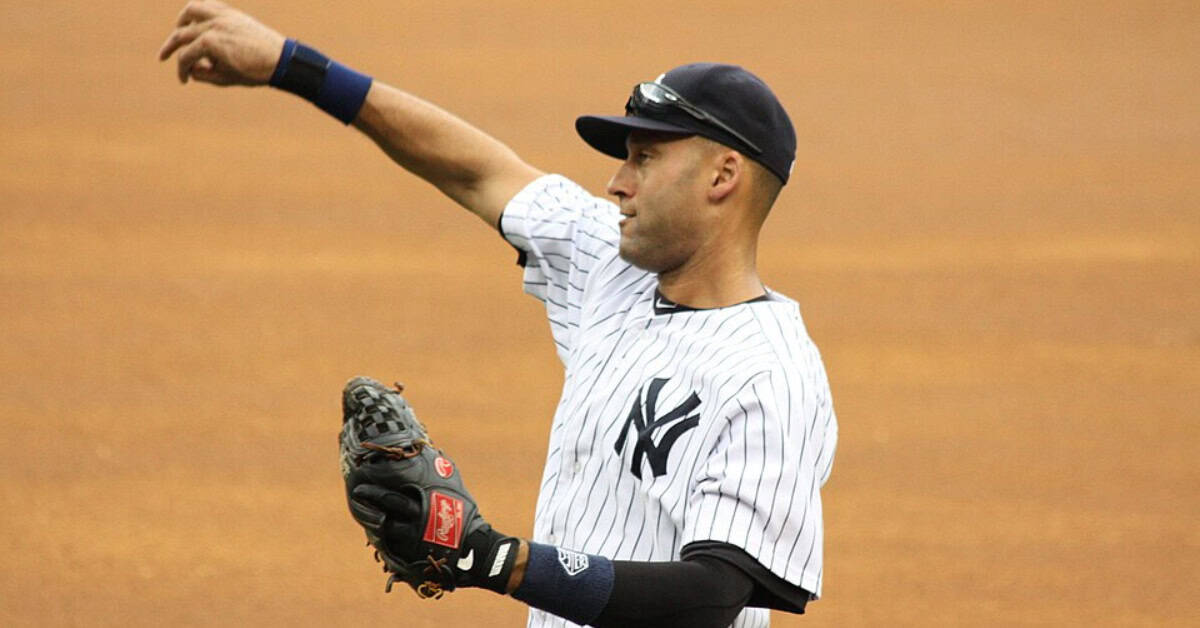
When rookie phenom Derek Jeter arrived in 1996, Wade Boggs was the veteran presence who showed him how to navigate the pressures of playing in pinstripes. The young shortstop’s natural leadership abilities and clutch gene were immediately evident, giving Boggs a glimpse of the championships that would define the late 1990s Yankees dynasty. Jeter’s ability to perform in pressure situations provided the perfect complement to Boggs’ veteran presence, creating a dynamic that would help deliver the World Series championship that had eluded the third baseman throughout his Boston years.
Bernie Williams: The Center Fielder Who Could Outrun His Own Shadow
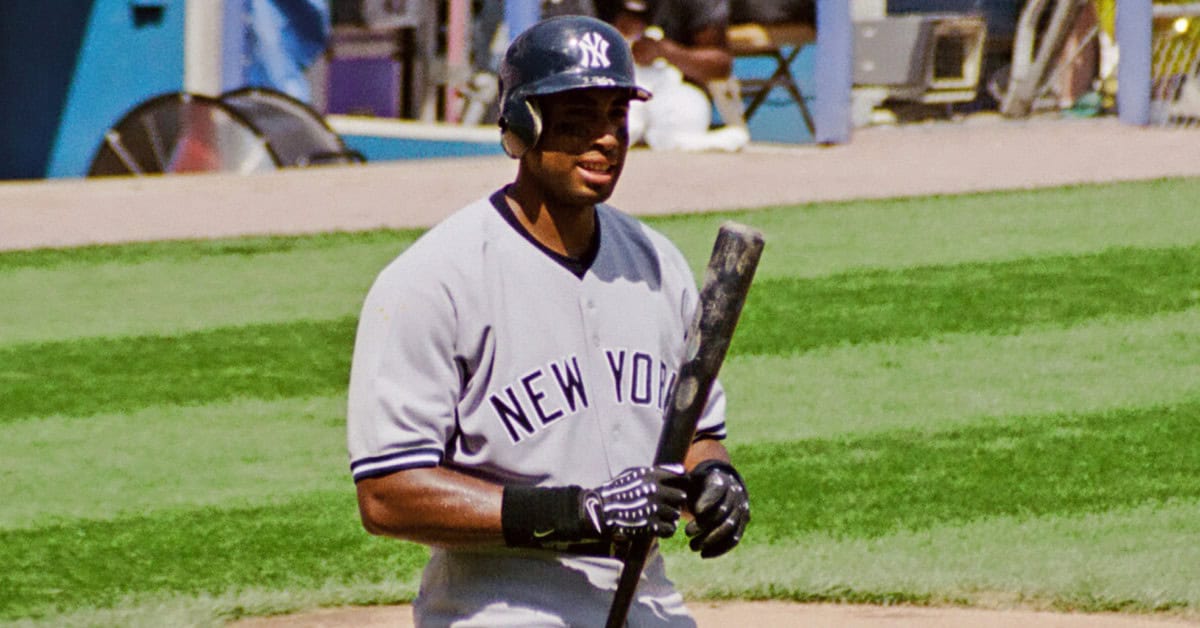
Bernie Williams patrolled Yankee Stadium’s vast center field with the grace of a ballet dancer and the speed of a thoroughbred racehorse, his ability to track down fly balls giving Wade Boggs confidence that leads would be protected by Gold Glove defense. The switch-hitting outfielder’s clutch hitting and consistent .300 batting averages provided the perfect complement to Boggs’ own offensive excellence, creating a lineup depth that made the Yankees nearly impossible to pitch around. Williams’ quiet professionalism and championship pedigree showed Boggs what it meant to be a complete player who could contribute in multiple ways when October dreams were on the line.
Don Mattingly: Donnie Baseball’s Sweet Swing That Defined the ’80s
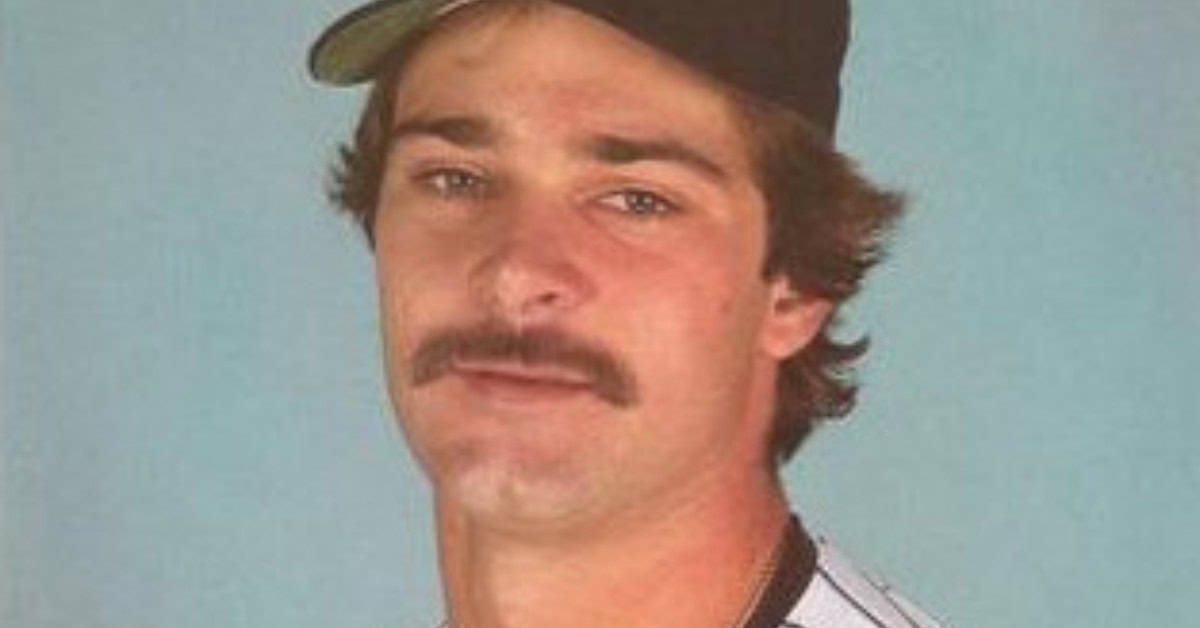
Don Mattingly’s left-handed swing was so perfectly groomed it looked like it belonged in a baseball instructional video, his nine Gold Gloves and MVP award proving that first basemen could be both defensive wizards and offensive catalysts. Donnie Baseball’s leadership during Wade Boggs’ early Yankees years provided the third baseman with a masterclass in how to handle New York pressure while maintaining the kind of excellence that made pinstripes legendary. Mattingly’s professionalism and dedication to his craft showed Boggs that individual success meant nothing without the kind of team-first attitude that could finally deliver the championship rings that had eluded both players for too long.
Paul O’Neill: The Warrior Whose Batting Helmet Never Stayed Put
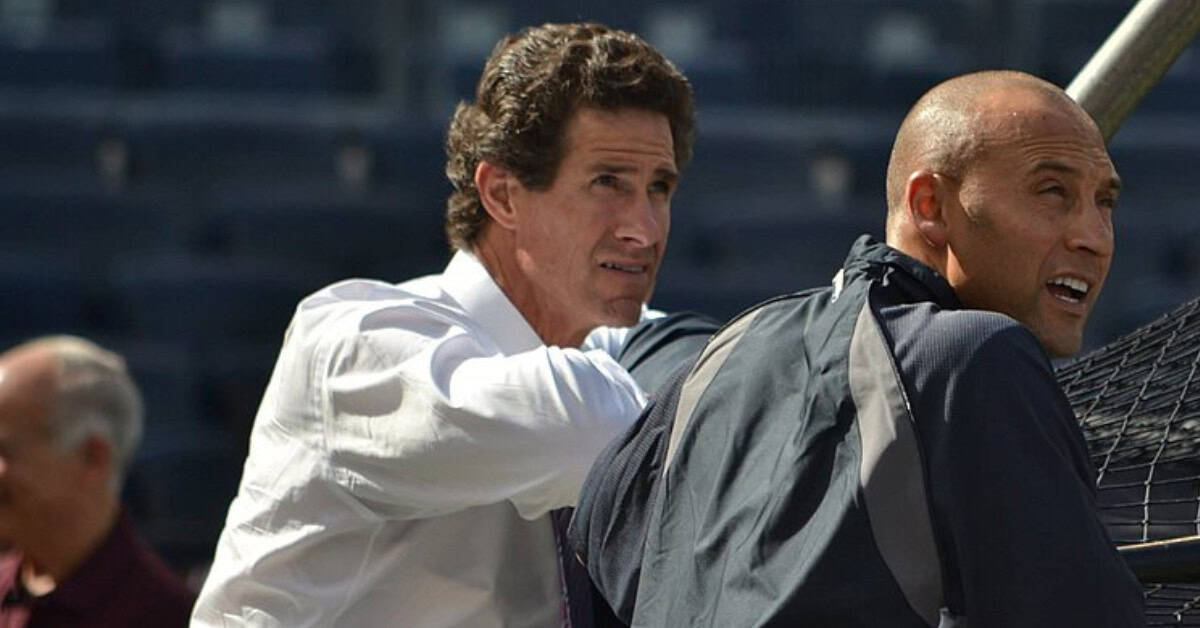
Paul O’Neill’s batting helmet flew off his head with such regularity that Yankees fans began to expect it, his intense approach to every at-bat making him the perfect embodiment of championship determination. The fiery outfielder’s ability to work deep counts and deliver clutch hits gave Wade Boggs a front-row seat to witness how true competitors approached their craft when every pitch mattered. O’Neill’s emotional investment in every game and every at-bat showed Boggs that championships weren’t just won by talent—they were earned by players who cared so deeply about winning that failure physically hurt them.
Jorge Posada: The Catcher Who Caught Wade’s Final Yankees Glory

Jorge Posada’s emergence as the Yankees’ primary catcher during Wade Boggs’ final seasons in pinstripes provided the veteran third baseman with a glimpse of the future dynasty that would define the late 1990s. The switch-hitting backstop’s ability to handle pitchers and deliver clutch hits showed Boggs that championships were built on players who could contribute both offensively and defensively when the stakes reached their peak. Posada’s fiery competitiveness and leadership behind the plate gave Boggs confidence that the Yankees were building something special, something that would finally deliver the World Series rings that had eluded the third baseman for too many years.
Mariano Rivera: Mo’s Cutter That Made Batters Look Foolish

Mariano Rivera’s cutter moved like a fastball having a nervous breakdown, his devastating signature pitch making even the best hitters look like they were swinging at ghosts in the twilight. Mo’s calm demeanor and surgical precision in save situations gave Wade Boggs the confidence that leads would be protected by one of the most dominant closers in baseball history. Rivera’s emergence during Boggs’ Yankees tenure provided the veteran third baseman with the kind of bullpen security that championship teams require when October dreams hang in the balance and every pitch feels like it could determine a season.
Andy Pettitte: The Lefty Whose Pickoff Move Was Pure Larceny
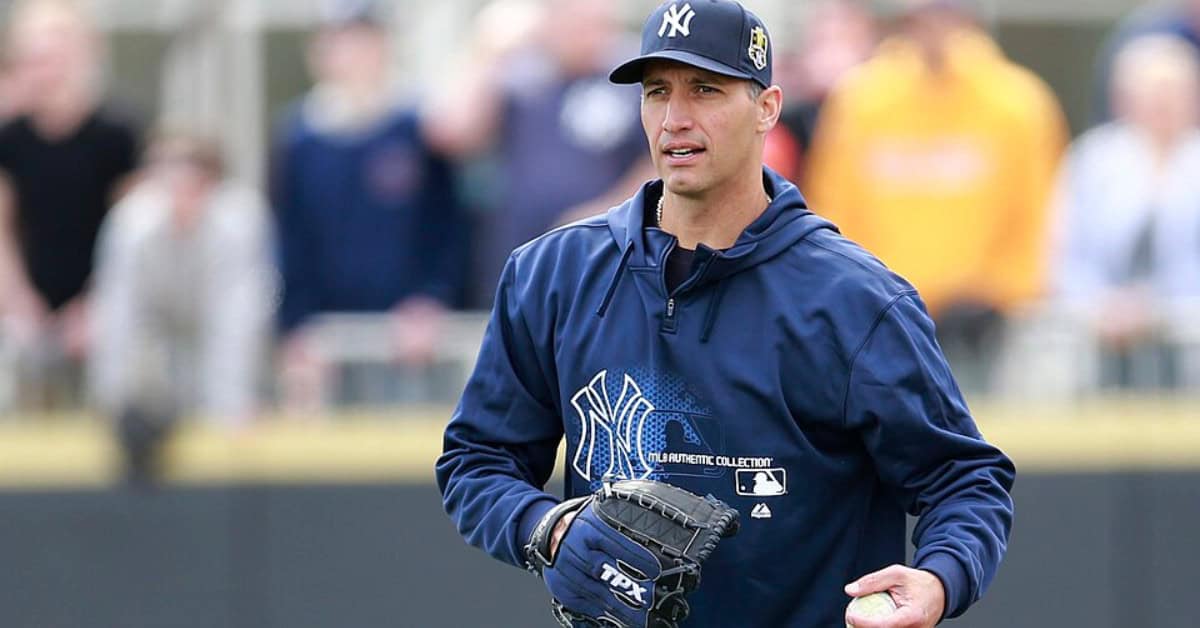
Andy Pettitte’s pickoff move to first base was so deceptive it should have been declared illegal in several states, his ability to control the running game giving Wade Boggs confidence that baserunners would be kept honest when games hung in the balance. The crafty left-hander’s clutch pitching and postseason pedigree provided the perfect complement to Boggs’ veteran leadership, creating a dynamic that would help deliver the championship rings that had eluded the third baseman for too many years. Pettitte’s competitive fire and attention to detail showed Boggs that championships were won by players who understood that every small advantage could make the difference between victory and heartbreak.
David Cone: The Perfectionist Who Threw Like a Mad Scientist
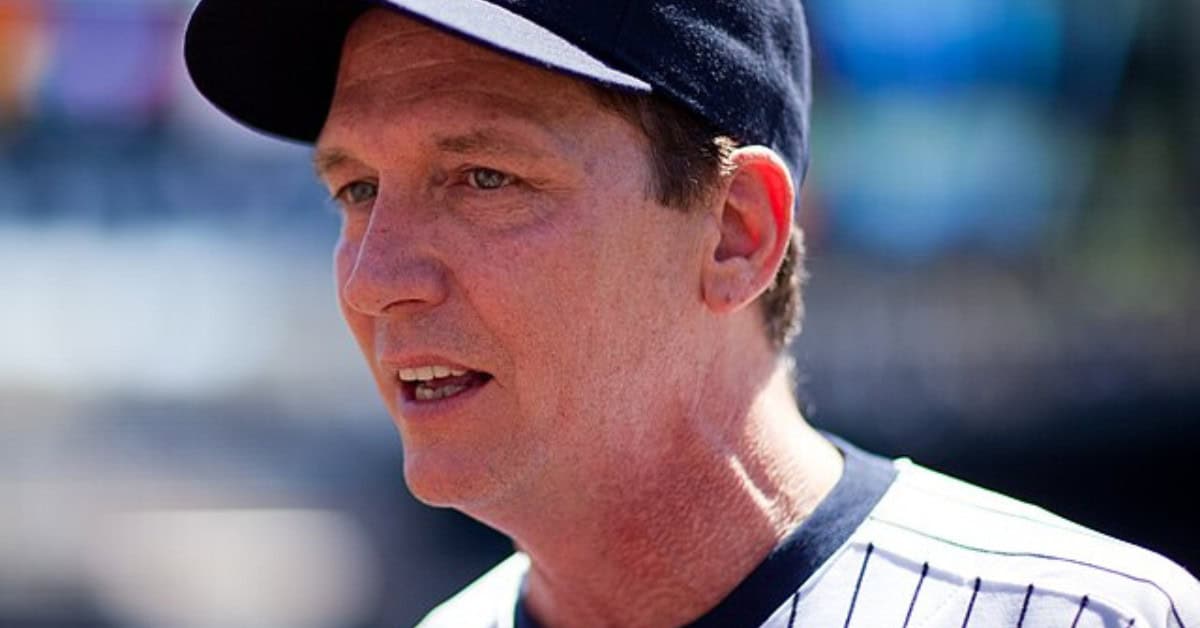
David Cone’s arsenal of pitches moved with such variety and precision that hitters needed advanced degrees in physics just to make contact, his slider and curveball dancing through strike zones like butterflies with PhDs. As a teammate, Cone’s intellectual approach to pitching and his ability to reinvent himself throughout his career showed Boggs that longevity in baseball required both physical talent and mental adaptability when Father Time started knocking on the door.
Fred McGriff: The Crime Dog Whose Swing Was Smooth as Silk
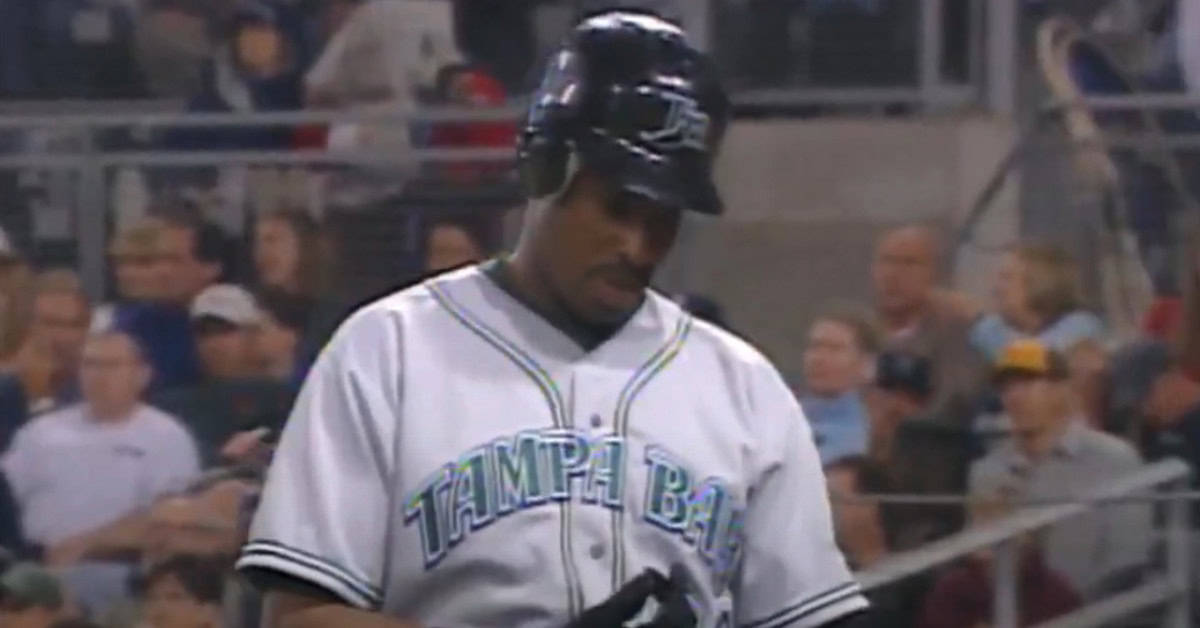
Fred McGriff’s left-handed swing was so mechanically perfect it looked like it belonged in a baseball museum, his 493 career home runs sailing over fences with the casual authority of a man who understood exactly how to turn mistakes into moonshots. The Crime Dog’s consistent power production during Wade Boggs’ Tampa Bay years provided the veteran third baseman with protection in the lineup that made pitchers think twice about challenging him with fastballs down the middle. McGriff’s professionalism and steady approach to hitting showed Boggs that excellence could be maintained well into a player’s thirties, as long as dedication to craft remained the top priority.
Jose Canseco: The Bash Brother Who Made Baseballs Disappear
Jose Canseco’s massive frame and even more massive home runs made Tampa Bay’s Tropicana Field feel like a launching pad for NASA missions, his 462 career homers proving that some swings generate enough power to alter the Earth’s rotation. The controversial slugger’s presence during Wade Boggs’ final season provided the aging third baseman with one last glimpse of the raw power that could make baseball feel like a video game when everything connected perfectly. Canseco’s larger-than-life personality and tape-measure home runs reminded Boggs that baseball was ultimately about entertainment, and sometimes the most memorable moments came from players who swung for the fences with reckless abandon and somehow made contact with dreams.