


Last Updated: June 17th, 2026 by Matthew Brown
Before launch angles and exit velocities, baseball was built on batting practice rituals and the sweet crack of ash wood meeting cowhide. Mike Schmidt’s 18-year career in Philadelphia placed him alongside legends who could turn routine ground balls into poetry and make grown men believe that 500 home runs were achievable through sheer willpower and perfect timing.
Don't lose this article. Enter your email below, and I'll send it to you right now. Plus, we'll send you other unbelievable stories from baseball's past.
Steve Carlton: Lefty’s Slider That Made Hitters Look Like They Were Swinging at Ghosts
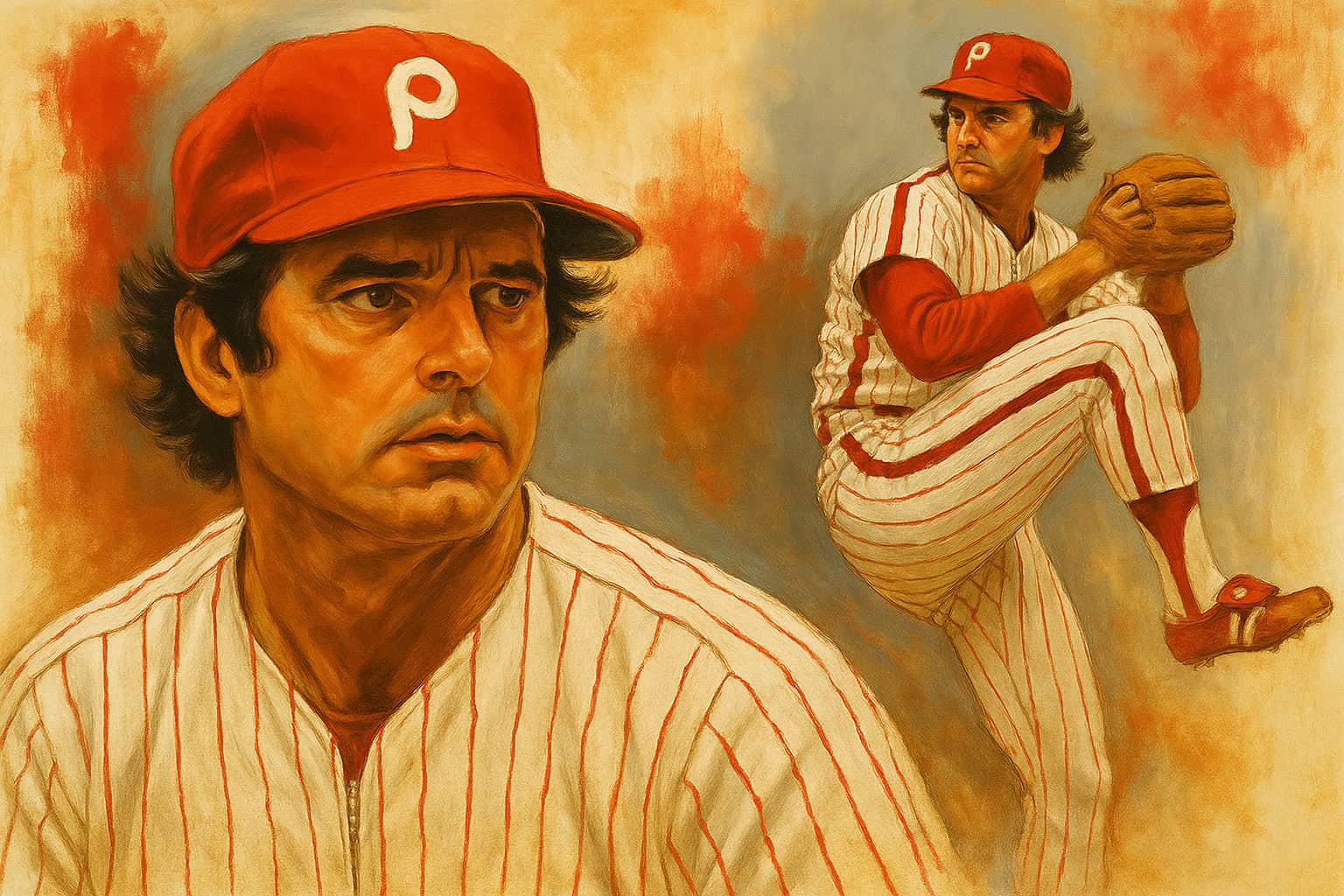
Steve Carlton’s slider broke so sharply it seemed to defy the laws of physics, his 329 career wins proving that left-handed pitchers could dominate right-handed hitters with nothing more than perfect mechanics and unwavering confidence. Lefty’s silent treatment with the media made him even more mysterious, while his partnership with Mike Schmidt created one of baseball’s most devastating pitcher-slugger combinations. Carlton’s four Cy Young Awards and 4,136 strikeouts gave Schmidt the luxury of knowing that games would be kept close by a man who threw strikes like other men breathed air.
Greg Luzinski: The Bull Whose Home Runs Needed Flight Plans
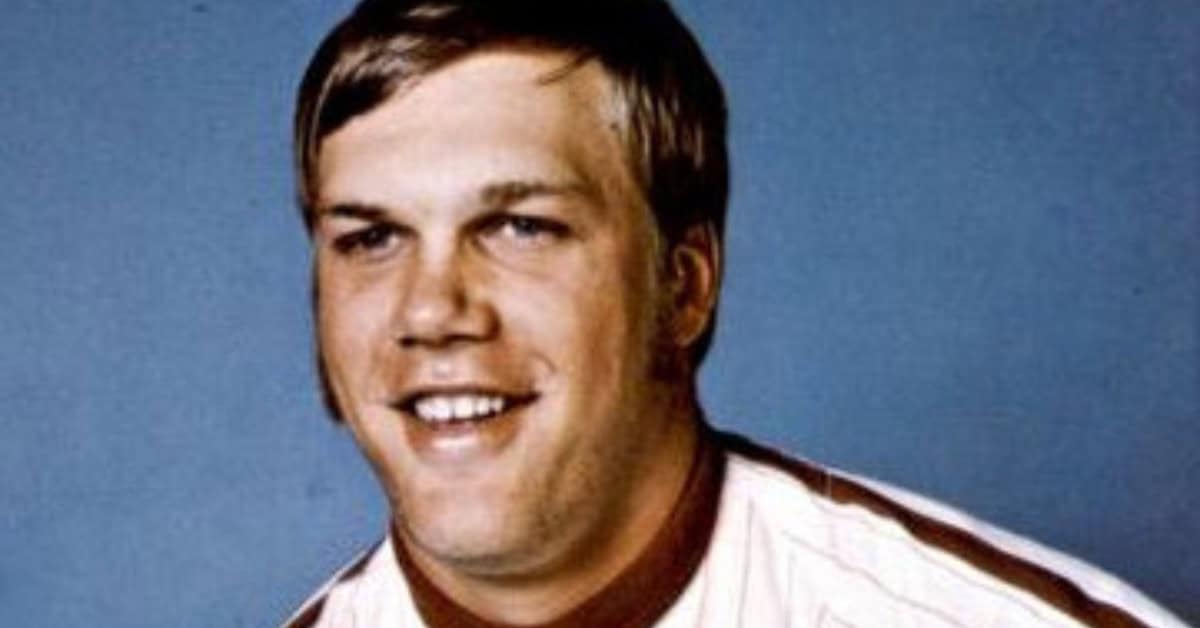
Greg “The Bull” Luzinski’s massive frame and even more massive home runs made Veterans Stadium feel like a launching pad for NASA missions, his 307 career homers proving that some swings generate enough power to alter the Earth’s rotation. The intimidating left fielder’s presence in the Phillies lineup gave Mike Schmidt protection that made pitchers think twice about challenging either slugger with fastballs down the middle. Luzinski’s tape-measure shots and gentle demeanor off the field showed Schmidt that true power hitters could be both feared and beloved, a lesson that would serve the third baseman well throughout his Hall of Fame career.
Tug McGraw: The Reliever Who Made Philly Believers
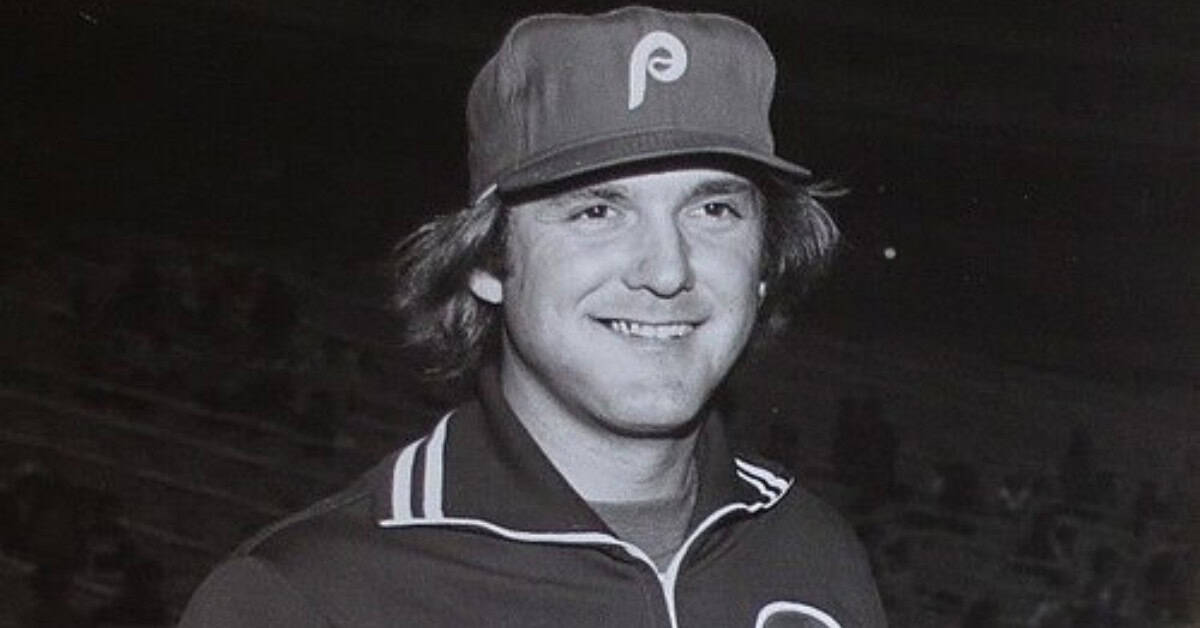
Tug McGraw’s screwball moved like a fastball having a nervous breakdown, while his infectious personality turned Veterans Stadium into a cathedral of optimism during the 1980 championship run. The left-handed closer’s ability to strike out the side with runners in scoring position gave Mike Schmidt the confidence that leads would be protected by someone who thrived under pressure. McGraw’s clutch pitching and colorful quotes provided the perfect complement to Schmidt’s quiet intensity, proving that championship teams needed both superstars and characters who could make baseball feel like the greatest show on earth.
Tim McCarver: The Catcher Who Called Pitches Like a Chess Master
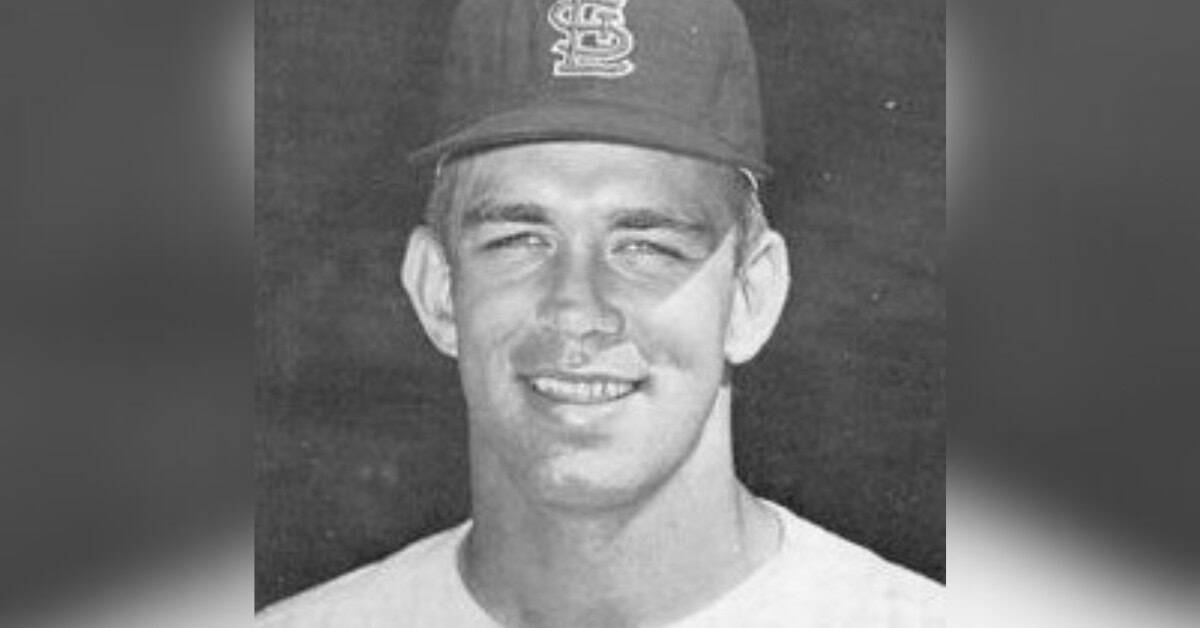
Tim McCarver crouched behind home plate like a general planning military campaigns, his game-calling so precise that Steve Carlton trusted him more than his own instincts during pressure situations. The cerebral catcher’s ability to handle the Phillies’ pitching staff during their championship years gave Mike Schmidt the luxury of focusing on his hitting without worrying about passed balls or stolen bases. McCarver’s later success as a broadcaster proved that his understanding of baseball’s mental aspects ran deeper than most, but in the 1970s and early 1980s, he was simply the guy who made sure championship dreams stayed alive one pitch at a time.
Bob Boone: The Backstop Who Caught More Games Than Anyone Had a Right To
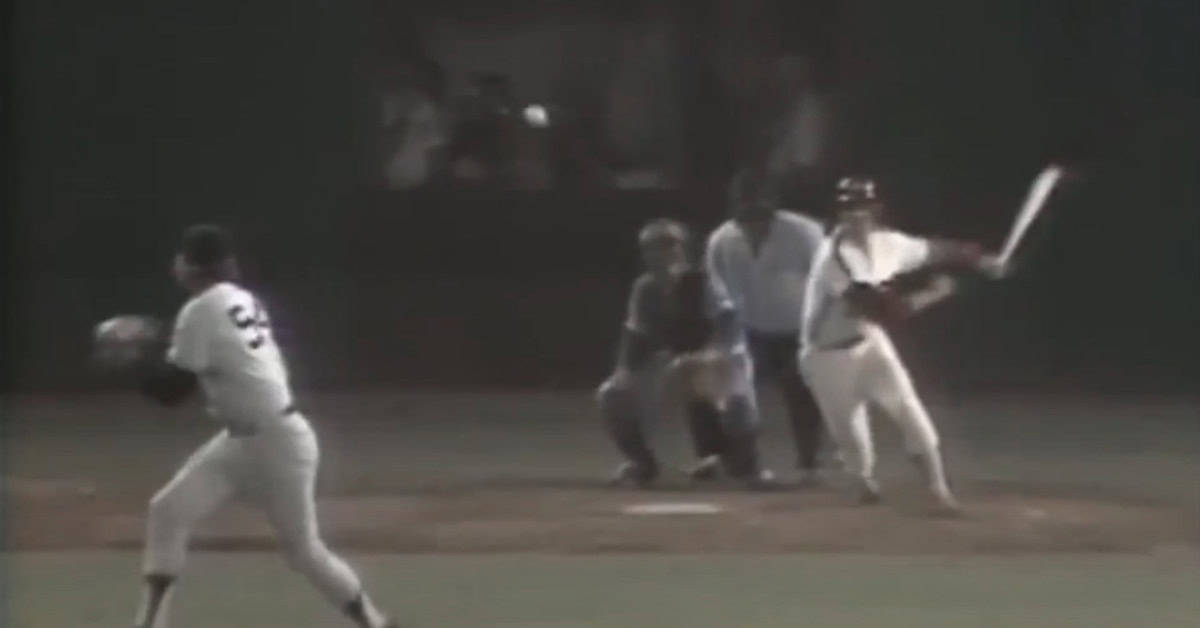
Bob Boone’s durability behind the plate was so legendary that opposing managers began to wonder if he was actually made of titanium and leather; his 2,225 games caught set a record that stood for years after his retirement. The steady backstop’s ability to call games and handle pitchers gave Mike Schmidt confidence that every aspect of defense would be managed by someone who understood the nuances of championship baseball. Boone’s quiet leadership and consistent performance provided the kind of reliable presence that allowed superstars like Schmidt to focus on their offensive contributions without worrying about the fundamentals being handled properly.
Garry Maddox: The Center Fielder Who Made Impossible Catches Look Routine
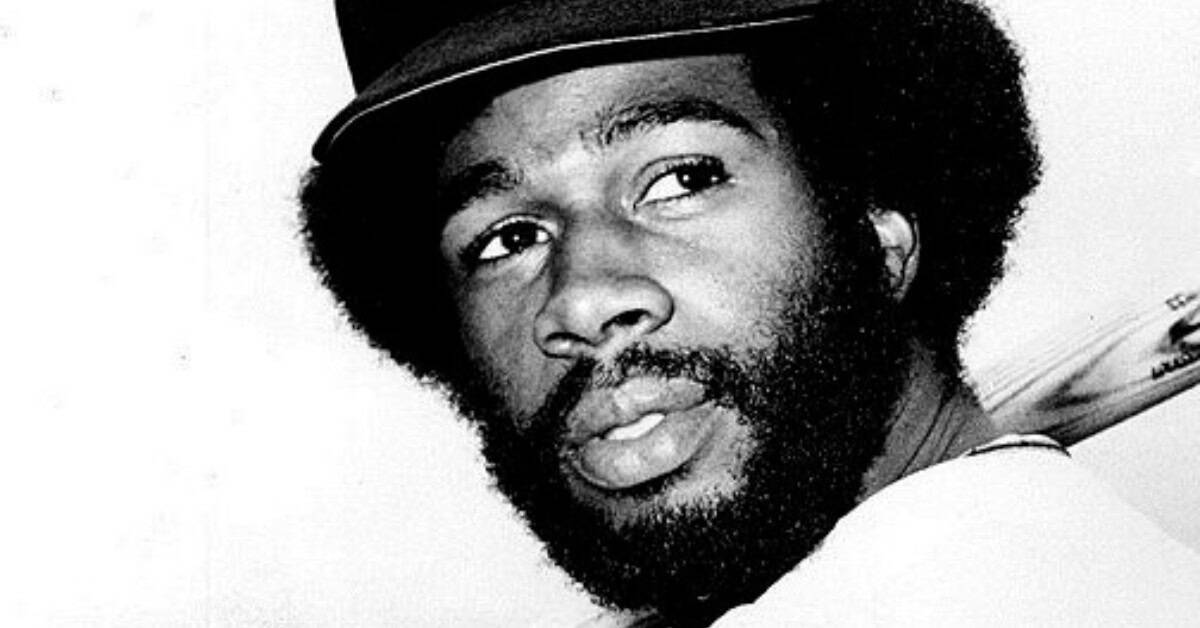
Garry Maddox patrolled Veterans Stadium’s artificial turf with the grace of a ballet dancer and the instincts of a bloodhound, his ability to track down fly balls earning him eight Gold Gloves and the nickname “Secretary of Defense.” The smooth center fielder’s range was so spectacular that opposing hitters would shake their heads in disbelief, watching sure doubles turn into routine outs with supernatural regularity. Maddox’s defensive mastery gave Mike Schmidt the confidence that any ball hit to center field would be handled with the kind of artistry that made routine plays look like highlight-reel masterpieces.
Steve Bedrosian: Bedrock’s Fastball That Earned Him a Cy Young Award
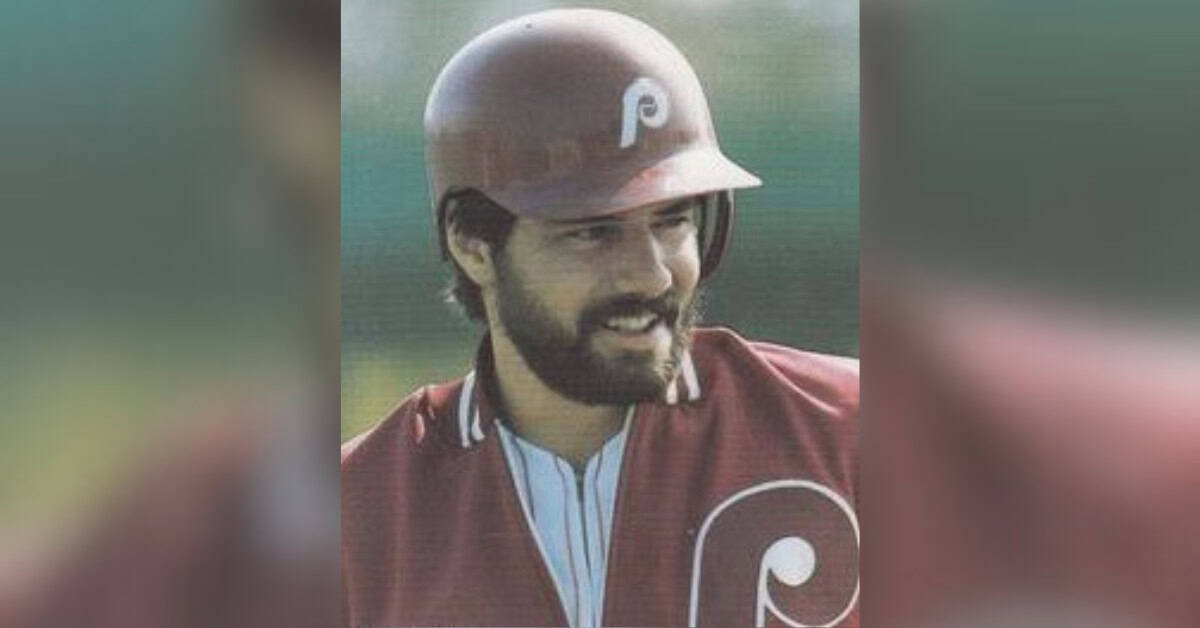
Steve “Bedrock” Bedrosian’s split-finger fastball dropped off the table like a rock falling off a cliff, his 1987 Cy Young Award proving that closers could be just as dominant as starting pitchers when the stakes reached their peak. The hard-throwing right-hander’s 40 saves that season gave Mike Schmidt the kind of bullpen security that championship teams require when every lead feels precious and every out matters. Bedrosian’s intimidating presence on the mound and his ability to strike out the side in pressure situations showed Schmidt that the Phillies were building something special around their aging superstar’s final years.
Manny Trillo: The Second Baseman Who Made Double Plays Look Like Poetry
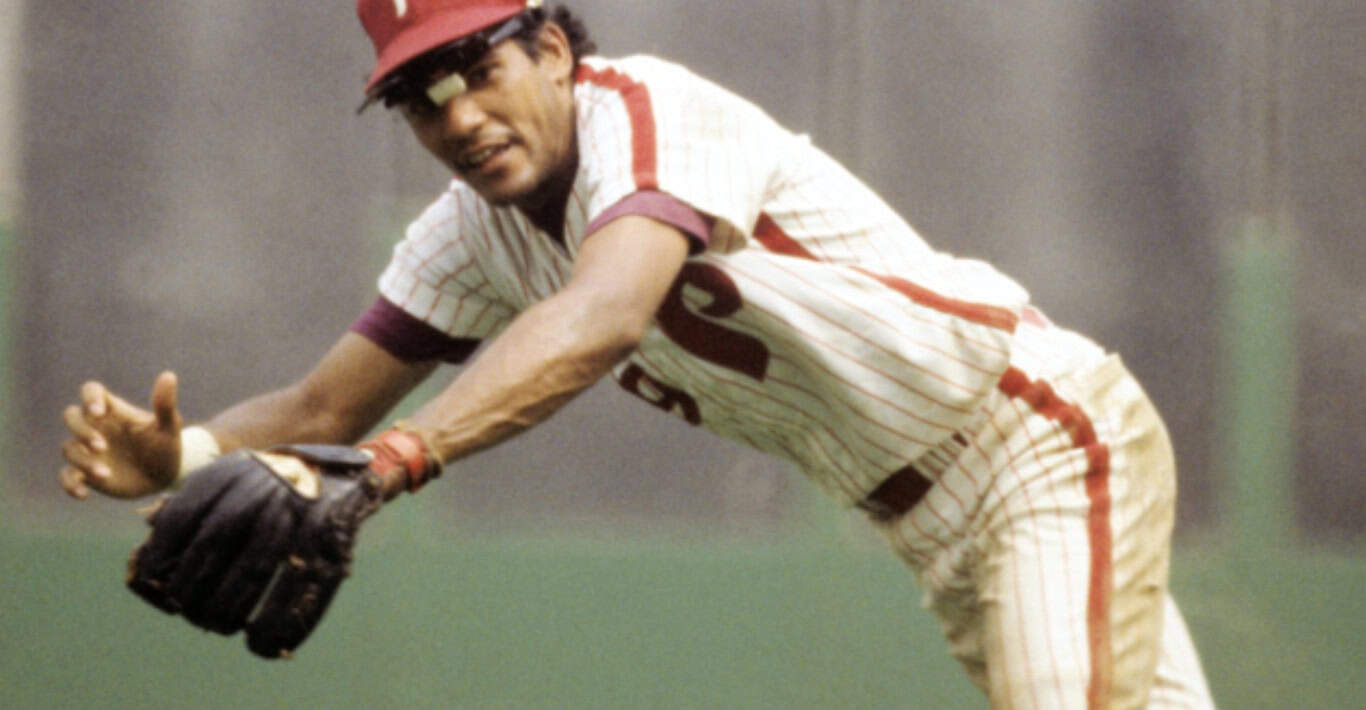
Manny Trillo turned double plays with the smooth precision of a jazz pianist hitting perfect chord progressions, his glove work so fluid it seemed choreographed by angels who understood the geometry of baseball. The Venezuelan infielder’s three Gold Gloves and 1980 NLCS MVP performance proved that championship teams were built as much on defense as offense. Trillo’s steady presence up the middle gave Mike Schmidt the confidence that ground balls would be turned into outs with the kind of reliability that allowed sluggers to swing for the fences without worrying about defensive breakdowns behind them.
Dick Ruthven: The Pitcher Who Helped Deliver Philly’s First Championship
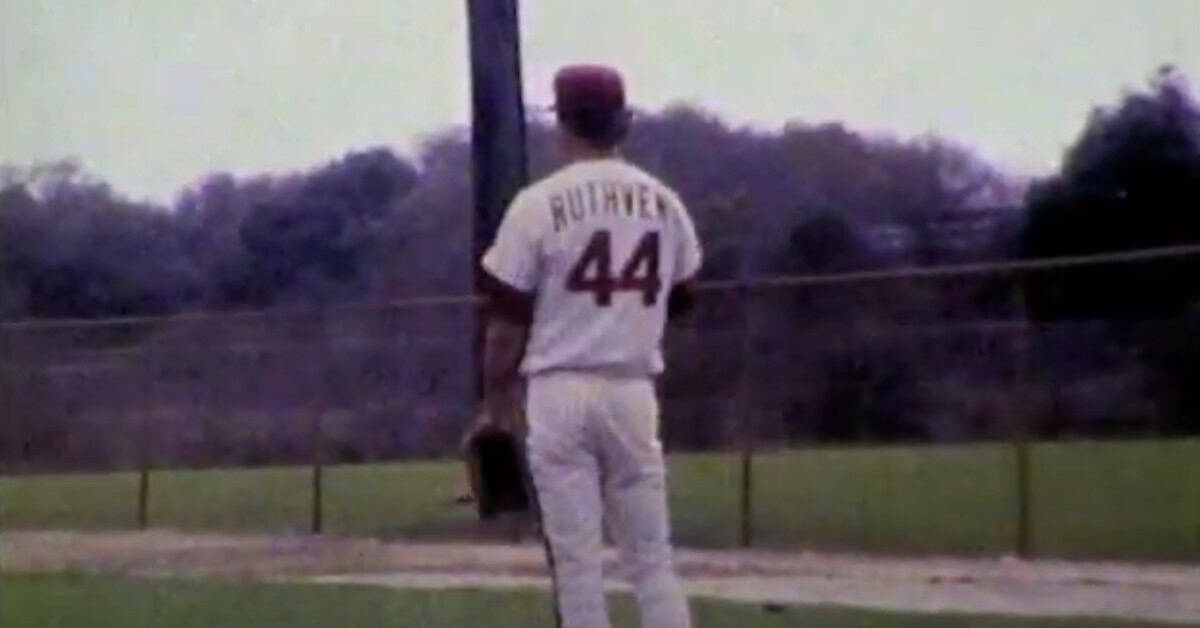
Dick Ruthven’s 17 wins during the 1980 championship season provided the kind of consistent starting pitching that pennant races require when every game feels like it could determine a franchise’s destiny. The right-hander’s ability to eat innings and keep games close gave Mike Schmidt and the Phillies’ offense opportunities to work their magic in late-game situations. Ruthven’s clutch performances during Philadelphia’s first World Series championship run showed Schmidt that individual excellence meant nothing without teammates who could rise to the occasion when October dreams hung in the balance.
Bake McBride: Shake ‘n Bake’s Speed That Made Stolen Bases Look Effortless
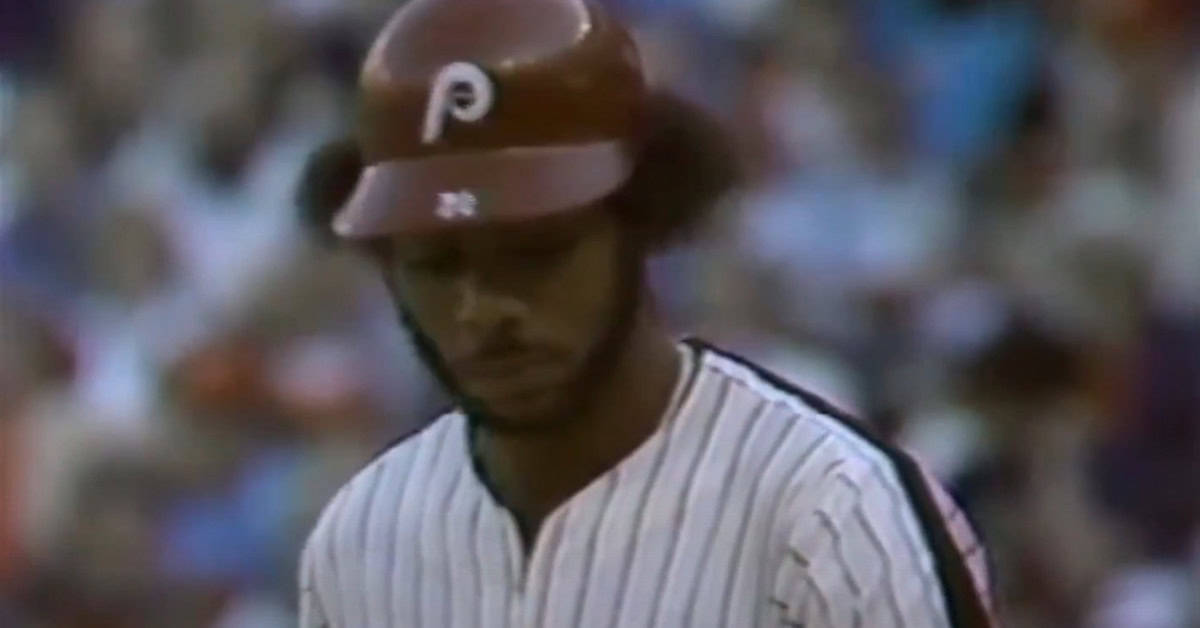
Arnold “Bake” McBride earned his “Shake ‘n Bake” nickname from his ability to leave defenders in the dust like they were standing still, his speed on the basepaths creating the kind of pressure that made pitchers lose focus on power hitters like Schmidt. The speedy outfielder’s ability to turn singles into doubles and doubles into triples gave the Phillies offense a dynamic that opposing teams couldn’t prepare for or stop. McBride’s presence in the lineup during the 1980 championship run provided Mike Schmidt with the kind of table-setting that sluggers dream about when they step into the batter’s box with runners in scoring position.
Ron Reed: The Tall Right-Hander Who Saved Games Like a Basketball Center
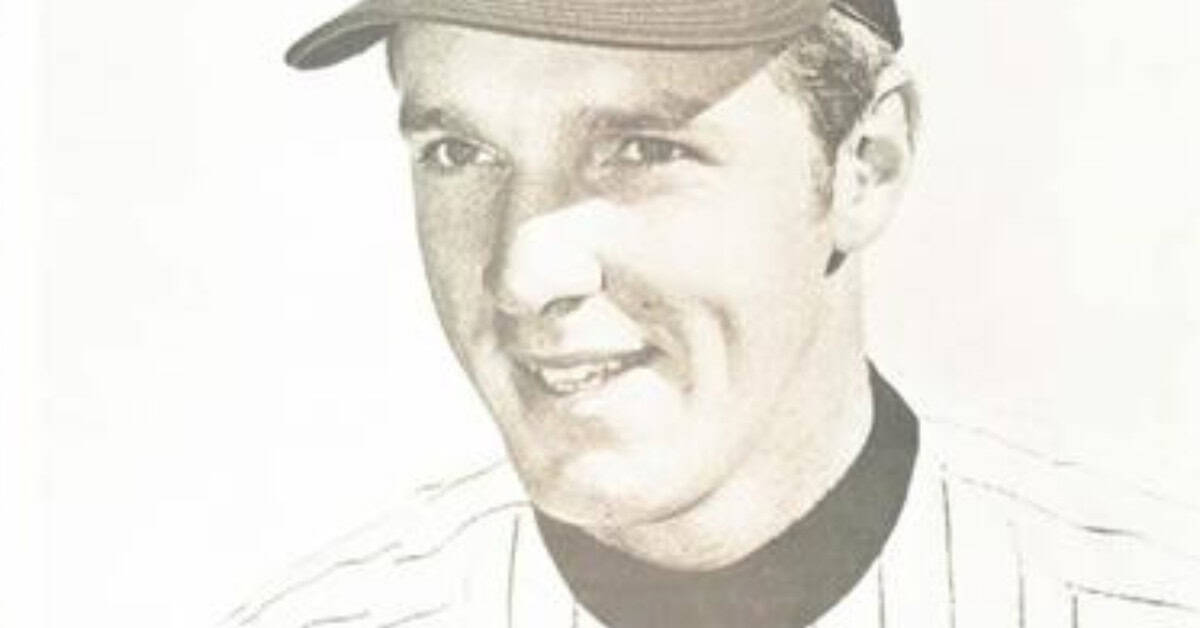
Ron Reed’s 6’6″ frame made him look more like a power forward than a relief pitcher, but his fastball and slider combination proved that height could be an advantage when throwing strikes from a higher release point. The former NBA player’s unique background gave him a competitive edge that translated perfectly to ninth-inning pressure situations, while his 90 saves as a Phillie provided Mike Schmidt with the kind of bullpen security that championship teams require. Reed’s ability to close out games showed Schmidt that athletes from other sports could bring different perspectives and skills to baseball, making the game richer and more unpredictable.
Juan Samuel: The Speedster Who Made 30-30 Seasons Look Achievable
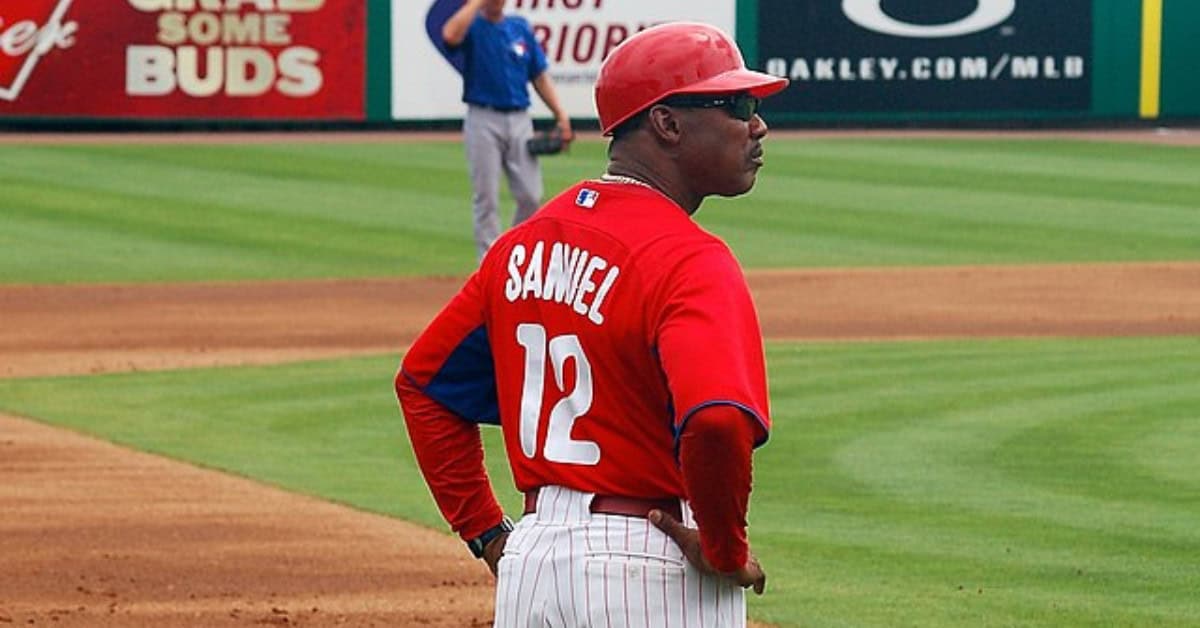
Juan Samuel’s combination of speed and power made him one of baseball’s most exciting players during the mid-1980s, his ability to steal 30 bases and hit 15 home runs in the same season creating a dynamic that opposing teams couldn’t game-plan against. The Dominican second baseman’s aggressive baserunning and clutch hitting gave Mike Schmidt protection in the lineup that allowed the aging slugger to see better pitches during crucial at-bats. Samuel’s youthful energy and fearless approach to the game provided Schmidt with a glimpse of baseball’s future while reminding him that individual talent meant nothing without teammates who could complement your skills.
Lonnie Smith: Skates Whose Baserunning Made Managers Pull Their Hair Out
Lonnie “Skates” Smith earned his nickname from his sometimes-erratic baserunning, but his speed and batting ability made him one of the most dangerous leadoff hitters in the National League during his time with the Phillies. The switch-hitting outfielder’s ability to get on base and create havoc on the basepaths gave Mike Schmidt more opportunities to drive in runs with his powerful swing. Smith’s unpredictable style and clutch hitting provided the kind of offensive spark that championship teams need when games are decided by single runs and every at-bat feels like it could change a season’s trajectory.
Von Hayes: Five-for-One’s Swing That Made Trade Headlines for Years
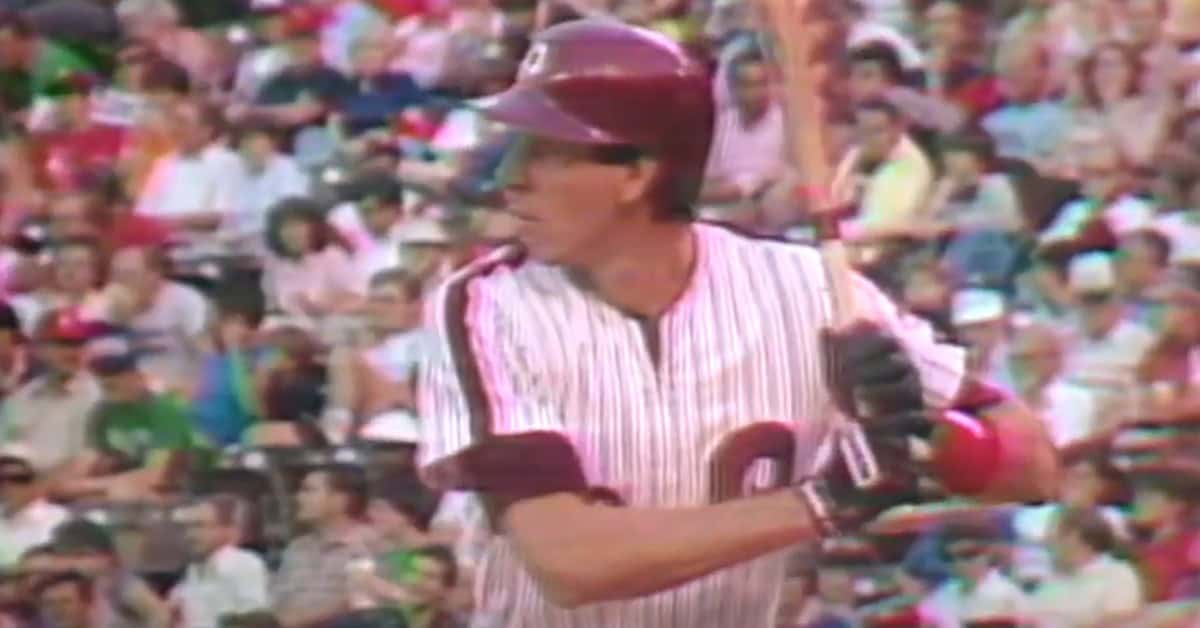
Von Hayes arrived in Philadelphia as the centerpiece of a five-player trade that made him “Five-for-One” before he ever took a swing, the pressure of that nickname following him throughout his career like a shadow that never quite disappeared. The versatile outfielder’s smooth left-handed swing and ability to play multiple positions gave Mike Schmidt a reliable teammate who could contribute both offensively and defensively when games hung in the balance. Hayes’s steady performance despite constant scrutiny showed Schmidt that some players could thrive under pressure while others wilted, lessons that would serve the Hall of Famer well as he navigated his own legendary career.
Bob Walk: The Pitcher Whose Name Sounded Like a Baseball Instruction
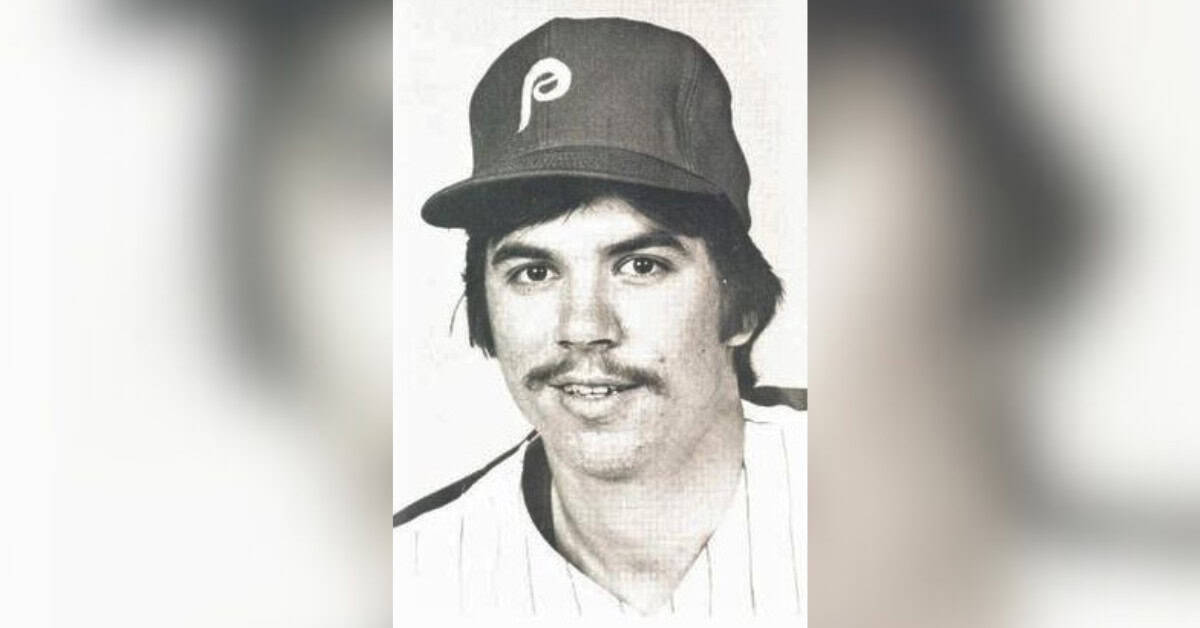
Bob Walk’s surname was perfectly suited for a pitcher who preferred to avoid giving hitters anything good to hit, his control and changing speeds making batters look foolish when they expected fastballs and got curveballs instead. The right-hander’s contribution to the 1980 World Series championship gave Mike Schmidt another example of how role players could step up in crucial moments when championships hung in the balance. Walk’s steady presence in the rotation showed Schmidt that baseball success required more than just superstars—it needed reliable professionals who could execute their roles when the lights burned brightest and the pressure reached its peak.
Darren Daulton: Dutch’s Leadership That Kept Clubhouses Together
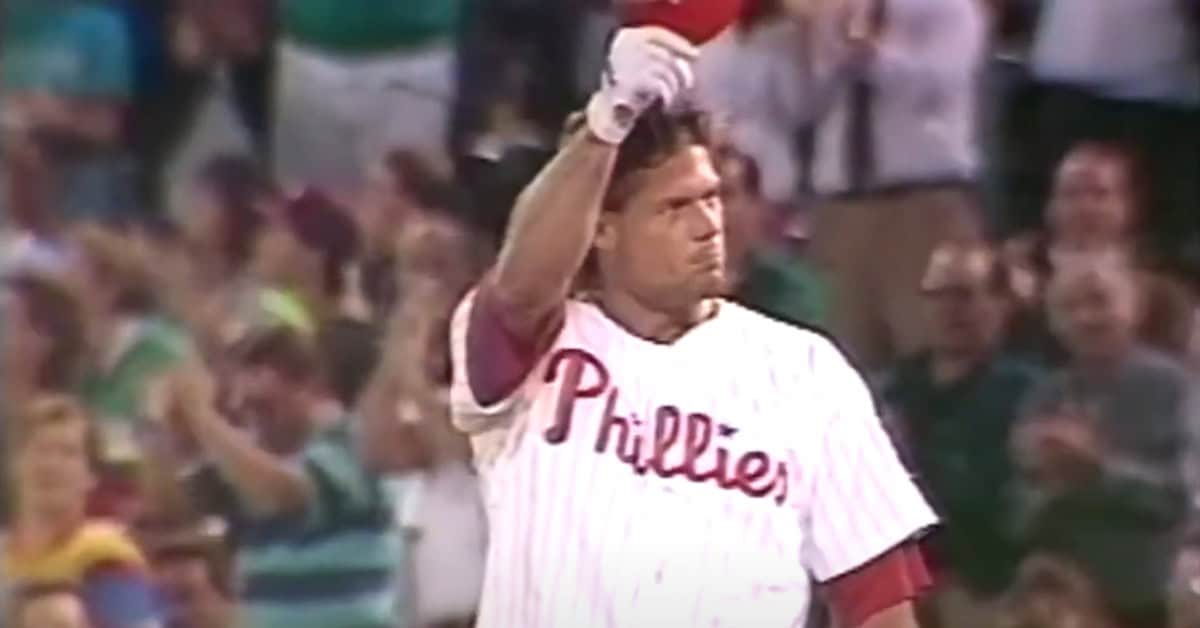
Darren “Dutch” Daulton’s emergence as the Phillies’ starting catcher during Mike Schmidt’s final years provided the aging superstar with a glimpse of the leadership that would carry the franchise into the 1990s. The tough backstop’s ability to handle pitchers and call games showed Schmidt that the organization was in good hands even as his own career wound down. Daulton’s fierce competitiveness and willingness to play through pain provided the perfect example of how true professionals approached their craft, lessons that would influence Schmidt’s own approach to the game’s mental and physical demands.
Shane Rawley: The Lefty Whose Curveball Dropped Like a Stone
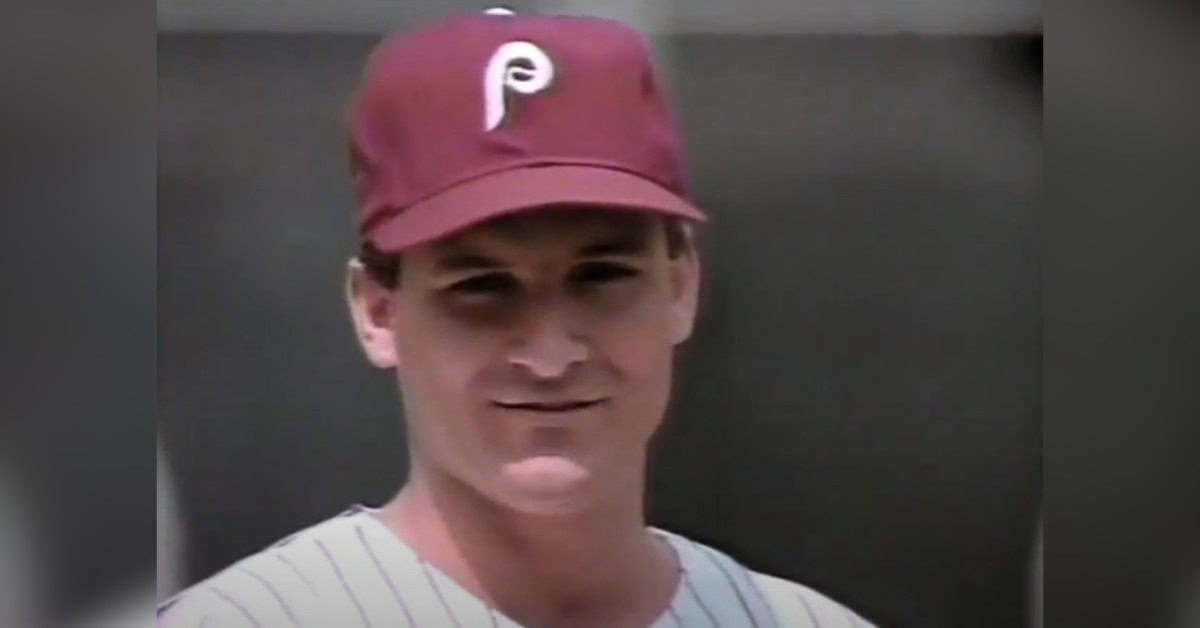
Shane Rawley’s curveball had more break than a teenager’s voice, his ability to make the ball dance through the strike zone giving Mike Schmidt confidence that games would be kept close by a pitcher who understood how to change eye levels and keep hitters off balance. The left-hander’s 17-win season in 1987 proved that sometimes the most effective weapons were the ones that moved slowly but arrived exactly where they were supposed to be. Rawley’s craftsmanship and attention to detail showed Schmidt that baseball excellence could be achieved through intelligence and precision just as easily as through raw power and overwhelming velocity.
Larry Bowa: The Fiery Shortstop Who Could Start Arguments in Empty Stadiums

Larry Bowa’s fiery temperament burned hotter than a Philadelphia summer, his arguments with umpires becoming as legendary as his Gold Glove defense at shortstop during the Phillies’ championship years. The scrappy infielder’s ability to turn routine ground balls into highlight-reel plays gave Mike Schmidt confidence that the left side of the infield would be protected by someone who cared as much about winning as he did. Bowa’s emotional investment in every play and every game showed Schmidt that championship teams needed players who took losses personally and celebrated victories like they were life-or-death matters.
Pete Rose: Charlie Hustle’s Headfirst Slides That Defined Gritty Baseball
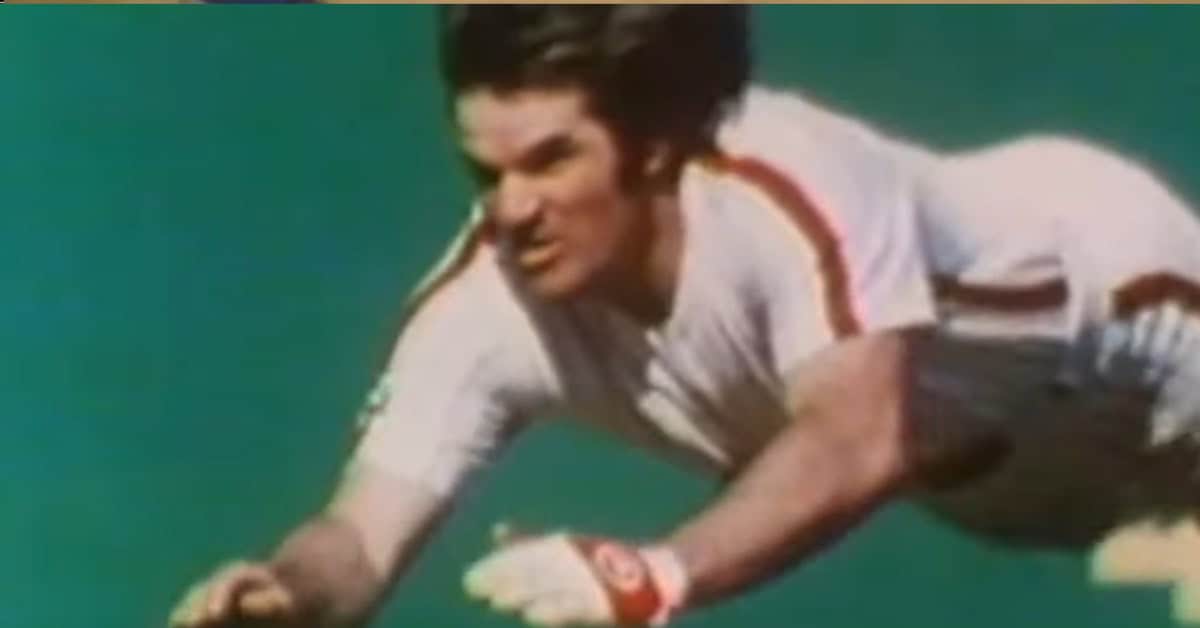
Pete Rose’s headfirst slides into first base defied both logic and safety protocols, but his 4,256 career hits proved that sometimes reckless abandon could be the most effective approach to achieving baseball immortality. Charlie Hustle’s arrival in Philadelphia brought a winning mentality that helped deliver the franchise’s first World Series championship, while his relentless pursuit of excellence showed Mike Schmidt what it meant to play every game like it was Game 7 of the World Series. Rose’s controversial legacy couldn’t diminish the impact he had on Schmidt’s career, proving that sometimes the most complicated teammates could also be the most influential when it came to understanding what it took to win championships at the highest level.