


Last Updated: June 17th, 2026 by Michael Schatz
The 1980s were baseball’s neon decade—when mustaches were mandatory, artificial turf ruled, and MTV still played music videos. While everyone remembers the superstars, some incredible players got lost in the shuffle of that wild, wonderful era. These forgotten heroes deserve another curtain call.
Don't lose this article. Enter your email below, and I'll send it to you right now. Plus, we'll send you other unbelievable stories from baseball's past.
Lou Whitaker: The Hall of Fame Second Baseman Detroit Still Argues About

Sweet Lou Whitaker spent 19 seasons turning double plays in Detroit, accumulating 75.1 WAR—more than any second baseman not in Cooperstown. He hit .276 with 244 home runs and formed half of the longest-running double-play combination in baseball history alongside Alan Trammell. Despite five All-Star appearances and anchoring the 1984 World Series champions, Whitaker fell off the Hall of Fame ballot after just one year, a travesty that still makes Tigers fans see red.
Willie Wilson: The Speed Demon Who Made 230 Hits Look Easy in 1980
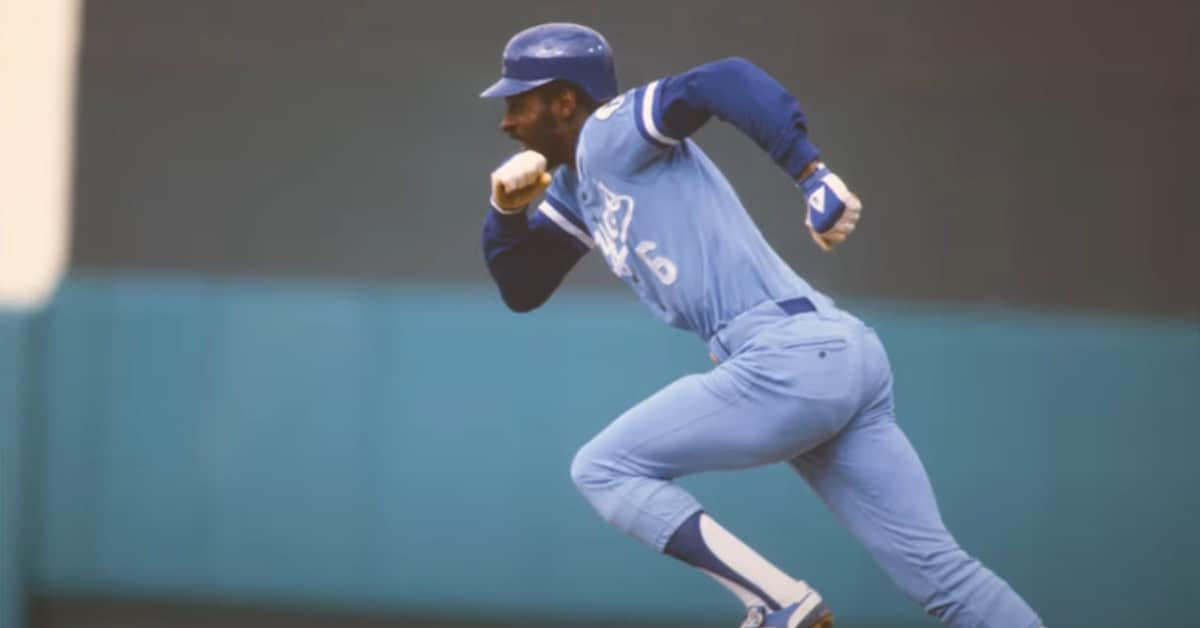
Wilson’s 1980 season was pure poetry in motion—230 hits, 133 runs, 79 stolen bases, and a .326 average that helped carry Kansas City to the World Series. The switch-hitting speedster led the league in hits, runs, triples, and singles while setting a record with 705 at-bats. Though he struck out 12 times in that World Series against Philadelphia, Wilson’s blazing speed and line-drive stroke made him the prototype for the modern leadoff hitter.
Tim Wallach: Montreal’s Gold Glove Third Baseman Nobody Remembers

Wallach was the steady heartbeat of Montreal’s golden era, manning third base with three Gold Gloves and making five All-Star teams from 1984-1990. He hit 204 home runs for the Expos while batting .257 with reliable defense that anchored some of the franchise’s best teams. Playing in Montreal’s shadow meant American fans rarely saw his consistent excellence, but Wallach was the kind of professional hitter and defender that championship teams are built around.
Dave Stieb: The Blue Jays Ace Who Lost Three No-Hitters with Two Outs

Stieb was baseball’s ultimate hard-luck story, losing no-hitters with two outs in the ninth inning three separate times between 1988-1989, including back-to-back starts. The seven-time All-Star finally got his no-hitter in 1990, but not before becoming the poster child for cruel baseball fate. With a 122 ERA+ over his career and Toronto’s franchise record for wins, Stieb was the ace who built the Blue Jays into contenders before their championship years.
Lance Parrish: The Catcher Who Out-Hit Most First Basemen
The Big Wheel was a rare power-hitting catcher who smashed 324 career home runs while winning three Gold Gloves behind the plate. Parrish made eight All-Star teams, and his 32 homers in 1982 set a new American League record for catchers at the time, proving that backstops could be offensive forces too. His cannon arm and clutch hitting were crucial to Detroit’s 1984 championship, but playing catcher in an era dominated by offensive positions kept him from getting his due recognition.
Chet Lemon: The Center Fielder Who Made Fenway’s Green Monster Look Small

Lemon patrolled center field with graceful efficiency, leading the American League in putouts four times while hitting 215 career home runs. The switch-hitter was a three-time All-Star who could work counts, steal bases, and cover vast amounts of outfield real estate with his smooth glove work. Playing between Kirk Gibson and Larry Herndon in Detroit’s championship outfield, Lemon was the steady veteran whose consistent production and leadership helped anchor the 1984 Tigers’ magical season.
Brian Downing: The Angels’ Iron Man Who Transformed from Catcher to Slugger
Downing reinvented himself from a light-hitting catcher into a muscular designated hitter and outfielder who became one of baseball’s most durable players. He played 20 seasons, hitting 275 home runs while drawing walks at an elite rate and posting a .370 career on-base percentage. The California Angels’ steady veteran was a perfect complement to their flashier stars, providing professional at-bats and surprising power from a player who looked more like an accountant than a slugger.
Frank White: Kansas City’s Slick-Fielding Second Baseman in George Brett’s Shadow
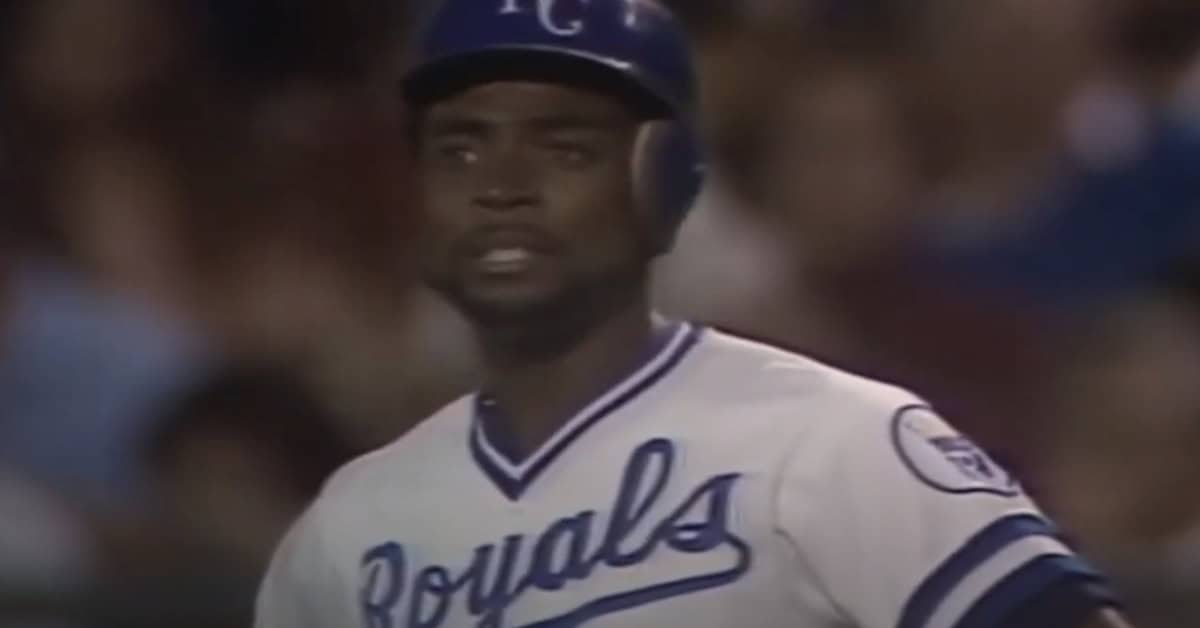
White was poetry in motion around second base, winning eight Gold Gloves while forming the heart of Kansas City’s championship-caliber defense. The five-time All-Star spent his entire 18-year career with the Royals, hitting .255 with 160 home runs while turning double plays with balletic grace. Playing alongside George Brett meant White often got overlooked, but his defensive wizardry and clutch October hitting were essential ingredients in Kansas City’s 1985 World Series championship recipe.
Dwight Evans: The Red Sox Right Fielder With the Cannon Arm and 385 Home Runs
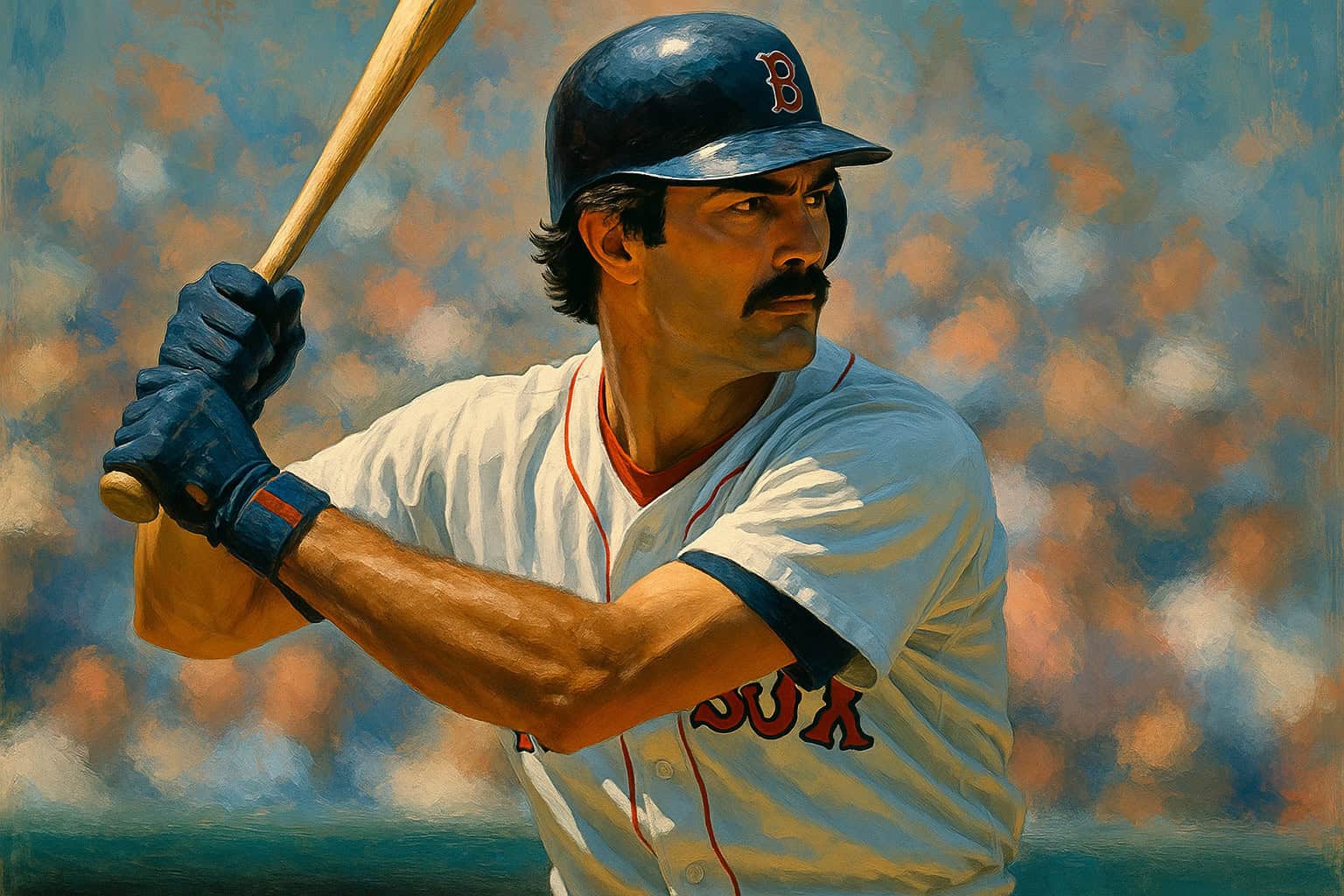
Dewey was the complete package in right field—385 career home runs, eight Gold Gloves, and an arm so strong it should have required a permit. The three-time All-Star hit 22 or more homers in nine different seasons while playing Fenway’s tricky right field like a master craftsman. Evans aged like fine wine, posting some of his best offensive numbers in his thirties, but playing in Boston’s loaded lineup meant he was often the forgotten star on teams featuring Wade Boggs, Jim Rice, and Carlton Fisk.
Willie Upshaw: Toronto’s Steady First Baseman During Their Rise to Relevance
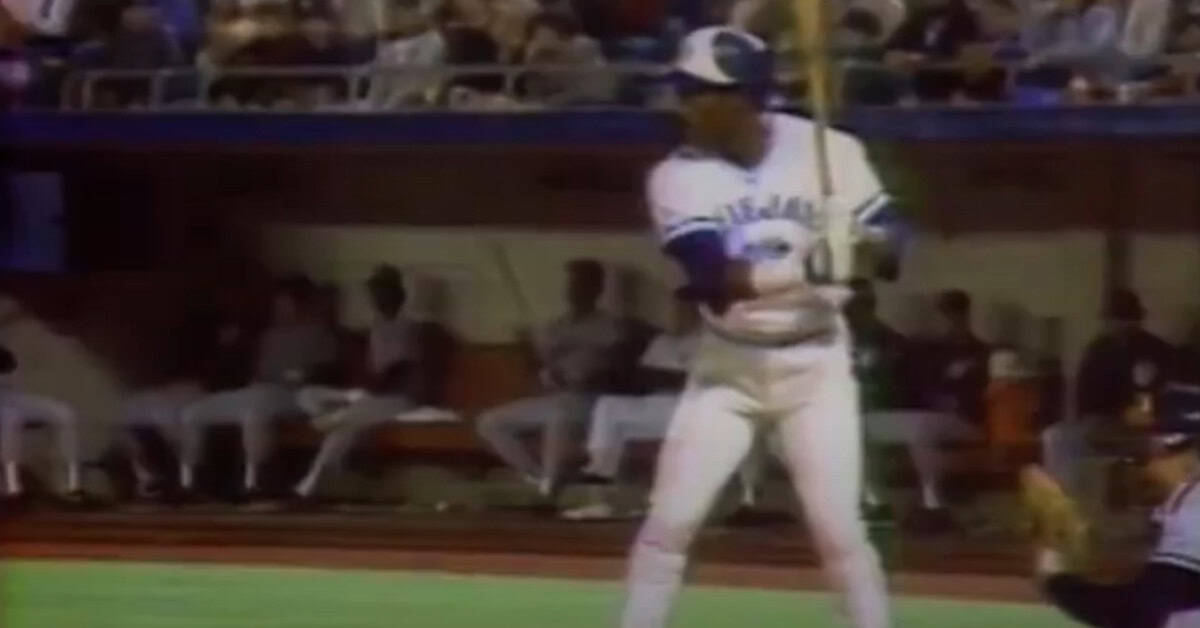
Upshaw was the reliable cornerstone who helped transform Toronto from an expansion afterthought into an American League contender throughout the 1980s. The left-handed first baseman hit 123 home runs for the Blue Jays while providing steady defense and veteran leadership during their formative years. His best season came in 1983 when he belted 27 homers and drove in 104 runs, but Upshaw’s greatest contribution was being the consistent professional who bridged the gap between Toronto’s struggling early years and their eventual championship glory.