

Last Updated: June 17th, 2026 by Michael Schatz
The 1980s were baseball’s golden decade—when mustaches were mandatory, polyester uniforms still had their charm, and players became legends without million-dollar contracts. These ten titans defined an era when the crack of the bat echoed through stadiums filled with cigarette smoke and the sweet scent of Cracker Jack.
Don't lose this article. Enter your email below, and I'll send it to you right now. Plus, we'll send you other unbelievable stories from baseball's past.
Mike Schmidt: The Third Baseman Who Made Home Runs Look Like Batting Practice

Schmidt owned the hot corner like it was his personal real estate, launching 313 home runs during the decade while anchoring Philadelphia’s 1980 World Series championship. His swing was poetry in motion—a violent, beautiful arc that sent baseballs screaming into the Veterans Stadium upper deck while opposing pitchers contemplated career changes. The man collected three MVP awards in the ’80s like they were baseball cards, establishing himself as the greatest third baseman who ever lived while sporting a mustache that could have its own zip code.
Gary Carter: The Catcher Who Smiled His Way to Cooperstown
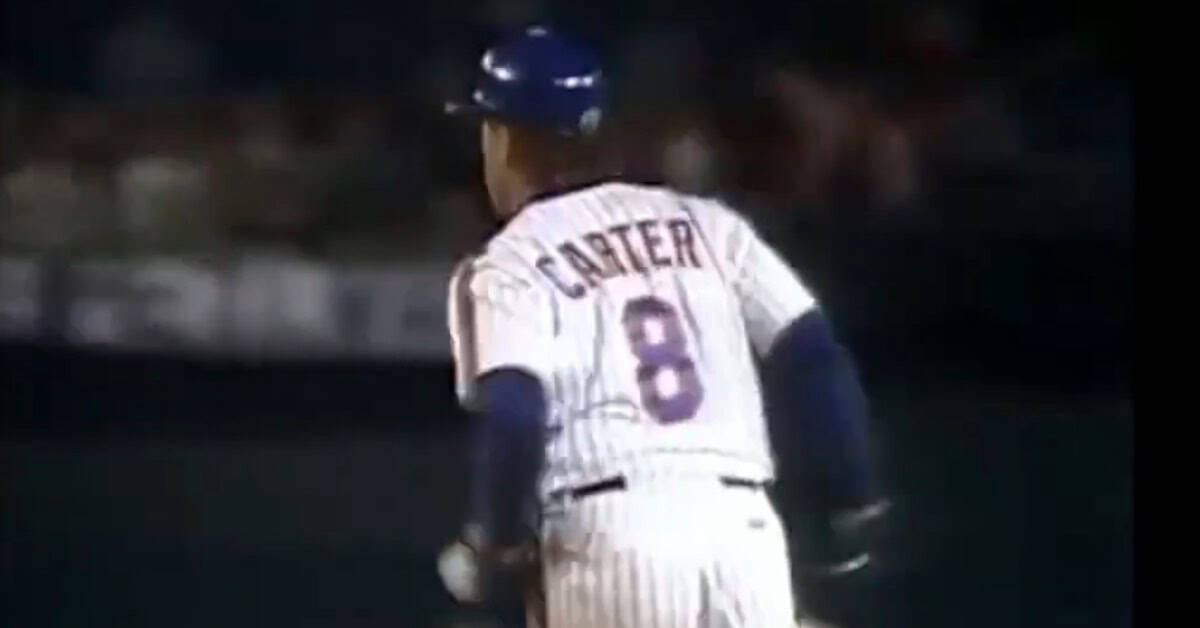
“The Kid” brought boyish enthusiasm to the grueling position of catcher, turning every game into a celebration even when his knees screamed in protest. Carter’s infectious grin and relentless optimism made him the heart of the 1986 Mets championship team, while his rocket arm and clutch hitting kept opposing runners honest and fans on their feet. Behind the plate, he was a master tactician who called games like a chess grandmaster, all while maintaining the kind of genuine joy that made baseball feel like the game we fell in love with as children.
Roger Clemens: The Rocket Who Launched 20-Strikeout Games Into Legend
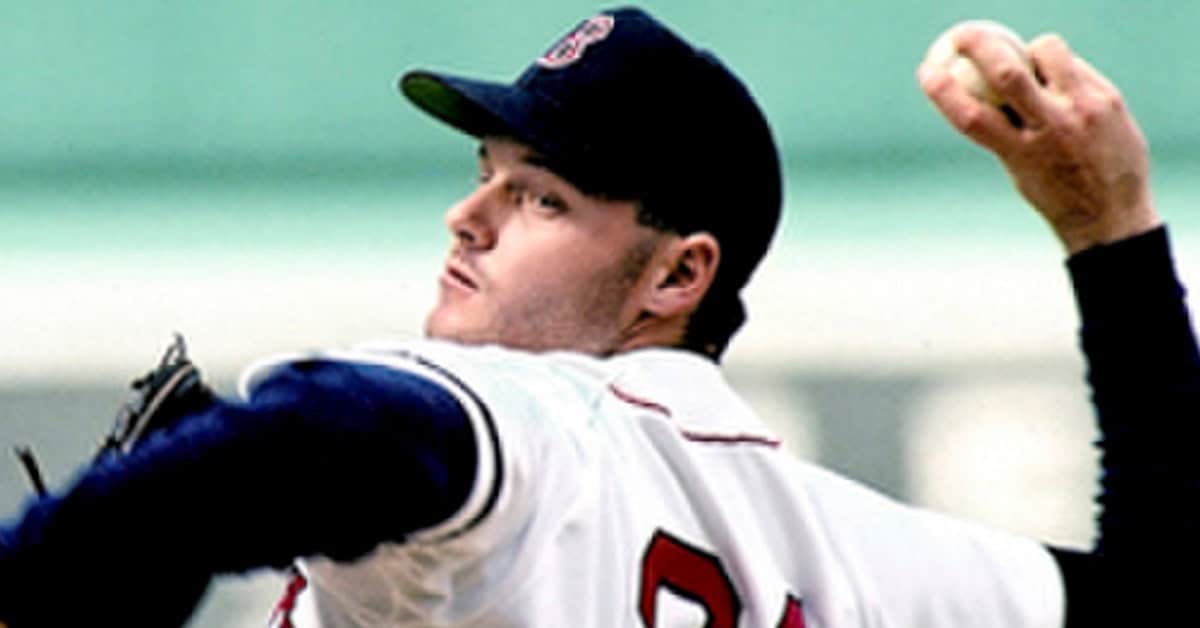
Clemens burst onto the scene like a meteorite, throwing fastballs that seemed to defy physics while batters stood helplessly in the box, wondering if they’d even seen the ball. His legendary 20-strikeout game against Seattle in 1986 remains one of baseball’s most dominant single-game performances, a masterpiece of power pitching that left Fenway Park in stunned silence. The Rocket won two Cy Young Awards during the decade, establishing a template for power pitching that would influence generations of hurlers who dreamed of throwing 100 mph heat with pinpoint control.
Rickey Henderson: The Speedster Who Stole Bases and Hearts
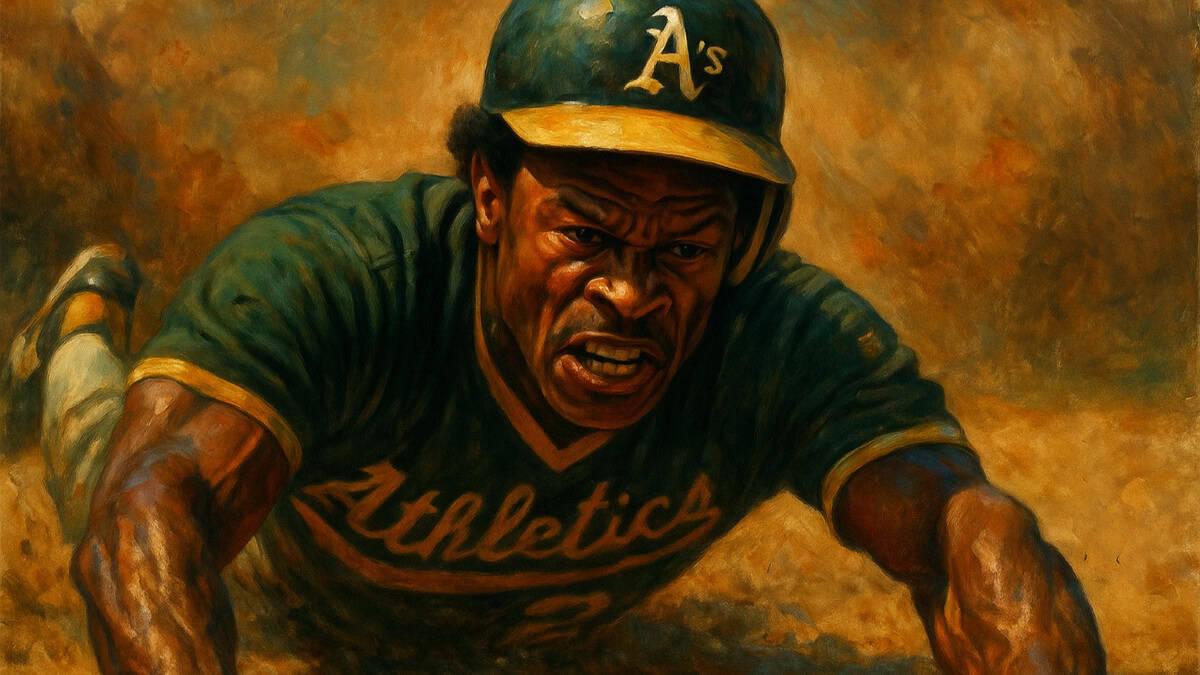
Henderson didn’t just steal bases—he redefined the very concept of speed on the basepaths, turning every stolen base attempt into must-see television. His signature leadoff stance and lightning-quick jump made pitchers lose sleep, while his 130 stolen bases in 1982 set a single-season record that still stands like a monument to pure athleticism. The man of steal combined blazing speed with surprising power, leading off games with home runs before terrorizing opposing defenses with his baserunning wizardry, all while talking to himself in the third person with the confidence of a man who knew he was the greatest leadoff hitter ever.
Dwight Gooden: Doc’s Prescription for Strikeout Dominance
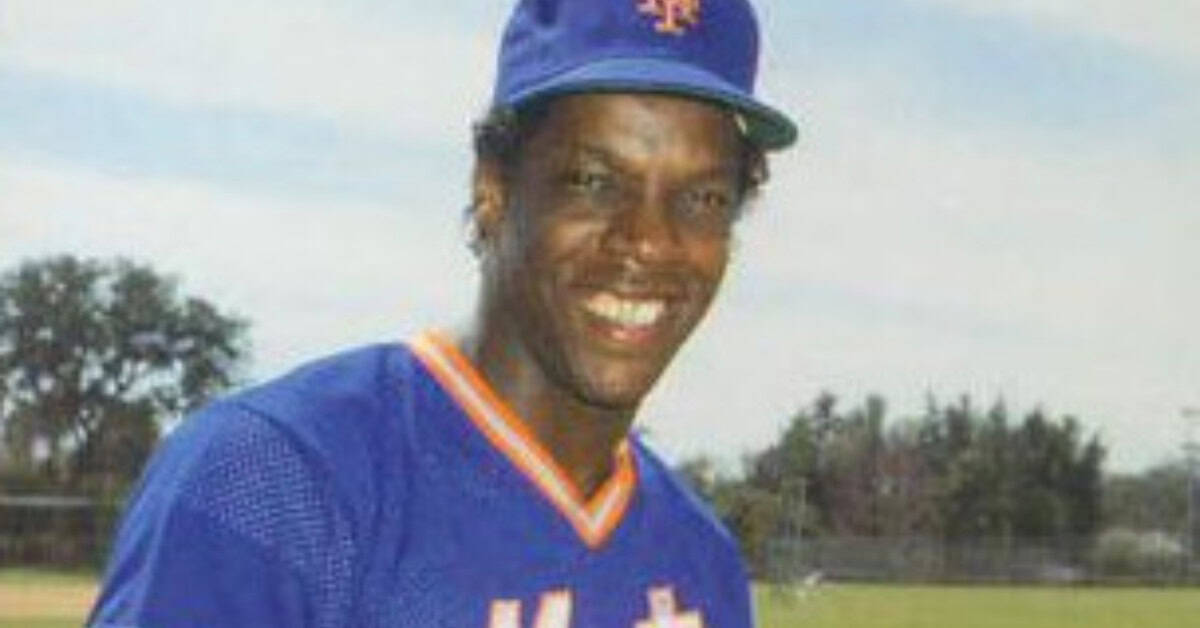
At just 20 years old, “Doc” Gooden possessed a curveball that dropped off tables and a fastball that made veteran hitters look like Little Leaguers. His 1985 Cy Young season was a masterclass in pitching dominance, posting a 1.53 ERA and 268 strikeouts that left opposing batters shaking their heads in disbelief. Gooden’s high leg kick and devastating stuff made him the crown jewel of the Mets’ championship rotation, a young phenom who carried himself with the poise of a seasoned veteran while striking out batters with the casual efficiency of someone playing catch in the backyard.
Dale Murphy: The Golden Glove Outfielder Atlanta Never Forgot

Murphy embodied everything noble about baseball—a Mormon missionary’s son who played the game with integrity while launching moonshot home runs that cleared Atlanta-Fulton County Stadium’s upper decks. His back-to-back MVP awards in 1982 and 1983 represented the peak of power hitting combined with Gold Glove defense, a rare combination that made him the face of the Braves franchise. Murphy’s gentle demeanor and devastating swing created a paradox that opposing pitchers never solved, while his community involvement and sportsmanship made him a role model in an era when baseball heroes still seemed larger than life.
Cal Ripken Jr.: The Iron Man Who Redefined Shortstop Forever

Ripken revolutionized the shortstop position by proving that size and power could coexist with defensive excellence, standing tall at 6’4″ while turning double plays with balletic grace. His 1983 MVP season anchored Baltimore’s World Series championship, combining 27 home runs with stellar defense that redefined what teams expected from their shortstops. The Iron Man’s consecutive games streak began in earnest during the ’80s, establishing a work ethic that would become legendary while his smooth swing and steady glove made him the prototype for the modern power-hitting shortstop that every team now covets.
Nolan Ryan: The Express Train That Never Ran Out of Steam
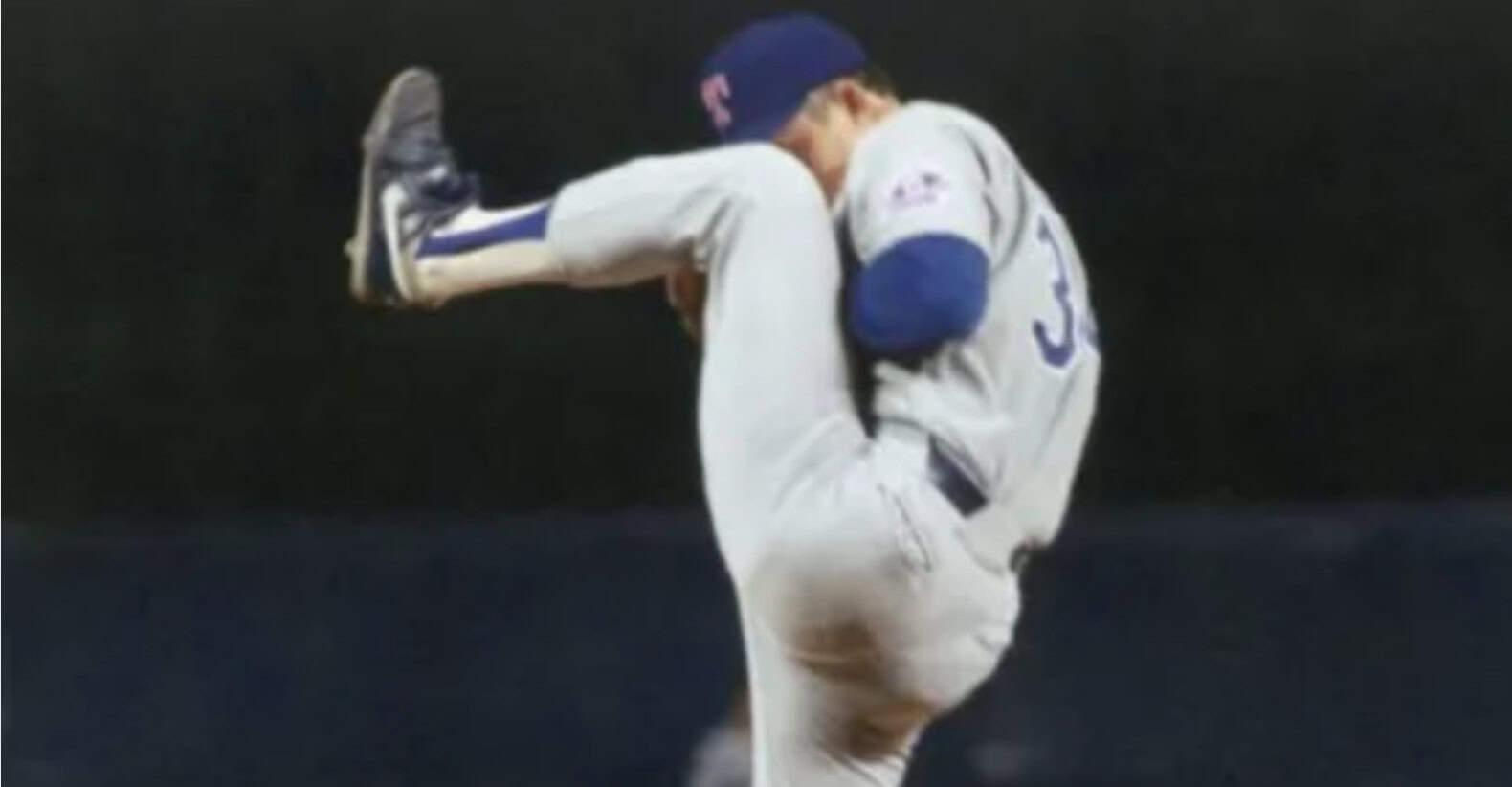
Ryan’s fastball didn’t just challenge hitters—it challenged the laws of physics, regularly touching 100 mph when radar guns were still considered space-age technology. The Ryan Express threw his record-breaking fifth no-hitter in 1981, continuing to accumulate strikeouts like a video game player chasing a high score. His legendary work ethic and conditioning program made him ageless, throwing harder in his 40s than most pitchers managed in their 20s, all while maintaining the kind of intimidating mound presence that made batters step out of the box just to collect their thoughts.
Don Mattingly: Donnie Baseball’s Sweet Swing and Sweeter Mustache
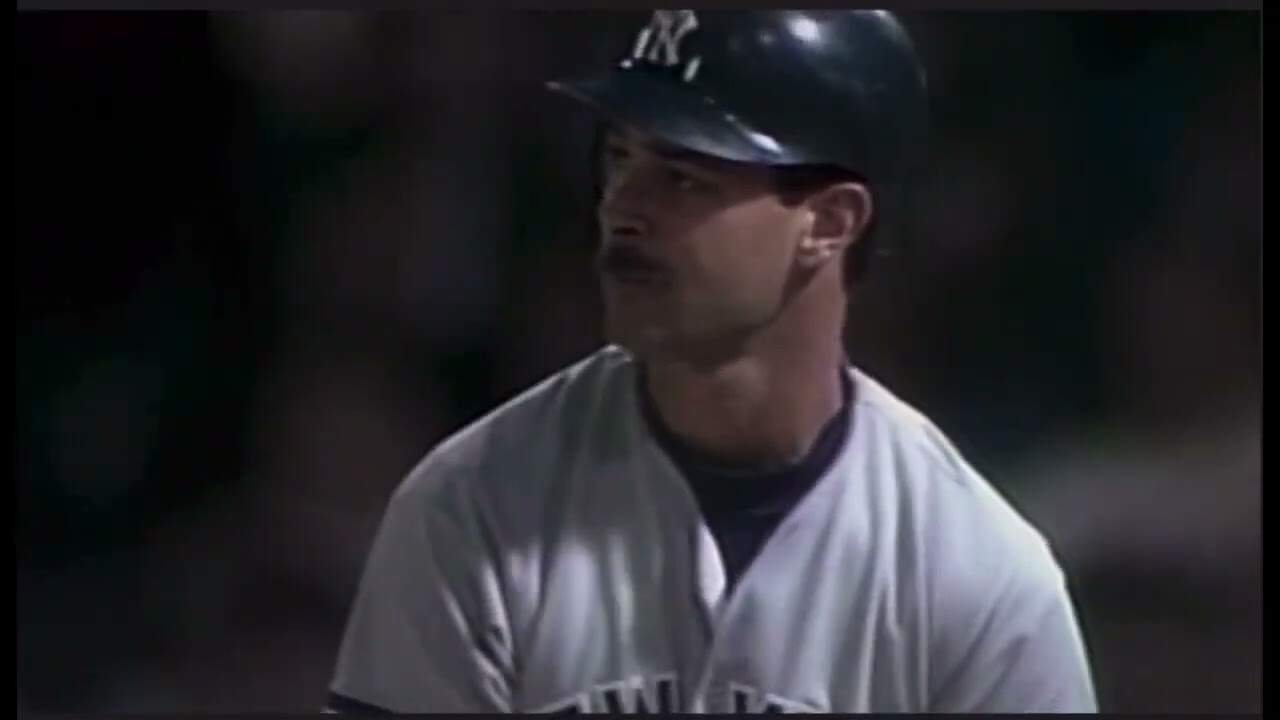
Mattingly’s left-handed swing was pure art, a fluid motion that sent line drives screaming into the gaps while his defensive wizardry at first base made impossible plays look routine. His 1985 MVP season showcased everything beautiful about hitting—a .324 average, 35 home runs, and 145 RBIs that carried the Yankees on his broad shoulders. Donnie Baseball represented the last of baseball’s blue-collar heroes. This lunch-pail player showed up every day with his mustache perfectly groomed and his glove ready to make magic, embodying the workmanlike excellence that made the ’80s Yankees competitive even without championship glory.
Carlton Fisk: The Veteran Catcher Who Aged Like Fine Wine
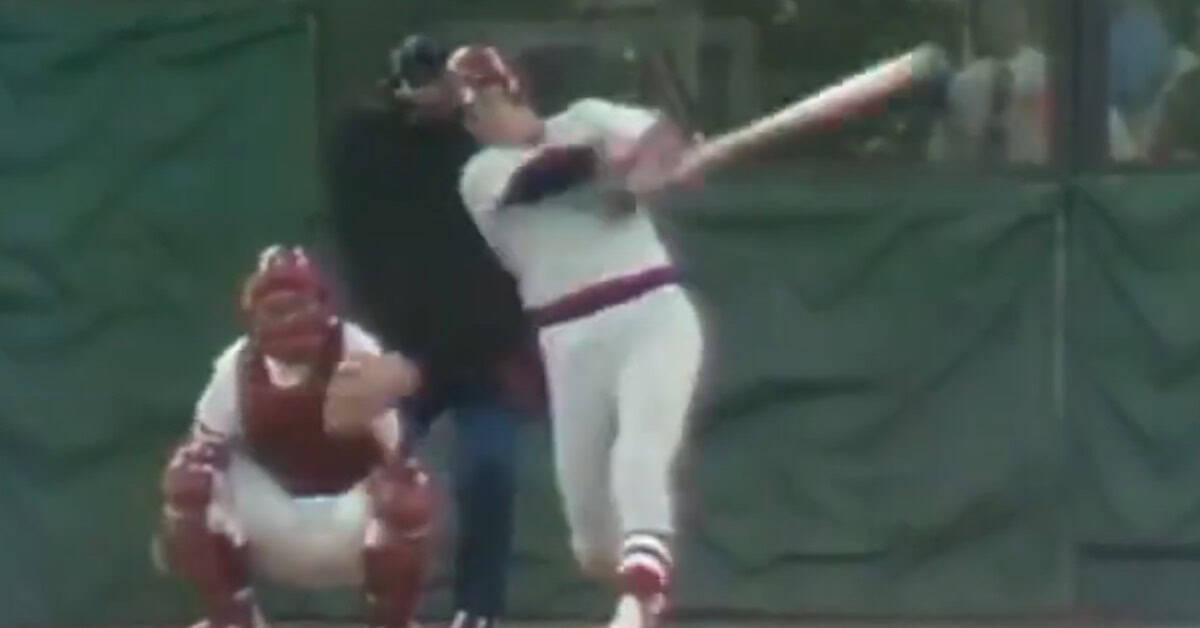
Fisk transformed himself from Boston icon to Chicago legend, proving that catchers could maintain elite performance well into their 30s through sheer determination and superior conditioning. His move to the White Sox revitalized his career, where he continued launching towering home runs while calling masterful games behind the plate with the wisdom of a baseball sage. The man who waved his famous 1975 World Series home run fair continued defying Father Time throughout the ’80s, combining veteran savvy with surprising power that made him the template for the modern catching position—tough, durable, and dangerous with a bat in his hands.