
Last Updated: September 22nd, 2026 by Matthew Brown
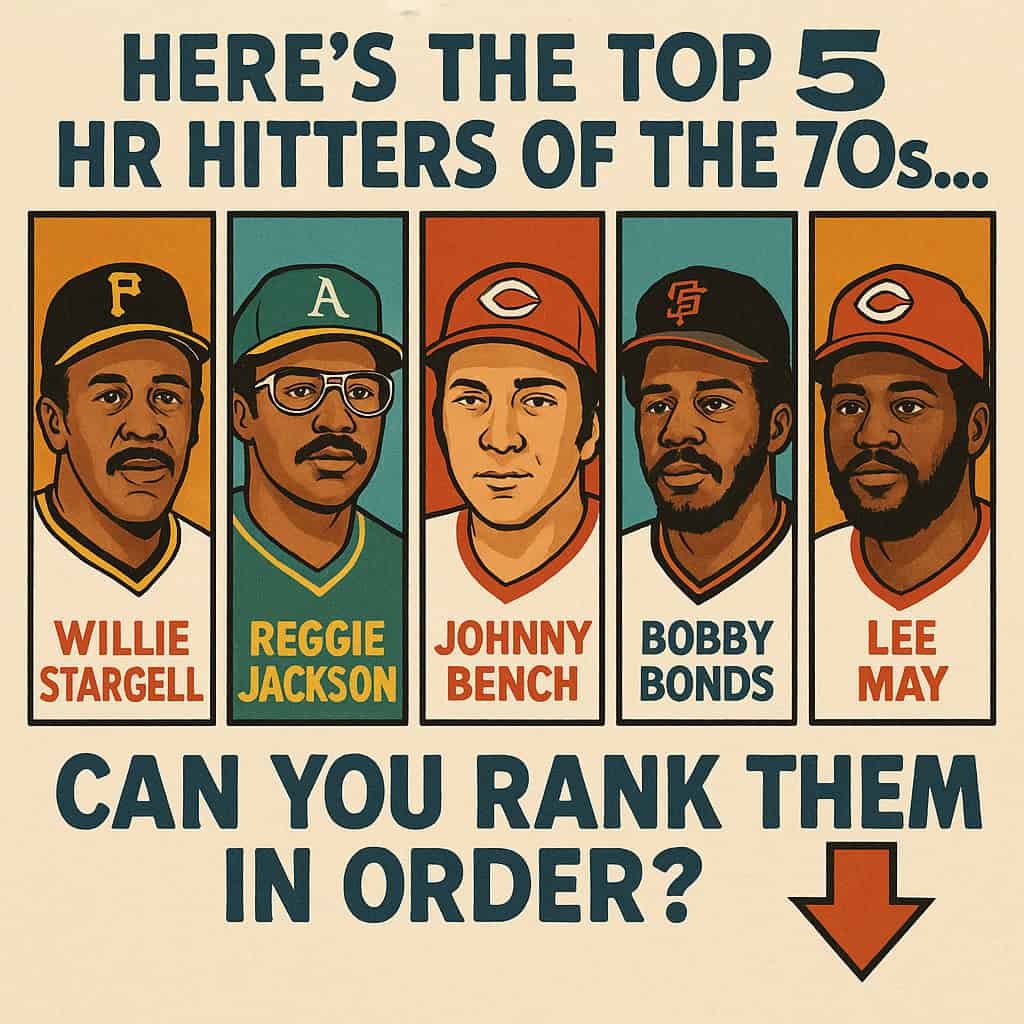
Power hit a new high in the 1970s as it really saw a surge in home run numbers from great sluggers in baseball. From first basemen to outfielders to catchers, there was power to be made at every position, and teams took advantage of it.
Don't lose this article. Enter your email below, and I'll send it to you right now. Plus, we'll send you other unbelievable stories from baseball's past.
We want to celebrate that by making a list of some of the great home run hitters of this eccentric decade.
How We Made This List
There are so many ways to make a list of sluggers, and we just wanted to make it a little bit more concrete this time. We're going with the home runs that were hit during this decade and this decade only.
So that gives us a specific list of sluggers that we can talk about. Let's get to it and start with a significantly underrated player.
20. Darrell Evans – 184 Home Runs
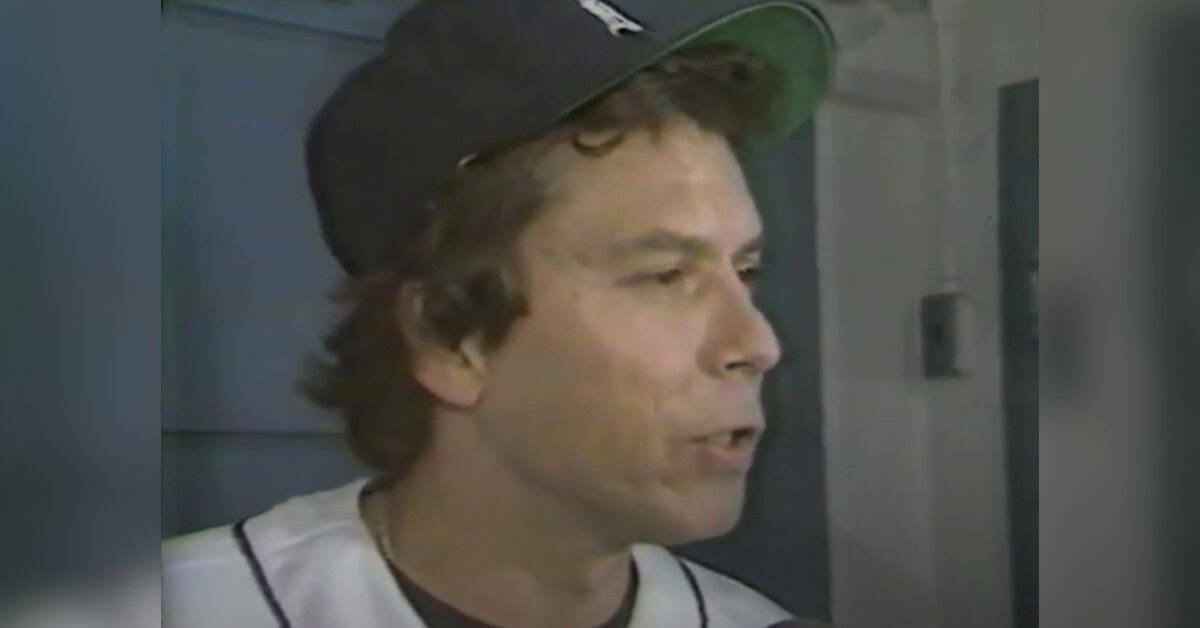
For how good the Braves and the Giants were during the 1960s, they were on the older side in this decade. Evans was their answer as the slugger of the future. The only thing is that he didn't actually hit as many home runs during these 10 years as he did later on in his career.
He did mash a career-high 41 home runs in 1973, when he earned an All-Star selection. His real specialty during this time was his plate discipline. He led all of baseball in walks in back-to-back seasons.
| Darrell Evans — Career | Total |
|---|---|
| G | 2687 |
| AB | 8973 |
| H | 2223 |
| HR | 414 |
| RBI | 1354 |
| SB | 99 |
| AVG | .248 |
| OBP | .361 |
| SLG | .431 |
| OPS | .792 |
| All-Star selections | 2 |
| World Series titles | 1 |
19. Sal Bando – 195 Home Runs
The Oakland A's had a run of dominance during the 1970s, and Sal Bando was a big part of it. Most of his 16-year career fit perfectly in this decade.
He slugged 20 home runs or more in half of this decade as he earned three All-Star selections with the A's. He also made the transition to Milwaukee later in the decade, as that was the franchise he ended his career with.
| Sal Bando — Career | Total |
|---|---|
| G | 2019 |
| AB | 7061 |
| H | 1790 |
| HR | 242 |
| RBI | 1039 |
| SB | 75 |
| AVG | .254 |
| OBP | .352 |
| SLG | .408 |
| OPS | .760 |
| All-Star selections | 4 |
| World Series titles | 3 |
18. Bobby Murcer – 198 Home Runs
Bobby Murcer is one of those forgotten great outfielders in Yankee history. He earned five straight All-Star selections thanks to his all-around play. His best season was in 1972 when he led the league with 102 runs scored, hitting 33 home runs and 30 doubles.
His OPS+ for the decade was a solid 127, suggesting that he was in the upper echelon of hitters for all 10 years.
| Bobby Murcer — Career | Total |
|---|---|
| G | 1908 |
| AB | 6730 |
| H | 1862 |
| HR | 252 |
| RBI | 1043 |
| SB | 127 |
| AVG | .277 |
| OBP | .357 |
| SLG | .445 |
| OPS | .802 |
| All-Star selections | 5 |
| Gold Gloves | 1 |
17. John Mayberry – 198 Home Runs
One of the bigger physical players of the era makes this list as no surprise. He hit more than 20 homers in eight seasons of the '70s. He was a main source for the Kansas City Royals to bring in runs as he knocked in 100 RBI three times this decade.
Like Darrell Evans, it was actually the walks that Mayberry specialized in, leading the league twice in that category.
| John Mayberry Sr. — Career | Total |
|---|---|
| G | 1620 |
| AB | 5447 |
| H | 1379 |
| HR | 255 |
| RBI | 879 |
| SB | 20 |
| AVG | .253 |
| OBP | .360 |
| SLG | .439 |
| OPS | .799 |
| All-Star selections | 2 |
16. George Foster – 201 Home Runs
George Foster was one of the premier sluggers of this era, so it's kind of hard to believe that he didn't end up with more home runs by the end of it. That's because it took him a while to find his footing in the MLB, as he spent most of the first six years of his career being a young backup and platoon option.
From 1975 on, he averaged over 30 home runs per year. He led all of baseball with his explosive 1977 MVP season, mashing 52 home runs with 149 RBI.
| George Foster — Career | Total |
|---|---|
| G | 1977 |
| AB | 7023 |
| H | 1925 |
| HR | 348 |
| RBI | 1239 |
| SB | 51 |
| AVG | .274 |
| OBP | .338 |
| SLG | .480 |
| OPS | .818 |
| MVP | 1 |
| All-Star selections | 5 |
| Silver Sluggers | 1 |
| World Series titles | 2 |
15. Hank Aaron – 201 Home Runs (HOF)

Even though he was 36 by the time 1970 rolled around, Hank Aaron still crushed the ball for most of the decade. He cemented his iconic legacy in 1974 when he hit his 715th home run to pass Babe Ruth as the all-time leader. He retired relatively shortly after in 1976.
So in just seven seasons towards the end of his career, Aaron still maintained his legendary power to hit his last 201 home runs.
| Hank Aaron — Career | Total |
|---|---|
| G | 3298 |
| AB | 12364 |
| H | 3771 |
| HR | 755 |
| RBI | 2297 |
| SB | 240 |
| AVG | .305 |
| OBP | .374 |
| SLG | .555 |
| OPS | .929 |
14. Carl Yastrzemski – 202 Home Runs (HOF)
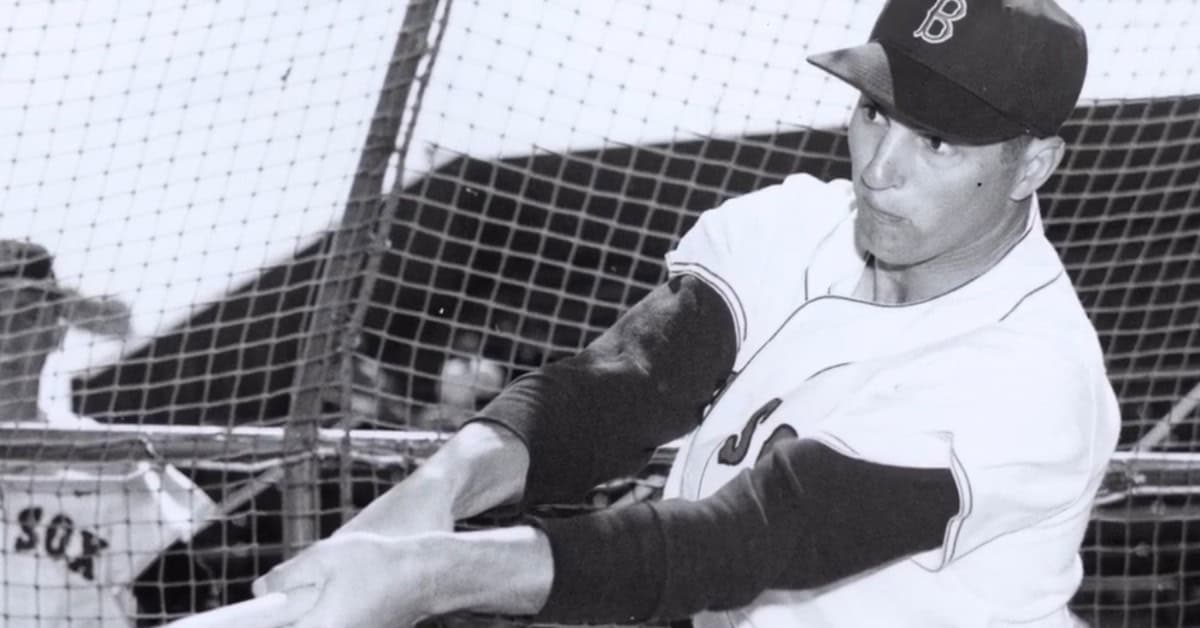
A few years removed from his 1967 Triple Crown, Yastrzemski was trying to maintain his peak. He did in 1970 as he clobbered 40 home runs with a league-leading 125 runs scored.
Unfortunately, he didn't reach those heights again, but was still a very solid player. He earned All-Star recognition every year of the 1970s as he entered the back half of his 23-year career in Boston.
| Carl Yastrzemski — Career | Total |
|---|---|
| G | 3308 |
| AB | 11988 |
| H | 3419 |
| HR | 452 |
| RBI | 1844 |
| SB | 168 |
| AVG | .285 |
| OBP | .379 |
| SLG | .462 |
| OPS | .841 |
| MVP | 1 |
| All-Star selections | 18 |
| Gold Gloves | 7 |
13. Greg Luzinski – 204 Home Runs
Greg Luzinski came into his own during the middle of the 1970s as he became a big hitter to slot into the middle of the Phillies lineup. He mashed over 30 home runs in three of the last five seasons of the decade, earning four straight All-Star selections along the way.
The Phillies don't win that historic 1980 World Series championship without Luzinski (who was more of a platoon player at the time) and his contributions to building this franchise in the decade prior.
| Greg Luzinski — Career | Total |
|---|---|
| G | 1821 |
| AB | 6505 |
| H | 1795 |
| HR | 307 |
| RBI | 1128 |
| SB | 37 |
| AVG | .276 |
| OBP | .363 |
| SLG | .478 |
| OPS | .841 |
| All-Star selections | 4 |
| World Series titles | 1 |
12. George Scott – 206 Home Runs
For a guy with the nickname Boomer, he must be included on this list. It may have gone under the radar, but George Scott was a solid everyday power source throughout the 1970s.
His 14-year career reached its peak and had a quick end as he moved to the Mexican League by 1980. He led the American League in 1975 with 36 home runs and 109 RBI as he became a force in the middle of the Brewers' lineup.
| George Scott — Career | Total |
|---|---|
| G | 2034 |
| AB | 7433 |
| H | 1992 |
| HR | 271 |
| RBI | 1051 |
| SB | 69 |
| AVG | .268 |
| OBP | .333 |
| SLG | .435 |
| OPS | .768 |
| All-Star selections | 3 |
| Gold Gloves | 8 |
11. Willie McCovey – 207 Home Runs (HOF)
Willie McCovey was right in the middle of his peak as he entered 1970. He came off an MVP year in 1969 to hit 39 home runs and lead all of baseball with a .612 slugging percentage.
He would eventually become an older vet by the end of the decade, but he was still cranking 28 home runs at the age of 39. That was the year he reached the 500-home-run plateau to cement his Hall of Fame legacy.
| Willie McCovey — Career | Total |
|---|---|
| G | 2588 |
| AB | 8197 |
| H | 2211 |
| HR | 521 |
| RBI | 1555 |
| SB | 26 |
| AVG | .270 |
| OBP | .374 |
| SLG | .515 |
| OPS | .889 |
| MVP | 1 |
| All-Star selections | 6 |
| Rookie of the Year | 1 |
10. Reggie Smith – 225 Home Runs
Reggie Smith was one of those players who brought power and run-scoring ability to the middle of lineups wherever he went. He spent over a third of the decade in Boston, where he had started his career, continuing the foundation he built as he hit 30 home runs and 33 doubles in 1971.
Then he would mash 50 home runs over two and a half seasons with the St. Louis Cardinals before being traded to the Los Angeles Dodgers, where he would earn back-to-back All-Star selections right away.
| Reggie Smith — Career | Total |
|---|---|
| G | 1987 |
| AB | 7033 |
| H | 2020 |
| HR | 314 |
| RBI | 1092 |
| SB | 137 |
| AVG | .287 |
| OBP | .366 |
| SLG | .489 |
| OPS | .855 |
| All-Star selections | 7 |
| Gold Gloves | 1 |
| World Series titles | 1 |
9. Tony Perez – 226 Home Runs (HOF)
There were good reasons to put Tony Perez in the middle of the most famous lineup of the 1970s. His power was displayed right away in 1970 when he crushed a career-high 40 home runs and drove in a whopping 129 RBIs.
He would become more of a consistent slugger, hitting 20 homers or more over the next five seasons. Then, he moved to Canada and started slugging inside Montreal's Olympic Stadium for the rest of the decade.
| Tony Perez — Career | Total |
|---|---|
| G | 2777 |
| AB | 9778 |
| H | 2732 |
| HR | 379 |
| RBI | 1652 |
| SB | 49 |
| AVG | .279 |
| OBP | .341 |
| SLG | .463 |
| OPS | .804 |
| All-Star selections | 7 |
| World Series titles | 2 |
8. Mike Schmidt – 235 Home Runs (HOF)
Mike Schmidt is such a legend that he didn't get a full season in the 1970s until 1974 and still is one of the top home run hitters of the decade. He led all of baseball in homers for three straight seasons while bashing 38 and 45 long balls in the respective seasons he wasn't a league leader.
In the seasons where he played in 145 games or more, he averaged 36 homers per season. Just amazing power.
| Mike Schmidt — Career | Total |
|---|---|
| G | 2404 |
| AB | 8352 |
| H | 2234 |
| HR | 548 |
| RBI | 1595 |
| SB | 174 |
| AVG | .267 |
| OBP | .380 |
| SLG | .527 |
| OPS | .907 |
| MVP | 3 |
| All-Star selections | 12 |
| Gold Gloves | 10 |
| Silver Sluggers | 6 |
| World Series titles | 1 |
7. Graig Nettles – 252 Home Runs
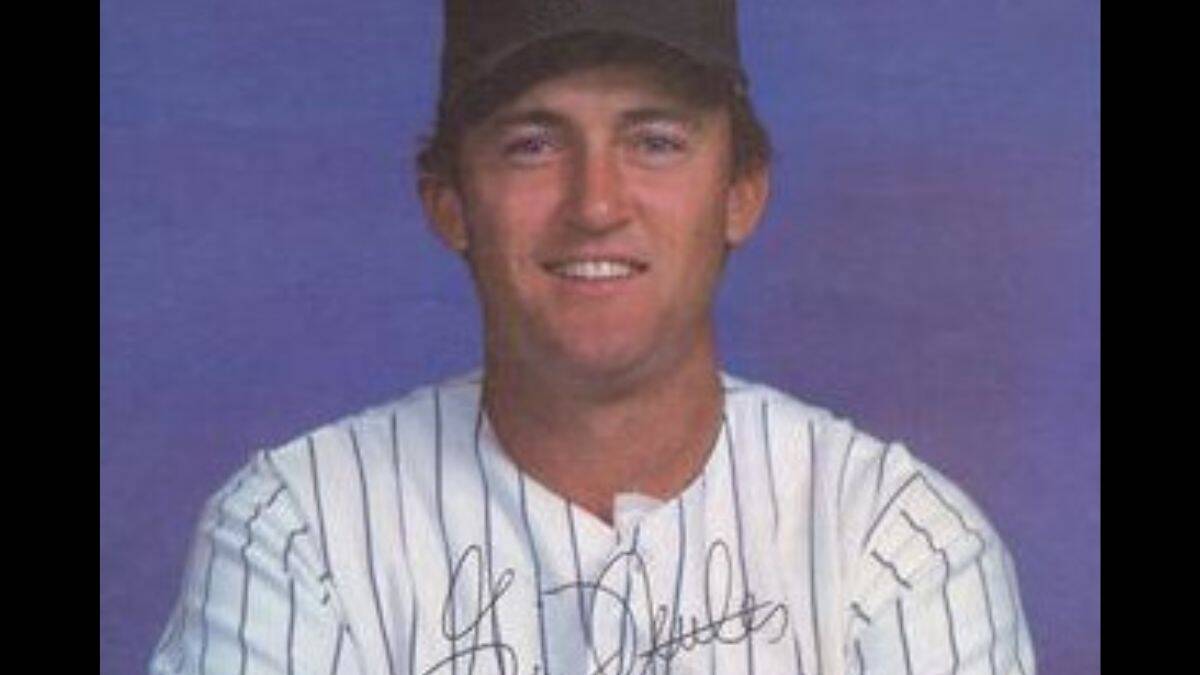
For how well he is known in the Bronx as a Yankee, many forget that Graig Nettles started the 1970s in Cleveland. He spent three years there, actually leading the league in WAR in 1971, before making the move to New York.
Nettles hit 20 or more home runs in all but one year in the decade, leading the American League with 32 in 1976. This doesn't count all the playoff homers he hit while helping the Yankees to multiple championships during his time.
| Graig Nettles — Career | Total |
|---|---|
| G | 2700 |
| AB | 8986 |
| H | 2225 |
| HR | 390 |
| RBI | 1314 |
| SB | 32 |
| AVG | .248 |
| OBP | .329 |
| SLG | .421 |
| OPS | .750 |
| All-Star selections | 6 |
| Gold Gloves | 2 |
| World Series titles | 2 |
6. Dave Kingman – 252 Home Runs
Even though he got his first taste of the MLB in 1971, it didn't take long for Dave Kingman to become a top slugger. He played in under 140 games in all but one season in the 1970s and still was able to reach 20 home runs in eight years of the decade.
He got his full shot at a season in 1979 when he earned an All-Star selection and led all of baseball with 48 home runs. If you extrapolated his home run rate to see how many he would hit in 162 games every year, he would mash 38 homers per year this decade.
| Dave Kingman — Career | Total |
|---|---|
| G | 1941 |
| AB | 6677 |
| H | 1575 |
| HR | 442 |
| RBI | 1210 |
| SB | 85 |
| AVG | .236 |
| OBP | .302 |
| SLG | .478 |
| OPS | .780 |
| All-Star selections | 3 |
5. Lee May – 270 Home Runs
Lee May was called the Big Bopper and just had to find his way onto this list. He hit 20 home runs or more in nine seasons of the decade, reaching the 25-homer mark in seven of them.
May brought power production to three teams in this decade: the Cincinnati Reds, Houston Astros, and Baltimore Orioles. The '70s were a major part of May's career, as he only played three full seasons outside of it.
| Lee May — Career | Total |
|---|---|
| G | 2071 |
| AB | 7609 |
| H | 2031 |
| HR | 354 |
| RBI | 1244 |
| SB | 39 |
| AVG | .267 |
| OBP | .313 |
| SLG | .459 |
| OPS | .772 |
| All-Star selections | 3 |
4. Bobby Bonds – 280 Home Runs
Even though his son is known as the most prolific slugger of all time, Bobby Bonds brought power to the plate during his career as well. He crushed over 30 home runs in five seasons in the '70s, earning three All-Star selections along the way. What's more impressive is that he did all of that while having to play for six different teams in these 10 years.
He hit 39 home runs in 1973 with the Giants, then 32 in 1975 with the Yankees, 37 in 1977 with the Angels, and 31 in 1978 between the White Sox and the Rangers. He ended the decade in Cleveland with 25 homers. That's how well his power traveled.
| Bobby Bonds — Career | Total |
|---|---|
| G | 1849 |
| AB | 7043 |
| H | 1886 |
| HR | 332 |
| RBI | 1024 |
| SB | 461 |
| AVG | .268 |
| OBP | .353 |
| SLG | .471 |
| OPS | .824 |
| All-Star selections | 3 |
| Gold Gloves | 3 |
3. Johnny Bench – 290 Home Runs (HOF)
The greatest catcher in baseball history has to be on this list. Johnny Bench was doing things in the 1970s that we had never seen before. He led all of baseball twice, with 45 home runs in 1970 and 40 in 1972.
His bat was too valuable to keep out of the lineup when he needed a break from catching, so they kept finding ways to have him play the field and sustain his immense offensive value. For how iconic a catcher he is, it's pretty cool to remember that he was a left fielder, right fielder, and first baseman during his career.
| Johnny Bench — Career | Total |
|---|---|
| G | 2158 |
| AB | 7658 |
| H | 2048 |
| HR | 389 |
| RBI | 1376 |
| SB | 68 |
| AVG | .267 |
| OBP | .342 |
| SLG | .476 |
| OPS | .818 |
| MVP | 2 |
| All-Star selections | 14 |
| Gold Gloves | 10 |
| World Series titles | 2 |
| Rookie of the Year | 1 |
2. Reggie Jackson – 292 Home Runs (HOF)
He may be known as Mr. October, but we will focus on the regular-season power from Reggie Jackson for this list. That was more than enough to rank high on this list because he averaged 23 or more homers every single season of this decade.
His slugging was top-tier in the decade as he was able to build up a .508 slugging percentage. Of course, this doesn't even include the 14 home runs he hit in the postseason, leading the A's and the Yankees to World Series titles.
| Reggie Jackson — Career | Total |
|---|---|
| G | 2820 |
| AB | 9864 |
| H | 2584 |
| HR | 563 |
| RBI | 1702 |
| SB | 228 |
| AVG | .262 |
| OBP | .356 |
| SLG | .490 |
| OPS | .846 |
1. Willie Stargell – 296 Home Runs (HOF)
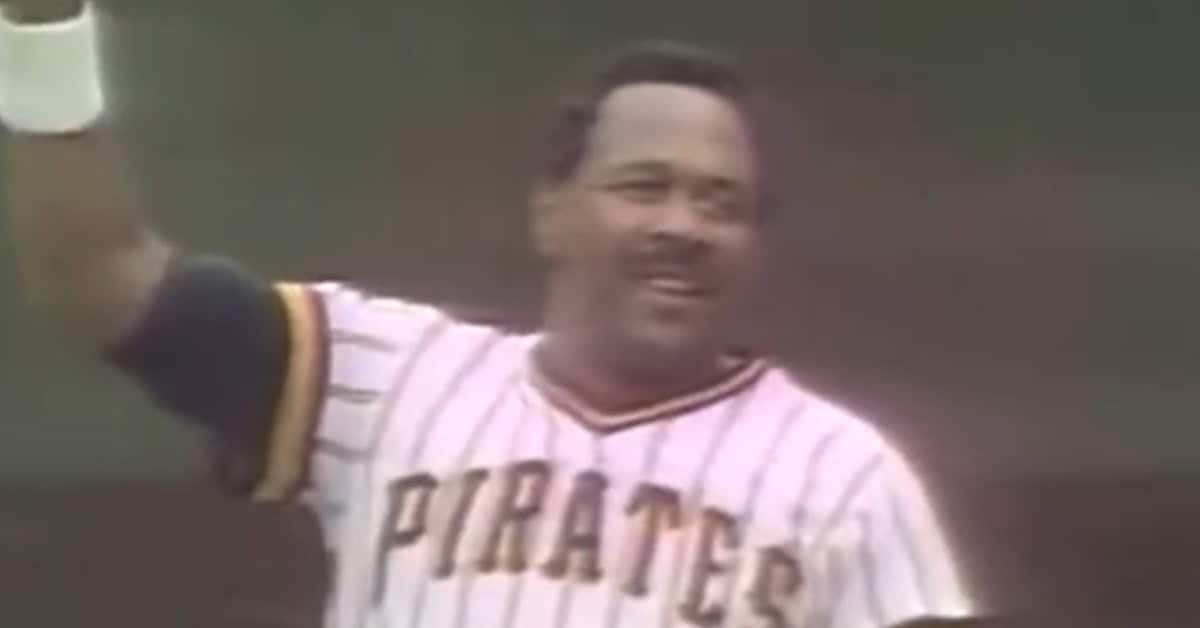
Pops brought the pop throughout the 1970s as its most prolific slugger. It's hard to believe that he was 39 years old by the end of the decade and still raking.
He hit 32 homers in 1979, leading the We Are Family Pirates before he turned 40. That was only the cherry on top of a decade where he led all of baseball with 48 home runs in 1971 and 44 in 1973. That '73 season was legendary, as he also led with 43 doubles, 119 RBI, and a great 1.038 OPS. Truly a legend of the decade and a legend of baseball.
| Willie Stargell — Career | Total |
|---|---|
| G | 2360 |
| AB | 7927 |
| H | 2232 |
| HR | 475 |
| RBI | 1540 |
| SB | 17 |
| AVG | .282 |
| OBP | .360 |
| SLG | .529 |
| OPS | .889 |
| MVP | 1 |
| All-Star selections | 7 |
| World Series titles | 2 |