
Last Updated: June 17th, 2026 by Michael Griffin
OK, take a deep breath before proceeding to view this slideshow. I understand how it might upset you. Heck, I grew up watching a lot of these players myself. I even vouched for a few in a Hall of Fame snub slideshow. Many on this list did have great numbers, but it requires a deeper look. Please keep the torches and pitchforks securely locked away. Thanks.
Don't lose this article. Enter your email below, and I'll send it to you right now. Plus, we'll send you other unbelievable stories from baseball's past.
11. Pete Rose’s .303 Average: What Modern Stats Really Tell Us
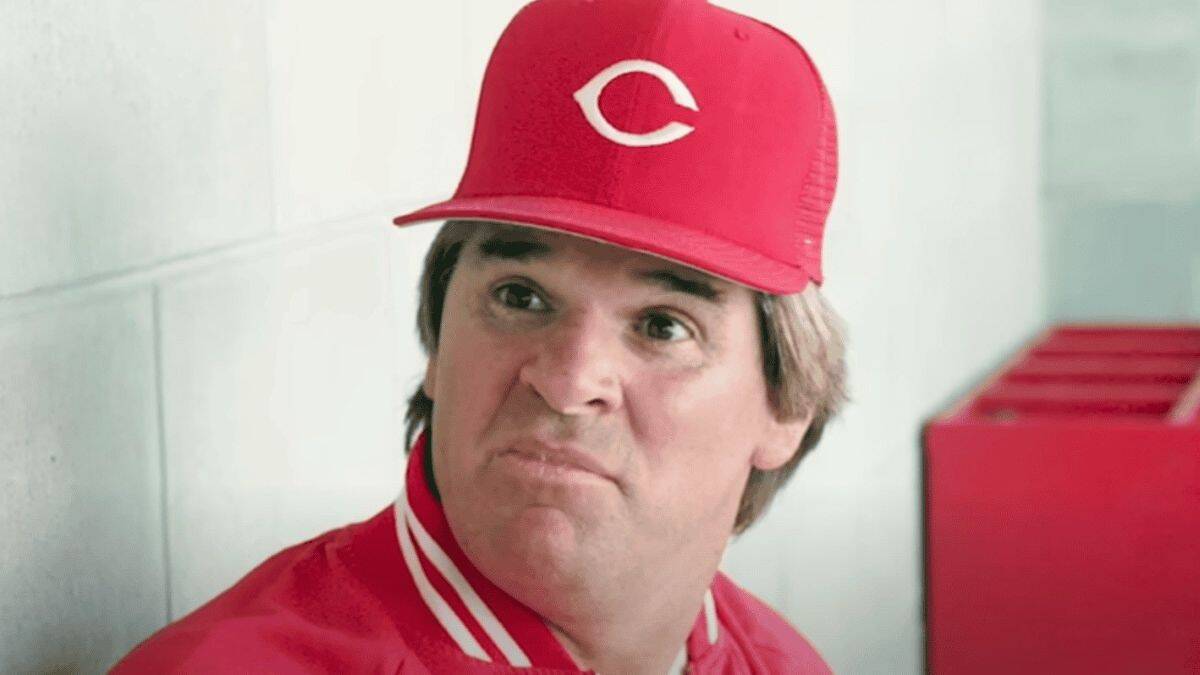
Yes, I picked this photo for a reason. His expression seems to be saying, “ME? I’m the Hit King!” Yes, his pursuit of Ty Cobb’s hit record captivated baseball fans, but let’s look at his overall numbers. In his final seven seasons (1980-1986), Rose posted a meager .261/.348/.315 slash line, well below league average, while stubbornly pursuing personal milestones. Modern analytics suggest Rose cost his teams wins during these years by continuing to play everyday, with his WAR (Wins Above Replacement) actually dropping into negative territory in his final two seasons.
10. Don Mattingly: When Gold Gloves Masked Warning Signs
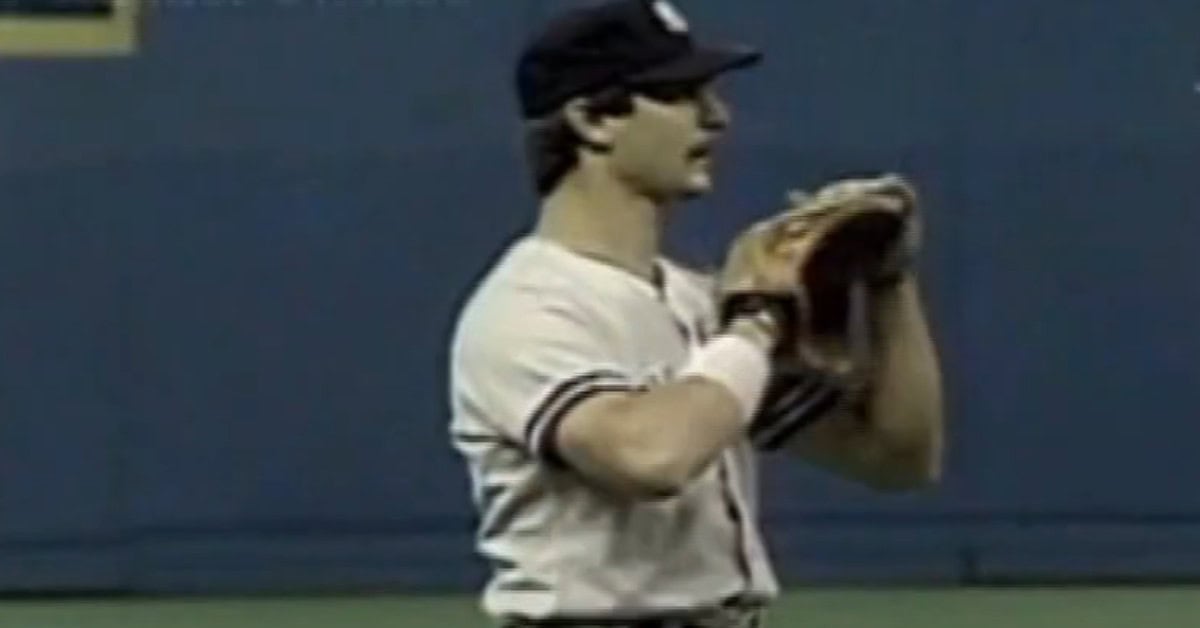
I know this one’s going to upset all the Yankee fans I know. While I’m leaning toward him being Cooperstown-worthy, there’s still something to ponder. Yes, he was great with the glove throughout his career, but his chronic back problems transformed him from an MVP-caliber superstar to a good-not-great player after 1989. While fans remember the sweet swing and nine Gold Gloves, Mattingly’s OPS dropped from .918 during his 1984-1989 peak to just .753 in his final six seasons. Those continuing Gold Gloves and his pristine reputation masked a significant decline that modern metrics now clearly reveal.
9. Steve Garvey’s RBI Crown: The Hollow Numbers Game
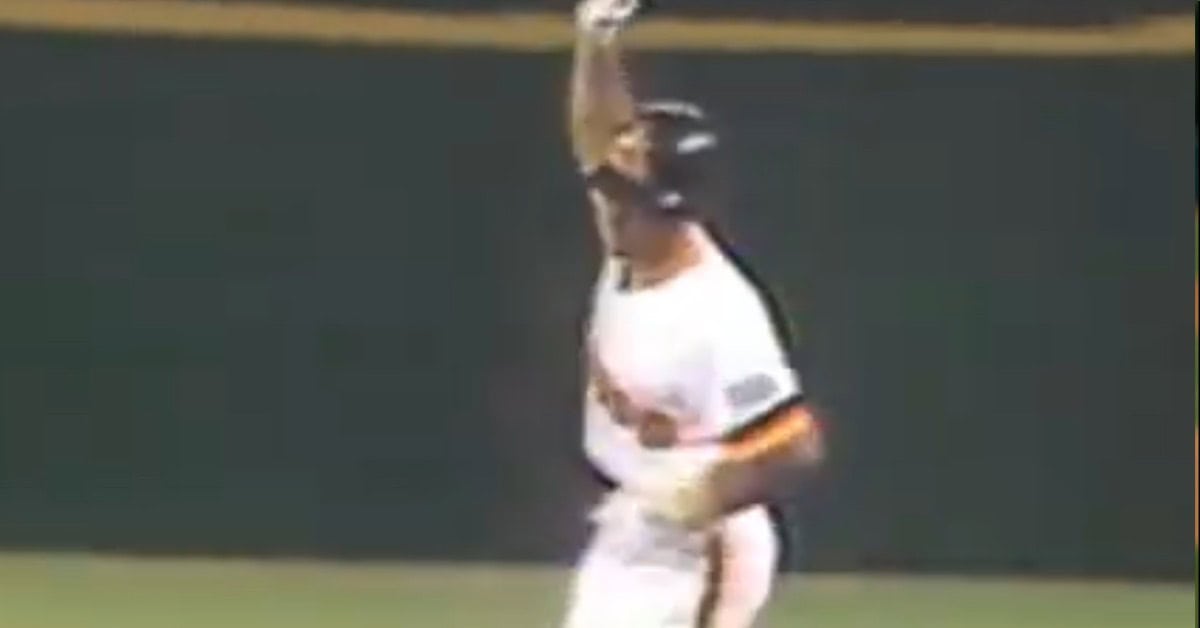
Mr. Clean’s(in theory) impressive RBI totals and 10 All-Star appearances painted a picture of sustained excellence, but modern analytics tell a different tale. Despite driving in 100+ runs five times, Garvey’s career .329 on-base percentage and below-average defensive metrics at first base resulted in just 38.0 career WAR – lower than many players who never made an All-Star team. The numbers suggest Garvey’s RBI totals were more a product of hitting behind on-base machines than his own exceptional run-producing ability.
8. Jack Morris: How That 10-Inning Shutout Fooled Us All
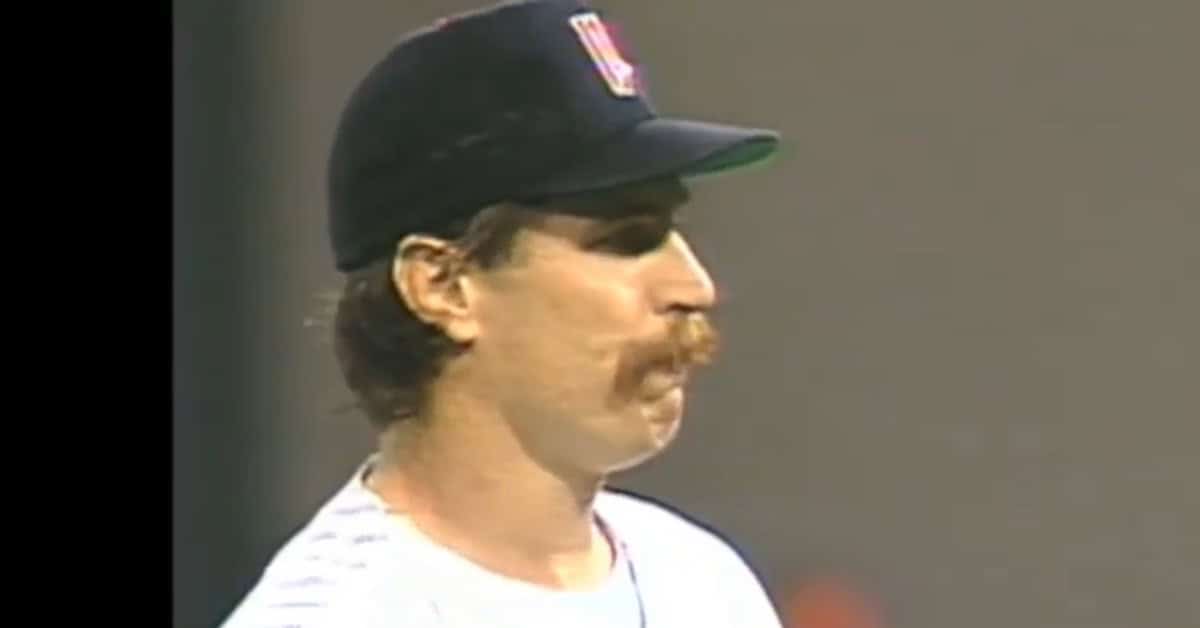
Who can forget his bulldog Game 7 1991 World Series start? It was magical, and he did throw a no-hitter. But Morris’s career 3.90 ERA and 105 ERA+ tell a different story than his reputation suggests. While durability was his calling card, modern metrics reveal Morris as more of an innings-eater than an ace, with a career WAR (44.1) that falls well short of many contemporaries who never reached Cooperstown. Don’t come after me, Tigers or Twins fans …
7. Dave Kingman’s 40-Homer Seasons: Baseball’s Empty Calories
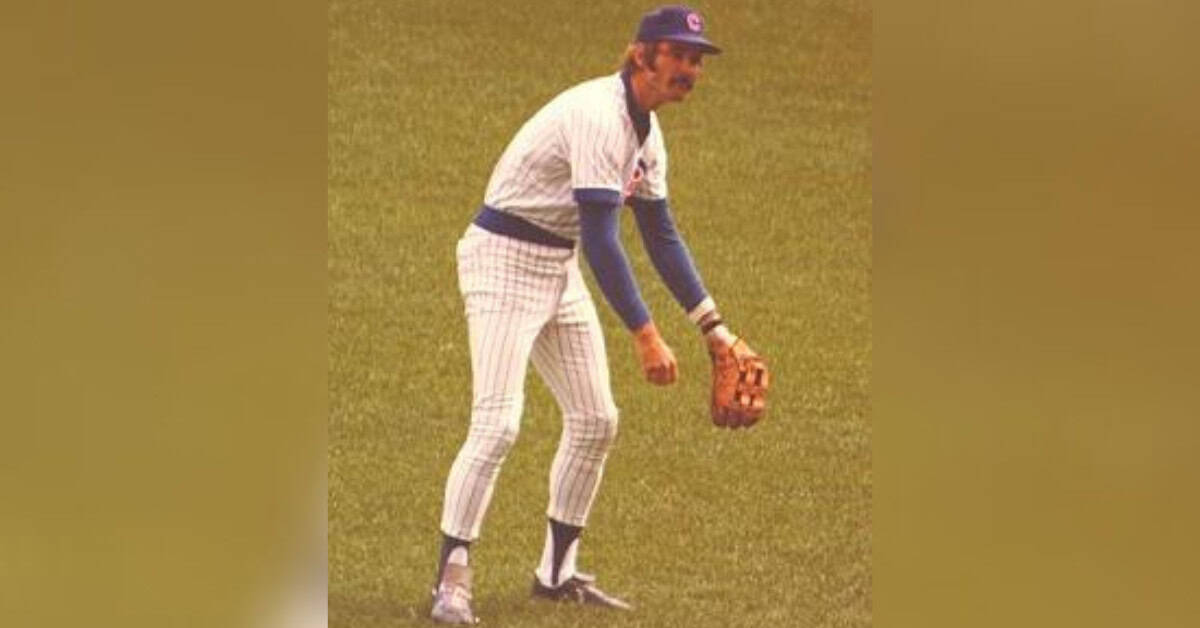
Kong’s tape-measure home runs were legendary, but his career 17.3 WAR reveals the full story. Despite 442 career homers, Kingman’s .236 batting average and poor defense made him the ultimate one-dimensional slugger. Modern analytics suggest he actually cost his teams wins in several seasons despite those towering home runs that kept fans coming back for more.
6. Jim Rice: Fenway’s Favorite Son vs. Modern Metrics

The feared slugger’s numbers looked impressive in the box scores, but modern analysis reveals a stark home/road split that raises questions. Rice’s career 47.7 WAR suggests he was more a product of Fenway’s friendly confines than pure dominance, with his road numbers (.277/.330/.459) painting a picture of a good-but-not-great hitter who benefited enormously from his home park. You just had to be careful walking down Lansdowne Street when he was at the plate.
5. Tony Perez: The Big Red Machine’s Statistical Mirage
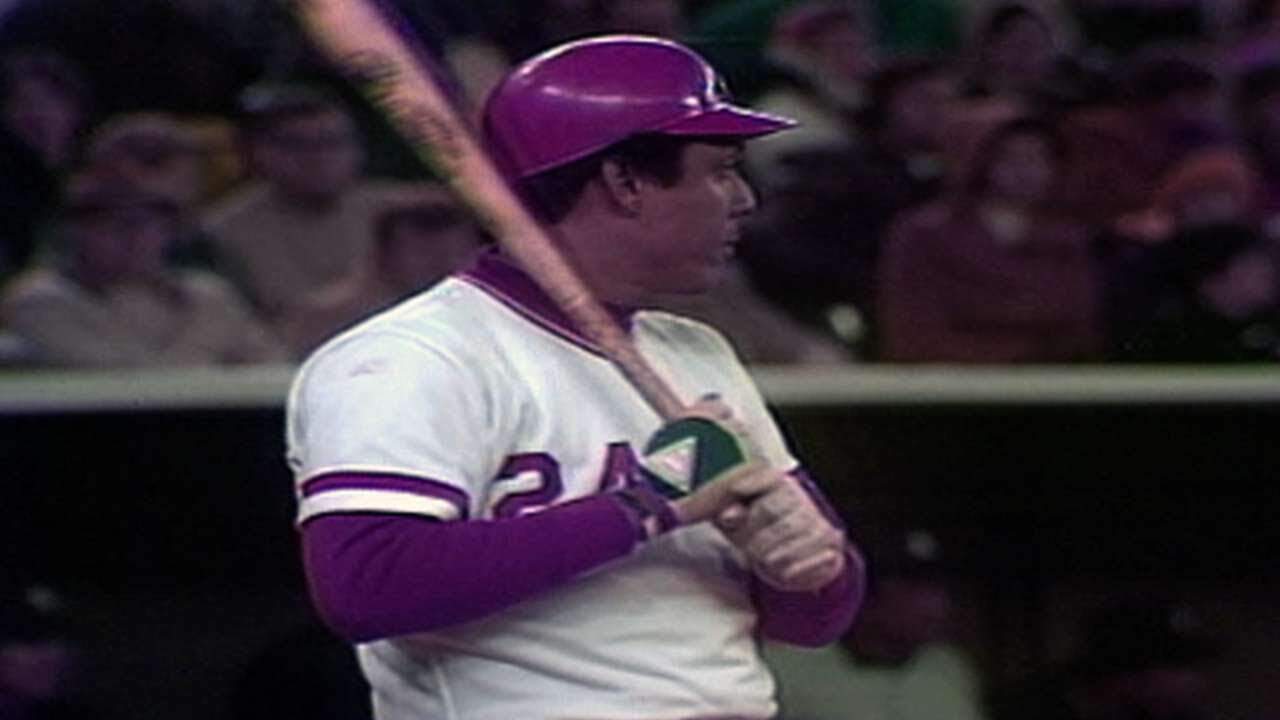
Being surrounded by all-time greats like Morgan, Bench, and Rose elevated Perez’s perceived value beyond what the numbers support. His career 53.9 WAR is solid but unspectacular, and his peak years were good rather than great. Modern metrics suggest Perez was more a beneficiary of his legendary teammates than a driving force behind Cincinnati’s dynasty.
4. Andre Dawson’s MVP Year: A Beautiful .246 Illusion

The Hawk’s 1987 MVP season (49 HR, 137 RBI) looks impressive until you dig deeper. A .246 batting average and .287 on-base percentage resulted in just 2.7 WAR, making it one of the least valuable MVP seasons in history by modern metrics. While Dawson’s career was certainly impressive, this season exemplifies how traditional statistics can mask underlying inefficiencies. It’s a good thing he became a mortician after his career — a lot of people might want me dead for saying this.
3. Lou Brock: When Stolen Bases Stole Our Hearts

Brock’s stolen base records and 3,000 hits made him a legend, but his career 45.4 WAR tells a more nuanced story. Modern analysis reveals below-average defense and a modest .343 on-base percentage, suggesting his base-stealing prowess, while exciting, may have overshadowed significant limitations in other aspects of his game. He did have enough sense to know that you can’t steal first base.
2. Catfish Hunter: Fame, Fortune, and Forgotten Flaws

Baseball’s first big-money free agent won five World Series rings, but his career 40.9 WAR and 104 ERA+ suggest he was more fortunate than dominant. Hunter benefited enormously from playing on dynasty teams in Oakland and New York, with his reputation exceeding his actual performance when viewed through modern analytical tools. He did have impeccable control, though.
1. Bill Mazeroski: More Than Just That Homer
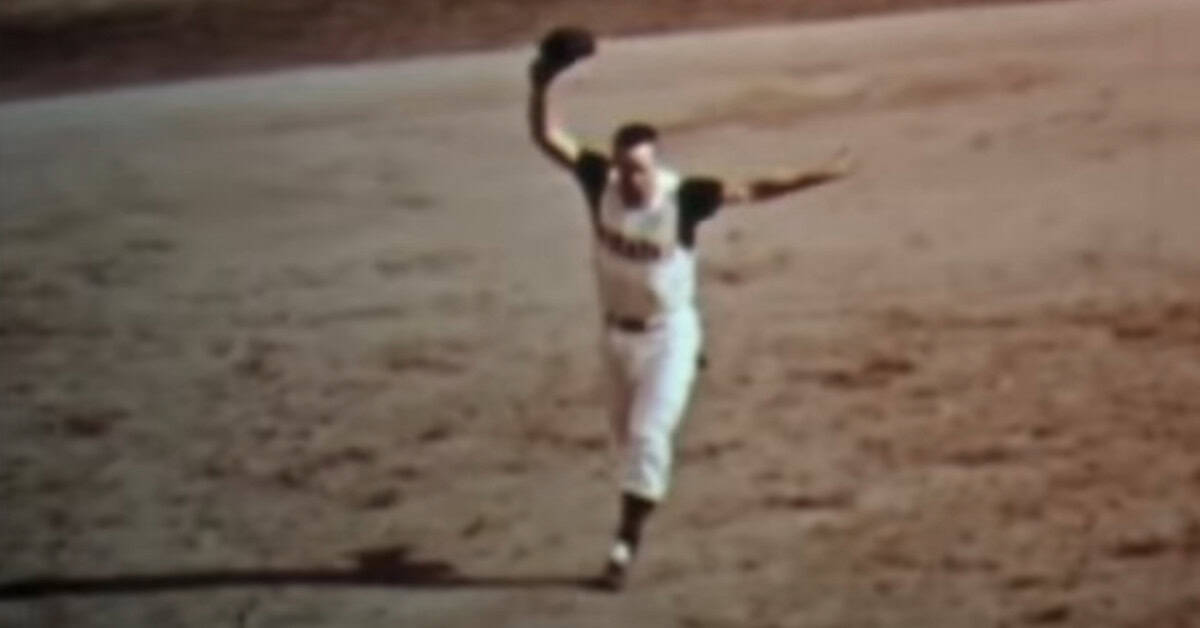
It seems that one swing in 1960 wrote Maz into baseball immortality. His career .260/.299/.367 slash line and 36.5 WAR reveal a different story, though. While his defensive prowess was legitimate, modern metrics suggest his Hall of Fame plaque owes more to one magical moment than sustained excellence over his 17-year career.