Last Updated: September 23rd, 2026 by Matthew Brown
I know that the perception of the Athletics has gone down over the recent decades. But this is a proud franchise with a very rich history that goes back all the way to the beginnings of the game.
Don't lose this article. Enter your email below, and I'll send it to you right now. Plus, we'll send you other unbelievable stories from baseball's past.
There have been many players who were able to capture the imaginations of baseball fans while not getting the enshrinement in Cooperstown that some of their teammates were able to achieve.
Let's celebrate these great A's with the following list.
20. Terry Steinbach: The Backstop of the Bash
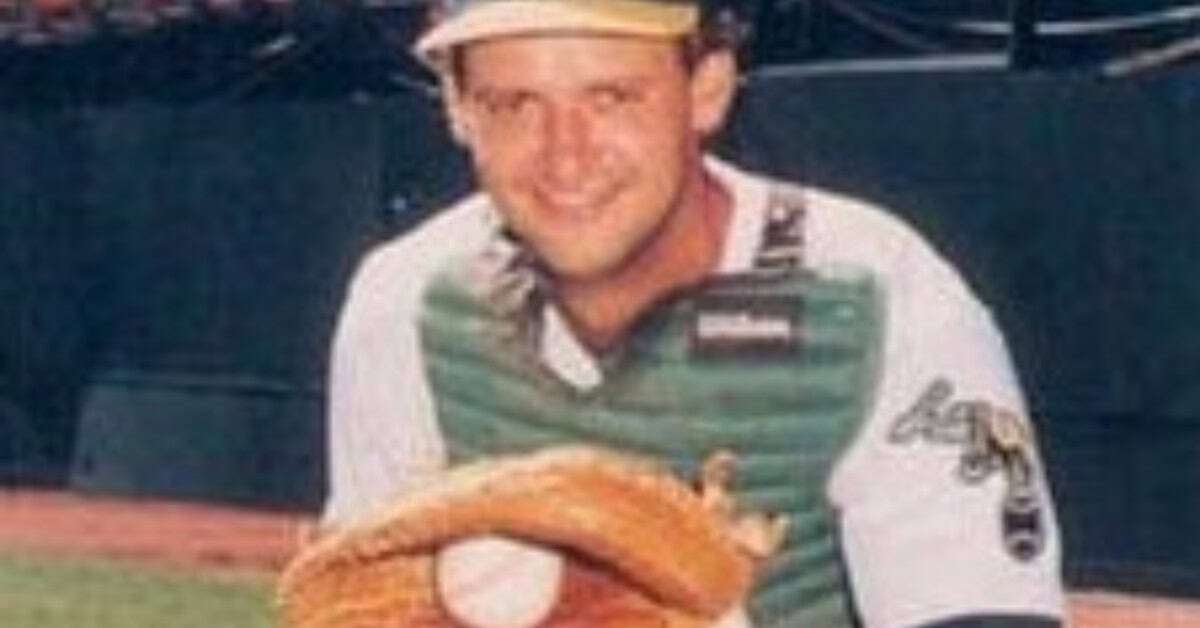
With all the power that the Bash Brothers brought, Terry Steinbach was the quiet, steady catcher who picked his spots to make big contributions. He earned three All-Star selections, also winning an All-Star MVP during his 11 years in Oakland.
His .271 lifetime batting average shows how steady he was, and his seven RBIs in the 1989 World Series show how much he stepped up on the biggest stage.
| Terry Steinbach — Career | Total |
|---|---|
| G | 1546 |
| AB | 5369 |
| H | 1453 |
| HR | 162 |
| RBI | 745 |
| SB | 23 |
| AVG | .271 |
| OBP | .326 |
| SLG | .420 |
| OPS | .746 |
| All-Star selections | 3 |
| World Series titles | 1 |
19. Bob Welch: The 27-Game Winner
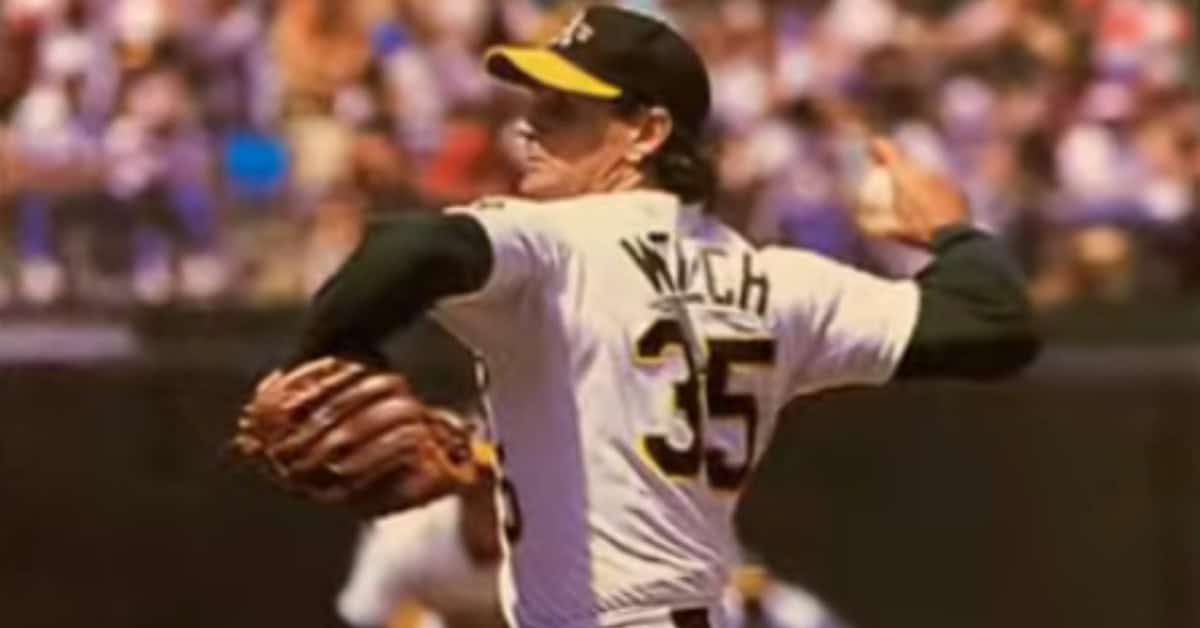
Bob Welch simply gave his teams a chance to win every time out. His amazing 27-win season in 1990 led all pitchers, and he also had a respectable 2.95 ERA that year.
96 wins over just seven seasons in Oakland is great value for a pitcher who wasn't getting a lot of strikeouts on a yearly basis. He also helped Oakland in multiple World Series runs, being a veteran arm to turn to.
| Bob Welch — Career | Total |
|---|---|
| W | 211 |
| L | 146 |
| ERA | 3.47 |
| G | 506 |
| IP | 3092.0 |
| SO | 1969 |
| WHIP | 1.27 |
| SV | 8 |
| Cy Young | 1 |
| All-Star selections | 2 |
| World Series titles | 2 |
18. John “Blue Moon” Odom: The Nickname That Lit Up Oakland
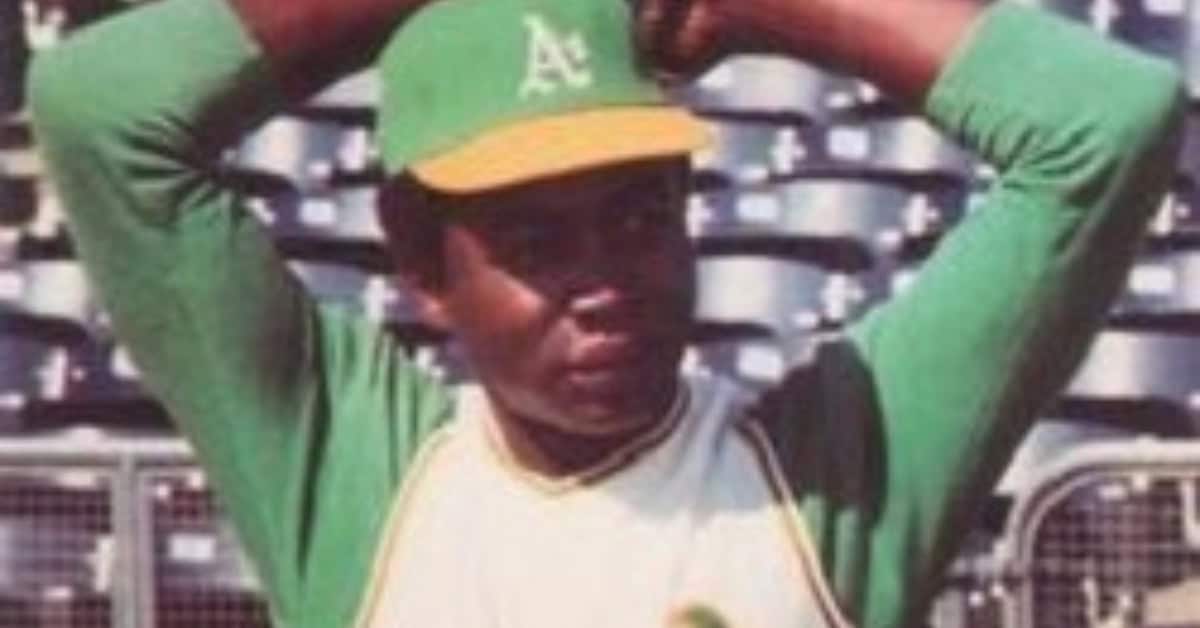
Blue Moon Odom is one of the coolest pitchers in baseball history. Yes, the name precedes him, but he legitimately delivered on the mound, earning two All-Star selections in his 12 years with the A's.
He saw the transition from Kansas City to Oakland as a young player and built on that experience to get 80 wins as one of the most dynamic arms the franchise has seen in its long history.
| Blue Moon Odom — Career | Total |
|---|---|
| W | 84 |
| L | 85 |
| ERA | 3.70 |
| G | 295 |
| IP | 1509.0 |
| SO | 857 |
| WHIP | 1.42 |
| SV | 1 |
| All-Star selections | 2 |
| World Series titles | 3 |
17. Elmer Valo: The Philadelphia Flash
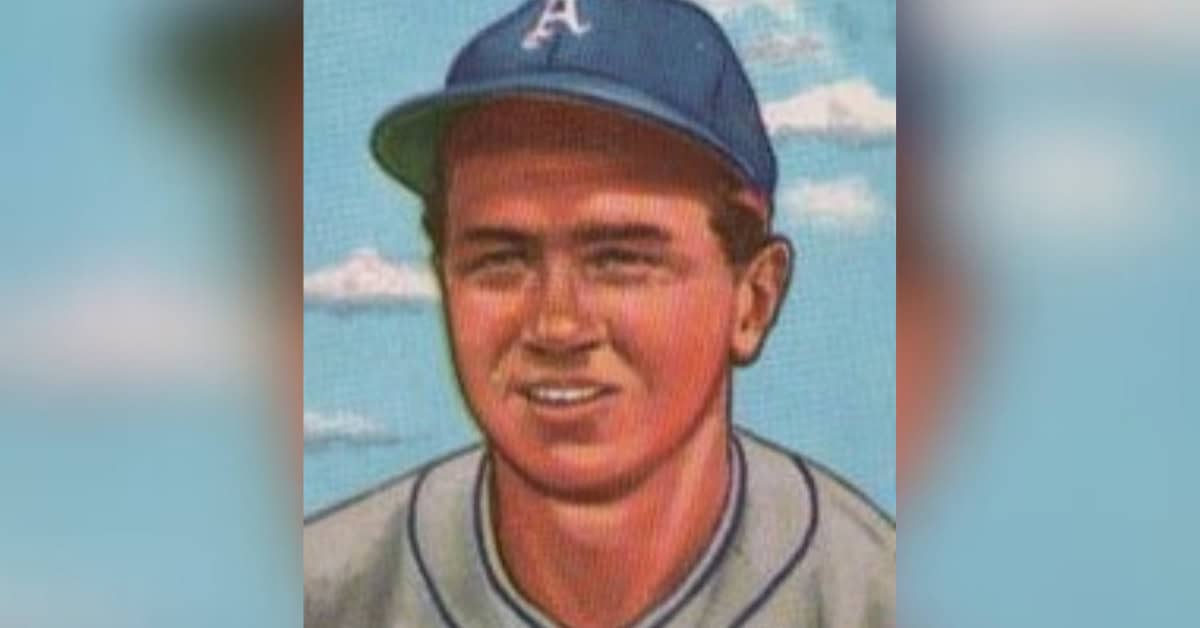
Elmer Valo took on whatever role he was given during the 15 years he spent with the franchise. He accumulated over 1,200 hits on a .285 batting average as he made the most of his on-and-off starter opportunities.
He had an even more impressive on-base percentage, maintaining a whopping .403 OBP across over 5,200 plate appearances. Really good for a guy from Czechoslovakia.
| Elmer Valo — Career | Total |
|---|---|
| G | 1806 |
| AB | 5029 |
| H | 1420 |
| HR | 58 |
| RBI | 601 |
| SB | 110 |
| AVG | .282 |
| OBP | .398 |
| SLG | .391 |
| OPS | .789 |
16. George Earnshaw: Connie Mack’s World Series Warrior

Pitchers were just workhorses back in the day. George Earnshaw was no different. He led all of baseball with 39 starts in 1930 while earning more than 20 wins in three straight seasons. He even led all pitchers with 24 wins in 1929, giving Connie Mack a sense of reliability behind the great Lefty Grove.
Then Earnshaw showed his prowess under pressure as he gave up just two runs over three starts and 25 innings in the 1930 World Series. That cemented his legacy in A's history.
| George Earnshaw — Career | Total |
|---|---|
| W | 127 |
| L | 93 |
| ERA | 4.38 |
| G | 319 |
| IP | 1915.1 |
| SO | 1002 |
| WHIP | 1.46 |
| SV | 12 |
| World Series titles | 2 |
15. Barry Zito: The Man with the Most Beautiful Curve
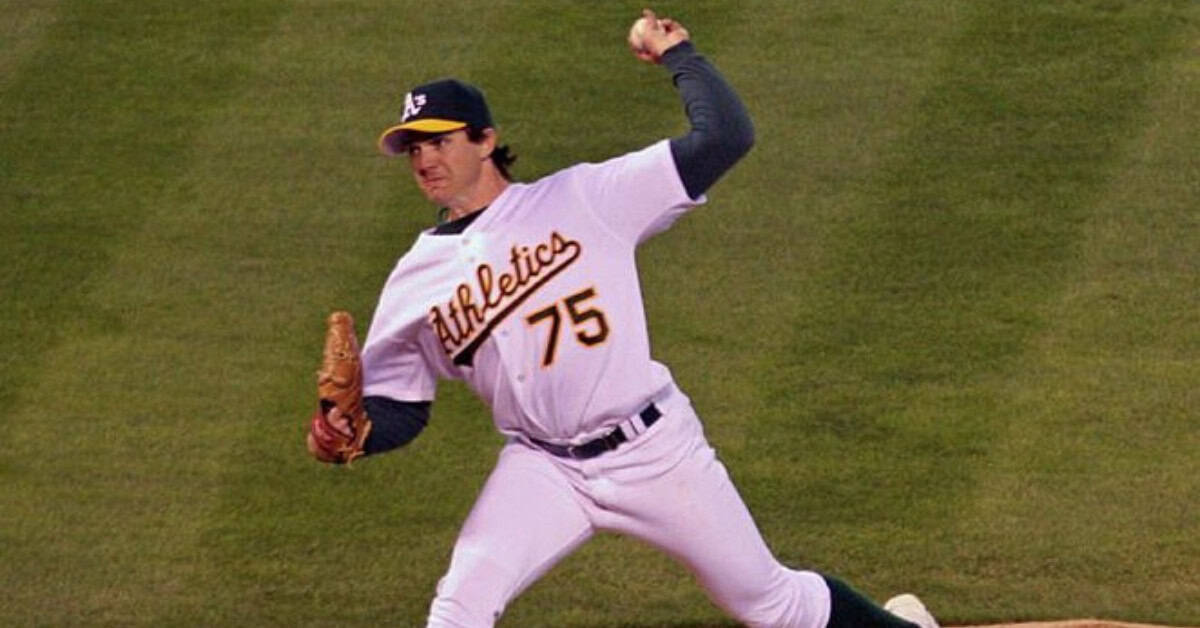
Left-handed pitchers have had a good history with this franchise. Barry Zito is definitely one of the beneficiaries. He won a Cy Young in 2002 by leading the league with 23 wins and only five losses.
His 2.75 ERA showed how masterful he was without a high strikeout rate. In eight years, he won over 100 games as Oakland's iconic ace.
| Barry Zito — Career | Total |
|---|---|
| W | 165 |
| L | 143 |
| ERA | 4.04 |
| G | 433 |
| IP | 2576.2 |
| SO | 1885 |
| WHIP | 1.34 |
| SV | 0 |
| Cy Young | 1 |
| All-Star selections | 3 |
| World Series titles | 1 |
14. Jose Canseco: 40-40 Club’s Founding Father
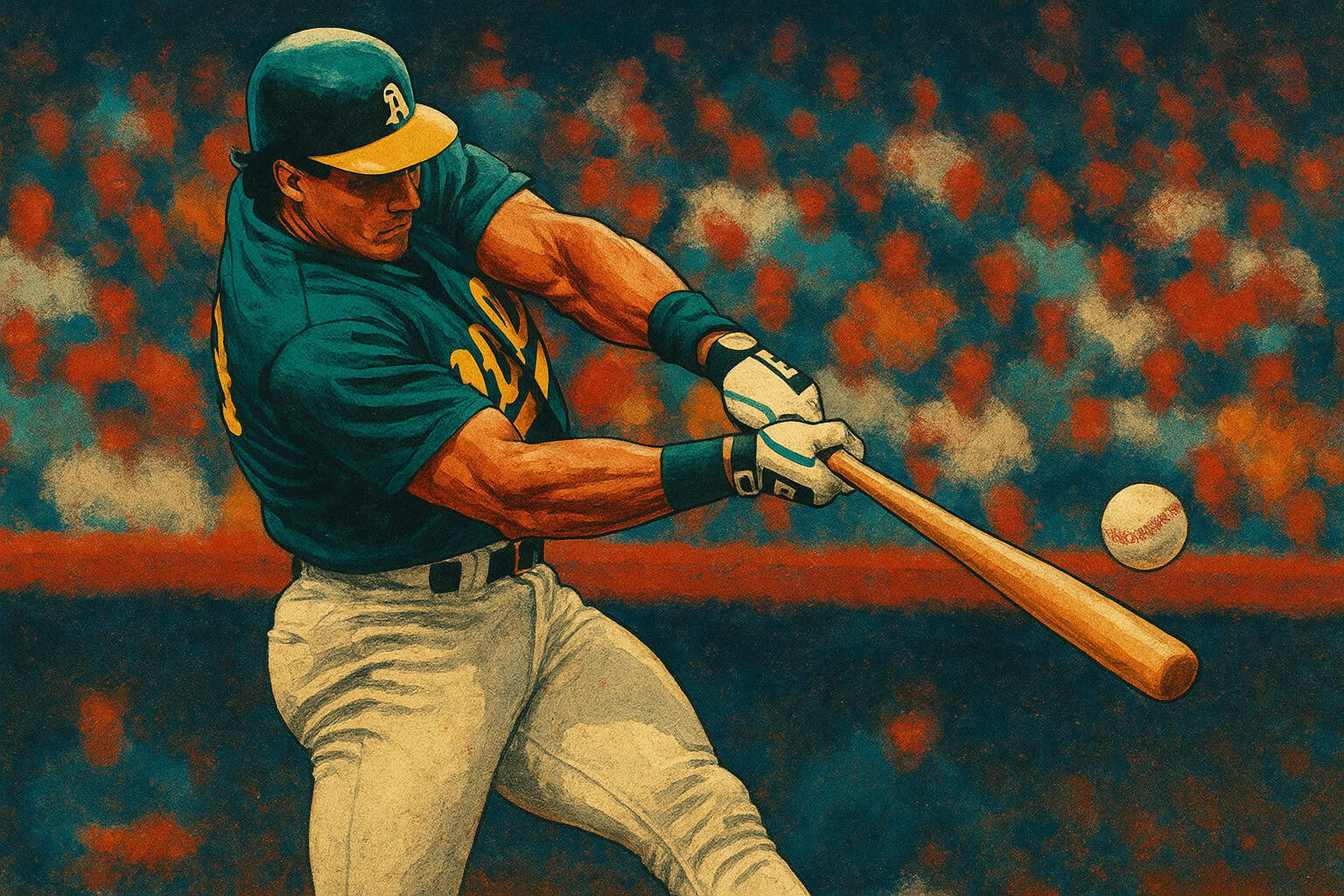
The Bash Brother, who won an MVP in 1988, dominated the league the moment he entered. He clobbered 254 home runs over his nine seasons in Oakland, which covers two stints.
He led all of baseball in two separate seasons, hitting 42 and 44 home runs, displaying his immense power as the A's were certainly the powerhouse franchise of baseball. Kind of hard to believe the way they look now.
| José Canseco — Career | Total |
|---|---|
| G | 1887 |
| AB | 7057 |
| H | 1877 |
| HR | 462 |
| RBI | 1407 |
| SB | 200 |
| AVG | .266 |
| OBP | .353 |
| SLG | .515 |
| OPS | .868 |
| MVP | 1 |
| All-Star selections | 6 |
| Silver Sluggers | 4 |
| World Series titles | 2 |
| Rookie of the Year | 1 |
13. Dick Green: The Glove That Built a Dynasty
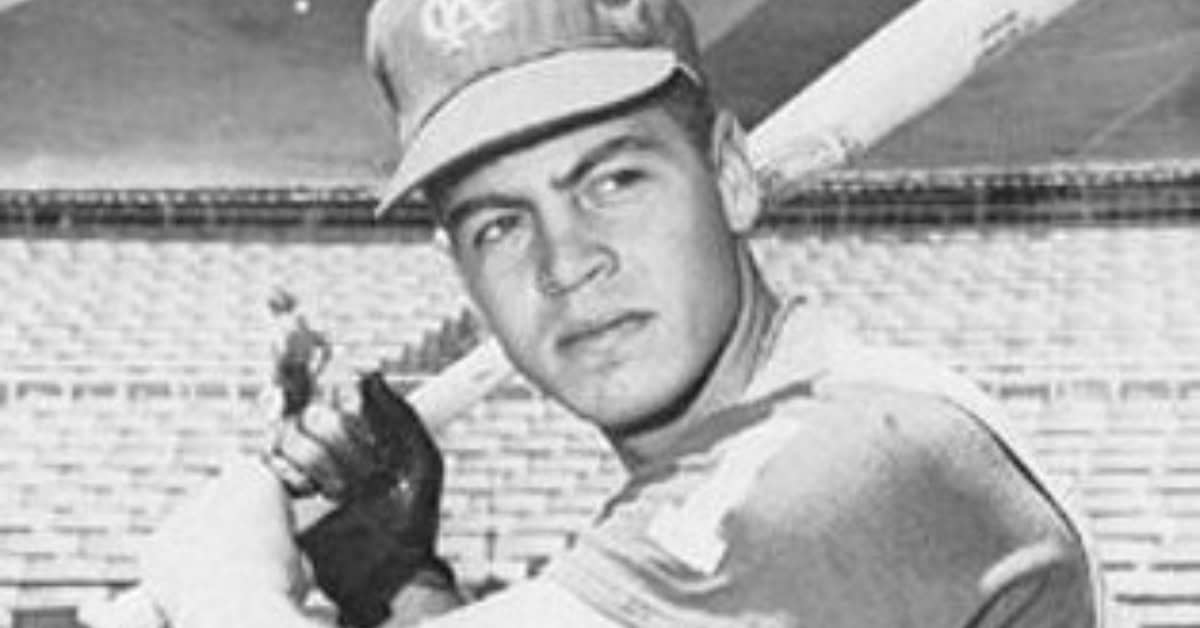
Dick Green finds his way onto this list thanks to his commitment to the franchise and his contributions to their three consecutive World Series championships.
His steady play in the infield led him to be trusted to turn a double play in Game 7 of the 1973 World Series. For 12 years, Green would be a reliable player to turn to for this franchise.
| Dick Green — Career | Total |
|---|---|
| G | 1288 |
| AB | 4007 |
| H | 960 |
| HR | 80 |
| RBI | 422 |
| SB | 26 |
| AVG | .240 |
| OBP | .303 |
| SLG | .347 |
| OPS | .650 |
| World Series titles | 3 |
12. Dolph Camilli: The Depression Era Slugger
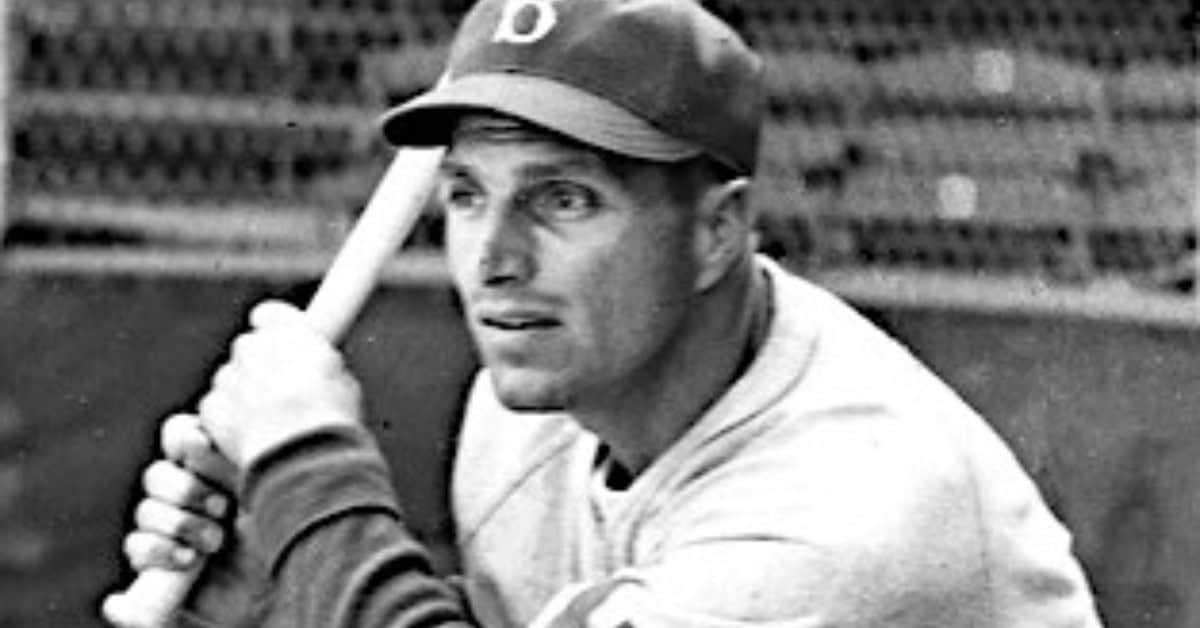
Dolph Camilli came into his own during his four years with the Philadelphia A's. After a cup of coffee in Chicago, Camilli found himself in Philadelphia and hit 92 home runs in just three and a half seasons.
This laid a good foundation for what would be an MVP-type player when he went to Brooklyn. His career as a whole didn't last long, as he had a late start, but he was great while it lasted.
11. Bob Johnson: Philadelphia’s Indian Bob

Bob Johnson is an underrated player from that time in A's history. While everyone was talking about the great Jimmie Foxx, Johnson earned five All-Star selections, maintaining a .298 batting average over the 10 years he spent in Philadelphia.
He brought a lot of slugging to the plate as well, with an impressive .520 slugging percentage throughout his A's tenure. When Foxx couldn't drive teammates in, Johnson could, as he brought in over 100 RBI in seven straight seasons.
| Bob Johnson — Career | Total |
|---|---|
| G | 1863 |
| AB | 6920 |
| H | 2051 |
| HR | 288 |
| RBI | 1283 |
| SB | 96 |
| AVG | .296 |
| OBP | .393 |
| SLG | .506 |
| OPS | .899 |
| All-Star selections | 7 |
10. Tim Hudson: The Forgotten Ace of Moneyball

One of the great pitchers during the Moneyball era, Tim Hudson brought the velocity to the mound for every start. He traversed the powerful stars of the early 2000s by leading the league with 20 wins in a runner-up Cy Young season.
He was even better in '02 and '03 as he held up a 2.98 ERA and 2.70 ERA, respectively. Hudson gave Oakland a strong six seasons before moving over to Atlanta.
| Tim Hudson — Career | Total |
|---|---|
| W | 222 |
| L | 133 |
| ERA | 3.49 |
| G | 482 |
| IP | 3126.2 |
| SO | 2080 |
| WHIP | 1.24 |
| SV | 0 |
| All-Star selections | 4 |
| World Series titles | 1 |
9. Bert Campaneris: Campy’s Six-Position Legacy
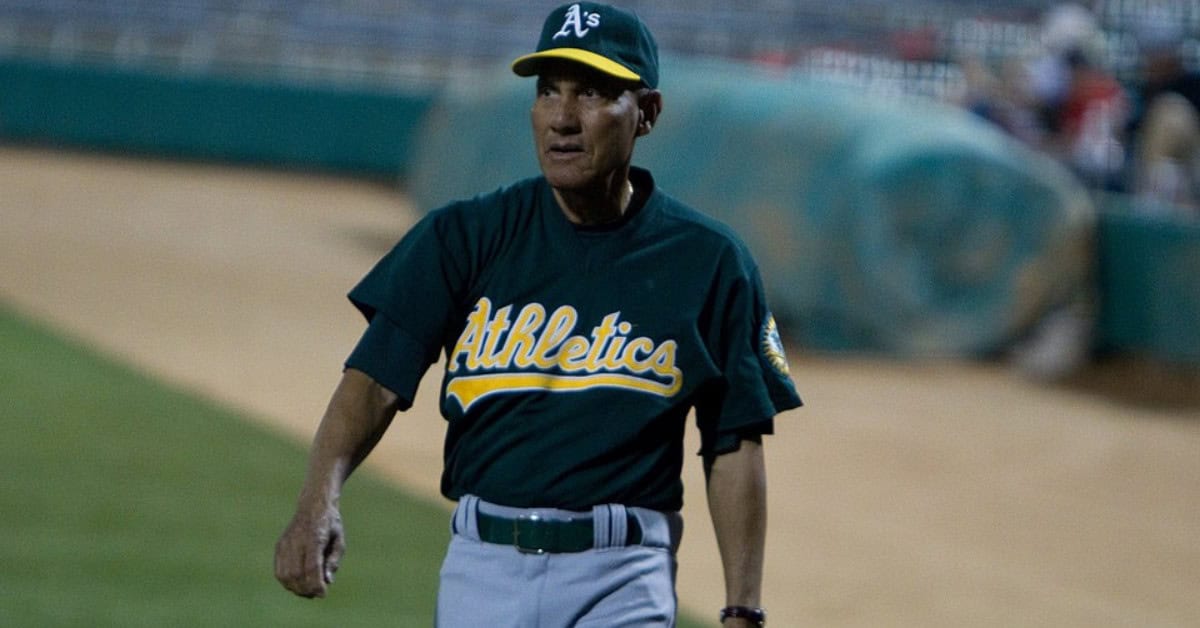
It is almost a wonder how Bert Campaneris isn't in the Hall of Fame. He tallied 2,249 hits in his career, scoring 1,181 times and stealing 649 bases. Six times he led the league in steals as he terrorized opposing pitchers with his elite speed.
Campaneris was the type of player that fans would love to watch no matter what year it was. He just played hard and produced at a high rate as a star shortstop.
8. Gene Tenace: The Clutch Catcher of ’72
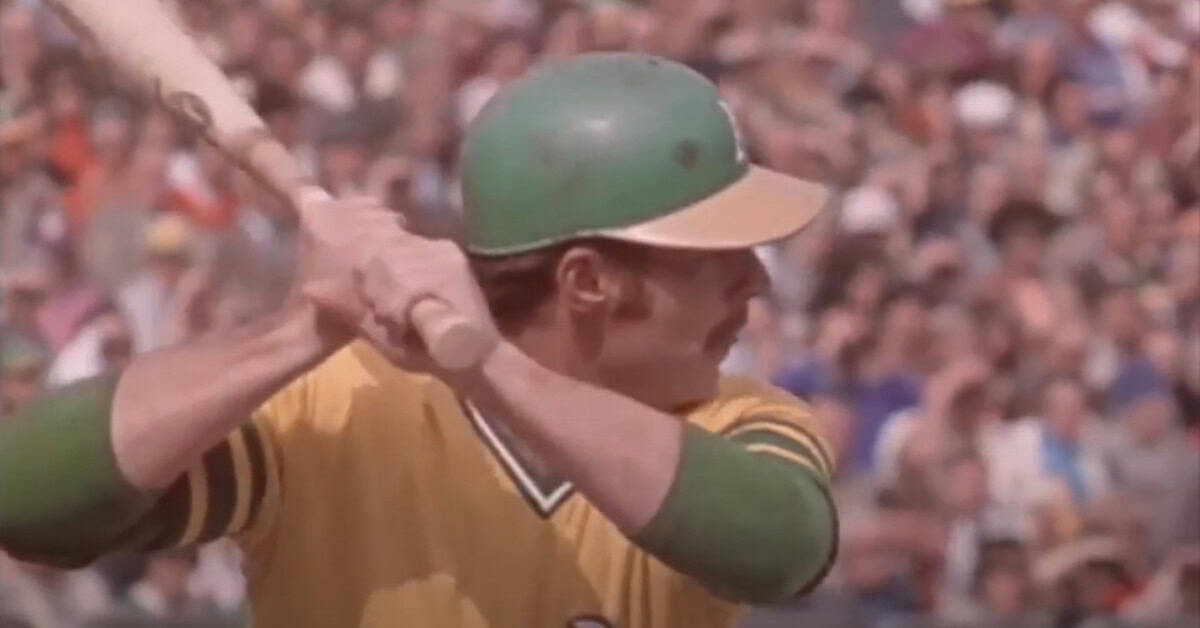
Gene Tenace was a steady producer at the catcher position throughout his eight years in Oakland. The backstop earned All-Star recognition in 1975 as he hit .255 with 29 home runs and 87 RBI.
That was in the middle of a four-year stretch where Tenace hit over 20 home runs per year. His impressive .388 career on-base percentage shows his mastery of the plate that helped him lead Oakland to victory time and time again.
| Gene Tenace — Career | Total |
|---|---|
| G | 1555 |
| AB | 4390 |
| H | 1060 |
| HR | 201 |
| RBI | 674 |
| SB | 36 |
| AVG | .241 |
| OBP | .388 |
| SLG | .429 |
| OPS | .817 |
| All-Star selections | 1 |
| World Series titles | 4 |
7. Mark McGwire: The Bash Brother Left Outside
The great Mark McGwire is not in the Hall of Fame because of his use of steroids like his Bash Brother, but he had a little more production and recognition.
He burst onto the scene with a Rookie of the Year award in 1987, yet somehow never won an MVP in his 16-year career. Even though controversy mars his accomplishments, McGwire is still an absolute icon of his time and the Athletics franchise.
| Mark McGwire — Career | Total |
|---|---|
| G | 1874 |
| AB | 6187 |
| H | 1626 |
| HR | 583 |
| RBI | 1414 |
| SB | 12 |
| AVG | .263 |
| OBP | .394 |
| SLG | .588 |
| OPS | .982 |
| All-Star selections | 12 |
| Gold Gloves | 1 |
| Silver Sluggers | 3 |
| World Series titles | 1 |
| Rookie of the Year | 1 |
6. Dave Stewart: The Stare That Scared October
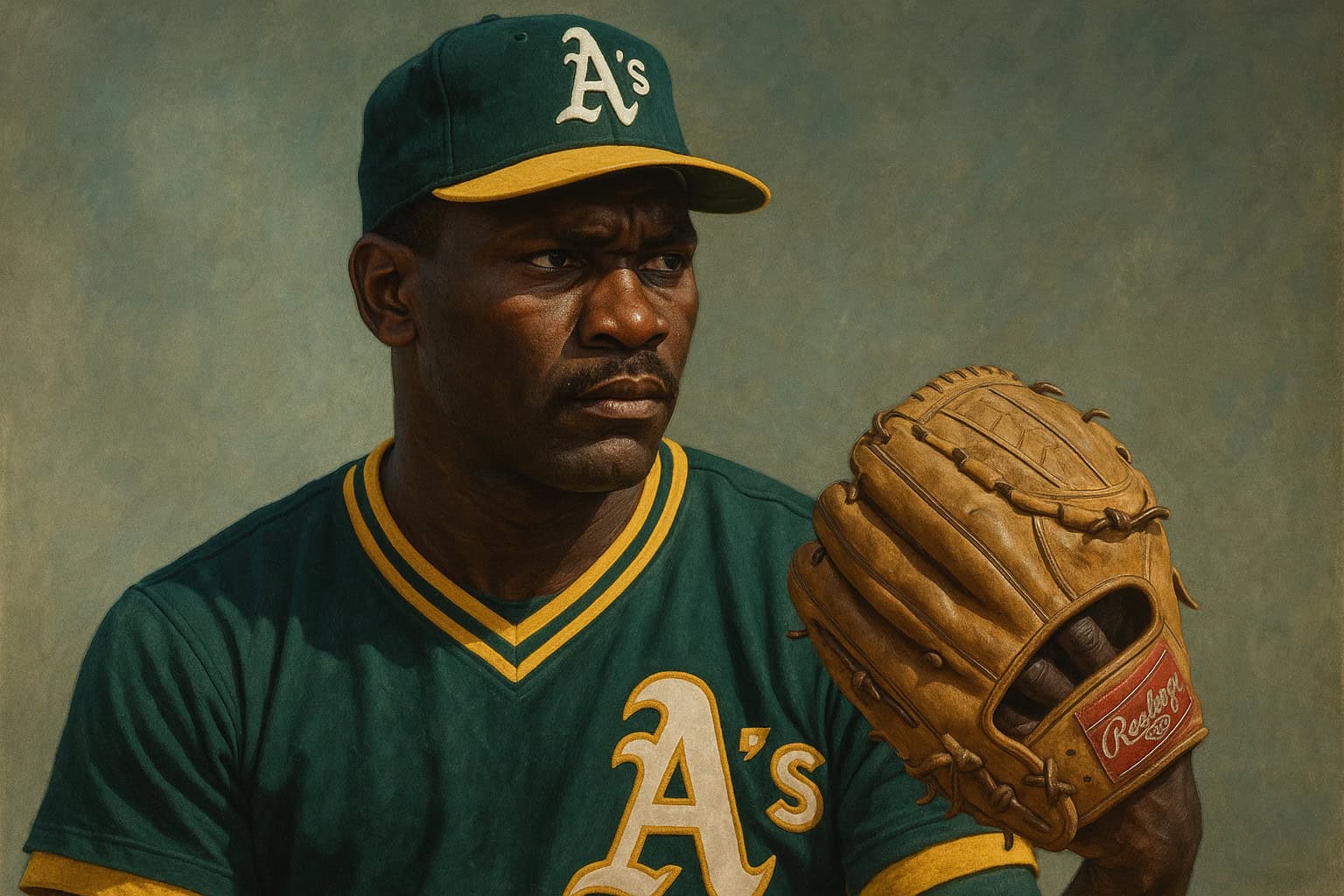
Dave Stewart may not have been considered much for the Hall of Fame by his total career production, but his time in Oakland was elite. He won 20 or more games in four straight seasons, also leading the league in starts in four straight seasons.
The A's saw his real heroics come in the postseason, as he received the World Series MVP in 1989 by going 2-0 with a complete-game shutout as he helped Oakland dominate San Francisco for the title.
| Dave Stewart — Career | Total |
|---|---|
| W | 168 |
| L | 129 |
| ERA | 3.95 |
| G | 523 |
| IP | 2629.2 |
| SO | 1741 |
| WHIP | 1.34 |
| SV | 19 |
| All-Star selections | 1 |
| World Series titles | 3 |
5. Sal Bando: The Captain of the Dynasty

Sal Bando was an icon at third base for over a decade and helped the franchise make the move from Kansas City to Oakland. Once they got to California, Bando became the everyday starter and ran with the opportunity.
He earned four All-Star selections while building up a very solid 52.1 WAR during his time with the organization. For many players, that amount of production is good enough for a 15-year career, but Bando did it in a shorter amount of time.
| Sal Bando — Career | Total |
|---|---|
| G | 2019 |
| AB | 7061 |
| H | 1790 |
| HR | 242 |
| RBI | 1039 |
| SB | 75 |
| AVG | .254 |
| OBP | .352 |
| SLG | .408 |
| OPS | .760 |
| All-Star selections | 4 |
| World Series titles | 3 |
4. Eric Chavez: Six Gold Gloves, Zero Calls from Cooperstown
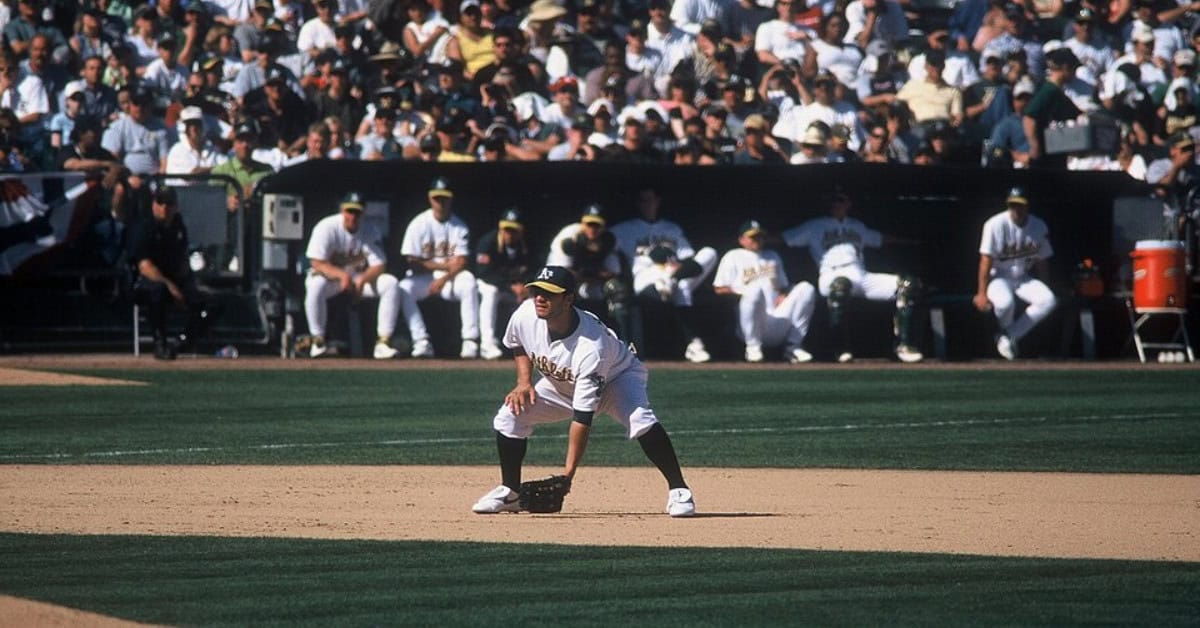
For all the attention that his Moneyball teammates would garner over the years, Eric Chavez was the one constant throughout that whole time. He gave Oakland 13 years of consistency at the hot corner, earning six Gold Gloves and one Silver Slugger.
His 115 career OPS+ supports the advanced metrics of his value, and he was the one star who stayed through the whole 2000s decade.
| Eric Chavez — Career | Total |
|---|---|
| G | 1615 |
| AB | 5518 |
| H | 1477 |
| HR | 260 |
| RBI | 902 |
| SB | 50 |
| AVG | .268 |
| OBP | .342 |
| SLG | .475 |
| OPS | .817 |
| Gold Gloves | 6 |
| Silver Sluggers | 1 |
3. Miguel Tejada: The Ironman of Oakland
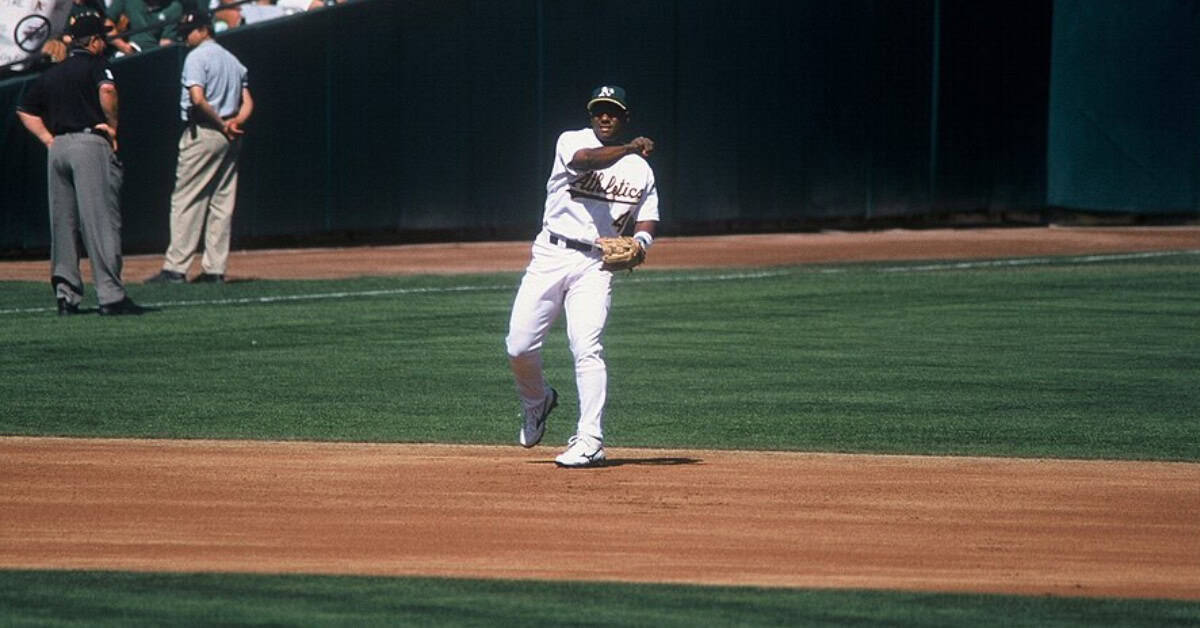
Probably the biggest reason why some baseball fans don't like the movie Moneyball, Miguel Tejada was a star in Oakland. He won the AL MVP in 2002 by tallying over 200 hits on a .308 batting average, 34 home runs, and 131 RBI.
For a shortstop, those are terrific numbers. He also brought reliability and stability, as he missed just five games over five seasons when he was the everyday shortstop in Oakland.
| Miguel Tejada — Career | Total |
|---|---|
| G | 2171 |
| AB | 8434 |
| H | 2407 |
| HR | 307 |
| RBI | 1302 |
| SB | 85 |
| AVG | .285 |
| OBP | .336 |
| SLG | .456 |
| OPS | .792 |
| MVP | 1 |
| All-Star selections | 6 |
| Silver Sluggers | 2 |
2. Jason Giambi: Moneyball’s First Superstar
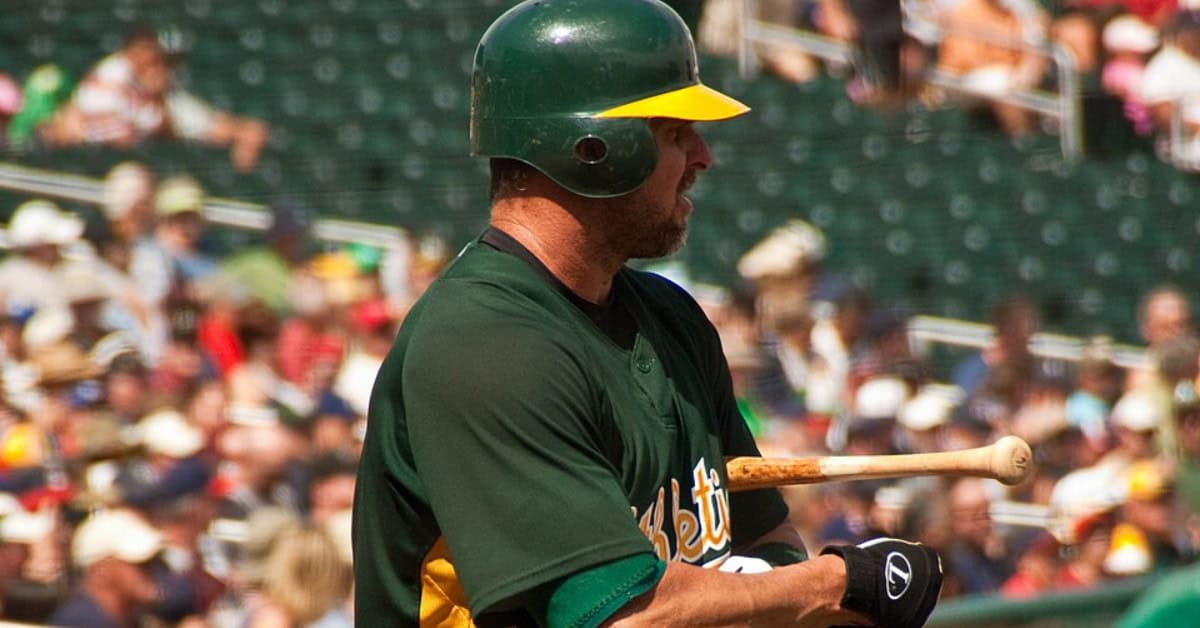
The catalyst of the main conflict of the movie Moneyball was a pretty good plot driver because Jason Giambi's departure to the Yankees left a big hole in Oakland's roster. The 2000 AL MVP had a huge 1.137 OPS with 43 home runs and an MLB-leading 137 walks.
The next season was actually even better, as he built up a 9.2 WAR (he had 7.8 in 2000) with a league-leading 47 doubles. He somehow finished runner-up in MVP voting that year.
| Jason Giambi — Career | Total |
|---|---|
| G | 2260 |
| AB | 7267 |
| H | 2010 |
| HR | 440 |
| RBI | 1441 |
| SB | 20 |
| AVG | .277 |
| OBP | .399 |
| SLG | .516 |
| OPS | .915 |
| MVP | 1 |
| All-Star selections | 5 |
| Silver Sluggers | 2 |
1. Vida Blue: The Southpaw Who Owned the ’70s

Of the great athletes on this list, I think that there is no other A who isn't in the Hall of Fame who captured the hearts, minds, and imaginations of the fanbase quite like Vida Blue. His first full season in the MLB was his legendary 1971 Cy Young and MVP season.
He won the ERA title with a minuscule 1.82 and led all of baseball with eight complete-game shutouts. He held a great 2.95 ERA throughout his nine seasons in Oakland while earning three All-Star selections along the way.
| Vida Blue — Career | Total |
|---|---|
| W | 209 |
| L | 161 |
| ERA | 3.27 |
| G | 502 |
| IP | 3343.1 |
| SO | 2175 |
| WHIP | 1.23 |
| SV | 2 |
| MVP | 1 |
| Cy Young | 1 |
| All-Star selections | 6 |
| World Series titles | 3 |