

Last Updated: June 17th, 2026 by Matthew Brown
Baseball has a beautiful way of rhyming with itself. The crack of the bat, the pop of the mitt, and the roar of the crowd echo through generations, connecting today’s stars with the legends who shaped the game during its golden age. As we watch modern players take the field, sometimes it feels like we’re seeing ghosts of the 1960s – only now they’re wearing compression sleeves and looking at tablets in the dugout.
Don't lose this article. Enter your email below, and I'll send it to you right now. Plus, we'll send you other unbelievable stories from baseball's past.
Juan Soto: Carl Yastrzemski’s Batting Eye for a New Generation
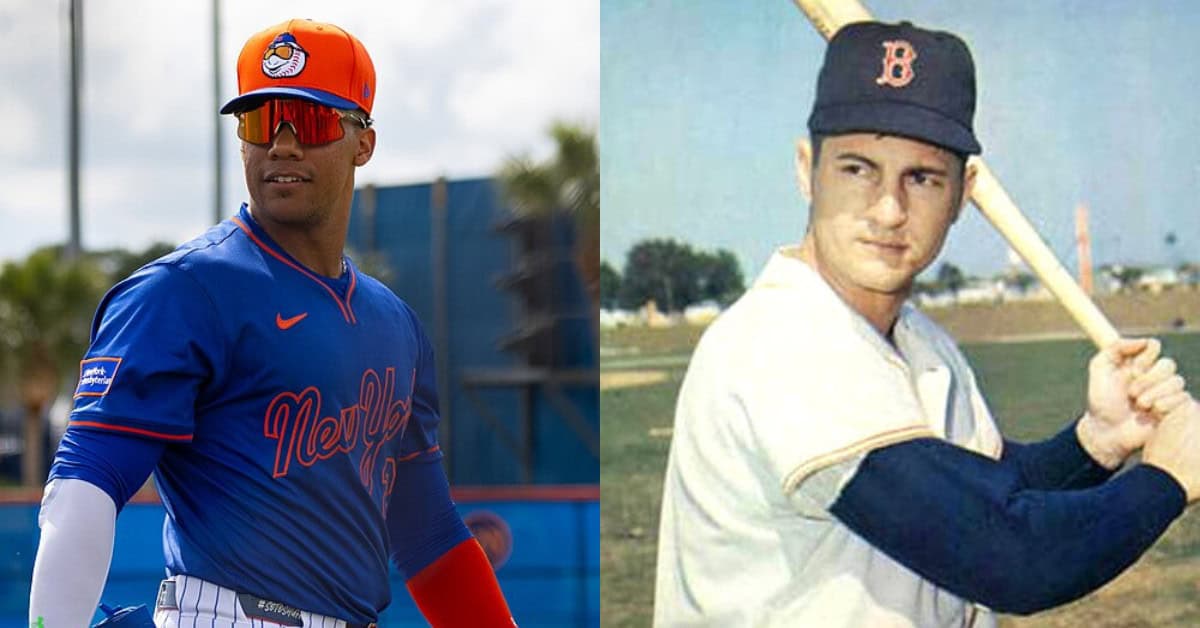
When Yaz dug into the batter’s box during his ’67 Triple Crown season, pitchers knew they couldn’t fool him. Today, Soto brings that same supernatural pitch recognition to the plate. Like Yastrzemski, he combines patience with explosive power, working counts with a veteran’s wisdom that seems impossible for his age. That signature Soto shuffle might be new-school, but the batting eye? Pure Yaz.
Corbin Carroll: The Lou Brock Speed-and-Power Blueprint Reborn
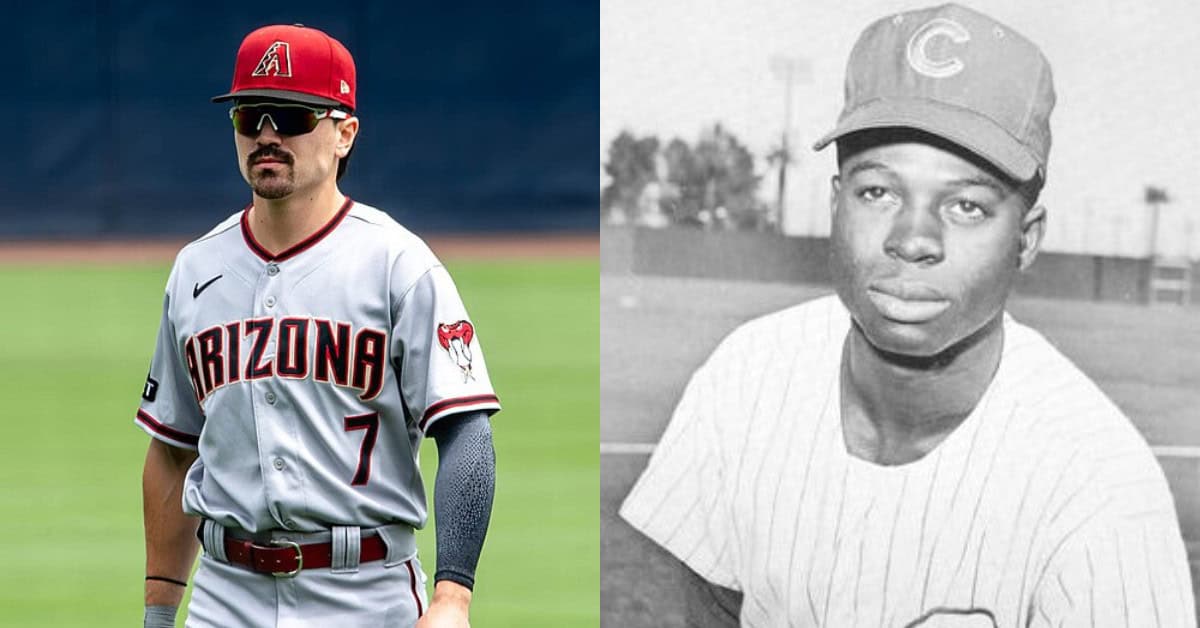
When Lou Brock terrorized pitchers in the ’60s, he combined blazing speed with surprising pop in a way that transformed the Cardinals’ offense. Today, Carroll brings that same dynamic presence to the Diamondbacks – a blur on the basepaths who can also drive the ball into the gaps. Like Brock, Carroll turns routine singles into doubles and makes opposing outfielders play unnecessarily shallow, opening up more opportunities.
Mookie Betts: The Al Kaline of the Analytics Era
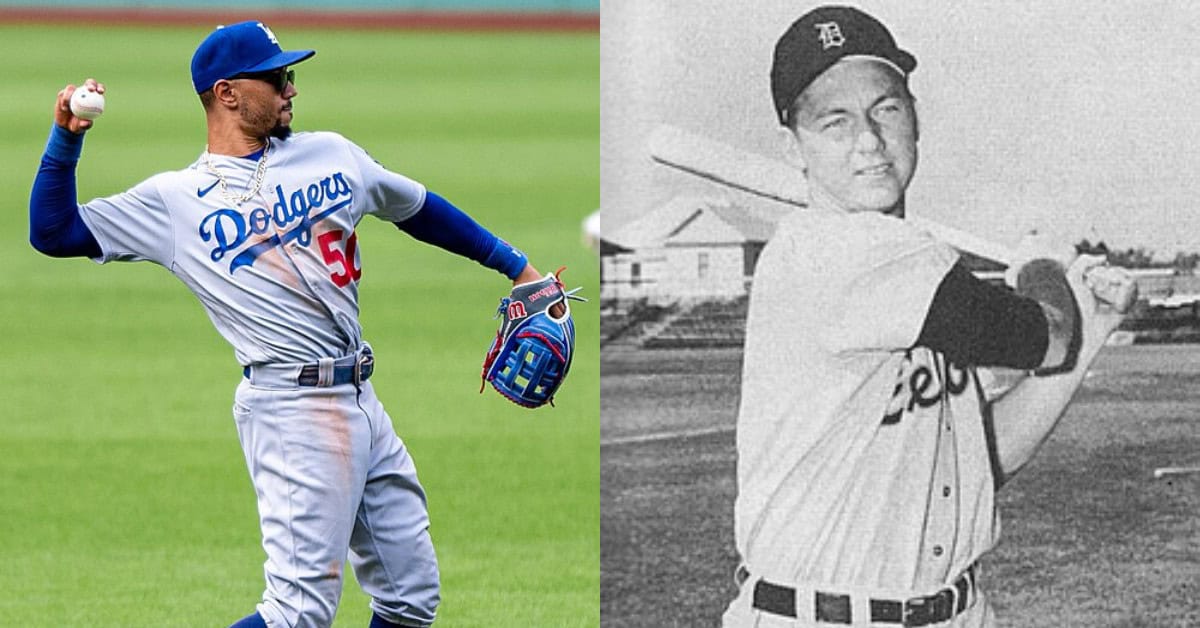
Like Mr. Tiger before him, Betts plays the game with a pristine elegance that makes the difficult look effortless. The way Kaline mastered right field at Tiger Stadium, Betts turns Dodger Stadium’s vast outfield into his personal canvas. Both men share that rare combination of Gold Glove defense, batting titles, and a baseball IQ that seems to put them two steps ahead of everyone else on the field.
Aaron Judge: Frank Robinson’s MVP Power Meets Judge’s Chambers
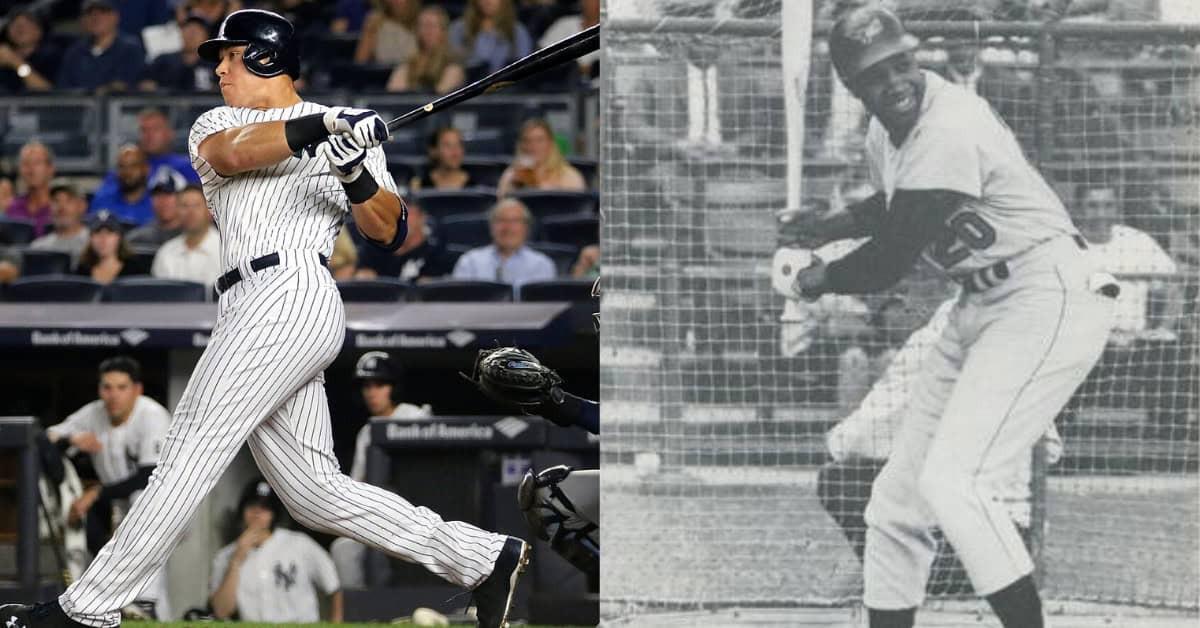
When Frank Robinson prowled the outfield and terrorized pitchers in the ’60s, he combined power, leadership, and clutch performance in a way few had seen before. Judge brings that same presence to the Yankees – a towering figure who, like Robinson, carries himself with quiet dignity while letting his bat do the loudest talking. Both men transformed their franchises, winning MVP awards while becoming the face of baseball in their respective eras.
Francisco Lindor Brings Back Luis Aparicio’s Shortstop Magic
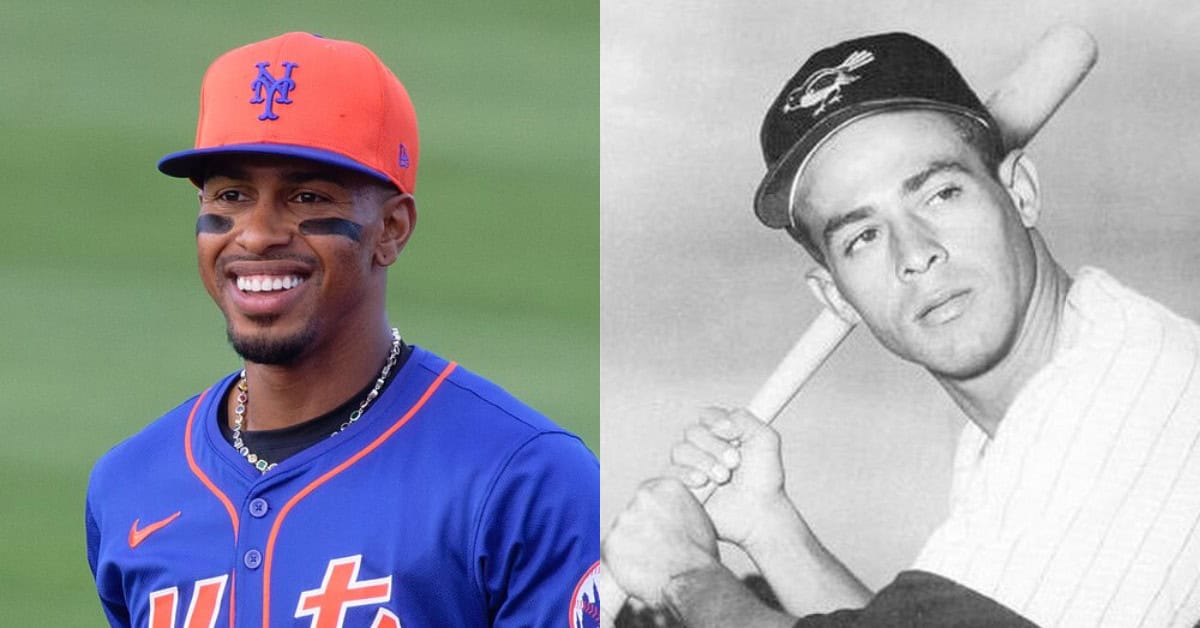
Watch Lindor range deep in the hole, and you might catch a glimpse of Little Louie’s ghost. Like Aparicio, Lindor combines ballet-like grace with lightning-quick hands and an arm that seems to defy physics. The way Aparicio revolutionized shortstop play in the ’60s, Lindor brings that same flair and defensive wizardry to every game, complete with a smile that lights up the stadium.
Max Scherzer: The Don Drysdale Mean Streak Returns

Those heterochromatic eyes burning with intensity remind old-timers of Drysdale’s famous glare. Like Big D, Scherzer owns the inside part of the plate with an approach that says, “This is my mound, my game, my rules.” That same competitive fire that made Drysdale legendary in Dodger Blue now burns in Scherzer’s belly, making even the most confident batters think twice about digging in too comfortable.
Ronald Acuña Jr.: The New Roberto Clemente in Right Field
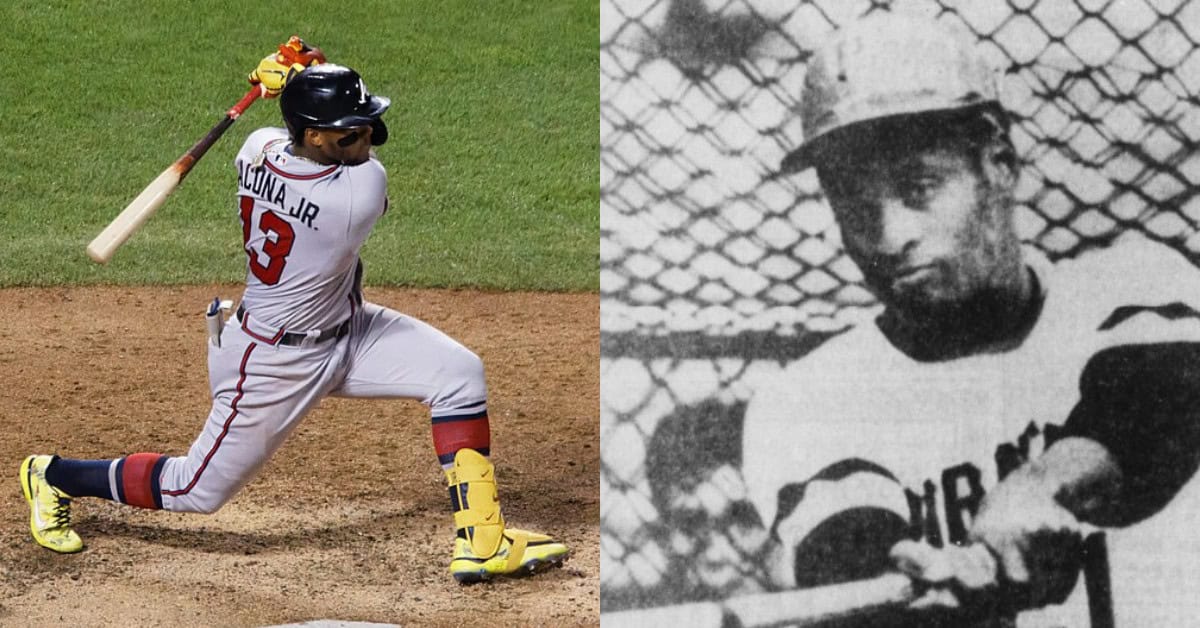
The way Acuña unleashes throws from right field, you’d swear Clemente’s cannon arm had been reincarnated in Atlanta. Like the Great One, Acuña plays with a passionate flair that makes every routine play look spectacular and every spectacular play look routine. Both men redefined what’s possible in the right field, combining raw athleticism with an artistic touch that leaves fans and fellow players in awe.
Jazz Chisholm Jr.: The Flair of Tommy Davis Returns
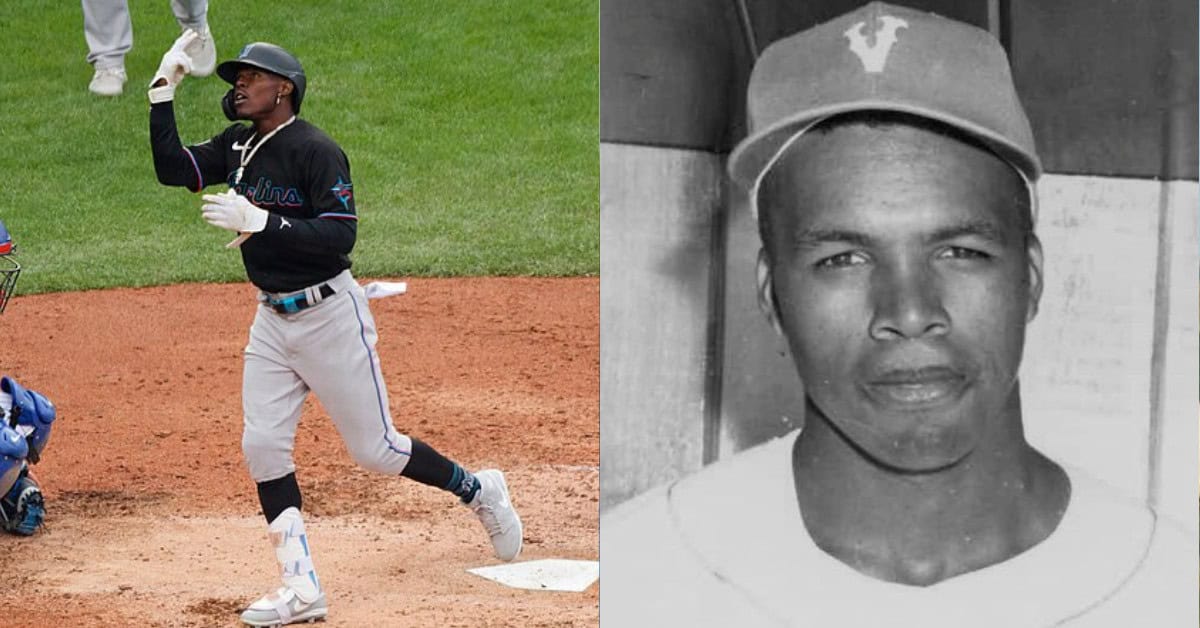
In the early ’60s, Tommy Davis lit up Dodger Stadium with his electric style and clutch hitting. Today, Chisholm brings that same showmanship to Miami, complete with a chain and a million-dollar smile. Like Davis, who turned every at-bat into must-see TV, Jazz makes routine plays look like highlight reels, bringing that rare combination of style and substance that makes baseball feel less like a job and more like performance art.
Mike Trout: The Mickey Mantle That Needs To Be Healthy
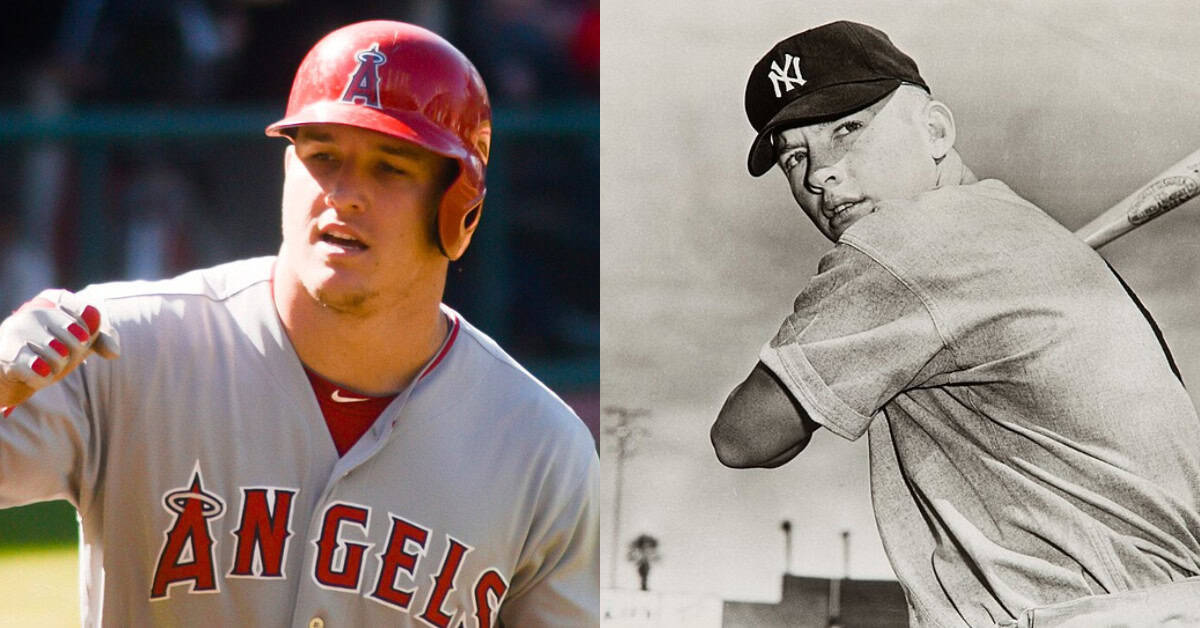
The Commerce Comet without the knee injuries is the same as Mike Trout without his nagging ailments. The raw power, the blazing speed, the instincts – it’s all there, just like Mantle in his prime. While modern medicine tries to preserve Trout’s gifts, the comparison goes deeper: both brought a humble, almost shy Oklahoma-style personality to the bright lights of Los Angeles and New York, letting their otherworldly talent speak for itself.
Justin Verlander: Tom Seaver’s Classic Power Pitching Lives Again
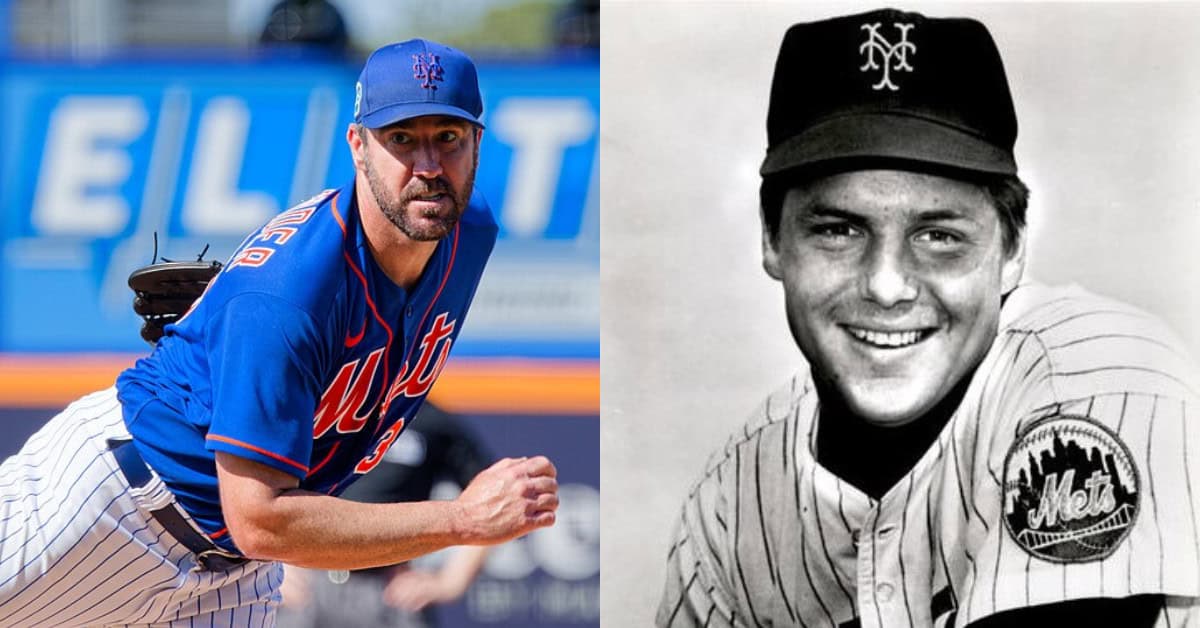
Tom Terrific’s classic drop-and-drive delivery revolutionized pitching mechanics, and Verlander has carried that torch into the modern era. Like Seaver, Verlander combines power and precision with a scholar’s understanding of his craft. When Verlander drops that knee and drives toward home plate, you’re seeing the same textbook power pitching that made Seaver the franchise cornerstone of the Miracle Mets.
Freddie Freeman: Stan Musial’s Sweet Swing for a New Era
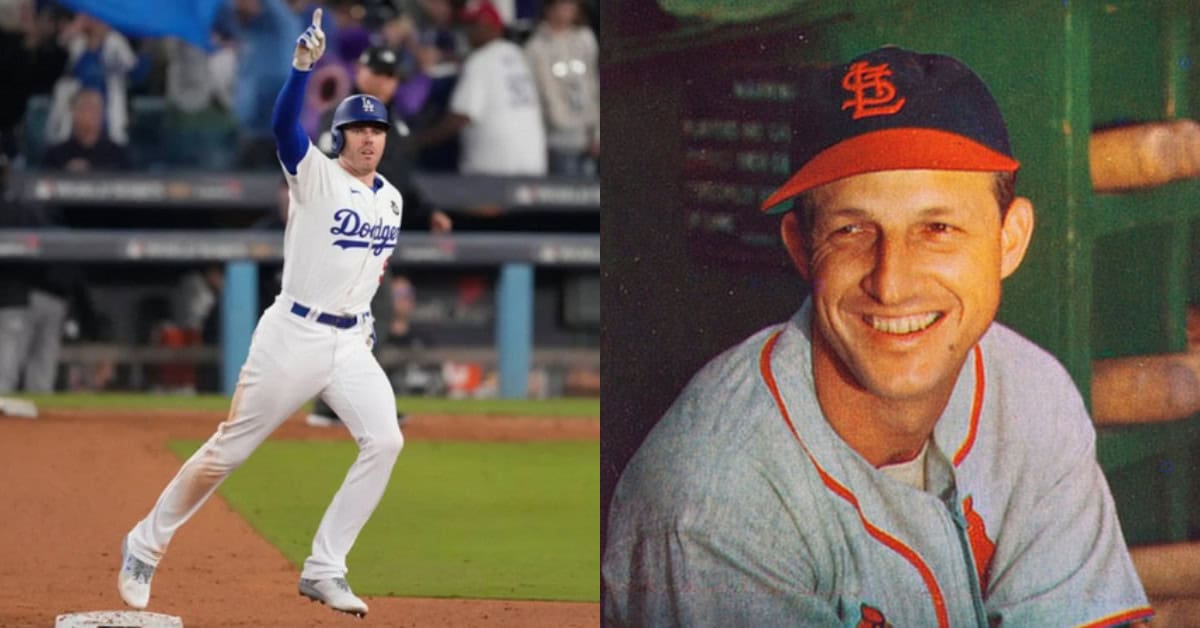
The smooth left-handed stroke, the consistent excellence, the humble leadership – Freeman channels Stan the Man’s spirit in every at-bat. Like Musial, Freeman makes hitting look effortless, spraying line drives to all fields with a swing so pure it belongs in a baseball textbook. Both men earned their reputation not just as hitting machines, but as ambassadors of the game who played with joy and grace.
Jacob deGrom: Jim Maloney’s Blazing Heat Meets Modern Science
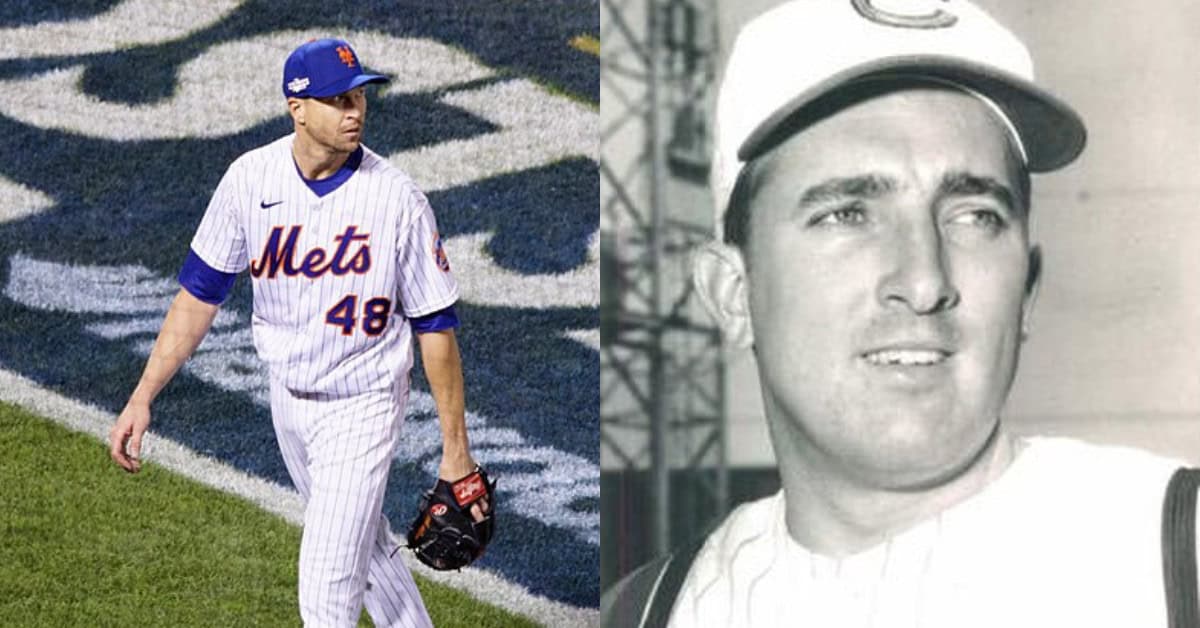
In the 1960s, Jim Maloney’s fastball was the stuff of legend, a blazing heater that could dominate any lineup when he was healthy. DeGrom brings that same otherworldly velocity, but with modern training techniques that help harness it. Like Maloney in his prime, when deGrom takes the mound, no-hit possibilities hang in the air, and every pitch feels like an event.
Paul Goldschmidt: Orlando Cepeda’s All-Around Excellence Lives On
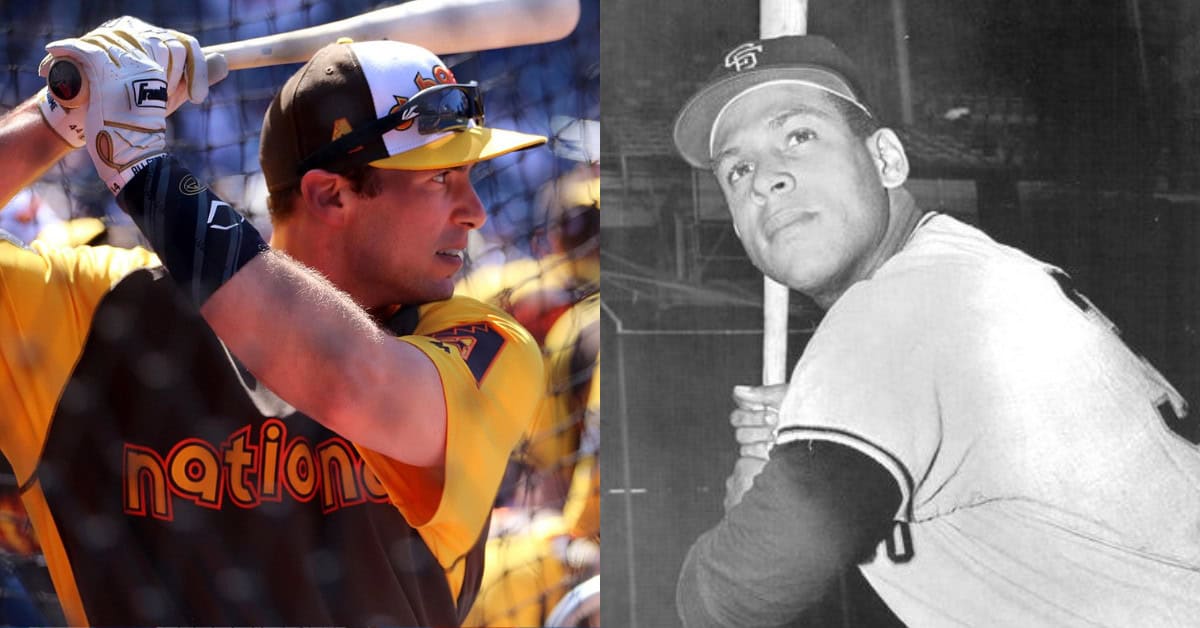
The Baby Bull’s combination of power, average, and slick fielding at first base set a standard in the ’60s that few could match. Goldschmidt brings that same complete package with a similar knack for hitting in the clutch and making everyone around him better. Like Cepeda, Goldy makes the difficult look routine, whether he’s digging out throws in the dirt or driving in runs with two outs.
Trea Turner: Maury Wills’ Speed in the Modern Game

When Wills revolutionized the running game in 1962, he changed baseball forever. Turner brings that same game-changing speed to today’s basepaths, complete with that signature smooth slide that makes him seem more liquid than solid. Like Wills, Turner’s mere presence on base changes the entire dynamic of the game, forcing pitchers to divide their attention and infielders to creep in just a step too far.
Pete Alonso: The Modern Day Harmon Killebrew
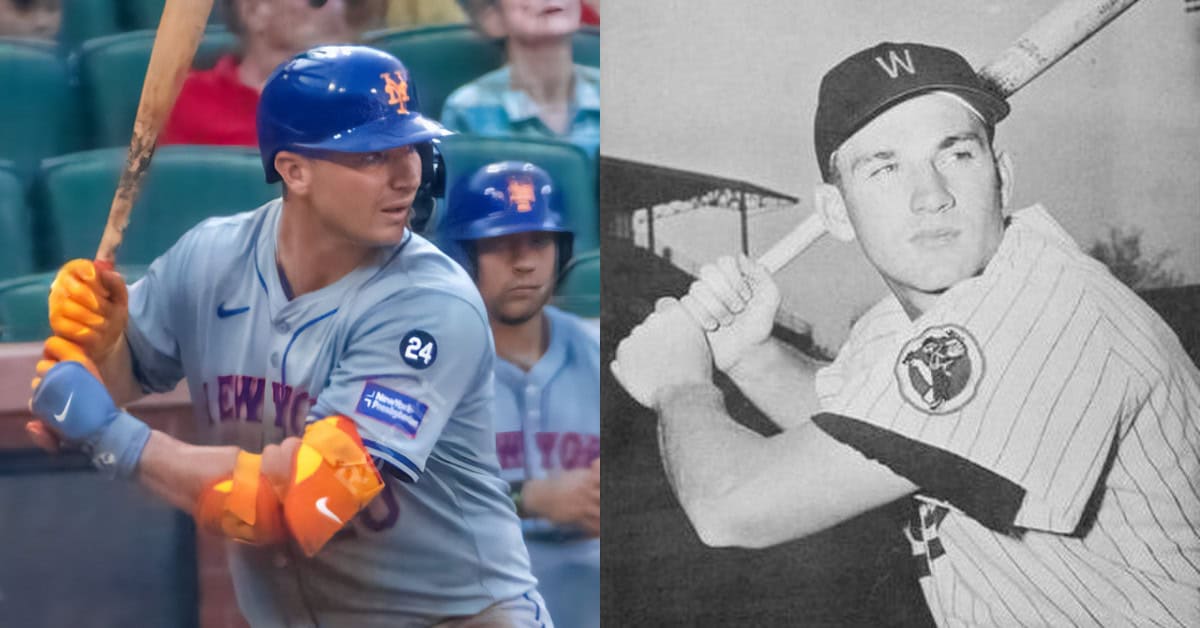
The Polar Bear shares more than just prodigious power with the Killer – it’s the way the ball explodes off his bat. Like Killebrew in his heyday, Alonso doesn’t just hit home runs; he hits them with such force that fielders often don’t bother to move. And just as Killebrew was a gentle giant off the field, Alonso’s infectious smile and love for the game make him a fan favorite in Queens, just as Harmon was in Minnesota.