

Last Updated: June 17th, 2026 by Matthew Brown
Few rules have divided baseball purists and progressives like the designated hitter (DH). Since its adoption by the American League in 1973, the DH has transformed America’s pastime in subtle and profound ways. For every tradition it erased, it created new possibilities. For every strategic element it simplified, it opened new tactical frontiers. Let’s examine how this controversial rule changed the game we love.
Don't lose this article. Enter your email below, and I'll send it to you right now. Plus, we'll send you other unbelievable stories from baseball's past.
The End of Two Different Baseball Leagues’ Identities
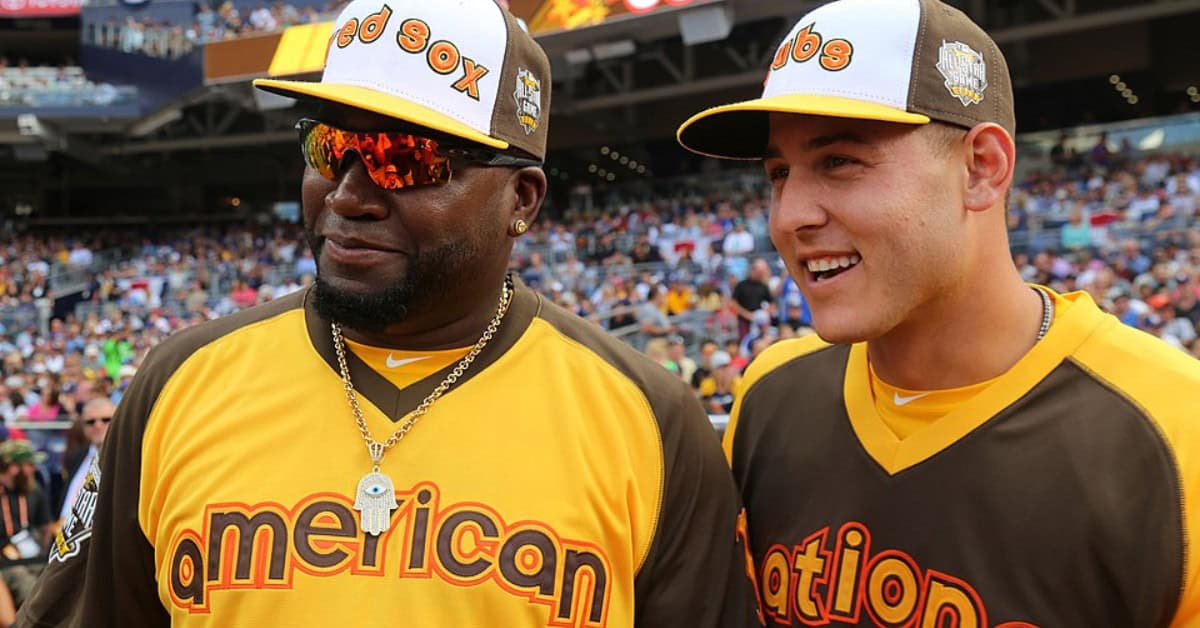
Before the DH, the American and National Leagues were like cousins who grew up in different neighborhoods – related but distinct. The AL was known for its power-hitting focus, while the NL prided itself on strategic finesse. When the universal DH arrived in 2022, it marked the end of baseball’s unique dual personality, standardizing the game but losing some of its cherished regional flavors.
When Every AL Lineup Became a Murderers’ Row
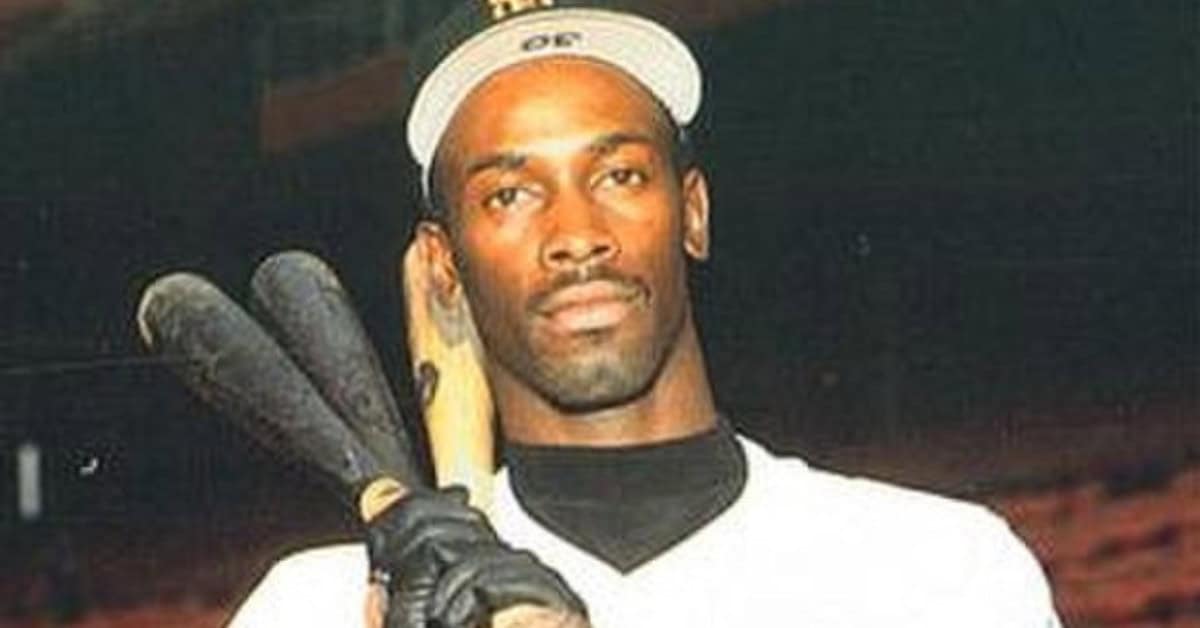
The DH turned every American League lineup into a gauntlet of power hitters. No more easy outs in the nine-hole, no more strategic breaks for opposing pitchers. The rule transformed baseball from a game of chess into a slugfest, where even the bottom of the order could change the game with one swing.
Lost Art: Managing Two Different Games in One Series
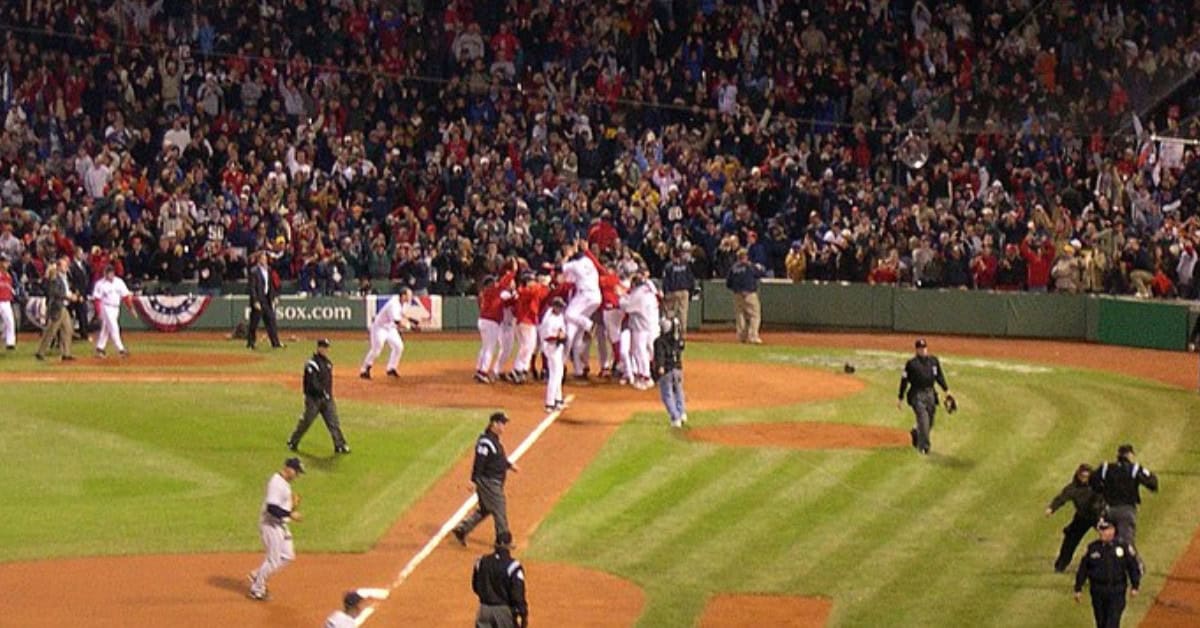
World Series matchups once required skippers to master two different styles of baseball. AL managers had to dust off their double-switch playbooks, while NL managers suddenly had to plan around a power bat. This chess match within the Fall Classic added a layer of intrigue that modern baseball has lost.
How the DH Changed Free Agent Contract Values Forever
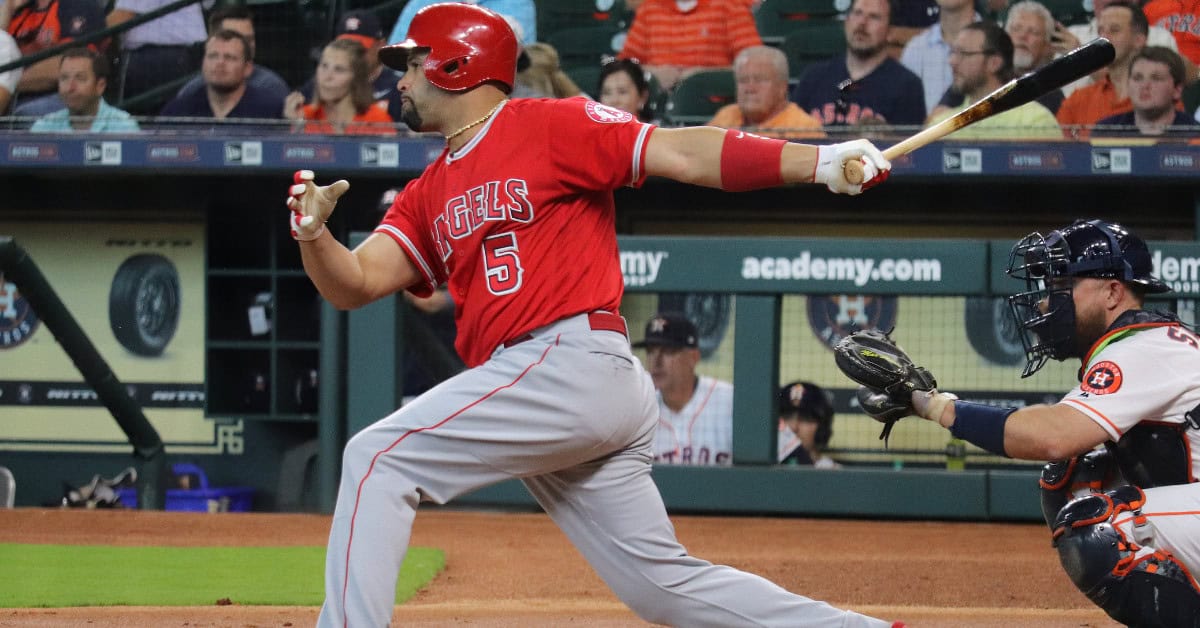
The DH became baseball’s golden parachute, allowing teams to offer longer contracts to aging sluggers. Suddenly, a power hitter’s career didn’t end when his legs couldn’t handle fielding anymore. This fundamentally altered how general managers valued players and structured long-term deals.
The Death of the Pure Defense Specialist
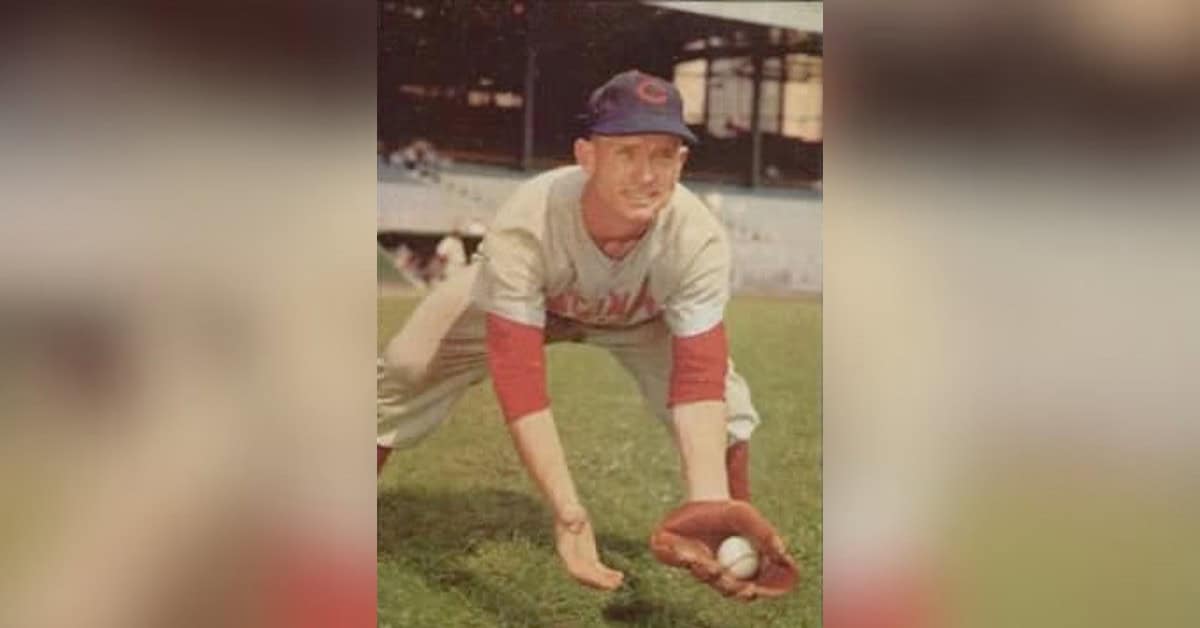
Remember the light-hitting shortstop who could turn double plays like a magician? How about the speedy outfielder who could track down a would-be gapper? With no need for the double-switch, that’s one less scenario to use those players who are defensively gifted.
Saving Athletes From Looking Foolish at the Plate
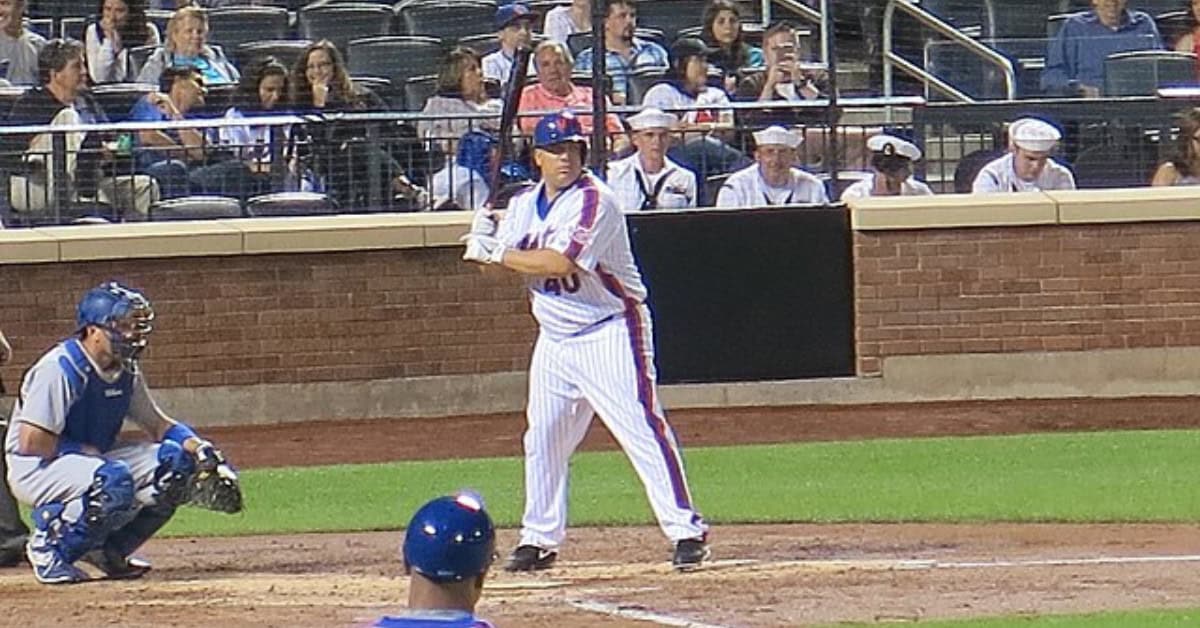
Let’s be honest – watching most pitchers attempt to hit was like watching someone try to parallel park a tank. The DH spared fans from countless awkward at-bats and saved pitchers from the embarrassment of flailing at pitches they hadn’t practiced hitting since high school.
When Baseball’s Pace Picked Up Speed
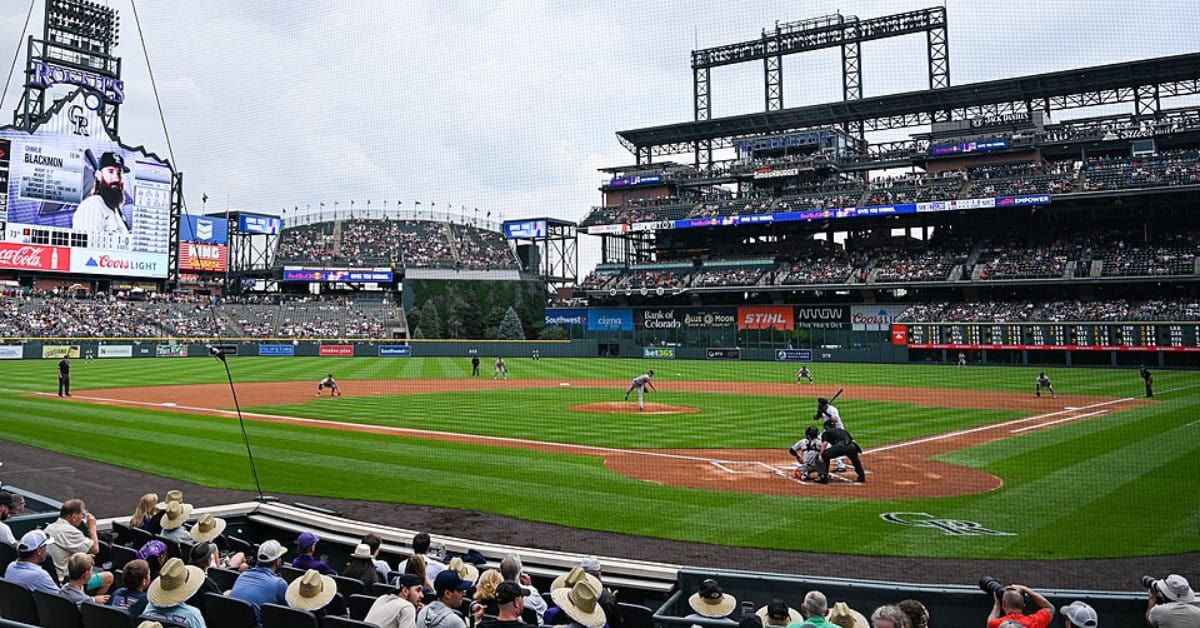
The DH eliminated those endless innings where weak-hitting pitchers killed rallies and slowed games to a crawl. Every at-bat became meaningful, every inning held potential for excitement. The game’s rhythm changed, becoming more aligned with modern entertainment expectations.
David Ortiz Would Never Have Been ‘Big Papi’ Without It
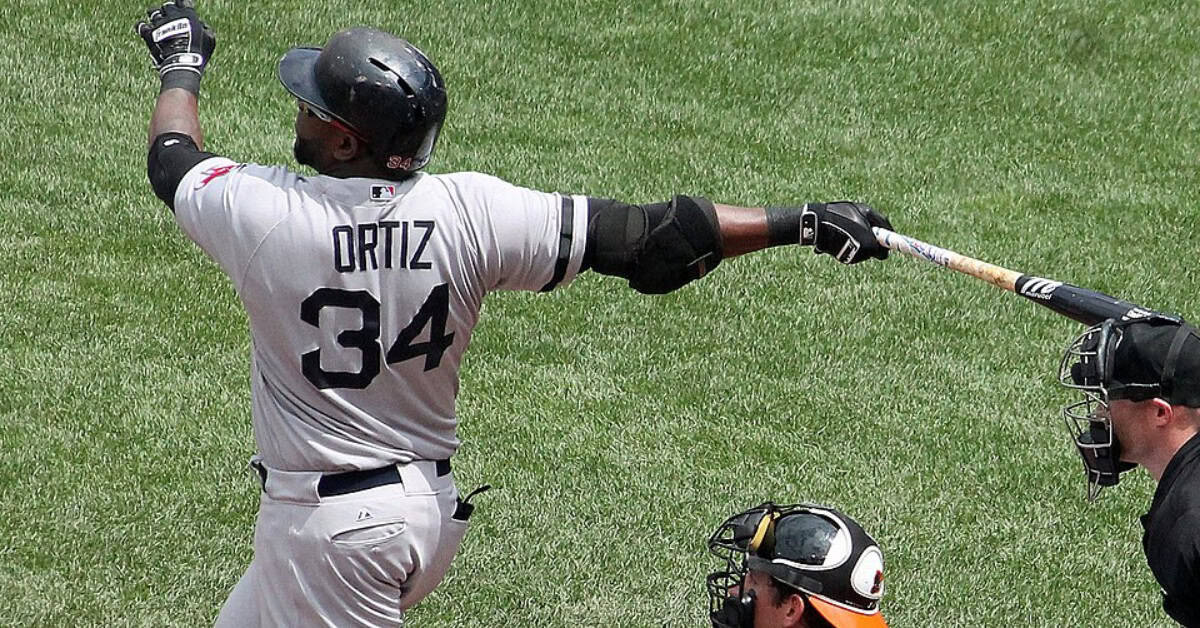
Without the DH, David Ortiz might have been just another failed first baseman. Instead, he became a Boston legend, a World Series hero, and one of baseball’s most beloved personalities. The DH allowed pure hitters like Big Papi to focus on what they did best – changing games with one mighty swing.
Remember When Pitchers Could Help Their Own Cause?
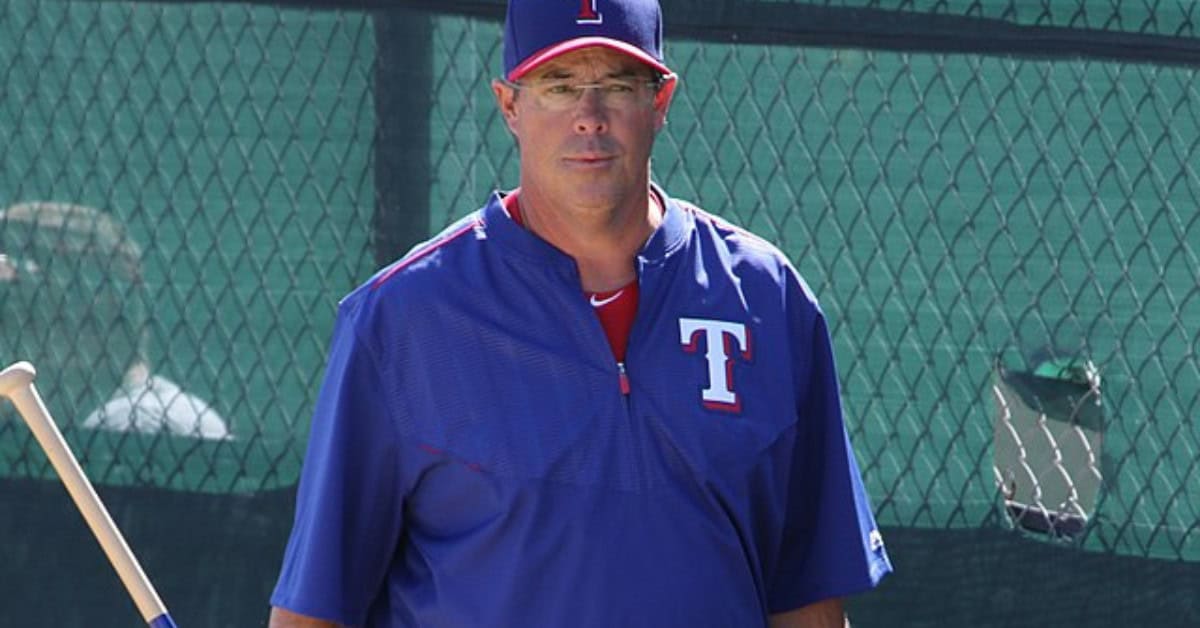
There was something magical about a pitcher who could handle the bat. It added another dimension to their greatness, made them feel more complete as ballplayers. The universal DH ended this tradition, making it impossible for modern pitchers to truly “help their own cause” the way their predecessors did.
The Rule That Gave Us Edgar Martinez’s Hall of Fame Career

Edgar Martinez revolutionized the DH position, turning it from a landing spot for aging sluggers into an art form. His precision hitting and professional approach helped legitimize the role, paving the way for future DHs to enter Cooperstown. Without the rule, one of baseball’s purest hitters might never have found his path to the Hall of Fame.