

Last Updated: June 17th, 2026 by Matthew Brown
Before baseball became a game of launch angles and exit velocity, it was a game of characters and legends whose stories were passed down like family heirlooms. While some stars shine eternal in Cooperstown, others have faded from memory despite careers that defined an era. Here are fifteen heroes from baseball’s past who deserve to be remembered not just in dusty record books, but in the game’s living memory.
Don't lose this article. Enter your email below, and I'll send it to you right now. Plus, we'll send you other unbelievable stories from baseball's past.
Bobby Bonds: Before His Son, He Was The Original 30-30 Man

Long before Barry rewrote the record books, his father was revolutionizing the game with a combination of power and speed that seemed impossible. Bobby recorded five 30-30 seasons when most players were lucky to do it once, and his 461 career steals came with 332 home runs. Giants fans still talk about his legendary throws from right field that seemed to defy gravity.
Al Oliver: .303 Lifetime, Yet Nobody Remembers
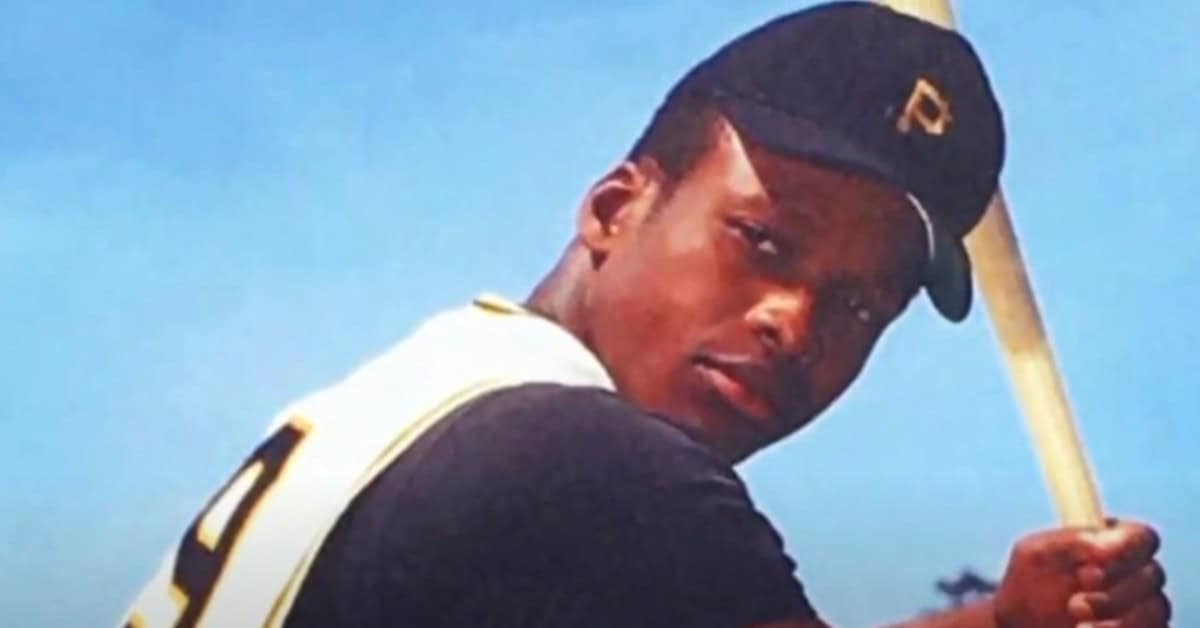
“Scoop” collected 2,743 hits and batted .303 lifetime with a swing so sweet it belonged in a museum. He led the NL in hits three times and doubles twice, while playing stellar defense at first base and center field. The seven-time All-Star had more hits in the 1970s than Pete Rose, yet rarely gets mentioned among the era’s greats.
Reggie Smith: Five-Tool Star Before We Used The Term
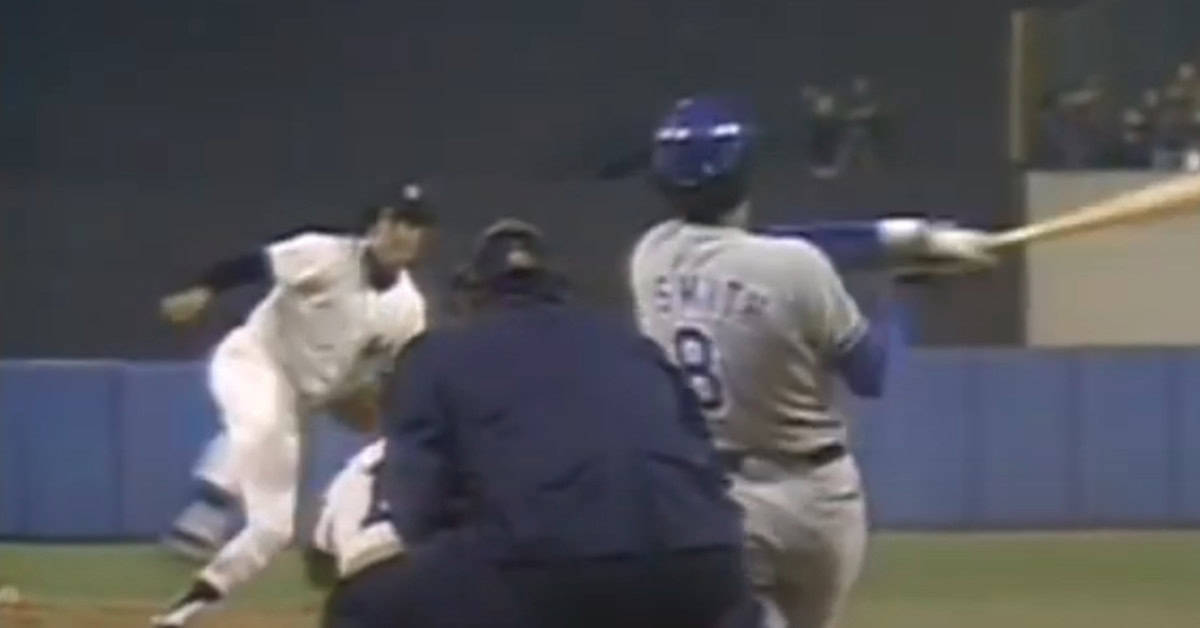
A switch-hitting marvel who could do it all, Smith combined power (314 homers), average (.287 lifetime), and Gold Glove defense in right field. He made seven All-Star teams and finished in the top 10 in OPS+ ten times. His throwing arm was so respected that even the speediest runners thought twice about taking an extra base.
Jose Cruz: The Astrodome’s Hidden Superstar
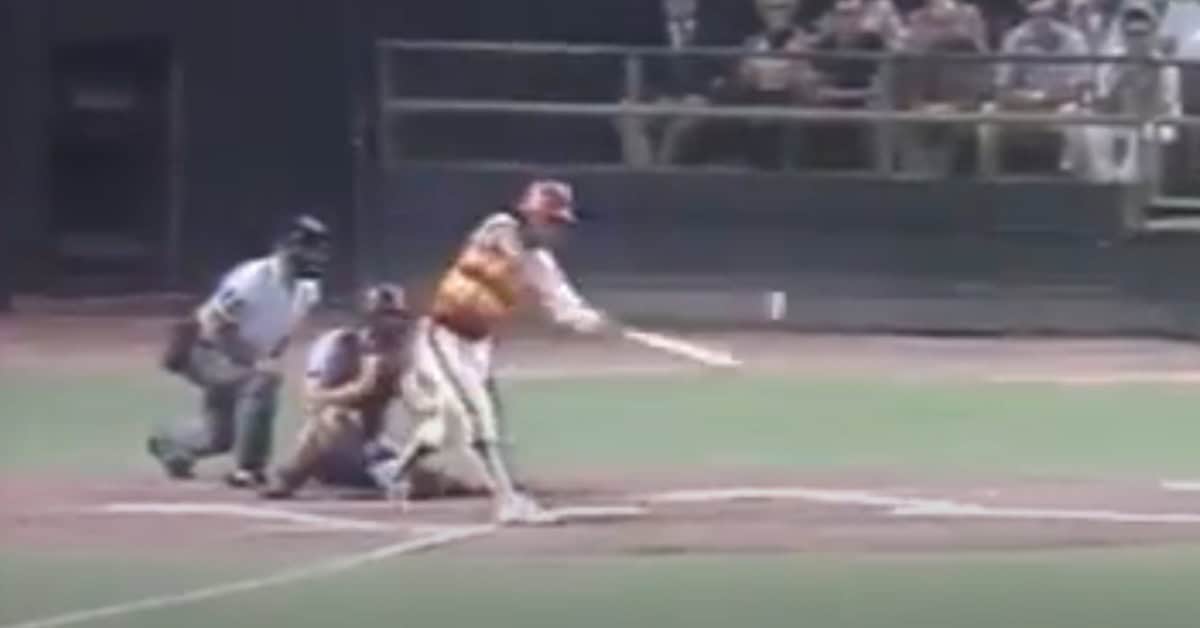
Playing in the cavernous Astrodome killed his power numbers, but “Cheo” was one of the most consistent hitters of his era. His unique crouched stance and ability to spray hits to all fields made him a nightmare for pitchers. From 1977-86, only George Brett had a higher batting average among AL left-handed hitters.
Ron Guidry: Louisiana Lightning Struck Fear in ’78
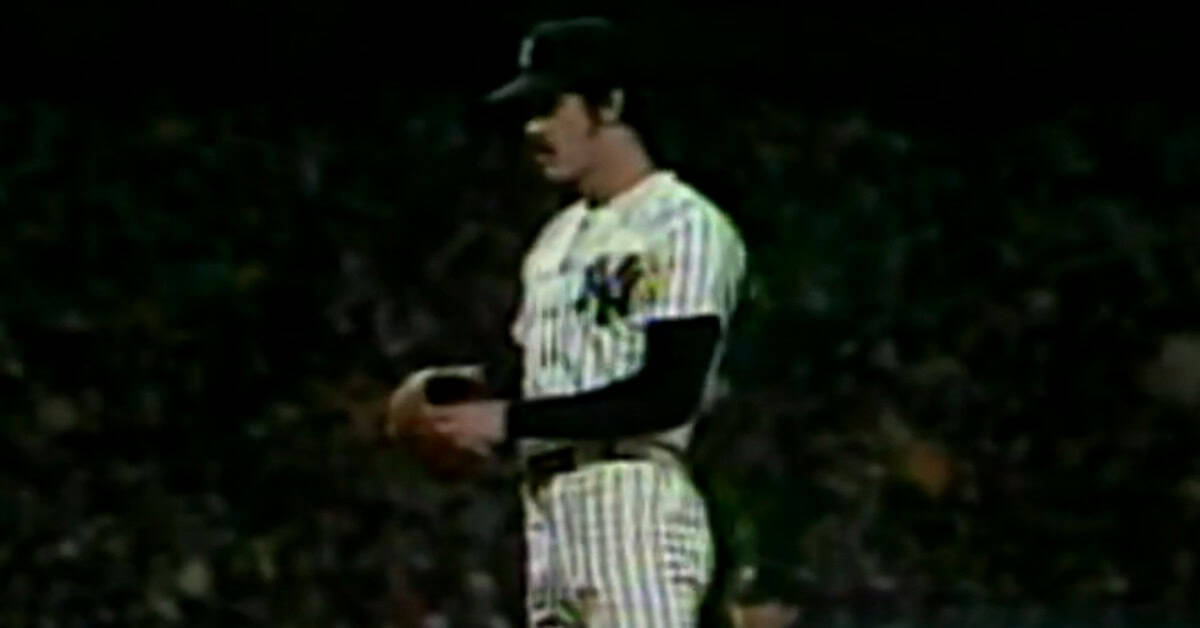
His 1978 season (25-3, 1.74 ERA, 248 strikeouts) remains one of the greatest pitching performances in baseball history. Standing just 5’11”, Guidry dominated with a fastball that seemed to rise and a slider that disappeared into another dimension. The Yankee Stadium crowds chanting “LOOOO” during his strikeouts created a soundtrack for a generation of fans.
Cecil Cooper: Milwaukee’s RBI Machine
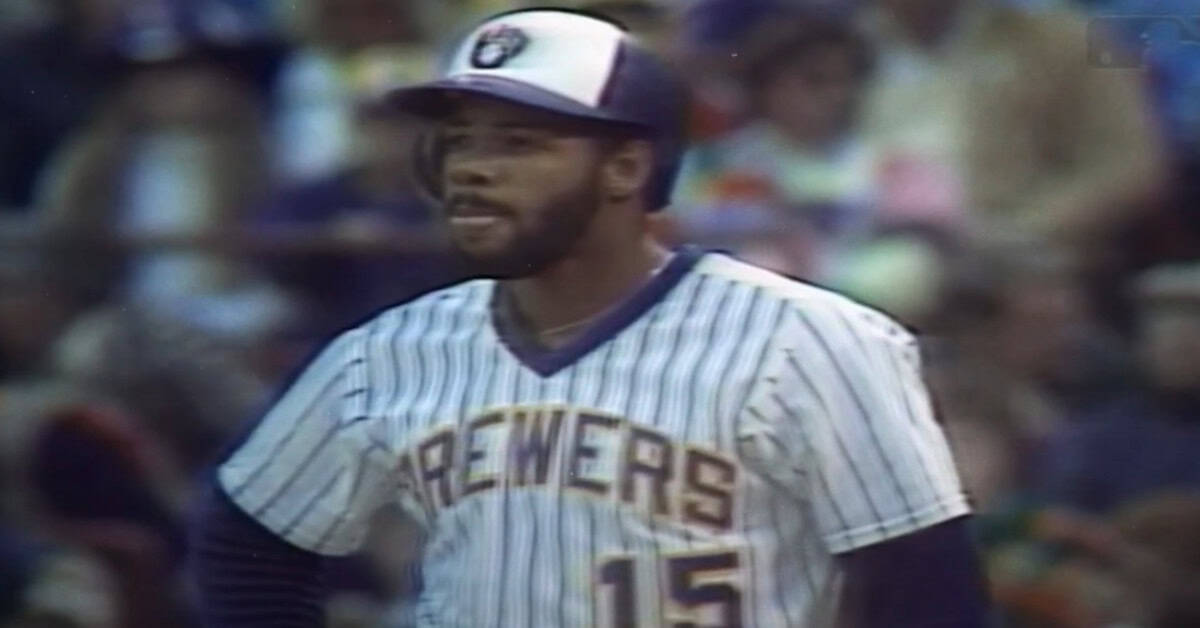
Cooper’s distinctive open stance and clutch hitting made him the heart of Harvey’s Wallbangers in Milwaukee. He drove in more than 120 runs three times, won three Silver Sluggers, and collected 2,192 hits while batting .298 lifetime. His walk-off single in Game 5 of the 1982 ALCS remains one of the biggest hits in Brewers history.
Vida Blue: The Teenage Phenom Who Changed Oakland
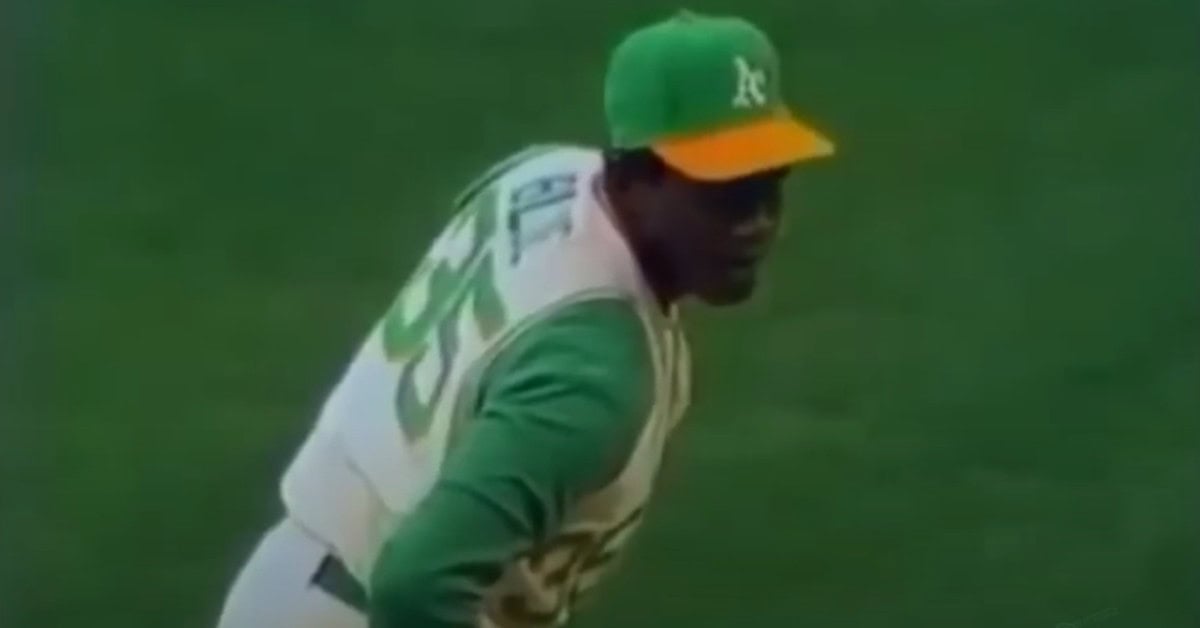
At age 21, Blue captured both the Cy Young and MVP awards with a devastating fastball that old-timers still talk about in hushed tones. He won 209 games, threw a no-hitter, and was the ace of Oakland’s 1970s dynasty. His high-leg kick and explosive delivery made every start feel like an event.
Dave Parker: The Cobra’s Path to Forgotten Excellence
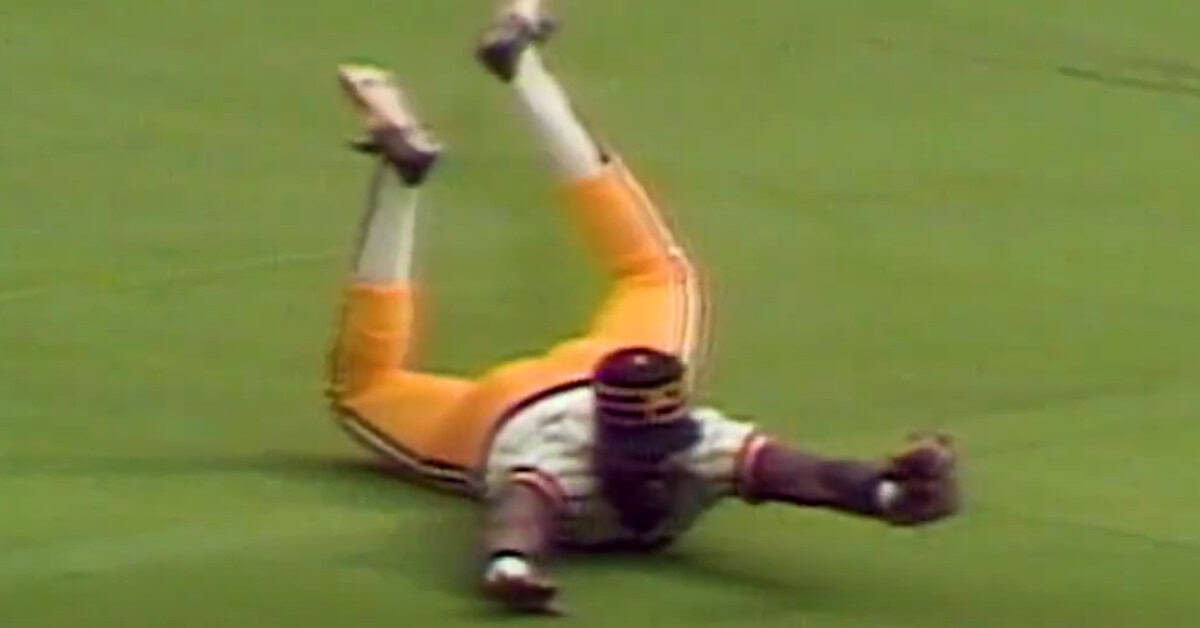
The most feared hitter in baseball during his prime, Parker combined raw power with surprising speed and an arm that base runners simply stopped testing. He won two batting titles, an MVP, and three Gold Gloves while playing right field with a flair all his own. His throw to home plate in the 1979 All-Star Game remains one of baseball’s most spectacular plays.
Frank White: Royals’ Golden Glove With Surprising Pop
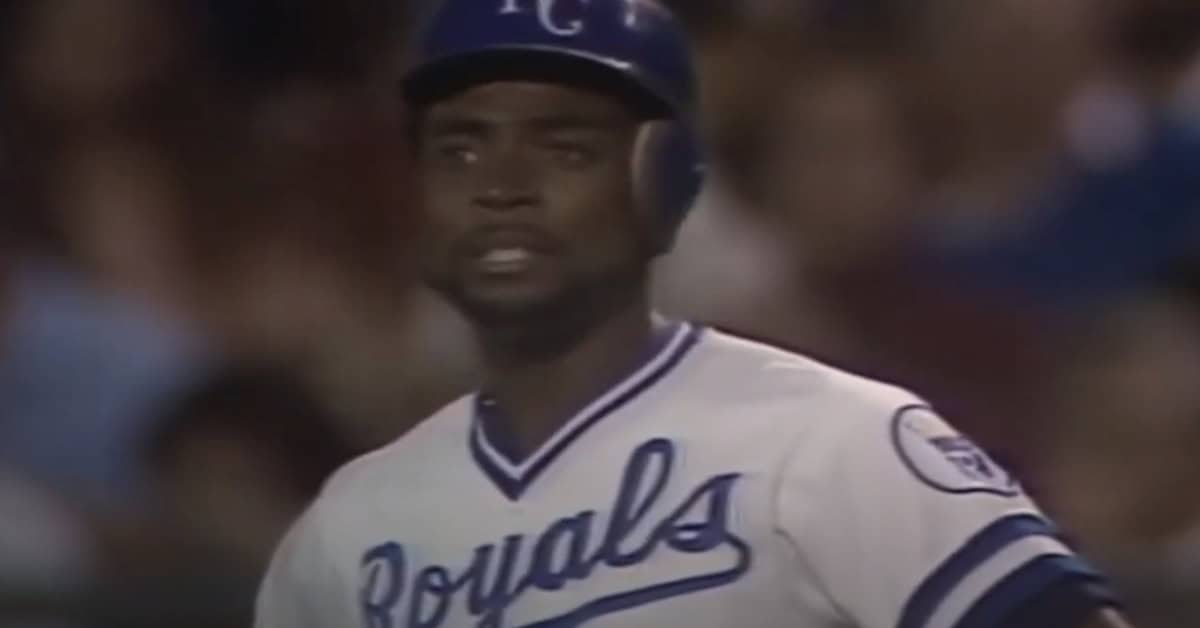
A graduate of the Royals’ innovative Baseball Academy, White revolutionized second base defense with eight Gold Gloves. What people forget is his development as a hitter – he slugged 22 homers in 1985 while batting cleanup in the World Series. His number 20 is retired in Kansas City, where fans still marvel at his acrobatic double plays.
Bill Madlock: Four Batting Titles, Zero Recognition

“Mad Dog” won four batting titles between 1975 and 1983, finishing with a .305 lifetime average. His quick wrists and intense competitive spirit made him one of the toughest outs of his era. Despite his .300+ average in seven different seasons, he never received more than 4.5% of the Hall of Fame vote.
Lou Whitaker: Sweet Lou’s Hall of Fame Snub Still Stings
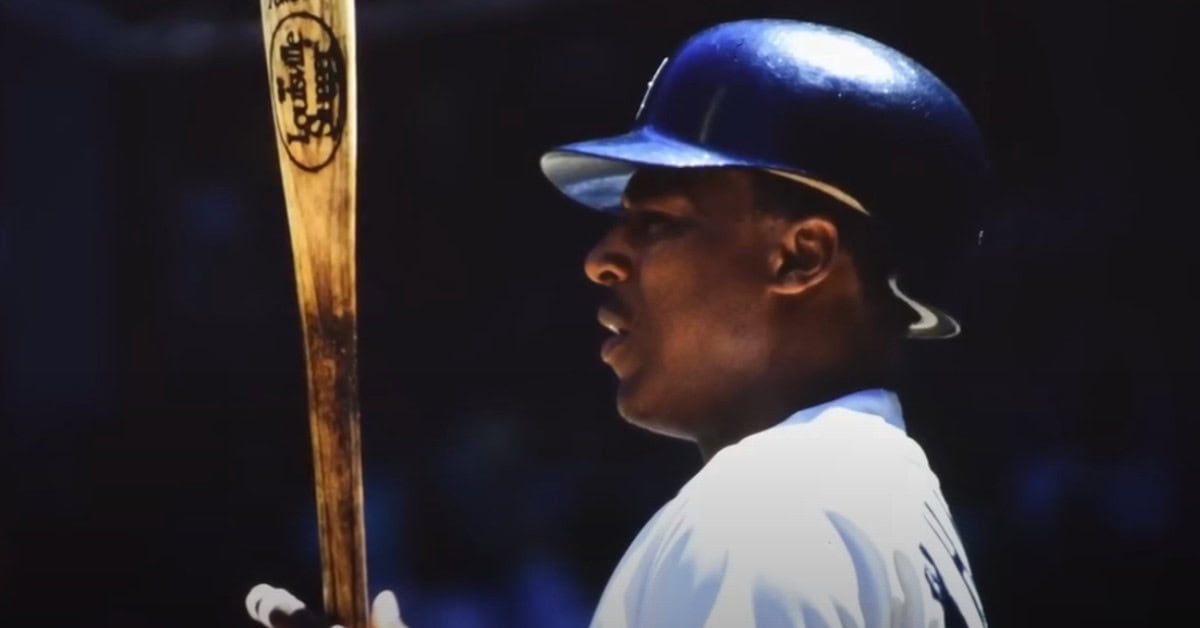
Part of the longest-running double-play combination in history with Alan Trammell, Sweet Lou combined power (244 homers), average (.276), and stellar defense at second base. He won three Gold Gloves, four Silver Sluggers, and posted a higher career WAR than dozens of Hall of Famers. His first-year removal from the Hall ballot remains one of baseball’s great injustices.
Willie Randolph: More Than Just a Yankees Footnote
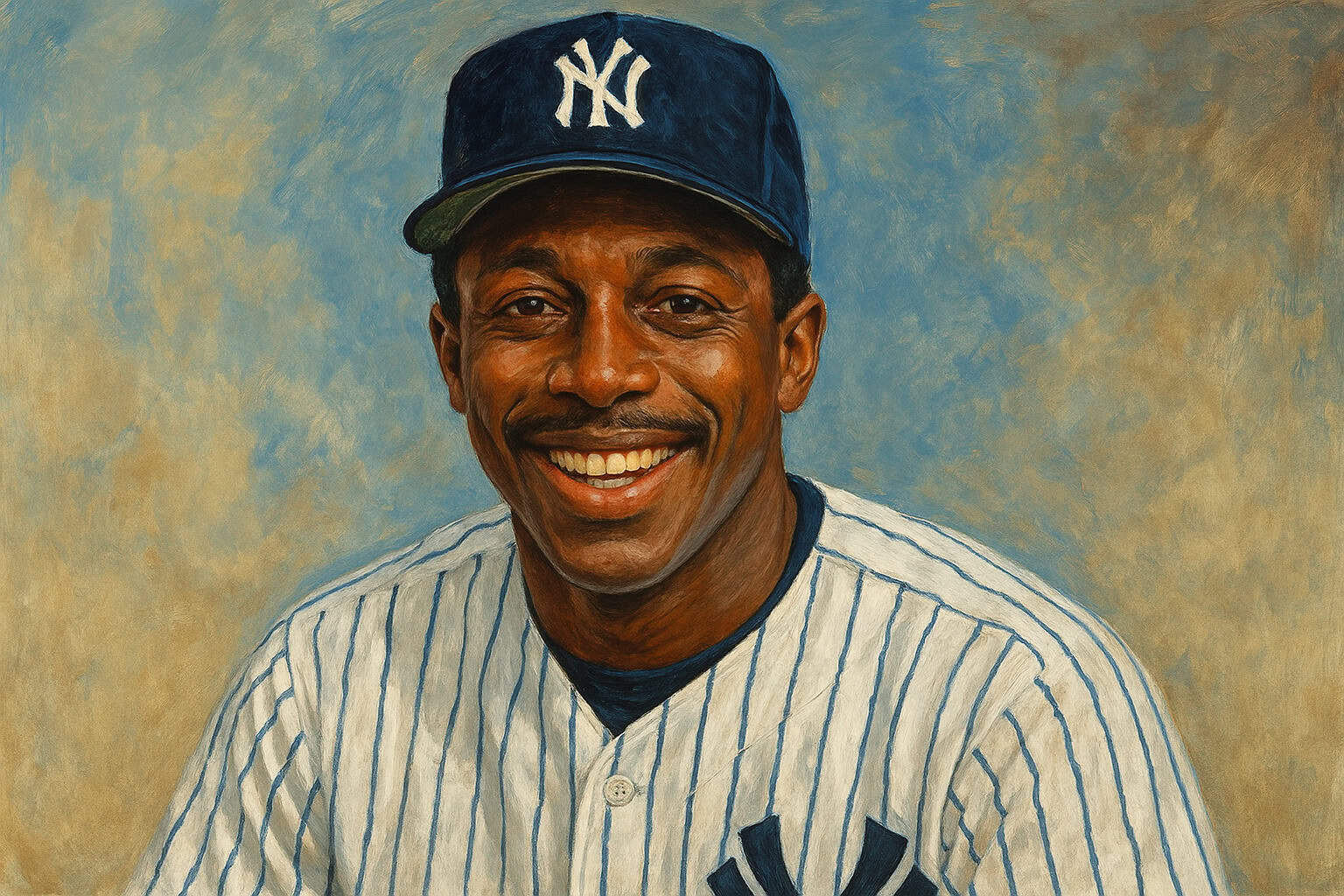
The quiet leader of the Yankees’ late-70s renaissance, Randolph’s .373 career on-base percentage and stellar defense made him the perfect number-two hitter. He drew 1,243 walks against only 675 strikeouts in his career, while serving as the defensive anchor for two World Series champions. His subtle excellence often got lost amid the Yankees’ bigger personalities.
Buddy Bell: The Quiet Genius at Third Base
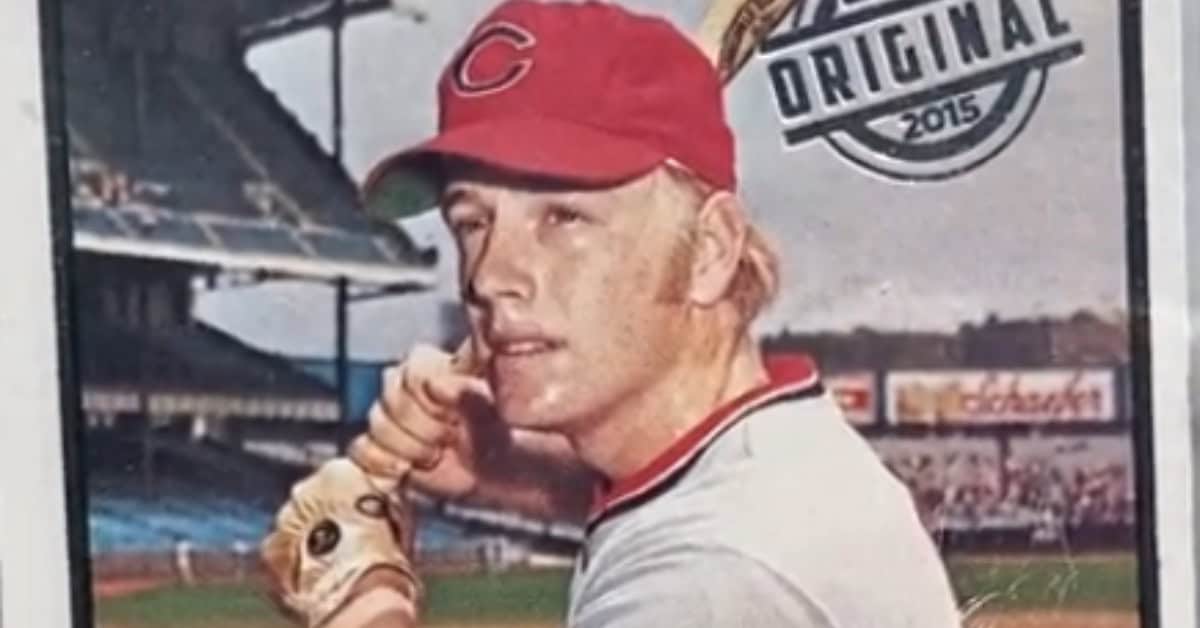
Six Gold Gloves, 2,514 hits, and defensive metrics that rank him among the greatest third basemen ever. Bell’s quiet excellence at the hot corner was overshadowed by playing on mediocre teams in Texas and Cleveland. Modern analytics suggest he was one of the most complete third basemen of his era, combining spectacular defense with a reliable bat.
Willie Wilson: When Speed Changed Everything
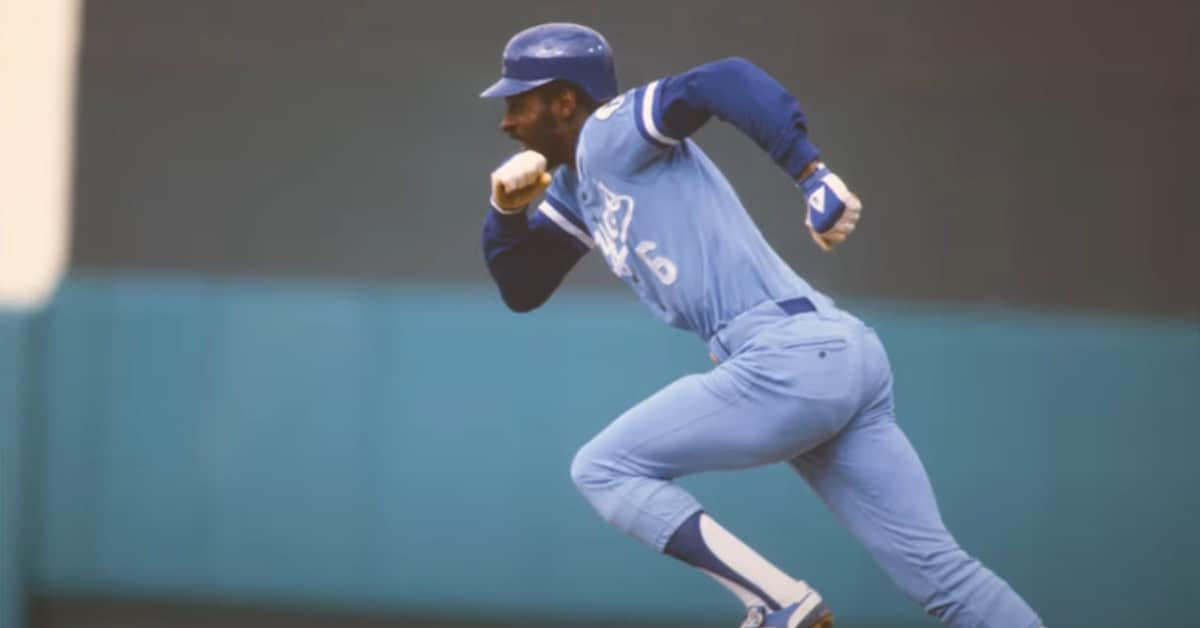
The fastest man in baseball during his prime, Wilson led the AL in triples five times and collected 668 career steals. His 230 hits and 705 at-bats in 1980 remain modern-era records, while his ability to bunt for doubles terrorized infielders. The artificial turf of Royals Stadium seemed custom-built for his blazing speed.
Ted Simmons: The Switch-Hitting Catching Pioneer

Before Carlton Fisk and Gary Carter defined catching in the late 1970s, Simmons was setting the standard for offensive catchers. His 2,472 hits and 483 doubles were records for catchers when he retired, while his switch-hitting ability made him a constant threat. Finally elected to Cooperstown in 2020, Simmons spent decades as baseball’s most underappreciated superstar.