

Last Updated: June 17th, 2026 by Matthew Brown
Time was, you could spot a baseball scout from fifty feet away – notebook in hand, radar gun at the ready, and decades of wisdom in their well-worn eyes. But these days, the language of baseball has changed. While old-school scouts still trust their gut and their eyes, a new wave of numbers is changing how we see the game. Here are eight modern metrics that have traditional baseball men shaking their heads and muttering about “computers playing the game.”
Don't lose this article. Enter your email below, and I'll send it to you right now. Plus, we'll send you other unbelievable stories from baseball's past.
WAR: When Replacement Players Became More Than Backups
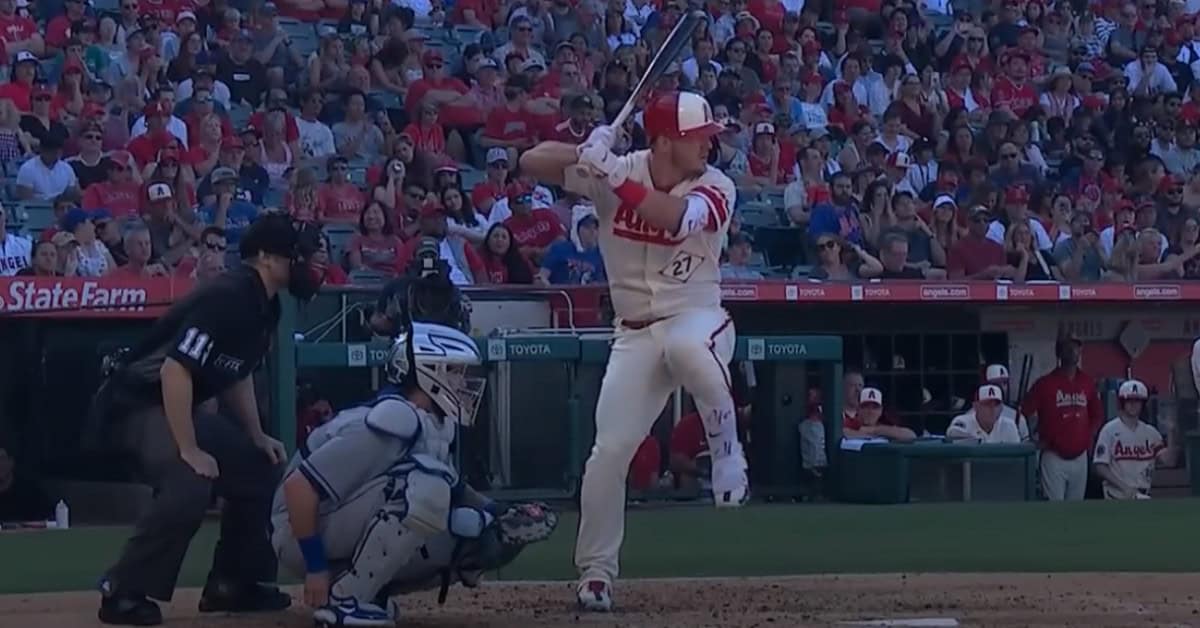
Try telling an old-timer that Mike Trout’s 2012 season was worth exactly 10.5 wins, and watch their face as they react. Wins Above Replacement attempts to wrap everything a player does into one number, but scouts who’ve spent decades watching players develop will tell you baseball talent can’t be reduced to decimal points. “You can’t quantify heart,” they’ll say, usually while pointing to a player whose WAR suggests they should’ve retired two seasons ago.
Exit Velocity: Why a Scout’s Eyes Can’t Clock a Homer
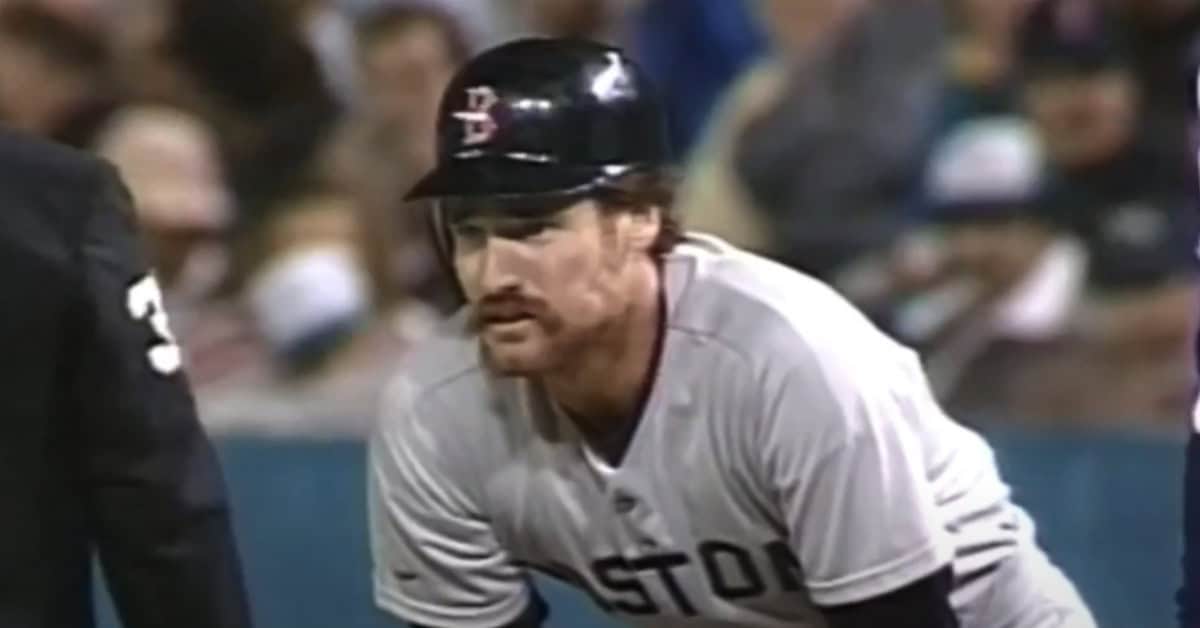
Before Statcast, scouts would say things like “that ball was crushed” or “he really got all of that one.” Now we know exactly how hard every ball is hit, down to the decimal point. Veterans of the game argue that exit velocity ignores the art of hitting – after all, Wade Boggs never needed a radar gun to tell him he was spraying doubles all over the field.
Spin Rate: More Than Just “He’s Got Good Stuff”
Old-school scouts could tell you when a curveball had good bite or when a fastball had that extra life up in the zone. But try telling them that a pitcher’s worth can be measured in revolutions per minute, and you’ll hear stories about how Bob Gibson never needed a computer to tell him his slider was unhittable. Spin rate has turned “good stuff” into a science, much to the chagrin of those who learned the game by watching, not calculating.
Launch Angle: The Science Behind “Upper-Cutting”

Ted Williams wrote about the science of hitting long before launch angle became a buzzword, but he never had a computer tracking his exact swing path. Traditional scouts still prefer terms like “level swing” and “good plane,” rolling their eyes at players who can quote their optimal launch angles. “In my day,” they’ll tell you, “we just tried to hit it hard somewhere.”
BABIP: Luck vs. Skill in the Hit Column

Batting Average on Balls In Play challenges everything scouts thought they knew about “hitting ’em where they ain’t.” The notion that a player’s hot streak might be luck makes veterans of the game bristle – after all, they’ve spent decades differentiating between solid contact and lucky bloops. Try telling an old-timer that their favorite player’s batting title was “BABIP-inflated,” and prepare for a lecture about how Pete Rose never worried about regression to the mean.
Defensive Runs Saved: Beyond the Eyeball Test

For generations, scouts could spot a good fielder just by watching their first step and how smoothly they moved to the ball. Now we have complex formulas measuring every aspect of defense, from reaction time to route efficiency. Veterans who’ve spent decades watching infielders field and outfielders track fly balls insist that some things – like instincts and first-step quickness – can’t be captured by numbers alone.
FIP: When Pitchers Can’t Control Their Defense
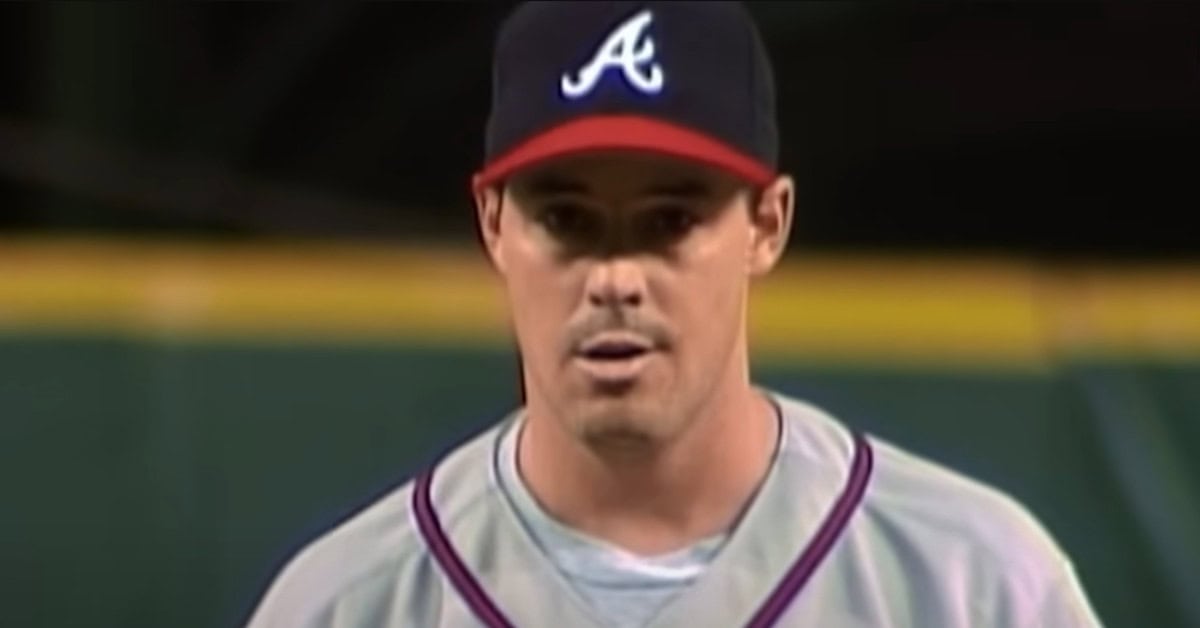
Fielding Independent Pitching suggests that pitchers shouldn’t be judged by events beyond their control, but try telling that to scouts who’ve watched hurlers pitch to their defense for decades. The idea that a pitcher’s ERA might be “lucky” draws particular scorn from old-school evaluators who believe in the art of inducing weak contact. “Greg Maddux pitched to contact his whole career,” they’ll remind you, “and he did just fine without FIP.”
wOBA: The Truth About “Productive Outs”

Weighted On-Base Average challenges everything old-school baseball men believe about “playing the game the right way.” The idea that all those sacrifice bunts and productive outs might be hurting the team sends shivers down the spine of scouts who grew up preaching situational hitting. As one veteran scout put it, “I don’t need a formula to tell me when a player knows how to move a runner over.”