

Last Updated: June 17th, 2026 by Jeffrey Christo
There’s a certain ache in recalling the 1919 Chicago White Sox—a team of rare talent, playing a game that captured the nation’s heart. These weren’t just athletes; they were working-class men who played for pride, for the cheers, and for the modest paychecks that barely stretched to cover their families’ needs.
Don't lose this article. Enter your email below, and I'll send it to you right now. Plus, we'll send you other unbelievable stories from baseball's past.
It’s almost impossible for us today, in an era of multimillion-dollar contracts and celebrity athletes, to grasp just how little these players earned. Many took off-season jobs just to get by. Their owner, Charles Comiskey, was infamous for his stinginess, denying players basic comforts, sometimes even making them pay to launder their own uniforms. The game may have been America’s pastime, but for these men, it was a hard-won livelihood, never a golden ticket.
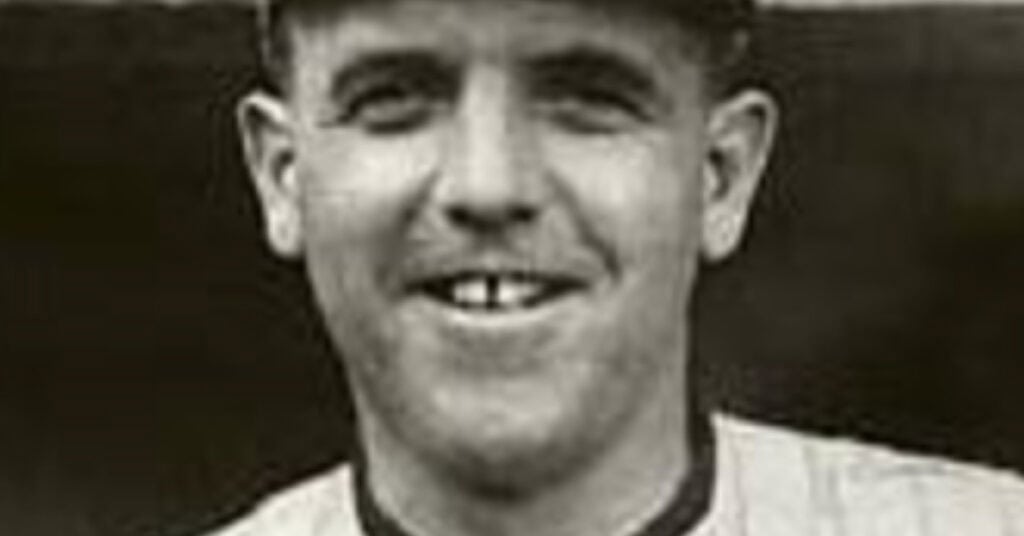
Against this backdrop of hardship and frustration, a group of players made a decision that would haunt baseball forever. Lured by gamblers’ promises of easy money—far more than their employer would ever pay—eight players agreed to throw the World Series. The betrayal was as much a product of their circumstances as it was a moral failing.
When the truth emerged, it shattered not just their careers but the very soul of the sport. The public’s trust was broken. The White Sox, a team once celebrated, became a symbol of loss—of innocence, of honor, of the belief that the game was somehow above the struggles and disappointments of ordinary life.
The Fallout: Trust Was the Real Victim
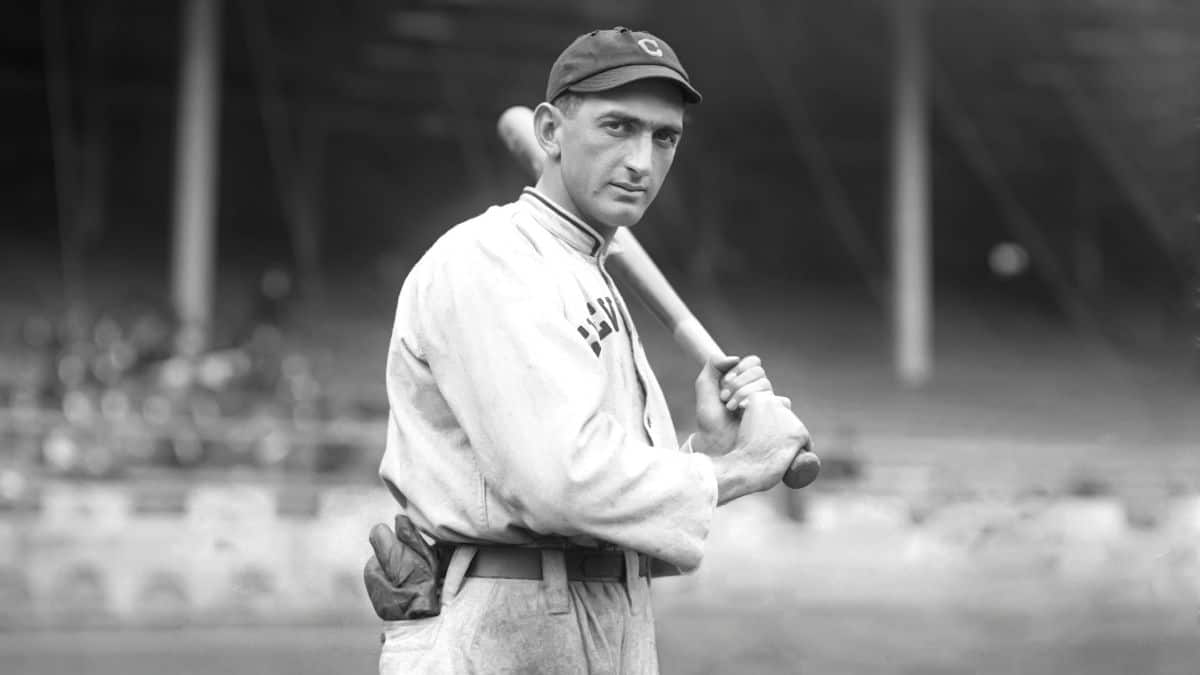
The Black Sox Scandal didn’t just stain a season; it left a permanent mark on baseball’s history. Eight players were banned for life, including “Shoeless” Joe Jackson, whose raw talent and tragic story still spark debate and fascination. But beyond the headlines, the scandal forced baseball to look inward and confront its vulnerabilities.
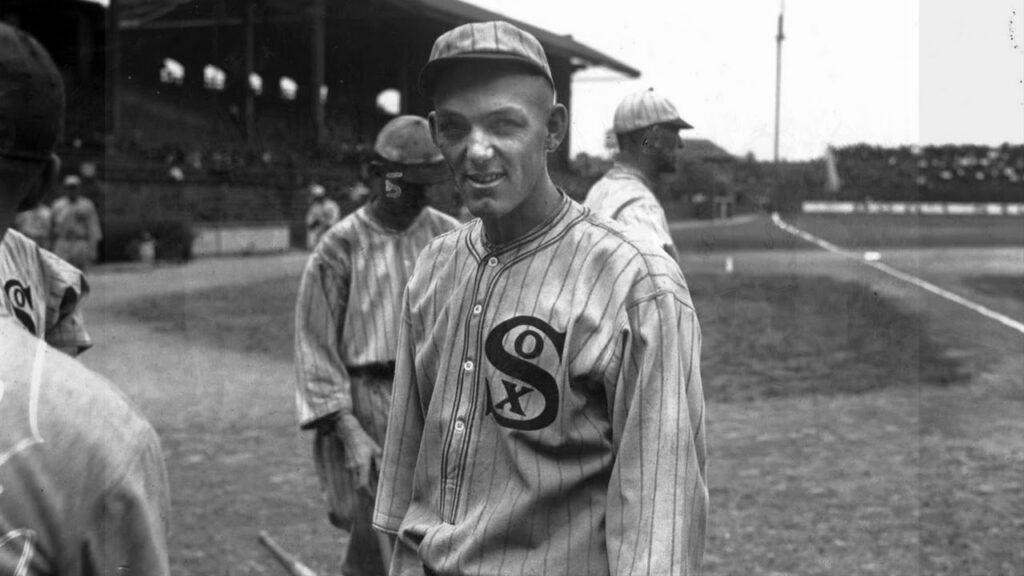
For fans, it was a heartbreak that went far beyond the box score. The game they loved had been betrayed by the very people they cheered for. It became painfully clear that, despite the mythology, ballplayers were human—subject to the same temptations, the same grievances, as anyone else struggling to make ends meet.
The Birth of Baseball’s Watchdog
The fallout demanded action. Baseball needed to restore faith, not just in the White Sox, but in the entire institution. In response, the owners appointed Judge Kenesaw Mountain Landis as the sport’s first commissioner. He was given sweeping powers to protect the “integrity of the game,” and he exercised them with an iron fist.
Landis’s harsh rulings sent a message: The game would not survive another scandal. Gambling was banished from the ballpark, and the penalty for cheating became absolute exile. The tragedy of the Black Sox was that it forced baseball to become less trusting, less naïve, and far more vigilant.
Shadows That Still Linger
A hundred years later, the echoes of 1919 are impossible to ignore. Every time a new scandal emerges—whether it’s performance-enhancing drugs or sign-stealing rings—the questions resurface. Can we trust what we see on the field? Can a game built on hope survive the reality of human weakness?
Baseball’s obsession with purity, with the “right way” to play, is rooted in the trauma of the Black Sox betrayal. We still romanticize the game, but the innocence is gone. In its place is a bittersweet nostalgia—an understanding that even the most beautiful traditions can be broken, and that sometimes the real story is not one of triumph, but of loss and resilience.
The Human Cost
It’s easy to vilify the eight men who were banned, but their story is tangled up in the era’s harsh realities. They weren’t villains in the modern sense—they were workers, denied fair wages and respect, pushed to a breaking point. Their desperation made them vulnerable, and their punishment was absolute.
Shoeless Joe Jackson, the most poignant figure of all, claimed innocence until his death. His lifetime ban became a symbol of both justice and tragedy—a reminder that even the purest talent can be swept away by forces beyond its control. Will he one day take his place in Cooperstown? I hope so.
The Legacy: A Game Transformed
The Black Sox Scandal didn’t kill baseball, but it forced the game to grow. The trust that was lost could never be fully regained, but the sport survived by becoming more accountable, more transparent, and more fiercely protective of its integrity.
Today, the story of the Black Sox endures not because it’s a simple tale of right and wrong, but because it’s so heartbreakingly human. It’s about men who loved the game, who gave everything to it, and who ultimately lost everything to a moment’s desperation.
When we look back, we’re reminded that baseball—like America itself—is built on hope, on second chances, and on the fragile belief that the past can teach us to be better. The scandal changed everything, and in its shadow, the game endures.