
Last Updated: June 17th, 2026 by Matthew Brown
Before radar guns turned fastballs into cold statistics, baseball’s hardest throwers were measured by the fear in batters’ eyes and the pop of leather gloves. These flame-throwing legends didn’t just pitch—they hurled lightning bolts that left permanent impressions on anyone brave enough to step into the box.
Don't lose this article. Enter your email below, and I'll send it to you right now. Plus, we'll send you other unbelievable stories from baseball's past.
Nolan Ryan’s 100.9 MPH Heater That Made Catchers Wince
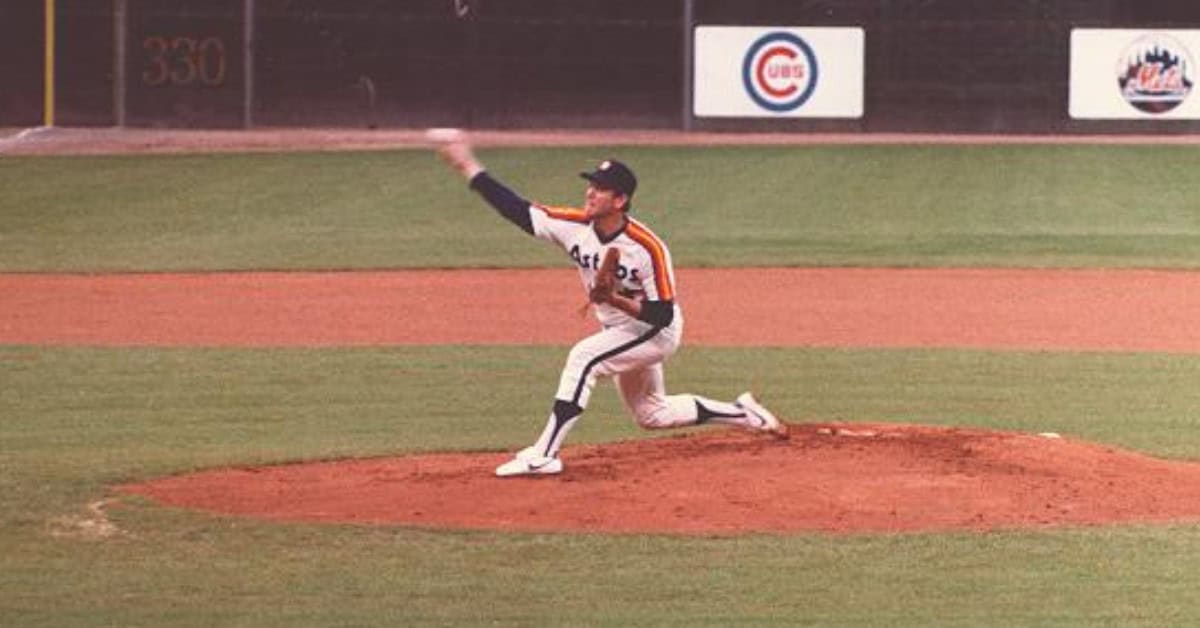
The Ryan Express wasn’t just fast—it was a freight train loaded with pure intimidation. When Ryan’s heater hit 100.9 mph in 1974, it wasn’t just a record; it was a declaration that some human beings are built differently. Catchers would ice their hands after games, and batters would step out of the box just to remind themselves they were still breathing.
Walter Johnson’s “Big Train” That Arrived Before Radar Guns

Long before anyone could measure velocity, Walter Johnson’s fastball was already legendary—they called it the “Big Train” because it sounded like a locomotive roaring past your ear. The gentle giant from Kansas threw so hard that batters would literally duck out of the way, and his sidearm delivery made the ball appear to come from third base. In an era when baseball was played with dead balls and wooden bats, Johnson’s heater was pure electricity.
Bob Feller’s Wartime Fastball That Stopped Hitler and Hitters
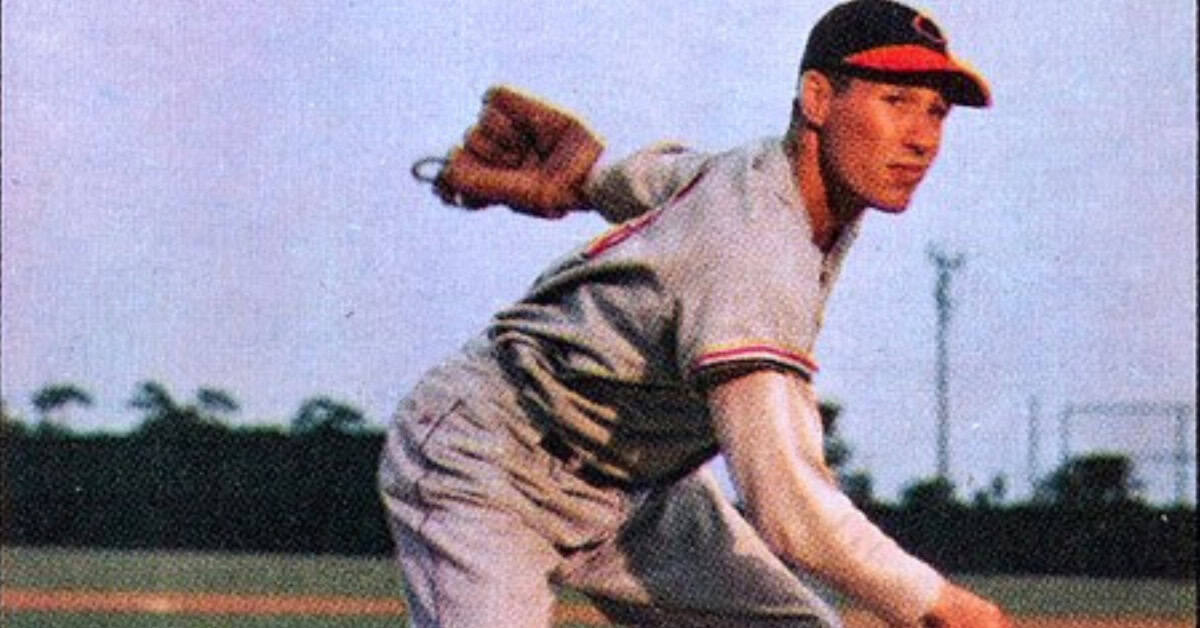
“Rapid Robert” threw so hard they tested his fastball against a speeding motorcycle—and the motorcycle lost. Feller’s heater was clocked at over 107 mph using primitive equipment, making him possibly the hardest thrower in baseball history. The Iowa farm boy who left baseball to serve in World War II returned with the same blazing speed that made grown men whimper at the plate.
Aroldis Chapman’s 105 MPH Missile That Broke Physics

When Chapman’s fastball hit 105.1 mph in 2010, it didn’t just break records—it broke the laws of what seemed humanly possible. The Cuban Missile could throw a baseball faster than most people drive on the highway, and the sound of his heater hitting the catcher’s mitt was like a gunshot echoing through the stadium. Batters would swing at pitches that were already in the catcher’s glove, their timing hopelessly outmatched by pure velocity.
Randy Johnson’s 6’10” Nightmare That Killed a Bird Mid-Flight
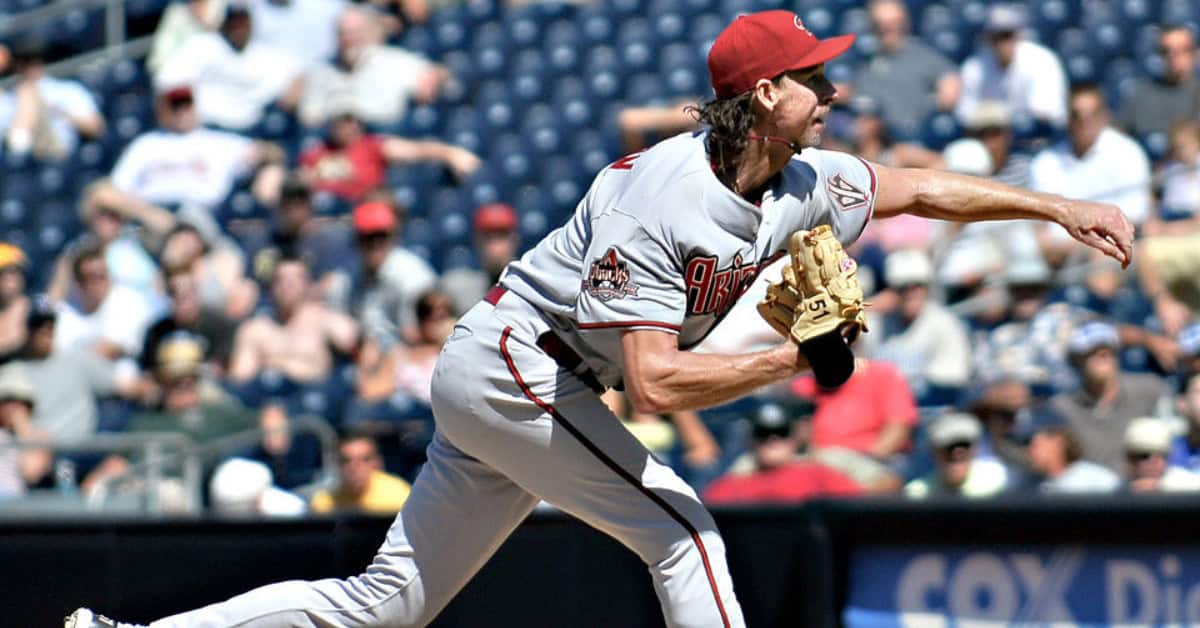
The Big Unit’s fastball was so intimidating that it literally killed a dove in mid-flight during a 2001 spring training game—and somehow that wasn’t even the scariest thing about facing him. At 6’10” with a sidearm delivery, Johnson looked like a praying mantis hurling thunderbolts, and his 102 mph heater would rise as it crossed the plate. Left-handed batters would practically dig foxholes in the batter’s box, knowing that death was coming at them sideways.
Roger Clemens’ Four-Seamer That Made Batters Call Their Mothers

The Rocket’s four-seam fastball didn’t just overpower hitters—it psychologically destroyed them with its late life and explosive movement. Clemens would rear back and fire 98 mph heat that seemed to accelerate as it approached the plate, making even All-Stars look like they were swinging pool noodles. His intimidating glare and that rising fastball created a generation of batters who developed sudden cases of “flu” when facing Boston’s ace.
Goose Gossage’s Mustache-Powered Heater From Hell
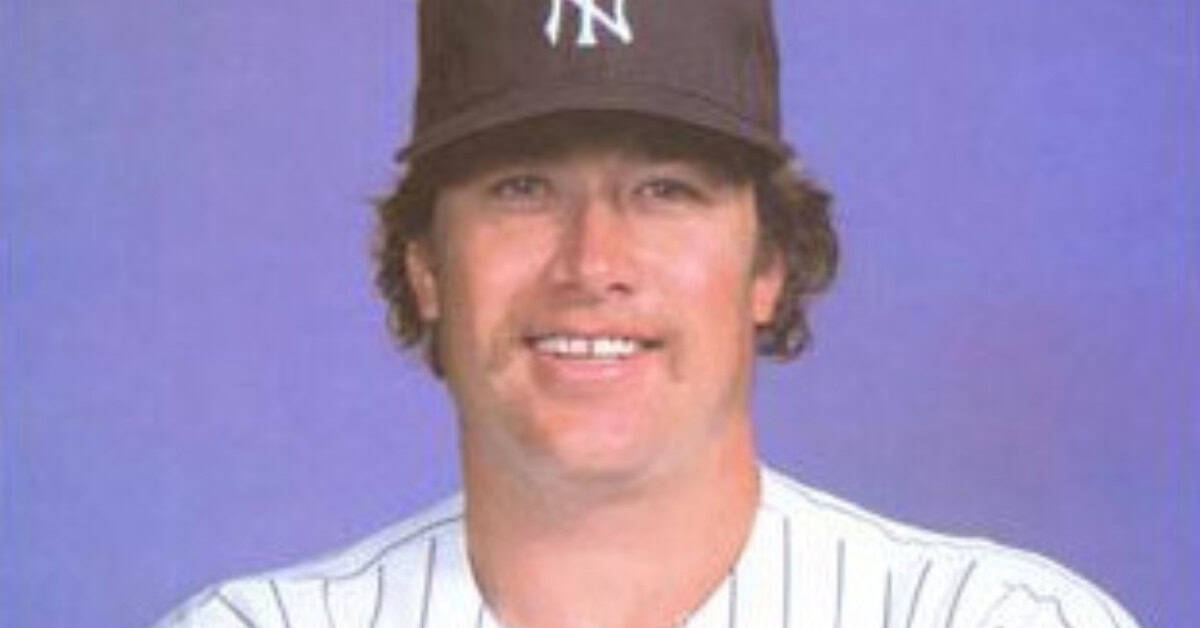
Goose Gossage looked like a 1970s trucker who happened to throw 100 mph fastballs for a living, and that magnificent mustache seemed to channel pure fury into every pitch. His heater would explode out of his hand with such violence that catchers would get knocked backward, and his wild-eyed stare suggested he might actually enjoy hitting batters. The Goose didn’t just close games—he slammed the door so hard it left dents.
J.R. Richard’s 6’8″ Astrodome Rocket That Touched the Ceiling

J.R. Richard was so tall and threw so hard that his fastball seemed to scrape the Astrodome’s ceiling on its way to home plate. The intimidating right-hander would rear back and unleash 100 mph heat with a delivery that made him look like he was throwing downhill from a mountain. Batters would step into the box and immediately feel dwarfed by this giant who could make a baseball disappear faster than a magic trick.
Bob Gibson’s Ice-Cold Stare and Red-Hot Fastball
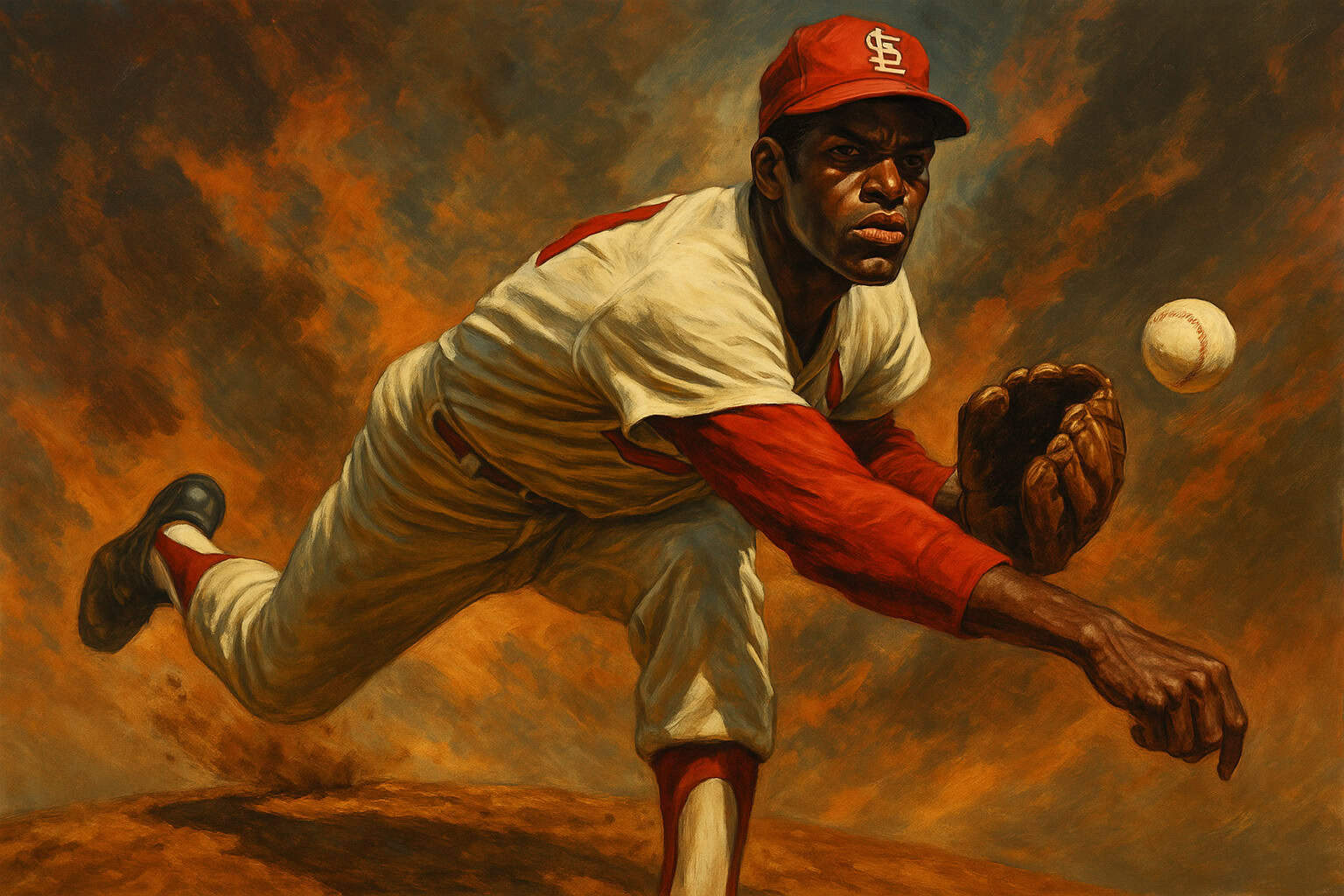
Gibby’s fastball was deadly enough, but combined with that thousand-yard stare, it became a weapon of mass intimidation. The Cardinals ace would glare at batters like they owed him money, then fire 95 mph heat with pinpoint control that made grown men question their life choices. His fastball had so much movement that catchers would set up in one spot and watch the ball end up somewhere completely different—usually right where it hurt the most.
Sudden Sam McDowell’s Blazer That Burned Through the ’60s
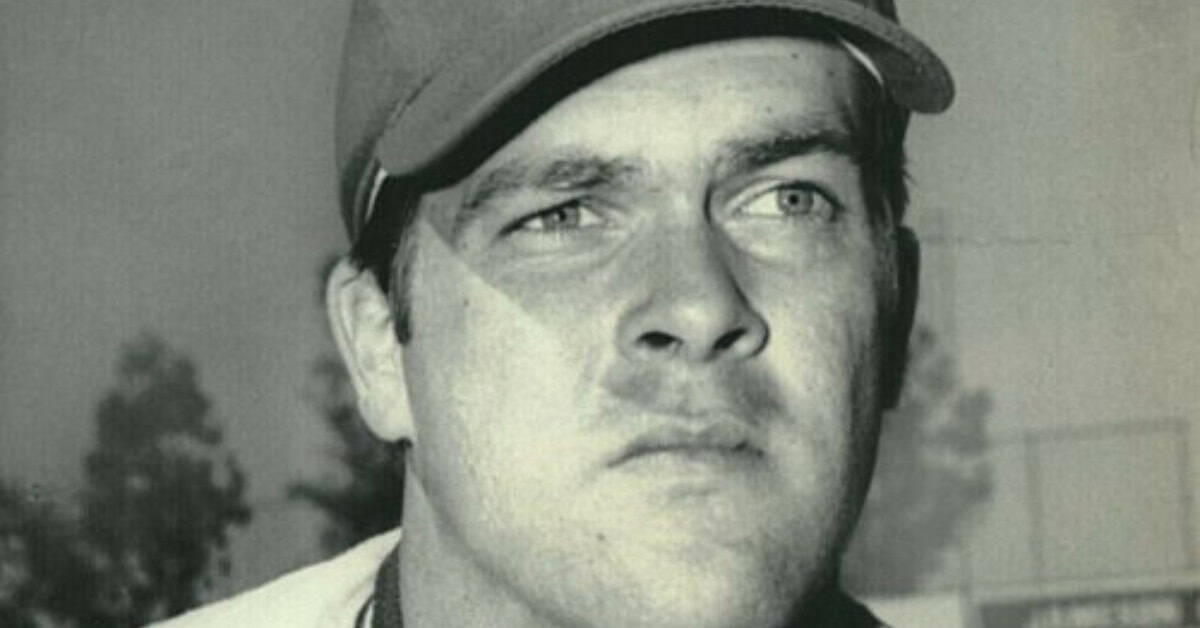
Before radar guns made everything official, “Sudden Sam” McDowell was widely considered the hardest thrower in baseball, with a fastball that arrived at home plate like a lightning strike. The Cleveland southpaw’s heater was so explosive that it earned him the nickname that perfectly captured how quickly his pitches appeared and disappeared. Batters would swing at what they thought was the ball, only to realize it had already been sitting in the catcher’s mitt for half a second.
Dwight Gooden’s Teenage Thunder That Shook Shea Stadium
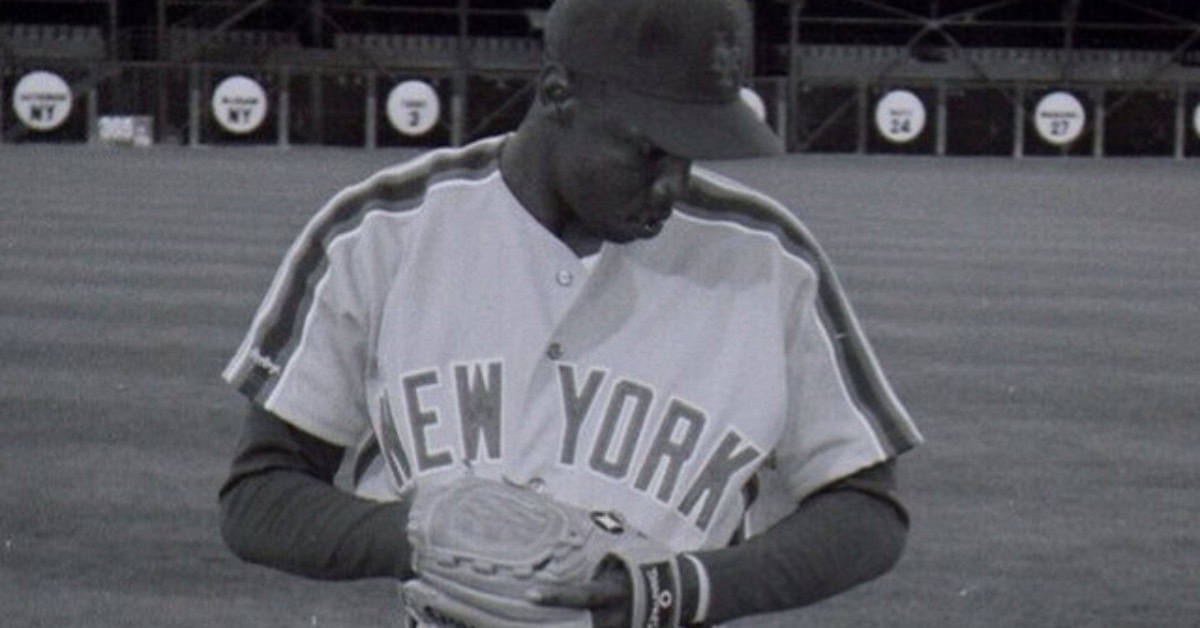
Doc Gooden was still a teenager when his fastball started making grown men look foolish, and Shea Stadium would literally vibrate with excitement every time he took the mound. His high-90s heater had so much life that it seemed to dance through the strike zone, and combined with that devastating curveball, it made him the most electric young pitcher baseball had ever seen. The kid from Tampa was throwing grown-man heat before he could legally buy a beer.
Smoky Joe Wood’s Coal-Fired Express From 1912
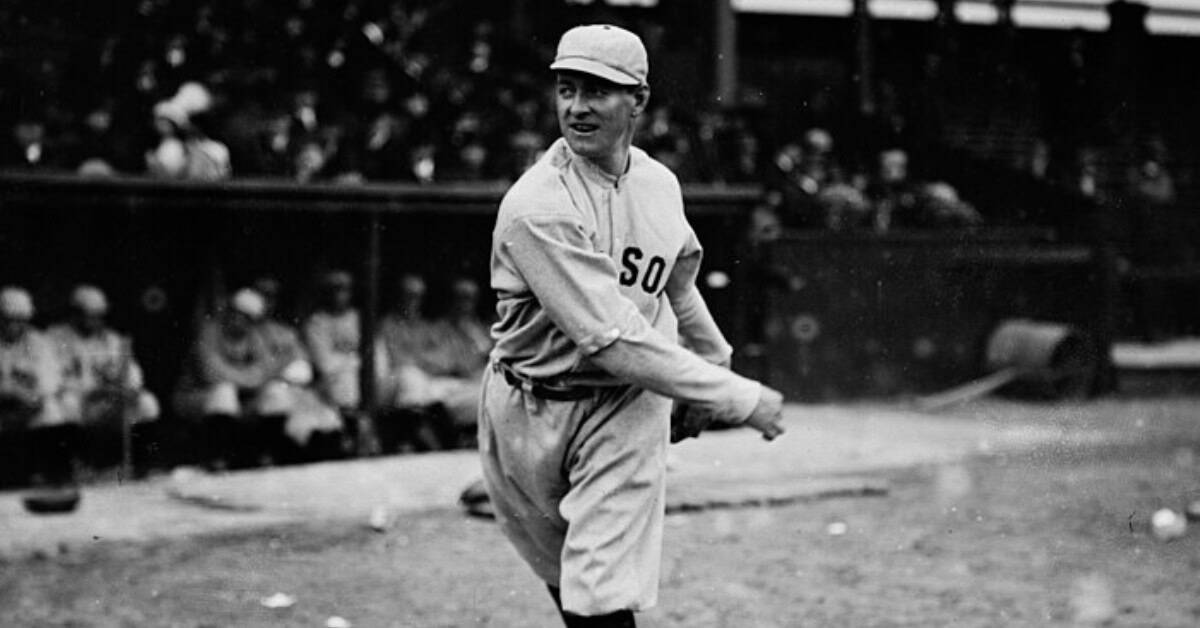
In 1912, when baseball was still played with dead balls and bare hands, Smoky Joe Wood was throwing heat that would be impressive even today. The Red Sox ace’s fastball earned him a nickname that perfectly captured the era—like a coal-powered locomotive belching smoke and fire. Wood’s heater was so legendary that Walter Johnson himself admitted he’d never seen anyone throw harder, which was the ultimate compliment in an age when speed was measured by the fear in batters’ eyes.
Lefty Grove’s Depression-Era Heat That Lifted Spirits
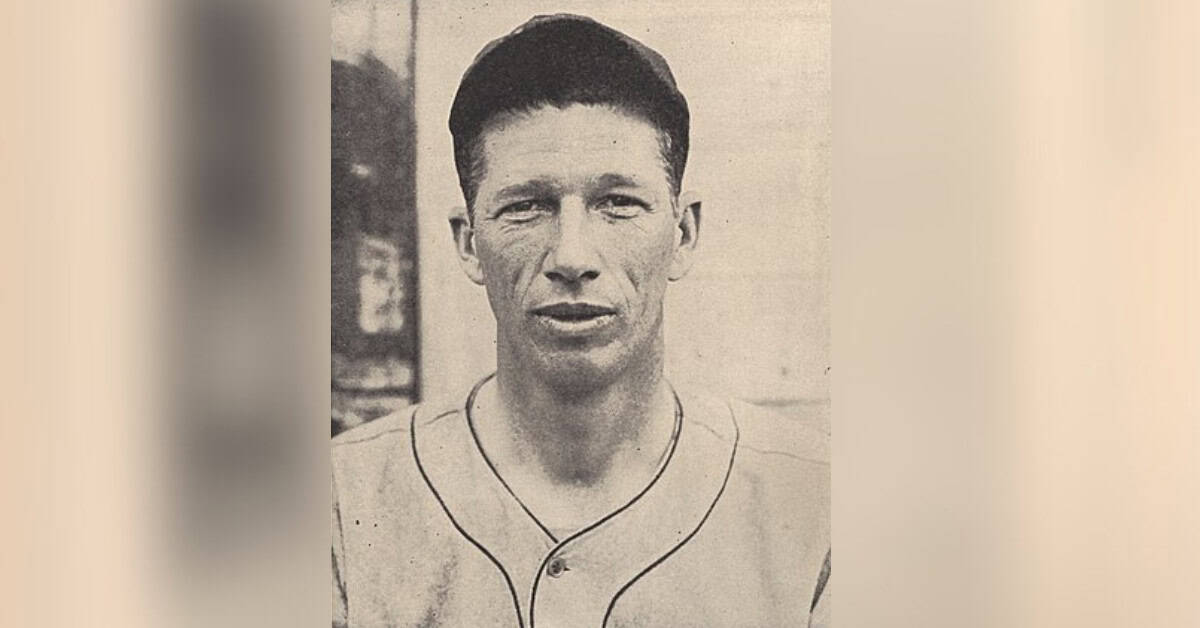
During the darkest days of the Great Depression, Lefty Grove’s blazing fastball provided one of the few bright spots for baseball fans who needed something to believe in. The Athletics ace threw so hard that his heater seemed to cut through the economic gloom like a ray of sunshine, and his fiery temperament matched the velocity of his pitches. Grove’s fastball wasn’t just fast—it was a symbol of hope in an era when hope was in short supply.
Ryne Duren’s Coke-Bottle Glasses and 100 MPH Terror
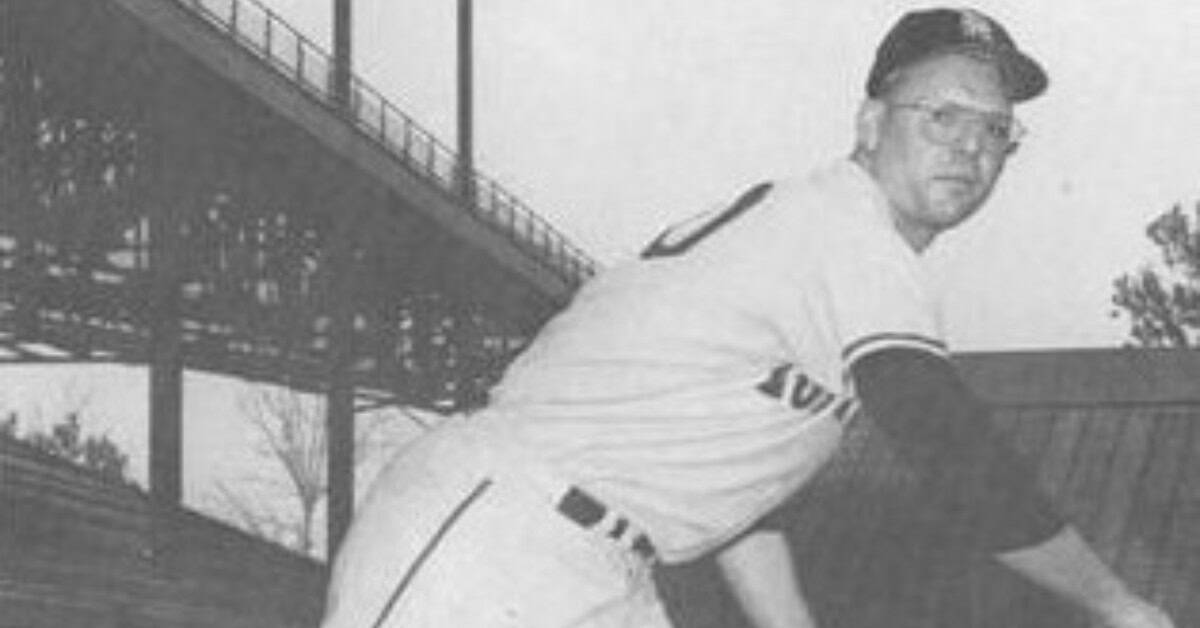
Ryne Duren looked like a librarian who happened to throw 100 mph fastballs, and those thick Coke-bottle glasses only added to the terror of facing him. Batters would step into the box wondering if this nearly-blind man could actually see home plate, then watch in horror as his heater exploded past them with pinpoint accuracy. The psychological warfare was perfect—how do you hit a fastball from someone who looks like he can’t see past his own glove?
Mark Wohlers’ 103 MPH World Series Closer That Owned October

Mark Wohlers’ 103 mph fastball turned the ninth inning into appointment television during the Braves’ 1990s dynasty, and October baseball was never more electric than when he took the mound. The Georgia native would rear back and fire heat that seemed to accelerate as it crossed the plate, making even the best hitters look helpless in the biggest moments. When Wohlers was on, the game was over before the batter even had time to think about swinging.
Amos Rusie’s 19th Century Cannonball That Started It All
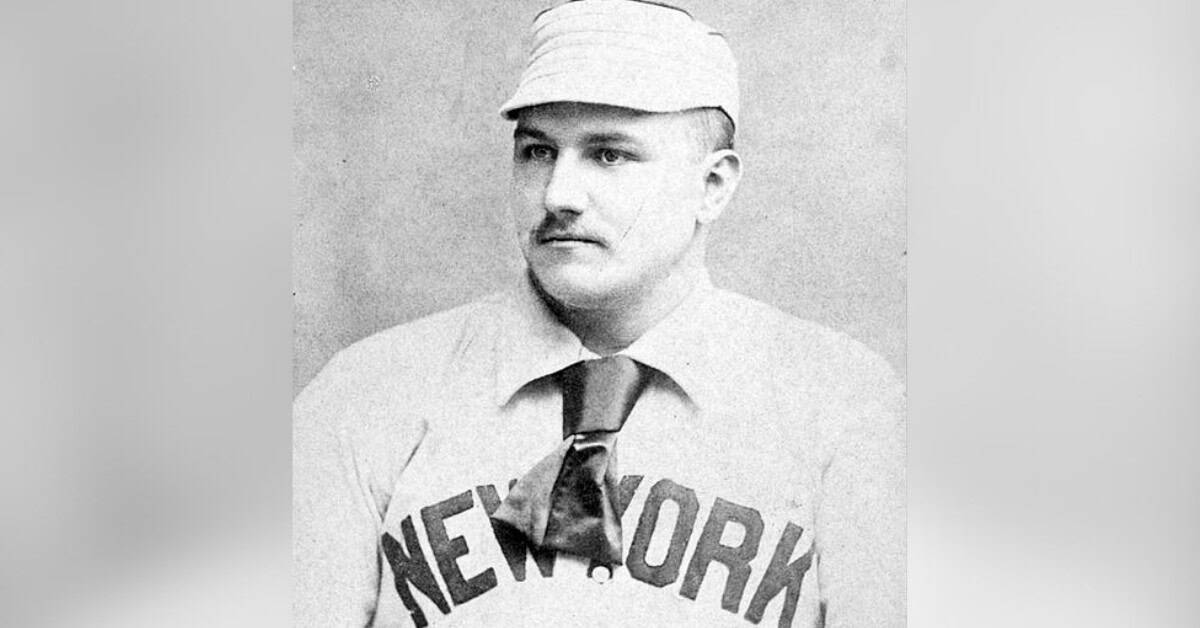
Before anyone knew what a fastball could be, Amos Rusie was throwing cannonballs in the 1890s that were so intimidating they literally changed the rules of baseball. “The Hoosier Thunderbolt” threw so hard that they moved the pitcher’s mound back from 50 feet to 60 feet, 6 inches just to give batters a fighting chance. Rusie’s heater was so legendary that it became the measuring stick for every hard thrower who followed, making him the godfather of the modern fastball.
Dick Radatz’s “Monster” Fastball That Ate Fenway Alive
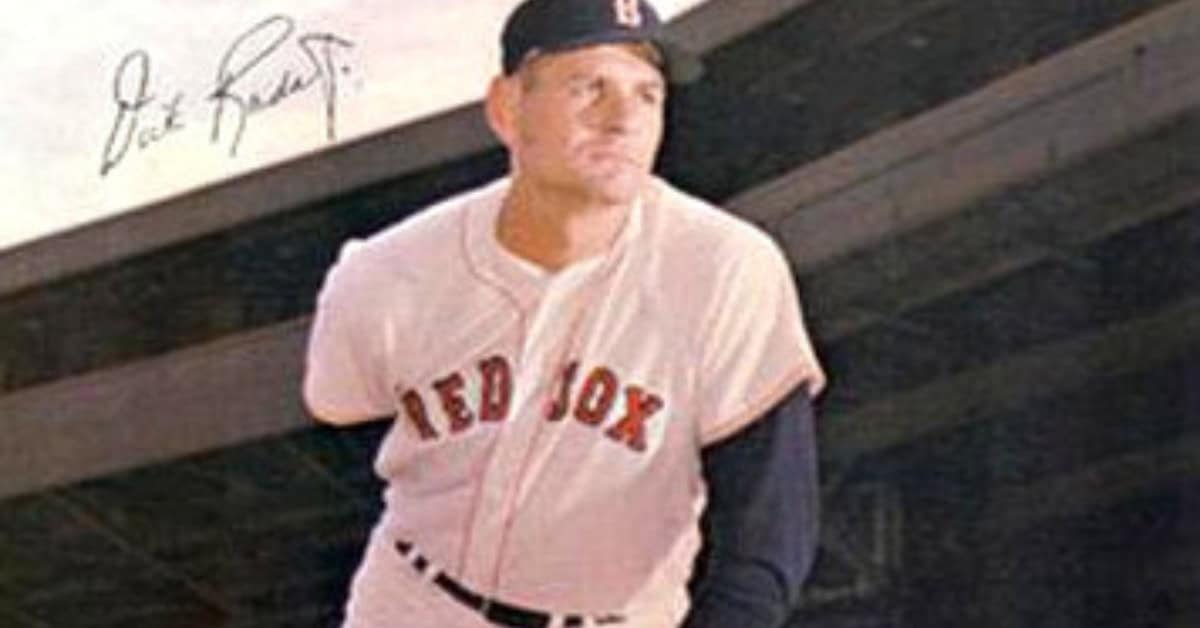
Dick “The Monster” Radatz was 6’6″ and 230 pounds of pure intimidation, and his fastball turned Fenway Park into his personal house of horrors for opposing hitters. The Red Sox closer would lumber to the mound like Frankenstein’s monster, then unleash 100 mph heat that made the Green Monster look small by comparison. Radatz’s heater was so overpowering that he once struck out the side on nine pitches, leaving batters wondering what had just hit them.
Sandy Koufax’s Jewish Lightning That Struck Out the World
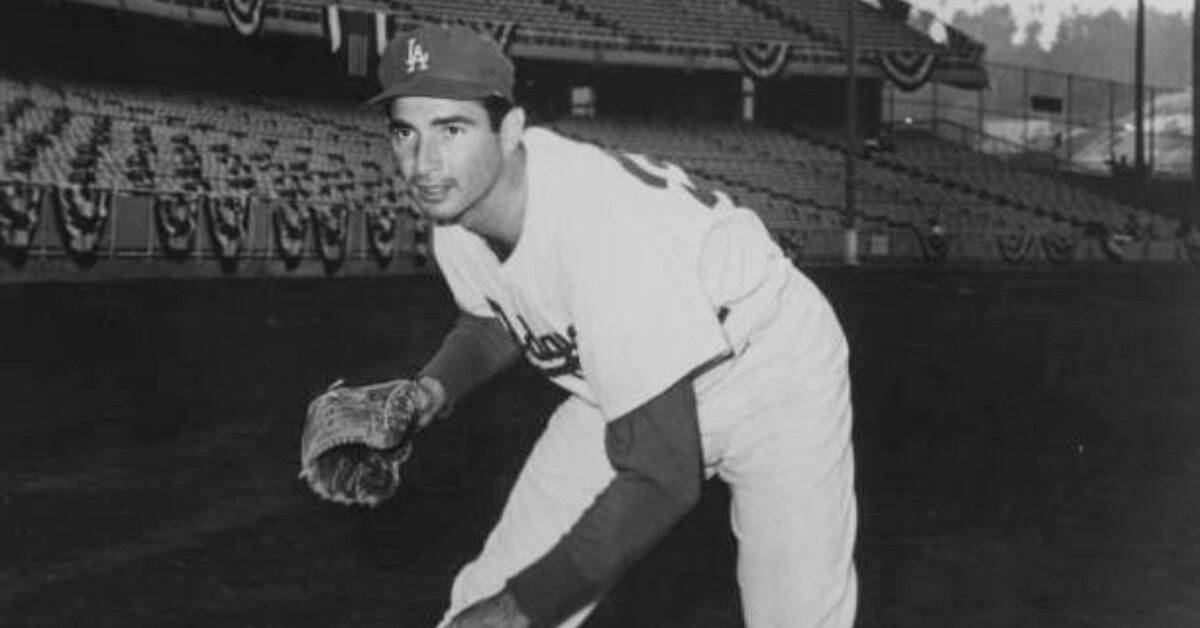
Sandy Koufax’s fastball was pure poetry in motion, a left-handed bolt of lightning that seemed to hop and dance as it exploded past helpless batters. The Dodgers ace could throw 95 mph heat with the precision of a surgeon, and when combined with that devastating curveball, it made him virtually unhittable during his peak years. Koufax’s heater didn’t just strike out batters—it struck out entire lineups, entire seasons, and eventually entire decades of baseball history.
Lee Smith’s Closer Heat That Slammed Doors Shut
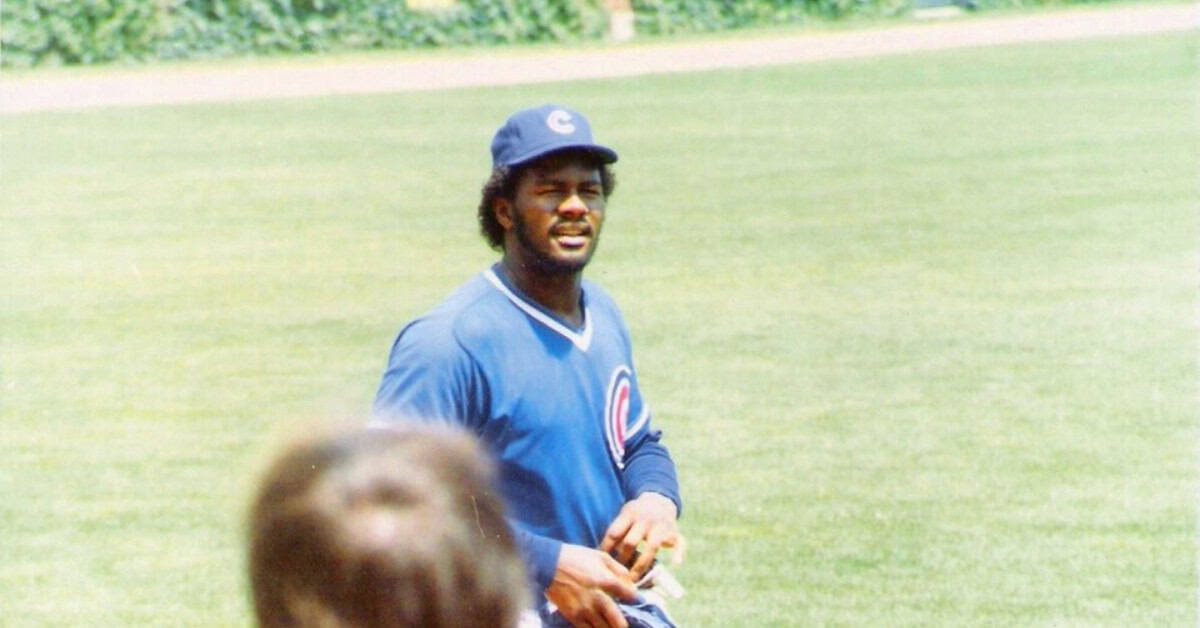
Lee Smith was 6’6″ and threw 95 mph fastballs with the authority of a man who knew the game was over before it started. The intimidating closer would stride to the mound in the ninth inning like an executioner, and his heater would slam the door on opposing rallies with the finality of a judge’s gavel. Smith’s fastball didn’t just end games—it ended hope, leaving batters walking back to the dugout before they even realized they’d been beaten.
Rob Dibble’s Nasty Boys Fastball That Terrorized Cincinnati
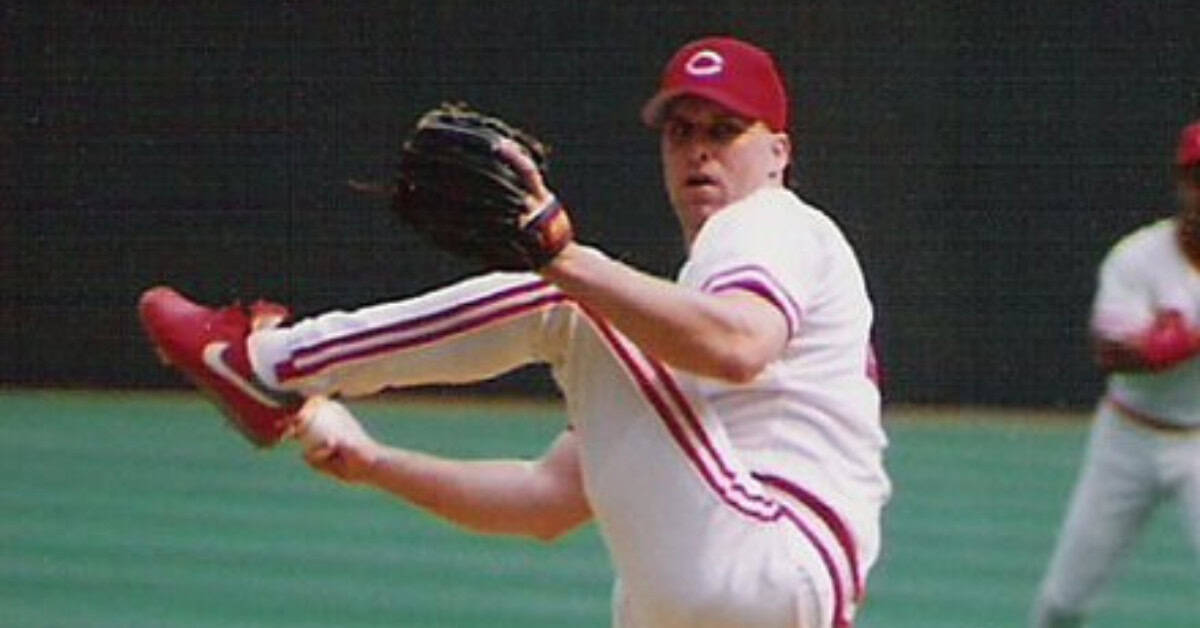
Rob Dibble’s 100 mph fastball was the perfect weapon for Cincinnati’s “Nasty Boys” bullpen, a heater so wild and intimidating that batters never knew if it was coming for the strike zone or their heads. The volatile right-hander would rear back and fire heat with the unpredictability of a loaded cannon, and his fastball had so much movement that even he wasn’t sure where it was going. Dibble’s heater didn’t just overpower hitters—it psychologically destroyed them with the constant threat that the next pitch might be their last.