

Last Updated: June 17th, 2026 by Matthew Brown
Before WAR, before Statcast, before social media turned every highlight into a viral sensation, these players were quietly revolutionizing baseball. They might not have made the Hall of Fame speeches or gotten the big endorsement deals, but anyone who truly knows the game understands: these overlooked stars changed baseball forever.
Don't lose this article. Enter your email below, and I'll send it to you right now. Plus, we'll send you other unbelievable stories from baseball's past.
Gene Tenace: The Catcher Who Revolutionized Walking
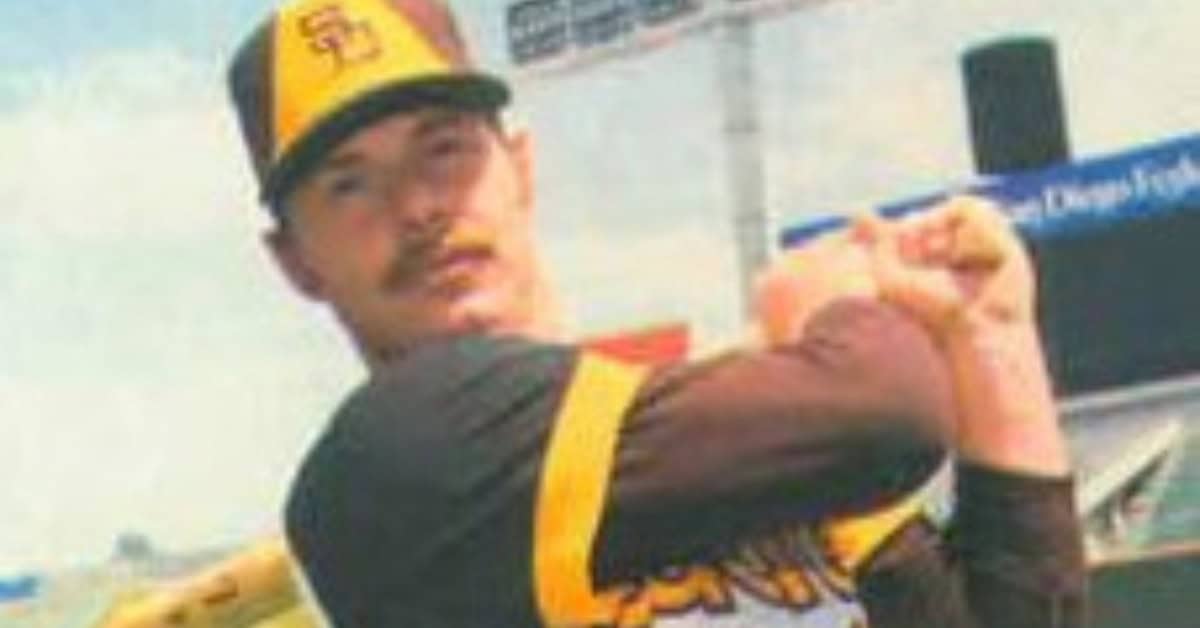
Before “Moneyball” made on-base percentage famous, Tenace was drawing walks at an elite level from the catcher position. His .388 career OBP was revolutionary for a backstop in the 1970s, and his patient approach at the plate helped transform how catchers were valued.
Bobby Grich: When Defense Finally Got Its Due
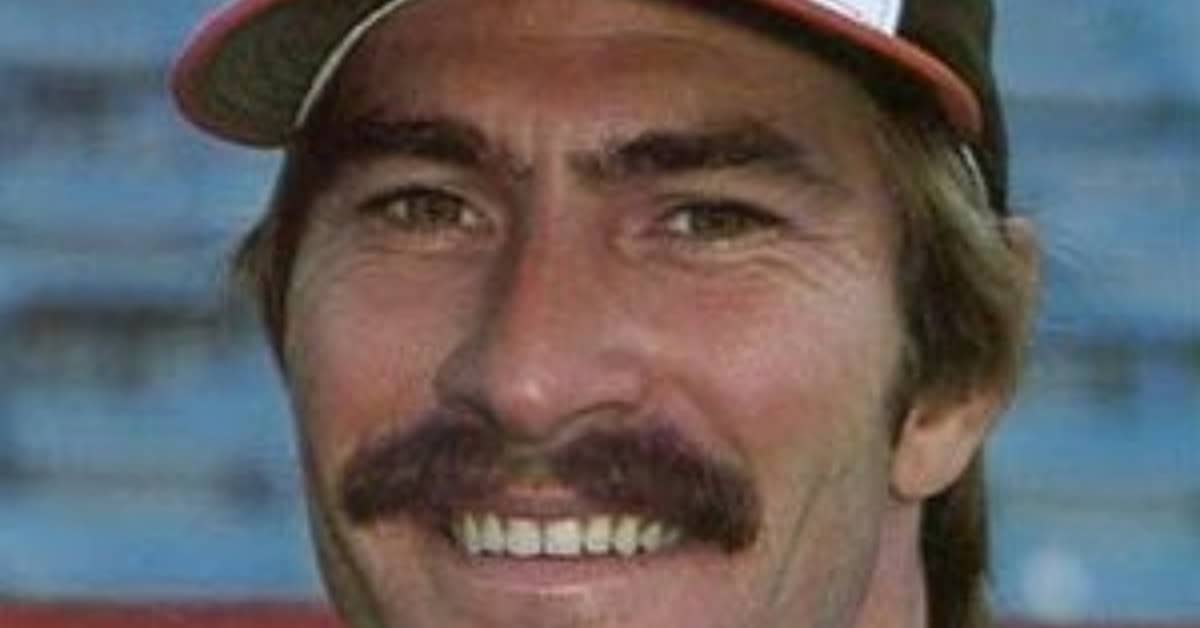
Grich’s combination of power and defensive excellence at second base was decades ahead of its time. His four Gold Gloves barely hint at his revolutionary impact – he was turning double plays with computer-like precision when most middle infielders were still prized mainly for their batting averages.
Curt Flood: The Man Who Lost Everything For Free Agency

While others enjoy multimillion-dollar contracts today, Flood sacrificed his career challenging baseball’s reserve clause. His Supreme Court case might have failed, but his courage in standing up to the establishment paved the way for modern free agency – even if he never got to benefit from it himself.
Ted Simmons: Switch-Hitting Before It Was Cool
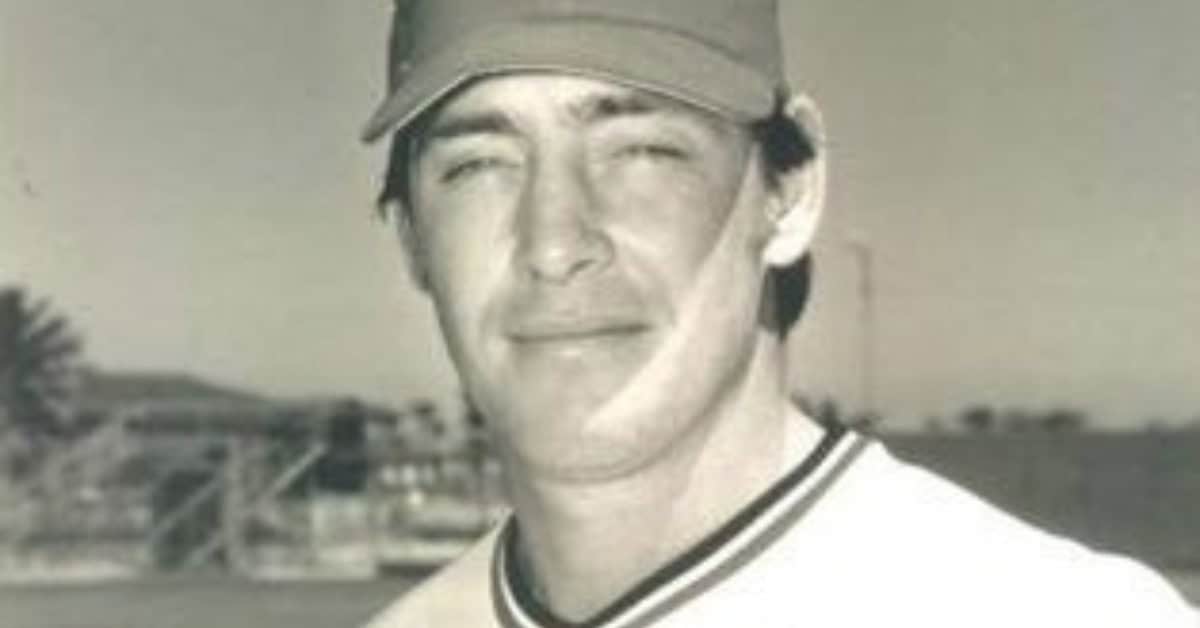
Simba was redefining the catcher position while Johnny Bench was getting all the headlines. His .285 career average and switch-hitting prowess from the catcher position set the template for modern backstops, even if it took decades for the Hall of Fame to finally notice.
Mark Belanger: The Wizard Before Ozzie
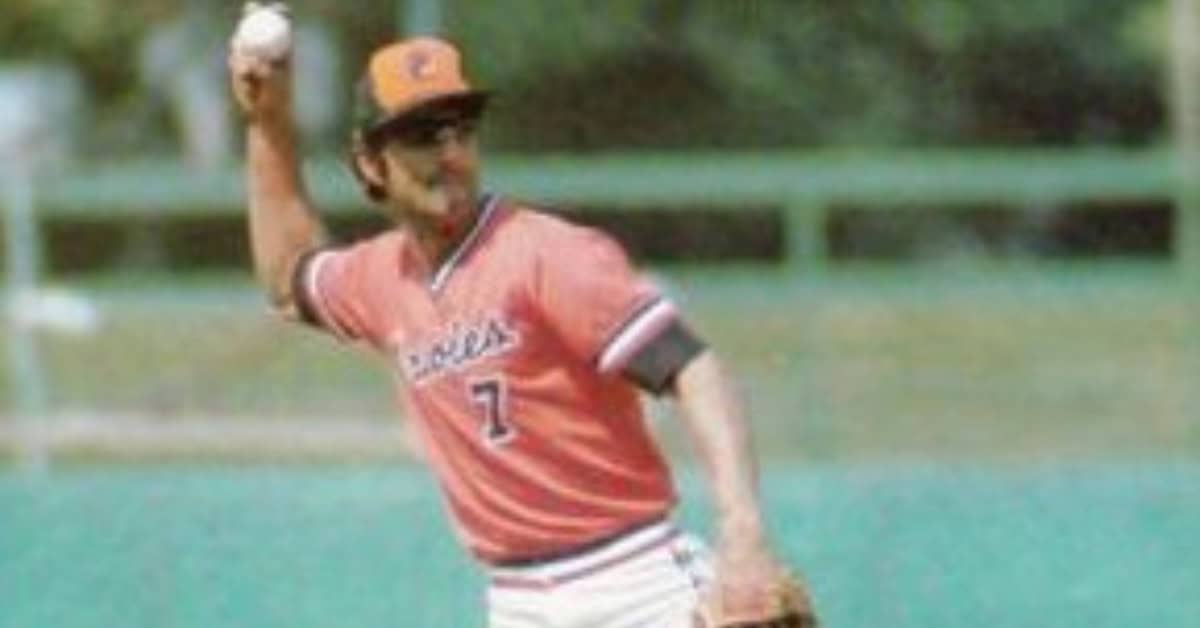
The Blade’s glove work at shortstop was so transcendent that the Orioles kept him in the lineup for 18 years despite a .228 career average. His eight Gold Gloves only hint at how he revolutionized infield defense, making plays that wouldn’t be considered routine until Ozzie Smith came along.
Darrell Evans: Power Hitting’s Forgotten Pioneer
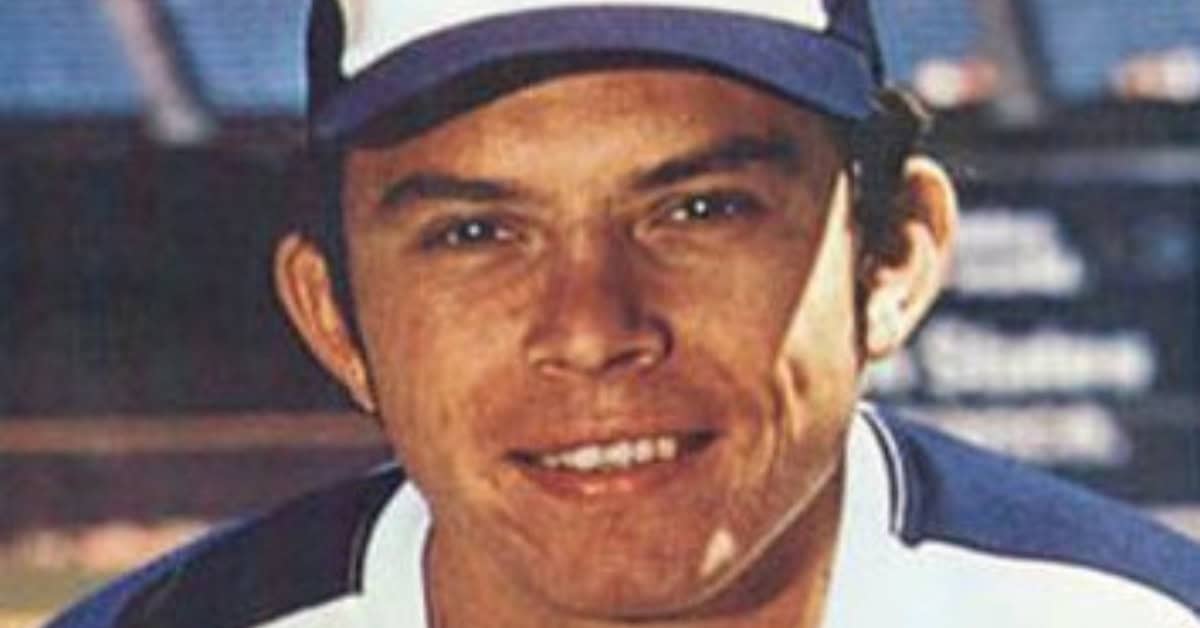
Evans became the first player to hit 40 homers in a season in both leagues, yet rarely made headlines. His combination of power and patience (over 1,600 walks) would be worth millions today, but in the 1970s and ’80s, his subtle excellence went largely unnoticed.
Rick Reuschel: Big Daddy’s Hidden Cy Young Years
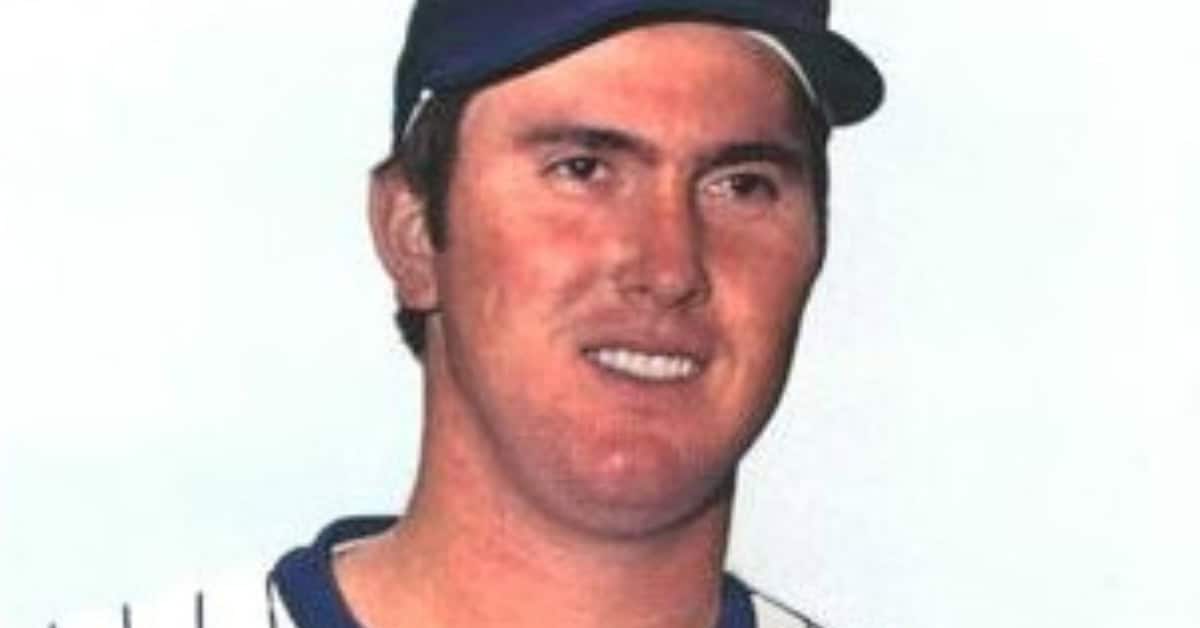
Big Daddy’s brilliance was masked by awful Cubs teams and a body type that didn’t match the stereotype of an ace. Modern analytics reveal his true dominance – his ability to induce weak contact and field his position made him decades ahead of his time.
Dave Stieb: The Blue Jays’ Almost Perfect Ace

Before there was Roy Halladay, Stieb was Toronto’s first dominant ace, losing three no-hitters in the ninth inning before finally getting one. His slider was arguably the best of the 1980s, and his 57 WAR stands as testament to consistent excellence that deserved far more recognition.
Bill Freehan: The Brain Behind Detroit’s Dynasty
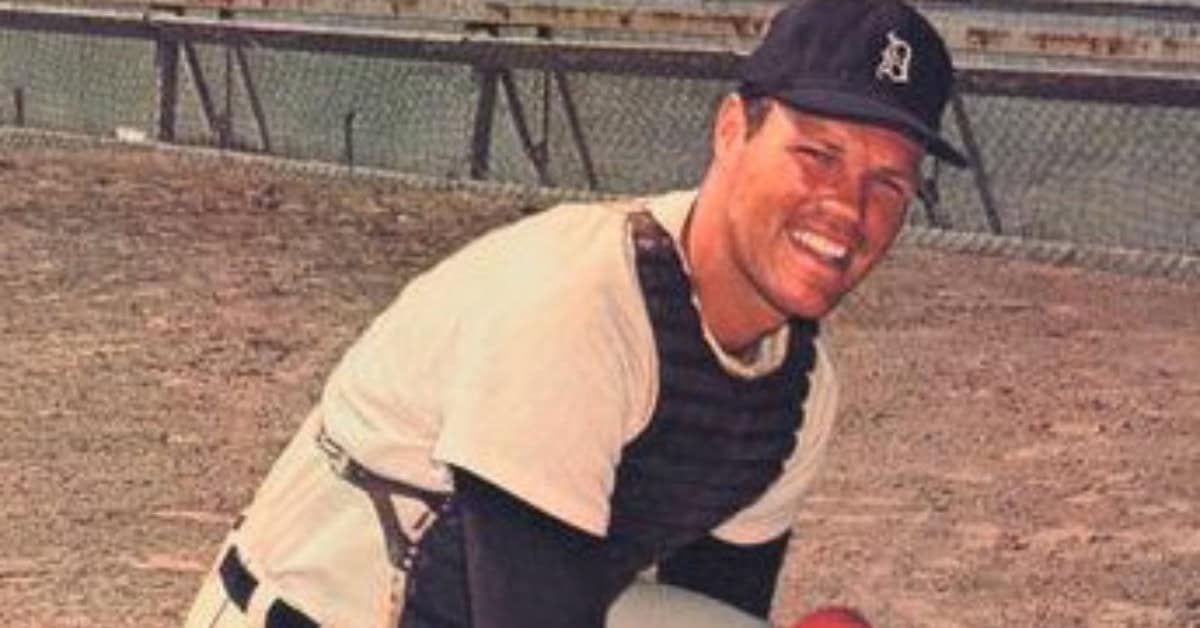
The rock behind Detroit’s dominant pitching staffs of the 1960s, Freehan’s game-calling and defensive excellence helped define modern catching. His handling of Mickey Lolich in the 1968 World Series remains a master class in battery teamwork, even if few remember his name today.
Tony Phillips: Baseball’s First Super-Utility Star
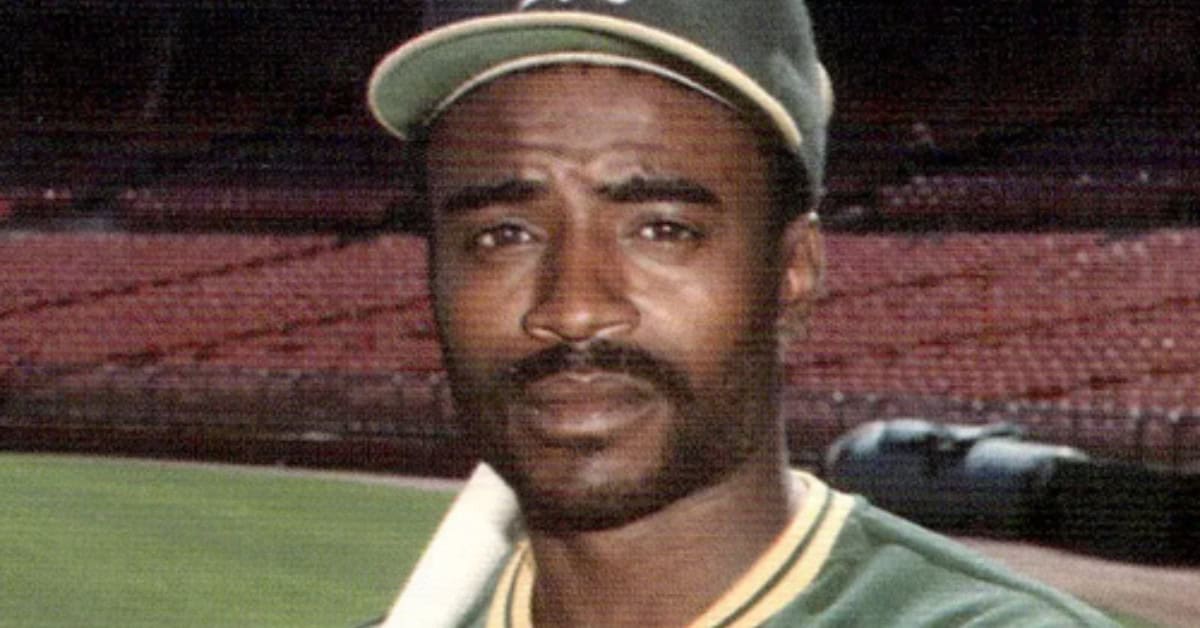
Before Ben Zobrist and Chris Taylor made utility players fashionable, Phillips was playing six positions at an All-Star level. His versatility and on-base skills (.374 career OBP) created the template for modern super-utility players, transforming how managers build their rosters.