
Last Updated: June 17th, 2026 by Matthew Brown
Before showcase tournaments and elite travel teams, baseball’s greatest players emerged from America’s forgotten corners. From factory towns to farming communities, these unlikely locations shaped the swings and spirits of the game’s immortals. Here are ten underdog cities that produced baseball greatness when nobody was looking.
Don't lose this article. Enter your email below, and I'll send it to you right now. Plus, we'll send you other unbelievable stories from baseball's past.
Mobile, AL: The Home Base of Five Hall of Fame Neighbors

How did one Southern city produce Hank Aaron, Willie McCovey, Satchel Paige, Billy Williams (technically from nearby Whistler), and Ozzie Smith? Mobile’s secret weapon was a vibrant semi-pro scene that turned empty lots into baseball academies. The city’s segregated past meant these future Hall of Famers couldn’t always play together, but they all learned the game on the same red clay that still produces major league talent today.
Donora, PA: The Toxic Town That Birthed Two Baseball Icons

The steel mill town of Donora, Pennsylvania, somehow produced Stan Musial and was the shared birthplace of both Ken Griffey Sr. and Ken Griffey Jr. The same zinc works that would later cause the deadly 1948 smog disaster also forged the toughness of two baseball dynasties. Stan “The Man” learned his smooth swing on the banks of the Monongahela, while the Griffeys turned the town’s hardscrabble streets into their personal training ground.
Hibbing, MN: Where Roger Maris Learned to Swing
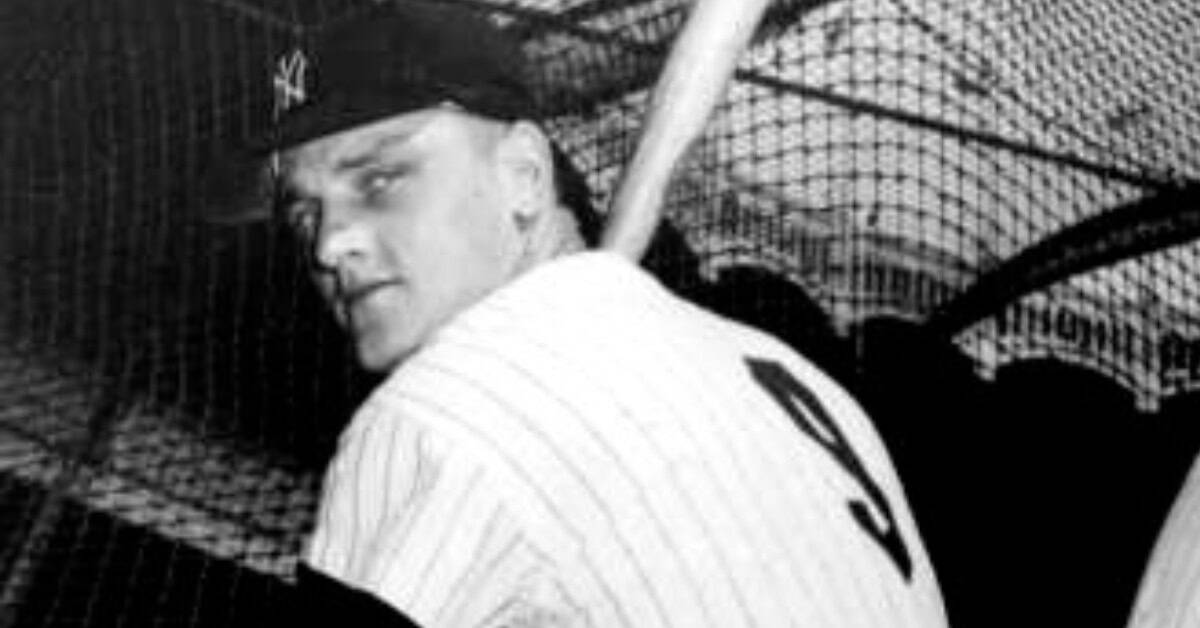
Before he chased Babe Ruth’s record, Roger Maris honed his swing in Hibbing. The future Yankees slugger then played Northern League ball in Keokuk, Iowa, learning to battle both breaking balls and brutal Midwest winds. Those who watched him play swear they knew greatness was coming, even if the rest of baseball wouldn’t believe it until 1961.
Sudlersville, MD: The Tiny Town That Gave Us Jimmie Foxx
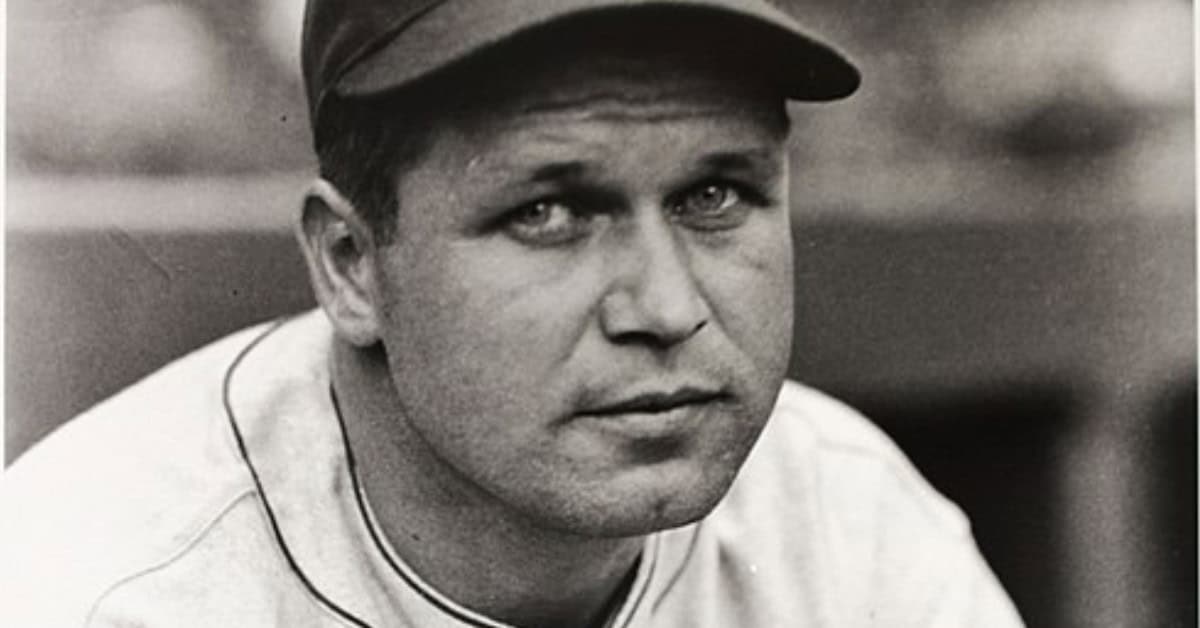
Population 497, and that’s on a busy day. Yet this tiny Maryland farming community produced “Double X,” one of baseball’s most fearsome sluggers. Jimmie Foxx developed his legendary strength working on his family’s farm, and locals still tell stories about the teenage Foxx hitting balls clear over the town’s grain elevator. The town’s welcome sign might be the only one in America that mentions a slugging percentage.
Vinegar Bend, AL: The Whistle Stop That Named a Pitcher
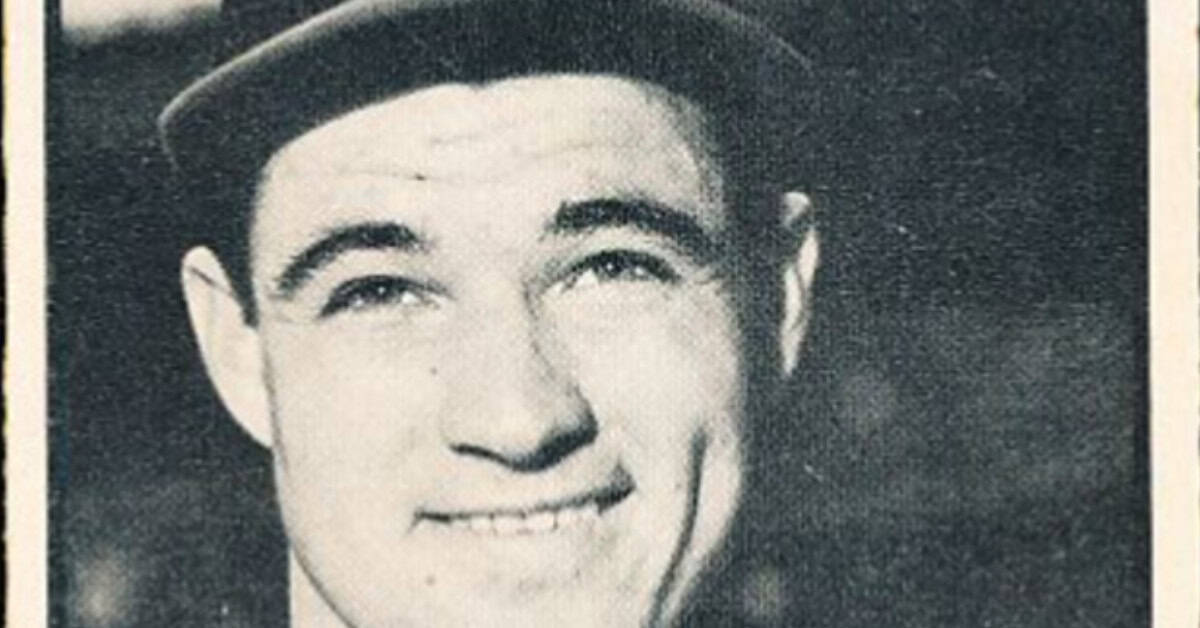
Population 192 on a good day, this tiny Alabama hamlet was so small that Wilmer Mizell became better known by its name: “Vinegar Bend.” The future Pirates pitcher learned his craft by playing in Sunday leagues around Vinegar Bend at 16 years of age. After his major league career, Mizell became a member of the U.S. House of Representatives.
Spavinaw, OK: Mickey Mantle’s Small-Town Start

Population 437, but baseball history runs deep in this tiny Oklahoma town where Mickey Mantle first learned to switch-hit. His father, Mutt, would pitch to young Mickey for hours in a field behind their house, teaching him to bat from both sides to avoid the setting sun. That makeshift baseball diamond, carved out of Oklahoma dirt, helped produce one of the game’s greatest natural talents.
Jamestown, ND: Where Darin Erstad First Braved the Cold
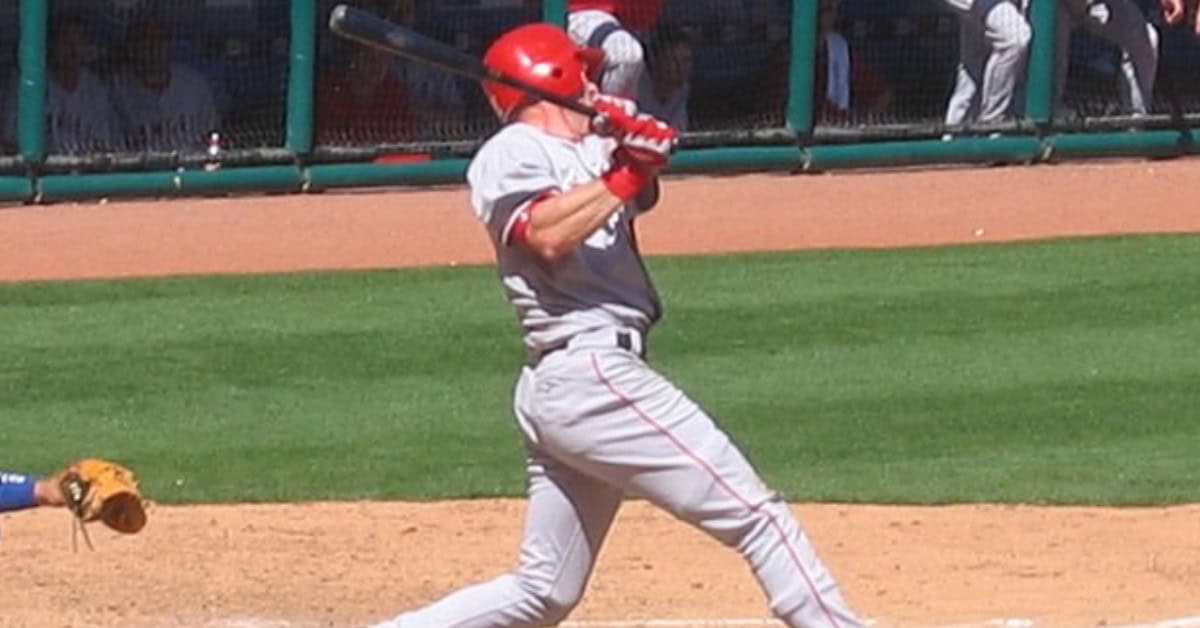
Playing baseball in Jamestown means dealing with snow in April and mosquitoes in July, but it also breeds toughness. Darin Erstad learned the game here, practicing in indoor facilities during the brutal winters and making the most of the brief summer season. That Nordic work ethic helped him become the first player in MLB history to win Gold Gloves as both an infielder and an outfielder.
Charlestown, NH: The Village That Shaped Carlton Fisk

Before he was waving his famous World Series home run fair, Carlton Fisk was learning baseball’s fundamentals on Charlestown’s postage stamp-sized diamonds. The town’s tight-knit community taught young “Pudge” the blue-collar work ethic that would define his Hall of Fame career.
Evansville, IN: Don Mattingly’s Hoosier Hometown
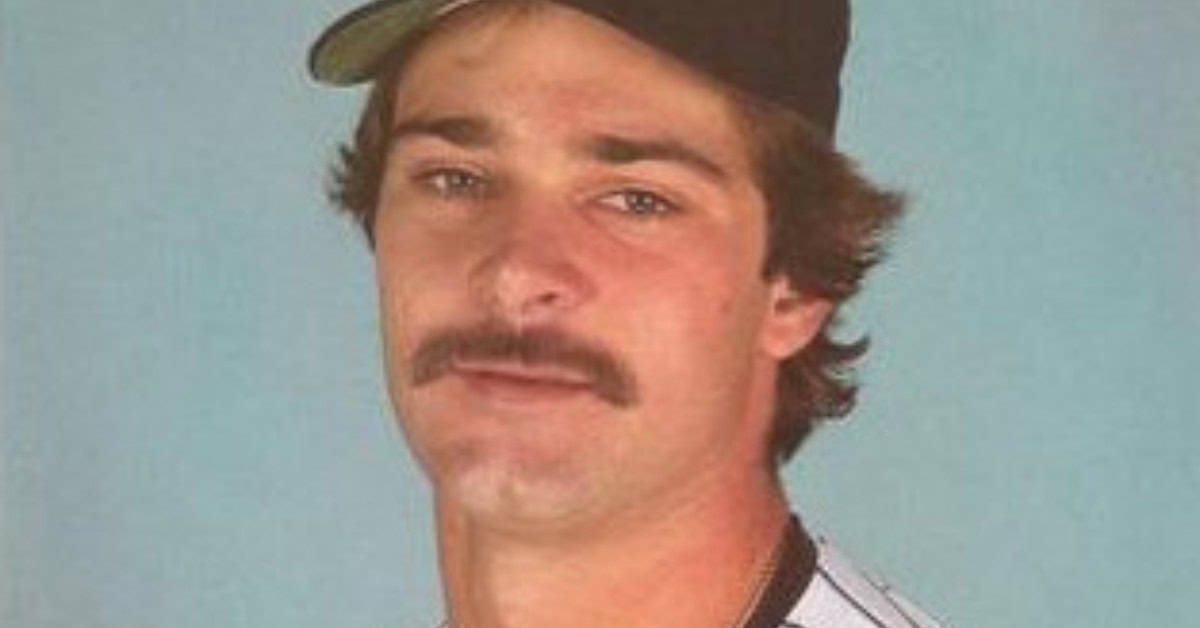
Before he became “Donnie Baseball,” Don Mattingly was just another kid playing in Evansville’s Garvin Park, taking endless swings in the summer humidity. The city’s rich baseball tradition, dating back to the early minor leagues, provided the perfect nurturing ground for his picture-perfect swing. Local coaches still teach young players to emulate Mattingly’s homework habits.
Santa Barbara, CA: Eddie Mathews’ Beachside Beginning

Before it became a tourist haven, Santa Barbara was a working-class town where Eddie Mathews learned to launch baseballs after his family moved there when he was six. The future Braves slugger developed his powerful swing playing on sun-baked fields between the mountains and the sea. Local old-timers still talk about teenage Mathews hitting balls into the ocean during batting practice at Pershing Park.