

Last Updated: June 17th, 2026 by Matthew Brown
Before launch angles and exit velocity turned every at-bat into a math equation, the sinker was baseball’s most honest pitch—a heavy, diving fastball that asked one simple question: can you hit what you can’t lift? These masters of the sinking fastball didn’t just throw strikes; they threw bowling balls disguised as baseballs, watching as line drives turned into harmless grounders and would-be home runs died quiet deaths in the infield dirt. You’ll see “two-seamer” throughout this article, as the two-seam fastball has been largely synonymous with the sinker over the years.
Don't lose this article. Enter your email below, and I'll send it to you right now. Plus, we'll send you other unbelievable stories from baseball's past.
Greg Maddux’s Two-Seamer That Made Hitters Look Like Fools

The Professor’s two-seamer was like watching a master class in physics, diving and tailing with movement so subtle it seemed to bend the laws of nature. Maddux would grip his sinker with the precision of a surgeon, then watch as it painted corners and induced weak contact from hitters who thought they had him figured out. That two-seamer didn’t just get outs—it gave hitters a PhD-level education in how 88 mph could look unhittable.
Brandon Webb’s Sinker That Ate Infields Like Pac-Man
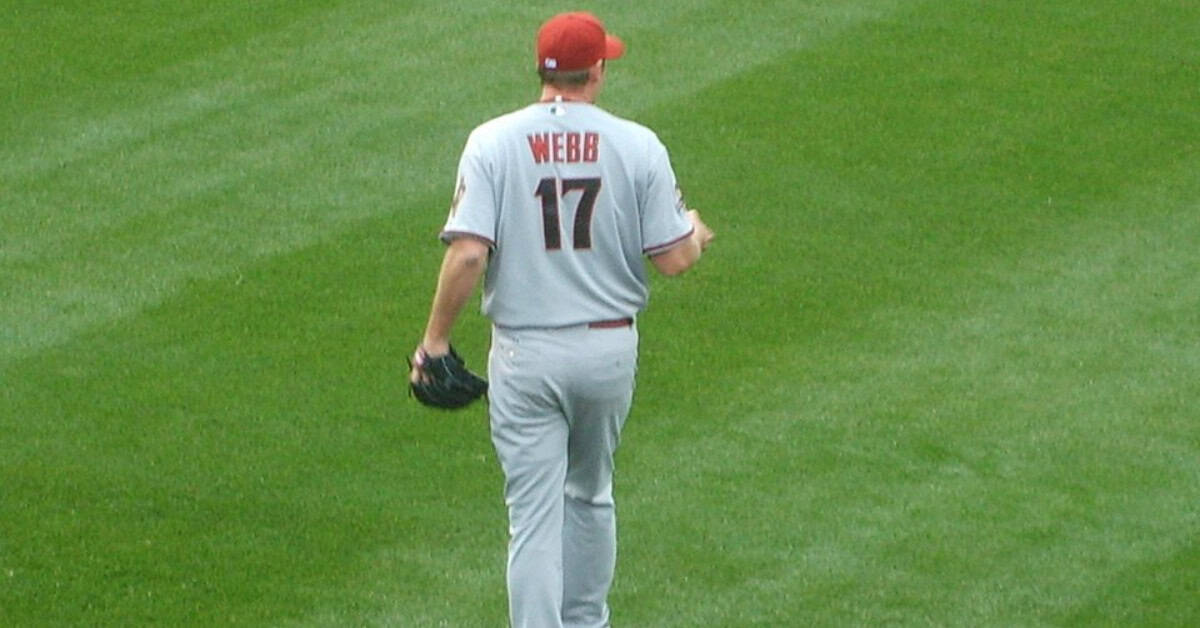
Webb’s sinker was so devastating that it turned Chase Field into a graveyard for offensive statistics, diving toward home plate like a rock thrown off the Grand Canyon. The Diamondbacks ace would release his signature pitch and watch as it generated ground balls with the reliability of a vending machine dispensing candy. When Webb’s sinker was working—which was most of the time during his Cy Young years—opposing hitters looked like they were trying to golf their way out of quicksand.
Derek Lowe’s Ground Ball Machine That Won a World Series
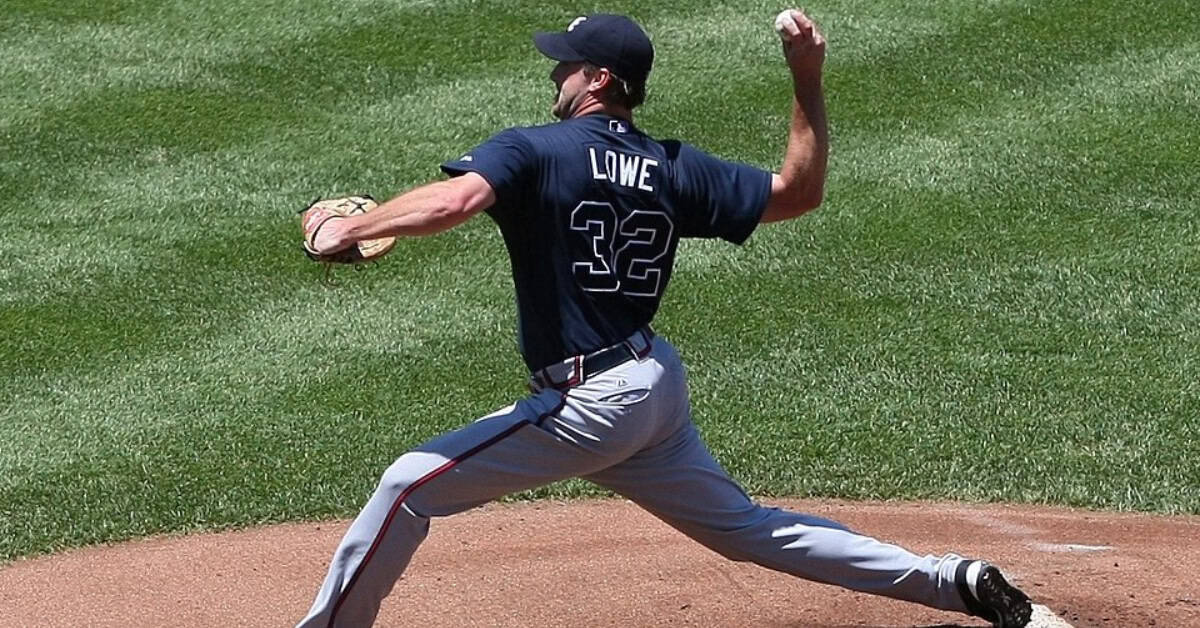
Lowe’s sinker was the secret weapon that helped break the Curse of the Bambino, diving through October air like hope made visible for Red Sox Nation. The crafty right-hander would grip his heavy ball with the confidence of someone who knew that ground balls win championships, then watch as it induced weak contact from Yankees and Cardinals alike. That sinker didn’t just win games—it won hearts, proving that sometimes the most beautiful things in baseball happen closest to the ground.
Tim Hudson’s Sinker That Made Oakland Believe in Small Ball
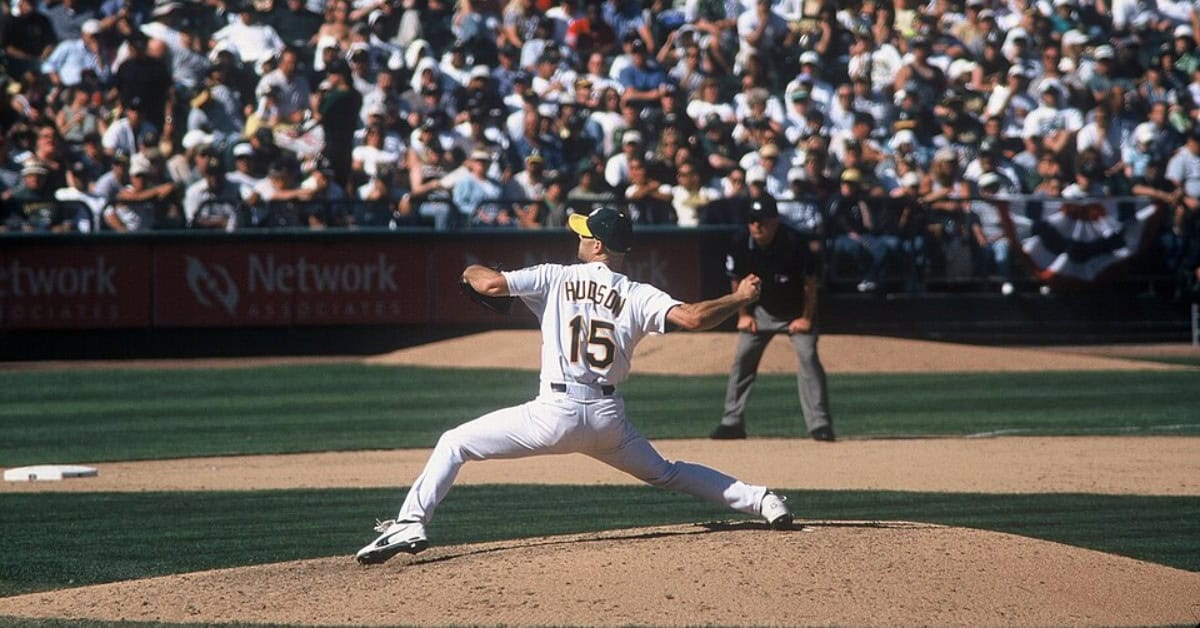
Hudson’s sinker was the perfect pitch for Moneyball-era Oakland, diving toward home plate with the efficiency of a Billy Beane spreadsheet come to life. The diminutive right-hander would release his heavy fastball with the confidence of someone who understood that wins didn’t always come from overpowering stuff. When Hudson’s sinker was working, the Coliseum buzzed with the excitement of watching David beat Goliath one ground ball at a time.
Chien-Ming Wang’s Sinker That Made Yankee Stadium Shake
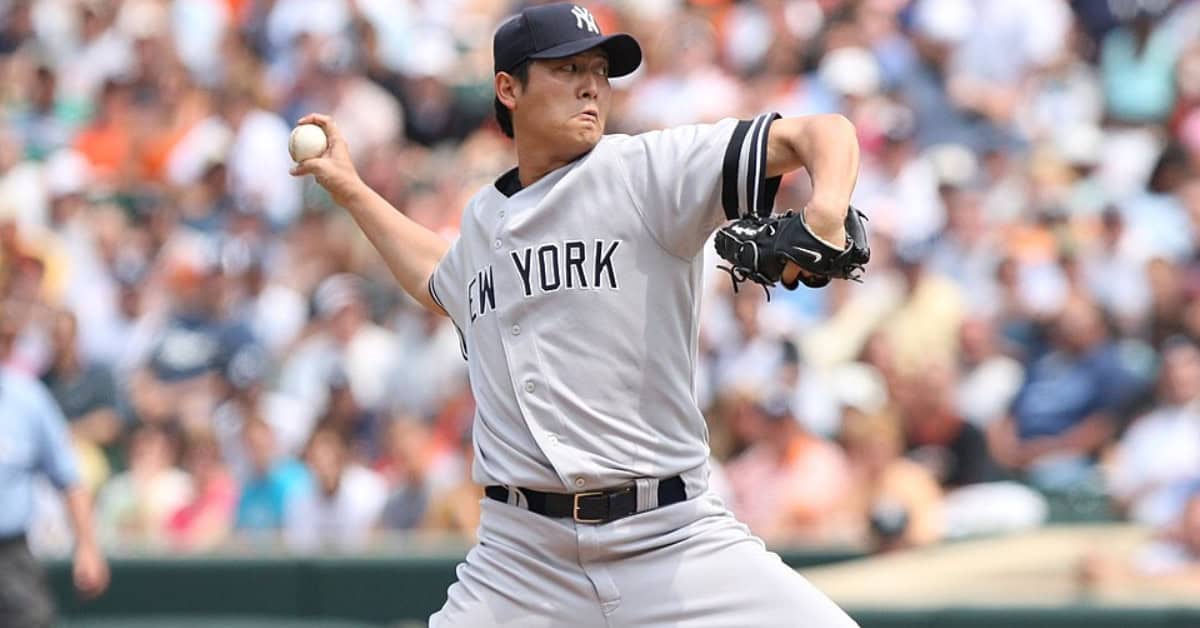
Wang’s sinker was like a wrecking ball disguised as a baseball, diving through the Bronx air with movement so dramatic it made the House That Ruth Built tremble. The Taiwanese sensation would grip his heavy fastball with fingers that seemed to understand gravity better than most physicists, then watch as it generated ground balls with assembly-line efficiency. When Wang was dealing, Yankee Stadium felt like a factory producing double plays and easy outs.
Jake Peavy’s Sinker That Made Petco Park His Personal Playground
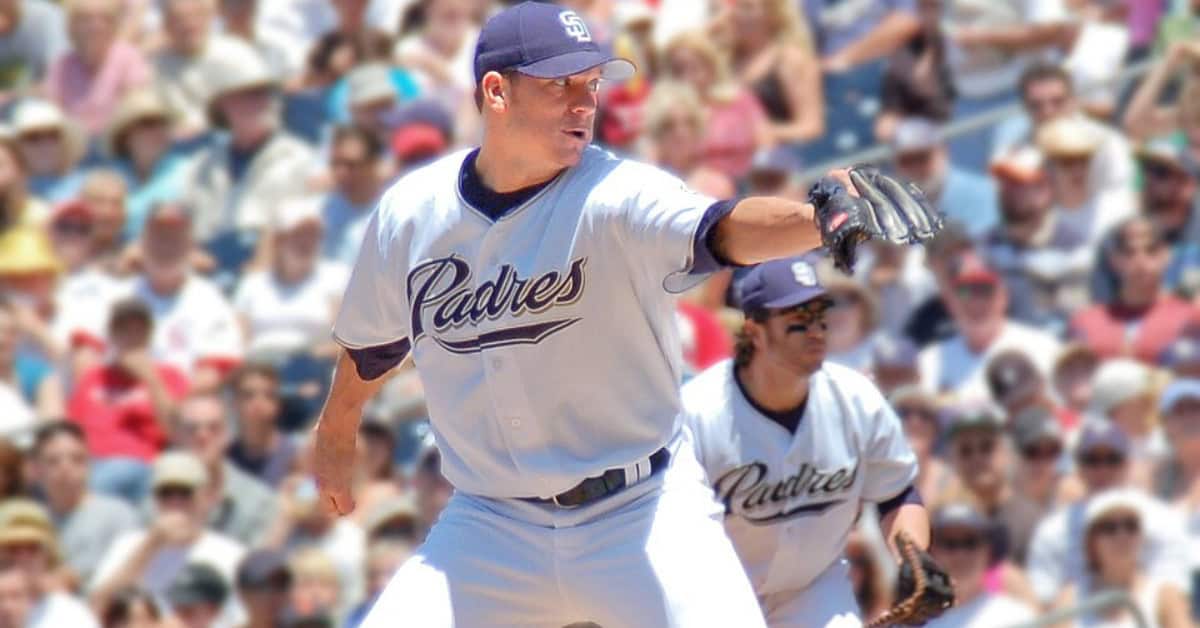
Peavy’s sinker was perfectly suited for San Diego’s pitcher-friendly confines, diving through the marine layer like a seagull hunting for fish. The fiery right-hander would release his heavy fastball with the intensity of someone who took every at-bat personally, watching as it generated weak contact from hitters who thought they could take advantage of Petco’s dimensions. That sinker turned what should have been a hitter’s paradise into a pitcher’s personal kingdom.
Kevin Brown’s Heavy Ball That Broke More Than Just Bats

Brown’s sinker was so heavy it seemed to carry the weight of his perfectionist personality, diving toward home plate with 95 mph fury that made even the best hitters question their career choices. The intimidating right-hander would grip his signature pitch with hands that looked like they could crush walnuts, then watch as it shattered bats and egos with equal efficiency. When Brown’s sinker was working—which was most of his All-Star career—opposing lineups looked like they were facing a bowling ball thrown by an angry giant.
Roy Halladay’s Sinker That Made Perfect Games Look Routine

Doc’s sinker was a precision instrument that turned pitching into an art form, diving through the strike zone with the reliability of a Swiss timepiece. Halladay would deliver his heavy fastball with mechanical perfection, watching as it induced ground balls and weak pop-ups from hitters who felt like they were facing a pitching machine programmed by NASA. When that sinker was working, perfect games weren’t just possible—they were inevitable.
Felix Hernandez’s Sinker That Made Seattle Forget About Rain

King Felix’s sinker was like sunshine breaking through Seattle’s perpetual clouds, diving toward home plate with movement that made Safeco Field feel like a palace. The Venezuelan monarch would grip his heavy fastball with royal authority, then watch as it generated ground balls with the consistency of Pacific Northwest precipitation. When Felix’s sinker was working, Mariners fans forgot all about the weather and focused on watching pure baseball artistry.
Justin Masterson’s Sinker That Made Cleveland Crowds Stand

Masterson’s sinker was a thing of beauty that gave Cleveland fans something to cheer about during lean years, diving through Progressive Field like hope disguised as a baseball. The towering right-hander would release his heavy fastball from a high arm slot, watching as it dropped off the table and induced ground balls from bewildered hitters. When Masterson’s sinker was working, even the most pessimistic Indians fans found themselves standing and applauding pure pitching artistry.
Orel Hershiser’s Sinker That Made 1988 Magic in Los Angeles

The Bulldog’s sinker was the pitch that carried the Dodgers to their magical 1988 championship, diving through October air like destiny made visible. Hershiser would grip his heavy fastball with the quiet confidence of someone who understood that championships are built on ground balls and weak contact. When that sinker was working during his record-breaking scoreless streak, Dodger Stadium felt like a cathedral where miracles happened every fifth day.
Zack Britton’s Sinker That Made Baltimore Closers Legendary

Britton’s sinker was so unhittable it made Camden Yards feel like a video game set on easy mode, diving toward home plate with movement that defied both physics and logic. The left-handed closer would grip his signature pitch with the confidence of someone who knew the game was already over, then watch as it generated ground balls from hitters who looked like they were swinging at ghosts. When Britton’s sinker was working, which was almost always during his dominant 2016 season, saves weren’t just automatic—they were works of art.
Aroldis Chapman’s Sinker That Made 100 MPH Look Easy

The Cuban Missile Sinkers was like watching a meteorite with a GPS system, diving toward home plate at triple-digit speeds while somehow finding the strike zone. Chapman would grip his heavy fastball with fingers that seemed to channel pure velocity, then watch as it generated swings and misses from hitters who were still processing what they’d just seen. When Chapman’s sinker was working, batters weren’t just overmatched—they were outclassed by a pitch that moved faster than most people’s reflexes.
Tommy John’s Sinker That Survived Surgery and Time

John’s sinker was like a fine wine that only got better with age, diving through multiple decades with movement that seemed to improve after his revolutionary surgery. The crafty left-hander would grip his signature pitch with fingers that had literally been rebuilt, then watch as it continued to fool hitters who thought they’d figured out his secrets. That sinker didn’t just survive Tommy John surgery—it thrived, proving that some things in baseball are truly timeless.
Dan Quisenberry’s Submarine Sinker That Made Kansas City Royal

Quiz’s submarine sinker was like watching a periscope fire torpedoes, rising from below sea level before diving toward home plate with devastating effectiveness. The unique closer would deliver his signature pitch from an arm slot that seemed to scrape the Kauffman Stadium turf, watching as it generated ground balls from hitters who’d never seen anything like it. When Quisenberry’s sinker was working, which was most of his dominant 1980s run, the Royals felt truly royal.
Mel Stottlemyre’s Sinker That Made Yankee Stadium Home

Stottlemyre’s sinker was the foundation of the Yankees’ excellence during the late 1960s, diving through the Bronx air with the reliability of a subway schedule. The crafty right-hander would grip his heavy fastball with fingers that understood the weight of pinstripe tradition, then watch as it generated ground balls from hitters who thought they could take advantage of Yankee Stadium’s dimensions. When Mel’s sinker was working, the House That Ruth Built felt like home for generations of Yankees fans.
Bartolo Colon’s Ageless Two-Seamer That Defied Father Time
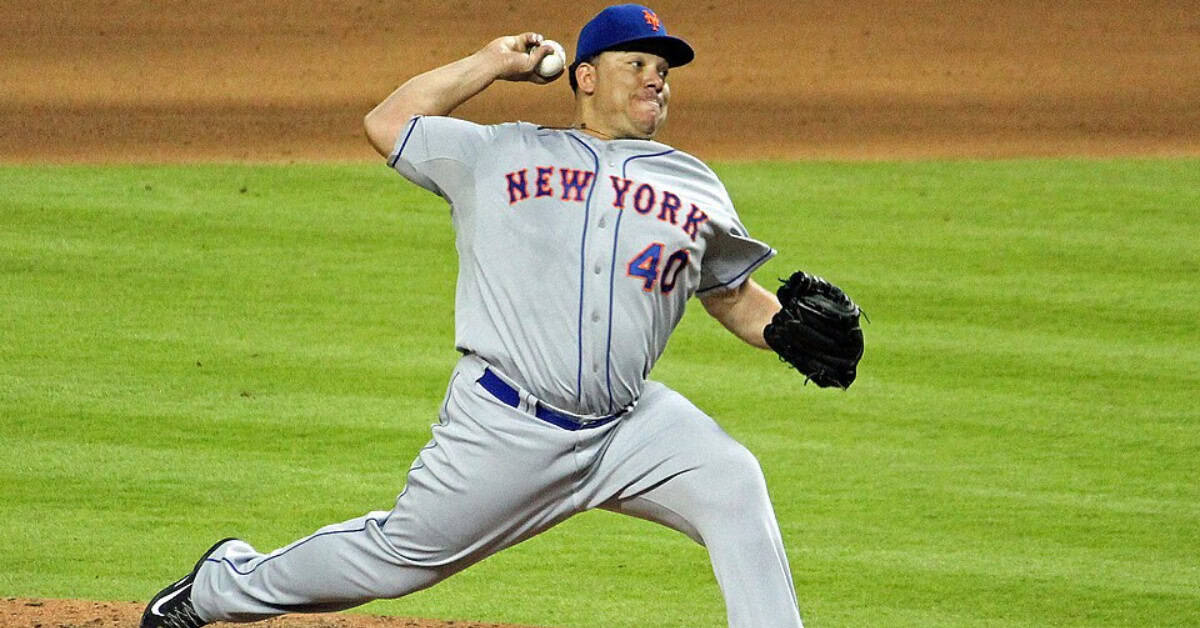
Big Sexy’s two-seamer was like watching a master class in aging gracefully, diving toward home plate with movement that seemed to improve like a vintage Dominican rum. Colon would grip his signature pitch with hands that had seen more baseball than most people see in a lifetime, then watch as it continued to fool hitters half his age. When Bartolo’s two-seamer was working, which was remarkably often well into his 40s, it proved that some things in baseball truly do get better with time.
Johnny Cueto’s Sinker That Made Cincinnati Shimmy
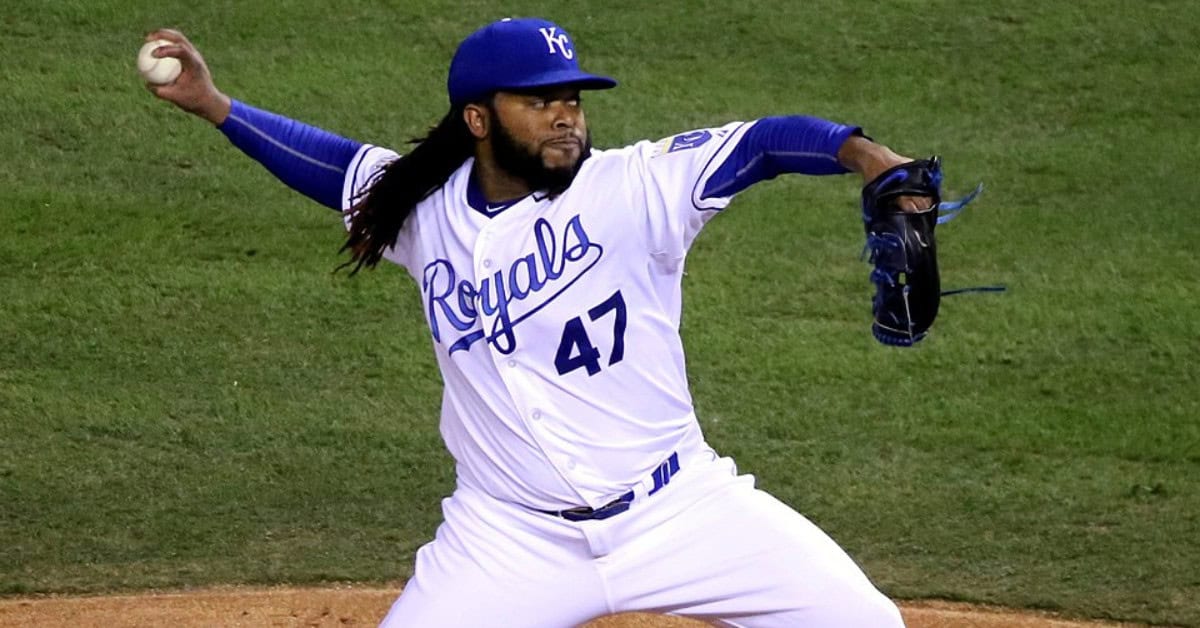
Cueto’s sinker was as unpredictable as his famous shimmy, diving toward home plate with movement that seemed choreographed by a salsa instructor. The Dominican right-hander would vary his delivery and timing, then release a sinker that danced through the strike zone like it was keeping rhythm with Latin music. When Cueto’s sinker was working, Great American Ball Park felt like a dance floor where only the pitcher knew the steps.
Jake Arrieta’s Sinker That Made Chicago Believe in Magic
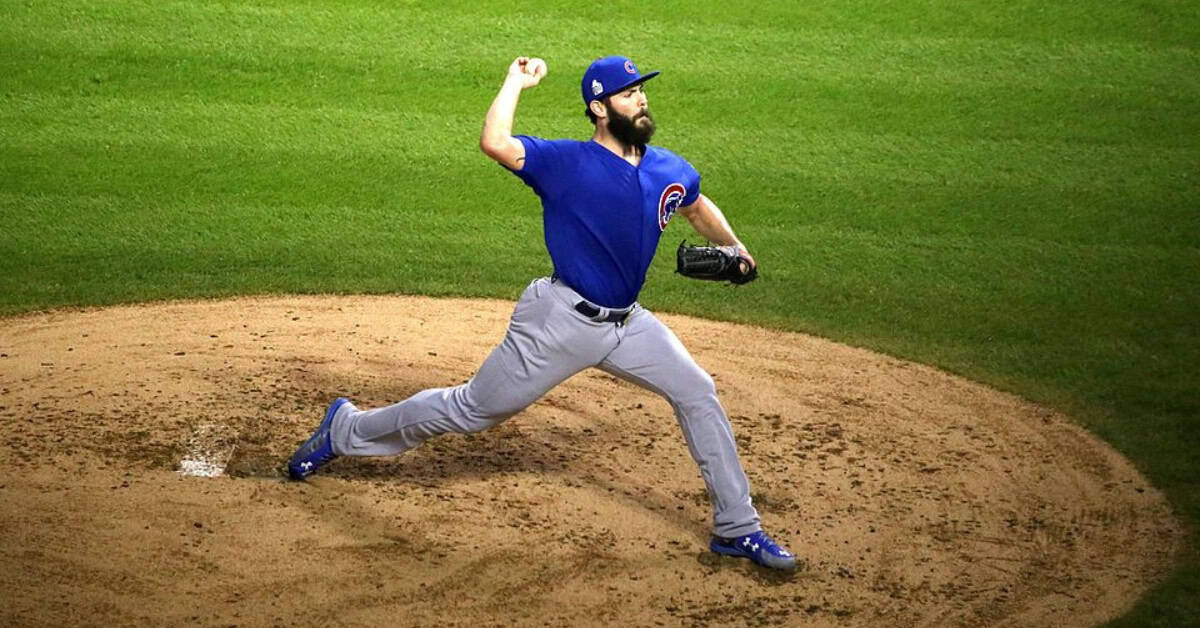
Arrieta’s sinker was the perfect complement to his devastating slider, diving through Wrigley Field like hope disguised as a baseball during the Cubs’ magical 2015-2016 run. The transformed right-hander would grip his heavy fastball with the confidence of someone who’d found his true calling, watching as it generated weak contact from hitters who couldn’t solve his puzzle. When Arrieta’s sinker was working during his Cy Young season, it helped make Cubs fans believe that curses could be broken and dreams could come true.
Mariano Rivera’s Two-Seamer That Closed Out Championships

Yes, Mo is the cutter king, but his two-seamer was the perfect complement, diving through Yankee Stadium with late movement that made hitters question their timing. The Sandman would hurl his heavy fastball, watching as it generated ground balls and weak contact from batters who thought they had him figured out. That two-seamer would sometimes set the stage for the cutter that made him the greatest closer in baseball history.