

Last Updated: June 17th, 2026 by Jeffrey Christo
Before launch angles and exit velocity, baseball fans measured greatness by the eye test and the backs of baseball cards. But sometimes those trusty Topps stats didn’t tell the whole story. Today’s numbers reveal what many old-timers knew in their gut – some of yesterday’s “solid players” were actually hidden superstars. Here’s to the guys who were even better than you remember, proved by both the old stats you love and the new ones that back up what you always suspected.
Don't lose this article. Enter your email below, and I'll send it to you right now. Plus, we'll send you other unbelievable stories from baseball's past.
Bobby Grich: The .266 Hitter Who Was Actually a Superstar
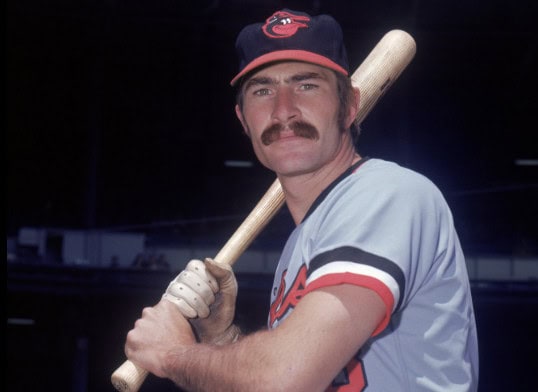
That .266 career average masked a hitting savant who walked more than he struck out in an era when nobody cared about such things. Six All-Star appearances only hint at his greatness – Grich’s combination of power (224 homers) and elite defense would make him a $300 million player in today’s game. When you combined everything he did well, only Joe Morgan was clearly better at second base during his era.
Lou Whitaker: Sweet Lou’s Quiet Hall of Fame Case

While Trammell finally got his Cooperstown call, his double-play partner remains on the outside looking in. All Sweet Lou did was hit .276 over 19 seasons, make five All-Star teams, win three Gold Gloves, and rack up more total bases than Tony Gwynn. The advanced stats say he was even better than those traditional numbers suggest – his consistent excellence adding up to a career that towers over many Hall of Fame second basemen.
Kenny Lofton: More Than Just Stolen Bases

Sure, you remember the 622 stolen bases, but Lofton’s .299 career average and .372 on-base percentage made him Rickey Henderson Lite. A six-time All-Star who scored 100 runs six times, his defense in center field was pure artistry. Those Indians dynasties of the ’90s had plenty of thunder, but Lofton’s lightning made them truly scary.
Reggie Smith: The Other Reggie Who Did Everything Well

While the other Reggie was hitting candy bars, this one was quietly matching him stat for stat. Smith’s career .855 OPS actually topped Mr. October’s .846, and he did it while playing stellar defense in both center and right. A seven-time All-Star who hit .287 lifetime with 314 homers, Smith was the complete package who somehow got lost in the shuffle of the ’70s superstar shuffle.
John Olerud: Beyond the .300 Average and Helmet
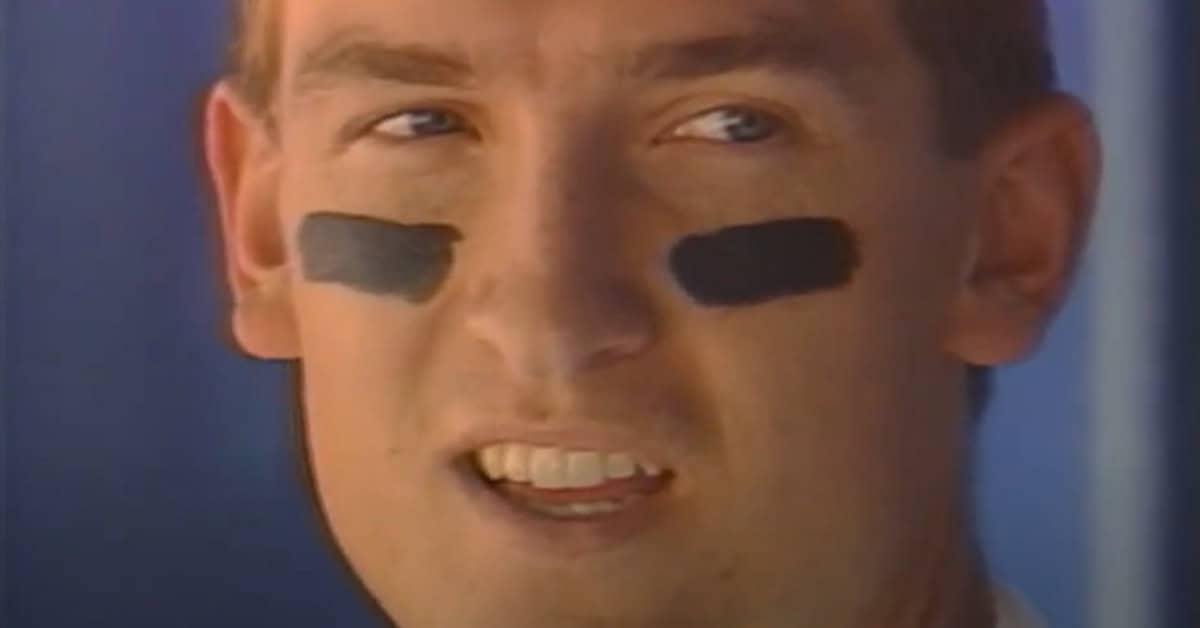
The batting helmet in the field got the attention, but Olerud’s sweet swing and slick glove deserved the headlines. His .398 on-base percentage ranks ahead of peers like Will Clark and Mark Grace, while his defense at first base was so good, Keith Hernandez called him the best he’d ever seen. That 1993 season when he chased .400 into August? Just the tip of the iceberg.
Gene Tenace: The Walk King in Charlie Finley’s Dynasty
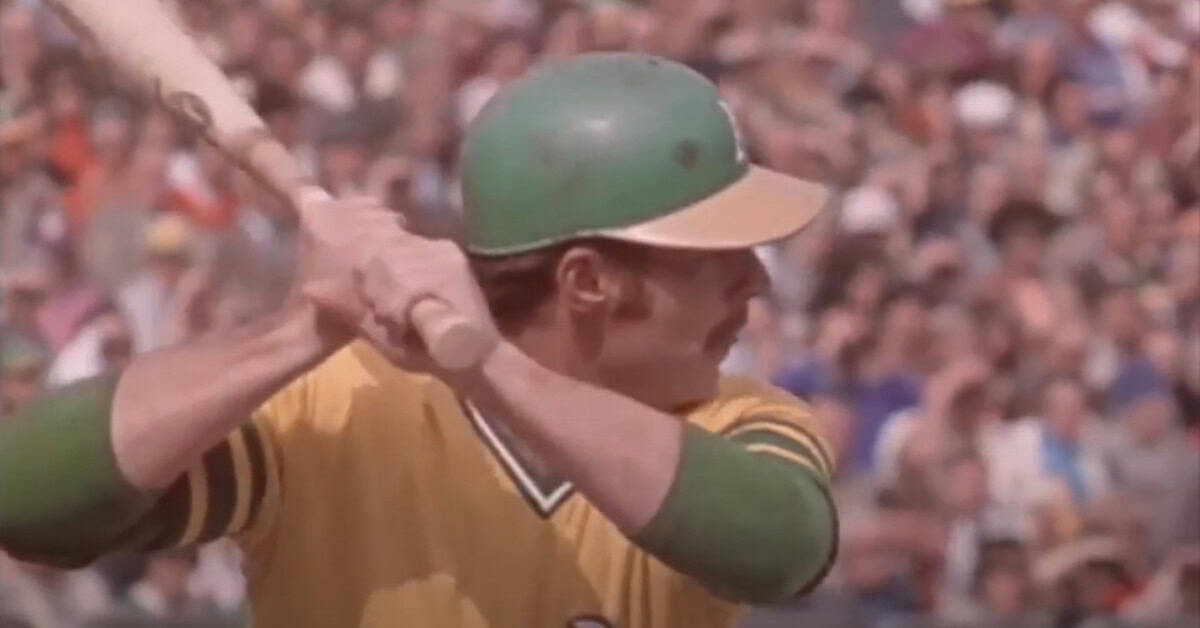
The first player to hit homers in his first two World Series at-bats was just getting started. Tenace’s .241 career average scared off the traditionalists, but his .388 on-base percentage was higher than Johnny Bench’s. Add in his power (201 homers) and handling of that dominant A’s pitching staff, and you’ve got one of the most underappreciated catchers ever.
Ron Guidry: Louisiana Lightning Struck More Than Once
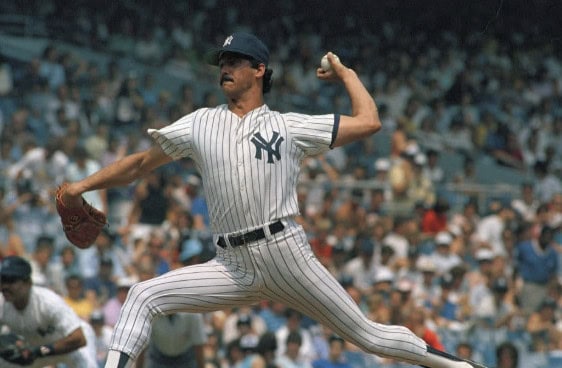
Everyone remembers 25-3 in 1978, but Guidry’s entire peak was otherworldly. From ’77-’85, he went 154-67 with a 3.15 ERA in a hitter’s era, winning five Gold Gloves along the way. His career ERA+ of 119 tops Andy Pettitte, Don Sutton, and Don Drysdale. Not bad for a skinny kid from Louisiana who nobody thought could last.
Keith Hernandez: The Glove and Average That Changed First Base

Before Seinfeld made him a pop culture icon, Hernandez revolutionized first base defense while winning 11 straight Gold Gloves. His .296 career average and .384 on-base percentage weren’t too shabby either. The advanced defensive metrics suggest he saved more runs at first than any player in history – just don’t ask him about the magic loogie.
Alan Trammell: Detroit’s Steadiest Star
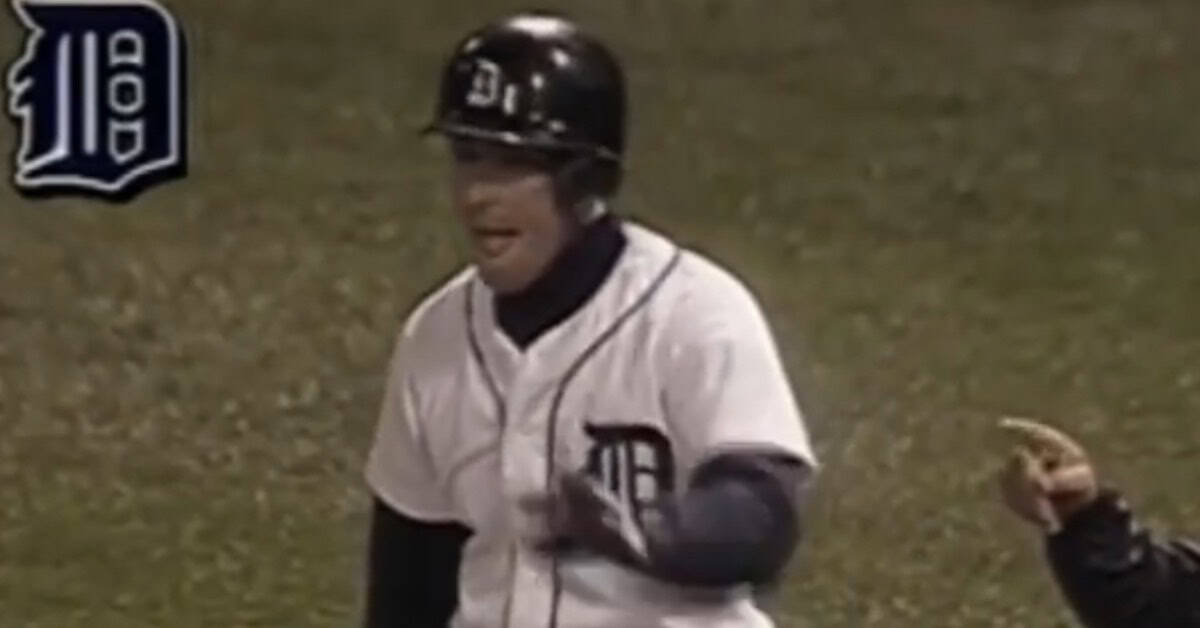
Finally enshrined in Cooperstown, Trammell’s excellence was hiding in plain sight. A .285 career hitter who played stellar defense, he finished with more hits than Ernie Banks and more total bases than Tony Gwynn. That 1987 season (.343/28/105) would’ve won MVP most years, but he picked the wrong year to go up against George Bell.
Tim Raines: Rock’s Real Numbers Tell a Different Story
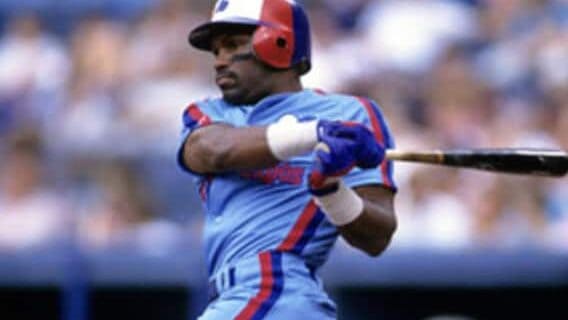
Living in Rickey Henderson’s shadow wasn’t easy, but Rock’s numbers stand alone. His 84.7% stolen base success rate is the best ever (minimum 400 attempts), and that .385 career on-base percentage topped many Hall of Famers. In his prime (1981-1987), he was arguably the National League’s best player, period.
Willie Randolph: The Other Yankees Captain
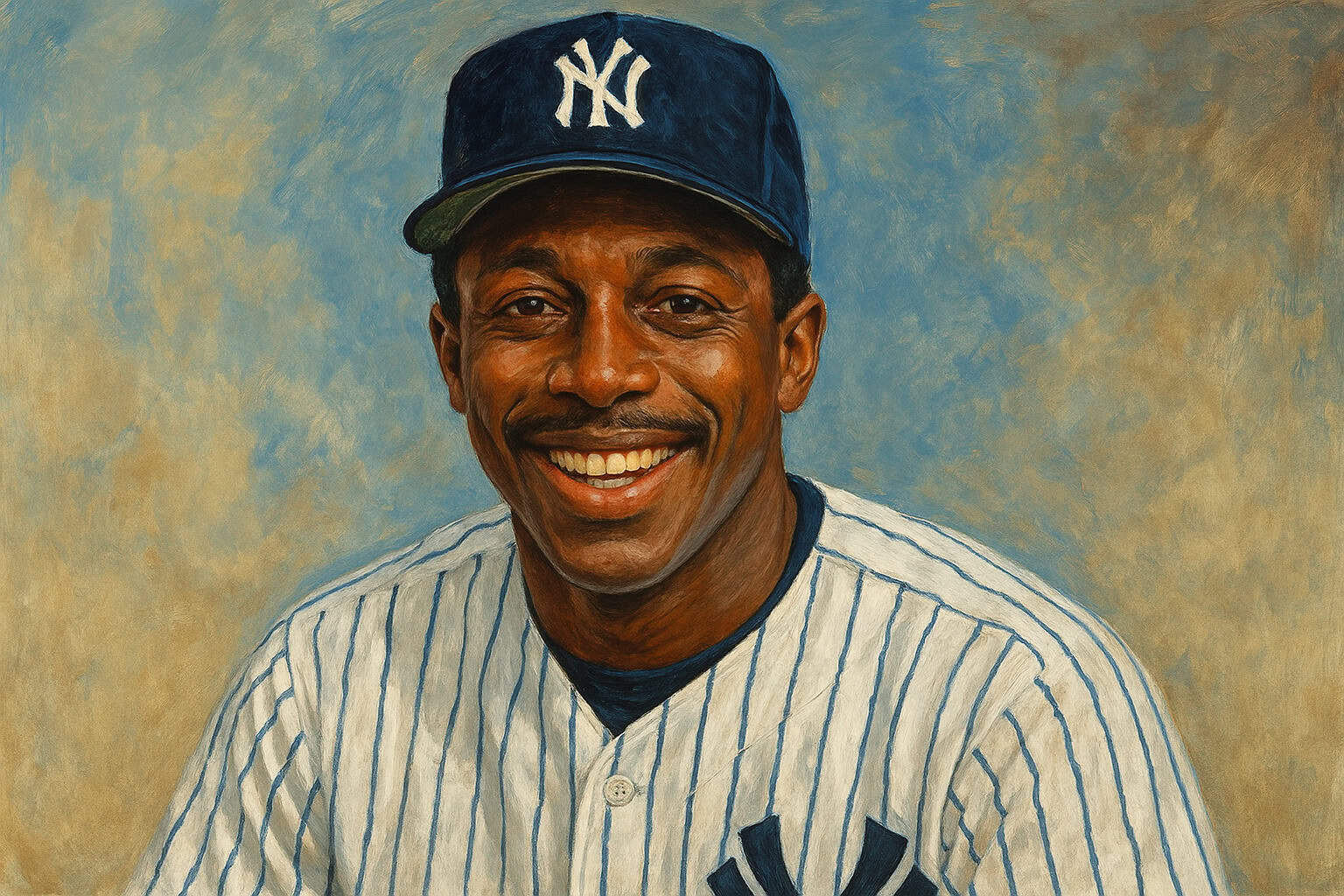
While Mattingly got the headlines, Randolph quietly put together a career .373 on-base percentage and played stellar defense at second. His career walk total (1,243) tops many Hall of Famers, and he was the steady hand on those wild late-’70s Yankees teams. The advanced stats suggest he was worth more wins than many Cooperstown middle infielders.
Rick Reuschel: Big Daddy’s Better Than You Remember
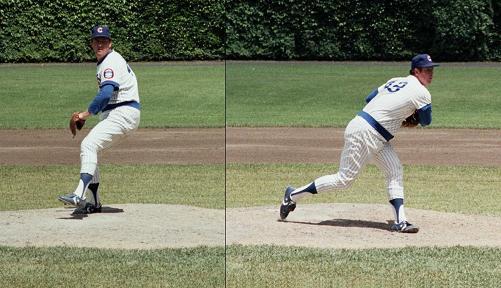
Don’t let the physique fool you – Big Daddy could pitch. His 214 wins came mostly with bad Cubs teams, and his 3.37 ERA looks even better when you consider his home park and era. The advanced stats put him ahead of Don Drysdale and Catfish Hunter. Not bad for a guy who looked more like your local plumber than a three-time All-Star.
Dave Parker: The Cobra’s True Strike Zone

The Cobra’s arm in right field was legendary, but his bat was just as deadly. A .290 career hitter with 339 homers, Parker’s peak years were MVP-caliber even before his actual MVP season. From 1975-1979, he hit .321 with power, speed, and defense that made him the most feared player in the National League.
Dale Murphy: The 30-30 Man Who Did Everything Right

Two MVP awards only tell part of the story. Murph’s peak from 1982-1987 was pure dominance – he averaged 36 homers, 100 RBIs, and played Gold Glove defense in center field. The advanced metrics love his combination of power, speed, and defense. Plus, he was baseball’s ultimate good guy when the game desperately needed one.
Buddy Bell: The Greatest Third Baseman Nobody Mentions
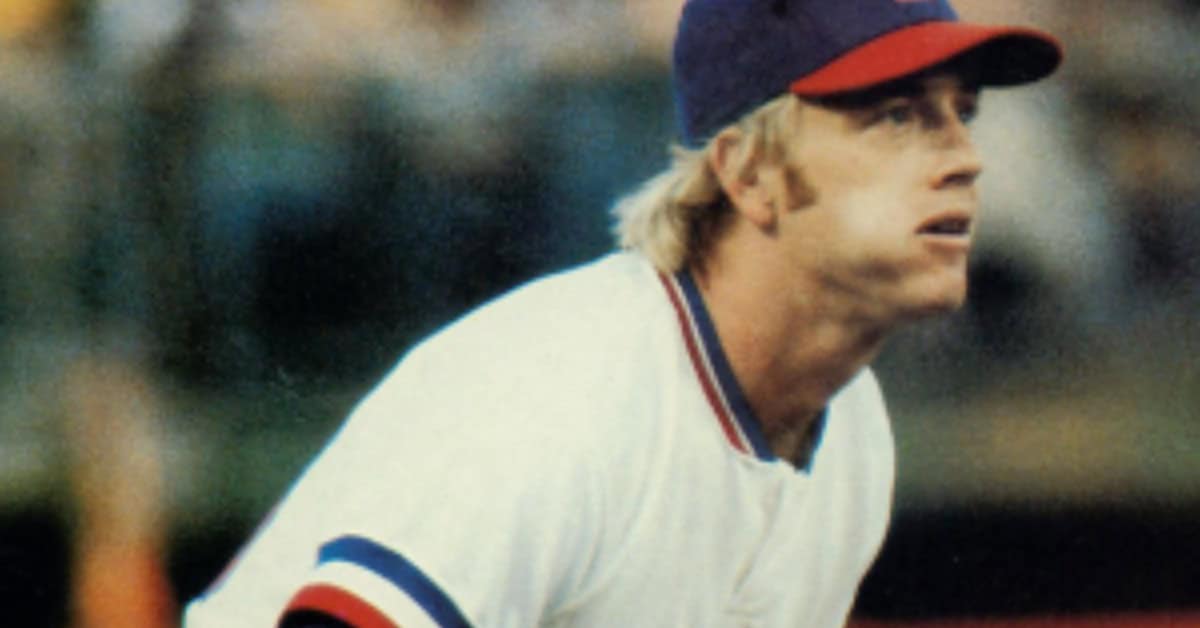
Six Gold Gloves and a .279 career average only begin to tell the tale. Bell’s defensive metrics at third base rival Brooks Robinson’s, and his 2,514 hits came quietly but consistently. Playing in the shadow of George Brett and Mike Schmidt didn’t help his fame, but the numbers say he belongs right behind them in the third base pantheon.
Willie Davis: Three Gold Gloves Just Scratched the Surface
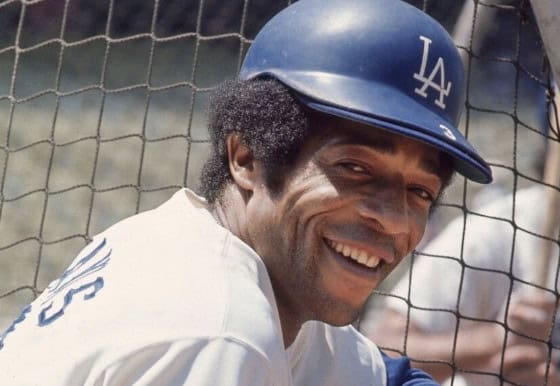
Playing in Dodger Stadium during the pitching-rich 1960s masked his true value, but Davis was a hitting machine. His 2,561 hits and 398 stolen bases came with defensive grace that old-timers still talk about. Adjust his numbers for era and park, and you’re looking at a player who would be a superstar in any era.
Jose Cruz: The Astrodome Couldn’t Contain His Value
Cheo’s .284 career average came mostly in the cavernous Astrodome, where fly balls went to die. Put his numbers in a normal park, and you’re looking at multiple .300 seasons. From 1977-1986, he hit .299 and was the heart and soul of those rainbow-jersey Astros teams that came oh-so-close to glory.
Frank White: More Than Just George Brett’s Sidekick
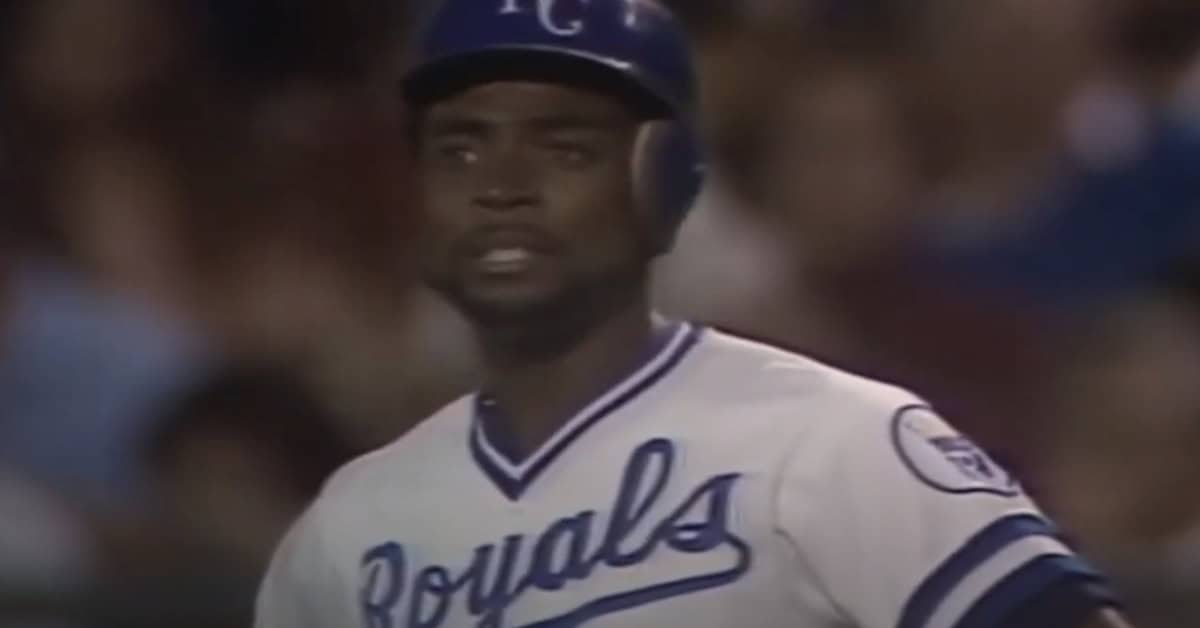
Eight Gold Gloves tell only part of the story. White developed from a good-field, no-hit second baseman into a legitimate power threat, finishing with 2,006 hits and surprising pop (160 homers). The defensive metrics suggest he saved more runs than any second baseman of his era, making him the complete package those great Royals teams needed.
Ted Simmons: The Switch-Hitting Catcher Who Could Do It All

Finally in Cooperstown, Simmons’ numbers were always Hall-worthy. A .285 career average with 2,472 hits and more doubles than Johnny Bench, Simba was the best-hitting catcher of his era. His 193 homers as a catcher were the most ever by a switch-hitter until Jorge Posada came along. The advanced metrics only confirm what Cardinals fans knew all along.
Brian Downing: From Light-Hitting Catcher to OBP Machine
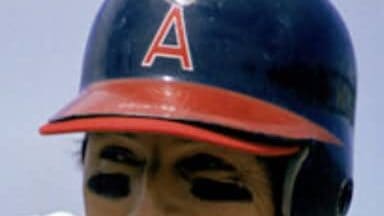
The original gym rat transformed himself from a .225 hitter into an on-base percentage marvel. Downing’s .370 career OBP came with surprising power (275 homers) and a revolutionary approach to fitness that was years ahead of its time. From 1982-1990, he was one of the most consistent offensive forces in the American League, even if few noticed outside of Anaheim.