
Last Updated: June 17th, 2026 by Matthew Brown
Before pitch counts and analytics dominated the game, Mickey Mantle shared clubhouses with legends who measured greatness by the sound of spikes on concrete and the scent of leather gloves soaked in neatsfoot oil. These twenty pinstriped warriors didn’t just play alongside the Commerce Comet—they helped create the golden age of Yankees baseball, when every October felt like destiny and every teammate was a character straight out of baseball folklore.
Don't lose this article. Enter your email below, and I'll send it to you right now. Plus, we'll send you other unbelievable stories from baseball's past.
Yogi Berra’s Malapropisms and Wisdom Behind the Plate

Yogi Berra turned catching into an art form while simultaneously mangling the English language in ways that somehow made perfect sense. His legacy of “Yogi-isms” outlasted even his Hall of Fame career. The stocky catcher from St. Louis could call a game like a chess master and hit clutch home runs like a magician, all while delivering profound observations like, “It ain’t over ’til it’s over” with the timing of a seasoned philosopher. Berra’s combination of baseball brilliance and unintentional comedy made him the perfect teammate for Mantle. Both men possessed a childlike joy for the game that never faded, even in the pressure of pinstripes.
Roger Maris’ Home Run Chase and Mantle’s Friendly Rivalry
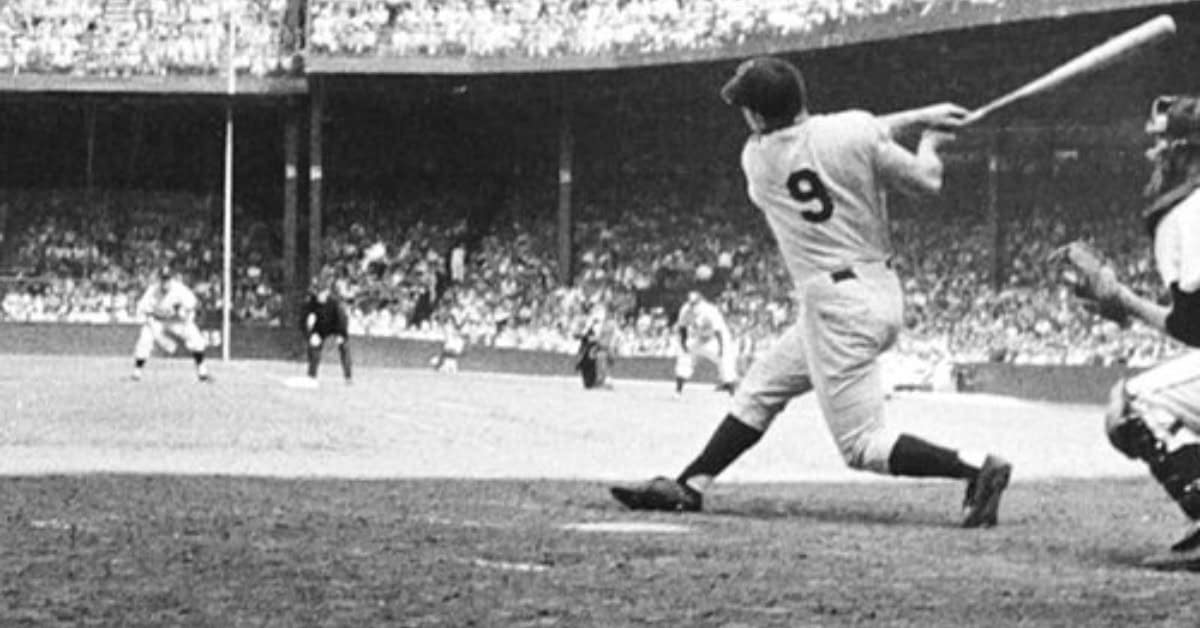
Roger Maris arrived in New York as the quiet kid from North Dakota and quickly found himself chasing Babe Ruth’s sacred home run record while playing alongside the most beloved Yankee since the Bambino. His pursuit of 61 home runs in 1961 created a media circus that would have crushed lesser men, but Maris handled the pressure with a stoic dignity that earned Mantle’s respect and friendship. Their “M&M Boys” partnership was the perfect baseball odd couple—Mantle’s natural charisma and Maris’ workmanlike approach combining to create one of the most potent duos in Yankees history.
Hank Bauer’s Marine Toughness and Outfield Grit
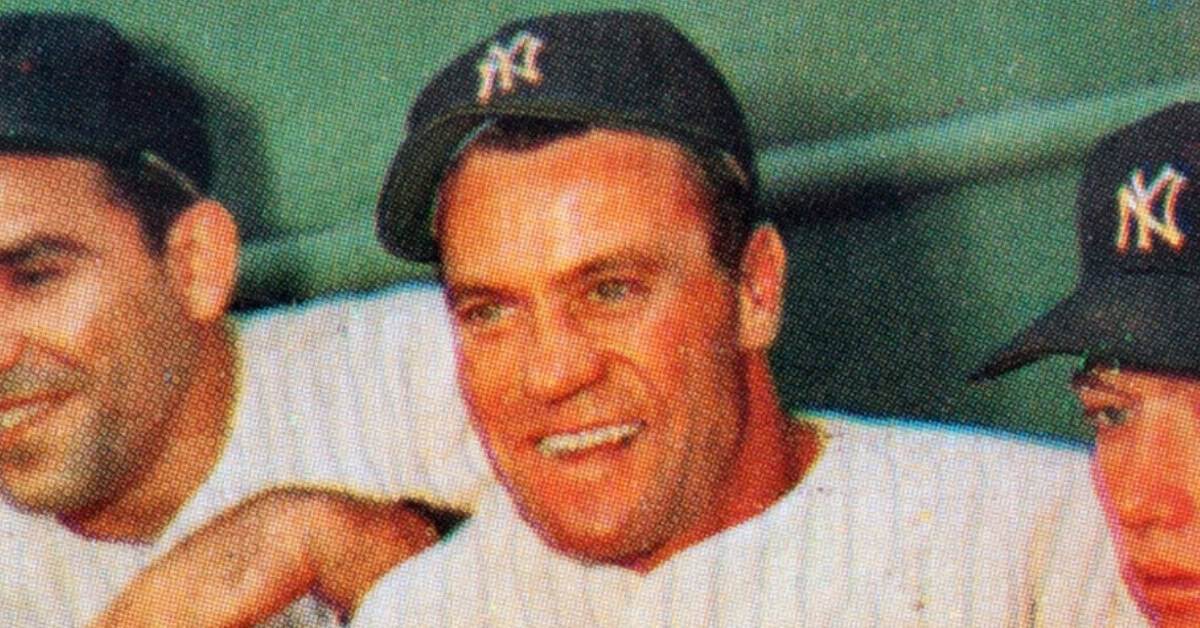
Hank Bauer brought the same intensity to right field that he’d shown as a Marine in the Pacific, playing baseball like every game was a battle to be won by sheer will. The Kansas native’s craggy face and no-nonsense style made him the perfect veteran for young Mickey Mantle, teaching the Oklahoma kid how to handle the pressure of playing in New York. Bauer’s clutch October hitting and relentless defense set a standard for toughness that lifted everyone around him.
Don Larsen’s Perfect Game and Unlikely World Series Hero
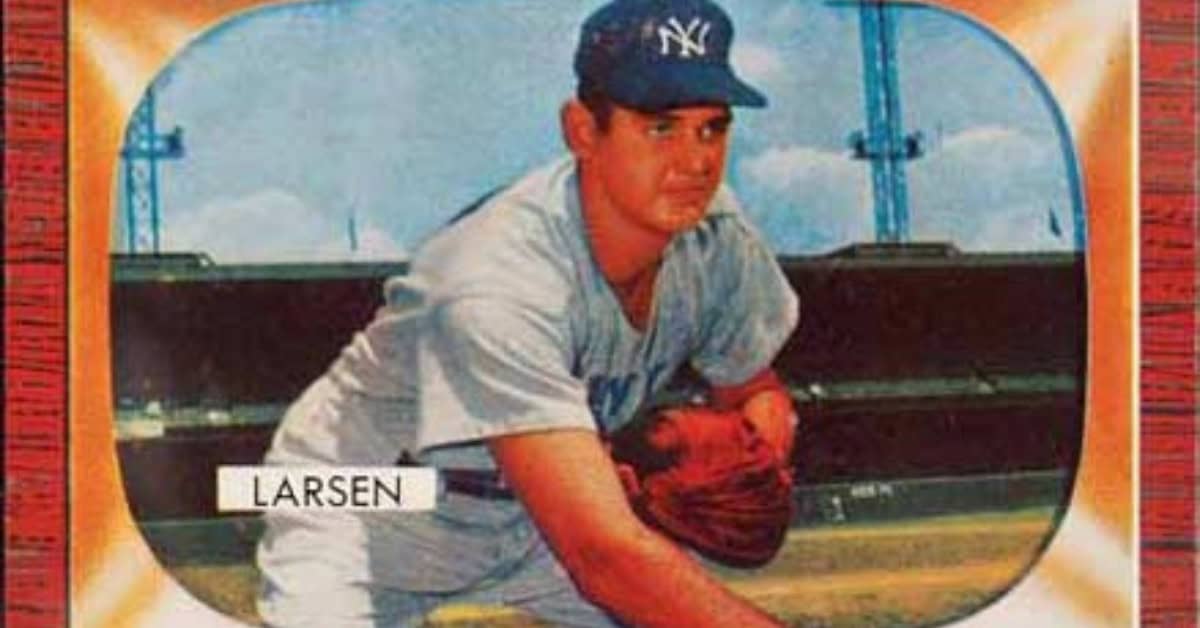
Don Larsen went from journeyman pitcher with a reputation for late nights to the only man to throw a perfect game in World Series history—creating October magic that still gives baseball fans goosebumps. His no-windup delivery and pinpoint control on October 8, 1956, produced 27 consecutive outs against the Brooklyn Dodgers while Mantle provided support in center. Larsen’s perfection proved that baseball’s greatest moments often come from its most unexpected heroes—a lesson that resonated with teammates who knew immortality could come any day.
Elston Howard’s Breaking Barriers Behind the Plate
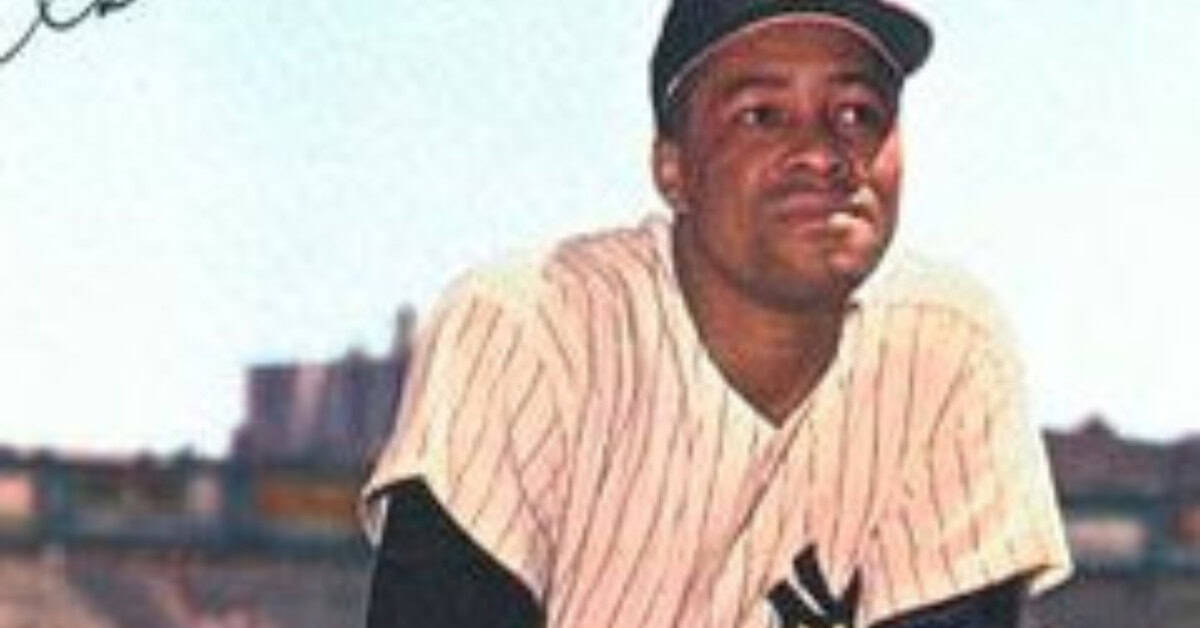
Elston Howard bore the responsibility of being the first Black Yankee with a quiet strength that earned Mantle’s respect. His powerful arm and sharp mind made him one of the era’s best catchers, while his clutch hitting powered multiple championships. Howard’s leadership and professionalism set a standard for courage—breaking barriers not with speeches, but with steady excellence every day.
Gil McDougald’s Versatile Infield Play and Line Drive Scare
Gil McDougald mastered infield versatility, moving seamlessly between second base, shortstop, and third with defensive reliability that made managers sleep easier. His unique stance and clutch hitting perfectly complemented Mantle’s power, while his steady glove anchored Yankees infields in eight championship seasons. McDougald’s career was marked by the tragic line drive that struck pitcher Herb Score in 1957—an incident that haunted him and reminded teammates of baseball’s dangers.
Billy Martin’s Fiery Temper and Mantle’s Drinking Buddy
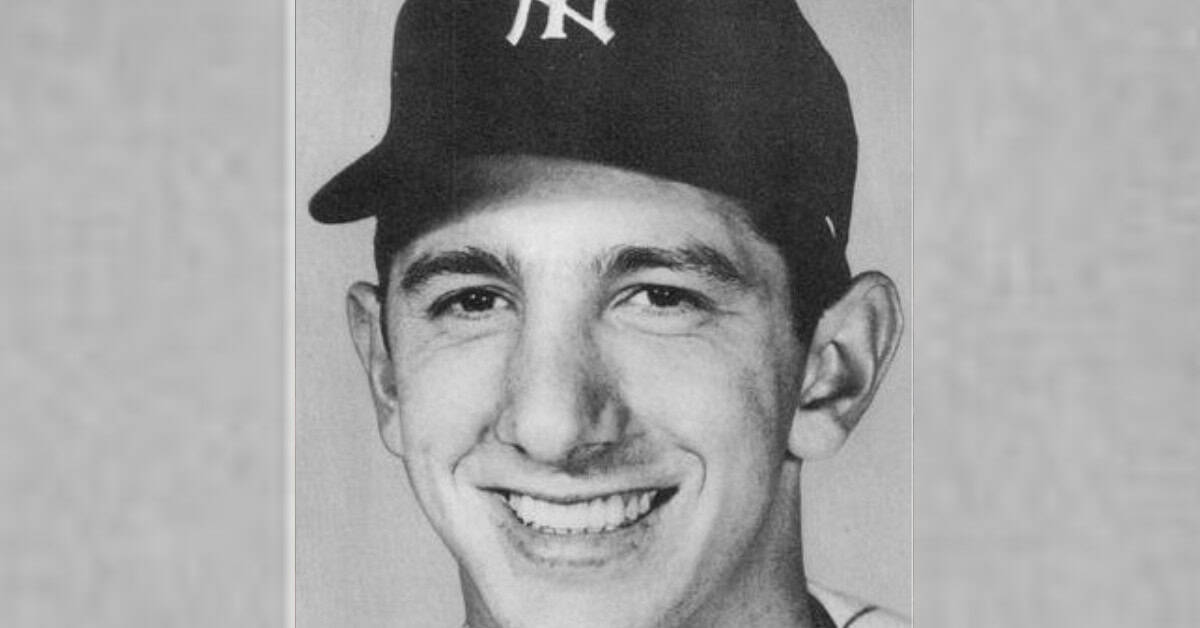
Billy Martin brought the energy of a street fighter to second base, turning double plays into art and serving as Mantle’s partner in both baseball brilliance and after-hours adventures. His competitive fire and clutch play made him indispensable in October, fueling Yankees championships. Martin’s friendship with Mantle was forged in shared victories and legendary late nights, defining the wild spirit of 1950s Yankees baseball.
Bobby Richardson’s Gold Glove Magic at Second Base
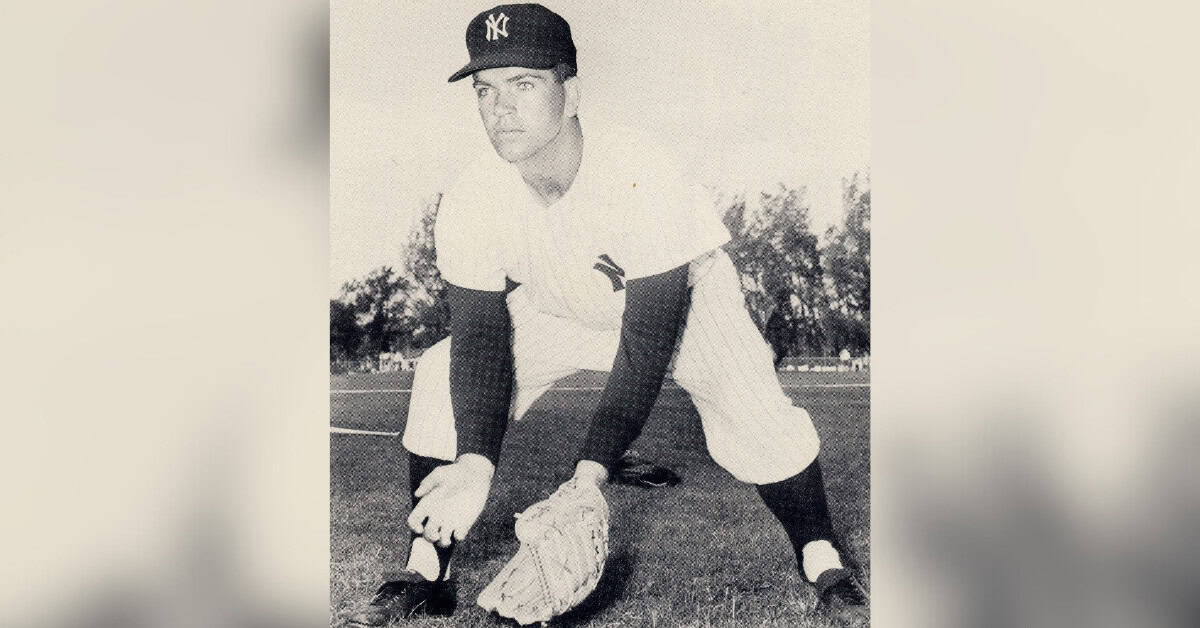
Bobby Richardson made second base his stage, turning impossible plays routine with a glove seemingly magnetized for ground balls and liners. His clean-cut image and steady defense provided the perfect counterpoint to Mantle’s larger-than-life persona, proving champions need both superstars and rock-solid professionals. Richardson’s balletic double plays and clutch hits made him the sort of teammate who lifted everyone with skill and professionalism.
Enos Slaughter’s Hustle and Old-School Baseball Values
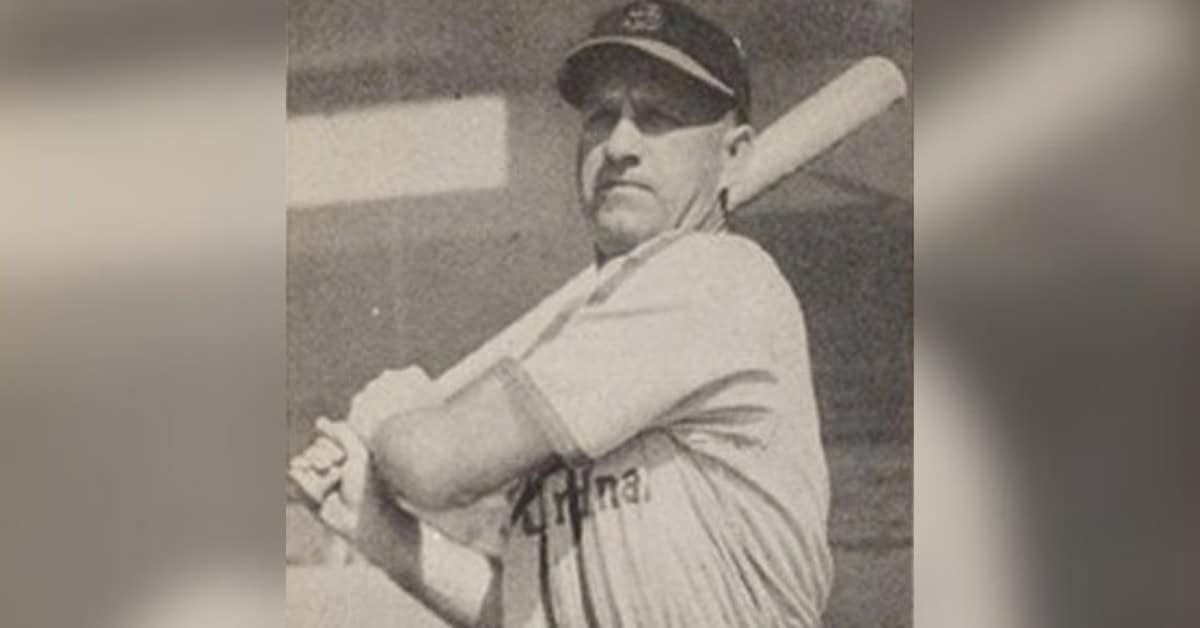
Enos Slaughter brought hustle and intensity from his Cardinals days, showing Mantle that every ground ball should be run out like the World Series depended on it. His famous “mad dash” in 1946 was already legend, but his veteran presence in the Yankees clubhouse added leadership during championship years. Slaughter’s old-school drive—never give an inch—rubbed off on teammates, proving talent means little without effort.
Tom Tresh’s Switch-Hitting Promise and Rookie of the Year Magic
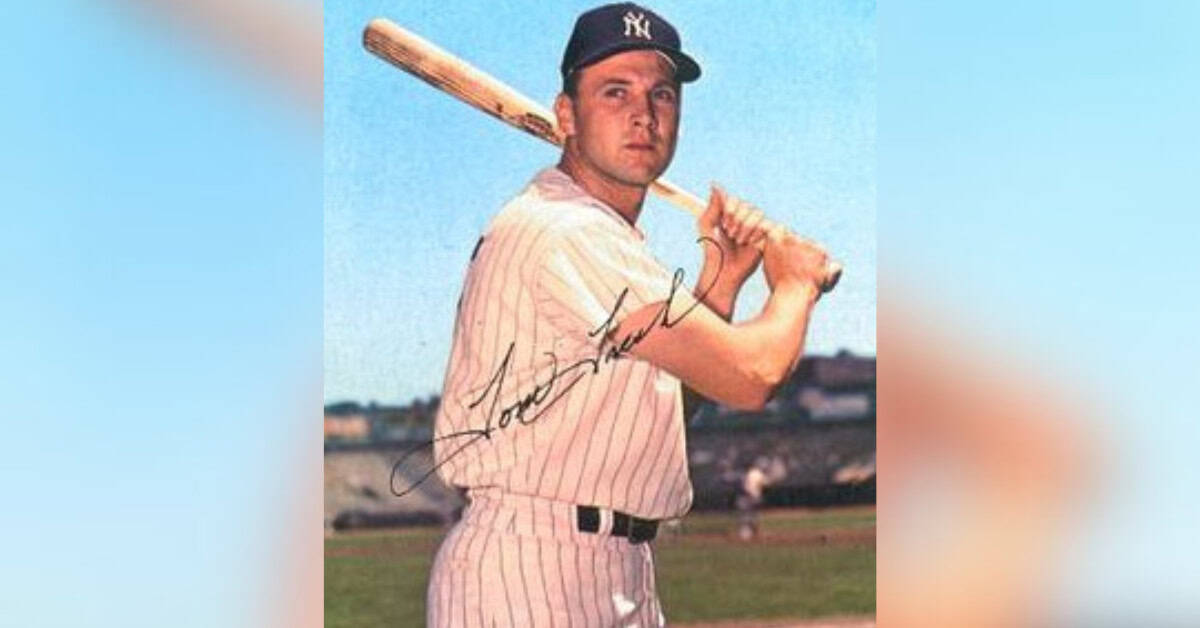
Tom Tresh arrived in the Bronx as a switch-hitting shortstop with movie-star looks and natural ability that immediately impressed Mantle and the veterans. His 1962 Rookie of the Year season showed power from both sides and defensive versatility, allowing him to play multiple positions with skill. Tresh’s smooth swing and clutch gene made him the perfect heir to the Yankees’ championship tradition, representing the next generation as Mantle’s career wound down.
Tony Kubek’s Smooth Shortstop Play and Broadcasting Voice
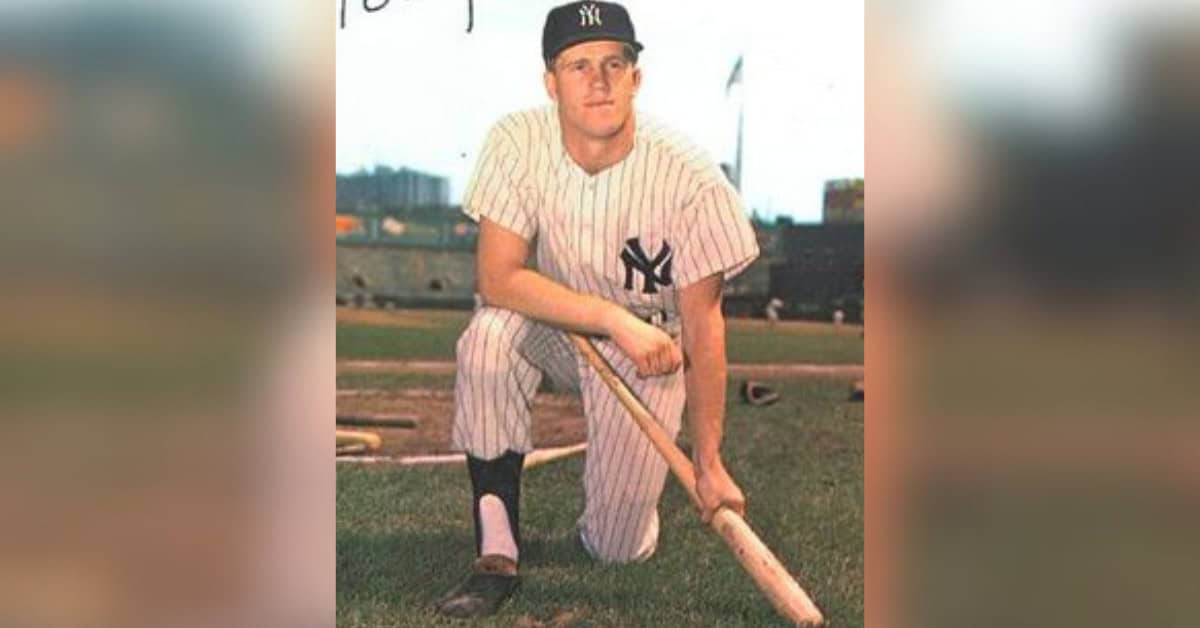
Tony Kubek anchored the Yankees’ infield with smooth defense and smart baseball instincts, making even tough plays look easy. His articulate manner and deep understanding of the game foreshadowed his future as a broadcaster, but as a player he was simply one of the most reliable shortstops in the league. Kubek’s precise double plays and clutch hitting made him an ideal teammate for Mantle, who valued players who paired skill with baseball smarts.
Joe DiMaggio’s Icy Elegance in His Final Yankees Year
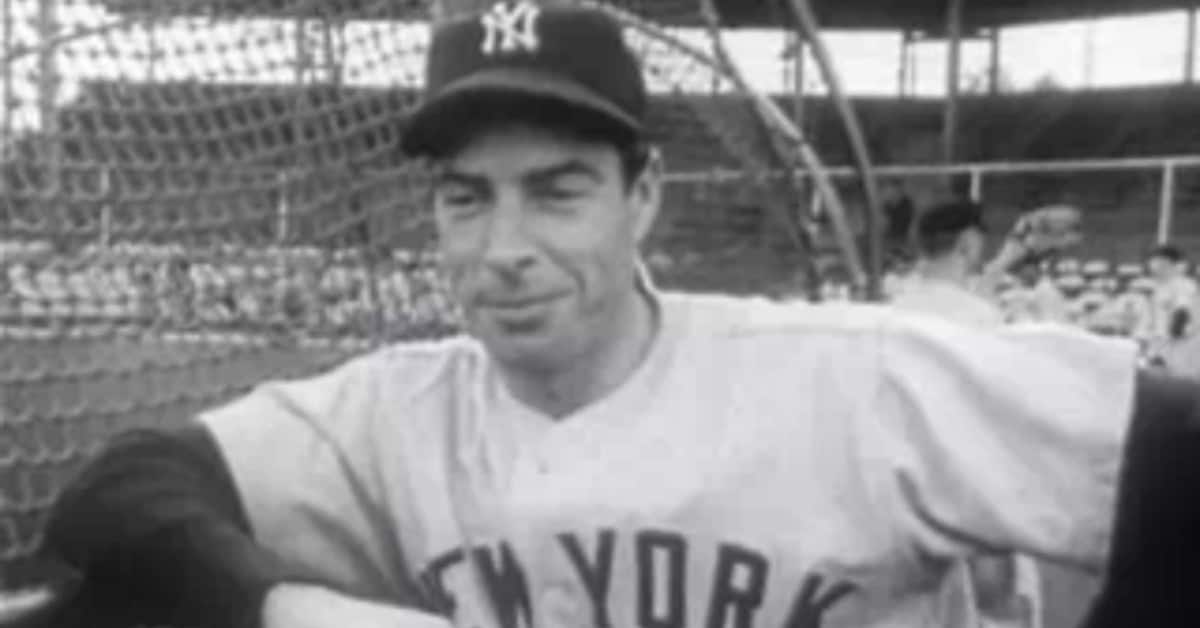
Joe DiMaggio’s final season gave young Mickey Mantle a front-row seat to baseball royalty. The Yankee Clipper’s graceful center field play and clutch hitting set the standard for greatness. His aloofness and perfectionism created a daunting presence in the clubhouse, but his professionalism was an invaluable lesson for the kid from Oklahoma. DiMaggio’s ability to deliver in big moments influenced Mantle’s own championship mentality.
Bob Turley’s Fastball Thunder and Cy Young Season
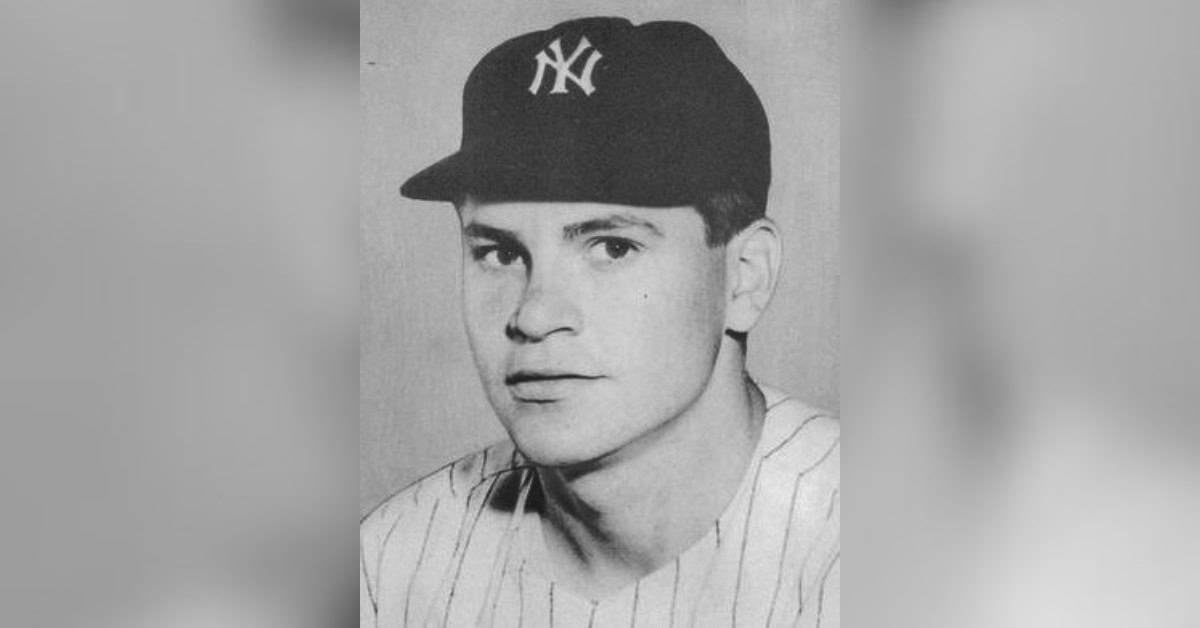
Bob Turley’s blazing fastball and devastating slider made him one of the league’s most feared pitchers, culminating in a Cy Young Award in 1958. His power pitching and competitive fire were the perfect complement to Mantle’s offense, forming a duo that terrified opponents. Turley’s October heroics in the 1958 World Series comeback showed Mantle and the team what clutch pitching looked like when the title was on the line.
Clete Boyer’s Hot Corner Wizardry at Third Base
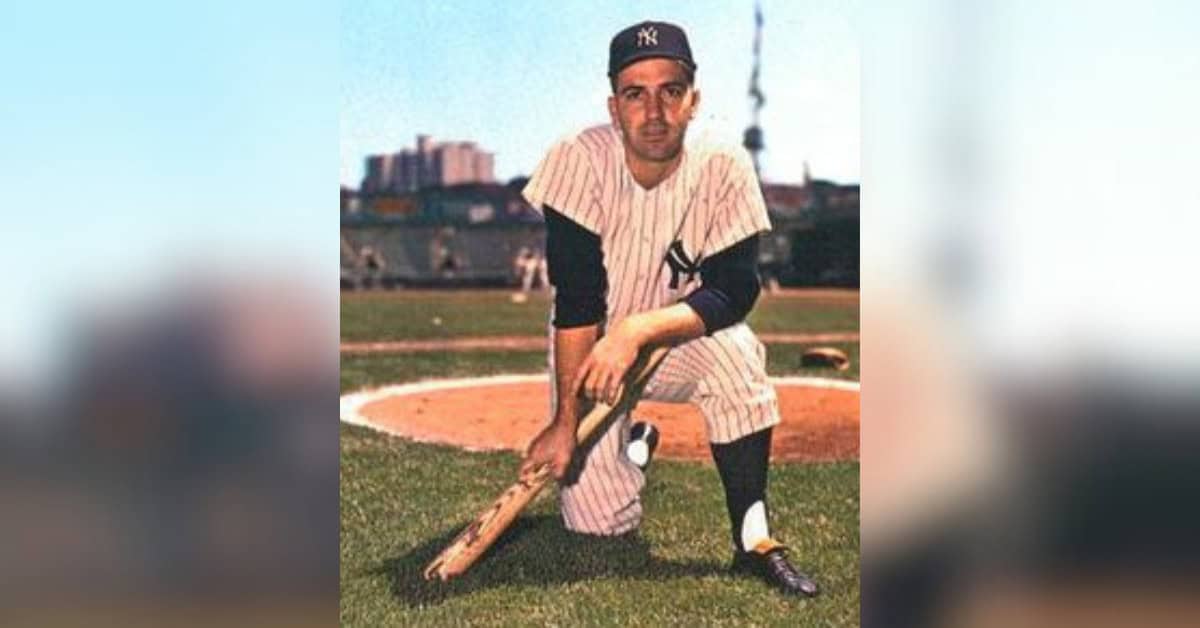
Clete Boyer turned third base into a highlight reel, making diving stops and barehanded pickups look routine while anchoring the infield with Gold Glove skill. His quick reflexes and rocket arm saved countless runs, providing the kind of steady glove and timely hitting that every championship team needs. While Mantle supplied the fireworks, Boyer was a foundation of sustained success.
Johnny Blanchard’s Clutch Pinch-Hitting and Backup Catching
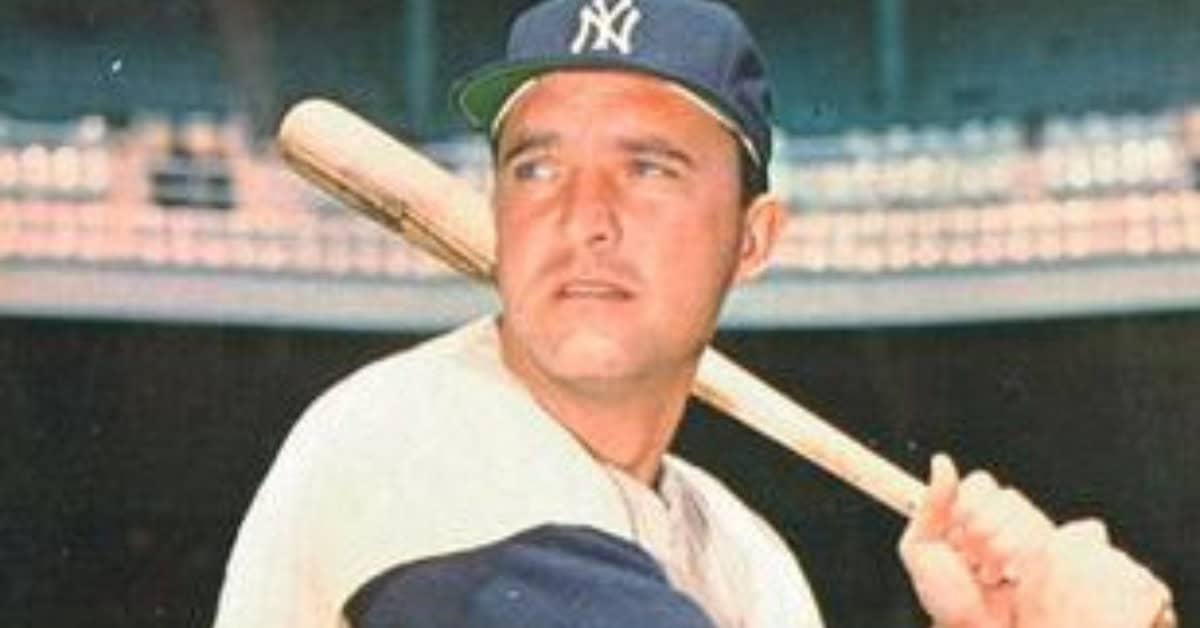
Johnny Blanchard was a clutch pinch-hitter, coming off the bench for game-changing home runs that made managers look like geniuses. His ability to catch, play outfield, and deliver under pressure made him invaluable during title runs. Blanchard’s big October moments, including his home run barrage in the 1961 World Series, showed Mantle that anyone on the roster could be a hero when the team needed it most.
Phil Rizzuto’s Holy Cow Enthusiasm and Shortstop Legacy

Phil Rizzuto’s scrappy play and enthusiasm during Mantle’s early years provided a perfect example of how heart and hustle could overcome size. His “Holy Cow!” calls and fearless double plays made him a fan favorite, showing that determination and smarts mattered more than stature. Rizzuto’s move to the broadcast booth allowed him to share Mantle’s greatness with generations of fans, cementing a unique bond between two Yankees icons.
Moose Skowron’s Power at First Base and Gentle Giant Persona
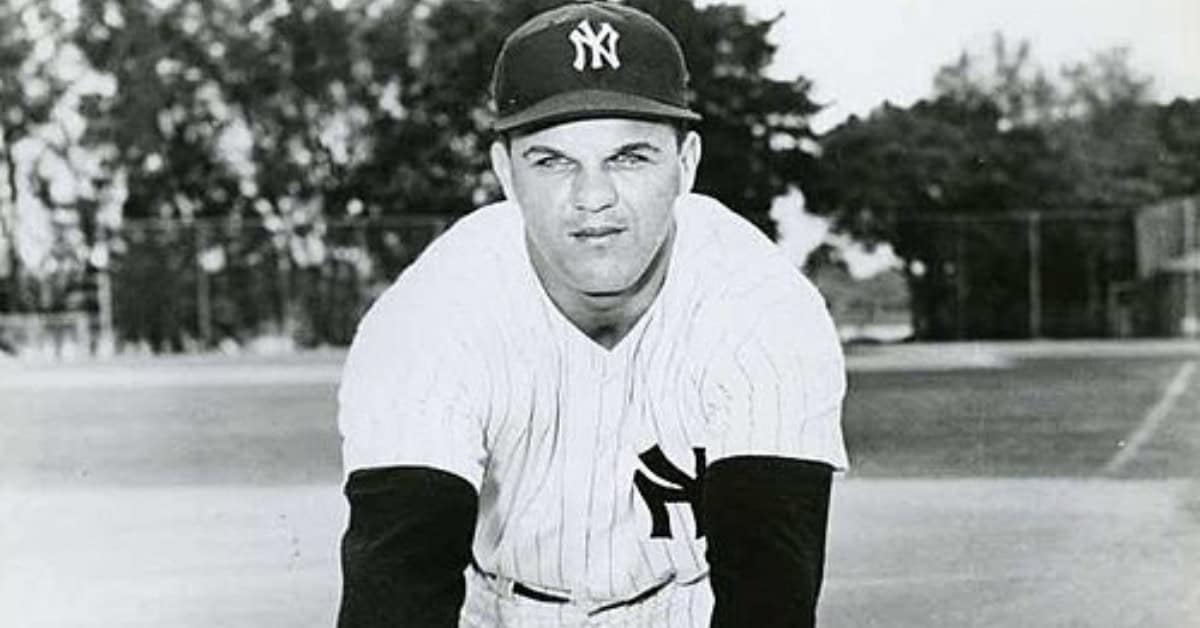
Moose Skowron brought power and personality to first base, combining tape-measure home runs with a gentle giant’s touch that made him beloved in the clubhouse. His ability to drive in runs and provide steady defense made him the perfect complement to Mantle’s explosive bat. Skowron’s warm personality and team-first attitude helped create the family atmosphere that powered the Yankees’ dynasties of the ’50s and ’60s.
Rocky Colavito’s Home Run Power and Yankees Experiment
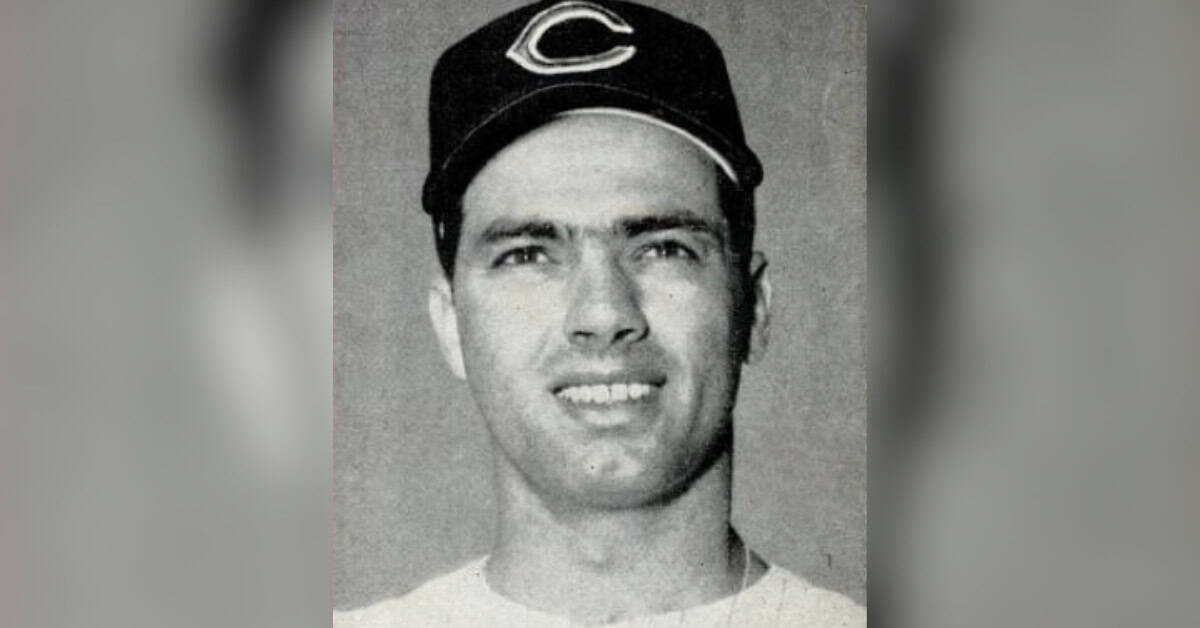
Rocky Colavito’s brief 1968 stint with the Yankees gave the slugger a chance to share a clubhouse with his childhood hero, Mantle. His powerful swing and movie-star looks had made him a fan favorite elsewhere, but his arrival in pinstripes was a homecoming that came too late for both. Colavito’s presence gave Mantle a fellow power hitter who understood the pressure of expectations, forging a bond between two aging warriors who had spent their careers thrilling fans with towering home runs.
Bobby Cox’s Brief Yankees Stint Before Managing Greatness
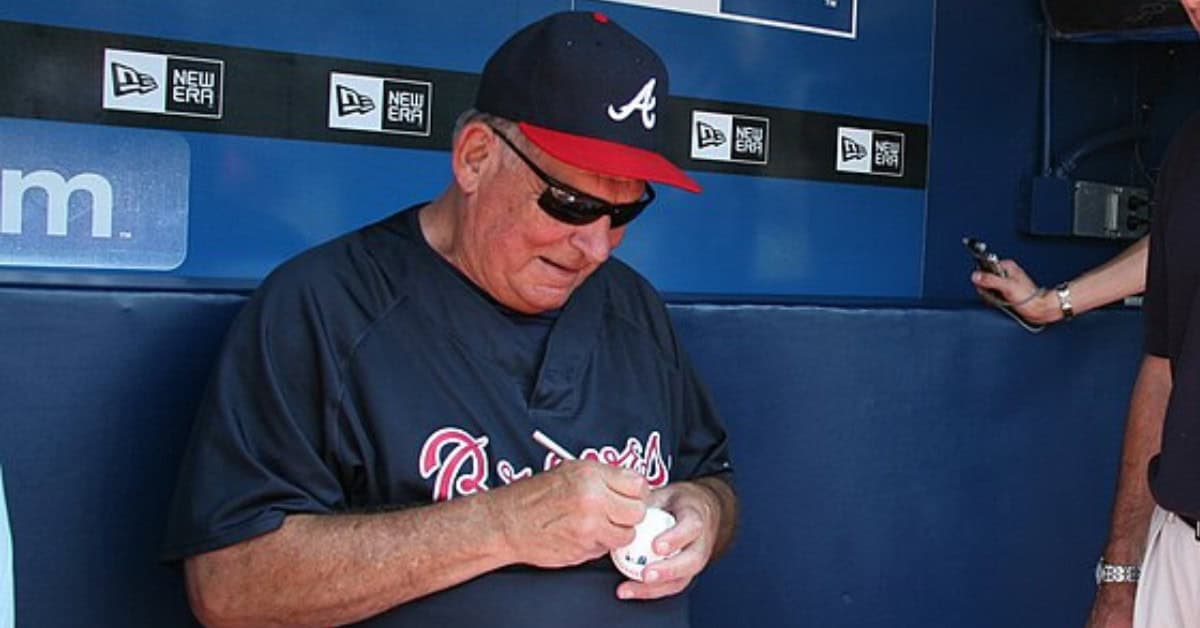
Bobby Cox’s brief Yankees playing career in 1968-69 gave the future Hall of Fame manager a front-row seat for Mantle’s final season, while teaching him about the Yankees’ winning culture. Though his playing ability was modest, Cox’s baseball intelligence and leadership foreshadowed his managerial greatness. His time as Mantle’s teammate offered insights into what made legends tick—lessons he’d apply in Atlanta decades later.
Whitey Ford’s Crafty Left Arm and Clubhouse Pranks
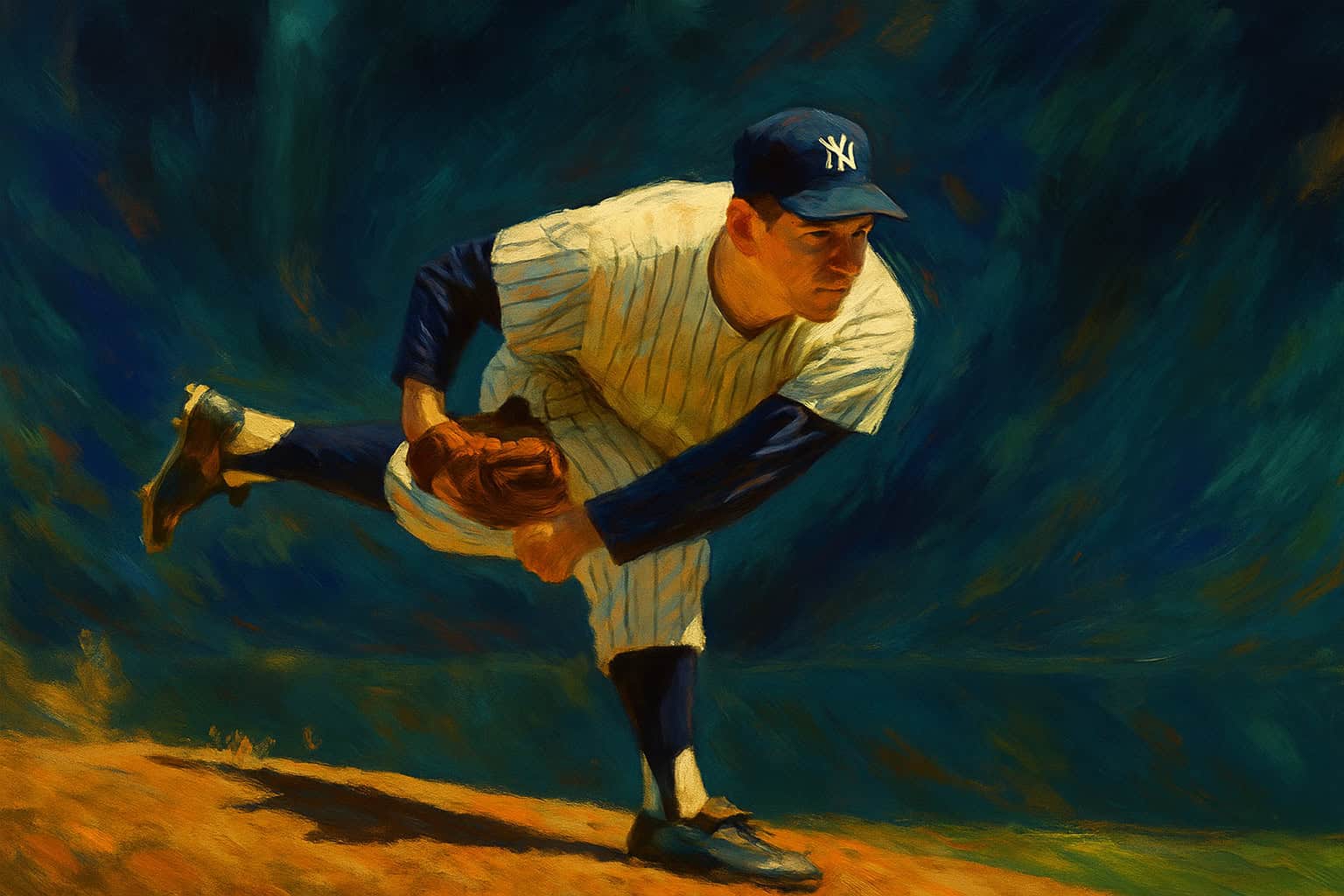
Whitey Ford combined pinpoint control and baseball cunning to become the winningest pitcher in Yankees history, while also serving as Mantle’s partner in clubhouse pranks that kept the team loose. His ability to pitch to the situation and rise to every October challenge made him the perfect complement to Mantle’s offensive fireworks. Ford’s humor and competitive fire forged a friendship with Mantle that lasted far beyond their playing days—showing that the best teammates know when to be serious and when to keep things light.