

Last Updated: June 17th, 2026 by Matthew Brown
Baseball memories can play tricks on us. The stories we tell about our heroes often paint them as larger than life, especially in crucial moments. But what happens when we look past the myths and dive into the cold, hard numbers? Here’s a surprising look at some of baseball’s biggest names whose “clutch” reputations might need a second look.
Don't lose this article. Enter your email below, and I'll send it to you right now. Plus, we'll send you other unbelievable stories from baseball's past.
Dave Winfield: The Superstar Who Hit .227 in October
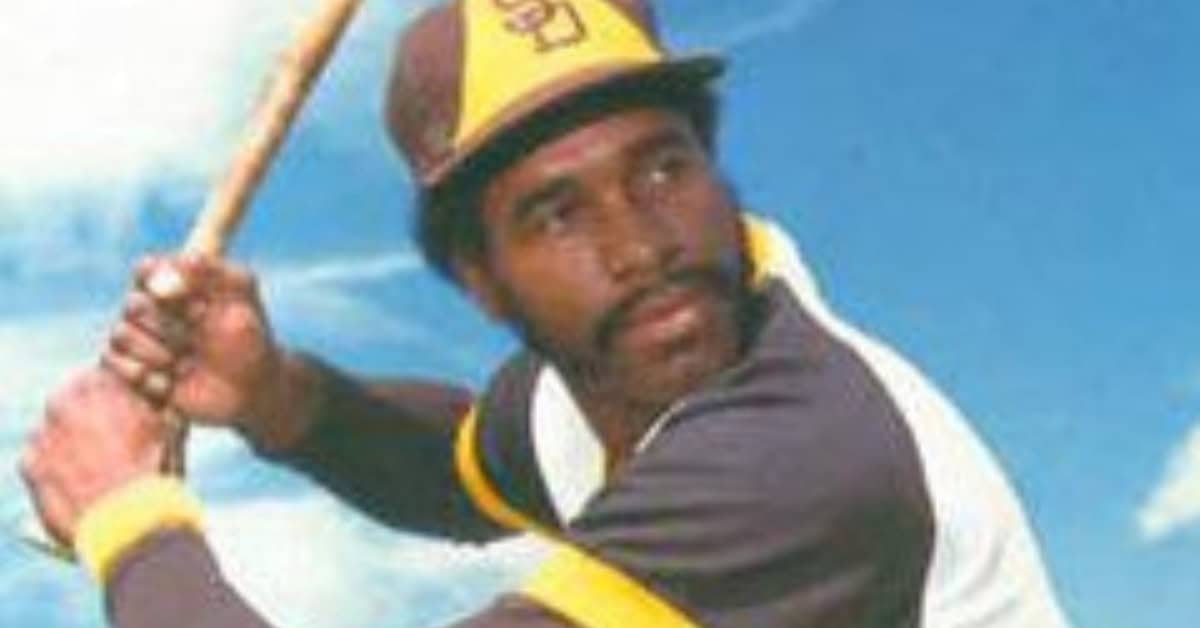
George Steinbrenner infamously labeled him “Mr. May” during the 1981 World Series, and the numbers tell a surprising story. Despite a career .283 average, Winfield hit just .208 in postseason play across 26 games. Even his lone World Series ring with Toronto in 1992 came with a modest .227 average in the Fall Classic. In defense, it can be argued that Winfield only had two postseason runs in his career, with the second being when he was 40 years of age.
Andre Dawson: Strong Regular Season, Weaker Postseason
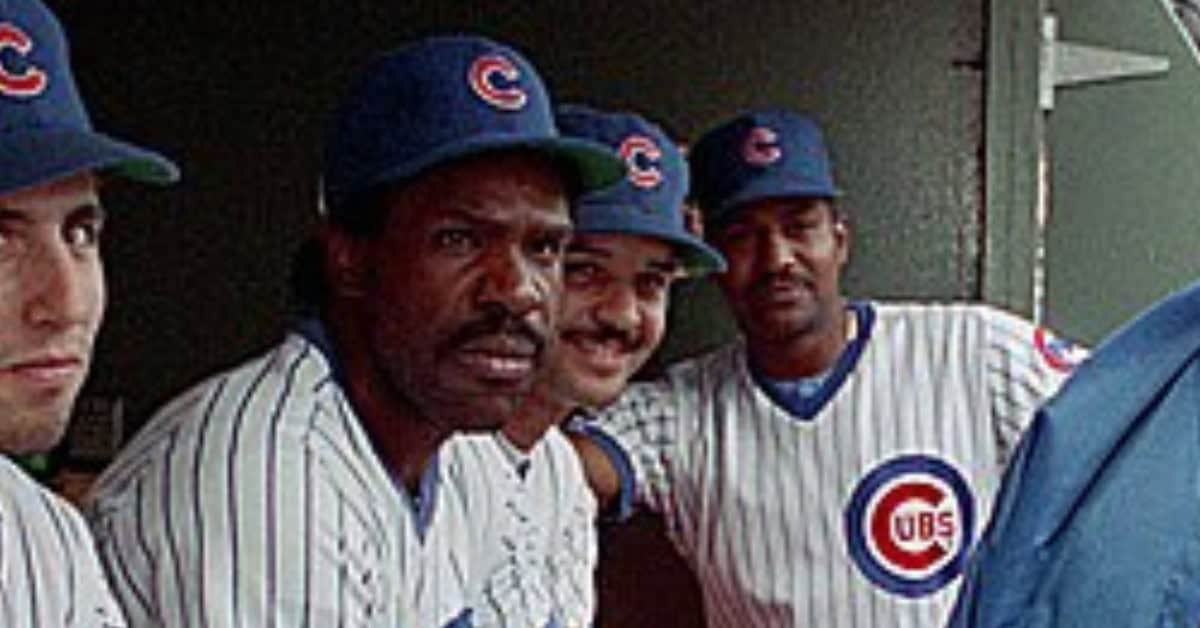
The Hawk was an MVP and eight-time All-Star, but his postseason numbers tell a different story. Despite a career .279 average, Dawson hit just .186 in playoff games across his career. In the 1989 NLCS, he batted .105 (2-for-19) as his Cubs fell to the Giants.
Ernie Banks: Mr. Cub’s September Swoons
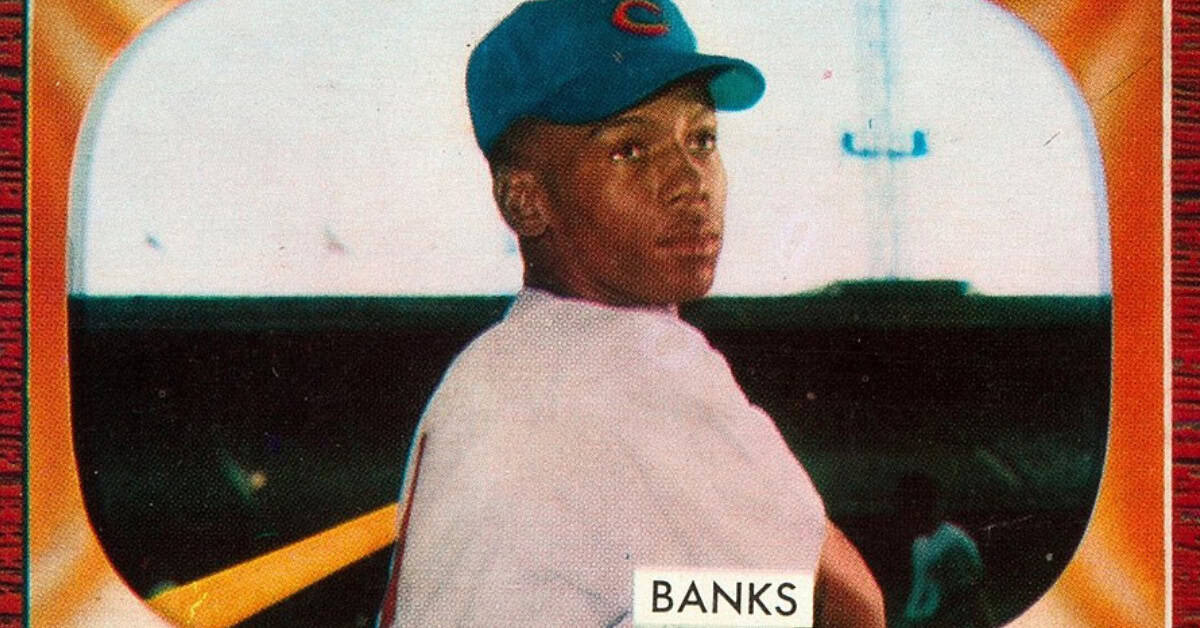
“Let’s play two!” was his famous cry, but the numbers show that one game was tough enough when it really mattered. Mr. Cub’s batting average dropped in September games during pennant races. During the infamous 1969 collapse, Banks hit a mere .186 over the final month as the Cubs watched their 8.5-game lead evaporate, turning his signature optimism into another chapter of Cubs heartbreak.
Barry Bonds: The Regular Season King’s October Struggles
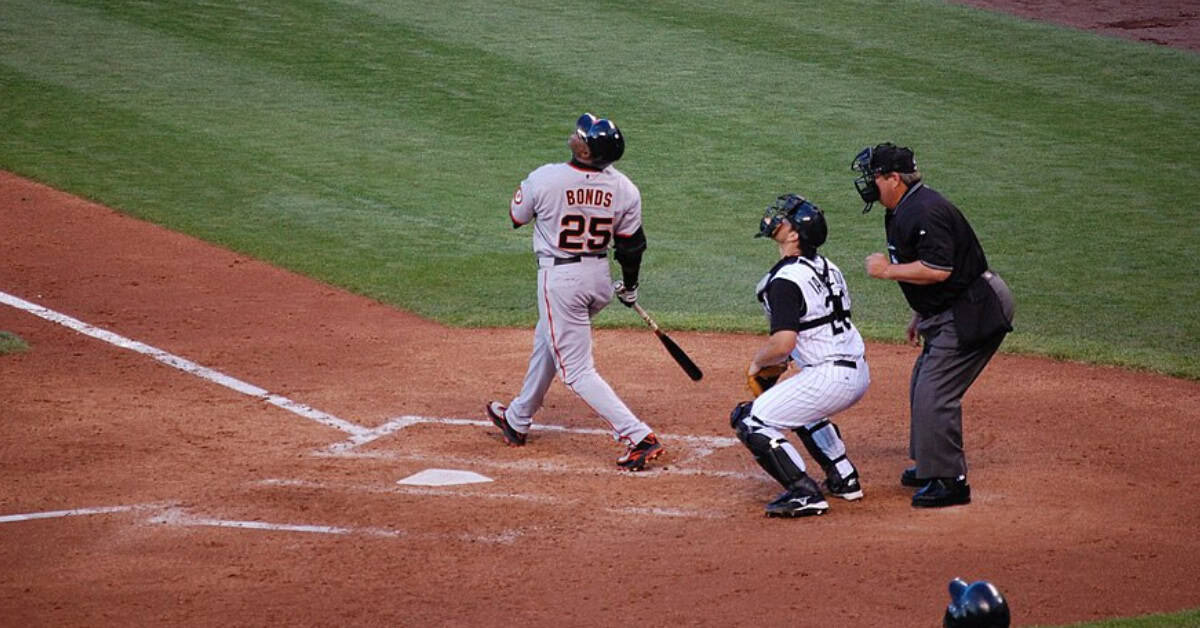
Baseball’s home run king faced a different kind of pressure in October. Before his 2002 World Series explosion, Bonds hit just .196 in his first 97 postseason at-bats. Even when including the starts from the ’02 run, Bonds still hit .245 in his postseason career.
Tony Gwynn: When .338 Became .272
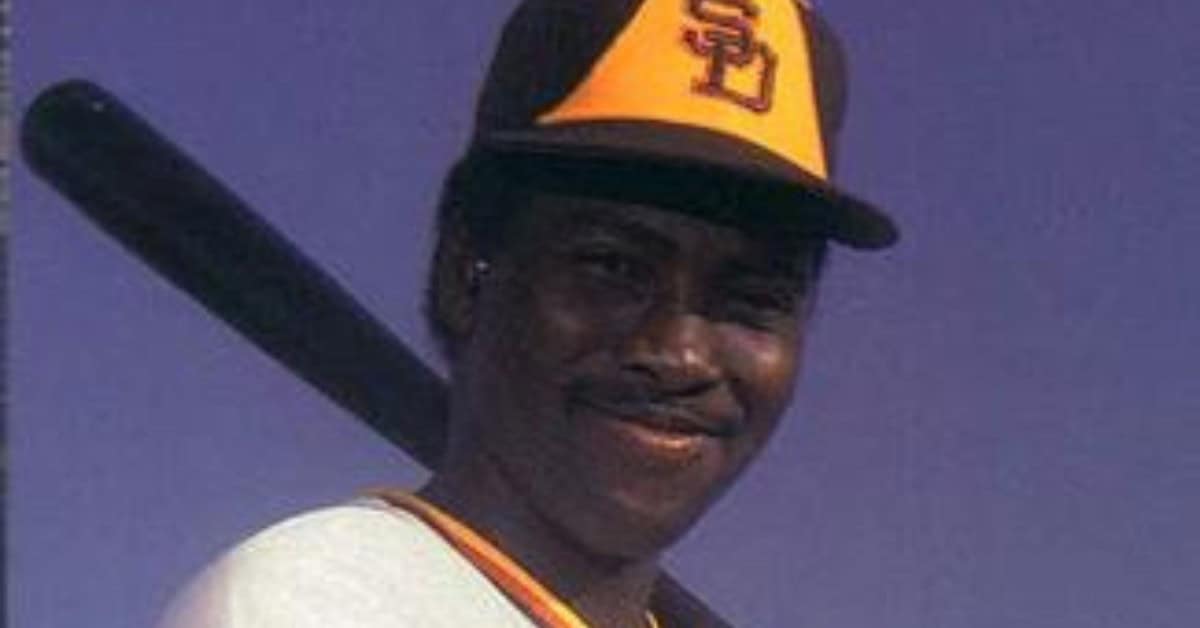
Mr. Padre owned the regular season with eight batting titles, but his numbers told a different story in the postseason. World Series aside, Gwynn hit .272 in his playoff career. Other than that, yes, he hit .500 in the World Series in 1998, but it came in a sweep where the Padres never led.
Craig Biggio: 3,000 Hits But October Silence

The numbers that earned Biggio his Hall of Fame plaque disappeared in the postseason. In 40 playoff games, he managed just a .234 batting average, and his on-base percentage plummeted to .295. The man who collected 3,060 regular-season hits managed just 39 in his entire postseason career.
Ron Santo: The Hero Who Never Saw October

Santo’s reputation for clutch hitting came largely from day games at Wrigley, where his numbers soared. But in games that truly mattered—September contests with playoff implications—his average dropped nearly 40 points below his career mark. The Cubs’ collapse of 1969 saw him hit just .240 in September.
Dick Allen: Regular Season Thunder, Pennant Race Blunder
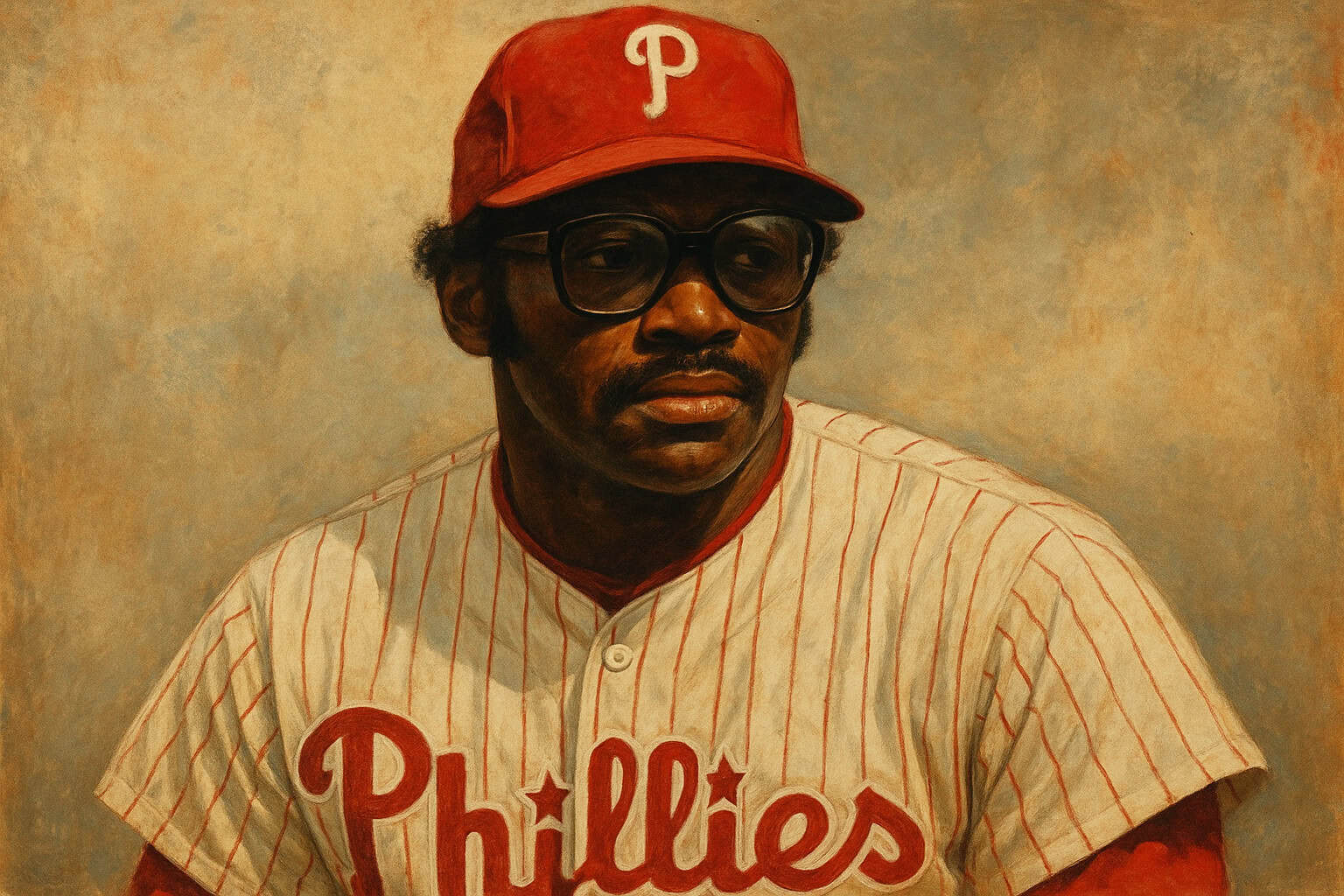
Few players could match Allen’s raw power, but his mighty bat often fell silent when pennant race pressure mounted. During the infamous 1964 Phillies collapse, he hit a mere .231 in September as Philadelphia squandered a 6.5-game lead with 12 to play. The man who routinely launched balls onto Connie Mack Stadium’s roof seemed to lose his thunder when autumn’s chill brought pennant fever.