

Last Updated: June 17th, 2026 by Matthew Brown
Baseball’s Golden Era wasn’t just about statistics and championships. It was about Sunday doubleheaders, transistor radios under pillows, and heroes who seemed larger than life. These weren’t just ballplayers – they were the faces of an America finding its postwar identity through its national pastime.
Don't lose this article. Enter your email below, and I'll send it to you right now. Plus, we'll send you other unbelievable stories from baseball's past.
Willie Mays: When the Say Hey Kid Made Baseball Look Easy
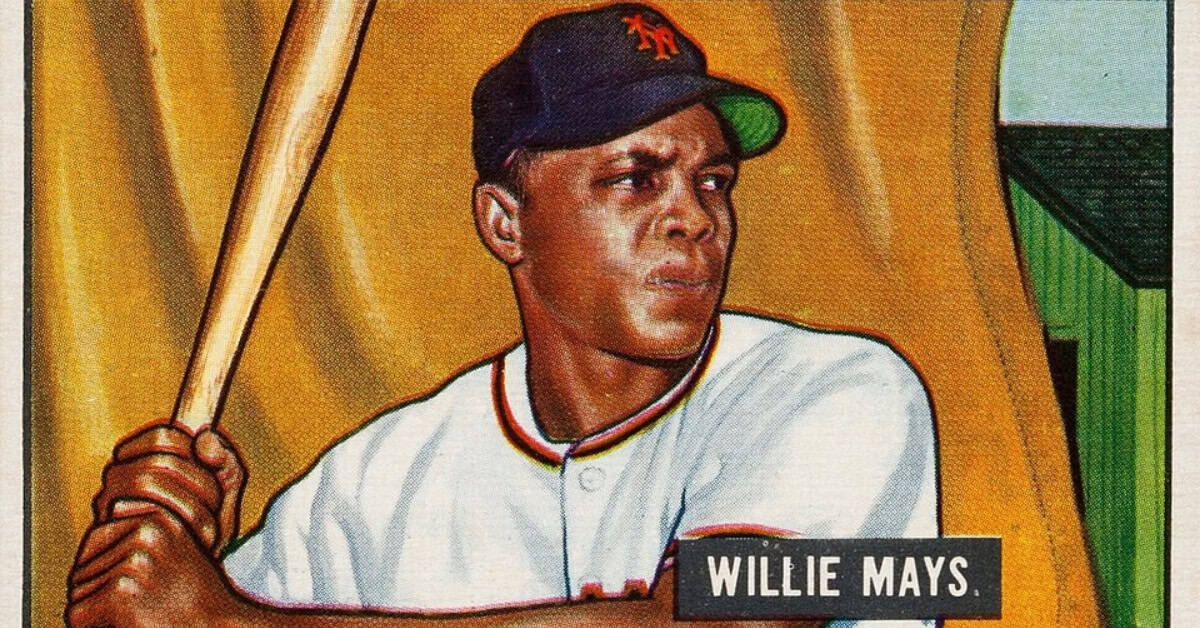
The basket catch, the blur of number 24 racing around the bases, that infectious smile – Willie made the impossible look routine. His over-the-shoulder catch in the ’54 Series wasn’t just a defensive gem; it was poetry in motion that defined baseball excellence for a generation. In an era of specialists, Mays could do it all: hit for power, steal bases, play defense, and make kids believe in magic.
Mickey Mantle: The Commerce Comet Who Launched Dreams in the Bronx

Before there were tape-measure home runs, there was Mickey Mantle. The switch-hitting superman from Oklahoma turned baseball into mythology, launching moonshots that had kids across America practicing from both sides of the plate. His 565-foot blast at Griffith Stadium wasn’t just a home run – it was a statement that anything was possible.
Sandy Koufax: Four Years of Pure Baseball Poetry
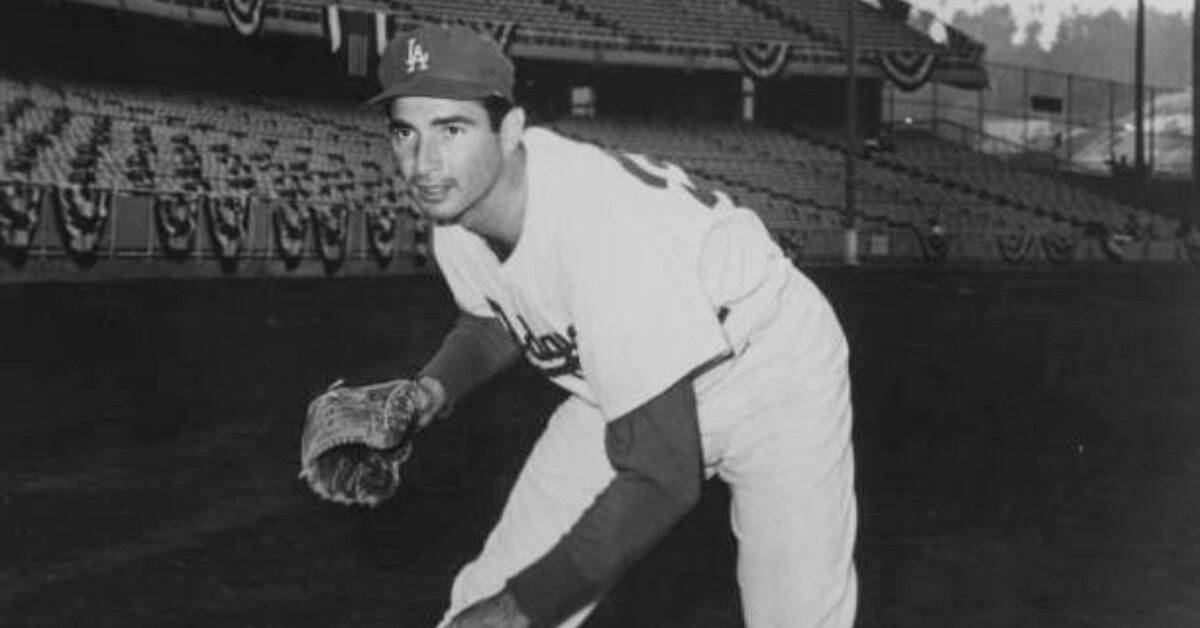
From 1963 to 1966, Koufax wasn’t just a pitcher – he was an artist painting masterpieces with fastballs and curves. His perfect game in ’65 wasn’t just about the zeros on the scoreboard; it was about the way Vin Scully’s voice made every pitch feel like destiny. Then, at the height of his powers, he walked away, leaving us with memories of what perfection looked like.
Stan Musial: The Man Who Owned Saturday Afternoons in St. Louis

That corkscrew stance, the harmonica in his pocket, the way he made time to sign every kid’s autograph – Stan the Man was baseball’s perfect gentleman. He turned Sportsman’s Park into his personal canvas, painting line drives with a consistency that made excellence look routine. In St. Louis, he wasn’t just a ballplayer; he was family.
Roberto Clemente: Grace, Pride, and the Perfect Right Field
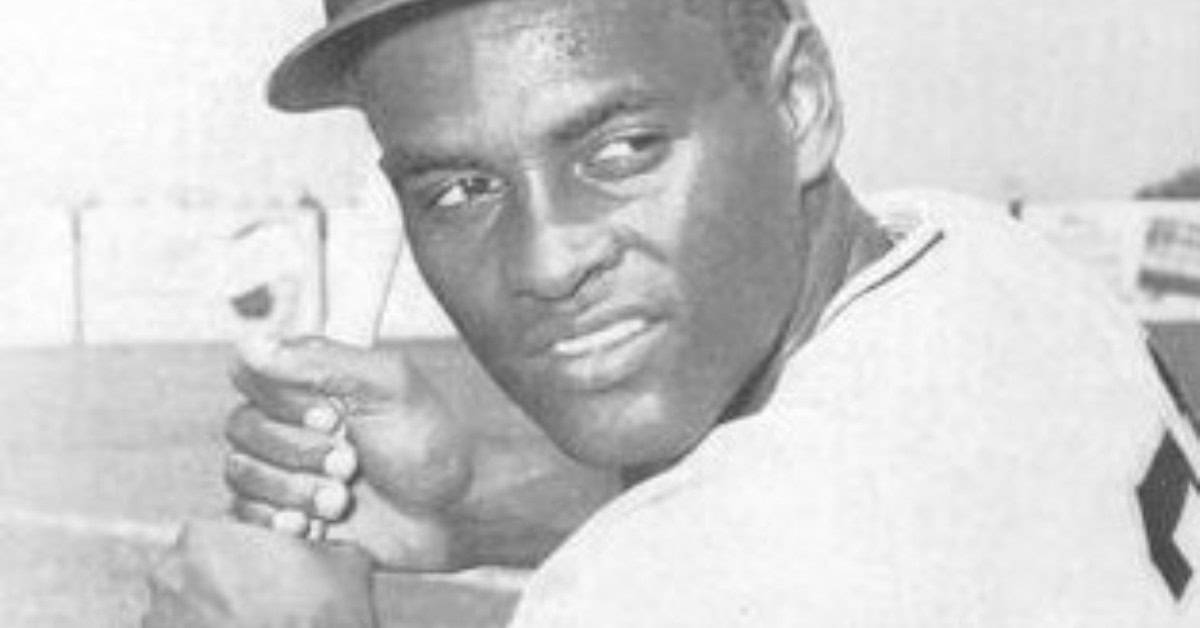
His throws from right field weren’t just throws – they were laser beams that defied physics. Clemente played with a fierce pride that transformed Pittsburgh baseball and showed America the beauty and passion of Latin American baseball. Every play in right field, every legging out of a routine grounder, was a statement about how the game should be played.
Hank Aaron: Quiet Excellence in a Loud World
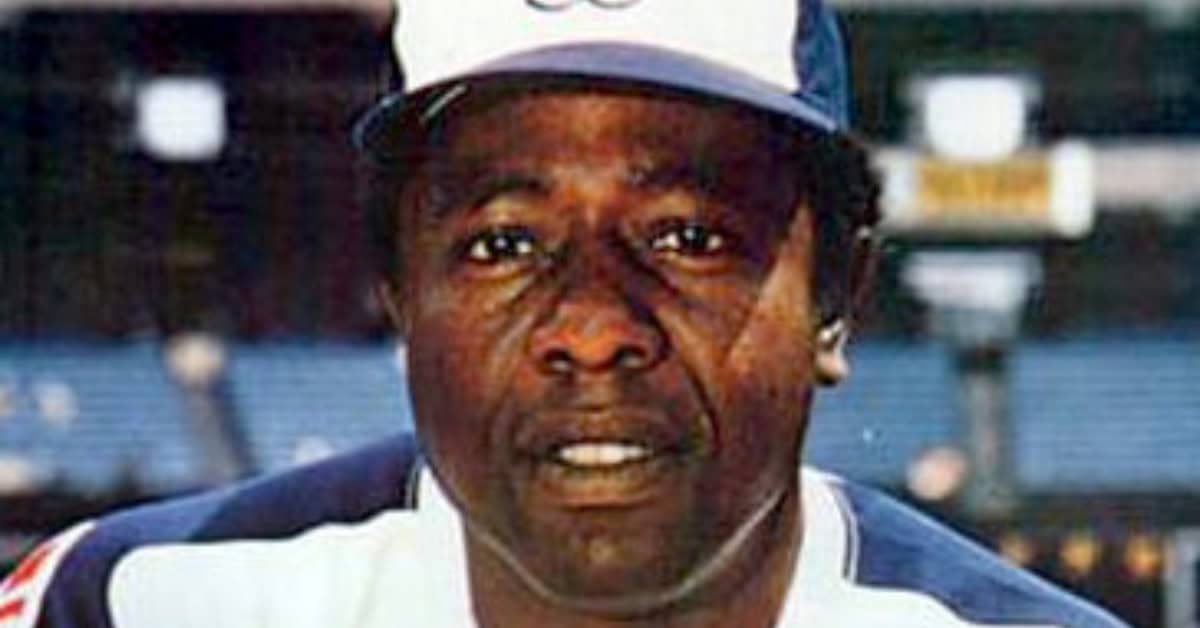
While others swung for the fences, Hammerin’ Hank simply swung for excellence, day after day, year after year. His pursuit of Ruth’s record wasn’t just about home runs – it was about dignity in the face of hatred, about excellence that couldn’t be denied. Those quick wrists and that level swing represented something bigger than baseball.
Ernie Banks: Mr. Cub and the Joy of the Game
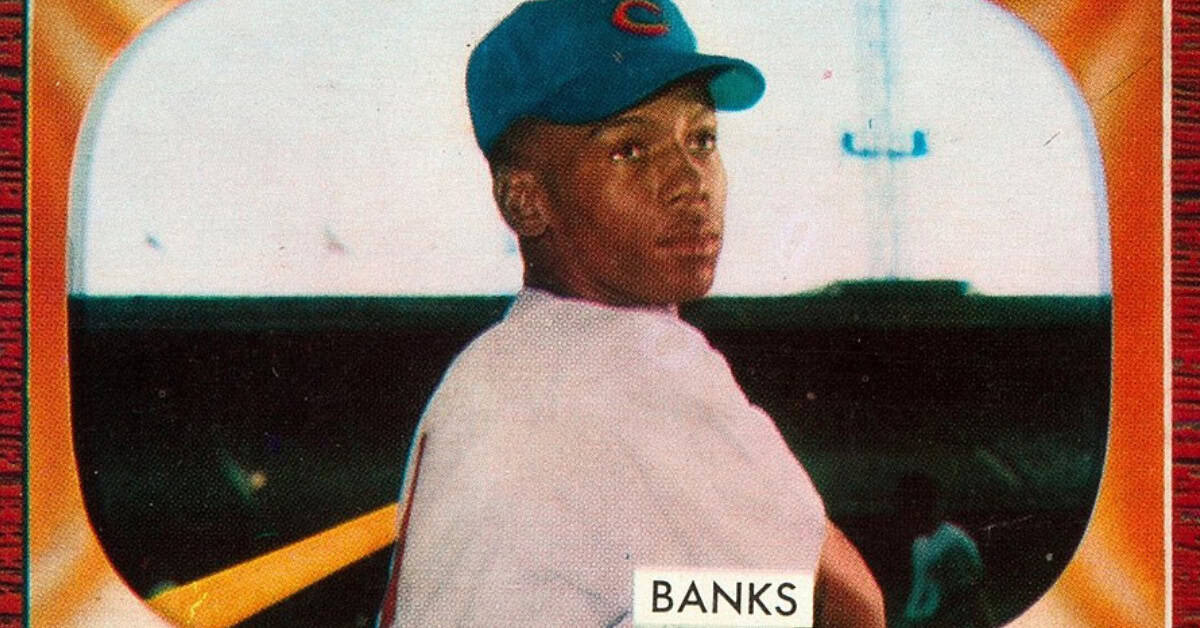
“Let’s play two!” wasn’t just a catchphrase – it was a philosophy about loving baseball so much that one game wasn’t enough. Banks brought joy to a Cubs team that rarely won, showing that greatness wasn’t just about championships. His smile lit up Wrigley Field brighter than the sunshine.
Yogi Berra: The Philosopher King of Baseball’s Golden Age

Behind that lovable persona was one of baseball’s shrewdest minds and most accomplished winners. Yogi’s Yogisms weren’t just funny quotes – they were zen koans that somehow captured baseball’s essential truths. Ten World Series rings proved it wasn’t over even when he said it was over.
Warren Spahn: The Last of the 300-Game Winners
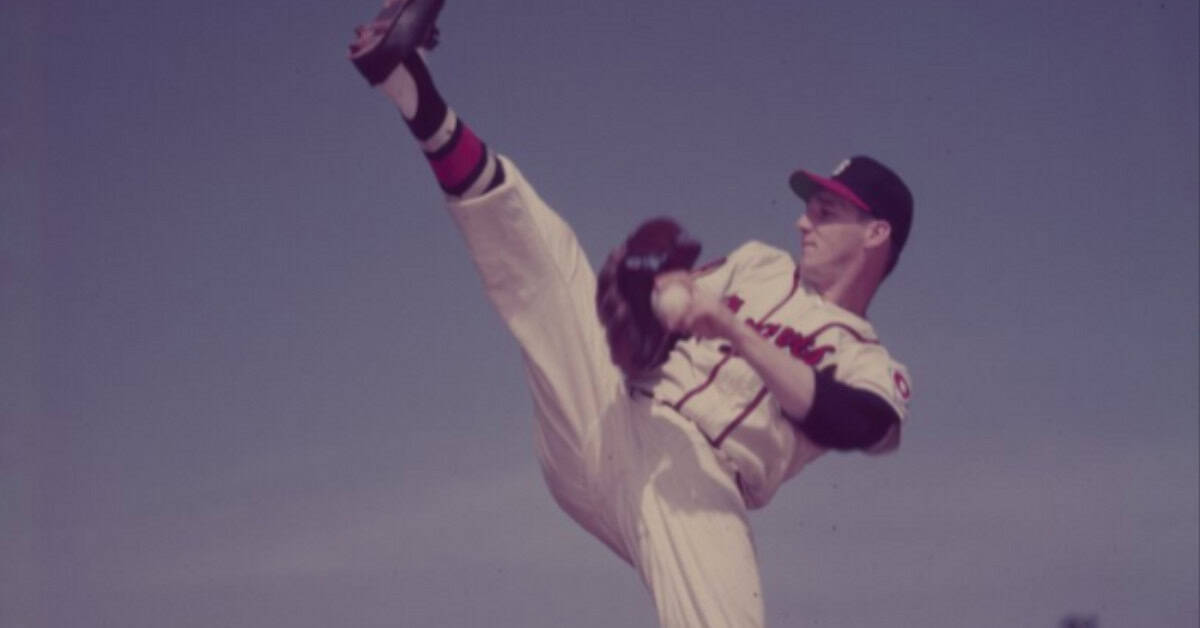
That high leg kick wasn’t just a pitching motion – it was a work of art that defined left-handed pitching for a generation. Spahn’s motto, “timing is everything without it you have nothing,” wasn’t just about pitching; it was about lasting long enough to win 363 games in an era when pitchers finished what they started. The last pitcher to win 300 games while completing nearly half his starts, Spahnie represented a kind of craftsman that baseball may never see again.
Jackie Robinson: The Man Who Changed More Than the Game

Every stolen base, every extra base taken, every moment of excellence was a quiet revolution. Robinson didn’t just integrate baseball – he forced America to confront its contradictions through the poetry of his play. His steal of home in the ’55 World Series wasn’t just a run scored; it was a declaration that nothing could hold back greatness.