

Last Updated: June 17th, 2026 by Michael Schatz
Journey back to baseball’s golden age as we explore the greatest hitters of the 1940s. Despite World War II interrupting many careers, these legendary players achieved remarkable feats that still stand today. From Ted Williams’ historic .406 season to Joe DiMaggio’s 56-game hitting streak, these athletes defined an era of baseball excellence.
Don't lose this article. Enter your email below, and I'll send it to you right now. Plus, we'll send you other unbelievable stories from baseball's past.
Ted Williams: The Last .400 Hitter

The “Splendid Splinter” achieved baseball immortality in 1941 by hitting .406, a feat unmatched since. Despite missing three years serving in WWII, Williams dominated the 1940s with two AL MVP awards, two Triple Crowns, and four batting titles. His decade stats were staggering: .356 batting average, 234 home runs, and a record .553 on-base percentage in 1941.
Stan Musial: The Man Who Could Hit Everything

“Stan the Man” earned his nickname through incredible consistency, winning three NL MVP awards and four batting titles in the 1940s. His phenomenal 1948 season saw him hit .376 with 230 hits. Despite missing 1945 for military service, Musial accumulated over 1,800 hits during the decade and maintained a stellar .347 batting average.
Joe DiMaggio: The Streak That Captivated America

The “Yankee Clipper” set his unbreakable 56-game hitting streak in 1941 while winning the AL MVP. Despite missing three seasons for military service, DiMaggio hit .325 during the 1940s with 165 home runs. His 1948 season was particularly impressive, leading the AL with 155 RBIs and hitting 39 home runs.
Johnny Mize: The Big Cat’s Power Surge
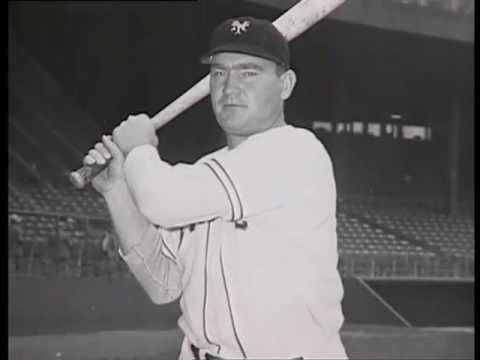
“The Big Cat” dominated NL power hitting, leading the league in home runs four times during the 1940s, including 51 in 1947. Despite missing three years for military service, Mize maintained a .317 average while slugging 178 home runs. His combination of power and average made him one of the decade’s most feared hitters.
Ralph Kiner: The Home Run King

Though his career didn’t begin until 1946, Kiner immediately dominated the home run charts, leading the NL every year from 1946-1949. His power was unprecedented, with 51 homers in 1947 and 54 in 1949. While maintaining a solid .280 average, he amassed an incredible 168 home runs in just four seasons.
Enos Slaughter: Country’s Consistent Excellence
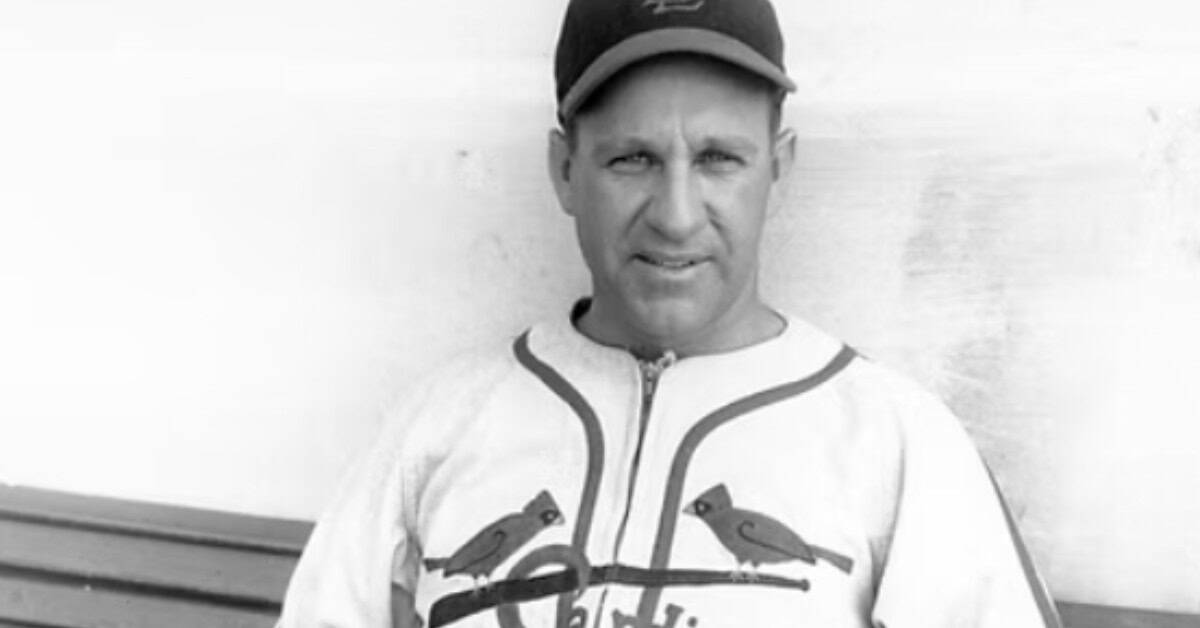
“Country” Slaughter maintained a remarkable .305 average during the decade despite military service. His consistency was legendary, hitting .300 or better in four straight seasons after returning from war (1946-1949). He played a crucial role in the Cardinals’ 1946 World Series victory, demonstrating his clutch hitting abilities.
Lou Boudreau: The Playing Manager’s MVP Season

The player-manager achieved the remarkable feat of leading Cleveland to a World Series title while winning the 1948 AL MVP. His .355 batting average that year came with incredible plate discipline: just 9 strikeouts in 676 plate appearances. Throughout the decade, he hit .295 while managing the team and leading AL shortstops in fielding.
Phil Cavarretta: The Cubs’ MVP Leader

Cavarretta’s 1945 MVP season highlighted his consistent excellence, hitting .355 and leading the Cubs to the pennant. His decade was marked by steady performance, maintaining a .292 average and showing exceptional plate discipline. In 1944, he led the NL with a .321 average and .414 on-base percentage.
Johnny Pesky: The Hit Machine
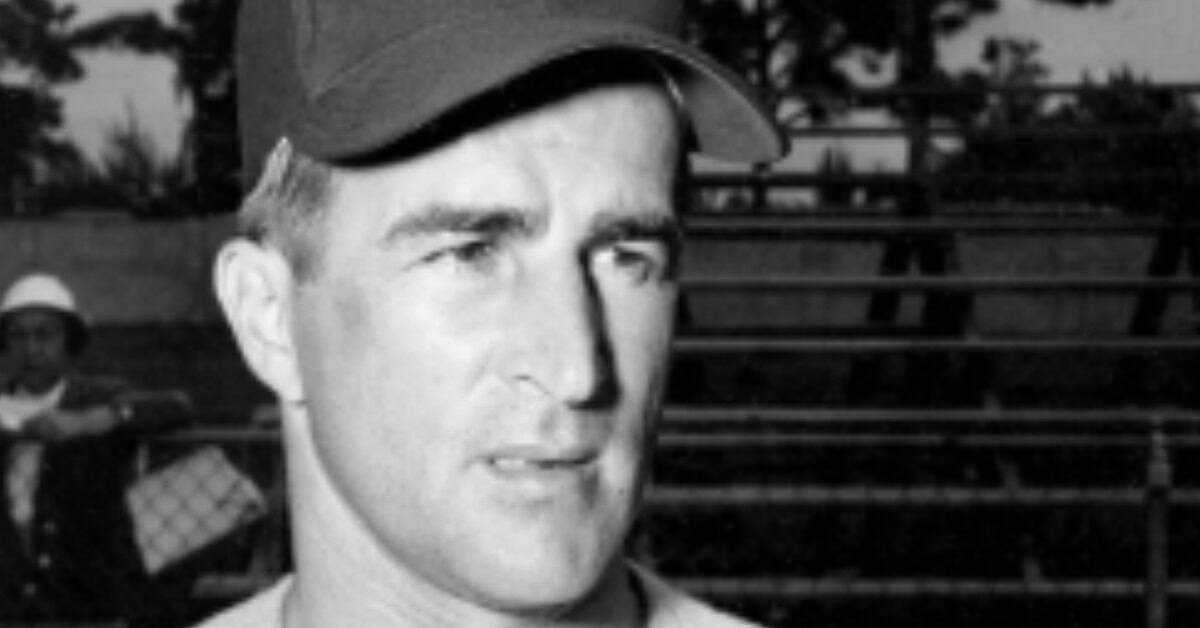
Despite missing three years for military service, Pesky was a hitting machine, batting .313 for the decade. His consistency was remarkable, leading the AL in hits for three consecutive playing seasons: 205 hits in 1942, 208 in 1946, and 207 in 1947. His rookie season set the tone with a .331 average.
Bob Elliott: The Clutch-Hitting MVP
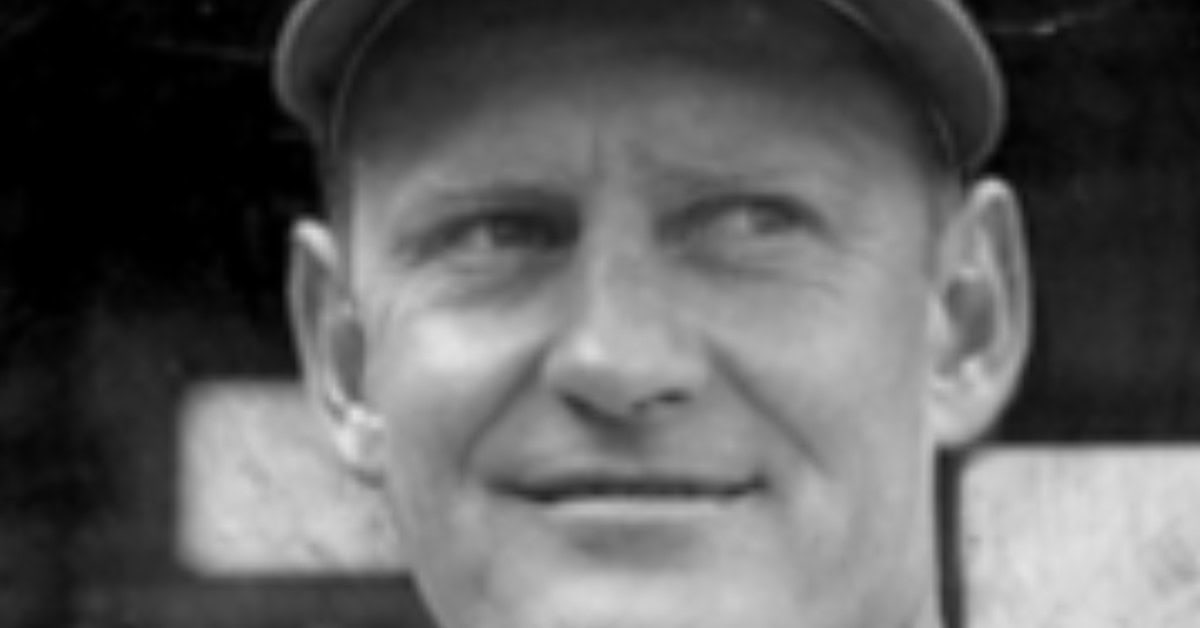
Elliott’s 1947 NL MVP season showcased his all-around hitting ability, batting .317 with 22 home runs and 113 RBIs. Throughout the decade, he maintained a .297 average and earned five All-Star selections. His consistency in driving in runs, with four 100+ RBI seasons, made him one of the decade’s most reliable run producers.