

Last Updated: June 17th, 2026 by Michael Schatz
The 1970s were the golden age of right field, when leather-armed legends patrolled the warning track with the swagger of gunslingers and the precision of Swiss watchmakers. These were the men who made grown fans leap from their seats at the crack of the bat, knowing something magical was about to unfold in that sacred corner of the diamond.
Don't lose this article. Enter your email below, and I'll send it to you right now. Plus, we'll send you other unbelievable stories from baseball's past.
Roberto Clemente: The Rocket Arm That Made Pirates Fans Believers

Roberto Clemente possessed an arm that could thread a needle from 300 feet away, launching frozen ropes from the warning track to home plate with the precision of a military sniper. The Great One compiled 3,000 hits and a .317 lifetime average while revolutionizing right field defense with throws that defied physics and common sense. His tragic death in a humanitarian mission on New Year’s Eve 1972 cemented his legacy as baseball’s most beloved warrior-poet, a man who played with the heart of a lion and the soul of a saint.
Reggie Jackson: Mr. October’s Candy Bar Dreams and Pinstripe Swagger

Reggie Jackson didn’t just hit home runs—he launched moon shots that seemed to hang in the autumn air like promises of championship glory. The straw that stirred the drink belted 563 career homers while earning his Mr. October nickname with clutch performances that turned October baseball into personal theater. His ego was as massive as his swing, but when the lights burned brightest, Jackson delivered with the reliability of a Swiss timepiece and the drama of a Broadway show.
Tony Oliva: The Cuban Comet Who Made Batting Titles Look Easy

Tony Oliva’s sweet swing produced line drives that sizzled through the Minnesota air like summer lightning, earning him three batting titles and a .304 lifetime average despite career-ending knee injuries. The Cuban-born slugger became the first player to win batting titles in his first two seasons, hitting .323 and .321 while establishing himself as the most feared hitter in the American League. His Hall of Fame induction in 2022 finally recognized a career that burned bright but was cruelly shortened by the limitations of 1970s medical science.
Al Kaline: Detroit’s Gentleman Slugger with the Golden Glove
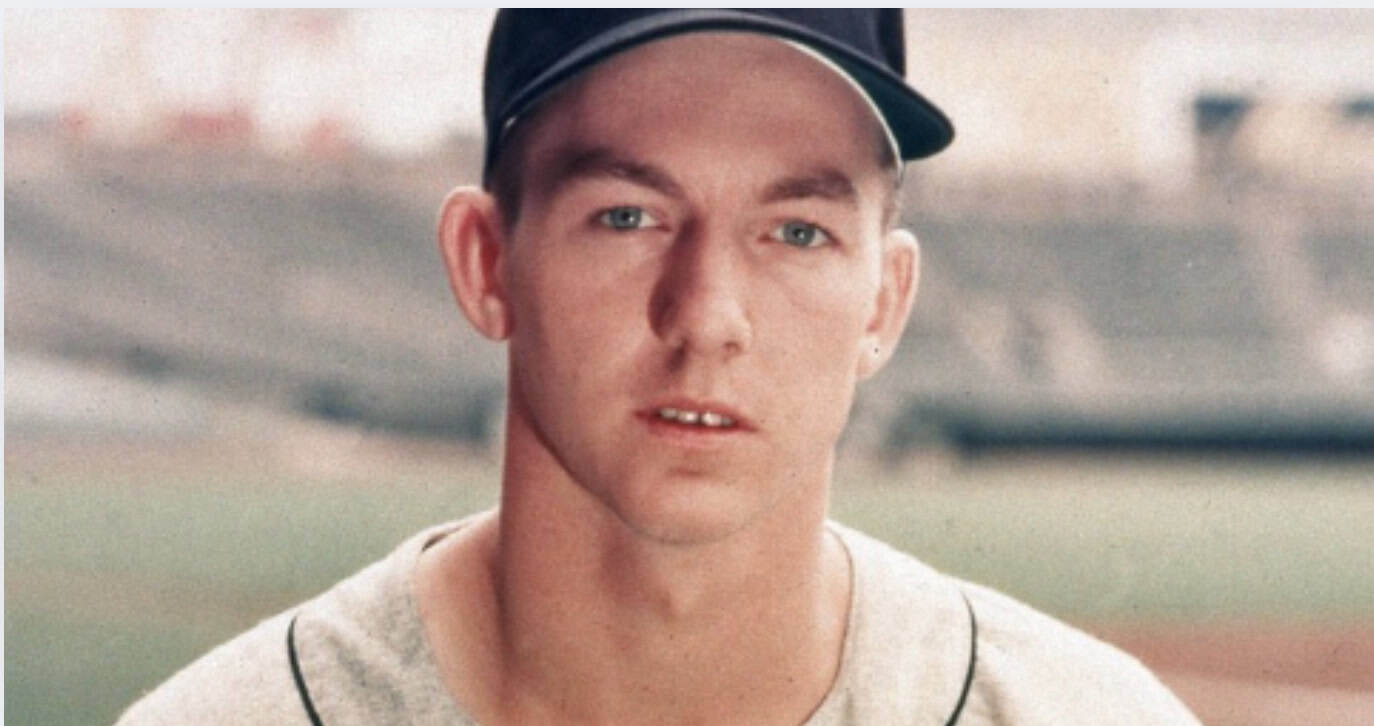
Al Kaline epitomized class and consistency, patrolling right field at Tiger Stadium with the grace of a ballet dancer and the precision of a master craftsman. Mr. Tiger accumulated 3,007 hits and 399 home runs while winning 10 Gold Gloves and earning 18 All-Star selections during a career that spanned from Eisenhower to Carter. His smooth swing and impeccable character made him the gold standard for how a superstar should conduct himself both on and off the field.
Dave Winfield: The 6’6″ Giant Who Made Outfield Walls Seem Small
Dave Winfield’s towering frame and athletic prowess made him look like a basketball player who accidentally wandered onto a baseball diamond and decided to dominate. The former University of Minnesota star launched 465 career home runs while collecting 3,110 hits and earning 12 All-Star selections across four different decades. His combination of size, speed, and power was so rare that scouts compared him to a mythical creature—part gazelle, part lumberjack, all baseball excellence.
Dwight Evans: Boston’s Defensive Wizard with the Cannon Arm
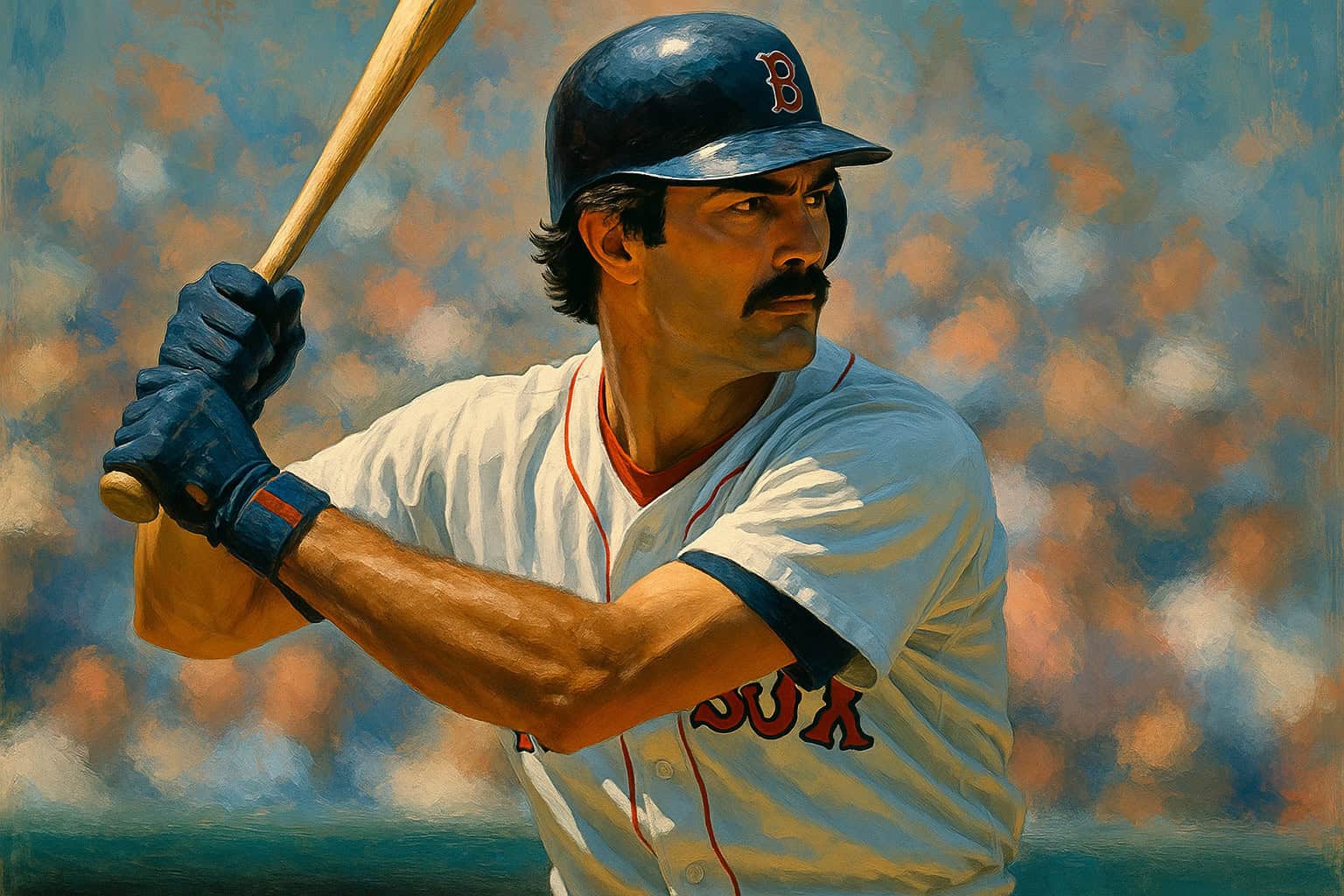
Dwight Evans transformed Fenway Park’s right field into his personal kingdom, mastering the Green Monster’s caroms and angles like a pool shark reading table geometry. His cannon arm produced 157 career outfield assists while his eight Gold Gloves testified to defensive brilliance that made routine plays look artistic. Evans hit 385 home runs and walked more than he struck out, proving that patience and precision could be just as valuable as raw power.
Rusty Staub: Le Grand Orange and His Sweet Montreal Memories

Rusty Staub’s flowing red hair and smooth swing made him Montreal’s first baseball heartthrob, earning the nickname “Le Grand Orange” from French-Canadian fans who adored his clutch hitting. The versatile star collected 2,716 hits while becoming one of the few players to appear in All-Star Games representing four different teams. His ability to hit in the clutch was legendary—Staub seemed to save his best swings for the moments when the crowd held its collective breath.
Bobby Murcer: The Yankee Golden Boy Who Almost Replaced Mickey
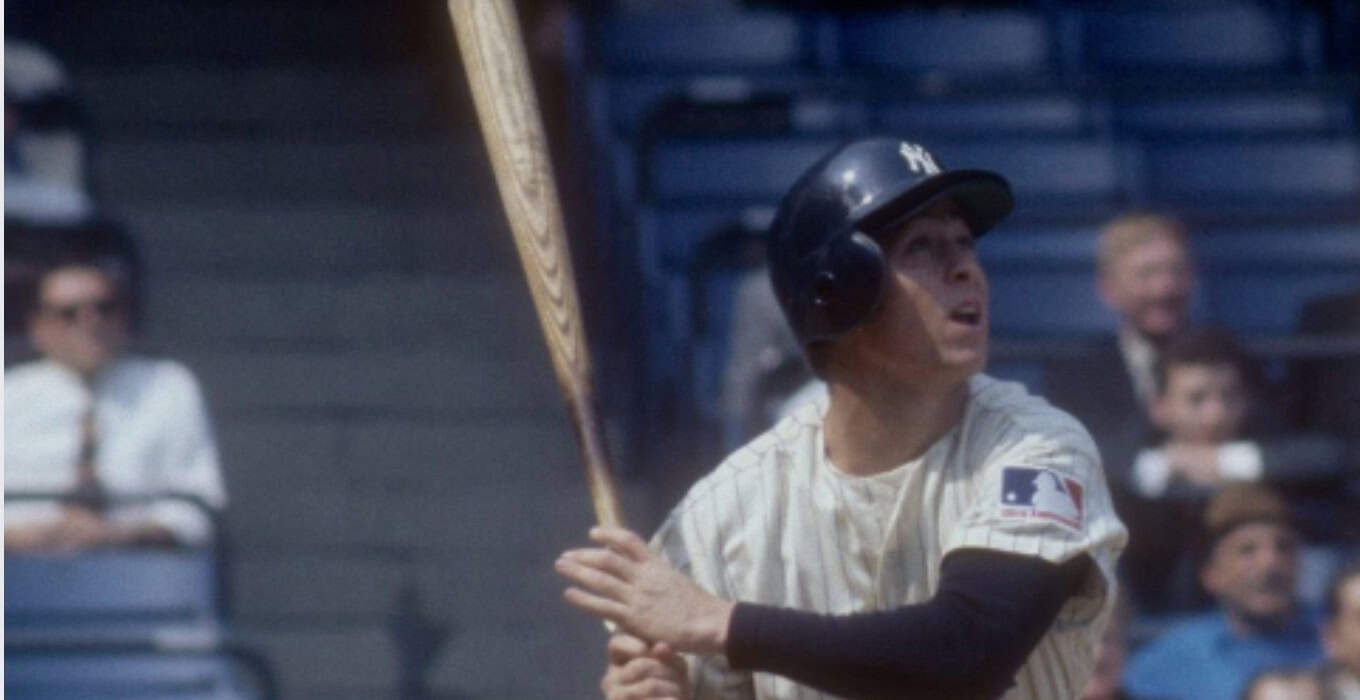
Bobby Murcer carried the impossible burden of being Mickey Mantle’s heir apparent, a role that would have crushed lesser men but only motivated this Oklahoma native to excel. His sweet left-handed swing produced 252 home runs and five All-Star selections while his genuine warmth made him beloved by teammates and fans alike. Murcer’s 1971 season (.331 average, .427 OBP) showed glimpses of the superstar potential that made Yankees fans dream of dynasty restoration.
Jose Cardenal: The Afro-Powered Speedster Who Stole Hearts
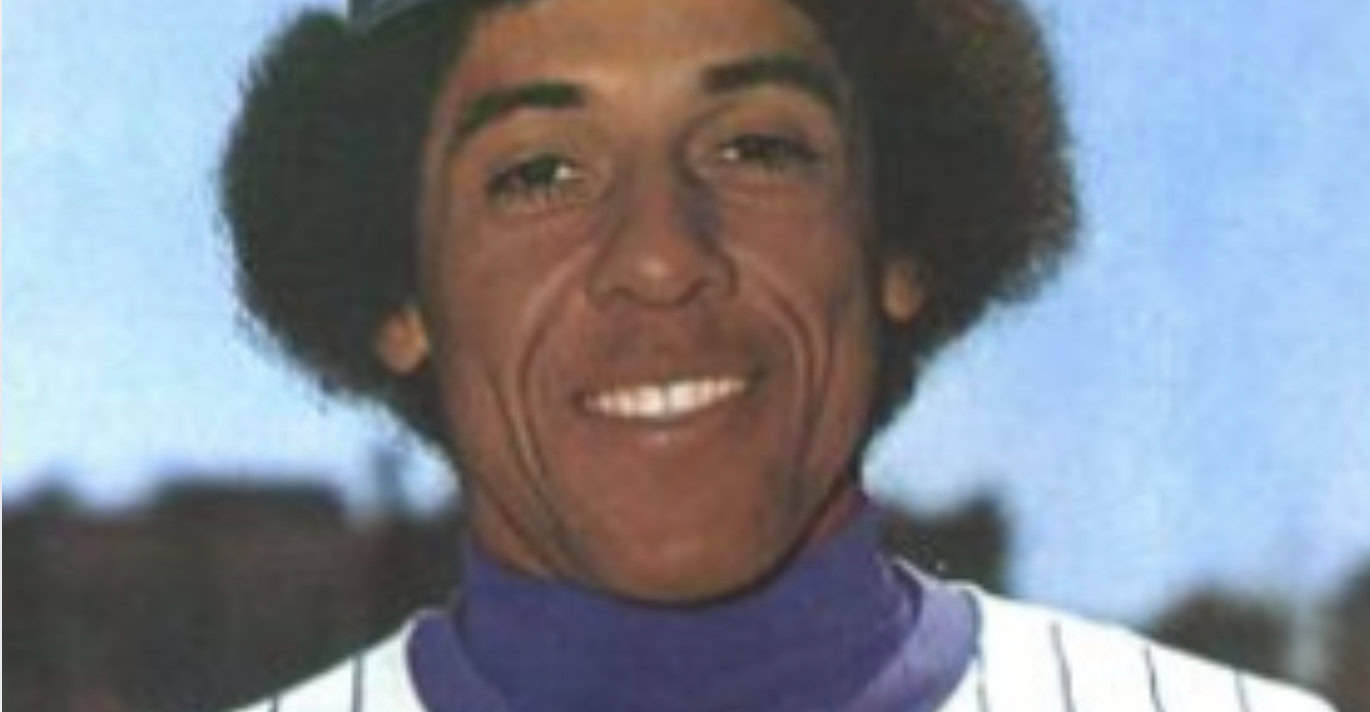
Jose Cardenal’s magnificent afro and infectious smile made him the most colorful character in baseball, a showman who could steal bases and steal scenes with equal flair. The Cuban speedster swiped 329 career bases while hitting .275 over 18 seasons, bringing joy and excitement to every ballpark he visited. His famous excuse for missing a game—his eyelid was stuck shut—perfectly captured the whimsical spirit that made baseball more fun whenever Cardenal took the field.
Cesar Cedeno: Houston’s Five-Tool Wonder Before the Astrodome
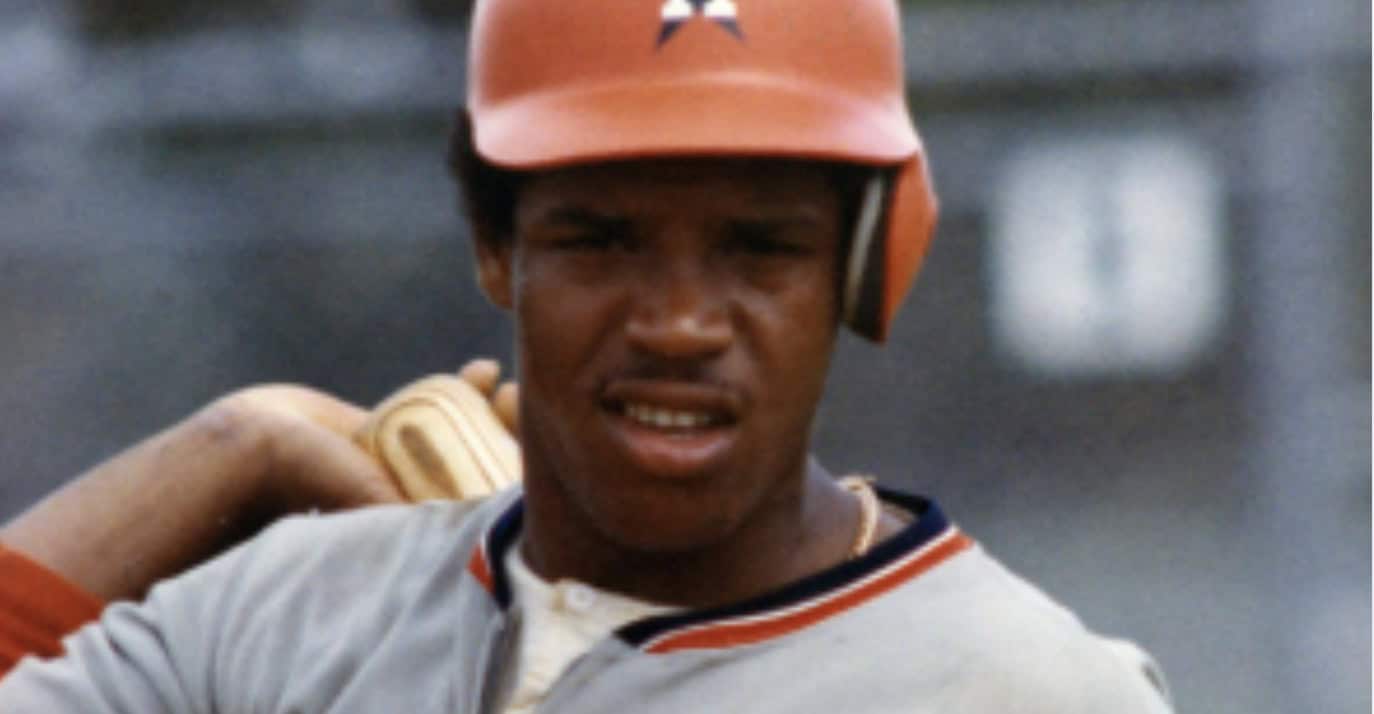
Cesar Cedeno possessed the rare combination of power, speed, and defensive brilliance that made scouts compare him to Willie Mays in his prime. The Dominican Republic native hit .285 with 199 home runs and 550 stolen bases while winning five Gold Gloves and earning four All-Star selections. His peak years in the mid-1970s showcased a player who could beat you with his bat, his glove, or his legs—a true five-tool talent in an era when such players were baseball’s most precious commodities.
Tony Perez: The Big Red Machine’s Clutch-Hitting Cuban

Tony Perez provided the steady heartbeat that kept Cincinnati’s Big Red Machine running smoothly, driving in 1,652 runs while hitting .279 over 23 seasons. Doggie’s clutch hitting in pressure situations made him the most reliable run producer on a team loaded with Hall of Fame talent. His seven All-Star selections and 379 home runs only tell part of the story—Perez was the glue that held together one of baseball’s greatest dynasties.
Amos Otis: Kansas City’s Smooth Operator in Royal Blue
Amos Otis glided through center field with the effortless grace of a jazz musician, making spectacular catches look routine while patrolling the artificial turf at Royals Stadium. The five-time All-Star hit .277 with 193 home runs and 341 stolen bases, providing the perfect blend of power and speed that defined Kansas City’s championship teams. His smooth swing and smoother defense made him the embodiment of Royals baseball during their golden era.
Boog Powell: Baltimore’s Gentle Giant with the Booming Bat

Boog Powell’s massive frame and gentle demeanor made him baseball’s most lovable giant, a 6’4″ teddy bear who could launch baseballs into orbit with his mighty swing. The 1970 American League MVP hit 339 home runs while anchoring Baltimore’s championship teams with his consistent power and infectious personality. His booming home runs at Memorial Stadium became the stuff of legend, towering shots that seemed to defy the laws of physics and common sense.
Frank Robinson: The Triple Crown King Who Defined Power

Frank Robinson’s crowning over home plate and fierce competitive fire made him the most intimidating hitter of his generation, a man who turned at-bats into personal wars. The first player to win MVP awards in both leagues launched 586 home runs while earning the Triple Crown in 1966 and leading Baltimore to two World Series titles. His aggressive style and clutch hitting made him the prototype for the modern power hitter—fearless, focused, and absolutely devastating when the game was on the line.
Ken Singleton: The Switch-Hitting Intellectual’s Thinking Man’s Hero

Ken Singleton’s patient approach and switch-hitting ability made him the thinking fan’s favorite, a cerebral player who understood the strike zone like a professor understood calculus. The three-time All-Star hit .282 with 246 home runs while leading the American League in on-base percentage twice, proving that intelligence and discipline could be just as valuable as raw talent. His smooth swing from both sides of the plate and keen eye for the strike zone made him one of the most complete hitters of the decade.
Ellis Valentine: Montreal’s Cannon-Armed Speedster

Ellis Valentine possessed one of the strongest arms in baseball history, launching throws from right field that seemed to violate the laws of physics and common decency. The Arkansas native’s rocket arm earned him a Gold Glove while his power potential made scouts drool over his raw talent. His career was ultimately shortened by injuries and personal struggles, but for a brief shining moment, Valentine showed flashes of the superstar potential that made him one of baseball’s most intriguing what-if stories.
George Foster: Cincinnati’s RBI Machine in the Big Red Dynasty
George Foster’s black bat and menacing presence at the plate made him the most feared slugger in the National League during Cincinnati’s championship years. The 1977 National League MVP drove in 149 runs while hitting 52 home runs, becoming the first player since Willie Mays to reach the 50-homer plateau. His devastating power stroke and clutch hitting made him the perfect complement to the Big Red Machine’s offensive arsenal, a silent assassin who let his bat do all the talking.
Sixto Lezcano: Milwaukee’s Underrated Puerto Rican Powerhouse

Sixto Lezcano’s smooth swing and consistent power made him one of the most underrated players of the decade, a Puerto Rican slugger who quietly produced excellent numbers in Milwaukee’s small market. The left-handed hitter belted 148 home runs while hitting .271 over 12 seasons, providing steady production and reliable defense for the Brewers’ competitive teams. His 1979 season (28 HRs, 101 RBIs) showcased the kind of consistent excellence that made him a fan favorite in Milwaukee’s blue-collar baseball atmosphere.
Jerry Morales: The Steady Hand in Chicago’s Wrigley Winds

Jerry Morales brought Puerto Rican flair and consistent production to Wrigley Field, mastering the tricky winds and afternoon shadows that made Chicago’s ballpark a hitter’s nightmare. The reliable outfielder hit .259 with 95 home runs while providing steady defense and veteran leadership during the Cubs’ rebuilding years. His ability to handle Wrigley’s unique challenges and deliver clutch hits in pressure situations made him a valuable contributor to Cubs baseball during the franchise’s lean years.
Claudell Washington: The Sweet-Swinging Lefty Who Roamed the Outfield

Claudell Washington’s sweet left-handed swing and natural athleticism made him one of the most promising young players in Oakland’s championship dynasty, a smooth operator who could hit for average and power. The California native hit .278 with 164 home runs over 17 seasons while providing versatility and speed that made him valuable to eight different teams. His 1975 rookie season (.308 average, 10 HRs, 77 RBIs) announced the arrival of a special talent who would become one of the decade’s most consistent performers.