

Last Updated: June 17th, 2026 by Michael Schatz
Baseball’s history is littered with forgotten heroes who threw strikes while the spotlight shined elsewhere. These ten pitchers deserved better than the shadows they inhabited, crafting careers that should have earned them bronze plaques in Cooperstown instead of footnotes in dusty record books.
Don't lose this article. Enter your email below, and I'll send it to you right now. Plus, we'll send you other unbelievable stories from baseball's past.
Luis Tiant – The Cuban Cigar Maestro Who Captivated Fenway
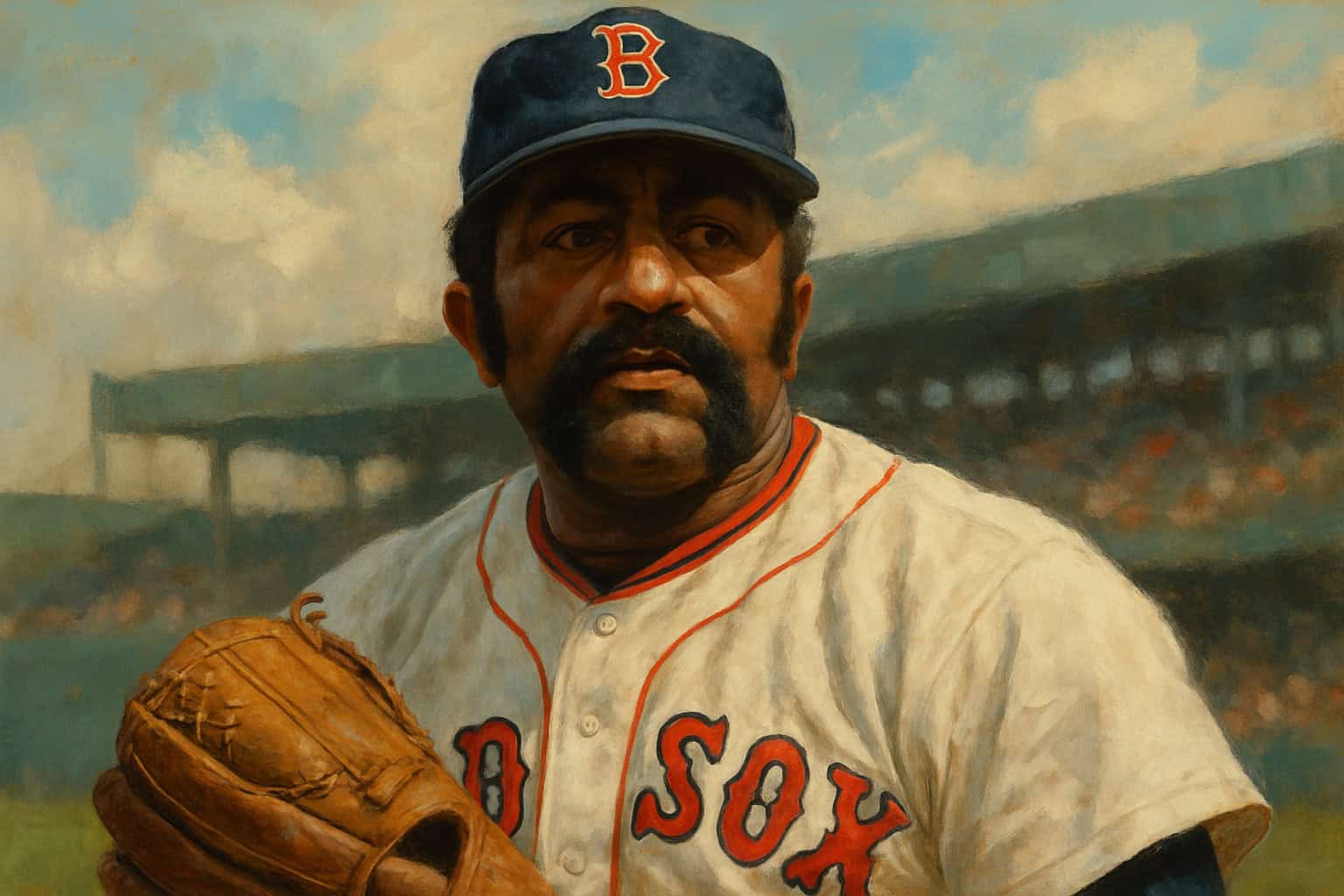
El Tiante’s pretzel-like windup and handlebar mustache made him look like a carnival performer, but his 229 career wins and 2,416 strikeouts were pure artistry. The Cuban right-hander’s 1968 season with Cleveland (21-9, 1.60 ERA) remains one of the most dominant performances in baseball history. His theatrical delivery, complete with a full turn toward second base before unleashing his fastball, turned every at-bat into theater that made Fenway Park feel like the greatest show on earth.
Kevin Brown – The Groundball Genius Who Terrorized Hitters in Baseball’s Steroid Era

While Mark McGwire and Sammy Sosa launched baseballs into orbit, Kevin Brown was busy burying them in the dirt with his devastating sinker. His 67.8 career WAR is comparable to many Hall of Famers, yet he received just 2.1% of the vote (12 votes) on his lone Hall of Fame ballot. Brown’s 211-144 record and 3.28 ERA came during the height of the offensive explosion, when keeping the ball in the park required the kind of sorcery that made hitters look like they were swinging underwater.
Dave Stieb – Toronto’s Blue Jay Who Was Famously Unlucky
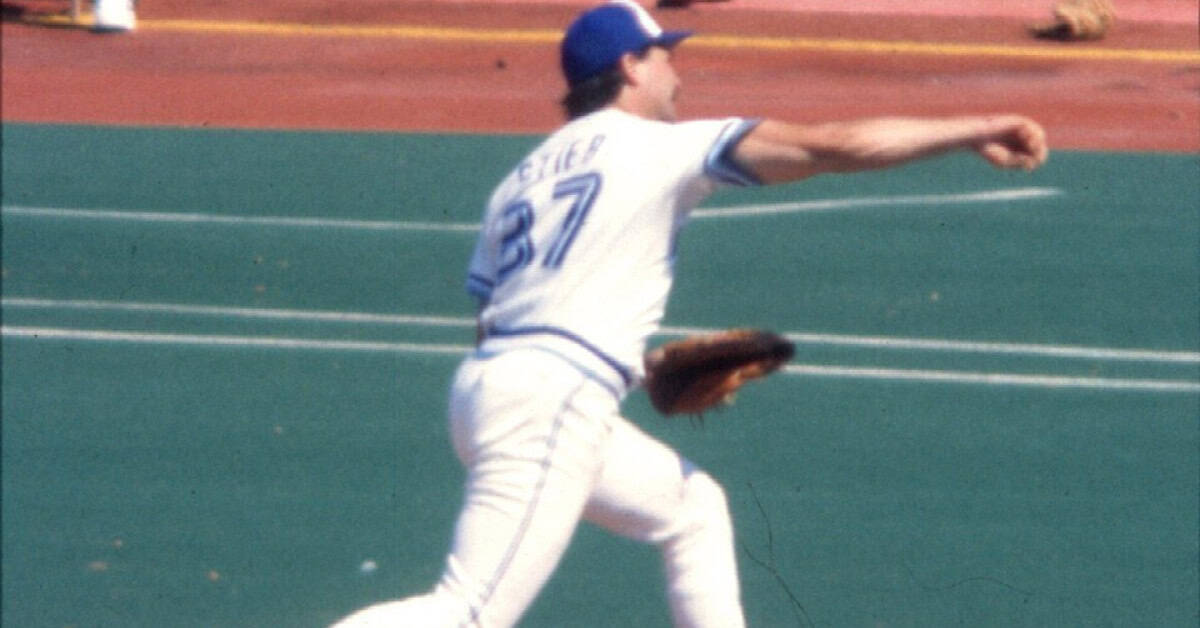
In a heartbreaking stretch, Dave Stieb took three no-hitters and one perfect game into the ninth inning with two outs before losing them. When he finally threw his no-hitter in 1990, it felt like cosmic justice for a pitcher who’d been robbed by fate more than a convenience store clerk. His 176 wins and 3.44 ERA for Toronto don’t tell the story of a man who carried an expansion franchise on his back, turning the SkyDome into a house of horrors for opposing hitters while most of America slept through Blue Jays games.
Rick Reuschel – The Hefty Hurler Who Made Batters Look Foolish for Two Decades
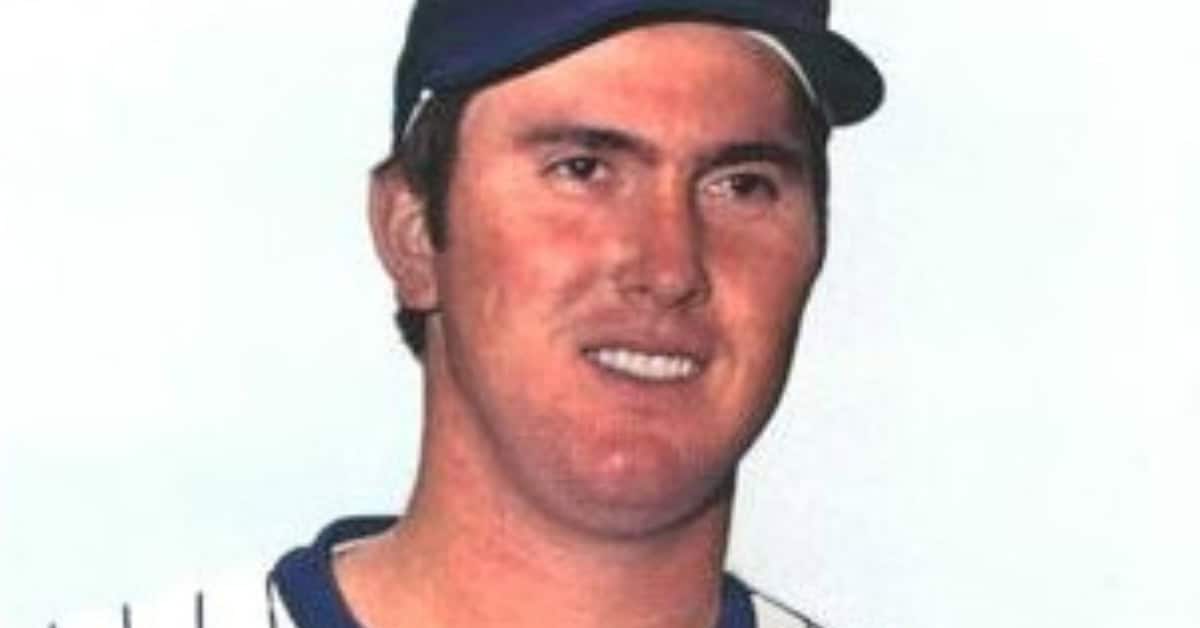
“Big Daddy” Reuschel looked like your uncle who’d rather be grilling bratwurst than throwing sliders, but his deceptive delivery and pinpoint control produced 214 wins and a 3.37 ERA over 19 seasons. Playing for mostly terrible Cubs teams with defenses that couldn’t catch a cold, Reuschel still managed to post nine seasons with at least 200 innings pitched. His portly frame belied an athleticism that made him one of the best fielding pitchers of his era, turning potential doubles into routine groundouts with the grace of a ballet dancer disguised as a beer vendor.
Javier Vazquez – The Strikeout Artist Lost in the Shadows
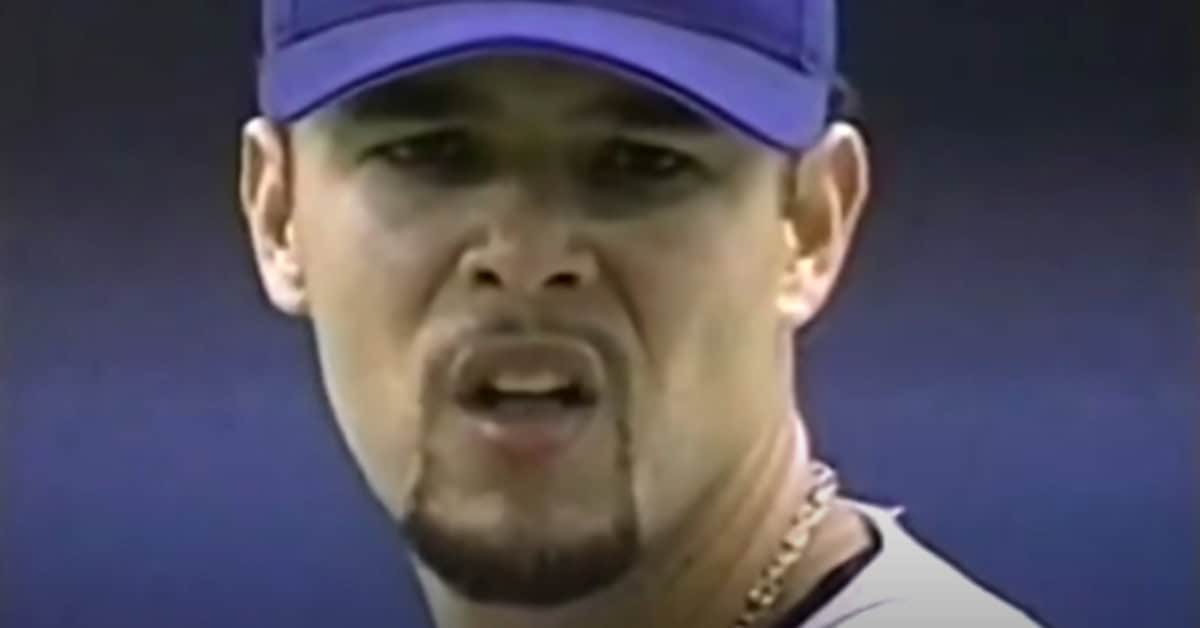
Javier Vazquez accumulated 2,536 strikeouts—third-most in the 2000s behind only Randy Johnson and Johan Santana—yet never received a single Hall of Fame vote. His 165 wins and 4.22 ERA don’t scream Cooperstown, but his ability to miss bats was legendary among those who paid attention. Vazquez’s slider was so sharp it could cut glass, and his command was so precise that watching him pitch was like watching a surgeon perform with a baseball instead of a scalpel.
Jim Kaat – The Golden Glove Southpaw Who Pitched Through Four Different Decades
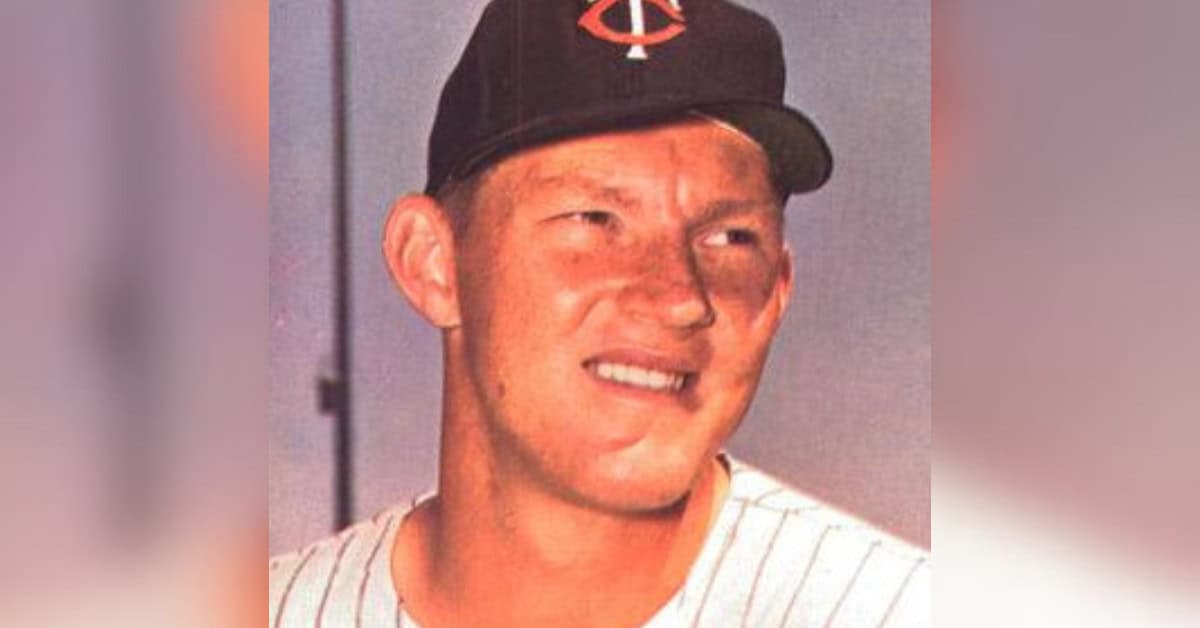
Jim Kaat’s 25-year career spanned from the Eisenhower administration to the Reagan years, making him baseball’s equivalent of a fine wine that somehow got better with age. His 283 wins and 16 Gold Gloves tell the story of a pitcher who treated his position like a chess match, always thinking three moves ahead. Kaat’s longevity was so remarkable that he pitched to both Mickey Mantle and Cal Ripken Jr., bridging generations of baseball like a human time capsule wrapped in flannel.
Tommy John – The Comeback King Who Gave His Name to Surgery and Saved Careers
Tommy John’s 288 career wins would have been enough for Cooperstown, but his true legacy lies in the revolutionary surgery that bears his name. After Dr. Frank Jobe reconstructed his elbow in 1974, John returned to pitch 14 more seasons, proving that sometimes the best comeback stories are written with a scalpel. His sinker was so effective that batters looked like they were trying to hit a bowling ball, and his control was so precise that walking him was like finding a unicorn in your backyard.
Orel Hershiser – The Bulldog Who Broke Records During Baseball’s Most Memorable October
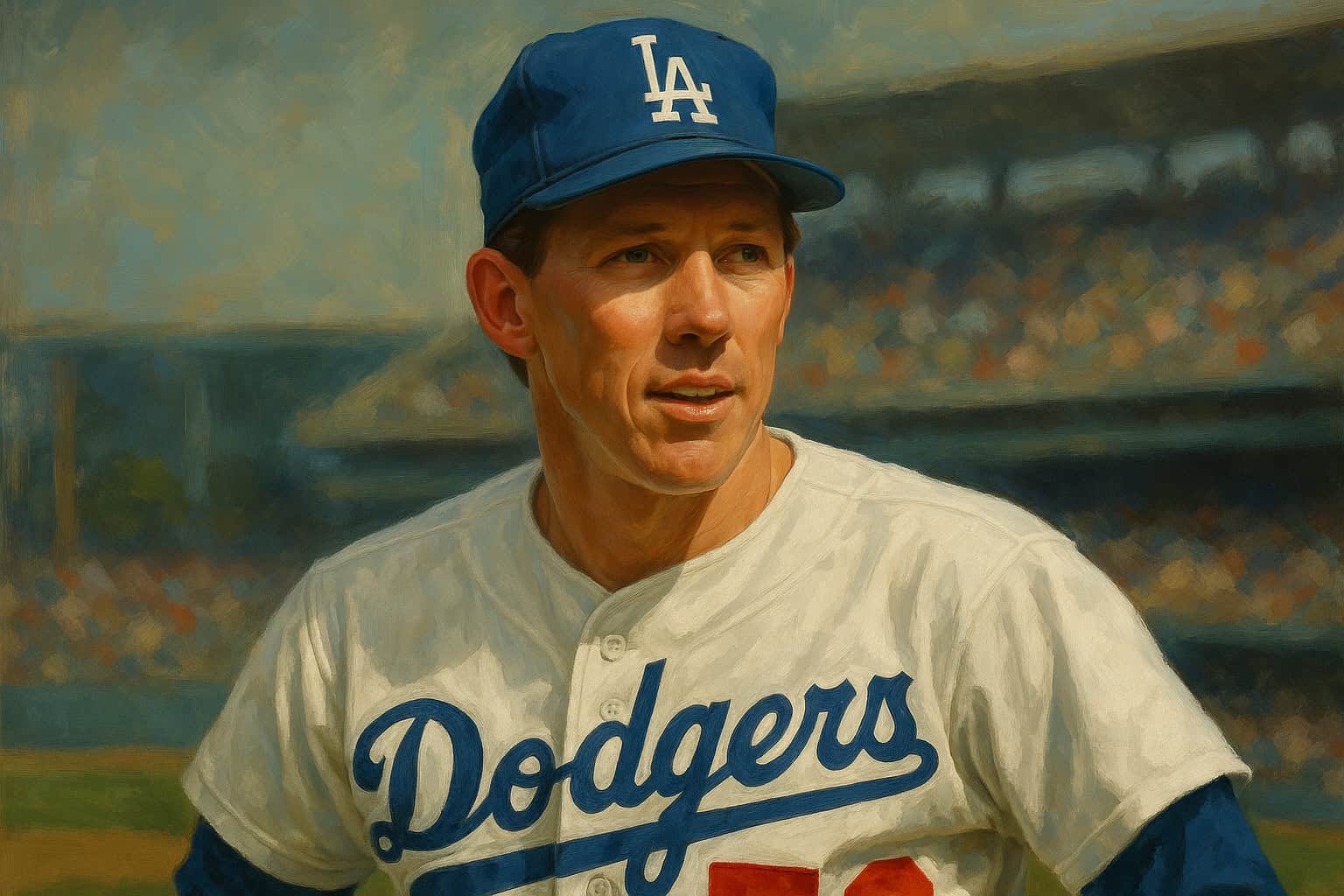
Orel Hershiser’s 59 consecutive scoreless innings in 1988 broke Don Drysdale’s “unbreakable” record and turned him into a temporary deity in Los Angeles. His World Series MVP performance that year was so dominant that Kirk Gibson’s legendary home run almost seemed like an afterthought. The Bulldog’s 204 career wins and 3.48 ERA came with the kind of clutch gene that made him automatic in big moments, yet he’s remembered more for one magical season than an entire career of excellence.
Mario Soto – The Dominican Dynamo Cincinnati Forgot

Mario Soto’s slider was so nasty that hitters would rather face a firing squad than step into the batter’s box against him. His 100 wins and 1,449 strikeouts in just 12 seasons were cut short by injuries, but his peak years with Cincinnati were absolutely electric. Soto’s 1983 season (17-13, 2.70 ERA, 242 strikeouts) was Cy Young-worthy, yet he finished a close second to John Denny in voting that still makes Reds fans reach for the bourbon.
Camilo Pascual – The Cuban Curveball King Who Made Senators Baseball Almost Watchable
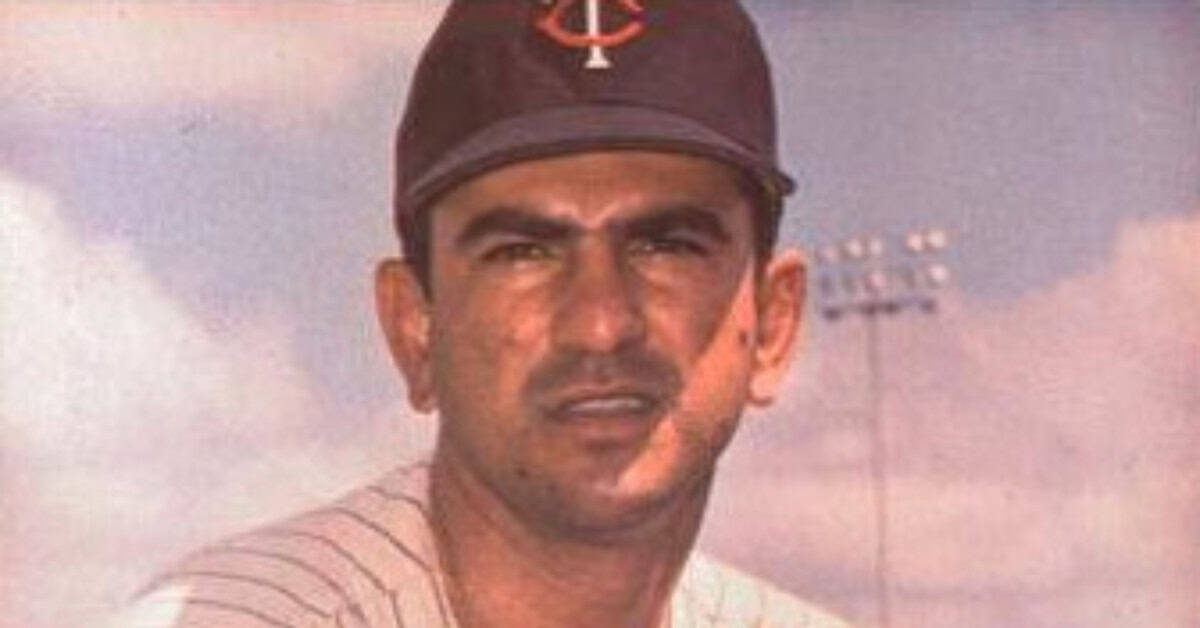
Camilo Pascual’s curveball was so devastating that Ted Williams called it the best he’d ever seen, which is like getting a restaurant recommendation from Julia Child. Playing for the perpetually awful Washington Senators, Pascual somehow managed 174 wins and 2,167 strikeouts while his teammates played defense like they were wearing blindfolds. His seven All-Star selections and three strikeout titles proved that even on the worst teams in baseball history, true greatness finds a way to shine through the mediocrity like a lighthouse in a storm.