

Last Updated: June 17th, 2026 by Michael Griffin
Baseball isn’t just a game—it’s a living, breathing story, and for generations, these writers have been the ones scribbling the heartbeat. Their words conjure up the smell of peanuts and the thrill of a radio crackling on a summer night. Here are the 15 most influential baseball writers whose pens have shaped how we see the game, and maybe, how we remember our childhoods.
Don't lose this article. Enter your email below, and I'll send it to you right now. Plus, we'll send you other unbelievable stories from baseball's past.
Red Smith: The Poet Laureate of Pennant Races
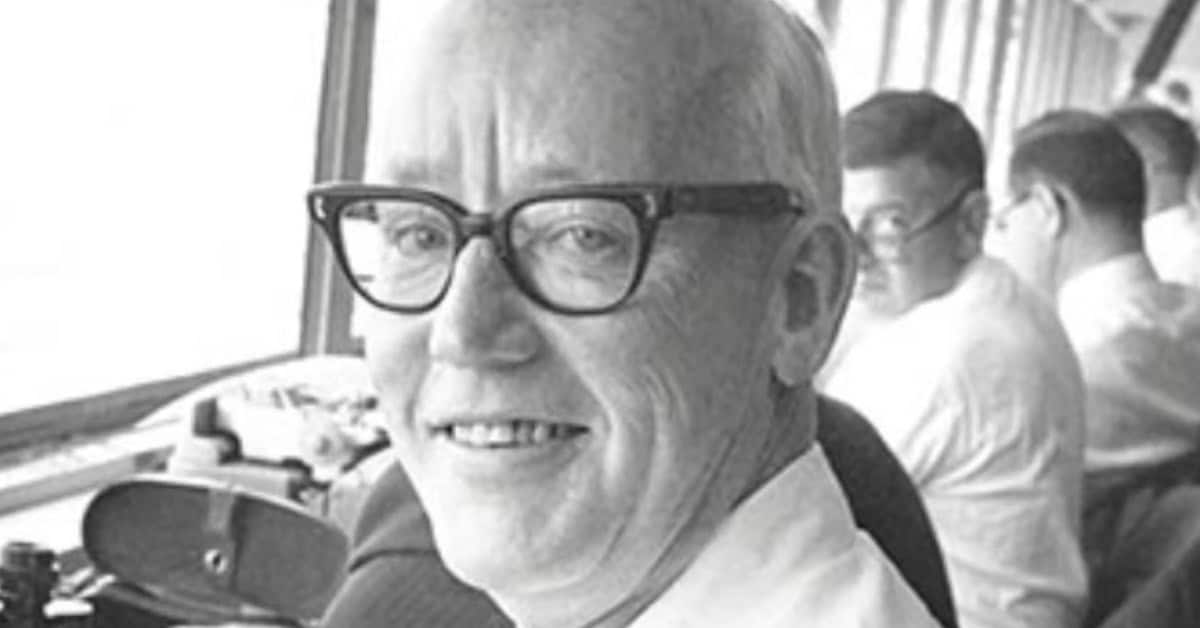
Red Smith’s columns were like a cup of black coffee at dawn—simple, strong, and somehow always exactly right. He could turn a double play into poetry, and his words made you feel like you were right there, smelling the infield dirt and hearing the crowd’s hopeful roar.
Roger Angell: Baseball’s Gentle Philosopher in The New Yorker
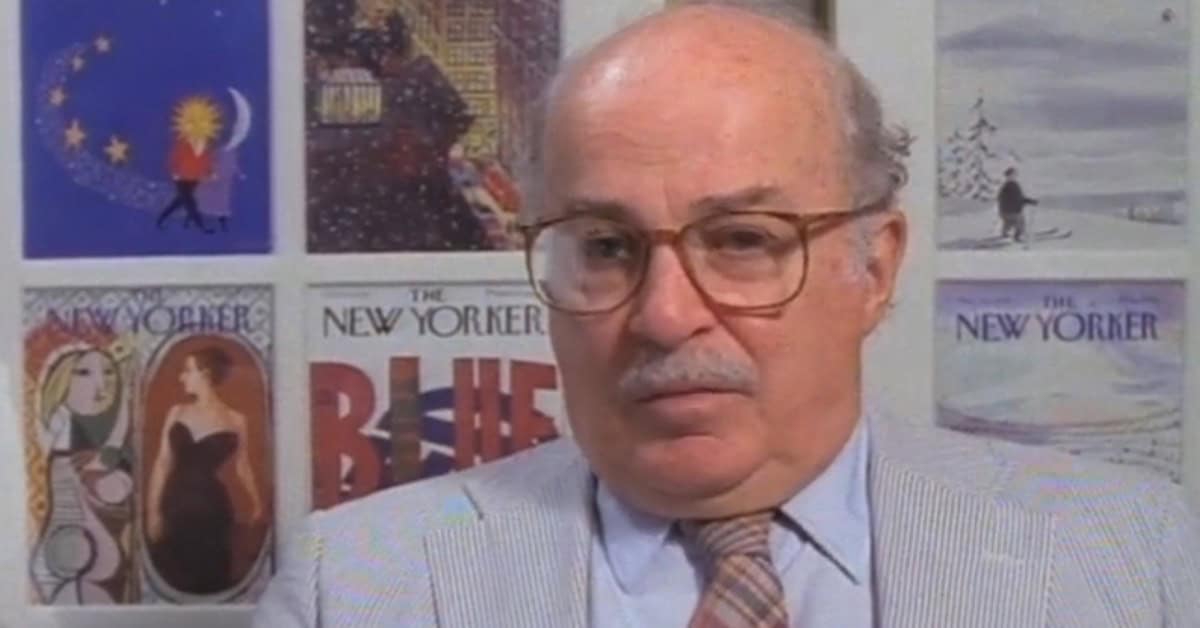
Roger Angell wrote about baseball like your favorite uncle talked about life: with warmth, wit, and the wisdom of someone who’d seen it all. He made you feel the game in your bones, from the sting of a foul tip to the hush that falls before the bottom of the ninth. He also awakened a lot of sportswriters who realized that it might be a lot of fun to be able to write essays on the game like he did. Of course, he stood alone on Mount Olympus while others climbed.
Peter Gammons: The Godfather of the Hot Stove

Before the internet rumor mill, there was Peter Gammons—and if he wrote it, you believed it. He made every off-season trade feel like a Shakespearean plot twist, and he knew everyone from the peanut vendors to the GMs by name. His Sunday column, which often took up a whole page in the Boston Globe, was required reading for ANY baseball fan.
Shirley Povich: The Press Box’s Iron-Willed Gentleman
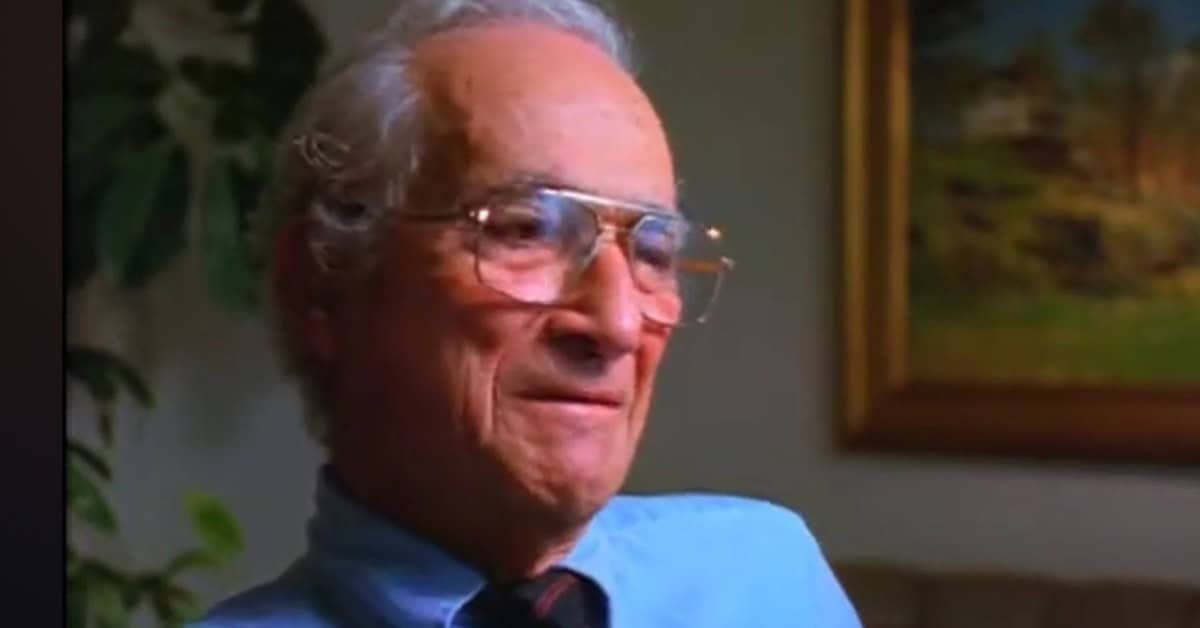
For more than 75 years, Shirley Povich chronicled the game’s soul with a typewriter’s click and a gentleman’s grace. He called out injustice, celebrated greatness, and always made room for a quip or two, usually delivered with a knowing twinkle.
Grantland Rice: Where Legends Got Their Nicknames
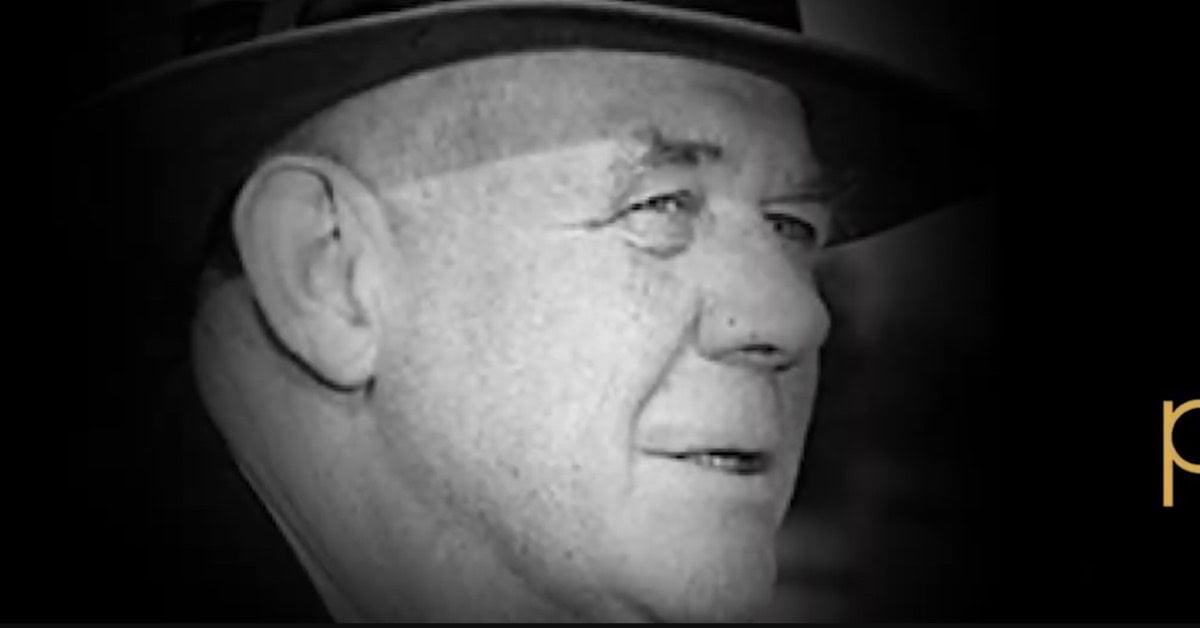
Grantland Rice didn’t just report on baseball—he mythologized it. With grand, sweeping prose, he turned players into titans and games into epic poems. If you ever referred to a ballplayer as a “colossus,” thank Grantland.
Jim Murray: The Man Who Made Box Scores Sing

With a wink and a wisecrack, Jim Murray made you laugh—and sometimes cry—over yesterday’s game. His columns were equal parts stand-up routine and love letter, filled with metaphors that stuck like bubblegum under the bleachers.
Frank Deford: Sportswriting’s Literary Heavy Hitter
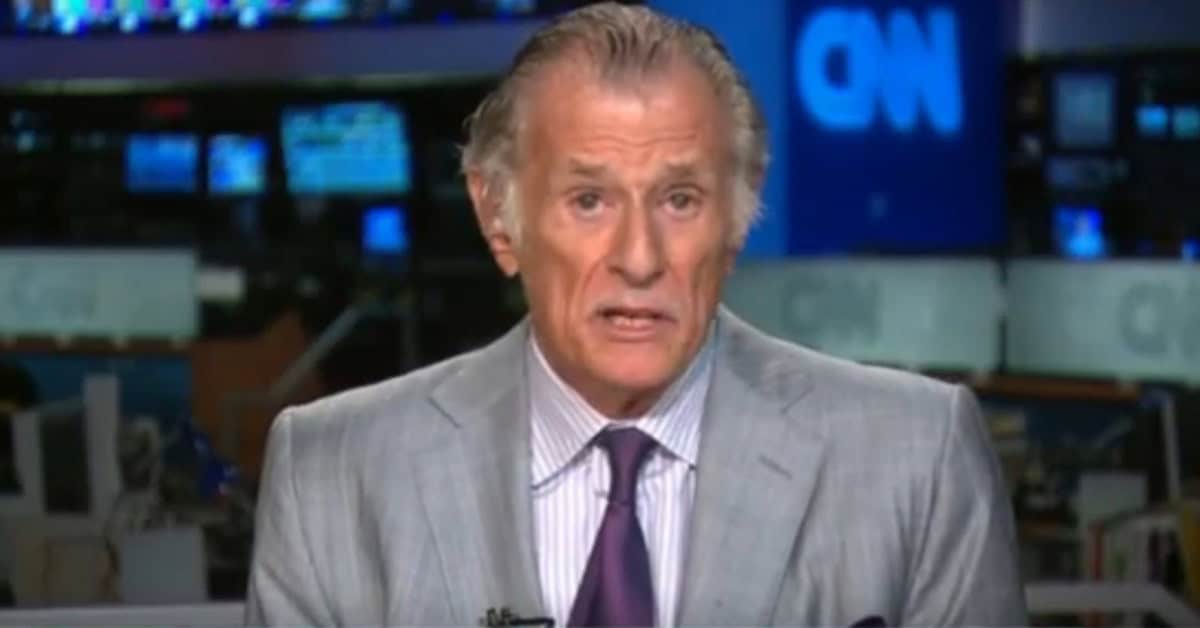
Frank Deford’s prose could make a scoreless tie feel like the climax of a thriller novel. He brought literary depth and a dash of romance to baseball stories, painting players and managers as flawed, fascinating characters. There was a reason he was called the greatest sportswriter alive for the latter part of his life.
Mike Lupica: Have Typewriter, Will Travel

Mike Lupica was one of those “in-your-face” writers. He wrote for both New York tabloids. His columns were as brash and bold as a Bronx cheer, and he never shied away from telling the hard truths—even if it meant ruffling a few feathers. He called his column “Shooting from the Lip” for a reason.
Claire Smith: Breaking Barriers and Telling Baseball’s Truths
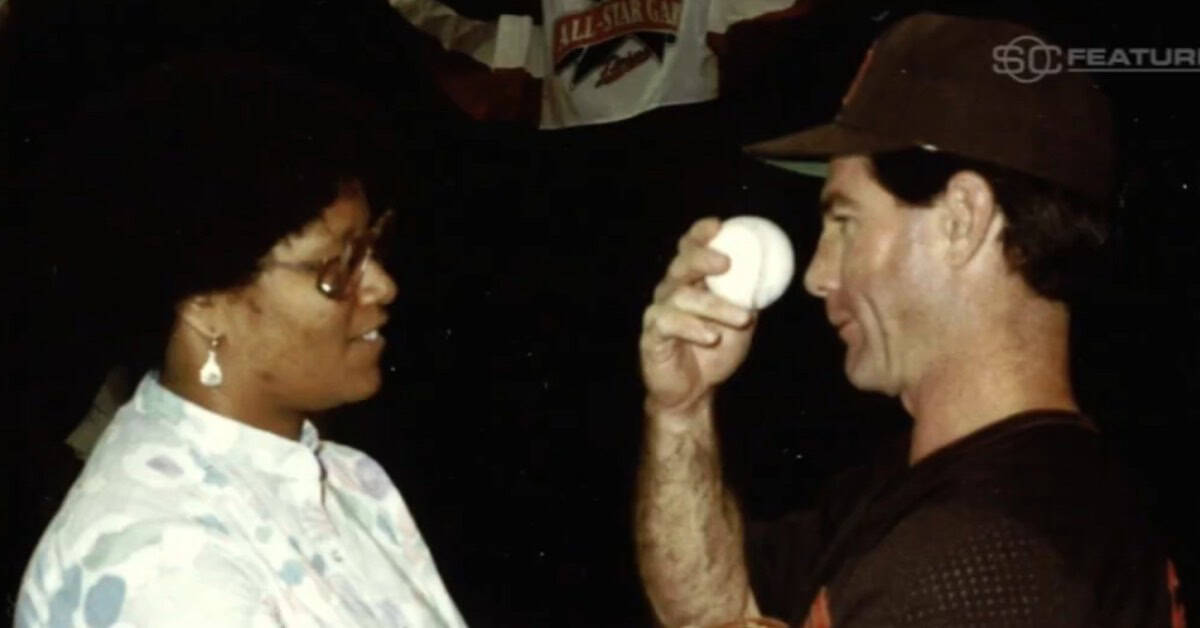
Claire Smith was the first woman to cover baseball full-time and did it with relentless integrity and grace. Her reporting brought untold stories to light, and she never let a closed door keep her from the press box—or the truth.
Thomas Boswell: The Washington Wordsmith of Summer
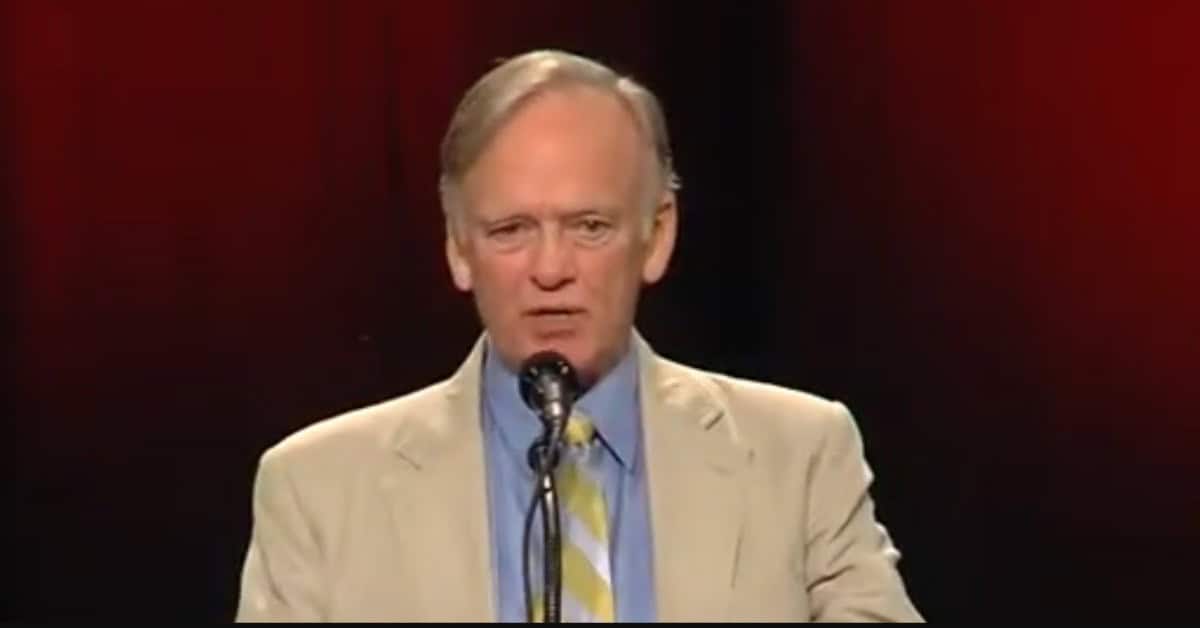
Thomas Boswell’s columns read like a conversation with an old friend at a D.C. diner. With humor and heart, he reminded us why we fell in love with the game in the first place—and why hope always springs eternal in April. People who grew up in the 1980s remember his books fondly.
Tom Verducci: Modern Baseball’s Master Storyteller

Tom Verducci brings a novelist’s eye to the modern game, blending stats, strategy, and clubhouse whispers. His stories give you the feeling of sneaking into the dugout, where the real drama bubbles under the surface. He’s able to blend that with being a strong presence on television, too.
Damon Runyon: Where Baseball Met Broadway
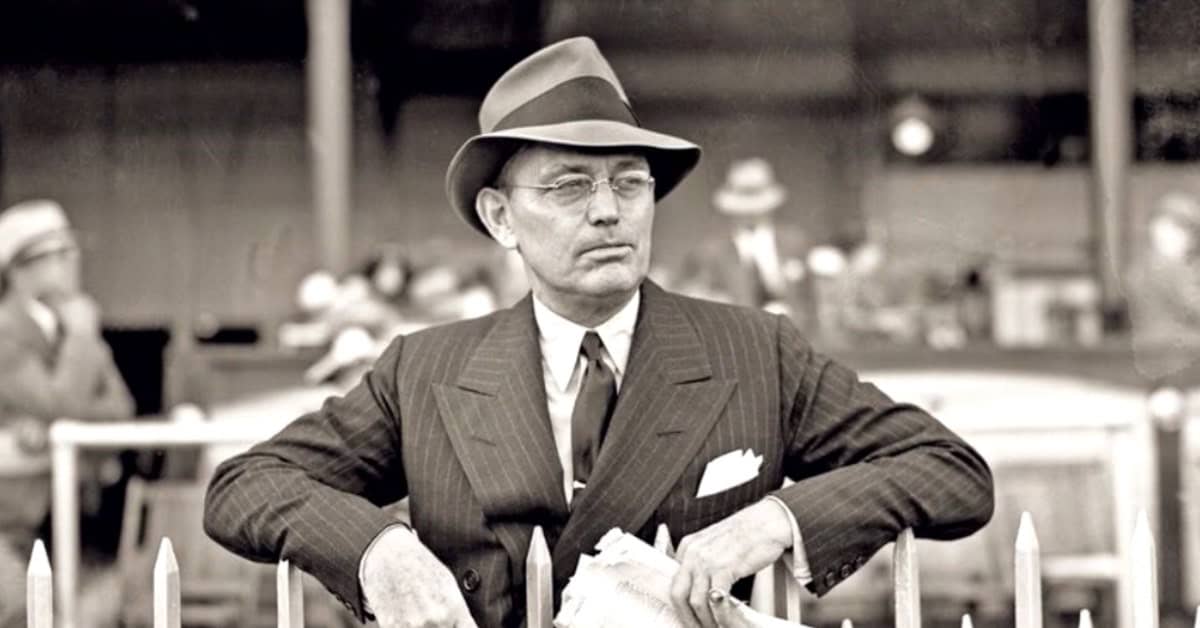
Damon Runyon’s prose waltzed between the ballpark and the back alley, turning ballplayers into characters straight out of a Broadway show. His colorful slang and larger-than-life portraits made baseball feel both gritty and magical.
Hal McCoy: The Cincinnati Scribe with the Fastest Pen

Hal McCoy covered the Cincinnati Reds with the energy of a leadoff hitter and the tenacity of a closer. Even after losing most of his eyesight, he kept filing sharp, witty game stories—proving you can’t keep a great writer out of the press box. He was the one who coined “The Big Red Machine.”
Bill James: The Sabermetrician Who Changed the Game

Bill James didn’t just write about baseball—he reimagined it. His annual Baseball Abstracts transformed stats from back-page fodder into front-page news, ushering in a new era of analysis and arguments in living rooms everywhere.
John Updike: The Novelist Who Immortalized Ted Williams
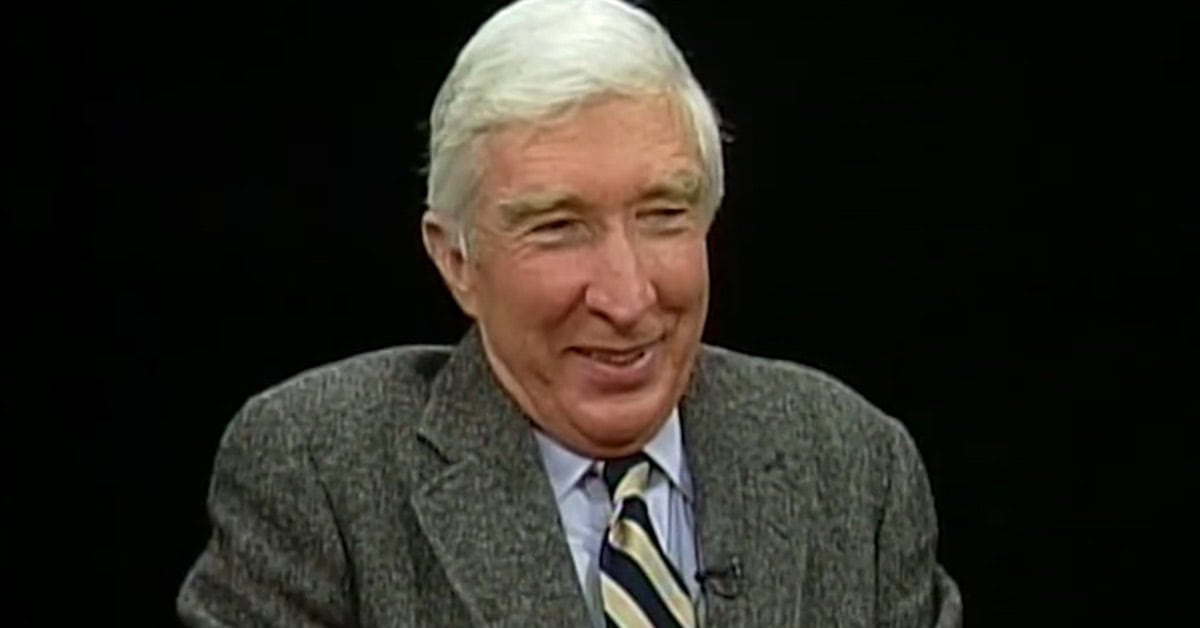
John Updike only wrote one baseball piece, but it was a masterpiece—his account of Ted Williams’ last game. “Hub Fans Bid Kid Adieu” captured the magic and melancholy of baseball’s perfect moments, and it still gives readers goosebumps decades later. People like him and Gay Talese were able to peel back the public image of ballplayers and show them as the humans they were, imperfections and all.