

Last Updated: June 17th, 2026 by Matthew Brown
When Interstate 70 became the World Series highway in 1985, Missouri split down the middle like a perfectly executed double-play turn. These are the players who made that cross-state showdown legendary, even since interleague play started in 1997, turning neighbors into enemies and baseball into pure Midwestern poetry.
Don't lose this article. Enter your email below, and I'll send it to you right now. Plus, we'll send you other unbelievable stories from baseball's past.
George Brett’s Batting Title Chase That Made Cardinals Pitchers Sweat

Brett’s legendary pursuit of .400 in 1980 made him the most feared hitter in baseball, turning every at-bat into appointment television for Missouri fans on both sides of the state. His smooth left-handed swing and clutch gene made Cardinals pitchers lose sleep, knowing they’d have to face the best pure hitter of his generation when October arrived.
Frank White’s Gold Glove That Made Errors Disappear
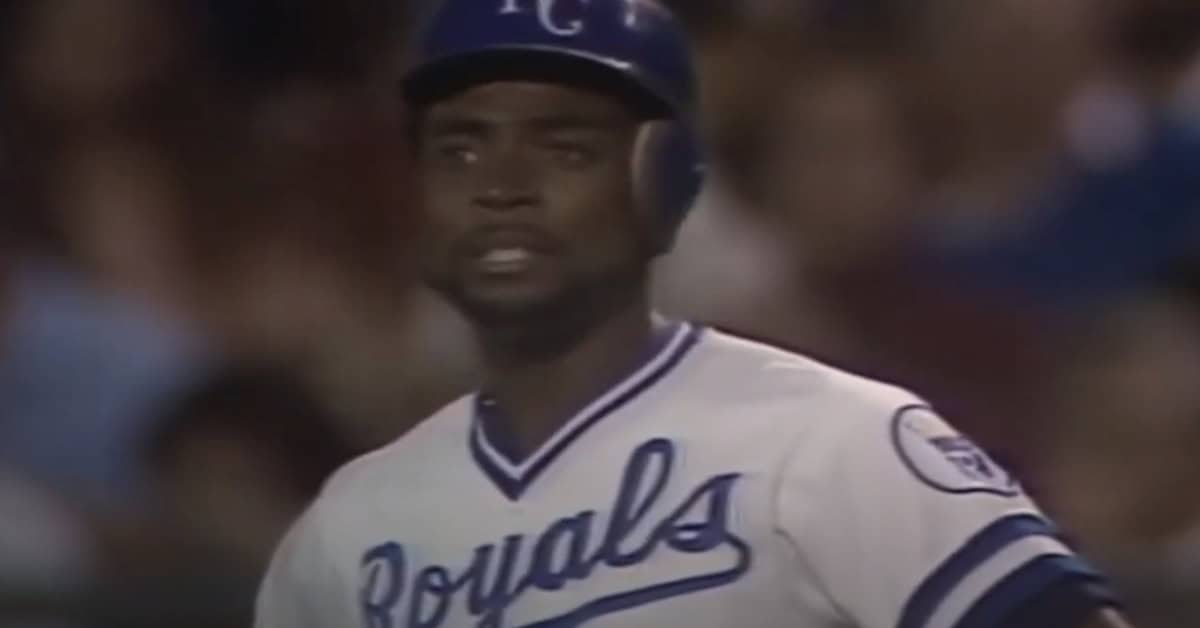
White’s balletic turns at second base made double plays look like choreographed dance numbers, his quick release and perfect footwork frustrating Cardinals hitters who thought they’d found holes in the infield. His eight Gold Gloves and clutch hitting gave Kansas City the kind of homegrown excellence that made the I-70 Series feel like a neighborhood pickup game played at the highest level.
Albert Pujols’ I-70 Dominance That Made Kansas City Suffer
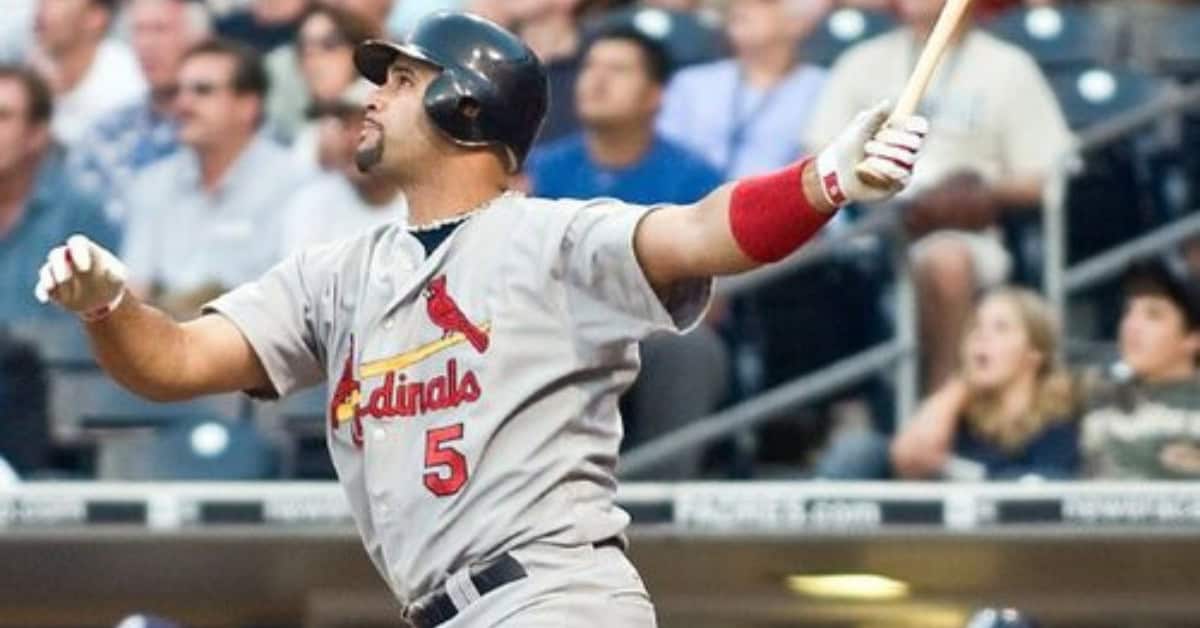
The Machine’s annual destruction of Royals pitching during interleague play became a rite of summer torture for Kansas City fans who had to watch baseball’s most consistent hitter feast on their staff. Pujols’ ability to turn routine fastballs into souvenirs made every Cardinals visit to Kauffman Stadium feel like a public execution, his patient approach and perfect swing mechanics serving as a painful reminder of what elite hitting looked like.
Dan Quisenberry’s Submarine Delivery That Baffled St. Louis

Quiz’s sidearm delivery and sinker made Cardinals hitters look foolish as they pounded ground balls into the dirt, his unorthodox approach perfectly capturing the scrappy spirit of 1980s Kansas City baseball. His ability to close games with that deceptive motion gave Royals fans the kind of reliable ninth-inning security that made every late lead feel safe, even against the powerful Cardinals lineup.
John Tudor’s Slider That Made Kansas City Swing and Miss
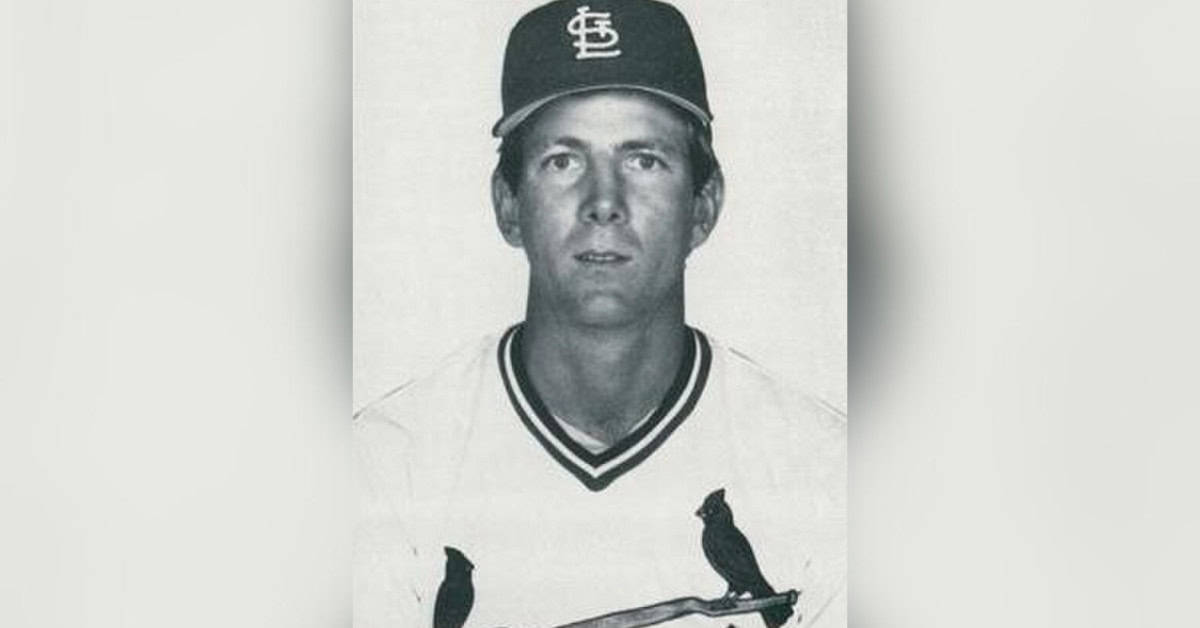
Tudor’s devastating slider and pinpoint control made him the perfect weapon against Kansas City’s aggressive hitting approach, his ability to change speeds keeping Royals hitters off balance throughout the 1985 World Series. His crafty left-handed delivery and competitive fire gave Cardinals fans the kind of clutch starting pitching that championship teams require when facing a dangerous opponent in their own backyard.
Willie Wilson’s Speed That Left Cardinals Dizzy
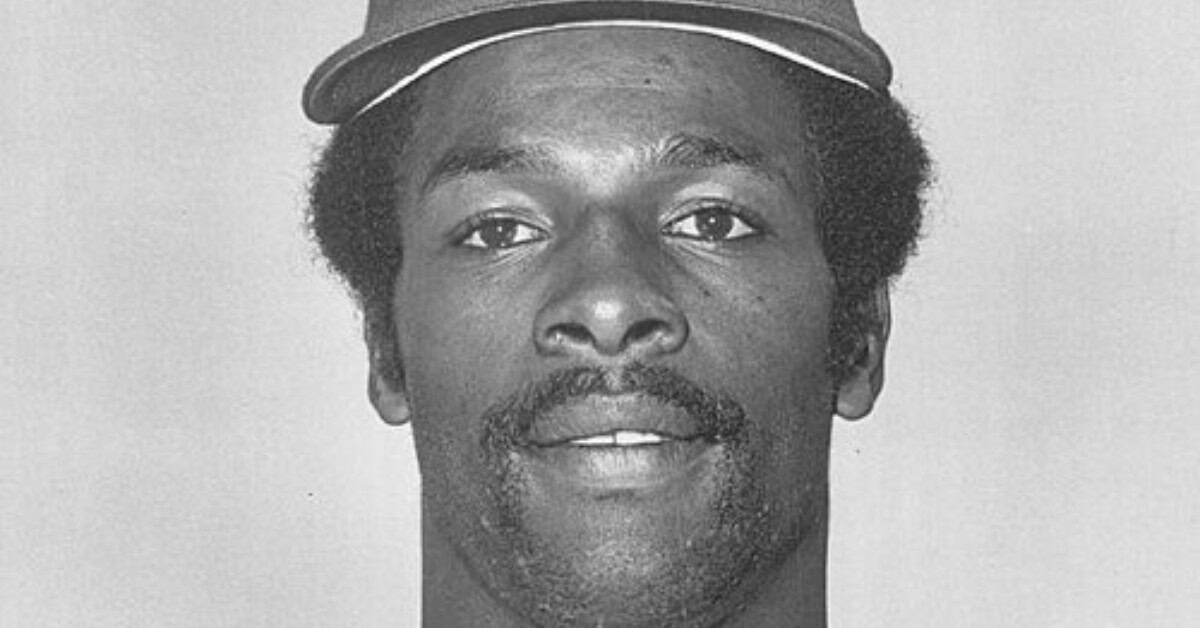
Wilson’s blazing speed and switch-hitting ability made him a constant threat to disrupt Cardinals pitchers, his stolen base records and aggressive baserunning turning routine singles into scoring opportunities. His ability to manufacture runs and create chaos on the basepaths epitomized the Royals’ small-ball approach that drove St. Louis crazy during their World Series showdown.
Carlos Beltran’s All-Star Talent That Both Cities Claimed
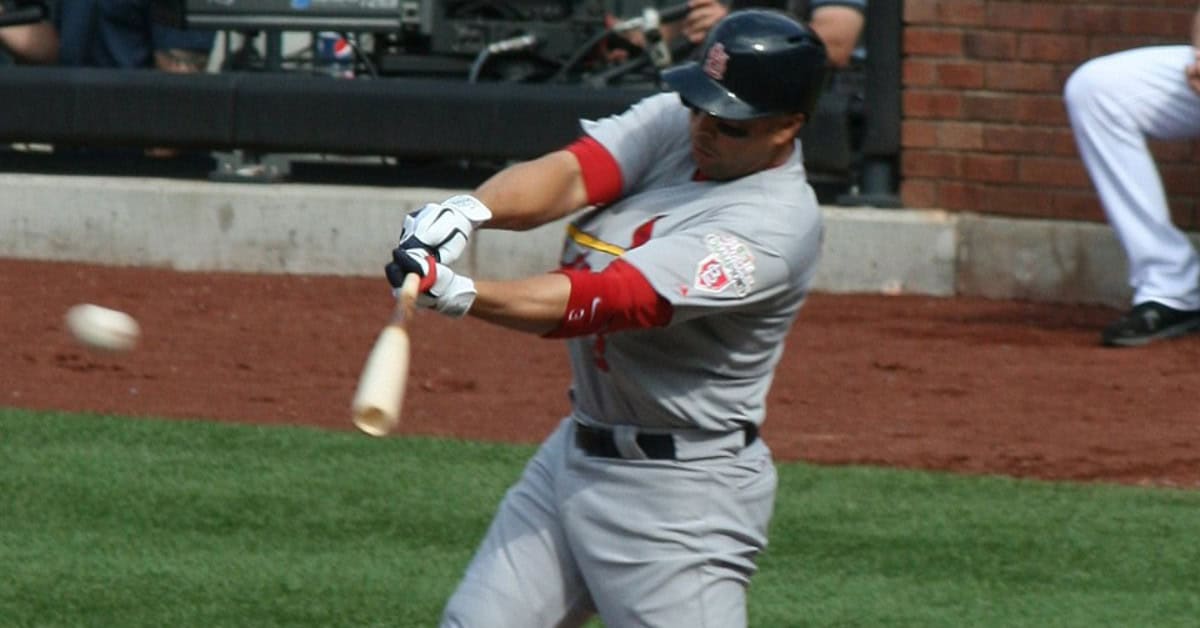
Beltran’s smooth swing and five-tool talent made him a franchise cornerstone for Kansas City before his later success in St. Louis, giving both fan bases a legitimate claim to his Hall of Fame career. His ability to hit for power and average while playing Gold Glove defense represented the kind of complete player that made the I-70 rivalry personal, as each city got to experience his excellence firsthand.
Bret Saberhagen’s Cy Young Stuff That Cardinals Couldn’t Touch
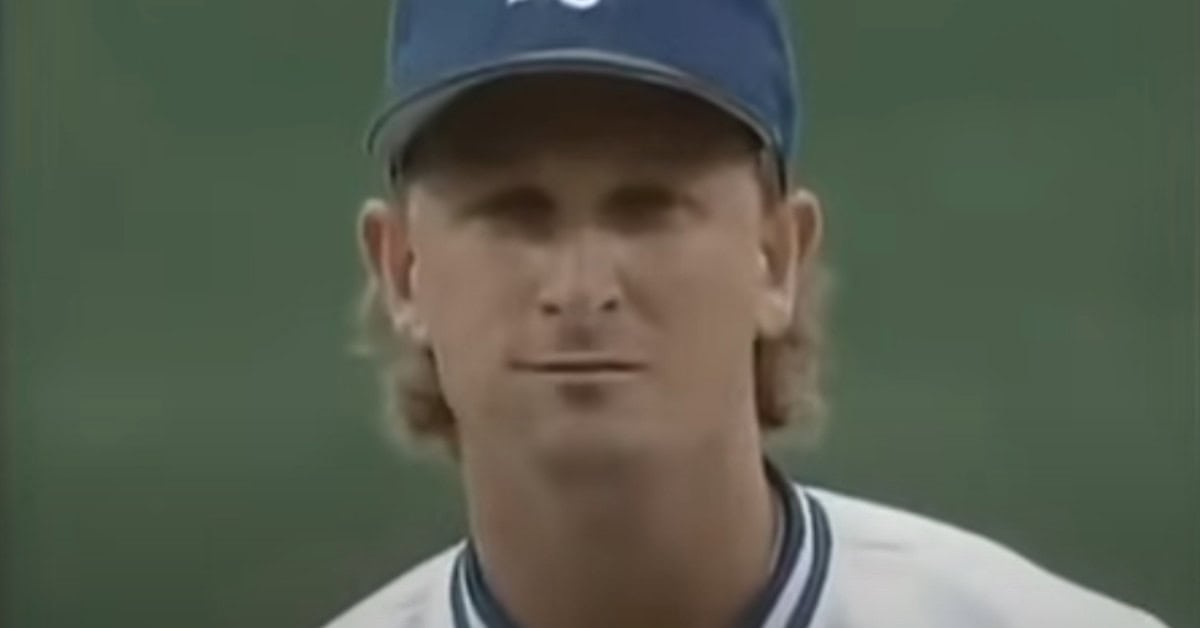
Saberhagen’s devastating fastball and competitive fire made him virtually unhittable during his Cy Young seasons, his ability to rise to the occasion in big games giving Kansas City the ace they needed to compete with St. Louis. His World Series dominance and clutch gene perfectly captured the magic of mid-1980s Royals baseball when everything seemed to go their way against superior competition.
Jorge Orta’s Safe Call That Cardinals Fans Still Dispute
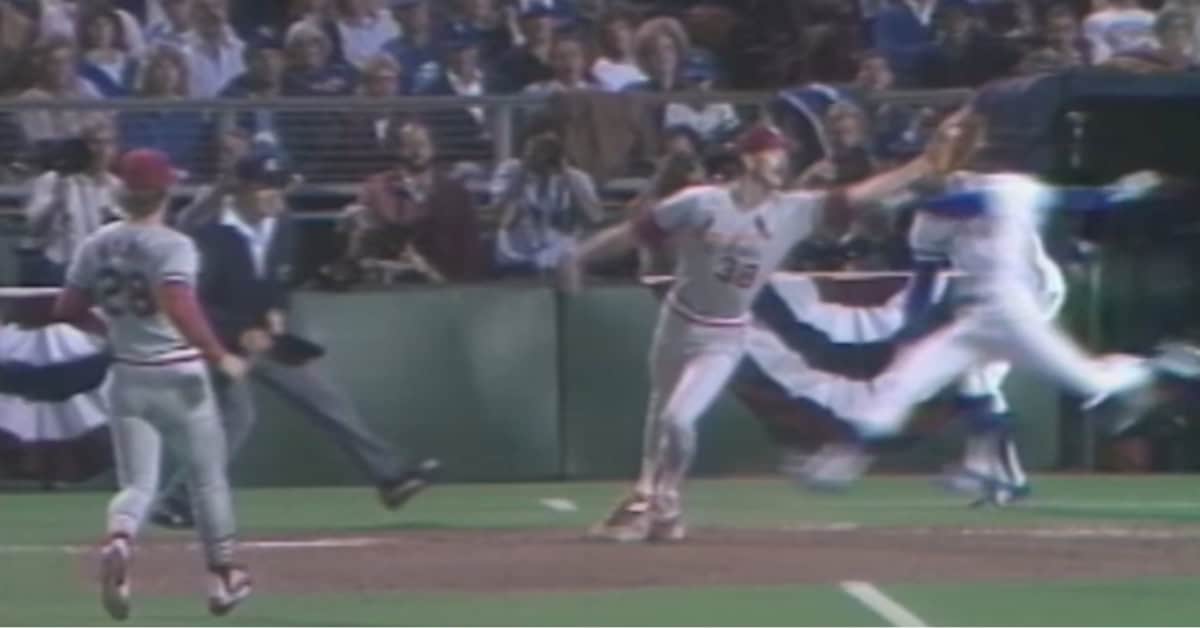
Orta’s controversial safe call at first base in Game 6 became the turning point that Cardinals fans still argue about decades later, the blown call opening the floodgates for Kansas City’s miraculous comeback. His routine ground ball should have been the first out of the ninth inning, but instead became the catalyst for one of the most dramatic World Series finishes in baseball history.
Keith Hernandez’s Mustache and Clutch Gene
Hernandez’s thick mustache and smooth left-handed swing made him the perfect symbol of 1980s Cardinals baseball, his ability to deliver clutch hits while playing Gold Glove defense at first base. His professional approach and leadership qualities gave St. Louis the kind of complete player that Royals fans could grudgingly respect even while rooting against him during their cross-state showdown.
Steve Balboni’s Home Run Trot That Shook Busch Stadium
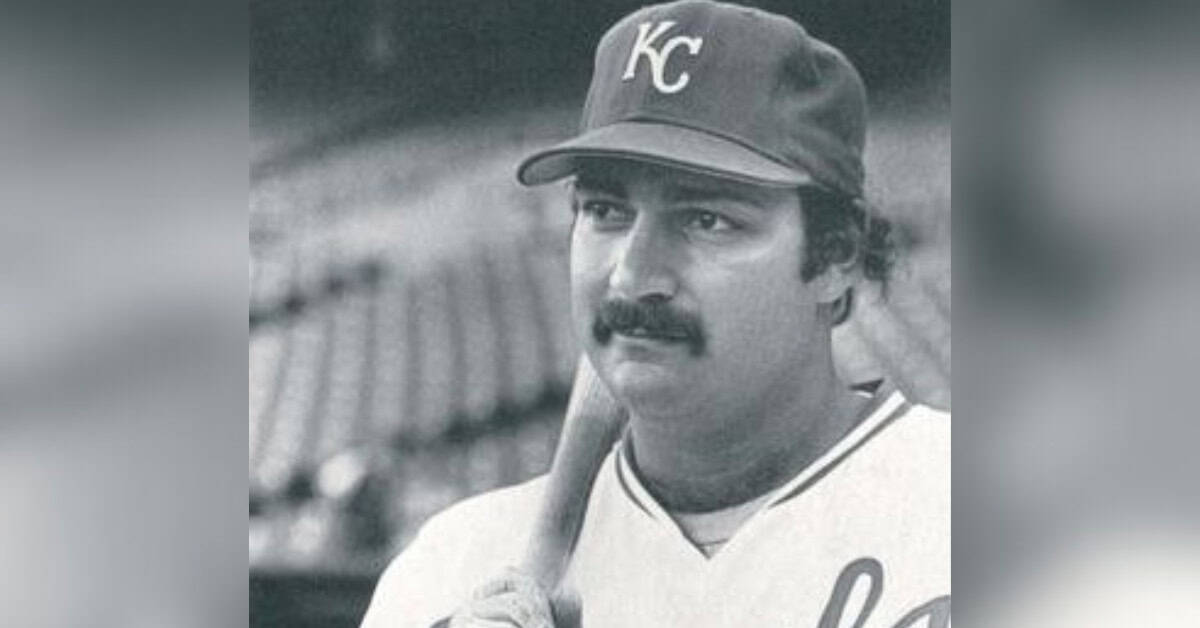
Bye Bye Balboni’s tape-measure home runs gave Kansas City the kind of raw power that could change games with one swing, his massive frame and uppercut stroke perfectly designed for Kauffman Stadium’s dimensions. His ability to turn mistake pitches into souvenirs made Cardinals pitchers approach him with the kind of respect reserved for the game’s most dangerous sluggers.
Lonnie Smith’s Historic Trade That Made Him Face His Former Team
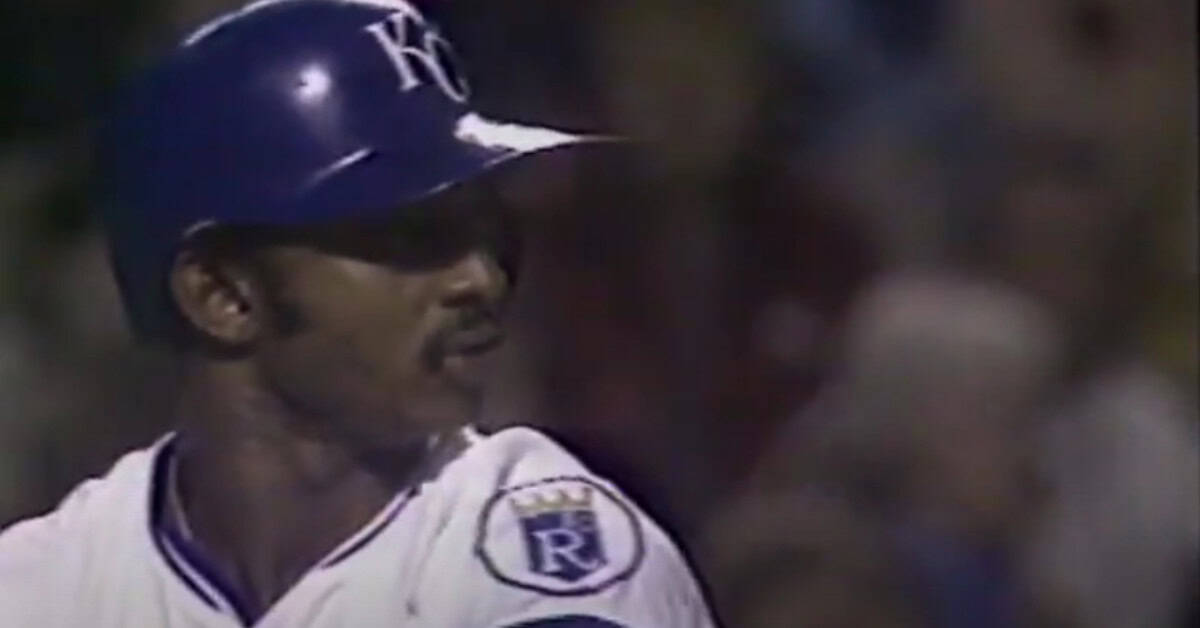
Smith became the first player in baseball history to face his former team in the World Series after being traded mid-season, his journey from St. Louis to Kansas City adding personal drama to an already intense rivalry. His speed and clutch hitting helped the Royals win the World Series, making his former teammates wonder what might have been if they’d kept their catalyst in cardinal red.
Darrell Porter’s Journey From Kansas City to World Series MVP
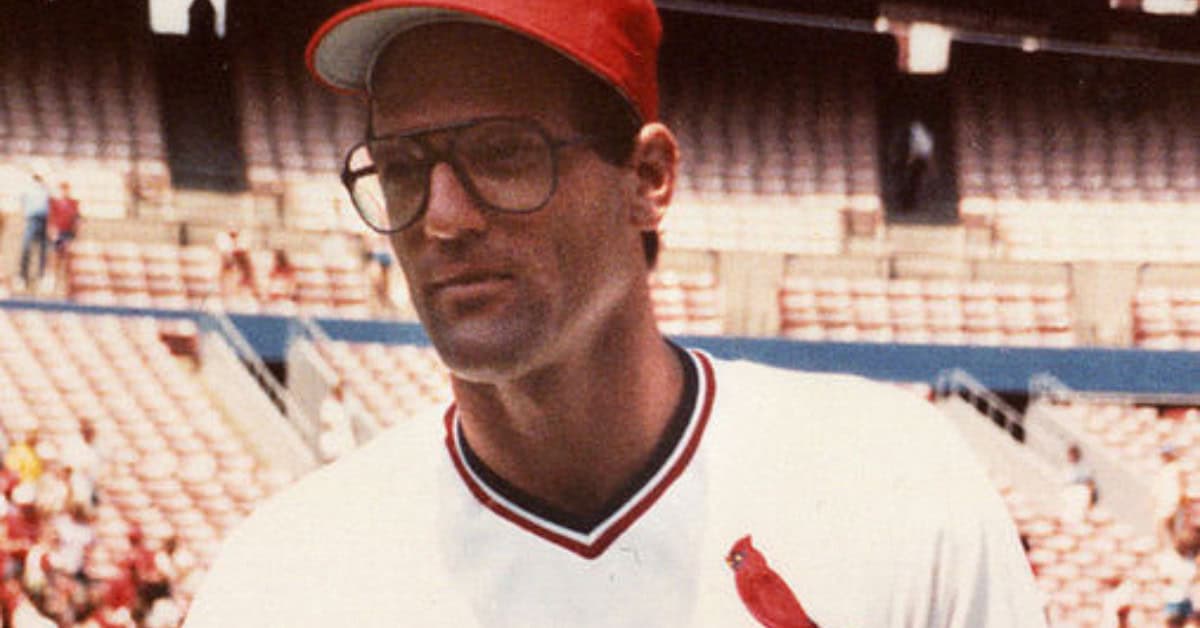
Porter’s transformation from promising Royals prospect to Cardinals World Series MVP in 1982 gave both franchises a connection to his championship success. His steady presence behind the plate and clutch hitting made him the perfect bridge between these two Missouri franchises, proving that sometimes a change of scenery can unlock a player’s full potential.
Hal McRae’s Designated Hitting That Cardinals Purists Hated
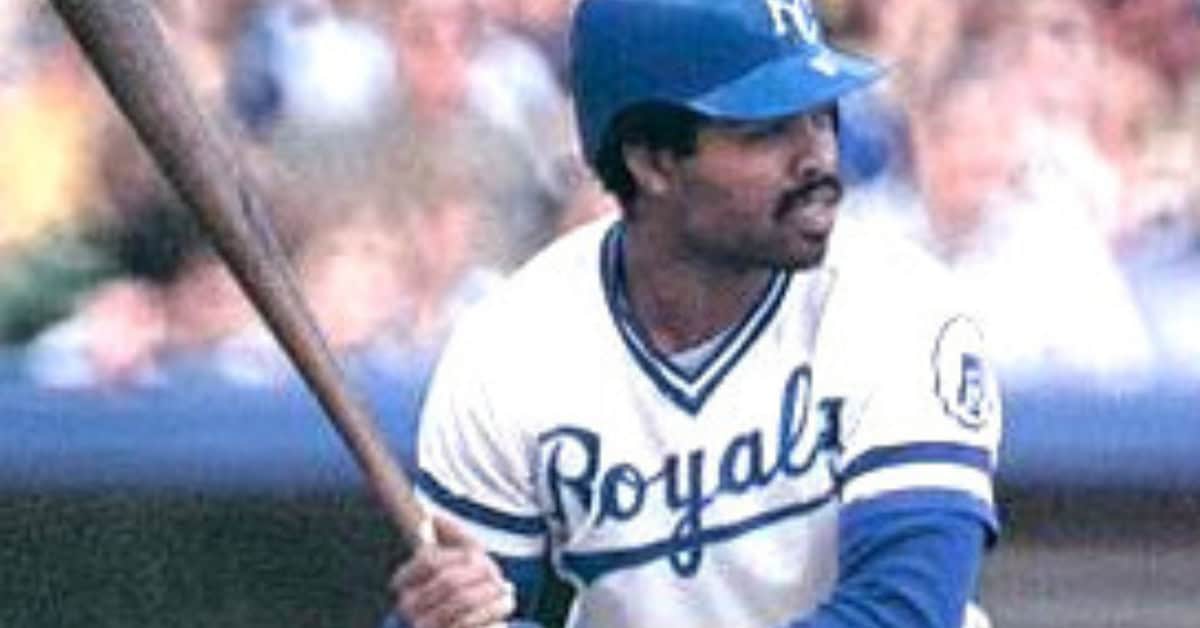
McRae’s role as the American League’s premier designated hitter represented everything that National League purists found distasteful about the junior circuit’s approach to baseball. His ability to focus solely on hitting while the Cardinals had to use their pitchers at the plate gave Kansas City a significant advantage that St. Louis fans viewed as fundamentally unfair to the game’s traditions.
Mike Sweeney’s Sweet Swing That Cardinals Fans Respected
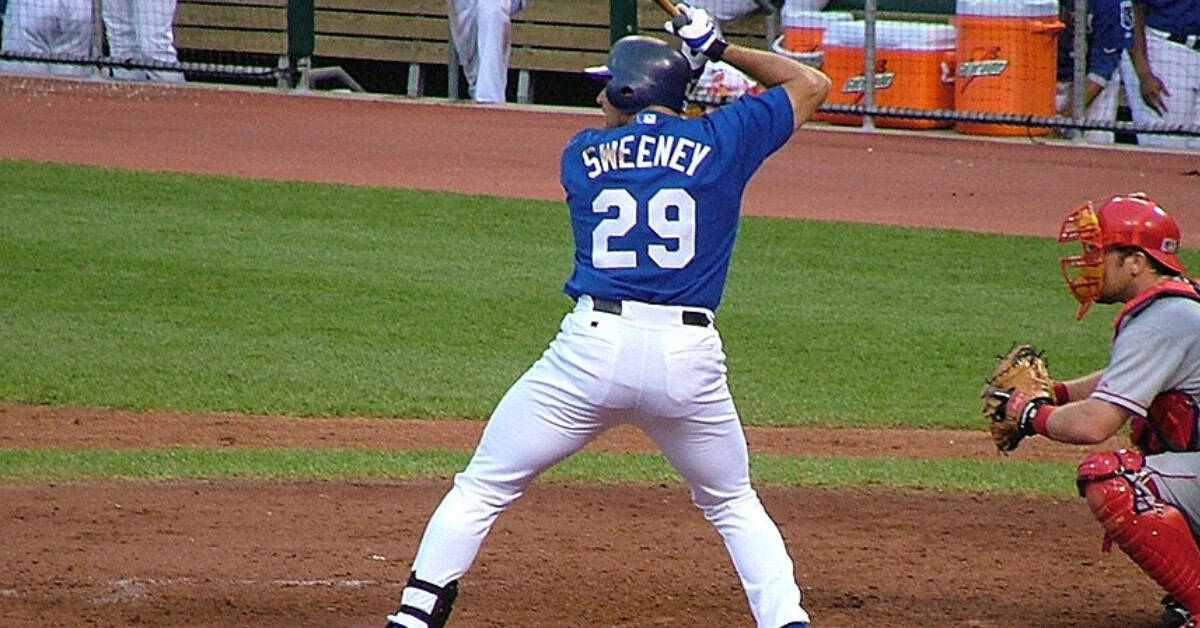
Sweeney’s smooth right-handed stroke and professional approach made him the face of early 2000s Royals baseball, his consistent production giving Kansas City fans something to cheer about during lean years. His ability to hit for average and power while maintaining a humble demeanor earned respect from Cardinals supporters who appreciated his workmanlike approach to the game.
Jack Clark’s Power That Royals Pitchers Feared
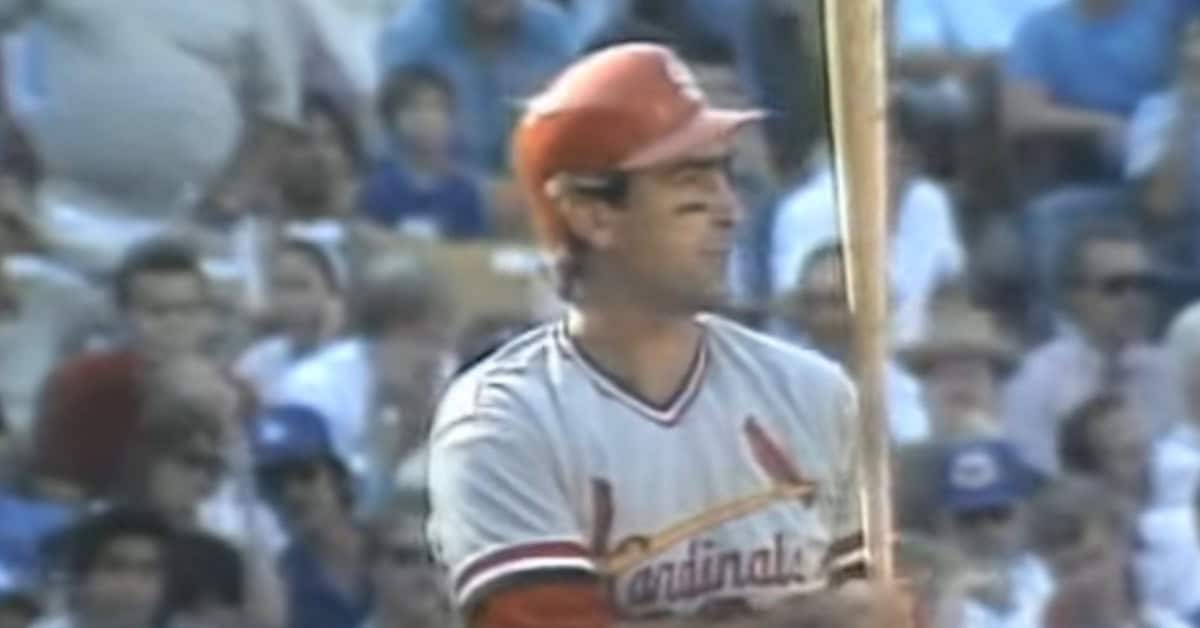
Jack the Ripper’s moonshot home runs and intimidating presence in the batter’s box made him the kind of middle-of-the-lineup threat that could change games with one swing. His ability to turn any mistake pitch into a tape-measure blast gave Cardinals fans the power hitting they needed to compete with Kansas City’s speed and small-ball approach during their World Series showdown.
Alex Gordon’s Defense That Made Cardinals Hits Disappear
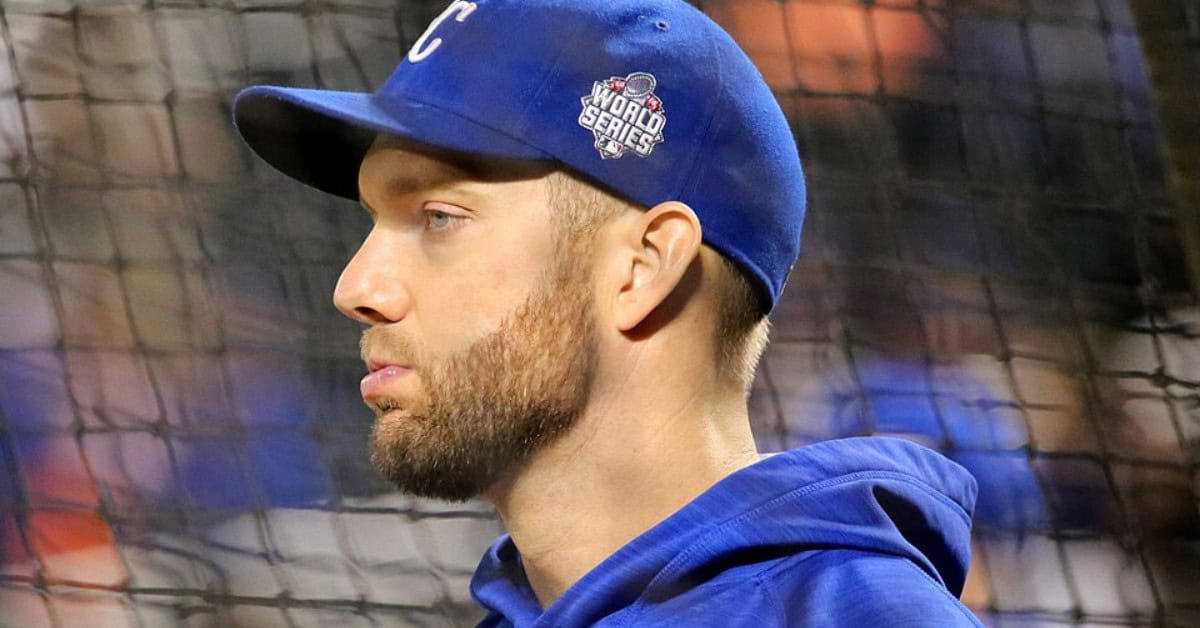
Gordon’s spectacular defensive plays in left field turned routine hits into highlight-reel outs, his range and arm strength making Cardinals hitters think twice about testing him during interleague play. His ability to rob home runs and make impossible catches gave modern Royals fans the kind of defensive wizardry that reminded everyone why Kansas City baseball had always been built on fundamentals and athletic excellence.
Jeff Suppan’s Workmanlike Pitching That Crossed State Lines
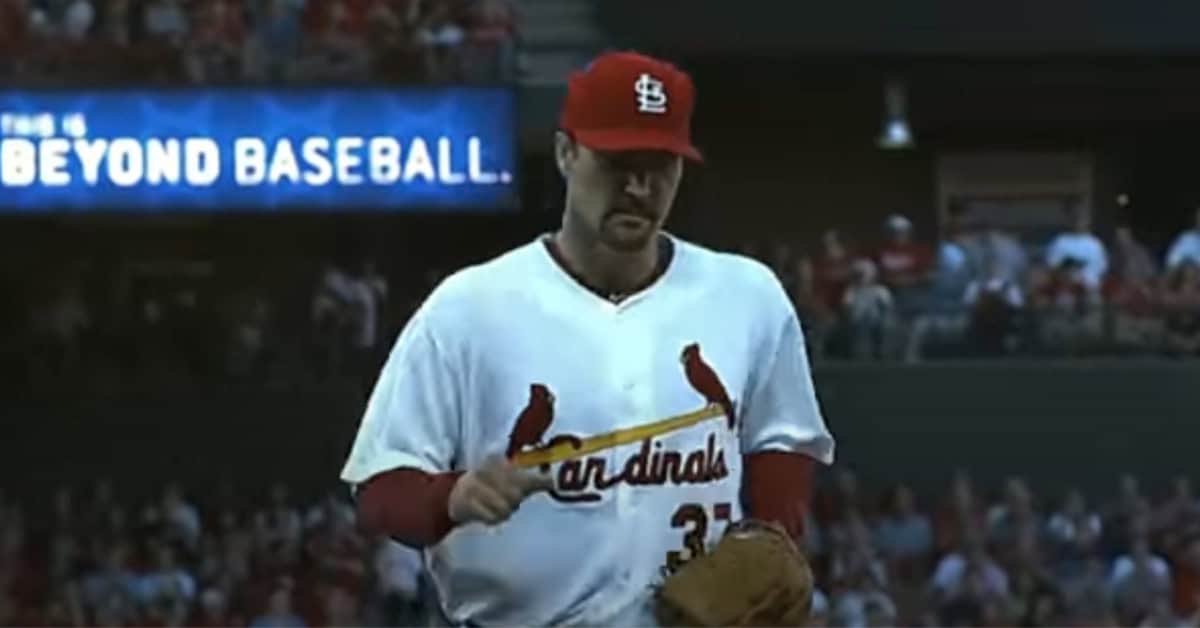
Suppan’s steady presence and reliable innings gave both Missouri franchises exactly what they needed from a back-of-the-rotation starter; his ability to eat innings and keep games close made him valuable regardless of uniform color. His journeyman career and professional approach represented the kind of baseball worker who made both Cardinals and Royals fans appreciate the grind of a 162-game season.
Joaquin Andujar’s “One Tough Dominican” Attitude
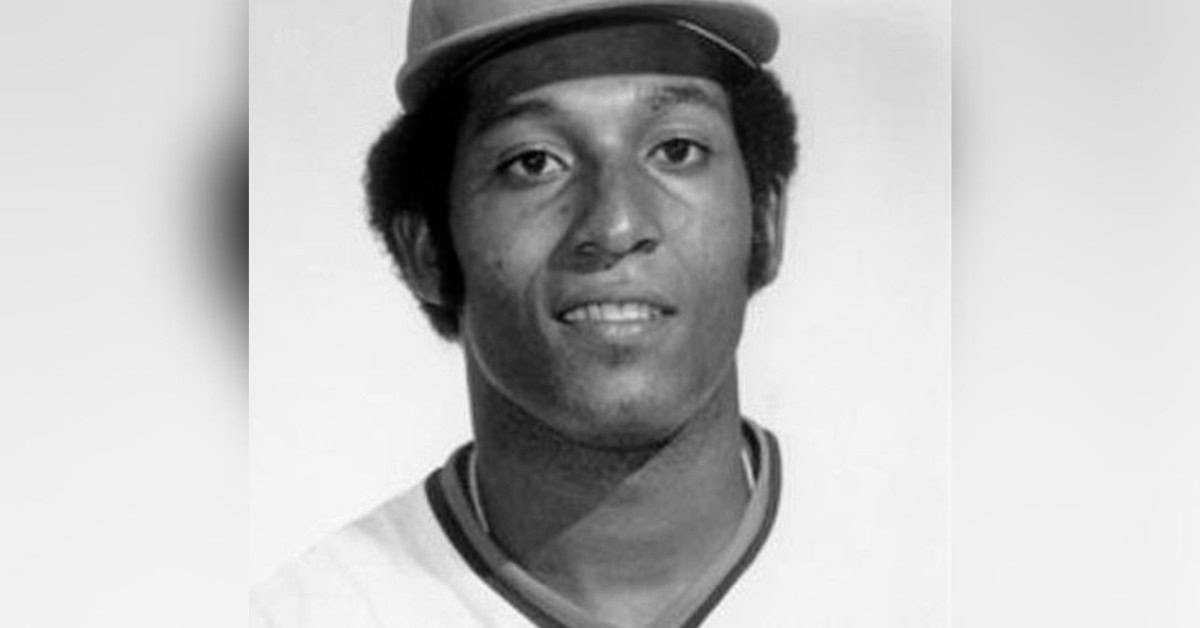
Andujar’s fiery temperament and competitive spirit made him the perfect embodiment of the Cardinals’ intensity during their 1980s championship runs, his emotional outbursts and passionate play driving teammates and opponents crazy in equal measure. His ability to pitch with his heart on his sleeve gave St. Louis fans the kind of volatile talent that could either dominate or self-destruct, making every start an adventure in controlled chaos.
Ozzie Smith’s Backflip That Royals Fans Couldn’t Match

The Wizard’s acrobatic fielding and signature backflip made him the most exciting player on either side of the I-70 rivalry, his defensive brilliance turning routine ground balls into works of art that left Kansas City fans shaking their heads in amazement. His ability to make the impossible look effortless while delivering clutch hits in big moments embodied everything that made Cardinals baseball magical during the 1980s, proving that some talents transcend rivalry and become pure entertainment that even enemies can appreciate.