

Last Updated: June 17th, 2026 by Michael Schatz
Remember when second base wasn’t just a stepping stone to shortstop? The 2000s gave us a golden generation of middle infielders who could turn two and launch moonshots with equal aplomb. These twenty keystones defined a decade when baseball still felt like America’s pastime, before analytics turned every at-bat into a spreadsheet.
Don't lose this article. Enter your email below, and I'll send it to you right now. Plus, we'll send you other unbelievable stories from baseball's past.
Chase Utley – The Phillies’ Clutch Machine Who Made Second Base Cool

Chase Utley embodied Philadelphia grit like a cheesesteak with extra attitude. His slide-first mentality and clutch October heroics made him the heart of those late-2000s Phillies teams that actually won something. With a .275 career average, 259 home runs, and six All-Star appearances, Utley proved second basemen could be franchise cornerstones, not just glove-first afterthoughts who batted ninth.
Jeff Kent – The Power-Hitting Giant Who Redefined the Position
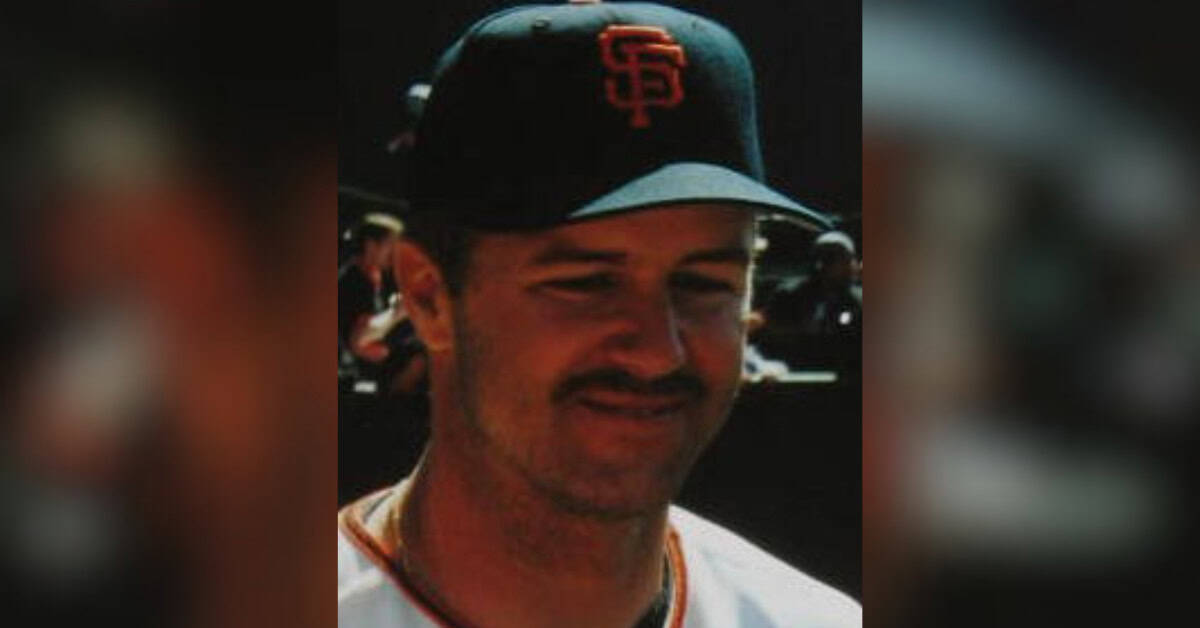
Jeff Kent, a second baseman, hit home runs with the power of a designated hitter. The 2000 NL MVP finished with 377 career bombs, more than any second baseman in history, while maintaining a solid .290 average across 17 seasons. His surly demeanor and motorcycle-riding persona made him baseball’s most interesting middle infielder, proving you could play second base and still intimidate pitchers.
Robinson Cano – The Smooth Operator Who Made Everything Look Effortless
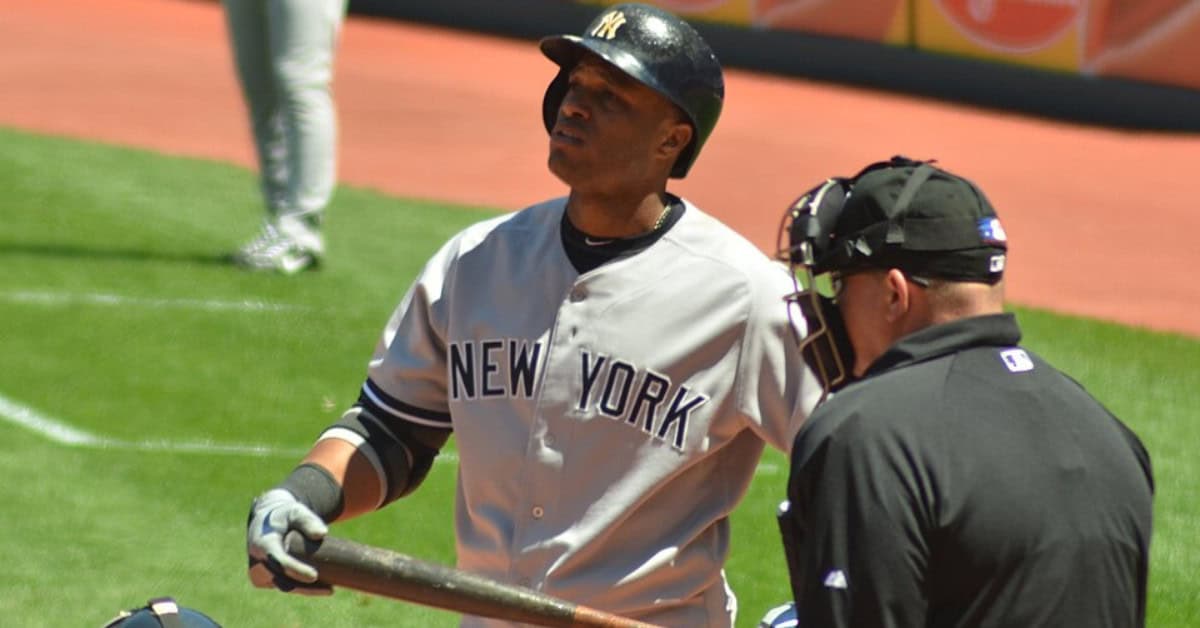
Robinson Cano glided around second base like he was dancing to salsa music only he could hear. His silky swing produced a .302 career average and 335 home runs, while his defensive grace made routine plays look like poetry in motion. Eight All-Star selections and five Silver Sluggers proved that when Cano was locked in, he was virtually unstoppable—though his PED suspension later tarnished that pristine reputation.
Dustin Pedroia – The Scrappy Boston Hero Who Played Bigger Than His Size
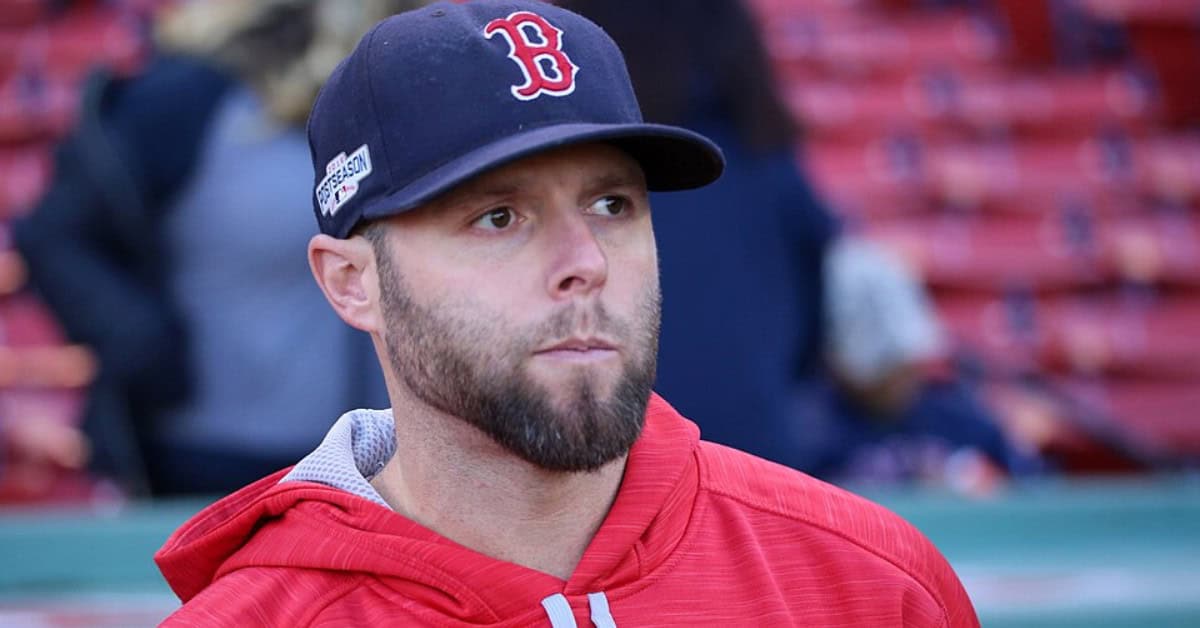
Dustin Pedroia packed more heart per square inch than any player in Red Sox history, standing 5’9″ but playing like he was 6’4″. The 2007 AL Rookie of the Year and 2008 MVP hit .299 over 14 seasons, anchoring Boston’s championship runs with gritty defense and clutch hitting. His laser-focused intensity and refusal to back down from anyone made him the perfect embodiment of Boston’s blue-collar baseball identity.
Bret Boone – Seattle’s Steroid Era Slugger Who Had One Magical Season
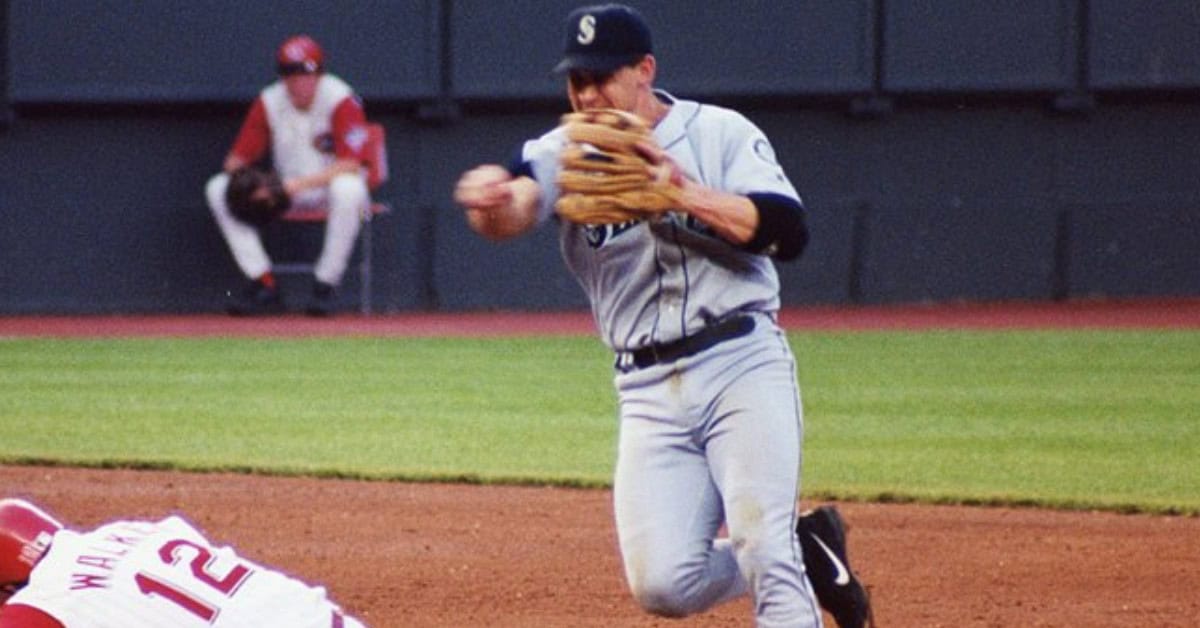
Bret Boone’s 2001 season was so ridiculously good it belonged in a video game cheat code. He smashed 37 home runs with 141 RBIs while hitting .331, powering Seattle’s record-setting 116-win team alongside Edgar Martinez and Ichiro. Though his sudden power surge raised eyebrows during baseball’s steroid era, that magical summer in the Pacific Northwest proved second basemen could carry entire franchises when everything clicked.
Alfonso Soriano – The Yankees’ Speed Demon Who Could Launch Moonshots
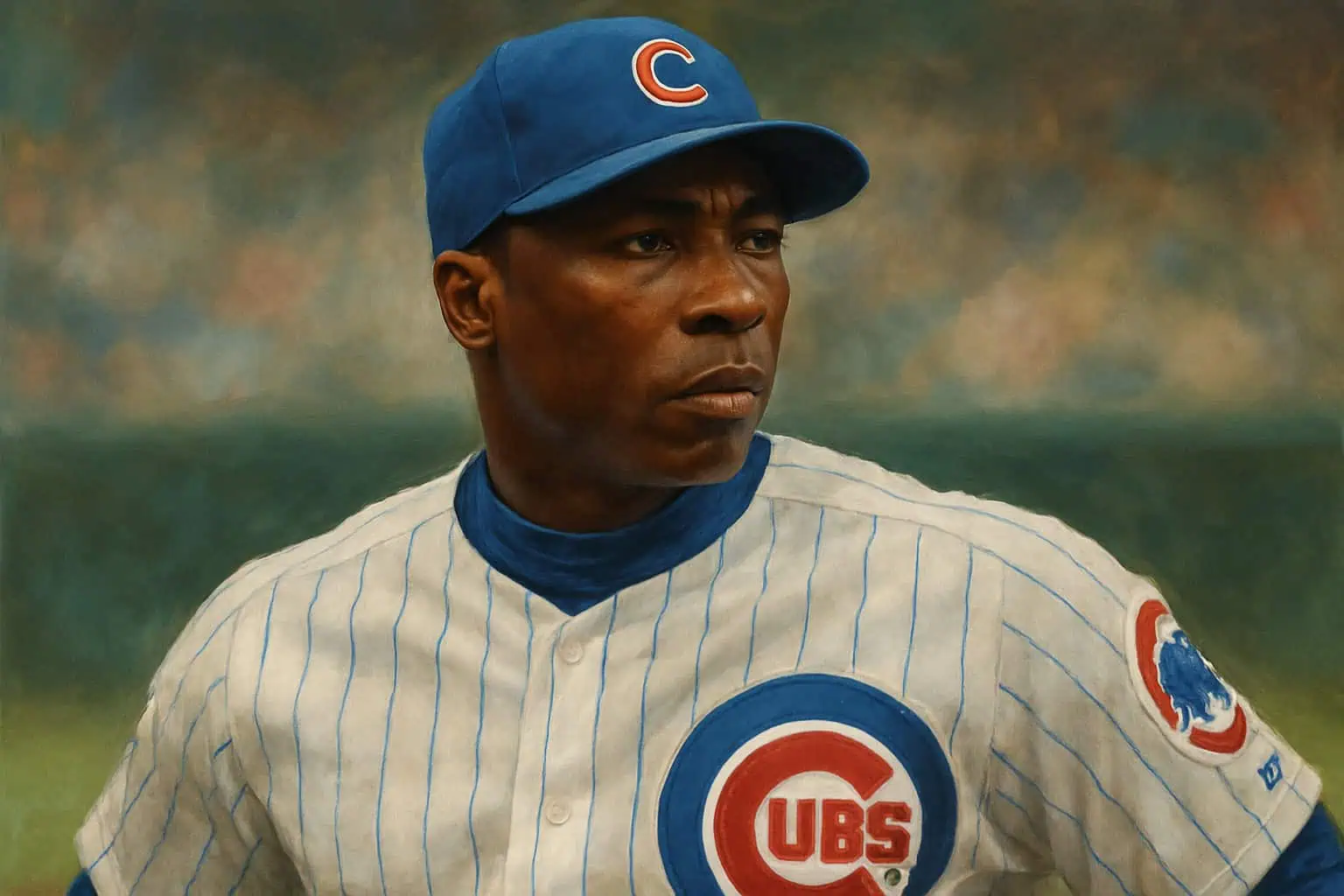
Alfonso Soriano turned second base into a launching pad during his Yankees years, becoming a rare player to achieve consecutive 30-30 seasons (30 home runs and 30 stolen bases) in 2002-2003. His explosive combination of power and speed, highlighted by 39 homers and 41 steals in 2002, made him must-see TV in pinstripes. Though his defense was adventurous and his plate discipline questionable, Soriano’s raw athleticism electrified the Bronx faithful.
Ian Kinsler – The Consistent Texan Who Never Got His Due
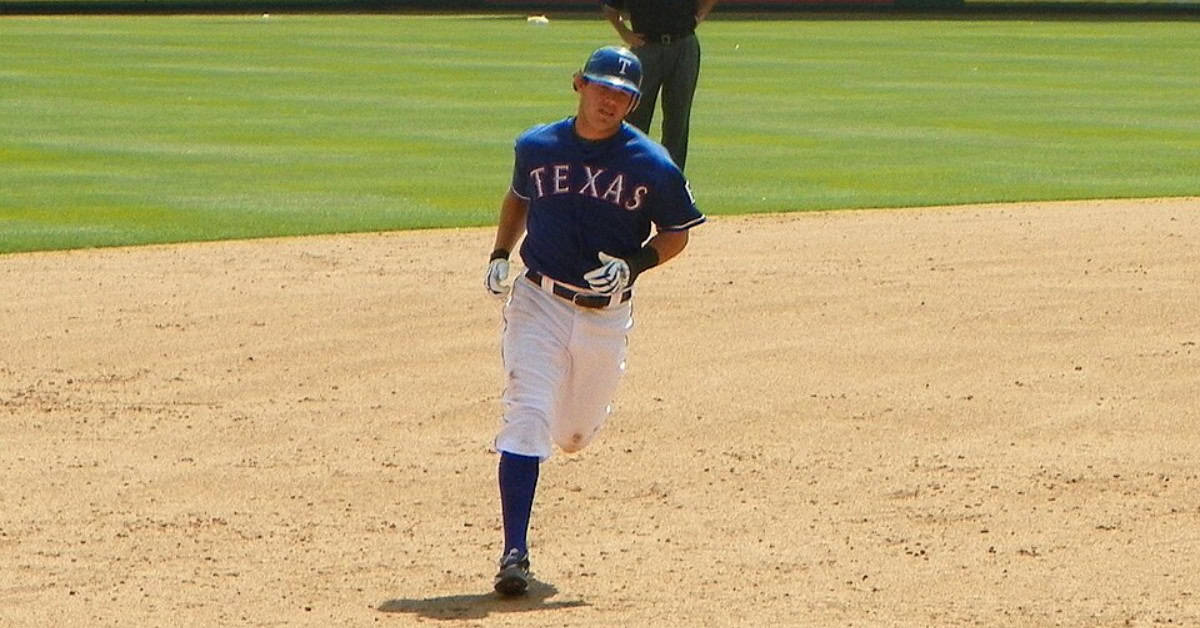
Ian Kinsler quietly compiled one of the most well-rounded second base careers of the 2000s, combining solid defense with surprising pop and speed. His four All-Star selections and two Gold Gloves for Texas showcased a player who did everything well without ever dominating headlines. Kinsler’s 257 career home runs and 243 stolen bases proved that consistency and versatility could be just as valuable as flashy peak seasons.
Jose Vidro – Montreal’s Forgotten All-Star Before the Expos Disappeared
Jose Vidro represented the last gasps of meaningful baseball in Montreal, hitting .300 or better four times while the Expos slowly faded into history. His three All-Star appearances and consistent .290s hitting felt like small victories for a franchise everyone knew was doomed. Vidro’s smooth swing and reliable glove provided stability during chaos, making him a forgotten star who deserved better than playing his prime years in front of 8,000 fans at Olympic Stadium.
Ray Durham – The Steady Eddie Who Anchored Two Decades of Infields
Ray Durham epitomized the steady professional, grinding out a 14-year career that bridged the gap between old-school second basemen and the power-hitting revolution. His .277 average, 192 home runs, and 273 stolen bases showcased a complete player who adapted his game as baseball evolved. Durham’s two All-Star selections with Chicago felt understated for a player who consistently delivered 15-20 homers and 20-30 steals while playing solid defense year after year.
Marcus Giles – Atlanta’s Little Brother Who Outshined His Famous Sibling
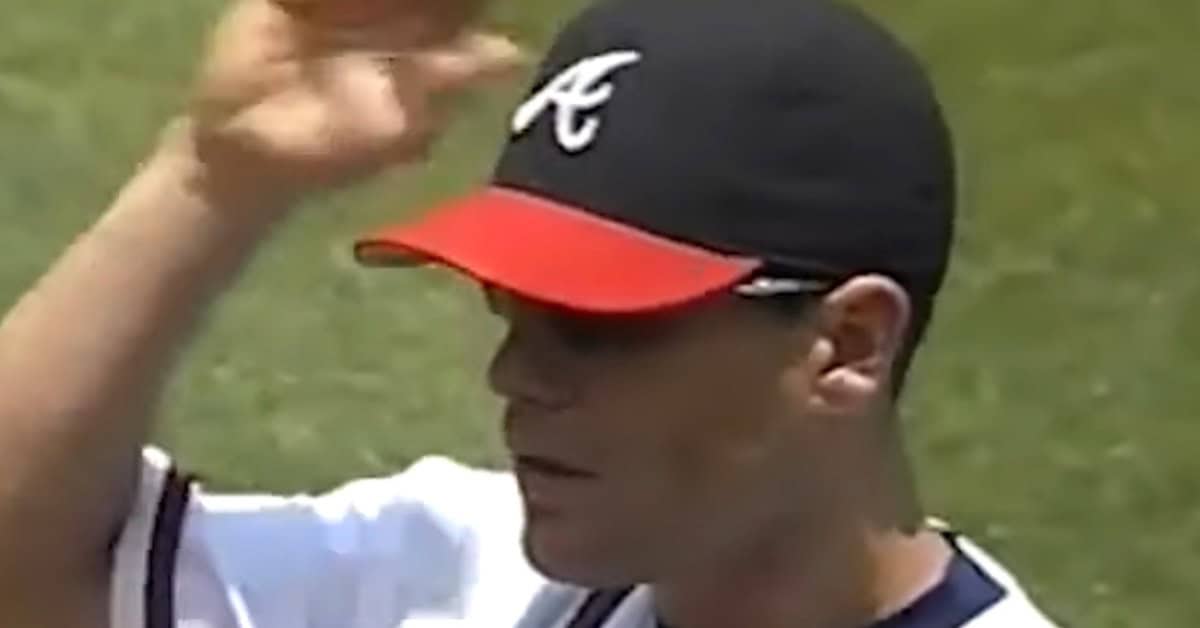
Marcus Giles briefly outshined his notable brother Brian, hitting .316 with 21 homers and 101 RBIs in 2003 while earning his only All-Star selection. His compact swing and surprising power made him a perfect fit for Atlanta’s championship-contending teams, though injuries derailed what looked like a promising career trajectory. For one magical season, the younger Giles proved that talent ran deep in the family bloodline.
Luis Castillo – The Contact King Who Never Met a Single He Couldn’t Find
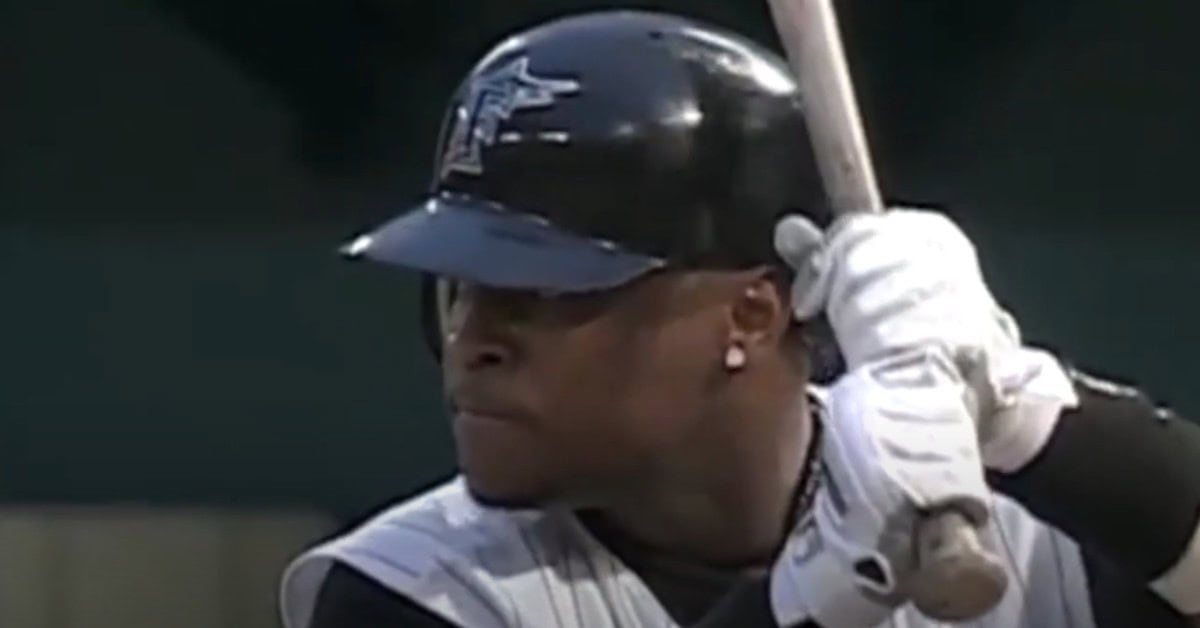
Luis Castillo turned hitting singles into an art form, leading the NL in hits twice while maintaining a .290 career average that felt automatic. His 35-game hitting streak in 2002 and three Gold Gloves showcased a player who understood that baseball success didn’t always require home run swings. Castillo’s 370 career stolen bases and knack for getting on base made him the perfect catalyst for Florida’s surprising championship runs.
Placido Polanco – The Gap-to-Gap Hitter Who Made Contact Look Easy
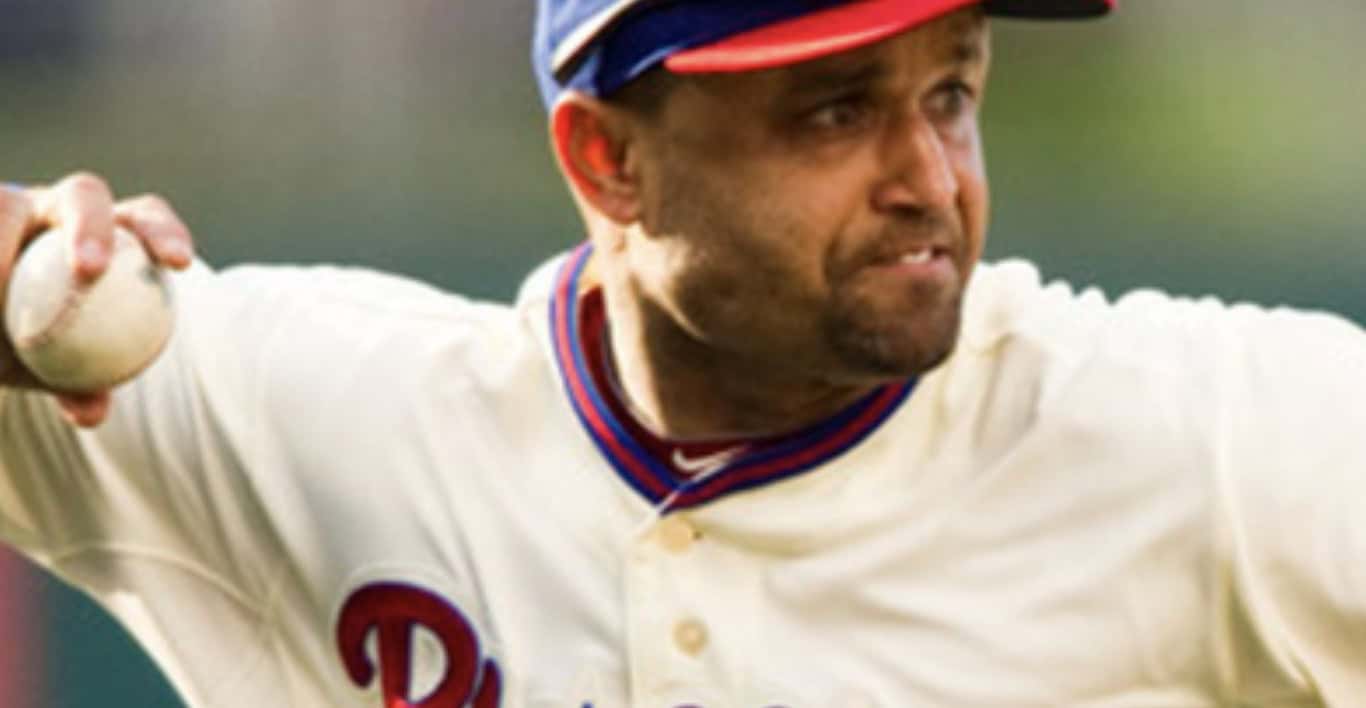
Placido Polanco possessed the sweetest swing this side of Tony Gwynn, hitting .297 over 16 seasons while striking out just once every 12 at-bats. His two Gold Gloves and .993 career fielding percentage made him one of the most reliable second basemen of his era, turning routine plays into automatic outs. Polanco’s old-school approach proved that contact hitting and defensive excellence could still thrive in baseball’s evolving landscape.
Orlando Hudson – The Defensive Wizard Who Could Pick It Like Magic
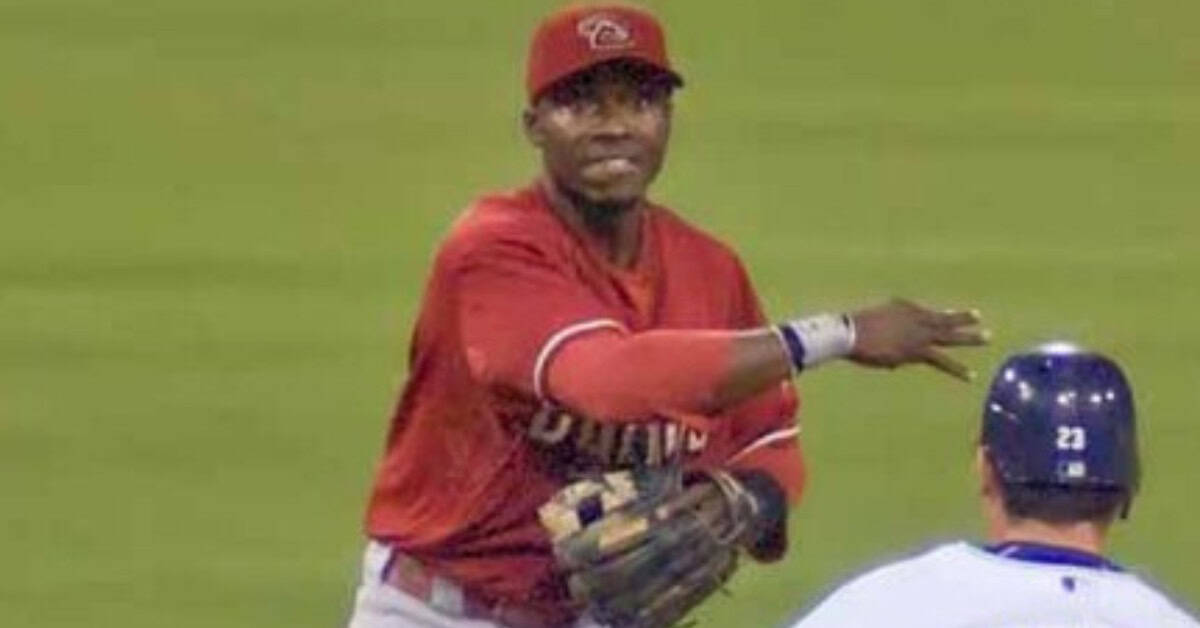
Orlando Hudson turned second base defense into performance art, earning four Gold Gloves with acrobatic plays that belonged in highlight reels. His .273 career average and occasional power bursts were nice bonuses to defensive wizardry that made routine grounders look like spectacular gems. Hudson’s range and instincts reminded fans that sometimes the most beautiful part of baseball happened between the lines, not over the fences.
Dan Uggla – The Home Run King Who Swung for the Fences Every Time
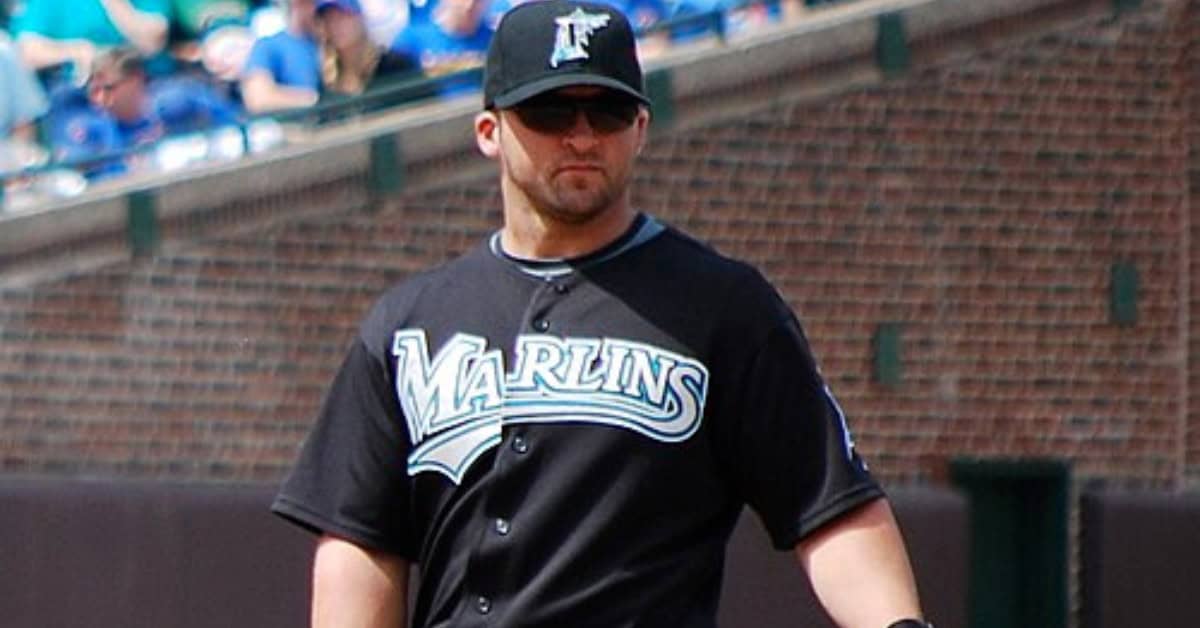
Dan Uggla embodied the all-or-nothing approach that defined baseball’s power revolution, launching 235 home runs while striking out 1,733 times in his career. His 36-homer, 98-RBI season in 2006 announced a new breed of second baseman who cared more about exit velocity than batting average. Uggla’s three All-Star selections proved that fans would embrace the strikeouts if the home runs kept flying over the fence at a record pace.
Aaron Hill – Toronto’s Underrated Slugger Who Had That One Monster Year

Aaron Hill’s 2009 season came out of nowhere like a surprise fastball, as he smashed 36 home runs with 108 RBIs while hitting .286 for Toronto. His Silver Slugger award that year represented the peak of a solid career that featured consistent production without much fanfare. Hill’s ability to play multiple infield positions and deliver clutch hits made him the type of versatile player every contending team coveted.
Freddy Sanchez – Pittsburgh’s Batting Champion Who Sprayed Line Drives

Freddy Sanchez won the 2006 NL batting title with a .344 average that felt like a throwback to when hitting for average actually mattered. His line-drive approach and gap-to-gap power made him a perfect fit for Pittsburgh’s spacious PNC Park, where doubles counted more than home runs. Sanchez’s three All-Star selections proved that pure hitting ability could still earn recognition in an increasingly power-obsessed sport.
Mark Grudzielanek – The Journeyman Who Found Success Everywhere He Went
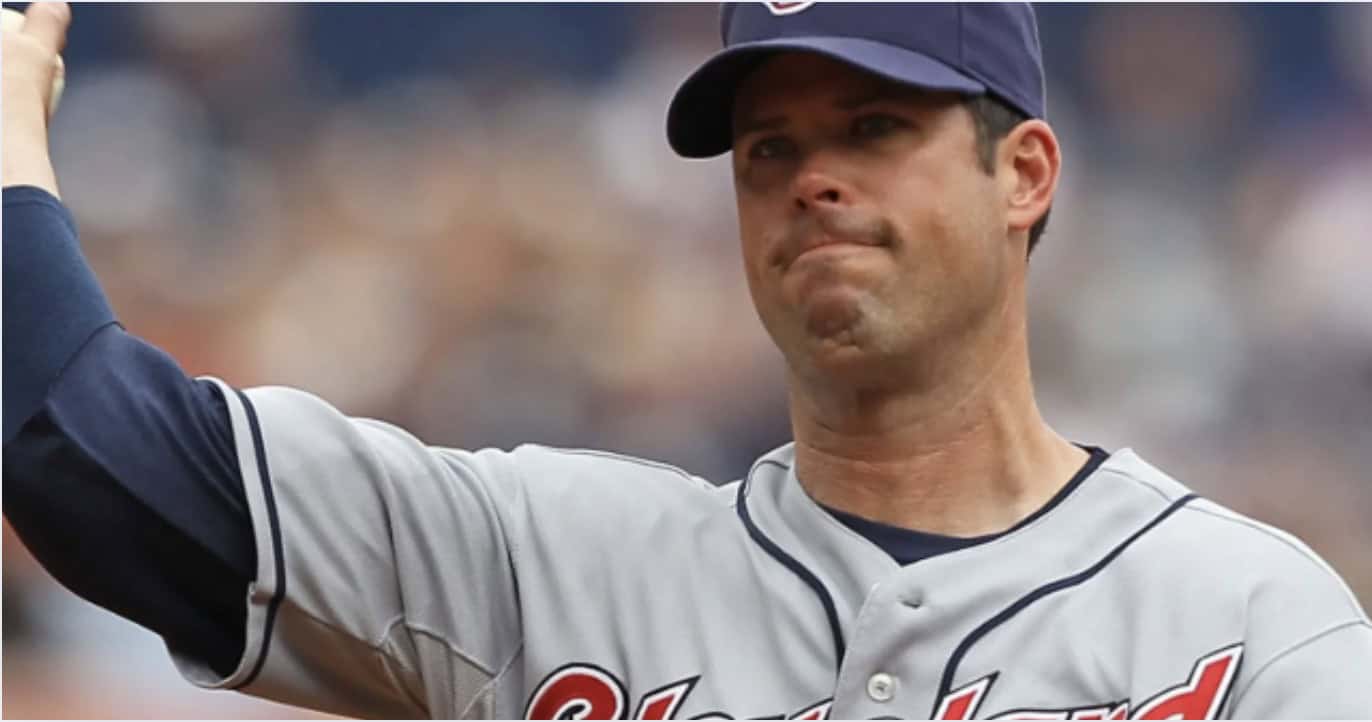
Mark Grudzielanek proved that professional hitters could thrive anywhere, compiling a .289 career average across six different teams and 15 seasons. His 1996 All-Star selection with the Expos highlighted a player who understood his role and executed it perfectly, whether hitting leadoff or batting seventh. Grudzielanek’s consistent production and veteran leadership made him the ideal second baseman for teams needing steady, reliable production without drama or ego.
Craig Biggio – The Hall of Famer Who Closed Out His Career in Style
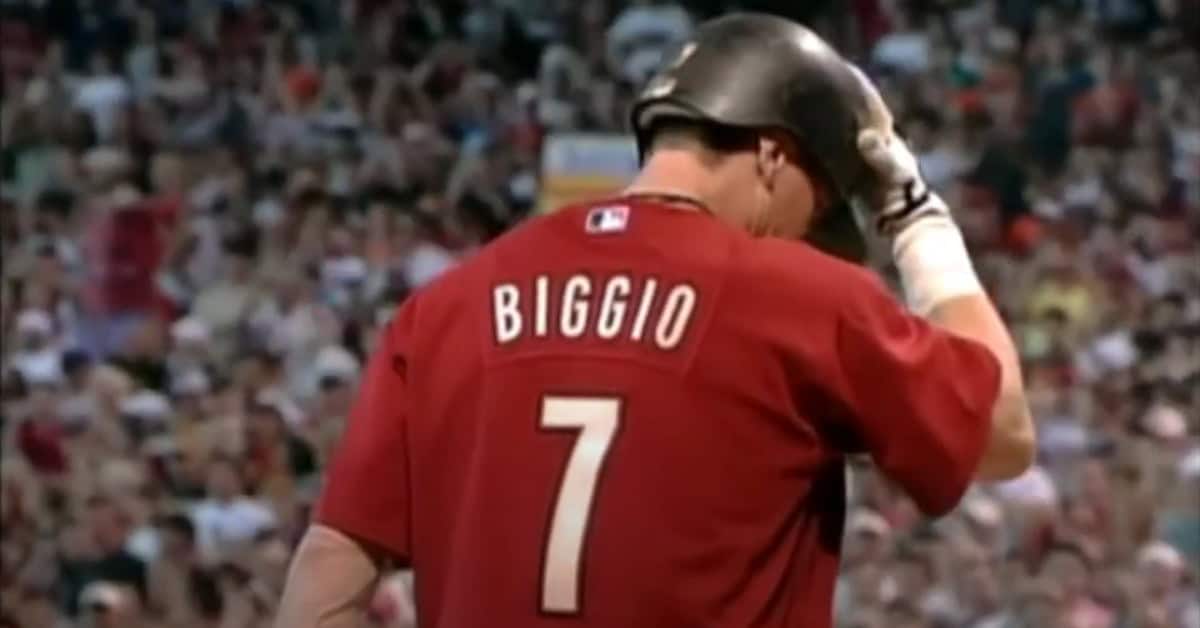
Craig Biggio’s transition from catcher to second base extended his Hall of Fame career and gave Houston a franchise cornerstone for two decades. His 3,060 career hits, 414 stolen bases, and record 285 hit-by-pitches showcased a player who found every possible way to help his team win. Biggio’s four Gold Gloves at second base proved that great athletes could reinvent themselves and excel at multiple positions throughout their careers.
Todd Walker – The Sweet-Swinging Lefty Who Could Hit in Any Lineup
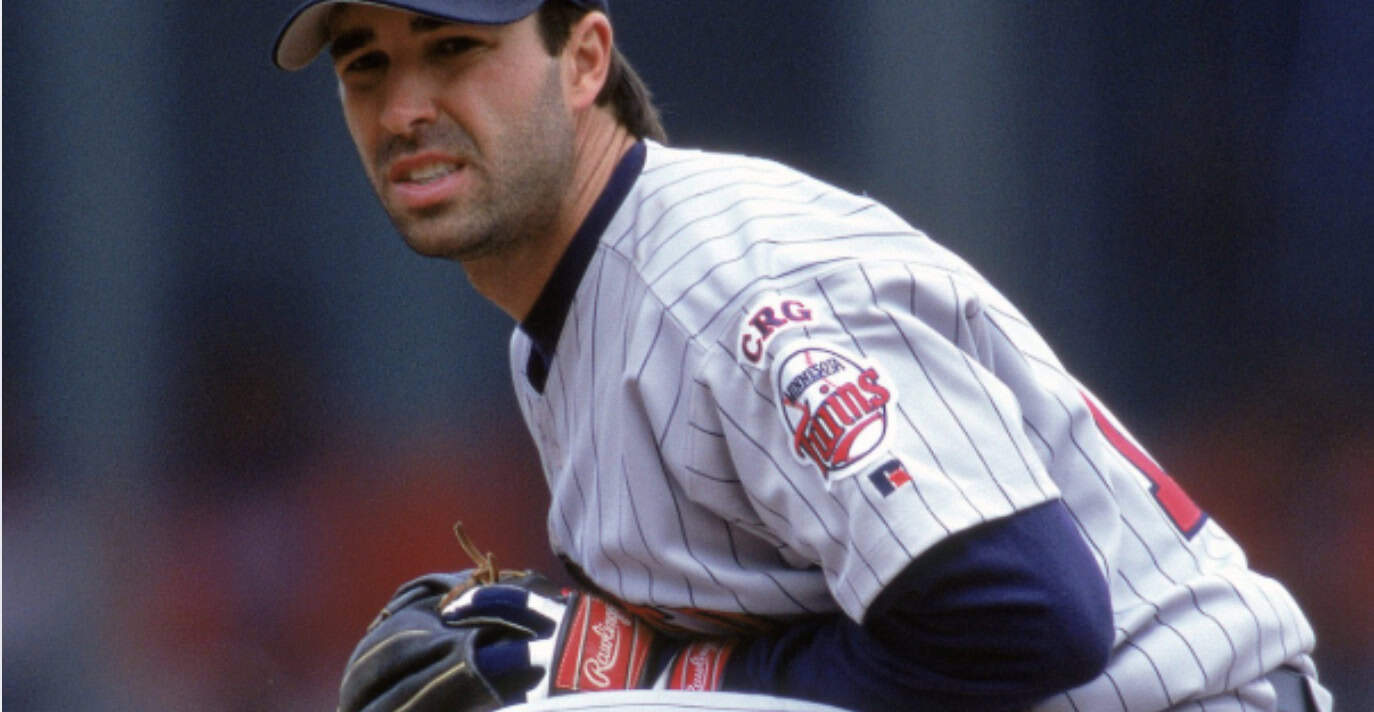
Todd Walker possessed one of the smoothest left-handed swings in baseball, hitting .289 over 12 seasons while providing consistent offensive production wherever he landed. His clutch hitting during Boston’s 2003 playoff run and solid years in Minnesota showcased a player who understood situational hitting before analytics made it fashionable. Walker’s ability to hit for average and occasional power made him the perfect utility infielder for teams needing offensive depth.
Mark Ellis – Oakland’s Steady Glove Who Never Made the Highlight Reels
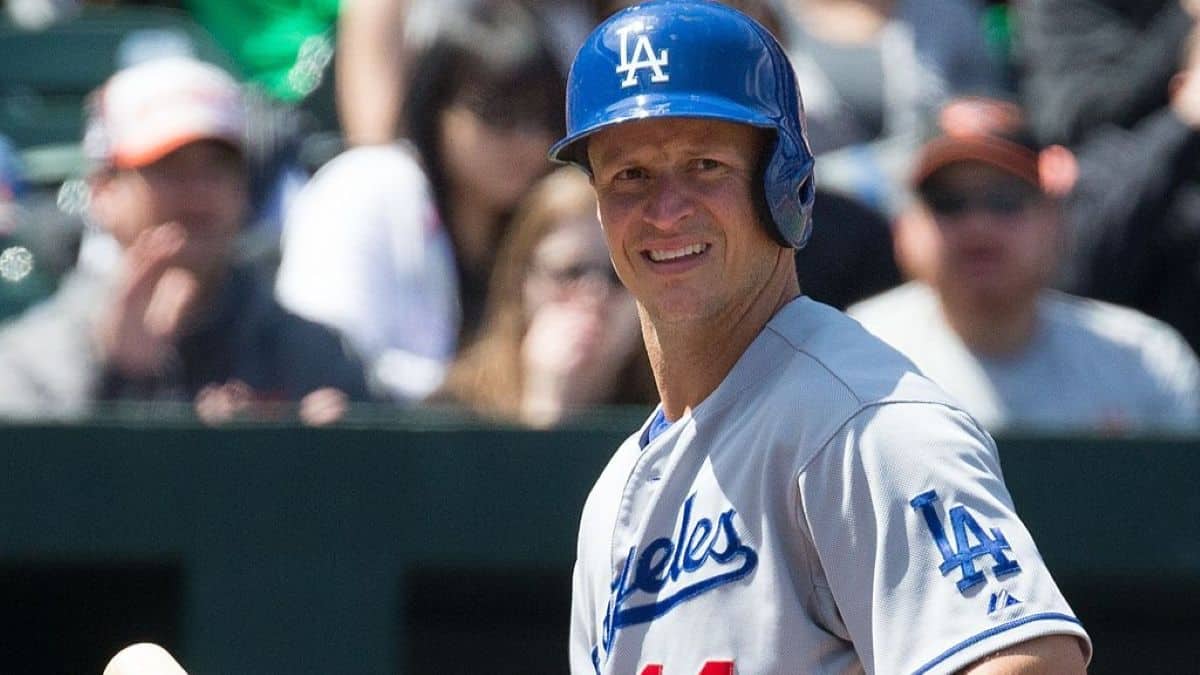
Mark Ellis epitomized the Oakland A’s philosophy of finding undervalued players who contributed in subtle but important ways. His .991 career fielding percentage at second base and knack for turning double plays made him the perfect complement to flashier teammates, providing the steady defense that championship teams require. Ellis never hit 20 home runs or stole 30 bases. Still, his consistent .262 average and Gold Glove-caliber defense proved that sometimes the most valuable players are the ones who simply do their job every single day without fanfare.