

Last Updated: June 17th, 2026 by Michael Schatz
The 1980s were a golden era of baseball, filled with larger-than-life personalities and unforgettable moments. While everyone remembers the Mattinglys and Ripkens, some of the decade’s most remarkable talents flew under the radar, overshadowed by flashier teammates or playing in smaller markets. These forgotten heroes deserve their moment in the spotlight.
Don't lose this article. Enter your email below, and I'll send it to you right now. Plus, we'll send you other unbelievable stories from baseball's past.
Lance Parrish: The Big Wheel Behind the Plate
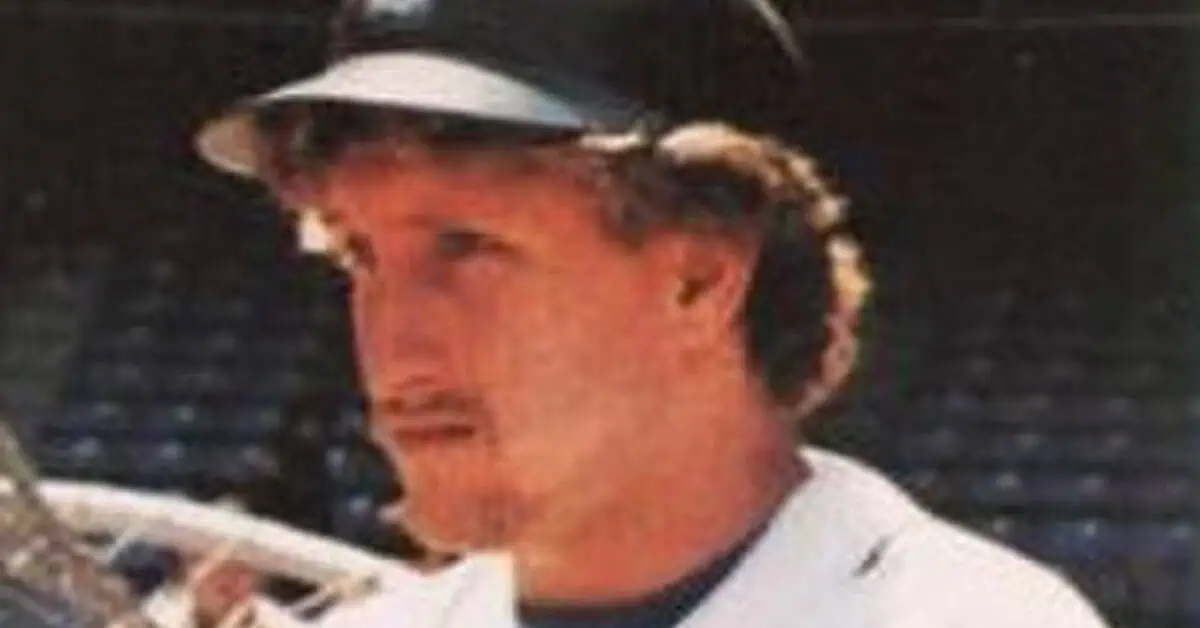
While the 1984 Tigers steamrolled to a World Series title, Lance Parrish was the rock behind the plate that made it all possible. “The Big Wheel” averaged 30 home runs and nearly 100 RBIs per season during his Detroit prime, all while managing the pitching staff and neutralizing baserunners. His eight All-Star selections and six Gold Gloves tell only part of the story—Parrish was the emotional leader of those powerhouse Tigers teams, a steadying force for Sparky Anderson’s rotation and the fiery Kirk Gibson.
Dave Stieb: The Master of Heartbreak
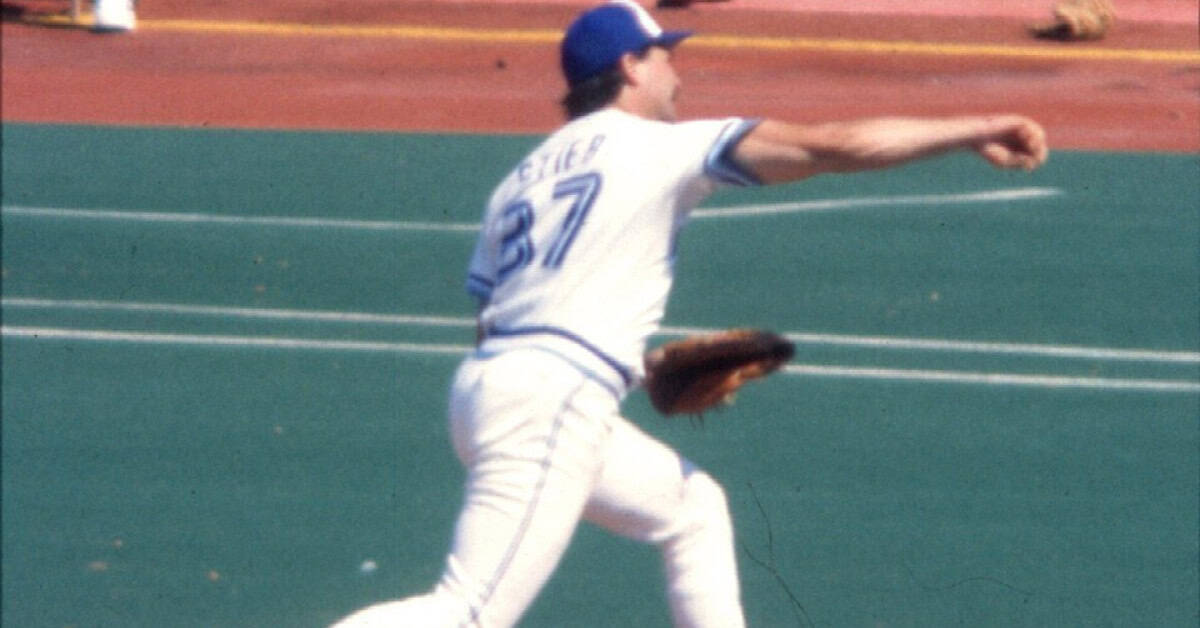
Dave Stieb led all pitchers in WAR during the 1980s, yet somehow never won a Cy Young Award. The Blue Jays ace was baseball’s ultimate hard-luck story, losing four no-hitters with just one out remaining in a five-year span. His devastating slider baffled hitters, and his competitive fire burned so brightly that teammates nicknamed him “The Terminator.” Stieb’s 140 wins in the ’80s were second only to Jack Morris, but while Morris received the glory, Stieb was consistently overlooked—a cruel reminder that timing and market size can overshadow immense talent.
Lou Whitaker: Sweet Lou’s Bitter Hall of Fame Snub

“Sweet Lou” Whitaker was the model second baseman for the 1980s—impeccably smooth around the bag, clutch with the bat, and a bastion of consistency for 19 seasons. His partnership with Alan Trammell formed the longest-running double-play combination in baseball history, yet somehow only Trammell made the Hall of Fame. Whitaker’s 75.1 career WAR is the highest among eligible second basemen not in Cooperstown, and his .276 lifetime average with 244 home runs from the keystone position was revolutionary for its time. The man who anchored Detroit’s infield during their championship run deserved far better than a one-and-done Hall of Fame ballot.
Tim Wallach: Montreal’s Forgotten Iron Man

Tim “Wally” Wallach was the heart and soul of those competitive Montreal Expos teams that never quite got over the hump. The California native became a Canadian icon, manning third base with Gold Glove precision while providing consistent power in the middle of the lineup. His 22 home runs and 123 RBIs in 1987 helped Montreal stay in contention until the final week. For years, his 2,085 games played stood as the franchise record. Wallach’s steady excellence was overshadowed by flashier teammates like Andre Dawson and Tim Raines, but those who watched him play knew he was the glue that held those talented Expos teams together.
Willie Wilson: Kansas City’s Speed Demon
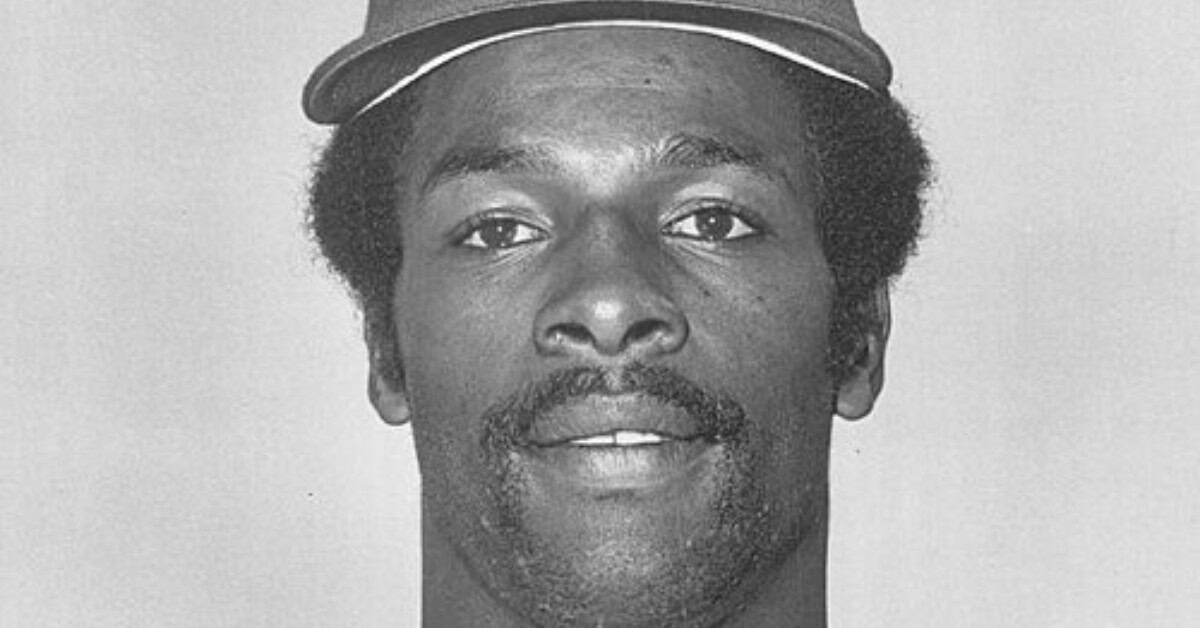
Willie Wilson was a dynamic force on the basepaths, a switch-hitting speedster who terrorized American League pitchers throughout the 1980s. His 668 career stolen bases rank 12th all-time, and his 83.3% success rate was second only to Tim Raines among players with 400+ steals. Wilson’s 1980 season was magical—he became just the second player in MLB history to collect 100 hits from both sides of the plate, while leading the league with 230 hits and 133 runs scored. “Willie the Wizard” was the catalyst for Kansas City’s 1985 World Series championship, proving that speed never slumps.
Dan Quisenberry: The Submarine Savior

Dan Quisenberry’s submarine delivery was as unique as his wit, and both were equally effective at befuddling opponents. “Quiz” led the American League in saves five times during the 1980s, including a remarkable 45 saves in 1983 that stood as a single-season record for years. His sidearm delivery generated more ground balls than nearly any pitcher of his era. Beyond the numbers, Quisenberry was baseball’s poet laureate, famous for quips like “I have seen the future and it’s much like the present, only longer.” His 244 career saves came in an era when closers were expected to pitch multiple innings, making his dominance even more impressive.
Darrell Evans: The Quiet Power Hitter
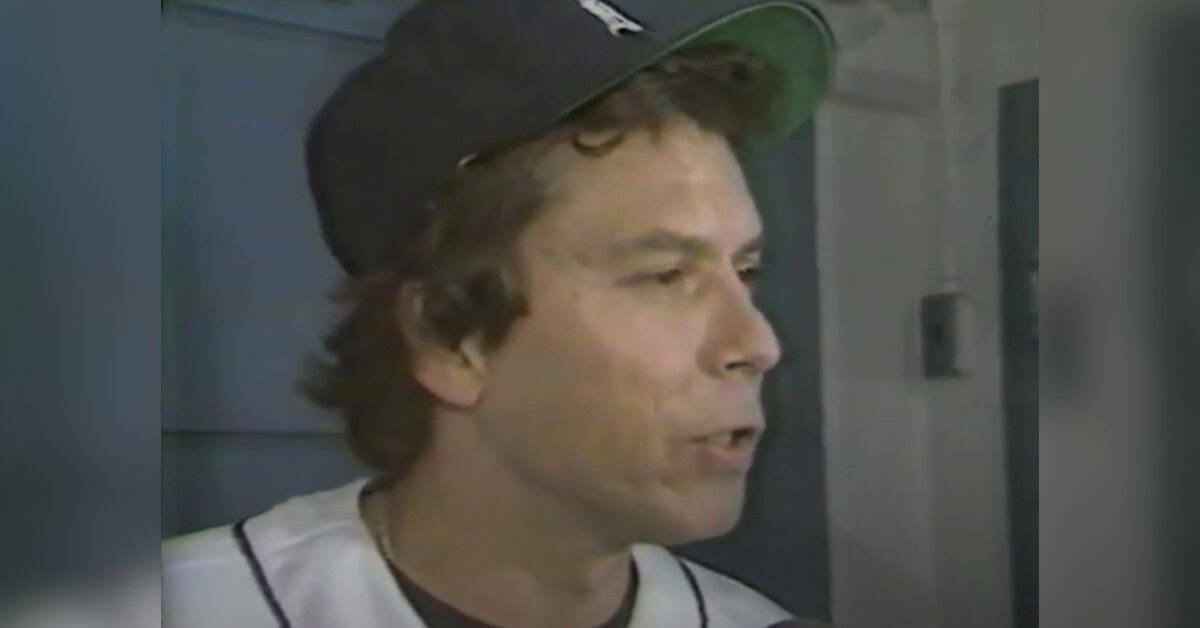
Darrell Evans was the thinking man’s slugger, a patient hitter who understood the value of a walk decades before it became a mainstream metric. His 414 career home runs included a 40-homer season with Detroit in 1985 at age 38, making him the oldest player to win a league home run title. Evans was also the first player in history to hit 40 home runs in both the American and National Leagues. His keen eye resulted in 1,605 career walks—more than Mickey Mantle or Willie Mays. While flashier players grabbed headlines, Evans quietly accumulated 78.6 career WAR over 21 seasons, proving that consistency and intelligence are invaluable assets.
Buddy Bell: The Glove That Never Missed
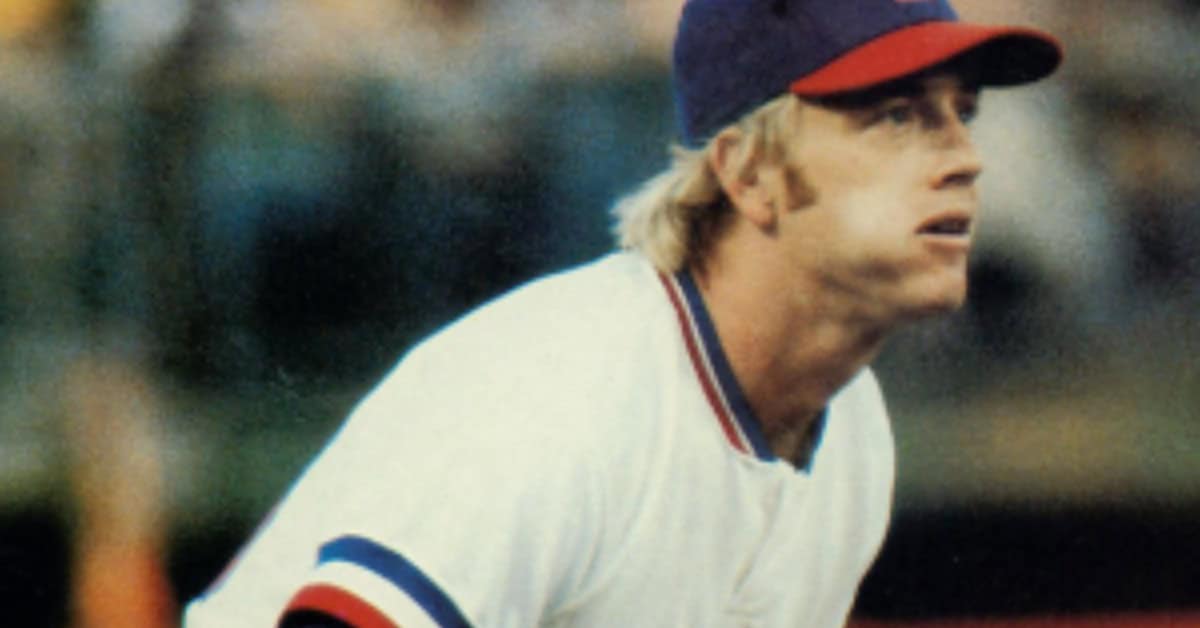
Buddy Bell turned third base into an art form, making difficult plays look routine with exceptional hands and instincts. His six Gold Gloves tell only part of the story—Bell revolutionized third base defense with his positioning and anticipation, inspiring a generation of hot corner specialists. Playing primarily for Cleveland and Texas, his defensive wizardry was often overlooked, but those who watched him knew they were witnessing a master. His .279 career average and 201 home runs were solid, but it was his glove that made him legendary. Bell’s 2,038 career games at third base were a testament to his durability and excellence.
Kent Hrbek: The Hometown Hero
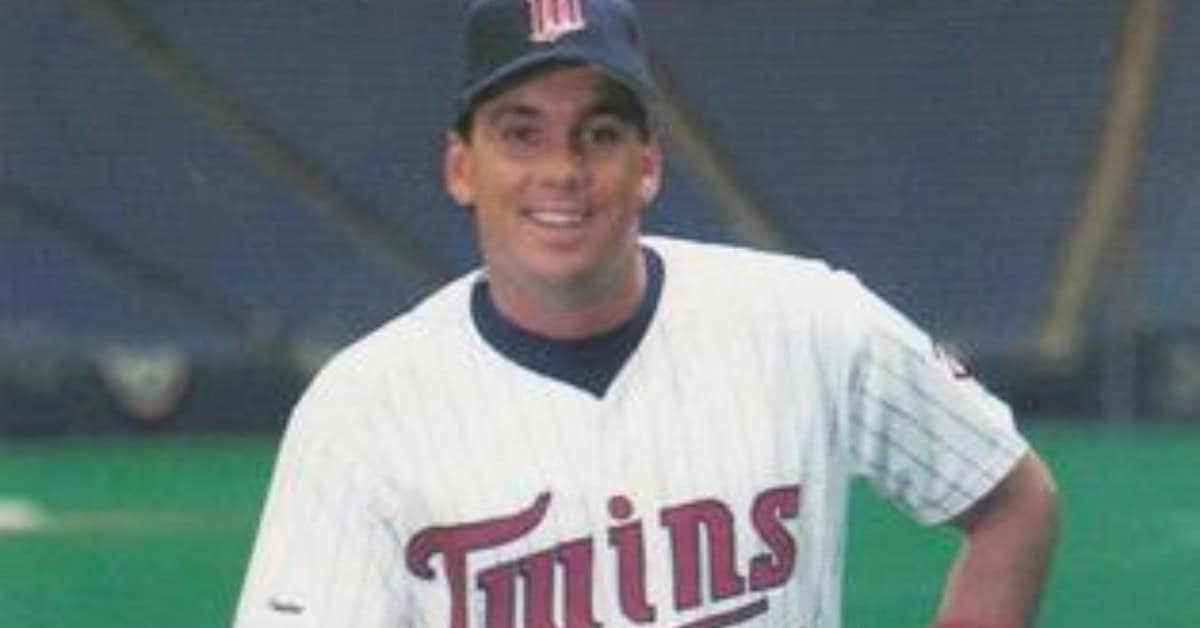
Kent Hrbek was a hometown hero who became the face of the Minnesota Twins during their magical 1987 and 1991 World Series runs. The Bloomington native averaged 23 home runs and 91 RBIs during his prime, all while providing Gold Glove defense at first base. Hrbek’s clutch gene was legendary—his grand slam in Game 6 of the 1987 World Series remains one of the most iconic moments in Minnesota sports history. Playing his entire 14-year career in Minneapolis, Hrbek represented the best of small-market baseball: loyalty, consistency, and the ability to rise to the occasion when it mattered most.
Mario Soto: Cincinnati’s Strikeout King

Mario Soto was one of the Dominican Republic’s first great pitching exports, a fiery right-hander whose deceptive changeup was so devastating that hitters often bailed out before it even reached the plate. From 1981 to 1984, Soto was arguably one of the best pitchers in the National League, averaging 17 wins and 250 strikeouts per season. His 1982 season was particularly brilliant, featuring 14 wins, 274 strikeouts, and a 2.79 ERA. Though Soto’s career was shortened by arm injuries, for a brief, shining moment in Cincinnati, he was unhittable. His 1,449 career strikeouts in just 1,730 innings demonstrate a rate that modern power pitchers would envy.