

Last Updated: June 17th, 2026 by Matthew Brown
Before pitch counts and relief specialists, baseball was built on complete games and the crack of Louisville Sluggers echoing through concrete cathedrals. Sandy Koufax’s 12-year career placed him alongside legends who could turn September pennant races into poetry and make grown men weep with a single curveball that dropped off the table like a magician’s disappearing act.
Don't lose this article. Enter your email below, and I'll send it to you right now. Plus, we'll send you other unbelievable stories from baseball's past.
Jackie Robinson: The Pioneer Who Changed Everything Before Sandy Arrived

Jackie Robinson’s arrival in Brooklyn eight years before Sandy’s debut created the foundation upon which all future Dodgers greatness would be built, his courage under pressure setting the standard for clutch performance. The man who broke baseball’s color barrier carried himself with a dignity that made even his fiercest critics eventually tip their caps in respect. Robinson’s base-running artistry and fearless slides into home plate taught a young Koufax that greatness meant performing when the stakes were highest and the spotlight burned brightest.
Tommy Davis: The Batting Champion Who Made Contact Look Effortless
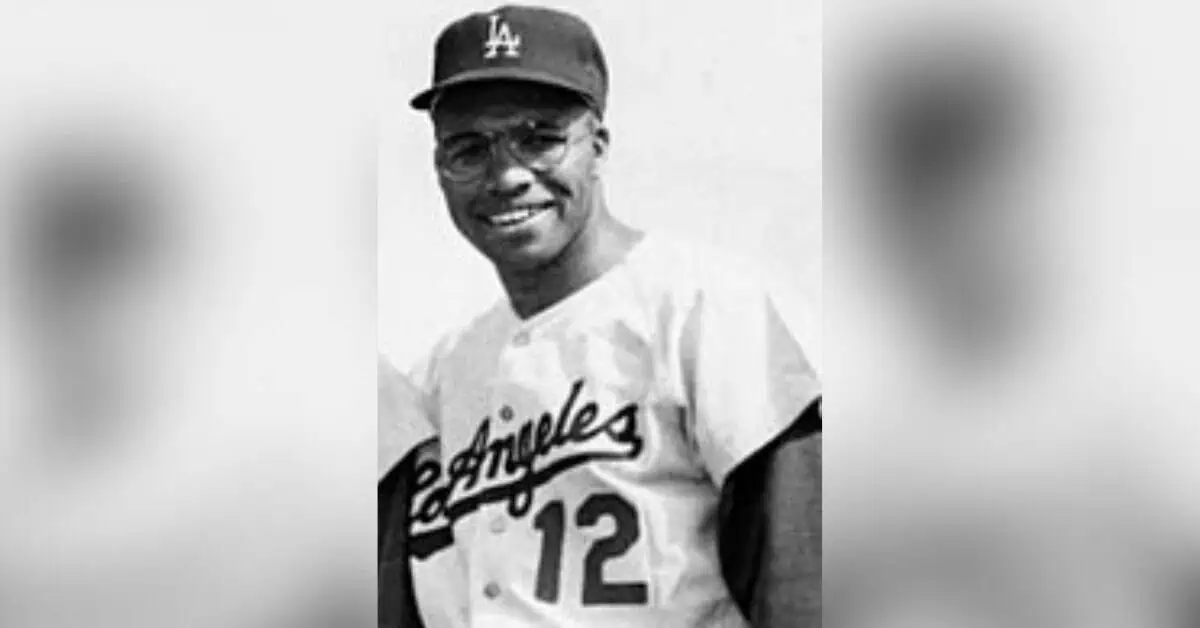
Tommy Davis swung the bat like he was conducting a symphony orchestra, his smooth stroke producing back-to-back batting titles in 1962 and 1963 that made pitchers question their life choices. The Brooklyn native’s ability to spray line drives to all fields gave Sandy Koufax the offensive support that championship teams require when every run feels precious. Davis’s 153 RBIs in 1962 created a cushion that allowed Koufax to pitch with the confidence that comes from knowing your teammates could manufacture runs faster than a Detroit assembly line.
Johnny Podres: The Southpaw Who Gave Brooklyn Its Only World Series

Johnny Podres delivered Brooklyn’s only World Series championship in 1955 with the kind of clutch pitching that made grown men cry tears of joy in Flatbush taverns for decades afterward. The left-hander’s Game 7 shutout against the mighty Yankees proved that sometimes David really could slay Goliath, especially when David threw a changeup that moved like a butterfly with a broken wing. Podres showed a young Sandy Koufax that October magic wasn’t just about overpowering hitters—sometimes it was about making them swing at pitches that weren’t quite where they expected them to be.
Frank Howard: The Capitol Punisher Whose Home Runs Needed Passports
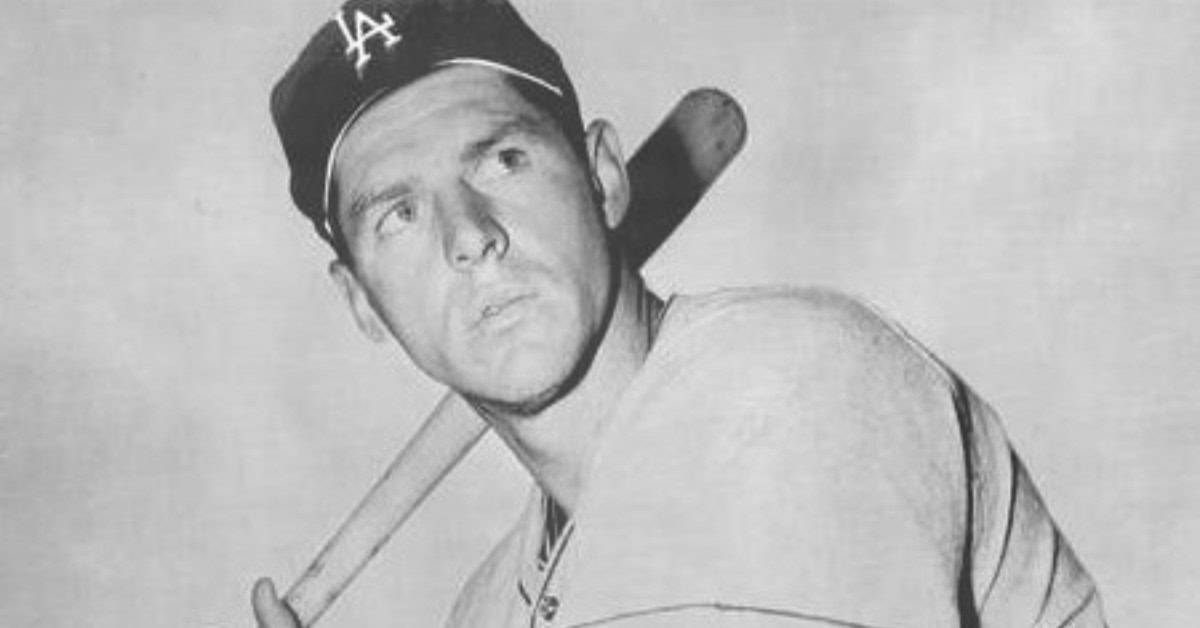
Frank Howard’s massive frame cast shadows across home plate like a redwood tree blocking out the California sun, his 6’7″ presence making even Dodger Stadium’s spacious dimensions feel claustrophobic. The gentle giant’s tape-measure home runs sailed over fences with the casual authority of a man swatting flies, each swing generating enough power to light up entire city blocks. Howard’s presence in the Dodgers lineup during Sandy’s early years provided the kind of offensive thunder that made opposing pitchers grateful they didn’t have to face both men in the same inning.
Jim Gilliam: Junior’s Glove That Could Turn Any Ground Ball Into Art
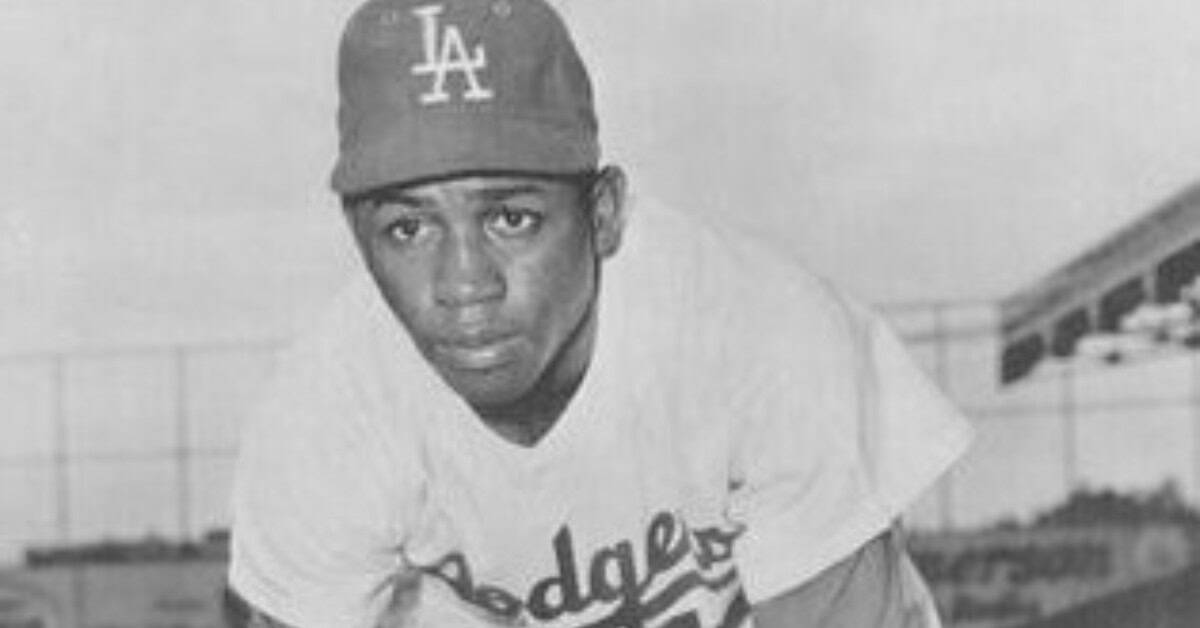
Jim “Junior” Gilliam’s glove work at second base was so smooth it looked like he was choreographing dance moves rather than turning double plays, his fielding percentage consistently ranking among the league’s best. The versatile infielder’s ability to play multiple positions gave manager Walter Alston the flexibility to optimize his lineup while ensuring that Sandy Koufax always had fundamentally sound defense behind him. Gilliam’s steady presence and clutch hitting provided the kind of reliable performance that championship teams build around, making him the perfect complement to Koufax’s explosive talent.
Carl Furillo: The Reading Rifle Who Turned Right Field Into a Shooting Gallery
Carl Furillo’s throwing arm was so legendary that baserunners would think twice about taking an extra base even when the ball was hit directly at him, his rifle shots to home plate arriving with the precision of a Swiss watchmaker. The Reading Rifle’s knowledge of Ebbets Field’s tricky right field wall was so complete that he could play caroms like a pool shark, calling his shots three rails ahead. Furillo’s defensive mastery gave young Sandy Koufax the confidence that any ball hit to right field would be handled with the kind of expertise that turns routine plays into works of art.
Willie Davis: The Center Fielder Who Could Outrun His Own Shadow
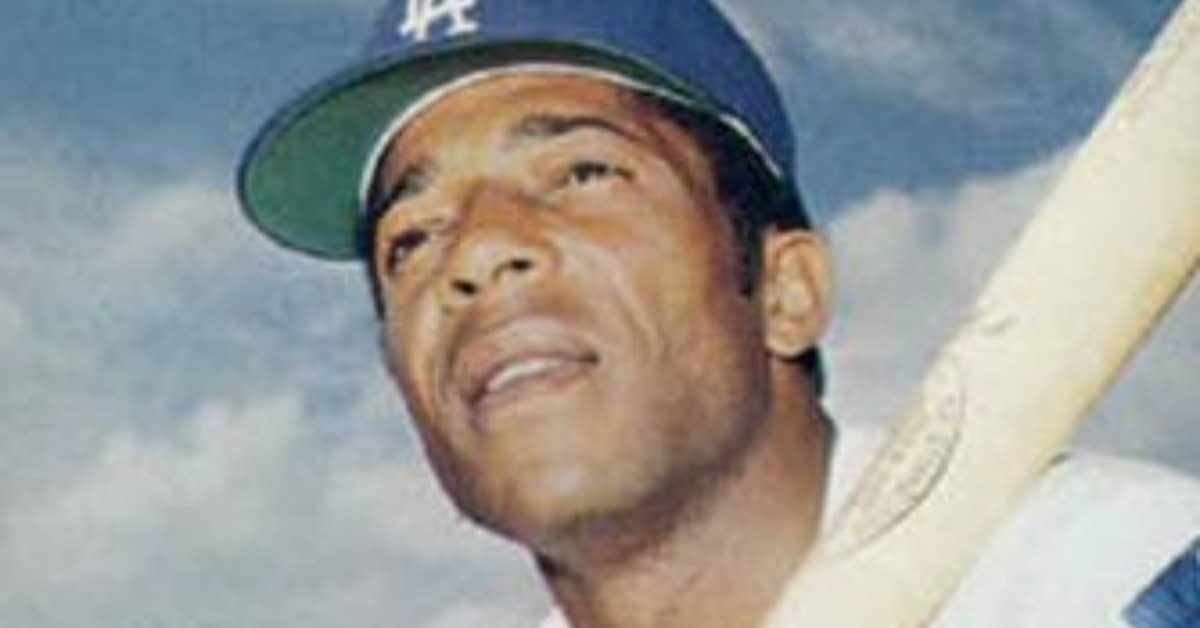
Willie Davis patrolled center field with the kind of world-class speed that made opposing hitters question whether they’d actually seen him move or if he’d simply teleported to the ball. The fleet-footed outfielder’s three Gold Gloves were a testament to his ability to track down fly balls in Dodger Stadium’s vast outfield, giving Sandy Koufax the luxury of challenging hitters without fear. Davis’s combination of speed on the bases and power at the plate provided the perfect dynamic threat that championship teams require when every game feels like it could determine a pennant race.
Roy Campanella: Campy’s Smile That Could Light Up Ebbets Field
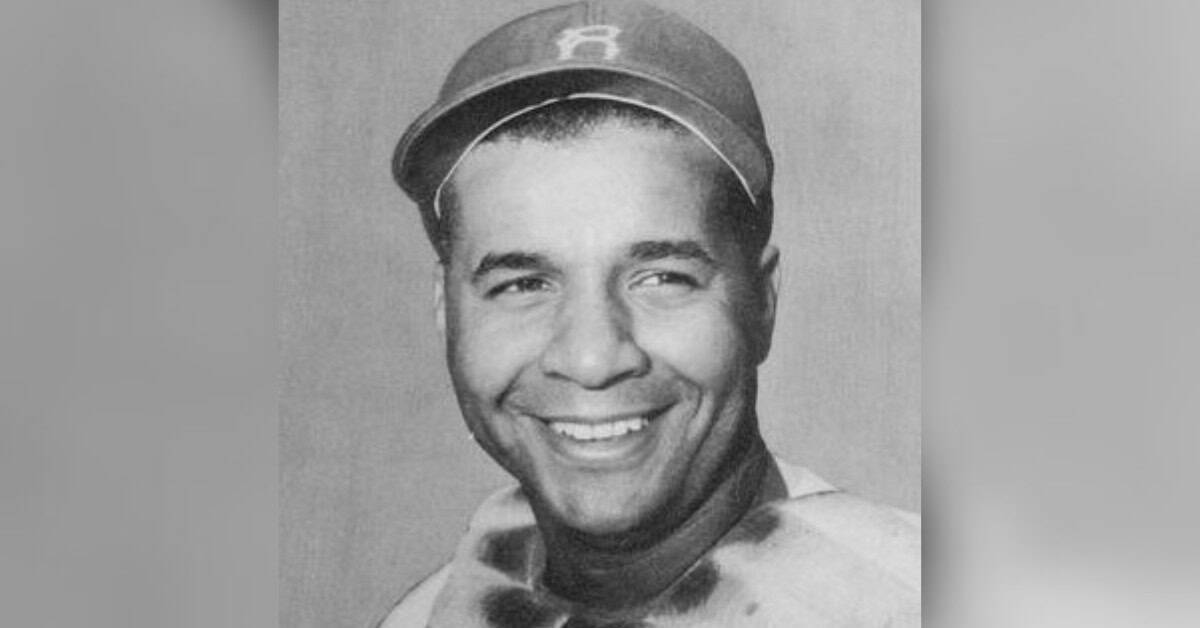
Roy Campanella’s infectious smile and booming laugh could lift an entire clubhouse’s spirits even during the darkest losing streaks, his three MVP awards proving that catchers could be more than defensive specialists. Campy’s tragic car accident in 1958 robbed baseball of one of its greatest personalities, but his influence on young Sandy Koufax during those early Brooklyn years helped shape the left-hander’s understanding of what it meant to be a professional. Campanella’s ability to handle pitchers with both authority and encouragement provided the template for the kind of leadership that would later help Koufax become the most dominant pitcher of his generation.
Wes Parker: The First Baseman Who Made Defense Look Like Ballet
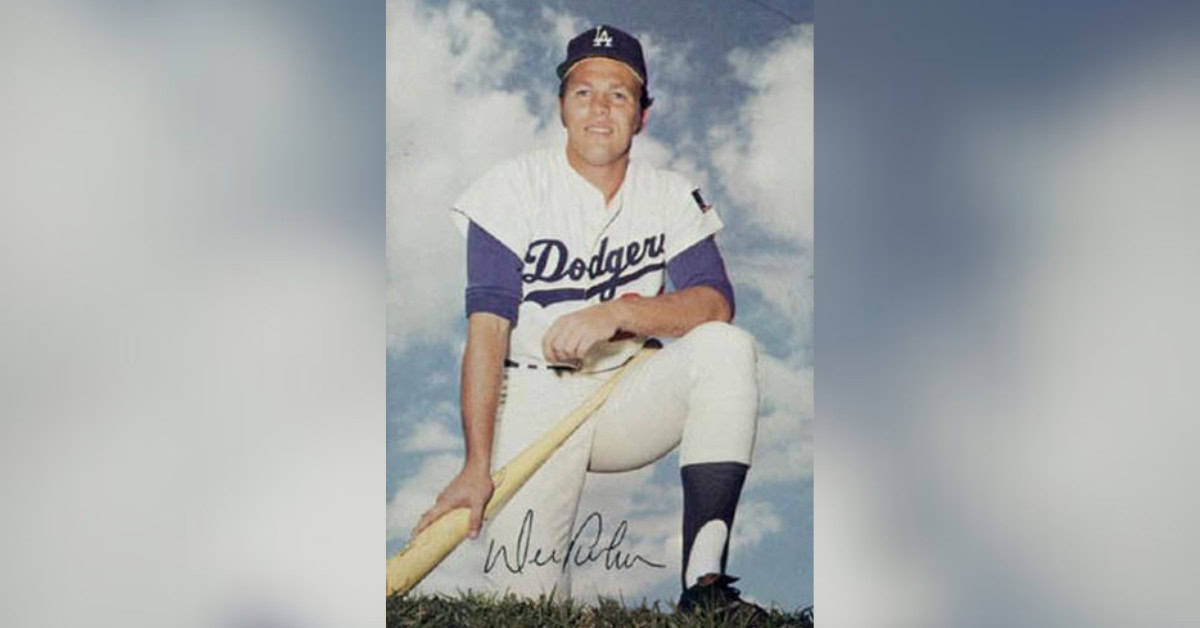
Wes Parker’s glove work at first base was so graceful it looked like he was performing Swan Lake rather than fielding ground balls, his six Gold Gloves proving that defense could be both functional and beautiful. The smooth-fielding first baseman’s ability to dig throws out of the dirt saved countless errors while his consistent batting average provided the kind of reliable offense that pennant-winning teams require. Parker’s presence during Koufax’s peak years gave the left-hander the confidence that any ball hit toward first base would be handled with the kind of artistry that turns routine plays into highlight-reel moments.
Don Newcombe: Big Newk’s Fastball That Blazed Before Sandy’s Era
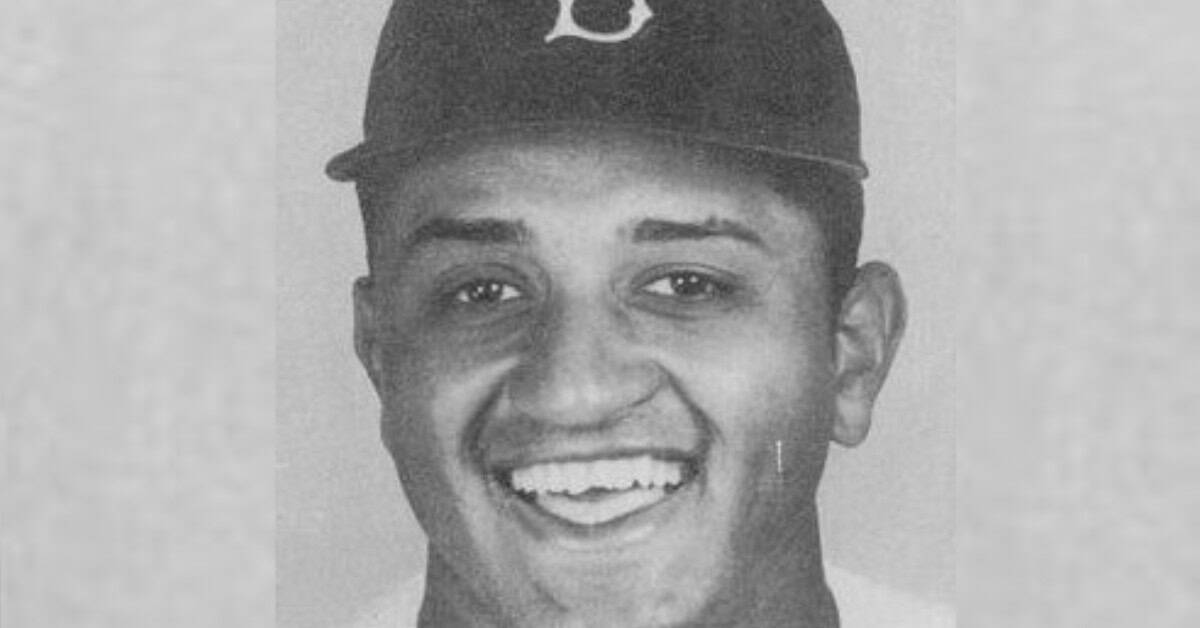
Don Newcombe’s towering frame and blazing fastball dominated National League hitters throughout the early 1950s, his 1956 MVP and Cy Young Award sweep proving that pitchers could be the most valuable players on championship teams. Big Newk’s intimidating presence on the mound and his surprising ability with the bat made him a complete player who could change games with either his arm or his lumber. Newcombe’s success during Sandy’s rookie years provided the young left-hander with a blueprint for how dominant pitchers could carry entire franchises on their shoulders when October dreams hung in the balance.
Maury Wills: The Base Stealer Who Made 1962 Feel Like Lightning
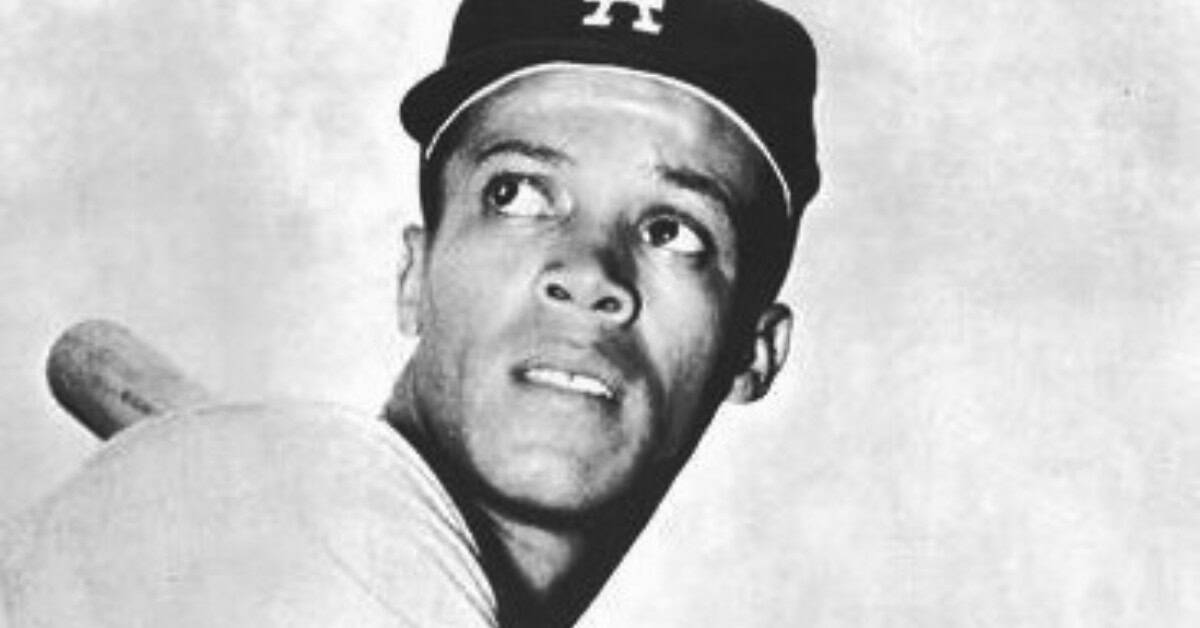
Maury Wills stole 104 bases in 1962 with the kind of electric speed that made Ty Cobb’s record feel as ancient as the Dead Sea Scrolls, his base-running artistry turning singles into doubles and doubles into triples. The switch-hitting shortstop’s ability to manufacture runs gave Sandy Koufax the offensive support that Cy Young Award winners require when every game feels like a chess match between managers. Wills’s presence on the basepaths created the kind of constant pressure that made opposing pitchers lose focus, allowing Koufax to attack the strike zone with the confidence that comes from knowing his teammates could create runs out of thin air.
Lou Johnson: Sweet Lou’s Bat That Sparked the ’65 World Series
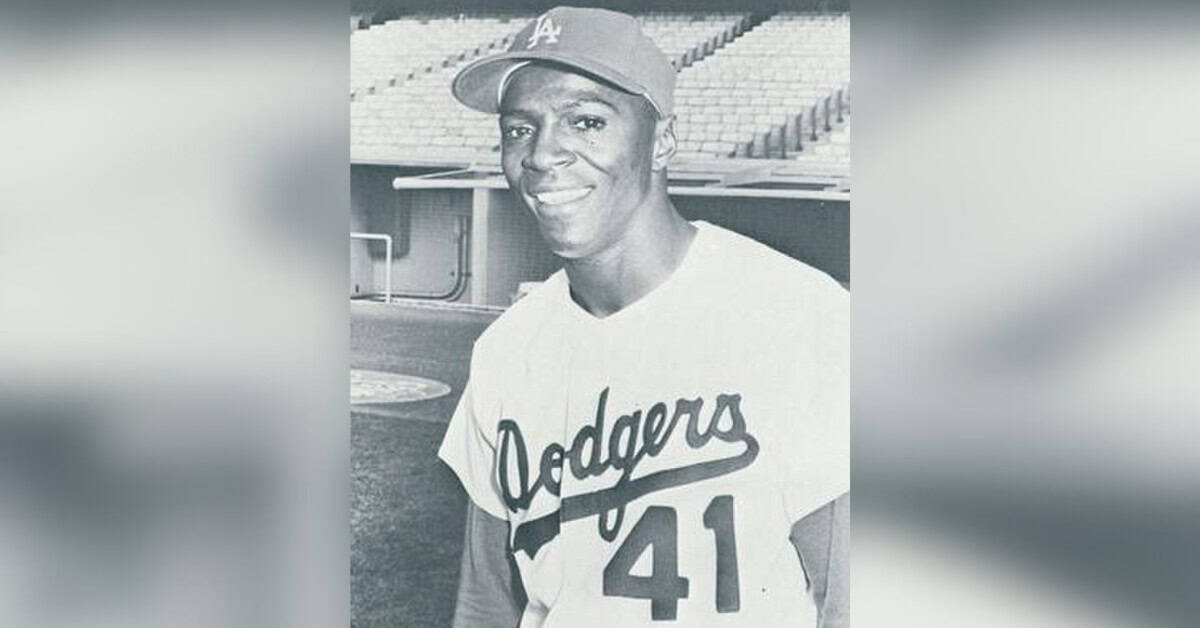
Lou Johnson arrived in Los Angeles as a journeyman outfielder and transformed into the unlikely hero of the Dodgers’ 1965 World Series championship, his clutch hitting proving that October magic could strike anyone wearing Dodger blue. The veteran’s two home runs in the World Series against Minnesota gave Sandy Koufax the offensive support that Cy Young Award winners dream about when the lights burn brightest. Johnson’s infectious smile and veteran leadership provided the perfect complement to Koufax’s intensity, showing that championship teams needed both superstars and steady professionals who could deliver when the pressure reached its peak.
Gil Hodges: The Gentle Giant Who Hit Like Thor’s Hammer

Gil Hodges possessed hands so large they could palm basketballs like oranges, yet his touch around first base was so delicate he could catch line drives barehanded without flinching. The beloved first baseman’s 370 career home runs and eight All-Star selections made him the kind of offensive cornerstone that championship teams build around, while his gentle demeanor off the field earned him respect throughout baseball. Hodges’s presence during Sandy’s early years provided the young pitcher with an example of how true professionals carried themselves both in victory and defeat, lessons that would serve Koufax well during his own rise to stardom.
Claude Osteen: The Crafty Lefty Who Made Hitters Guess Wrong
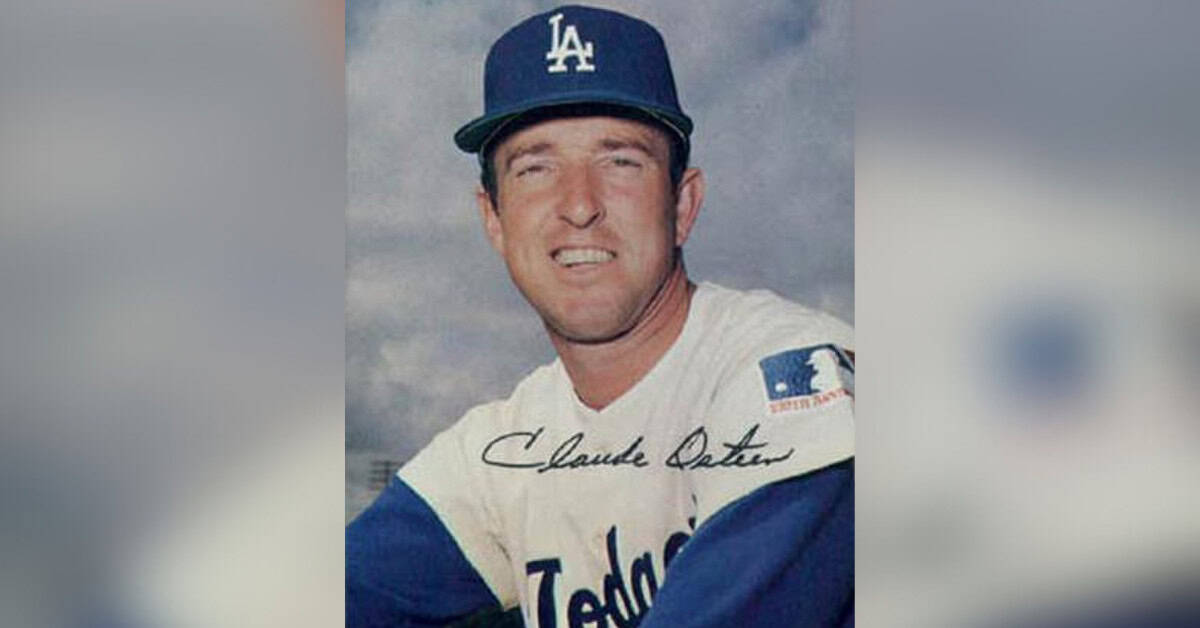
Claude Osteen’s repertoire of off-speed pitches moved like butterflies having nervous breakdowns, his ability to change speeds keeping hitters off balance even when they knew what was coming. The crafty left-hander’s consistency during the mid-1960s provided the perfect complement to Sandy Koufax’s overpowering fastball, giving the Dodgers a one-two punch that could dominate opponents with completely different styles. Osteen’s 15-win seasons and clutch postseason performances proved that sometimes the most effective weapon is the one that arrives without fanfare but leaves hitters shaking their heads in bewilderment.
John Roseboro: The Catcher Who Called Two of Sandy’s No-Hitters
John Roseboro crouched behind home plate like a chess master planning moves three innings ahead, his game-calling so precise that Sandy Koufax trusted him more than his own instincts during pressure situations. The steady backstop’s ability to handle Koufax’s blazing fastball and devastating curveball made him the perfect battery mate for one of baseball’s most dominant pitchers. Roseboro’s presence during two of Sandy’s four no-hitters proved that great catchers don’t just call pitches—they orchestrate symphonies that leave opposing hitters humming the blues long after the final out.
Jeff Torborg: The Backup Catcher Who Caught Sandy’s Perfect Game
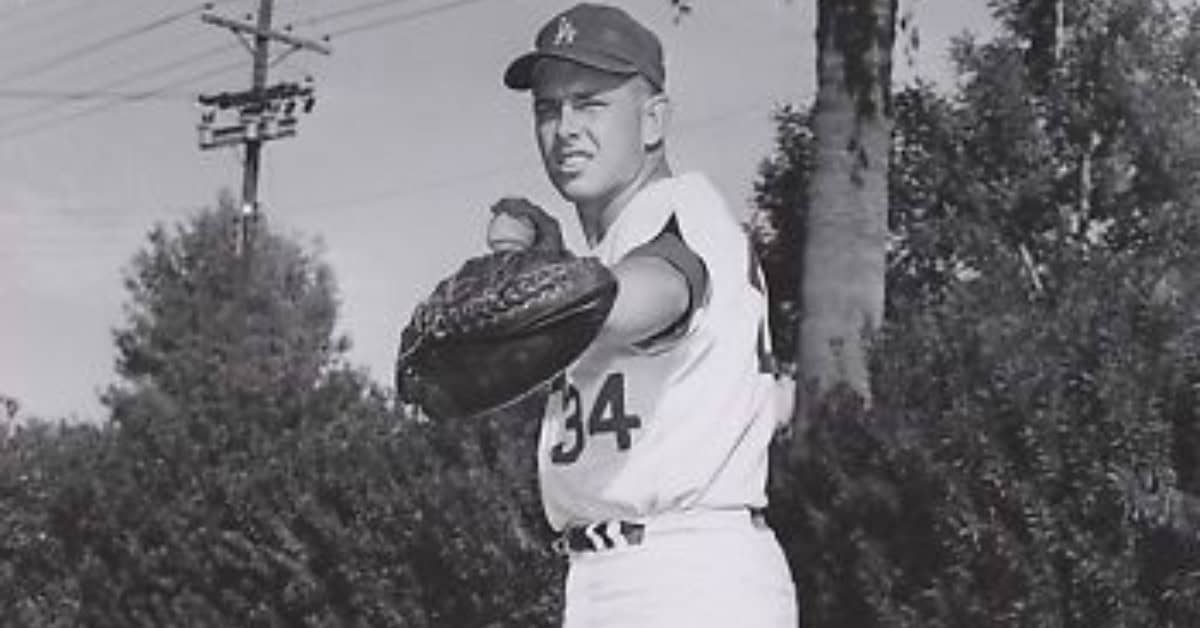
Jeff Torborg’s moment of immortality came on September 9, 1965, when he called the pitches for Sandy Koufax’s perfect game against the Chicago Cubs, a performance so dominant it made grown men weep with joy. The backup catcher’s steady presence behind the plate gave Koufax the confidence to challenge hitters with his best stuff, knowing that every pitch would be framed perfectly and every stolen base attempt would be gunned down. Torborg’s place in baseball history was secured by 27 consecutive outs, but his real contribution was providing the kind of reliable game-calling that allowed legends to achieve perfection when the stakes were highest.
Duke Snider: The Duke of Flatbush Who Could Launch Moonshots
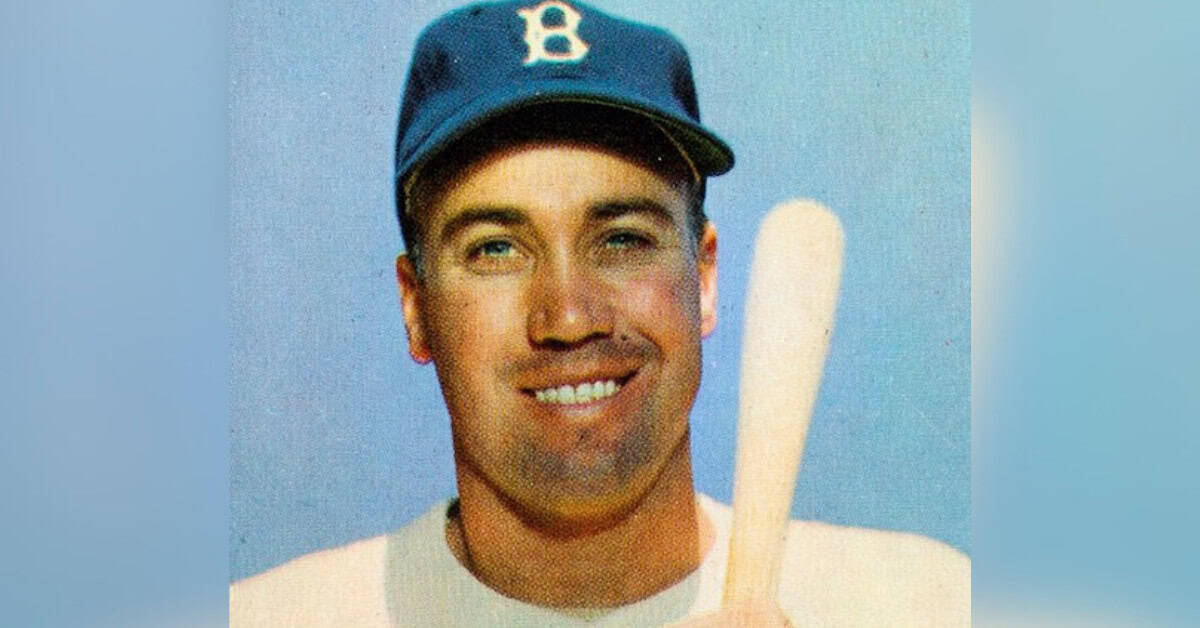
Duke Snider’s left-handed swing was perfectly designed for Ebbets Field’s cozy dimensions, his 407 career home runs sailing over the right field fence with the regularity of subway trains departing Grand Central Station. The Duke of Flatbush’s ability to turn routine fly balls into tape-measure home runs made him the offensive centerpiece of those great Brooklyn teams that welcomed young Sandy Koufax into professional baseball. Snider’s smooth swing and clutch hitting provided the template for how superstars should carry themselves, lessons that would serve Koufax well when he became the most dominant pitcher of his generation.
Pee Wee Reese: The Captain Who Kept Brooklyn’s Heart Beating
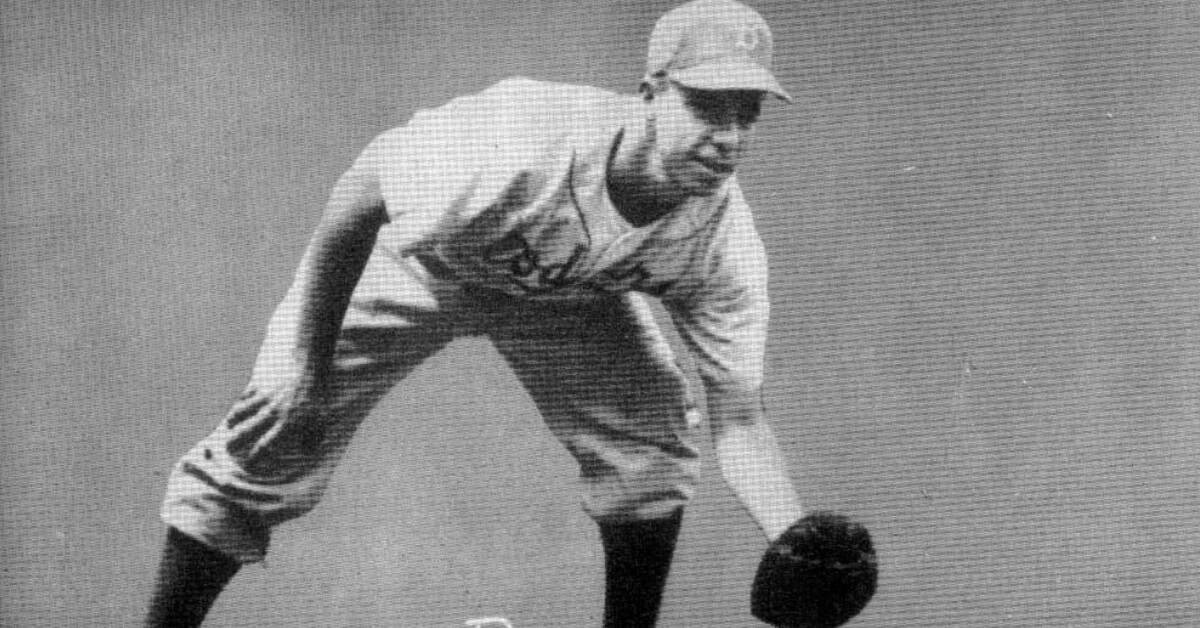
Pee Wee Reese’s leadership style was pure Brooklyn—tough when it mattered, loyal when it counted, and smart enough to know the difference between the two. The captain’s famous gesture of putting his arm around Jackie Robinson’s shoulder during those early integration years showed a young Sandy Koufax what true leadership looked like under pressure. Reese’s steady glove work at shortstop and clutch hitting in pressure situations provided the kind of veteran presence that championship teams require, while his ability to handle media attention with grace gave Koufax a blueprint for dealing with the spotlight that would eventually find him.
Don Sutton: The Rookie Phenom Who Learned from Sandy’s Final Season
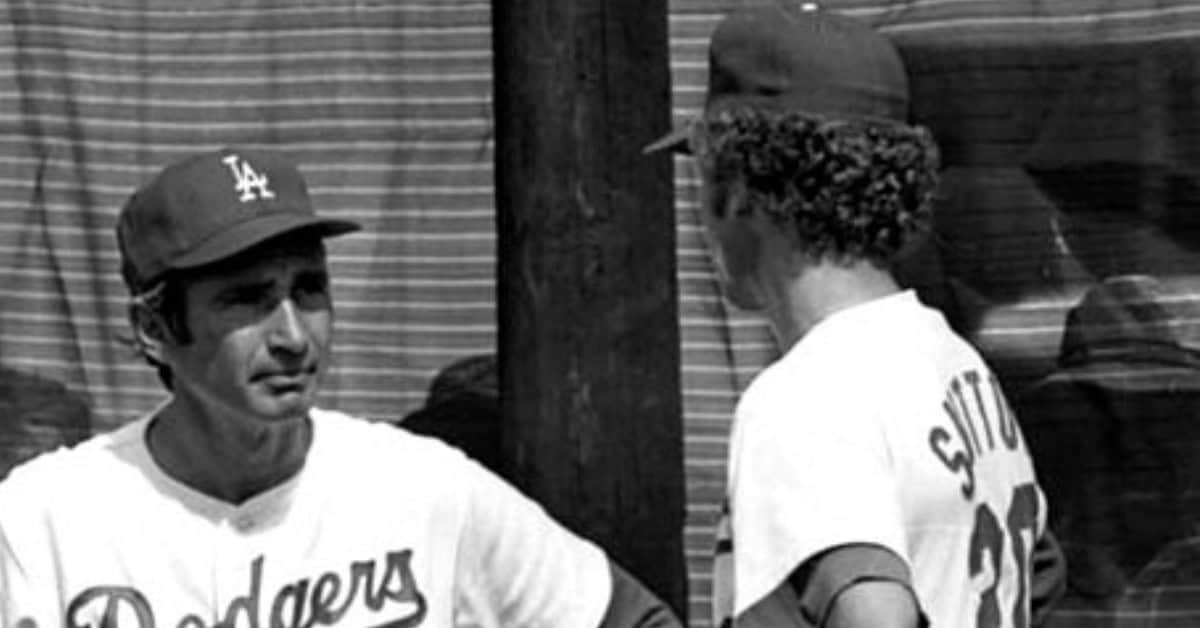
Don Sutton’s 1966 rookie season coincided with Sandy Koufax’s final campaign, creating a passing-of-the-torch moment that felt both symbolic and seismic for Dodgers fans. The young right-hander’s 12 wins and 2.99 ERA provided a glimpse of the sustained excellence that would define the next two decades of Dodgers pitching. Sutton’s front-row seat to Koufax’s final masterpiece season gave him insights into what it took to dominate major league hitters, lessons that would serve him well during a Hall of Fame career that would span four different decades.
Don Drysdale: The Big D Who Made Batters Duck and Pray
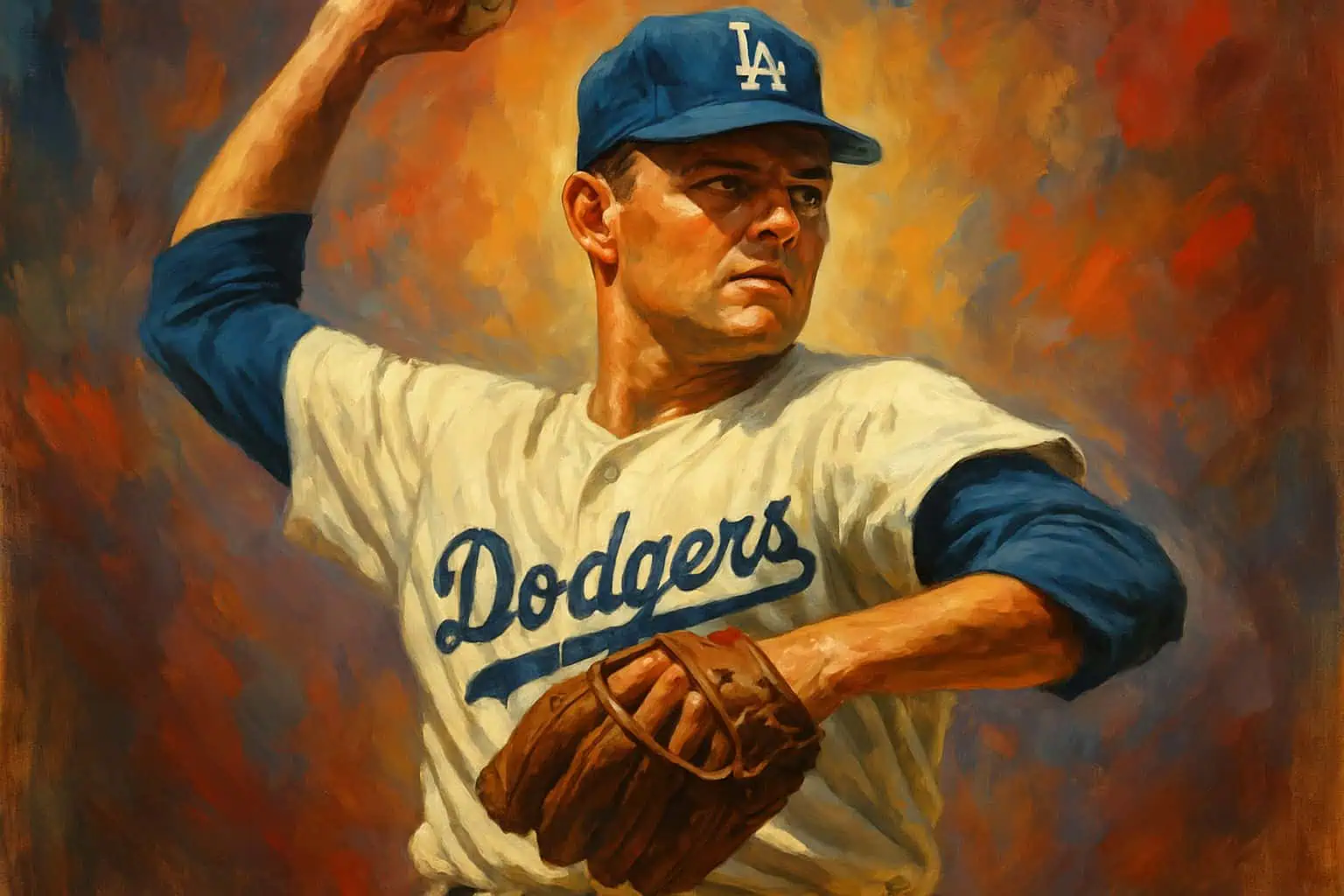
Don Drysdale’s sidearm fastball arrived at home plate with the subtlety of a freight train hitting a brick wall, his 6’6″ frame casting shadows that made right-handed hitters feel like they were batting in a solar eclipse. The Big D’s willingness to pitch inside made opposing batters think twice about digging in, while his 58 consecutive scoreless innings in 1968 proved that intimidation could be just as effective as overpowering stuff. Drysdale’s partnership with Sandy Koufax created the most dominant left-right combination in baseball history, two Hall of Famers who could make entire lineups look foolish with completely different but equally devastating approaches to the art of pitching.