

Last Updated: June 17th, 2026 by Michael Schatz
Back when baseball players looked more like your neighbor than Greek gods, one towering giant stood above them all—literally. Frank Howard’s legendary career reads like a tall tale from America’s pastime, when stadiums echoed with the crack of wooden bats and players earned nicknames that stuck for life.
Don't lose this article. Enter your email below, and I'll send it to you right now. Plus, we'll send you other unbelievable stories from baseball's past.
He Was a 6’7″, 255-Pound Giant When Baseball Players Were Still “Normal” Sized
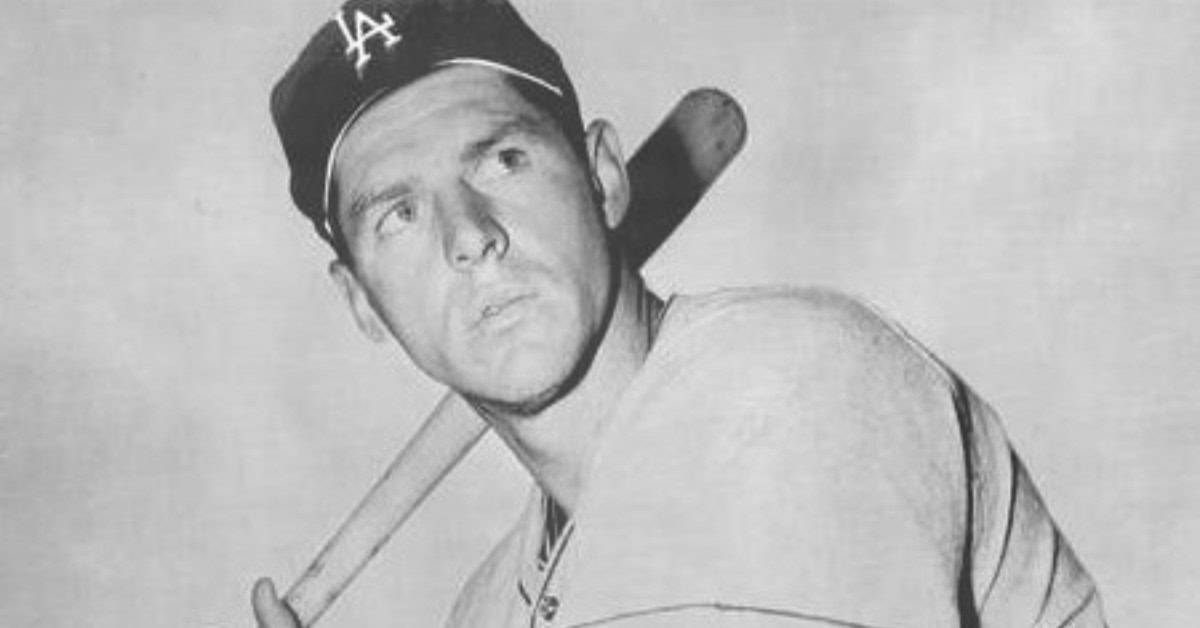
In an era when the average MLB player stood around 5’11” and weighed 180 pounds, Frank Howard was a legitimate colossus. His imposing frame made him look like a basketball player who wandered onto the wrong field, and opposing pitchers often did double-takes when this mountain of a man stepped into the batter’s box. Howard’s sheer physical presence was so remarkable that fans would come to games just to witness this gentle giant in person.
Won 1960 NL Rookie of the Year Then Became a World Series Champion in 1963

Howard burst onto the scene in 1960, hitting 23 home runs and driving in 77 runs to capture the National League Rookie of the Year Award. Three years later, he helped the Los Angeles Dodgers sweep the mighty New York Yankees in the 1963 World Series, contributing clutch hits on baseball’s biggest stage. This early success established Howard as one of baseball’s premier power hitters before he even hit his prime.
Led the American League in Home Runs Twice in Three Years (1968, 1970)

During his peak years with the Washington Senators, Howard dominated American League pitching like few sluggers before him. He blasted 44 home runs in 1968 to lead the league, then followed up with 44 again in 1970 for his second home run crown. In between, he hit 48 homers in 1969—good enough for second place, but it demonstrated his incredible consistency at the plate during baseball’s second dead-ball era.
Hit 40+ Home Runs for Three Consecutive Seasons (1968-1970)
From 1968 to 1970, Howard entered an exclusive club of sluggers with his remarkable three-year run of 40-plus home run seasons. He hit 44, 48, and 44 homers, respectively—a feat that was especially impressive during an era when pitchers dominated and offensive numbers were historically low. This sustained excellence placed Howard among the game’s elite power hitters and made him the undisputed king of long balls in the nation’s capital.
Earned Three Legendary Nicknames: “Hondo,” “The Capital Punisher,” and “The Washington Monument”
Few players in baseball history have earned nicknames as colorful and fitting as Frank Howard’s trio of monikers. “Hondo” came from his resemblance to John Wayne’s character, while “The Capital Punisher” perfectly captured his ability to punish opposing pitching. “The Washington Monument” was perhaps most apt of all—a towering landmark that dominated the D.C. skyline just like Howard dominated hurlers at RFK Stadium.
Finished His Career with 382 Home Runs—17th All-Time When He Retired in 1973
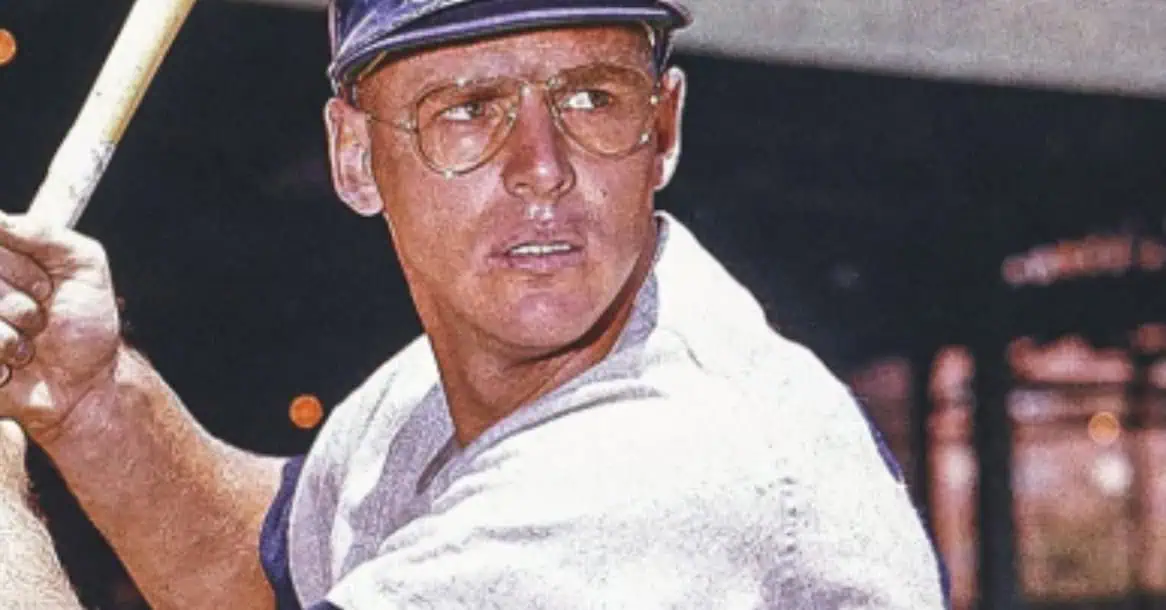
When Howard hung up his cleats in 1973, his 382 career home runs ranked him 17th on the all-time list—a remarkable achievement in an era before expansion diluted pitching and modern training methods. His total was even more impressive considering he played during the height of the pitcher-friendly 1960s, when home runs were at a premium. Today, that number would still rank him among the top 100 home run hitters in baseball history.
Made Four Straight All-Star Teams (1968-1971) During His Peak Washington Years
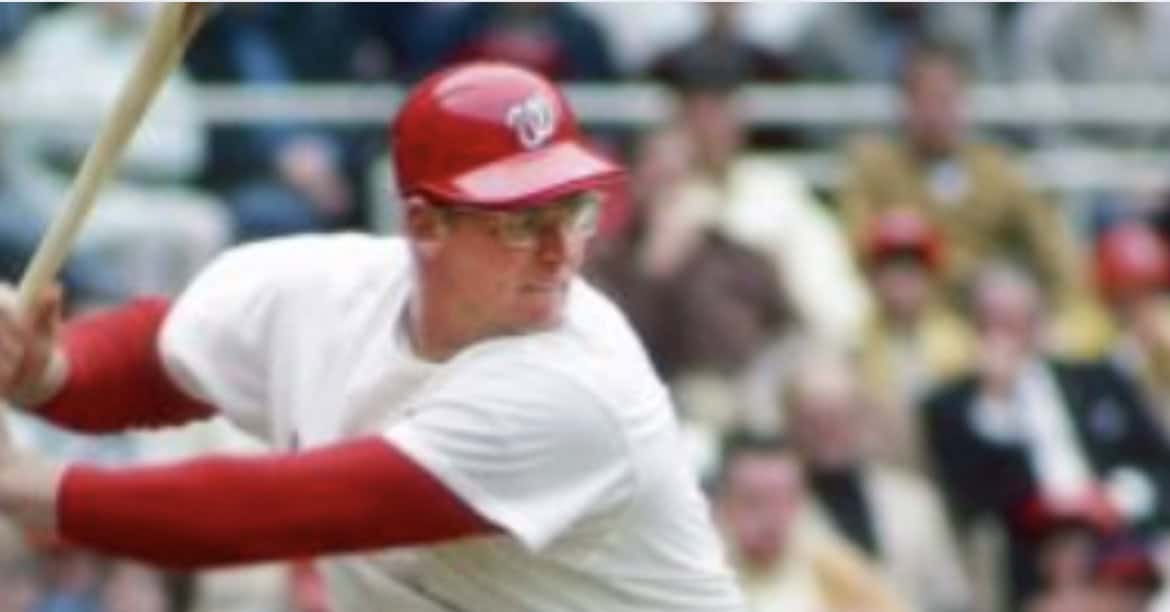
Howard’s peak coincided perfectly with his tenure with the Washington Senators, earning him four consecutive All-Star selections from 1968 to 1971. These Midsummer Classic appearances represented the pinnacle of his career, as he was recognized as one of the American League’s premier sluggers. In 1969, he even homered in the All-Star Game played at RFK Stadium, sending the home crowd into a frenzy and cementing his status as Washington’s baseball hero.
Hit Home Runs in Six Consecutive Games, Tying an American League Record
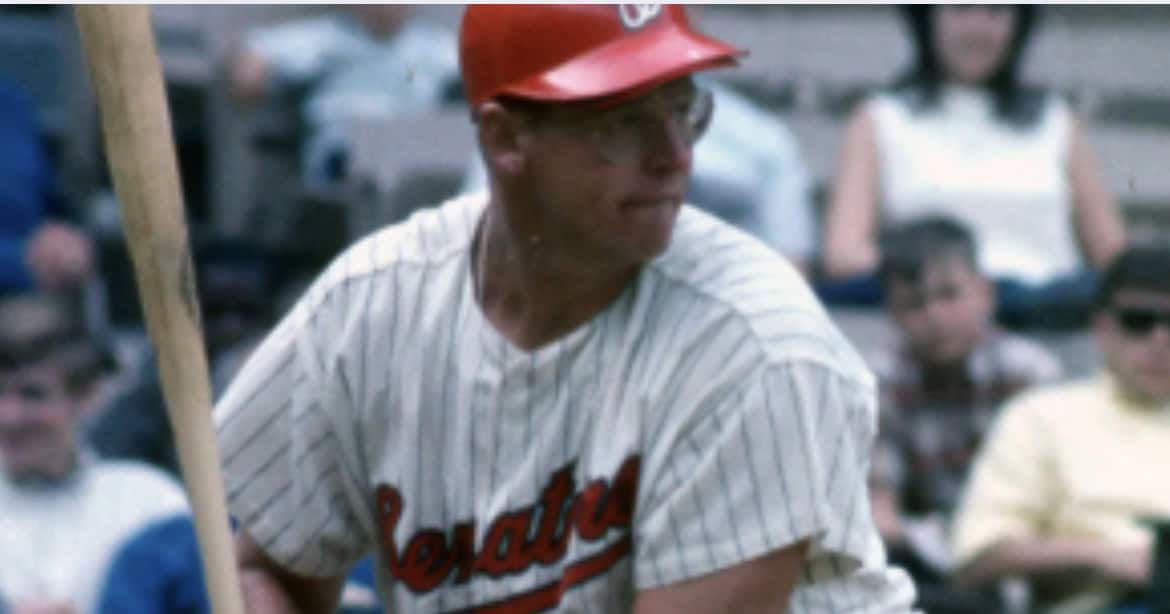
In May 1968, Howard went on one of the most torrid power displays in baseball history, homering in six straight games to tie the American League record. During this incredible streak, he launched 10 home runs in just six games, a feat that had fans checking their scorecards twice to believe what they were seeing. This hot streak helped establish 1968 as one of Howard’s finest seasons and demonstrated the kind of sustained power that made him legendary.
Drove in Over 100 RBIs Three Times and Led the AL in RBIs Once (1970)
Howard’s ability to drive in runs was just as impressive as his home run totals, crossing the century mark in RBIs three times during his career. His crowning achievement came in 1970 when he led the American League with 126 RBIs, proving he wasn’t just a one-dimensional slugger but a complete run producer. These RBI totals were particularly impressive given that he often batted for mediocre Senators teams that didn’t always provide optimal run-scoring opportunities.
His Tape-Measure Home Runs Were So Legendary They’re Still Talked About 50+ Years Later
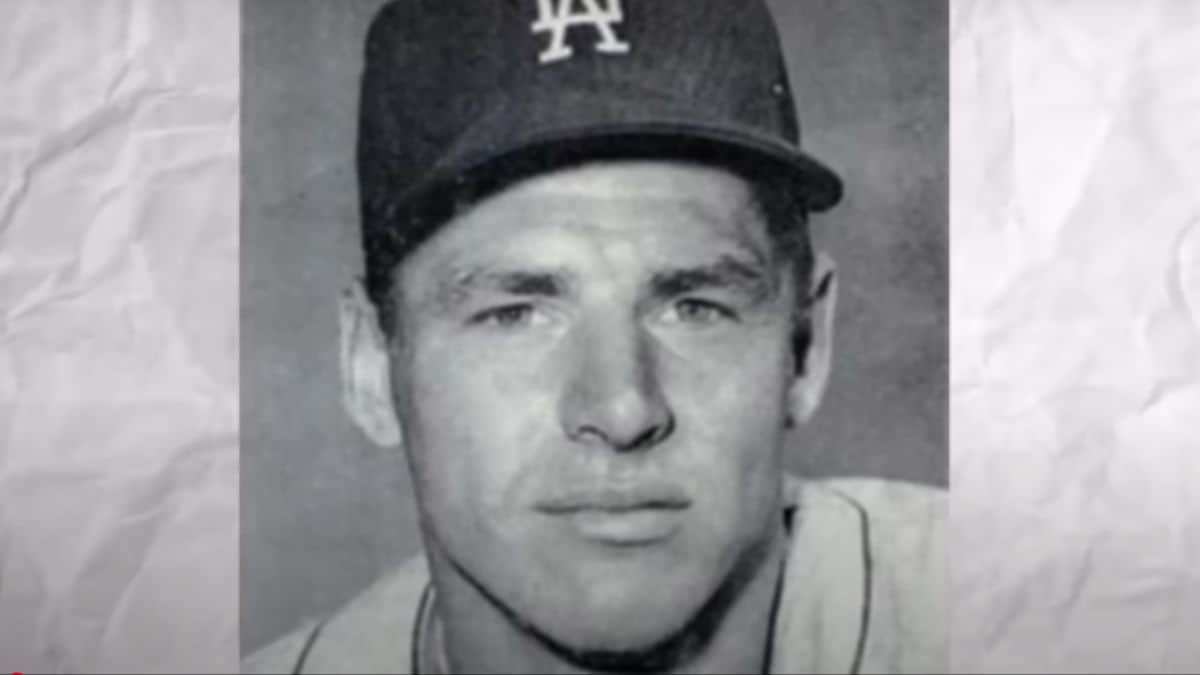
At RFK Stadium, 24 upper-deck seats were painted white to mark the exact spots where Howard’s mammoth home runs landed—a permanent tribute to his incredible power. These tape-measure shots became the stuff of legend, with fans swearing they saw baseballs disappear into the Washington night like rockets. Even today, more than five decades later, old-timers still gather to swap stories about Howard’s moon shots, each tale growing a little taller with every telling—just like the man himself.