

Last Updated: June 17th, 2026 by Michael Schatz
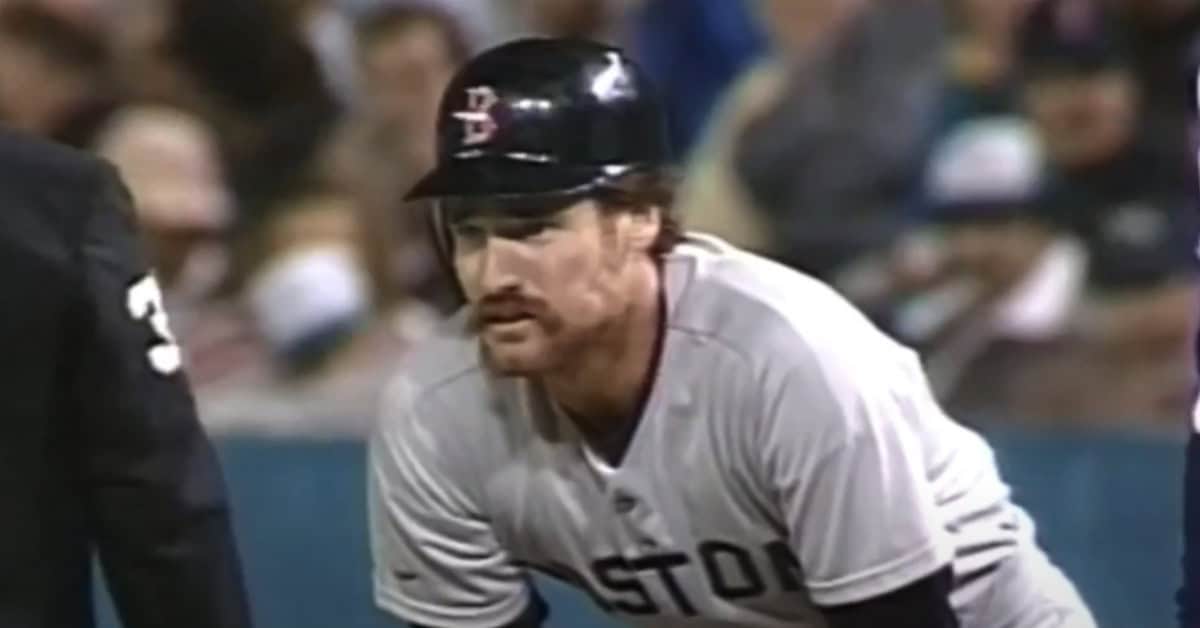
Remember when hitting .300 was considered elite? Wade Boggs made it look routine, turning singles into an art form and patience into poetry. The “Chicken Man” didn’t just collect hits—he collected memories for a generation of baseball fans who knew greatness when they saw it.
Don't lose this article. Enter your email below, and I'll send it to you right now. Plus, we'll send you other unbelievable stories from baseball's past.
12 Consecutive All-Star Selections (1983-1994)
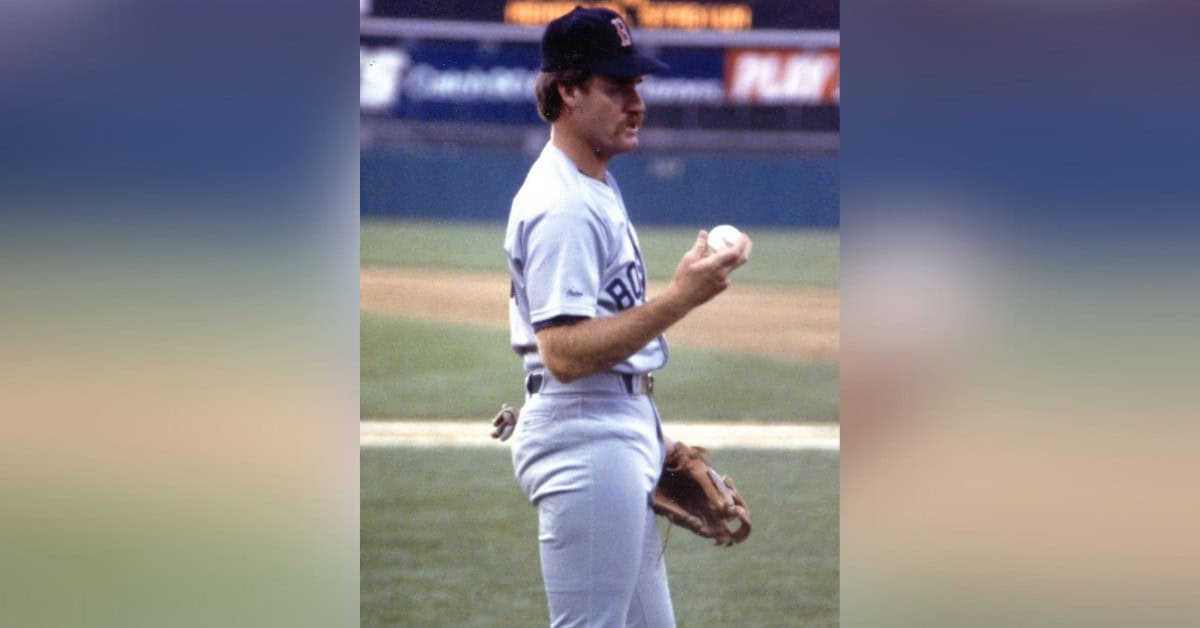
Twelve straight All-Star appearances wasn’t just consistency—it was a masterclass in sustained excellence that spanned three presidential administrations. While other players had hot streaks and cold spells, Boggs turned reliability into an art form, making the Midsummer Classic feel incomplete without his familiar batting stance. From Reagan to Clinton, American League fans could count on two things: death, taxes, and Wade Boggs representing the junior circuit every July.
Seven Straight 200-Hit Seasons (1983-1989)
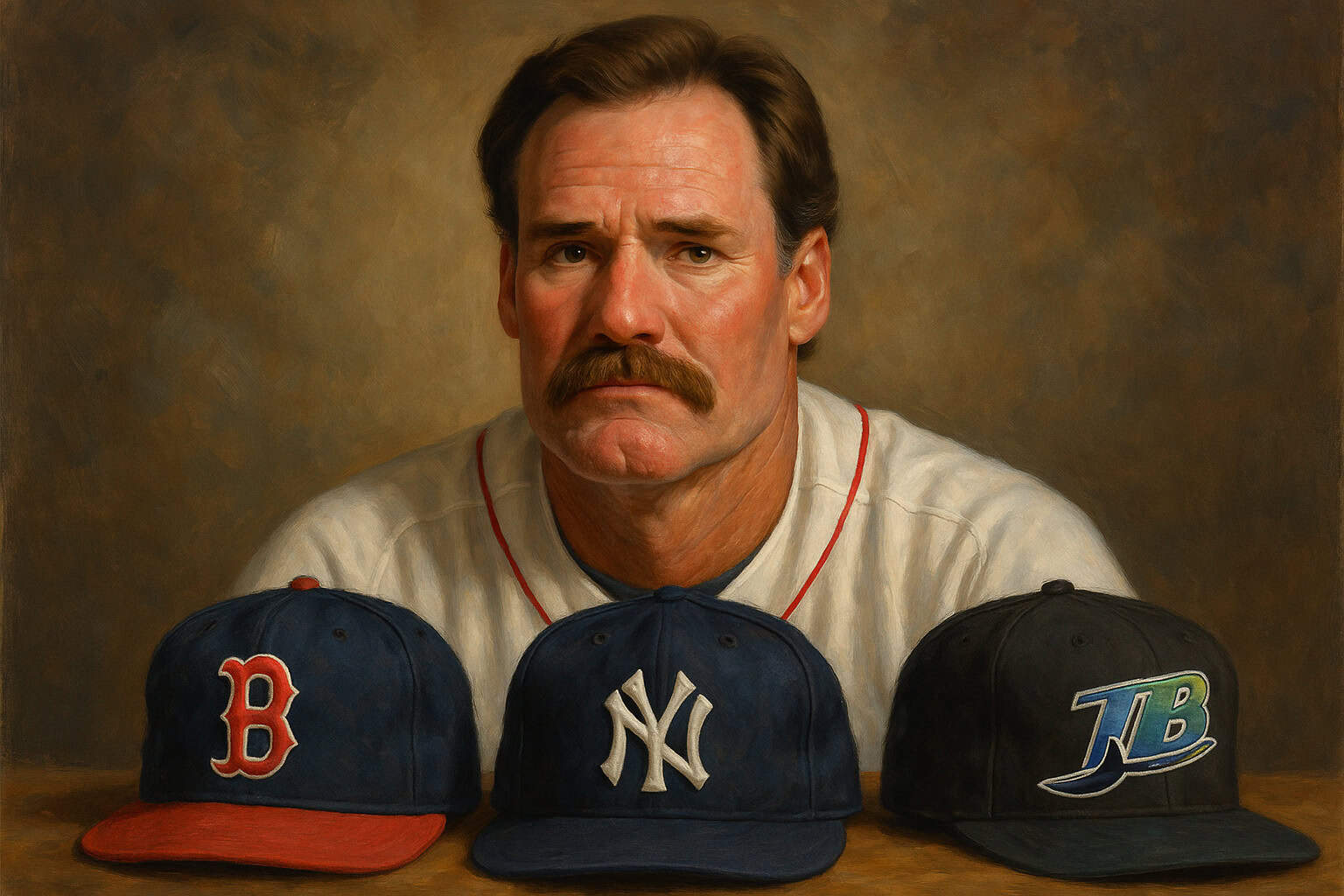
Seven consecutive 200-hit seasons—a modern-day record that sounds nearly impossible in today’s strikeout-happy game. Boggs collected hits like your grandmother collected china, methodically and with purpose, never missing an opportunity to add to his collection. While power hitters swung for the fences, Boggs painted the corners with line drives, proving that sometimes the most impressive feat is simply showing up every single day and delivering.
Five Batting Titles in Six Years (1983-1988)
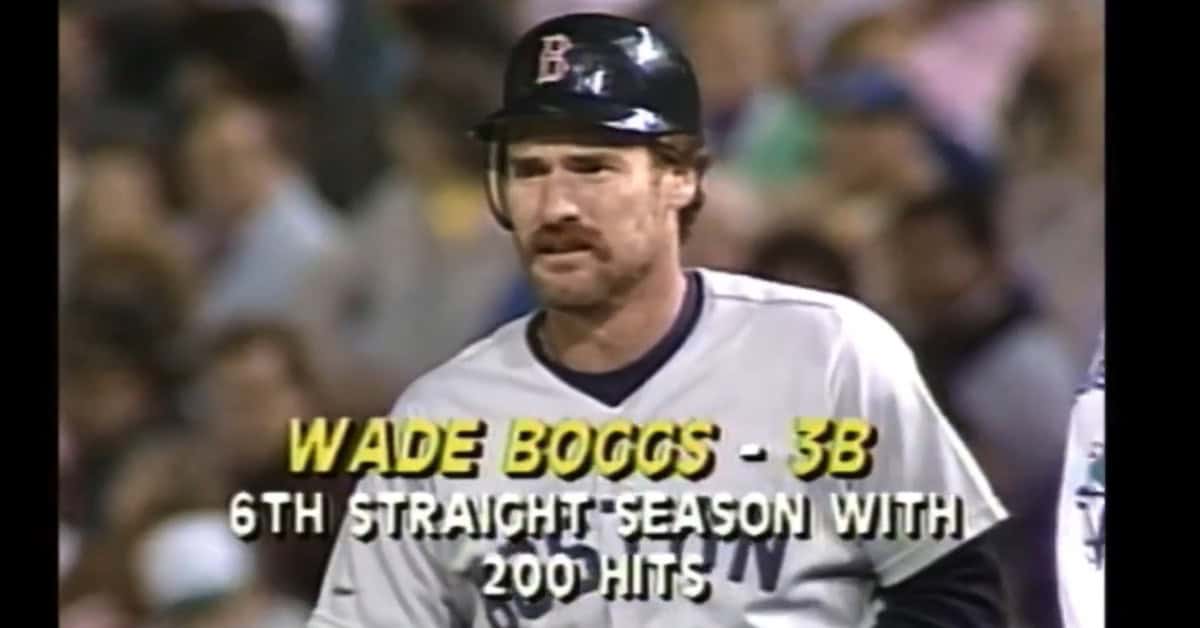
Five batting titles in six seasons meant Boggs practically owned the 1980s. The only year he didn’t win? 1984, when he “slumped” to .325 and finished second to Yankees rival Don Mattingly’s .343. It was the kind of dominance that made opposing pitchers check their calendars, knowing that facing Boggs meant accepting that someone was getting on base—the only question was whether it would be via single, double, or walk.
240 Hits in 1985 – Red Sox Single-Season Record
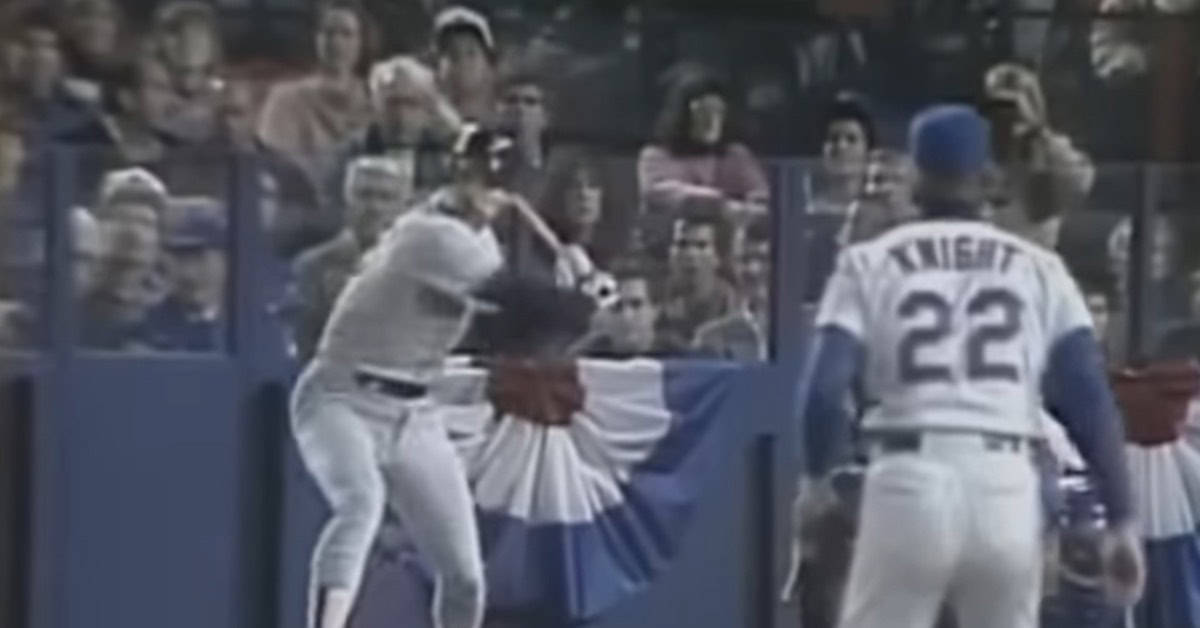
240 hits in 1985—a Red Sox record that still stands nearly four decades later, surpassing even Tris Speaker’s 222 from 1912. Boggs collected hits in 135 games that season, tying a major league record and making Fenway Park feel like his personal batting cage. In an era when players were lucky to reach 200 hits once in their careers, Boggs made 240 look routine, turning every at-bat into a probability rather than a possibility.
3,010 Career Hits with a .328 Lifetime Average
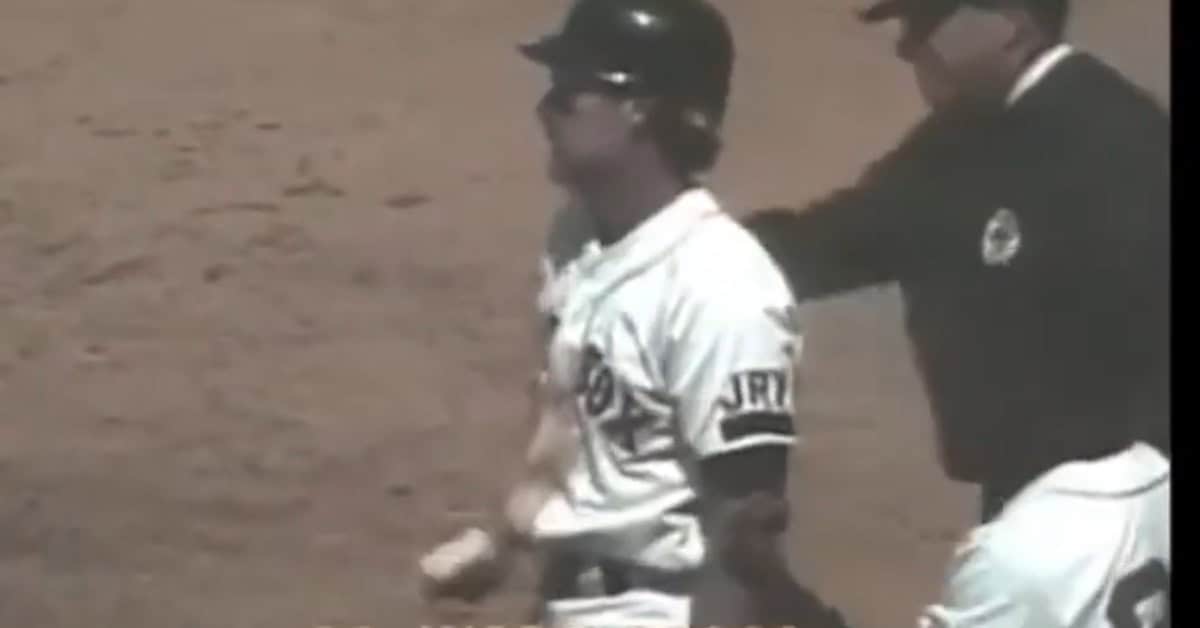
Joining the 3,000-hit club with a .328 lifetime average meant Boggs didn’t just accumulate hits—he curated them with the precision of a museum director. His 3,010 career hits came with a quality control that would make any manufacturer jealous, proving that longevity and excellence aren’t mutually exclusive. When he famously homered for his 3,000th hit on August 7, 1999, it was the perfect punctuation mark on a career built on consistency rather than flash.
A Modern Marvel: Four Consecutive 200-Hit, 100-Walk Seasons
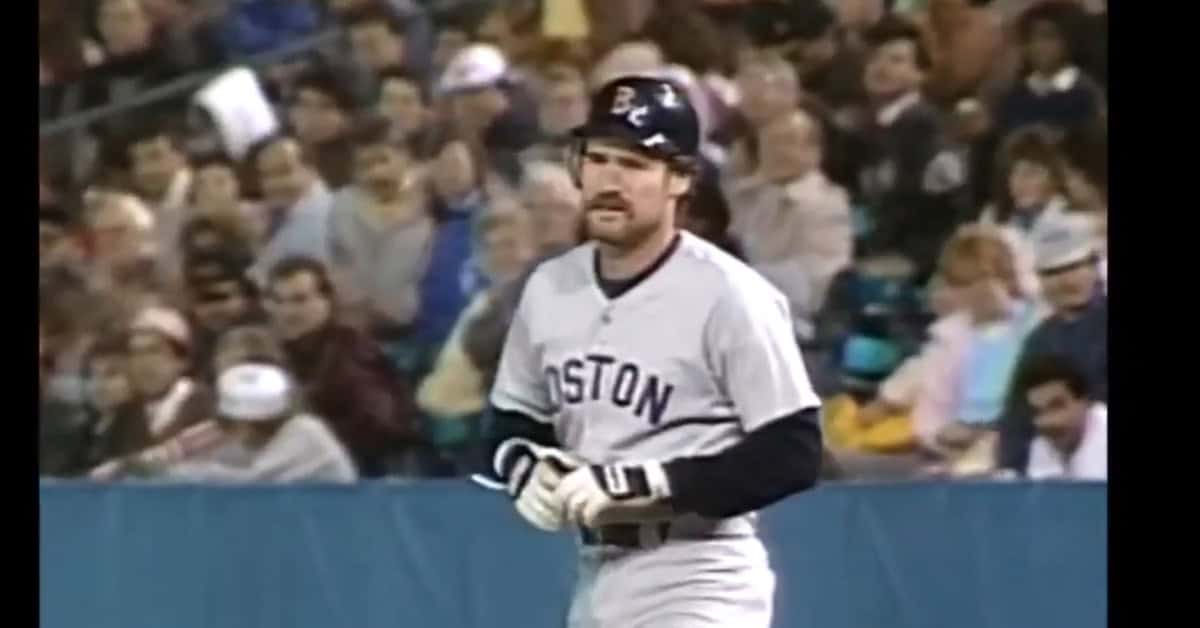
Four straight seasons with 200 hits and 100 walks (1986-1989) showcased Boggs’ rare ability to force pitchers into impossible choices. He turned every plate appearance into a chess match where he held all the pieces, making hurlers choose between giving him something to hit or watching him trot to first base. This unique combination of aggression and patience created a statistical anomaly that no other player in baseball history had duplicated since Lou Gehrig.
Led AL in Intentional Walks Six Times
Leading the American League in intentional walks six times meant opposing managers treated Boggs like a natural disaster—something to be avoided at all costs. The sight of four fingers going up became as routine as the seventh-inning stretch, with managers preferring to face the next batter rather than watch Boggs dissect their pitching staff. It was the ultimate sign of respect in a game where fear and admiration often wear the same uniform.
1,412 Career Walks vs. Only 745 Strikeouts
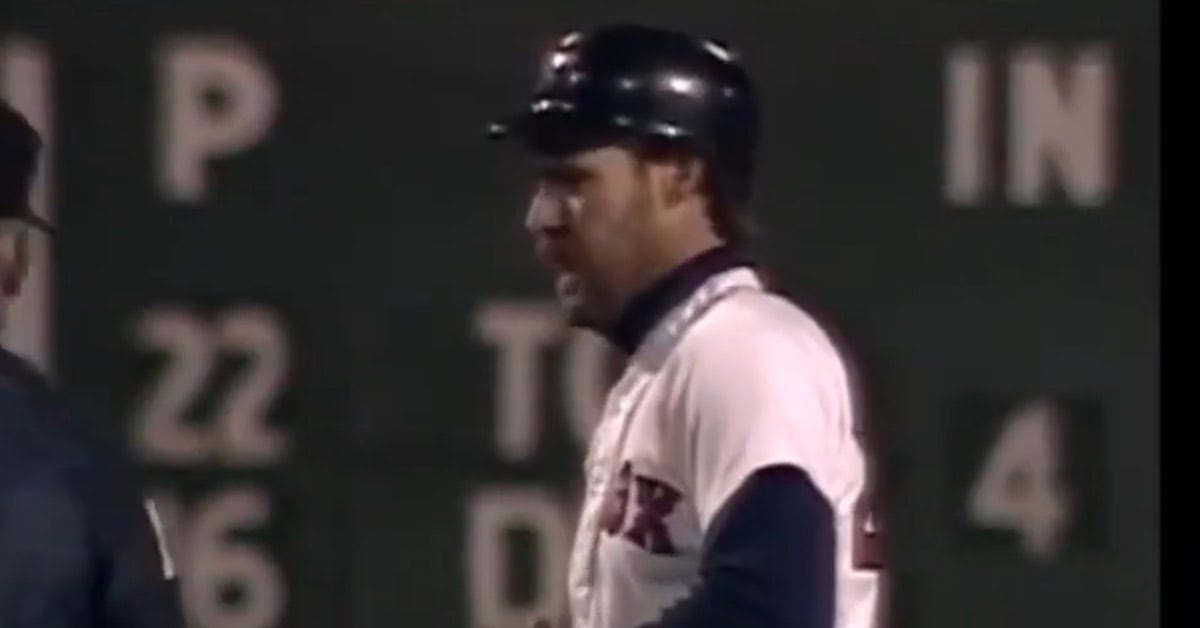
Walking nearly twice as often as he struck out (1,412 walks to 745 strikeouts) revealed Boggs’ supernatural plate discipline in an era when hitters still cared about making contact. His strike zone was calibrated with Swiss-watch precision, turning every borderline pitch into a referendum on the umpire’s eyesight. While other hitters guessed and hoped, Boggs knew—and that knowledge made him nearly impossible to fool, even for Hall of Fame pitchers.
11 Seasons with .400+ On-Base Percentage
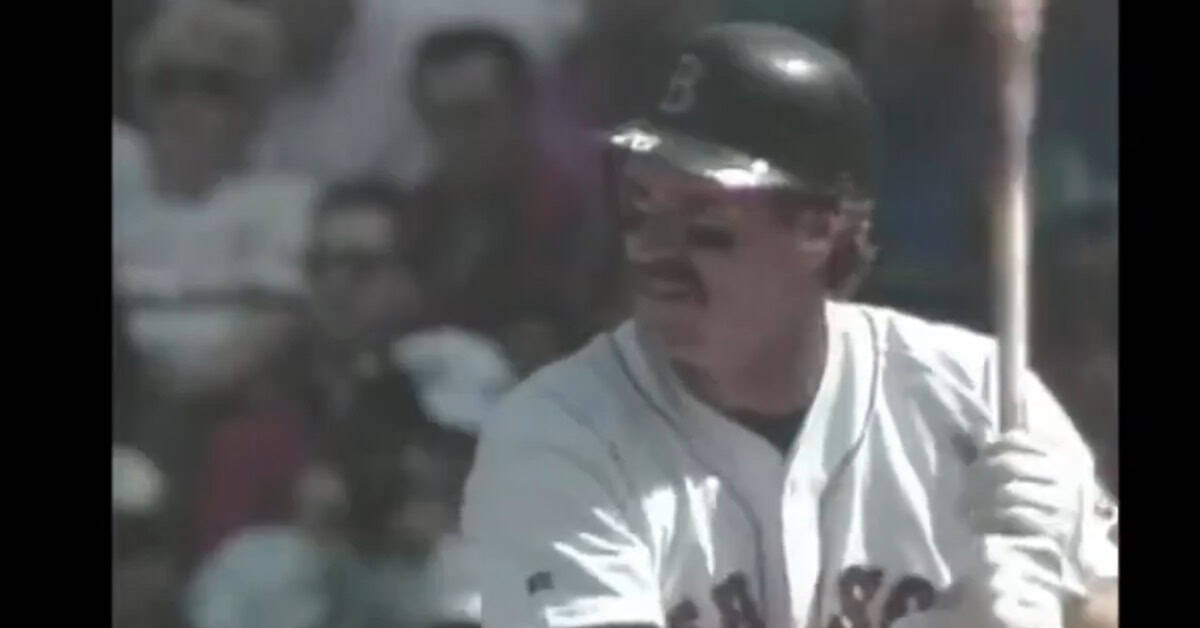
Eleven seasons with a .400+ on-base percentage meant Boggs was a constant presence on the basepaths. He turned getting on base into a science, studying pitchers like a graduate student cramming for finals and approaching each at-bat with the methodical precision of a surgeon. In a game obsessed with home runs, Boggs proved that the most valuable skill was simply refusing to make an out.
Hit .406 Through First 60 Games of 1983 Season
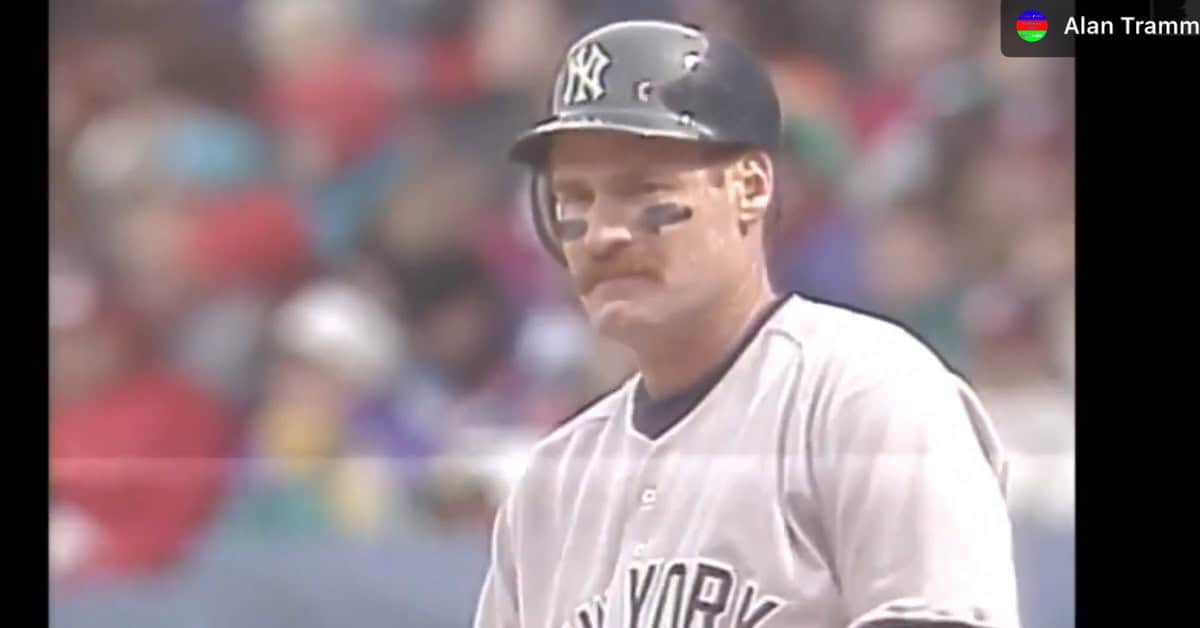
Hitting .406 through his first 60 games of 1983 gave baseball fans a tantalizing glimpse of what Ted Williams’ 1941 season might have looked like with modern media coverage. Boggs was flirting with .400 when such numbers seemed as mythical as unicorns, turning every at-bat into appointment television for Red Sox Nation. Though he eventually “cooled off” to finish at .361 and win his first batting title, those 60 games proved that in the right hands, a baseball bat could still work magic in the modern era.