

Last Updated: June 17th, 2026 by Michael Schatz
Before Mickey Mantle’s tape-measure blasts and Willie Mays’ basket catches became baseball folklore, there were sluggers who could turn any ballpark into their personal launching pad. These forgotten fence-busters made pitchers sweat through wool uniforms and sent fans scrambling for foul balls in the days when a hot dog cost a quarter and baseball was still America’s undisputed pastime.
Don't lose this article. Enter your email below, and I'll send it to you right now. Plus, we'll send you other unbelievable stories from baseball's past.
Gus Zernial: The Ozark Ike Who Made Fenway Park Tremble

Gus Zernial earned his nickname “Ozark Ike” from the popular comic strip character, and like his fictional counterpart, he could launch baseballs into orbit. The Philadelphia Athletics outfielder led the American League with 33 home runs and 129 RBIs in 1951, yet finished a measly 20th in MVP voting. His 42 homers in 1953 were second-best in the AL, and he finished his career with 237 round-trippers despite playing for mostly terrible teams. Zernial’s moonshot home runs were the stuff of legend, including tape-measure blasts that had fans checking the parking lots for dented car hoods.
Joe Adcock: The Gentle Giant Who Hit Them Into Tomorrow
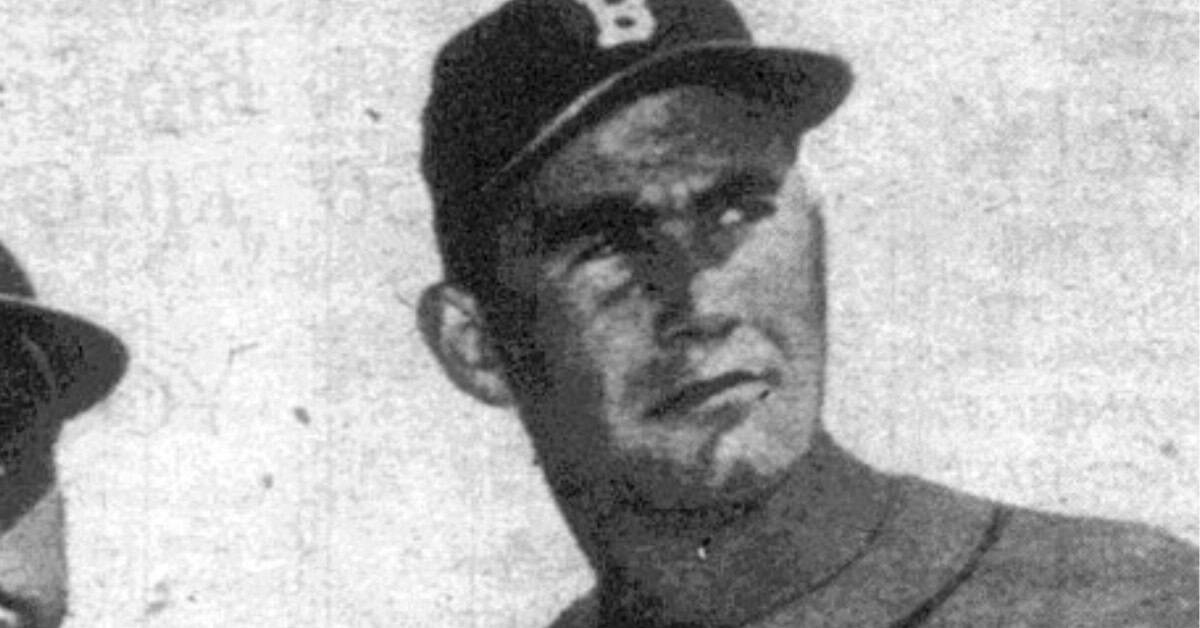
Standing 6’4″ and wielding a lumber that seemed more like a telephone pole, Joe Adcock was the Milwaukee Braves’ quiet destroyer who made July 31, 1954, a date that Brooklyn Dodgers pitchers would never forget. That afternoon, Adcock became just the eighth player in major league history to hit four home runs in a single game, adding a double for good measure and setting a record with 18 total bases. His 336 career home runs included some of the longest balls ever hit at County Stadium, where fans would crane their necks to watch his drives disappear into the Wisconsin twilight. Despite being overshadowed by teammates Hank Aaron and Eddie Mathews, Adcock’s power numbers were genuinely frightening.
Larry Doby: Breaking Barriers While Breaking Scoreboards

Larry Doby didn’t just break the American League’s color barrier in 1947—he shattered it with thunderous home runs that echoed through Cleveland’s Municipal Stadium. In 1952, he led the AL with 32 home runs, becoming the first Black player to win a home run title in the American League and the first left-handed home run champion in Indians history. His 253 career homers came during an era when he faced not just fastballs but also death threats and hotel rejections. Doby’s swing was a thing of beauty, generating power that seemed to defy his lean frame, and his clutch hitting helped the Indians win the 1948 World Series. Yet somehow, his name gets lost in discussions of 1950s sluggers, overshadowed by the more famous Jackie Robinson story.
Hank Sauer: The Mayor of Wrigley’s Bleachers
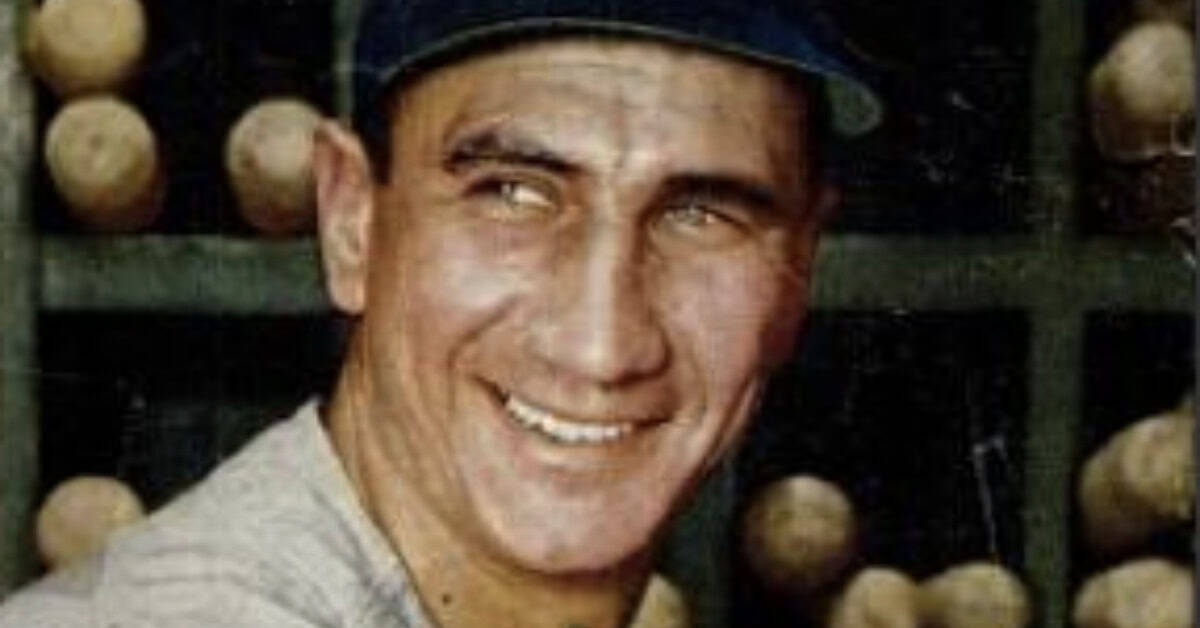
Hank Sauer didn’t become a regular major leaguer until after his 31st birthday, but he made up for lost time by terrorizing National League pitching throughout the 1950s. The Chicago Cubs outfielder won the 1952 NL MVP award with 37 home runs and 121 RBIs, and Cubs fans in the bleachers would toss packets of chewing tobacco onto the field after his home runs—a tradition that made him rich in Beech-Nut if not in salary. His 288 career homers included a memorable three-homer game in 1950, and his dead-pull swing was perfectly suited for Wrigley Field’s friendly confines. Despite playing for mostly lousy Cubs teams, Sauer’s tape-measure shots provided the few thrills on the North Side during those lean years.
Roy Sievers: Washington’s Forgotten Fence-Buster

Roy Sievers turned the usually dreary Washington Senators into appointment television during the mid-1950s, leading the American League with 42 home runs in 1957 while playing for a team that finished 43 games out of first place. His 318 career homers included 180 during his six seasons in Washington, where he became the franchise’s all-time home run king. Sievers had a picture-perfect swing that generated tremendous power despite chronic shoulder problems, and his ability to hit for both average and power made him a three-time All-Star. Playing in baseball’s graveyard—the nation’s capital—meant his heroics were often overlooked, but Sievers could flat-out rake when healthy.
Vic Wertz: The Quiet Destroyer from York, Pennsylvania
Vic Wertz is probably best remembered for hitting what might have been the longest out in World Series history—that 460-foot drive that Willie Mays tracked down in the 1954 Fall Classic. But Wertz was far more than a footnote in Mays’ highlight reel, slugging 277 career home runs while playing first base and outfield for five different teams. His best season came in 1949 when he belted 20 homers and drove in 123 runs for the Detroit Tigers, and he consistently delivered 20-plus home run seasons throughout the 1950s. Wertz had a compact swing that generated surprising power, and his ability to hit in clutch situations made him a valuable contributor to Cleveland’s 1954 AL championship team.
Wally Post: Cincinnati’s Redheaded Rocket
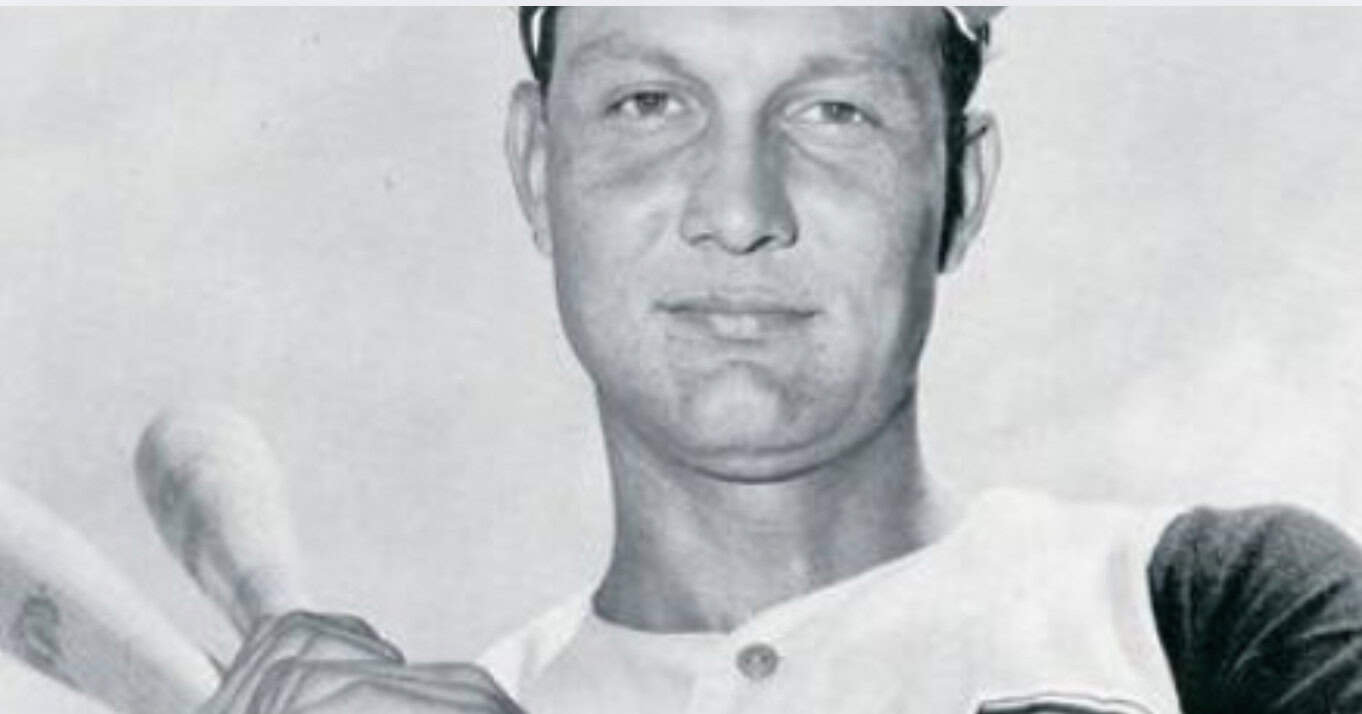
Wally Post’s fiery red hair was almost as famous as his rocket-launcher right arm and his ability to turn any mistake pitch into a souvenir. The Cincinnati Reds outfielder smashed 40 home runs in 1955, becoming just the second player in franchise history to reach that milestone, and his 210 career homers included some of the longest balls ever hit at Crosley Field. Post’s cannon arm from right field was legendary—he led the National League in outfield assists twice—and his defensive prowess was matched by his offensive firepower. Playing in Cincinnati’s bandbox ballpark suited Post’s pull-hitting style perfectly, and his tape-measure shots into the Ohio River made him a fan favorite during the Reds’ rebuilding years.
Del Ennis: Philadelphia’s Unsung Slugging Machine

Del Ennis was the steady heartbeat of the Philadelphia Phillies’ “Whiz Kids” who captured the 1950 National League pennant, contributing 31 home runs and 126 RBIs to that magical season. The local product from Olney High School became a three-time All-Star who consistently delivered 20-plus home run seasons throughout the 1950s, finishing his career with 288 round-trippers. Ennis had a smooth left-handed swing that was tailor-made for Philadelphia’s cozy Shibe Park, and his ability to drive in runs made him one of the most reliable RBI men of his era. Despite playing his entire prime for his hometown team and helping deliver Philadelphia’s first pennant since 1915, Ennis somehow gets overlooked in discussions of 1950s sluggers.
Walt Dropo: The Moose Who Made Pitchers Scatter
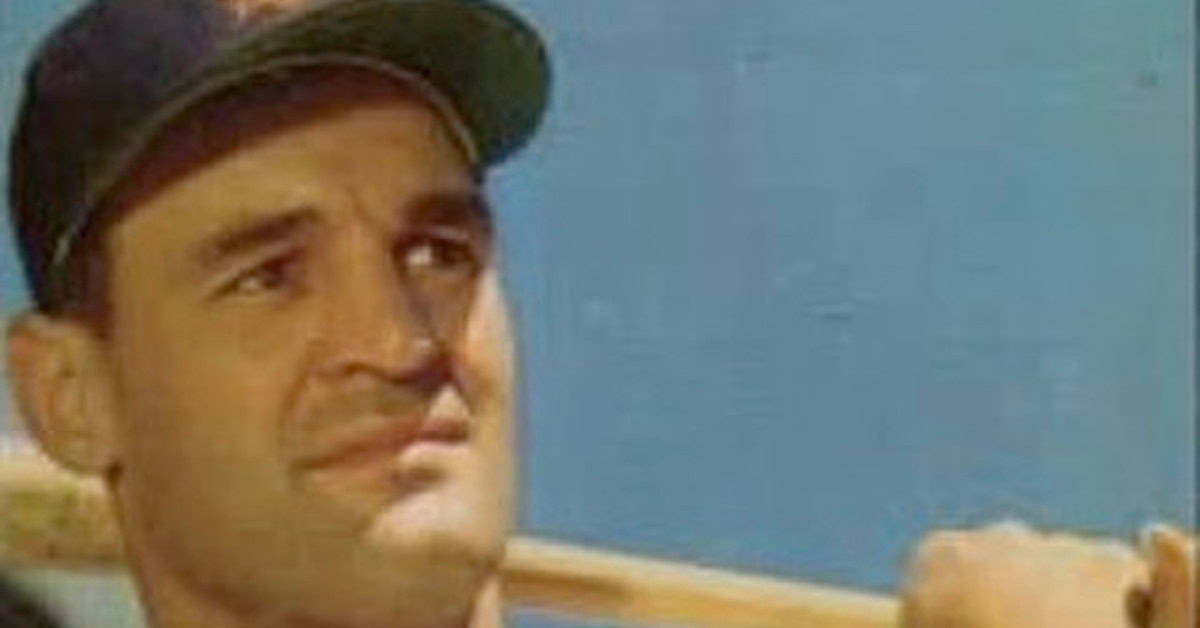
At 6’5″ and 220 pounds, Walt “The Moose” Dropo was a gentle giant who could make baseballs disappear faster than hot dogs at Fenway Park. His 1950 rookie season was the stuff of legend—34 home runs, 144 RBIs, and a .322 batting average that earned him AL Rookie of the Year honors. Dropo’s massive frame generated tremendous power, and his 152 career homers included some of the longest balls ever hit at Fenway Park and Comiskey Park. The former University of Connecticut basketball star had a swing that seemed to operate in slow motion until the moment of impact, when physics took over and sent baseballs into orbit. Unfortunately, injuries limited his career, but when healthy, The Moose was genuinely frightening at the plate.
Minnie Miñoso: The Cuban Comet Who Lit Up Comiskey
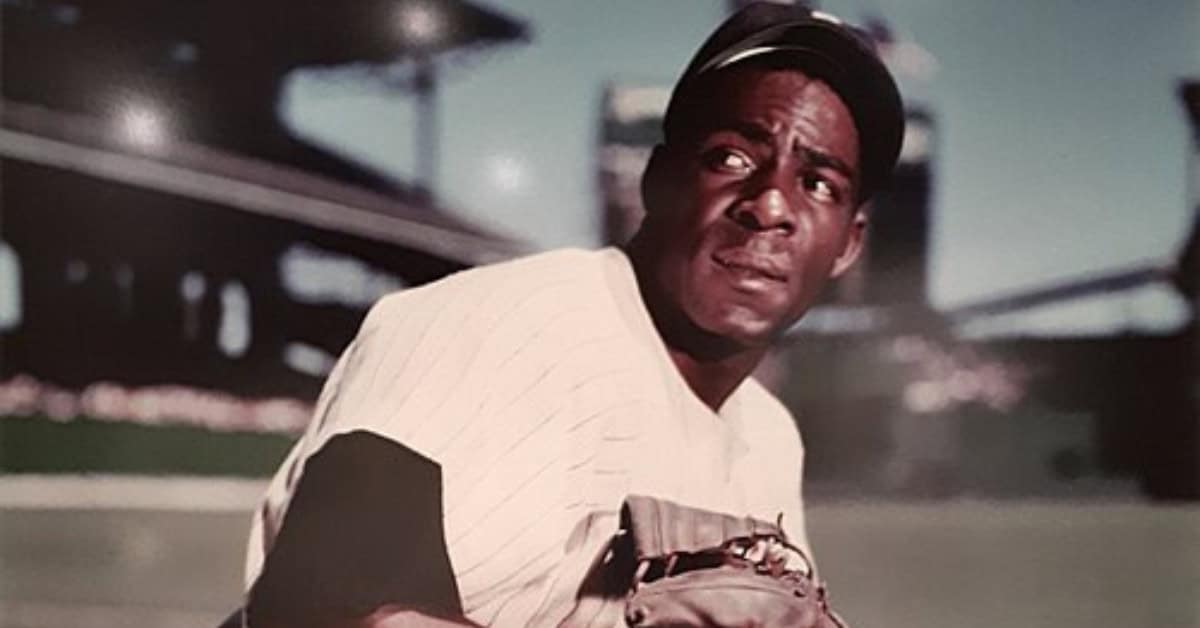
Minnie Miñoso brought a Latin flair to the South Side of Chicago that made Comiskey Park feel like Havana on summer nights, combining blazing speed with surprising power that resulted in 186 career home runs. The Cuban-born outfielder was a seven-time All-Star who led the American League in triples three times and stolen bases three times, but his power numbers often get overshadowed by his speed and defensive brilliance. Miñoso’s 1954 season was spectacular, with 19 homers, 116 RBIs, and a league-leading 18 triples, and his infectious enthusiasm made him a fan favorite throughout the 1950s. Playing in an era when Latin players faced discrimination and language barriers, Miñoso’s combination of power, speed, and charisma helped pave the way for future generations while thrilling White Sox fans with his all-around excellence.