

Last Updated: June 17th, 2026 by Michael Griffin
Fans might love seeing hitters mash balls into the upper deck and flamethrowing pitchers get balls past hitters before they can even blink. There’s a special place in their hearts for defensive wizardry, though. Of course, it also depended on whether the play was made by the home or visiting team. These 26 players could make even the most vocal home crowd give grudging cheers if they made a spectacular play against one of their own.
Don't lose this article. Enter your email below, and I'll send it to you right now. Plus, we'll send you other unbelievable stories from baseball's past.
Brooks Robinson: The Human Vacuum Cleaner Who Owned Third Base
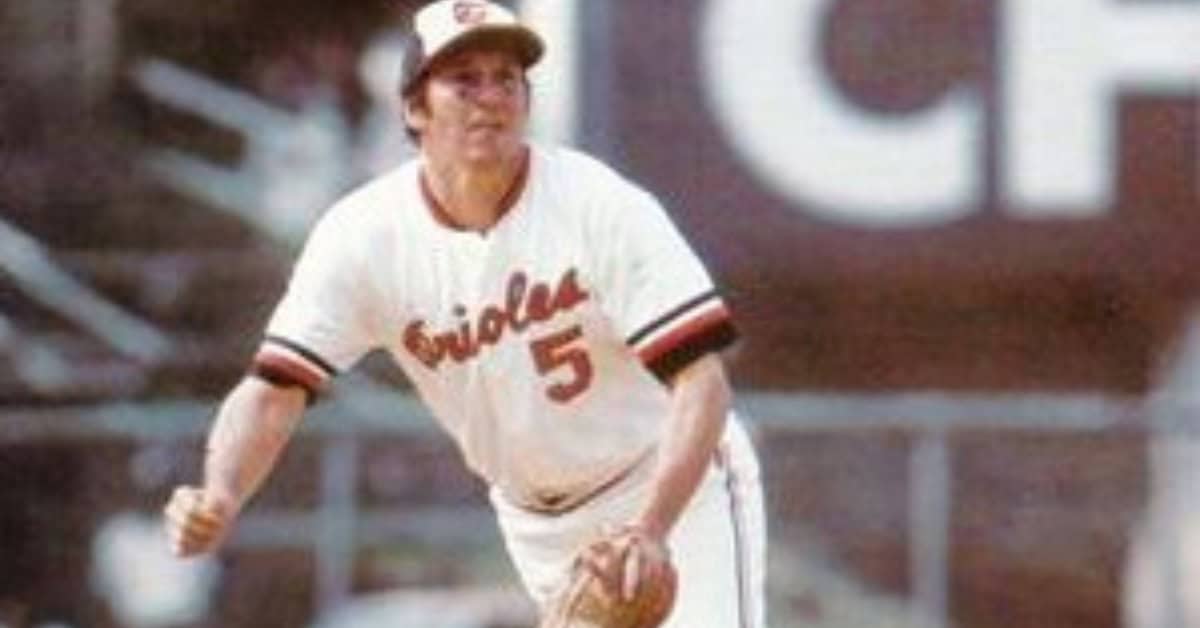
In the 1970 World Series, Brooks Robinson didn’t just play third base – he owned every inch of it. The Reds couldn’t buy a hit down the line, as Robinson turned the hot corner into his personal showcase of defensive brilliance. That backhand stab in Game 1 wasn’t just a play – it was a statement that would echo through baseball history.
Ozzie Smith: When Backflips Met Baseball Brilliance
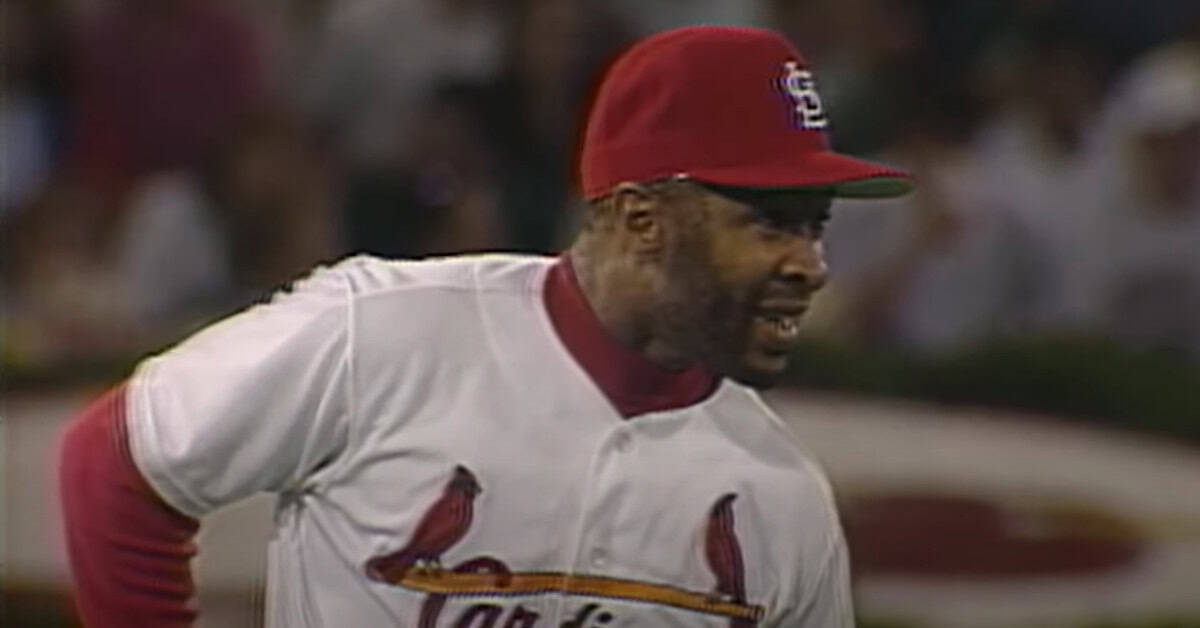
The Wizard of Oz made shortstop play look like performance art. Before the backflip became his trademark, it was those hands – those impossibly soft hands that could barehand a bad hop and throw out Olympic sprinters. In an era of artificial turf and crazy bounces, Ozzie turned defensive chaos into baseball ballet.
Willie Mays: The Say Hey Kid’s Over-the-Shoulder Magic
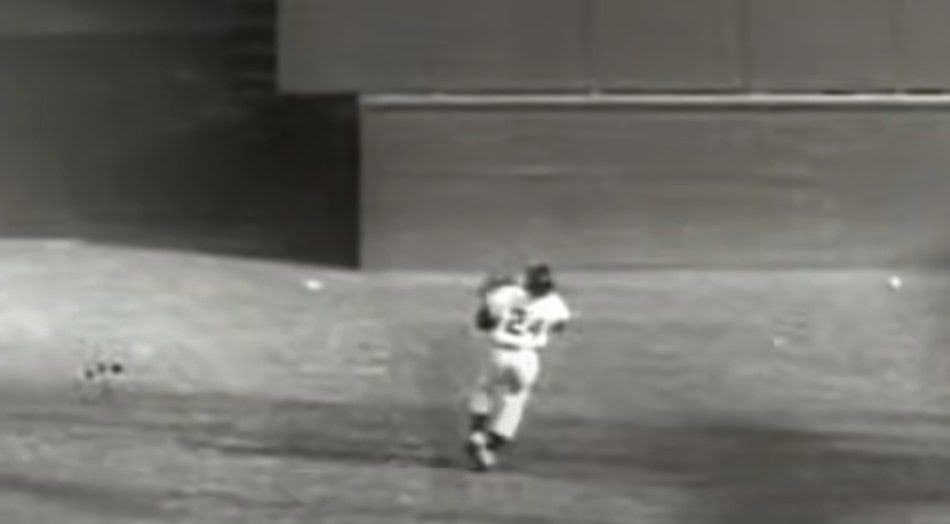
That catch in the ’54 Series wasn’t just a moment – it was a revolution in center field play. Mays didn’t just track balls, he hunted them with an artist’s grace and a mathematician’s precision. The basket catch wasn’t showboating; it was efficiency turned into poetry.
Roberto Clemente: The Cannon From Right Field

That arm wasn’t just strong – it was supernatural. Clemente turned right field into a no-man’s land where extra bases went to die. The way he’d gather the ball off the wall, spin, and fire a perfect strike to third base wasn’t just baseball – it was pure athletic poetry.
Omar Vizquel: The Barehand Master Who Made Shortstop An Art
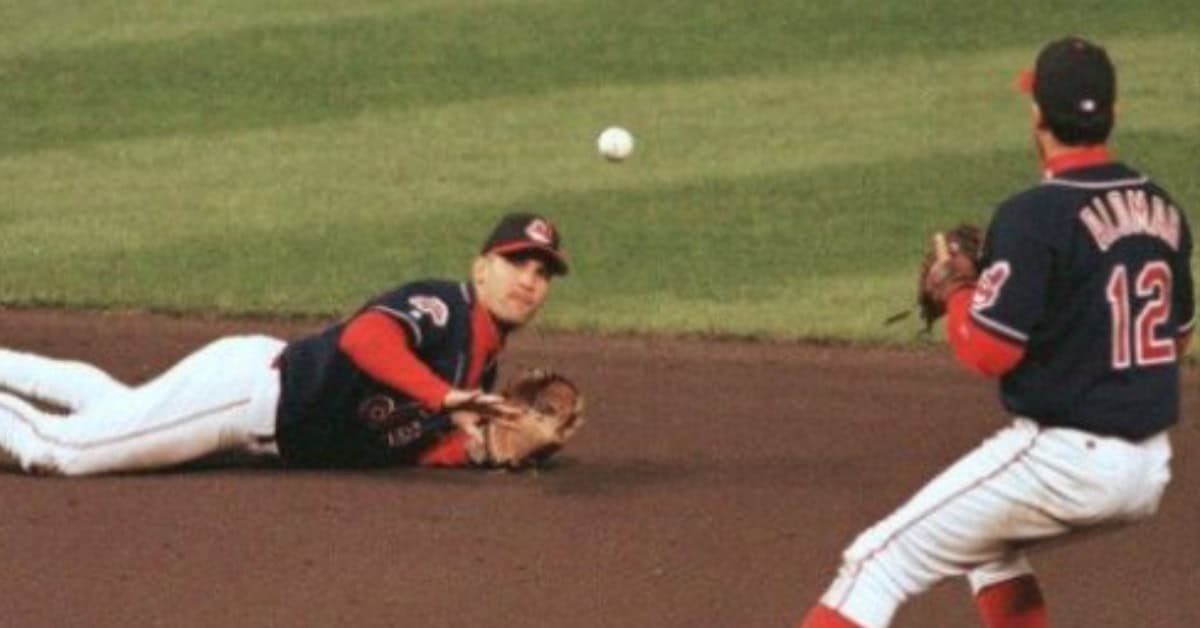
Vizquel didn’t need a glove to be brilliant – his bare hand was just as reliable. He turned the 6-4-3 double play into performance art, and made the impossible look routine so often that fans started expecting miracles every night.
Bill Mazeroski: Pittsburgh’s Perfect Pivot Man
Before he hit that famous homer, Maz was already a legend for his glove work. His footwork around second base was so precise you could set your watch to it. In an era of hard slides and harder throws, Mazeroski turned the double play into a science.
Keith Hernandez: The First Baseman Who Thought Like A Chess Player
Hernandez revolutionized first base defense with his aggressive charging of bunts and fearless plays on choppers. He didn’t just field his position – he reimagined it, turning the “passive” corner of the infield into a weapon.
Mark Buehrle: The Pitcher Who Played Like An Extra Infielder
That Opening Day flip between his legs wasn’t just showing off – it was Buehrle’s defensive instincts in pure form. He turned the mound into his personal playground, making plays that looked more like shortstop highlights than pitcher’s fielding practice.
Ivan Rodriguez: The Catcher Who Turned Stolen Bases Into Pipe Dreams
Pudge didn’t just catch baserunners stealing – he changed how teams ran the bases entirely. That snap throw behind runners at first wasn’t just a play – it was psychological warfare with a catcher’s mitt.
Ken Griffey Jr.: The Man Who Made Center Field Look Like A Dance Floor

The Kid didn’t just catch balls – he glided to them with such grace that time seemed to slow down. That smile after robbing yet another home run wasn’t cockiness – it was pure joy in making the impossible look easy.
Mark Belanger: The Blade Who Cut Down Everything

The Blade earned his nickname with razor-sharp defense that made even routine plays look artistic. In an era when shortstops were judged purely on their glove work, Belanger set a standard few could match.
Roy Campanella: Brooklyn’s Barrier-Breaking Backstop

Campy didn’t just catch – he controlled the game from behind the plate. His blocking technique became the template for generations of catchers, and his snap throws to first base were so quick they seemed to defy physics.
Johnny Bench: The Catcher Who Changed The Game Forever
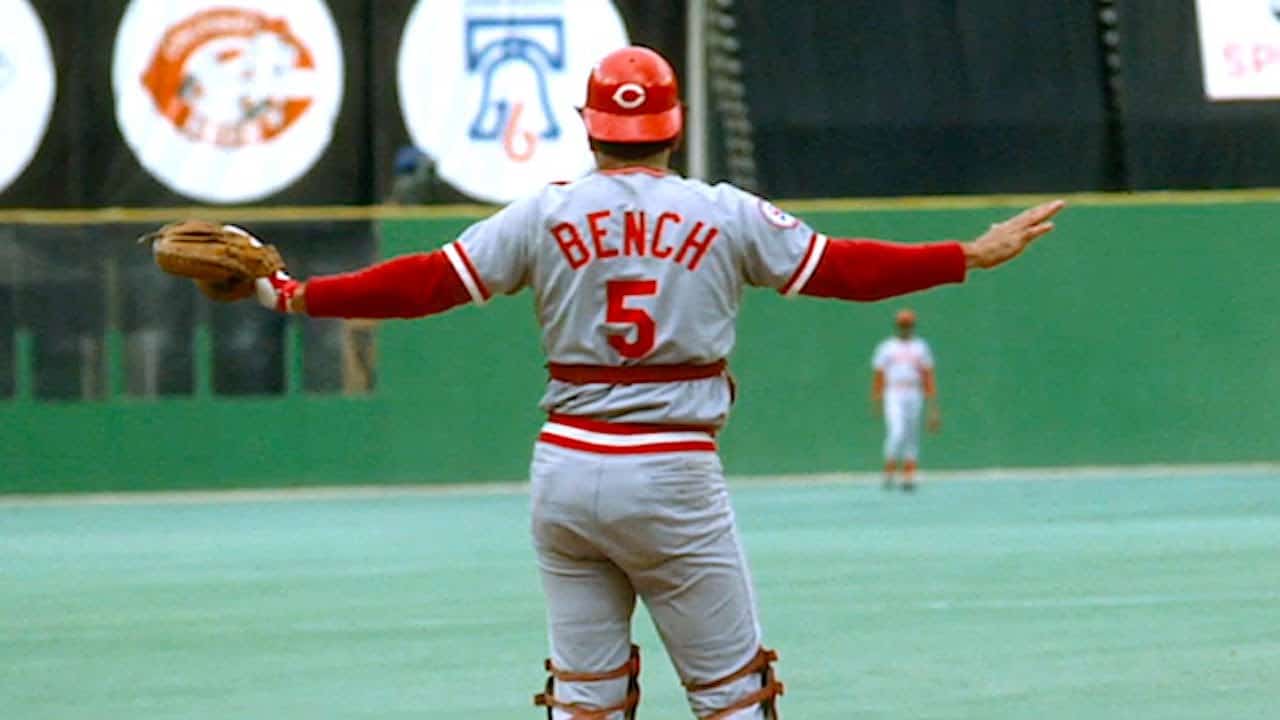
Bench’s one-handed catching style wasn’t just innovative – it was revolutionary. He turned the art of receiving into a masterclass in efficiency, proving that sometimes the best defense is having the quickest trigger in baseball.
Mike Schmidt: Philadelphia’s Third Base Philosopher
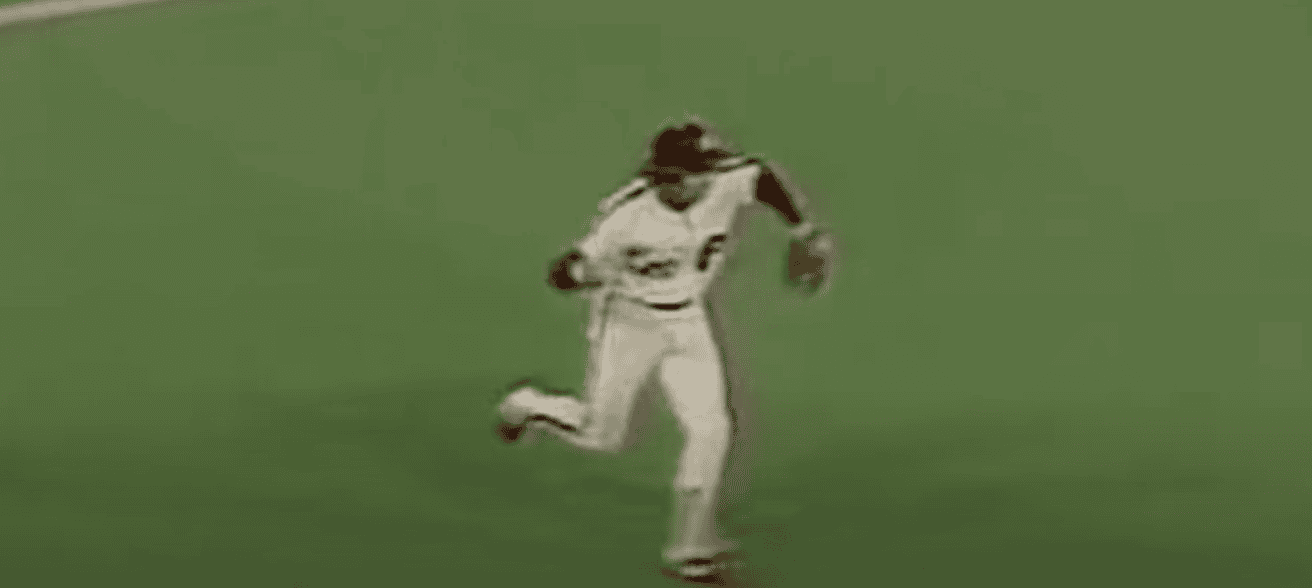
Schmidt didn’t just field his position – he thought three moves ahead like a chess master. His anticipation was so precise that he seemed to know where the ball was going before the batter did.
Frank White: Royals’ AstroTurf Artist
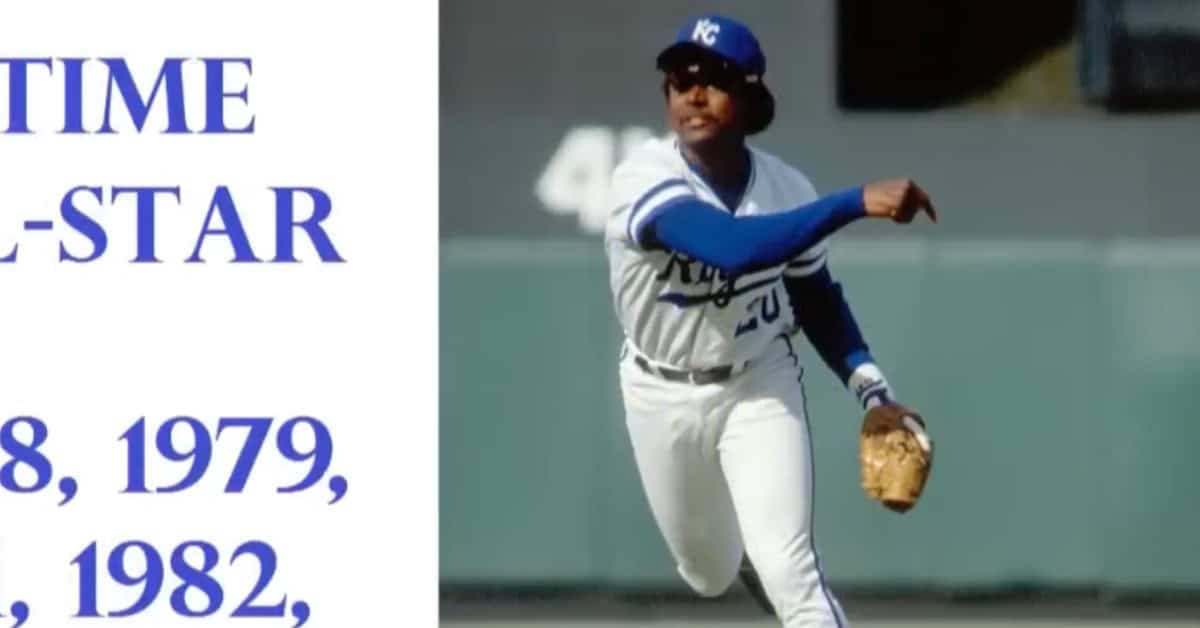
On the lightning-fast AstroTurf of Kauffman Stadium, White turned second base into his personal stage. His footwork around the bag was so precise that base runners often gave up before the play was even complete.
Andrelton Simmons: The Shortstop Who Defied Physics

Simmons didn’t just make the impossible plays – he made them look routine. His arm strength and accuracy from deep in the hole turned sure hits into routine outs, redefining what was possible at shortstop in the modern era.
Andruw Jones: The Teenage Wonder Who Ruled Center Field
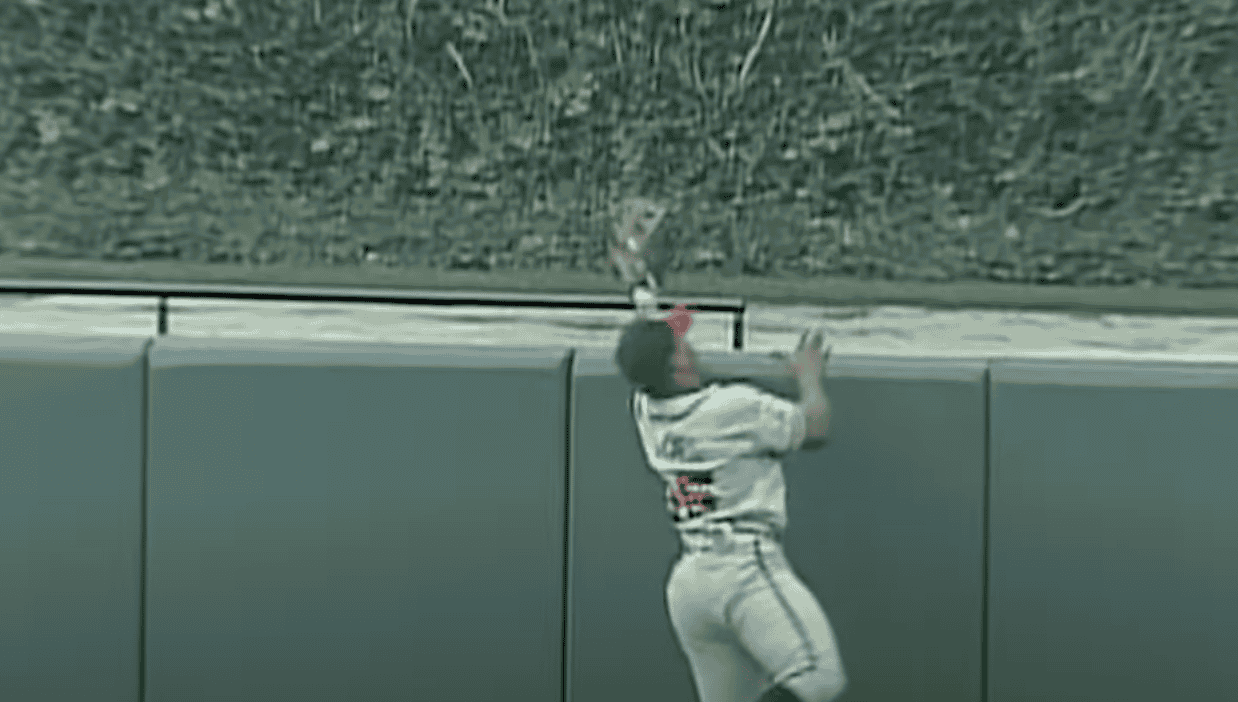
From his World Series debut as a teenager, Jones showed an otherworldly ability to read balls off the bat. His shallow positioning dared hitters to try hitting over his head – few succeeded.
Vic Power: The One-Handed Wonder At First
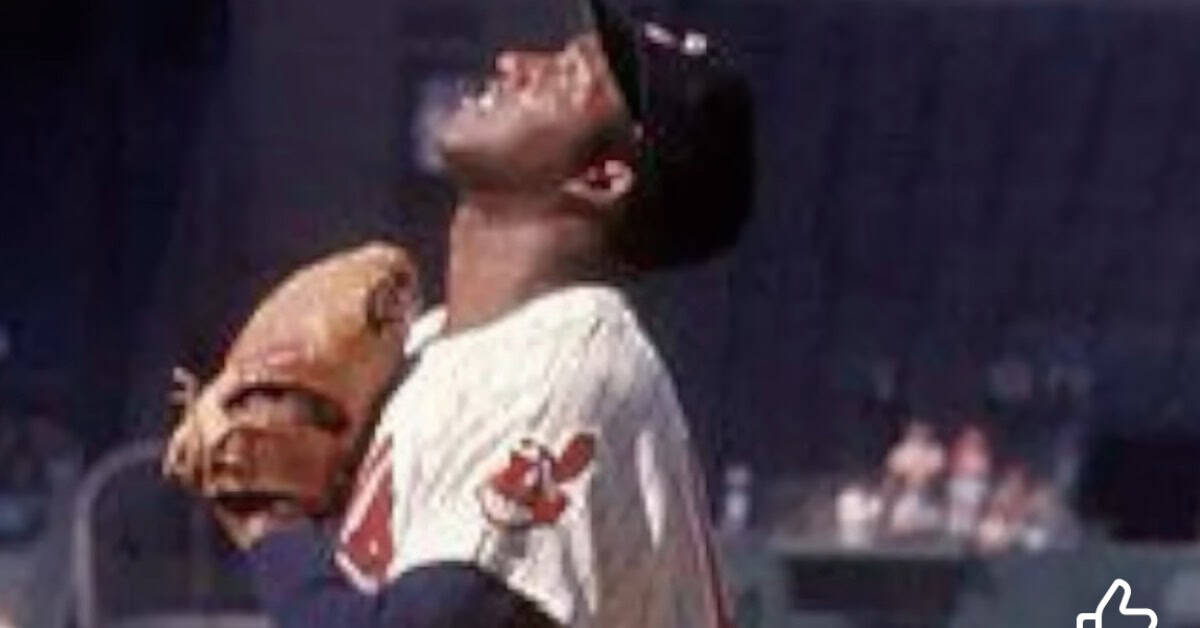
Power revolutionized first base play with his one-handed style decades before it became common. What looked like showboating to critics was actually a faster, more efficient way to play the position – and he proved it every single game.
Greg Maddux: The Professor’s Perfect Pickoff Move
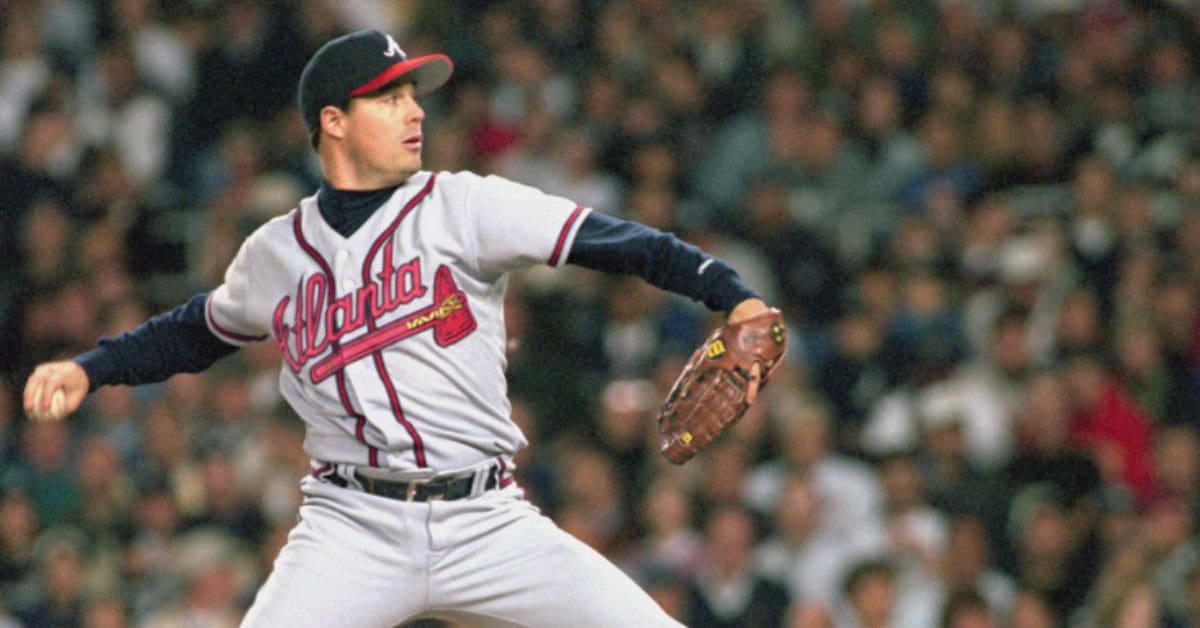
Maddux turned pitcher fielding into an art form. His quick moves off the mound and lightning-fast pickoff move weren’t just skills – they were weapons that kept runners honest and infielders alert.
Al Kaline: Mr. Tiger’s Outfield Excellence
Kaline played right field with such precision that it looked like he had every angle calculated before the pitch was thrown. His routes to fly balls were so perfect they could have been drawn with a protractor.
Jesse Barfield: The Right Field Rifle
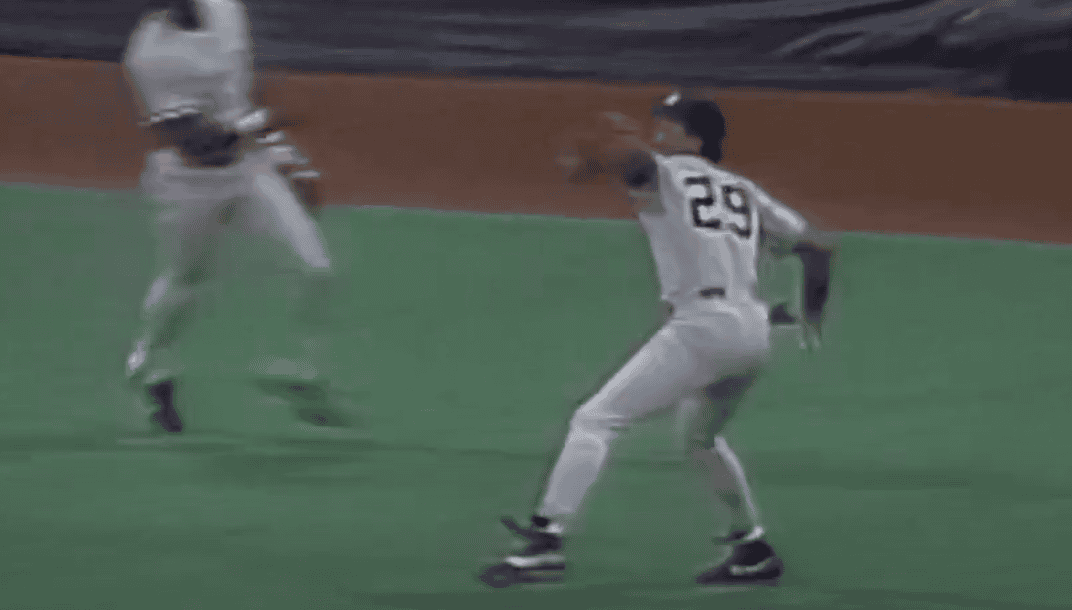
Barfield’s arm wasn’t just strong – it was legendary. Third base coaches would hold up runners even on deep drives to right, knowing that challenging Barfield’s arm was basically giving away an out.
Luis Aparicio: The Pioneering Shortstop Prince

Little Louie made the shortstop position look like a dance, with footwork so quick it seemed impossible. He didn’t just field grounders – he attacked them with a grace that influenced generations of middle infielders.
Paul Blair: Baltimore’s Center Field Phantom
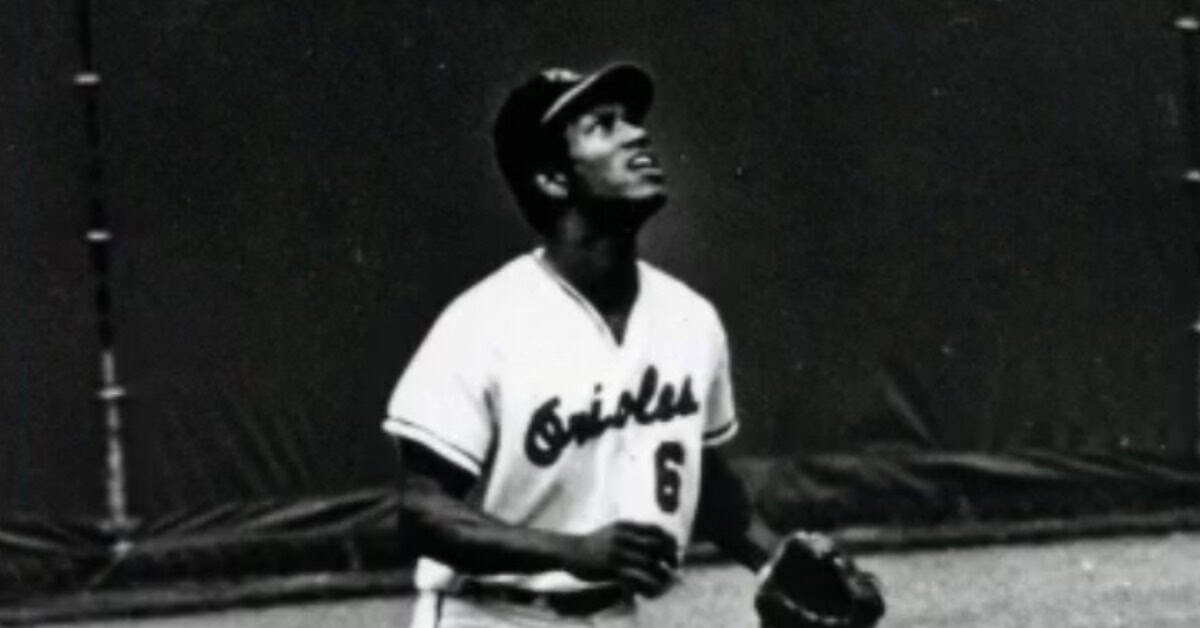
Blair played such a shallow center field that it seemed reckless – until you saw him turn and run down drives to the warning track. His first step was so quick, it often looked like he was moving before the ball was hit.
Roberto Alomar: Second Base’s Smooth Criminal
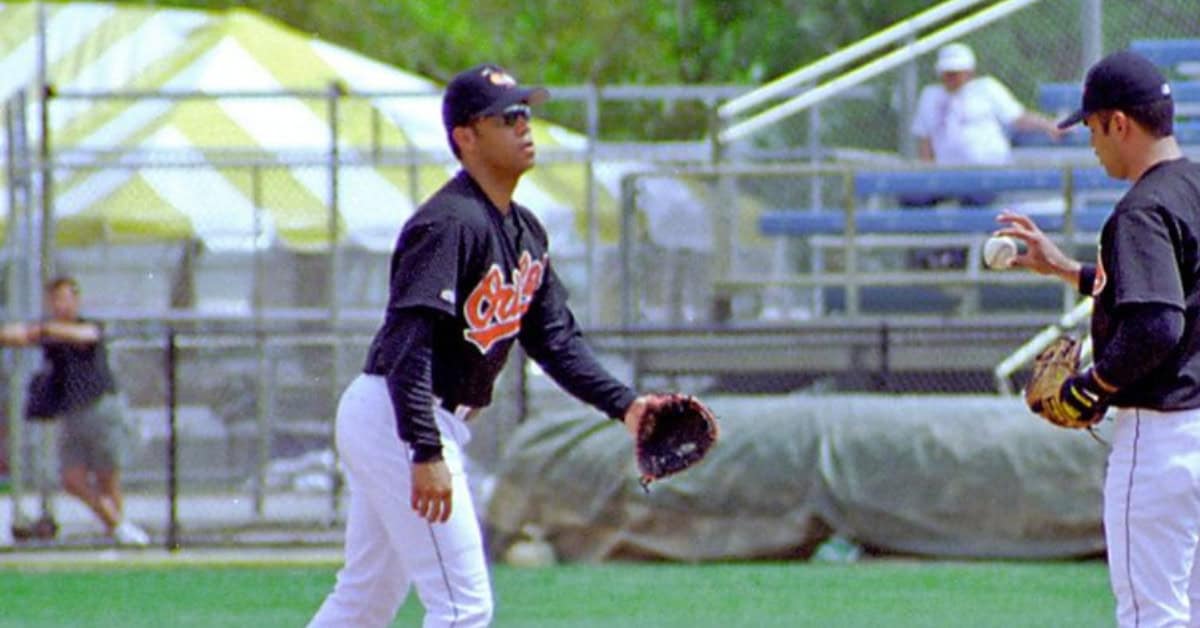
Alomar made second base play look like performance art. His diving stops weren’t just spectacular – they were calculated risks that almost always paid off. The way he could flip the ball to start a double play while barely looking was pure baseball magic.
Jackie Robinson: The Barrier-Breaking Defensive Revolutionary
Before he changed baseball forever, Robinson was revolutionizing how second base could be played. His athletic ability turned routine plays into spectacular ones, and his instincts for the game made him a defensive weapon at multiple positions.
Barry Bonds: Left Field’s Leather Legacy
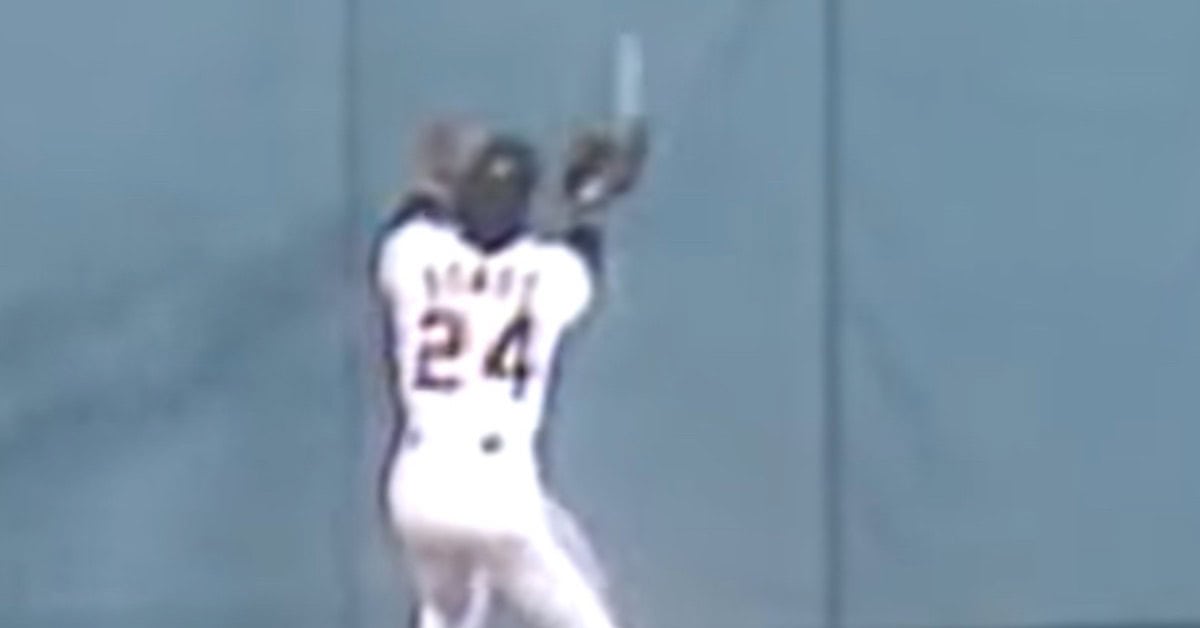
Before he became baseball’s most feared slugger, Bonds was a defensive artist in left field. His combination of speed and instincts made him a Gold Glove machine in Pittsburgh, where he turned the left field corner into a no-fly zone.