

Last Updated: June 17th, 2026 by Michael Griffin
Over the years, there have been players who have been consistently great for a long period of time. They were able to make adjustments. Others started their careers off great, but couldn’t sustain it, whether due to injury or an inability to change their strategy at the plate. Here are 22 of those instances when fans got some high hopes about a player and then were left muttering “What HAPPENED?” years later:
Don't lose this article. Enter your email below, and I'll send it to you right now. Plus, we'll send you other unbelievable stories from baseball's past.
Brady Anderson’s 50-Homer Mirage (1996)
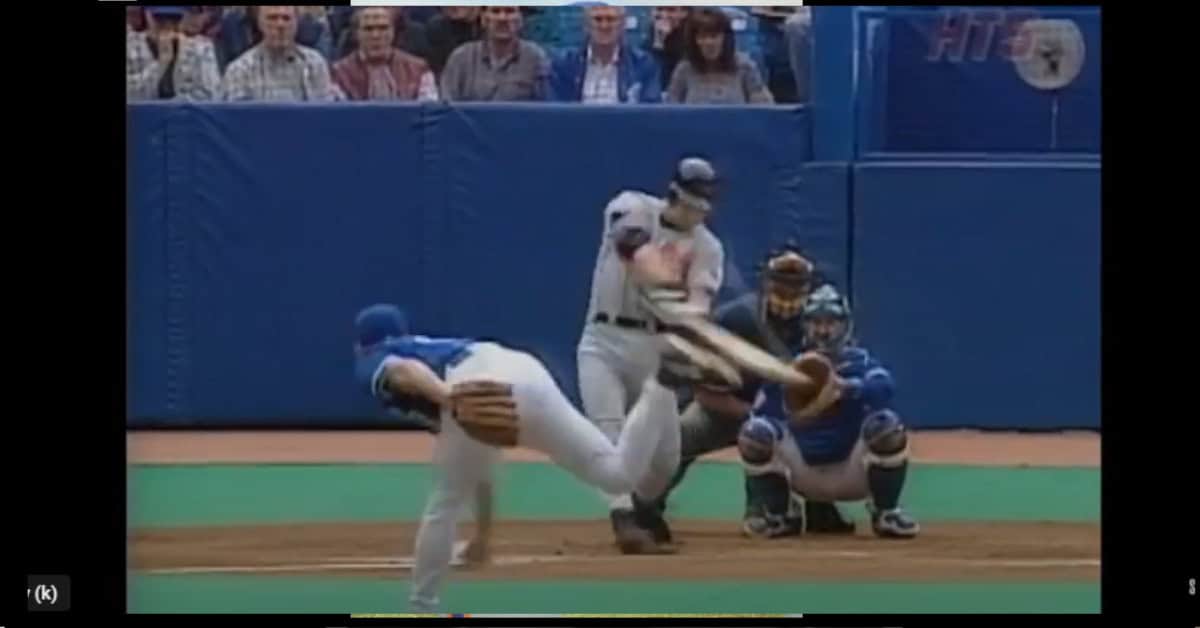
In 1996, Brady Anderson shocked the baseball world by smashing 50 home runs for the Orioles—this from a leadoff hitter who had never hit more than 21 in any other season. He did have one thing going for him for his entire career: The coolest sideburns. The homers would disappear, and he would return to his usual single-digit homer totals afterward, making his power surge one of baseball’s most inexplicable one-year wonders.
“Hurricane” Bob Hazle’s .403 Summer (1957)
For one magical late-summer stretch in 1957, “Hurricane” Bob Hazle hit .403 in 41 games for the Milwaukee Braves, helping them capture the pennant. The 27-year-old rookie’s storm of hits would prove a brief one, almost like a summer shower—he hit just .211 the following year and was out of baseball by 1958.
Mark Fidrych: The Bird’s Magic Season (1976)

No one-hit wonder list is complete without “The Bird.” In 1976, the curly-haired 21-year-old captured America’s heart with his mound antics, talking to the baseball and grooming the pitcher’s mound. His 19-9 record and 2.34 ERA earned him Rookie of the Year, but injuries would limit him to only 27 more starts in his career.
Joe Charboneau: Super Joe’s Rookie Flash (1980)
Cleveland’s colorful rookie sensation could open beer bottles with his eye socket and fix cavities with Super Glue. He also hit .289 with 23 homers in 1980 to win AL Rookie of the Year. Back injuries would limit him to just 70 more games in the Majors, but “Super Joe” remains a beloved figure in Cleveland baseball lore.
Kevin Maas: The Yankees’ Half-Season Hero (1990)
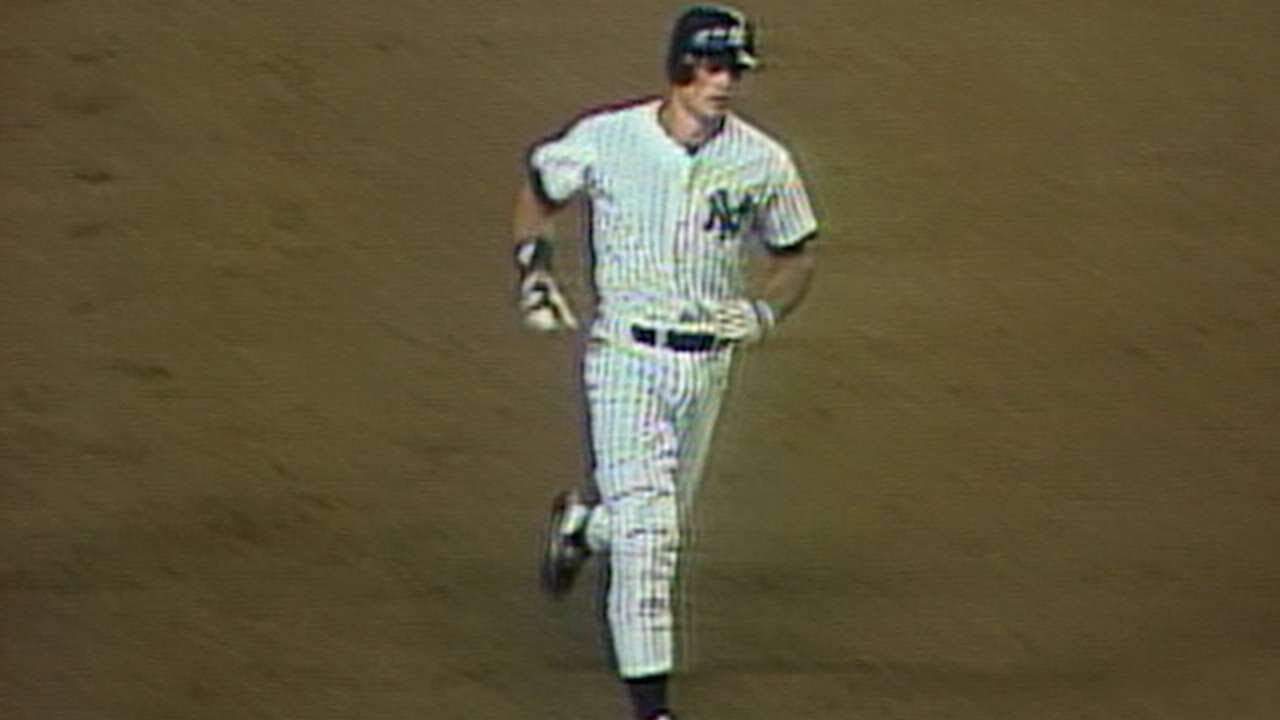
In the summer of 1990, Kevin Maas became the fastest player to hit 10 home runs in MLB history, launching 21 homers in just 79 games for the Yankees. The left-handed slugger drew comparisons to Don Mattingly, but pitchers figured him out by 1991, and his brief reign as the next great Yankees slugger quickly ended.
Rick Ankiel’s Pitching Prime (2000)
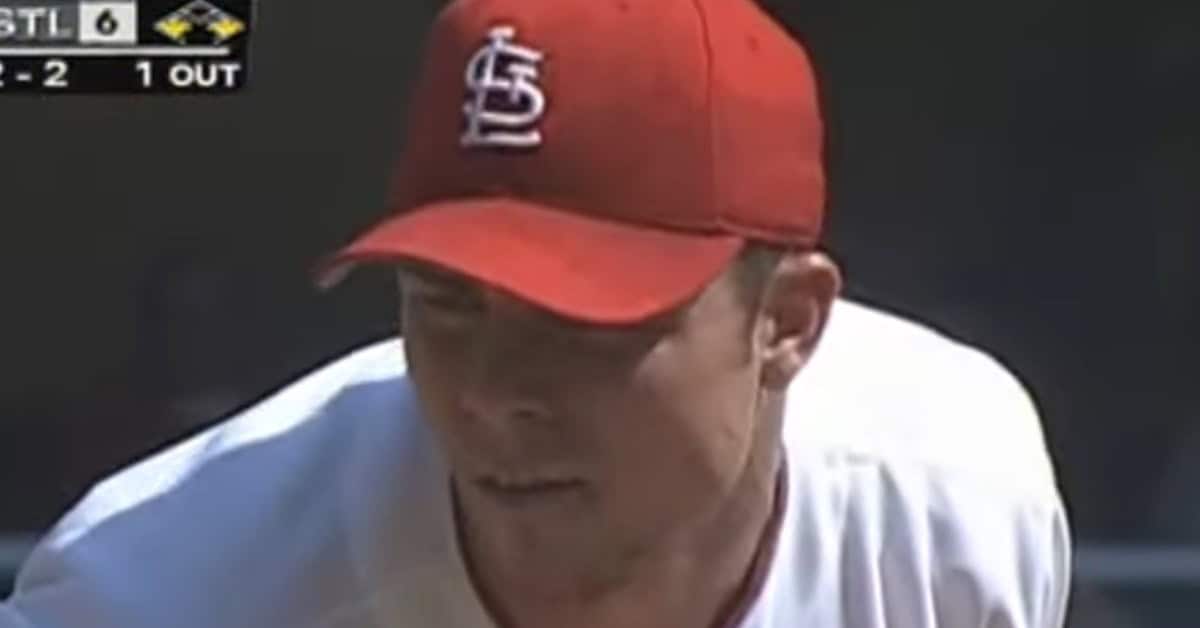
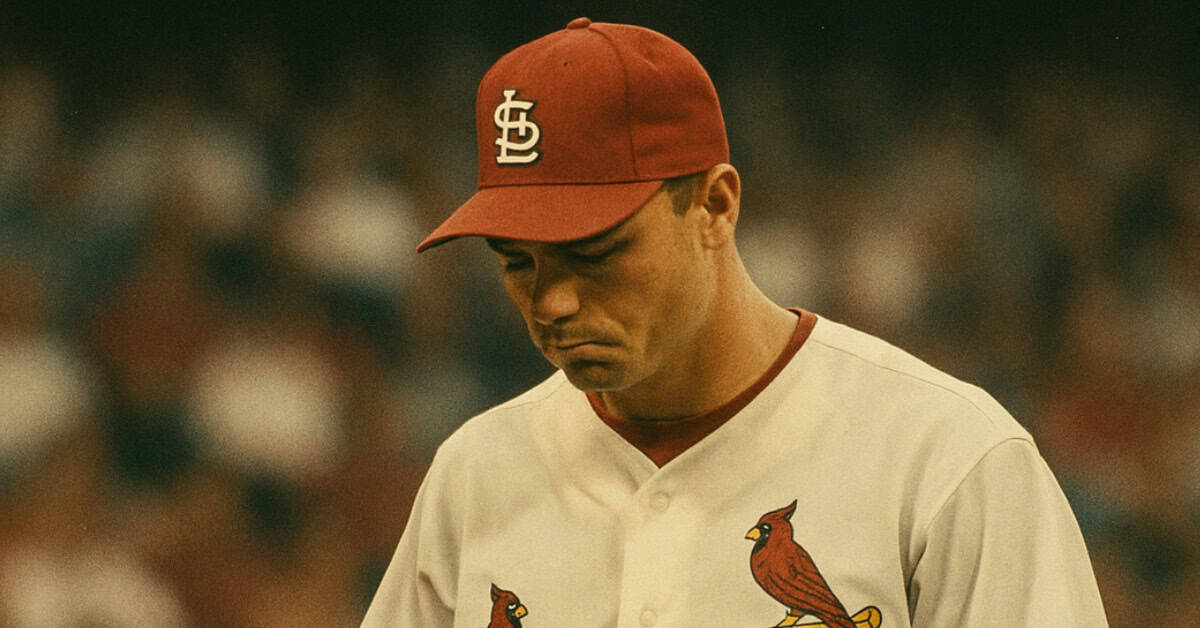
Before the yips derailed his pitching career, Rick Ankiel was the Cardinals’ ace-in-waiting. In 2000, the 20-year-old southpaw went 11-7 with a 3.50 ERA and 194 strikeouts in 175 innings. Though he’d later reinvent himself as an outfielder, his one brilliant season on the mound remains a tantalizing glimpse of what might have been.
Pat Listach: Milwaukee’s Shooting Star (1992)
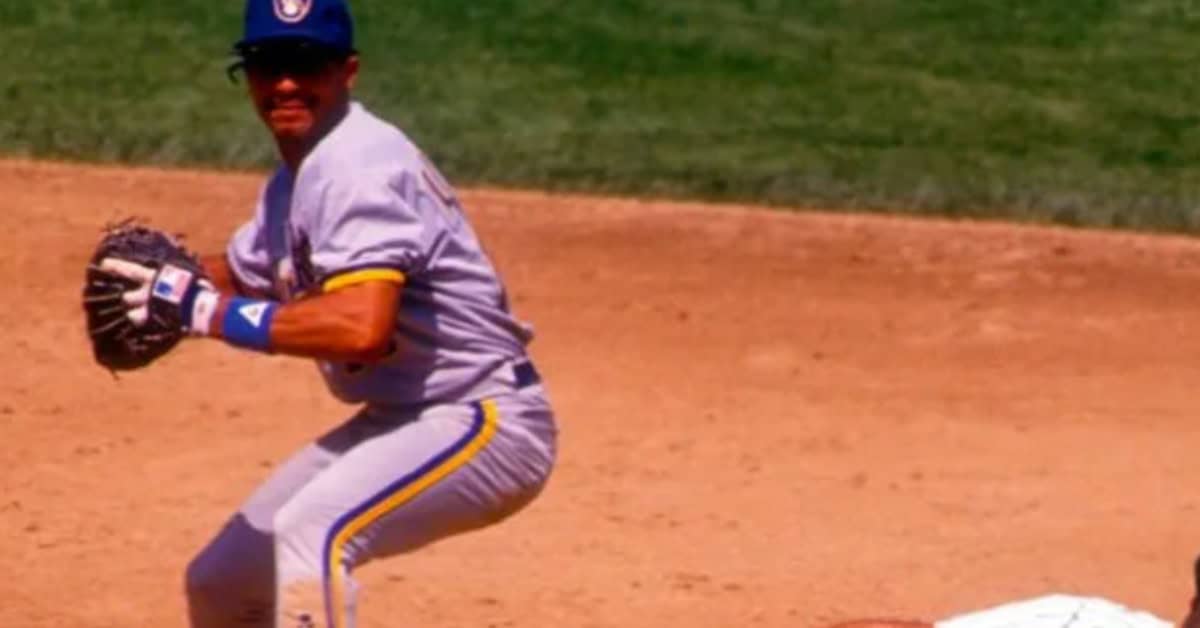
The Brewers’ dynamic rookie shortstop hit .290 with 54 stolen bases in 1992, beating Kenny Lofton for AL Rookie of the Year. Injuries and the 1994-95 strike would derail his promising career. For one season, though, Listach looked like Milwaukee’s shortstop of the future.
Steve Blass: From World Series Hero to Mysterious Collapse (1972)
After a stellar 1972 season (19-8, 2.49 ERA) and a World Series heroics the year before, Steve Blass inexplicably lost his ability to throw strikes. His sudden loss of control became known as “Steve Blass Disease,” a cautionary tale about the fragility of pitching success.
Wayne Garland: Cleveland’s Million-Dollar Flame (1976)
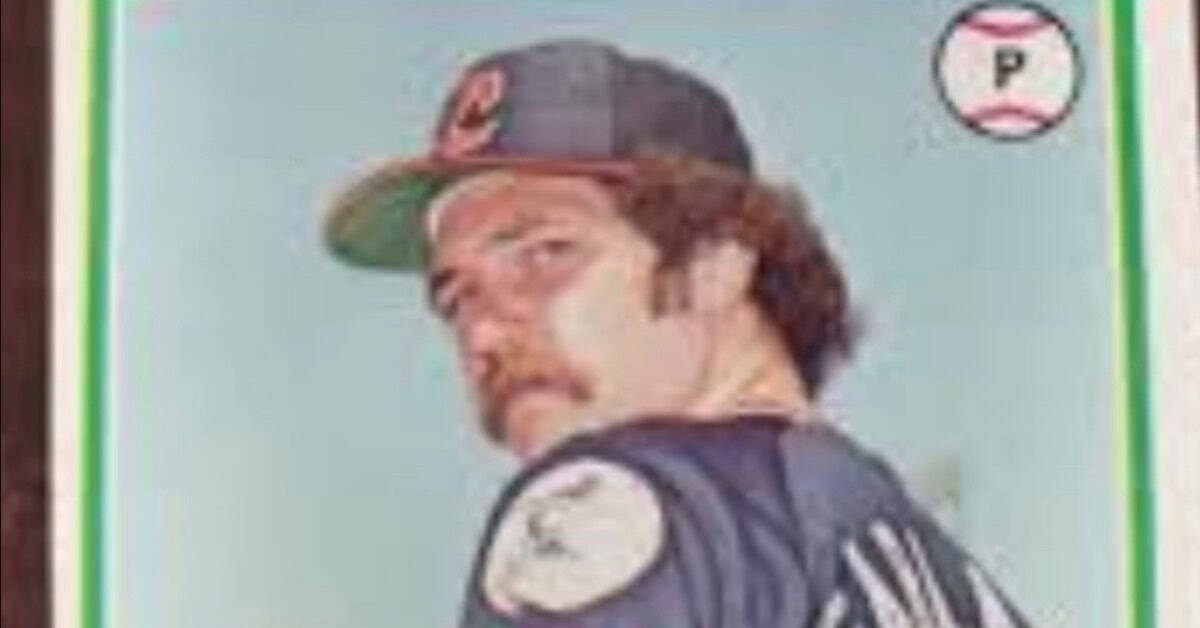
After going 20-7 with a 2.67 ERA for the Orioles in 1976, Garland signed a massive 10-year, $2.3 million contract with Cleveland. His arm would fail him shortly after, making his breakout season both a blessing and a curse in the dawn of free agency.
Bob Hamelin: KC’s Slugging Sensation (1994)
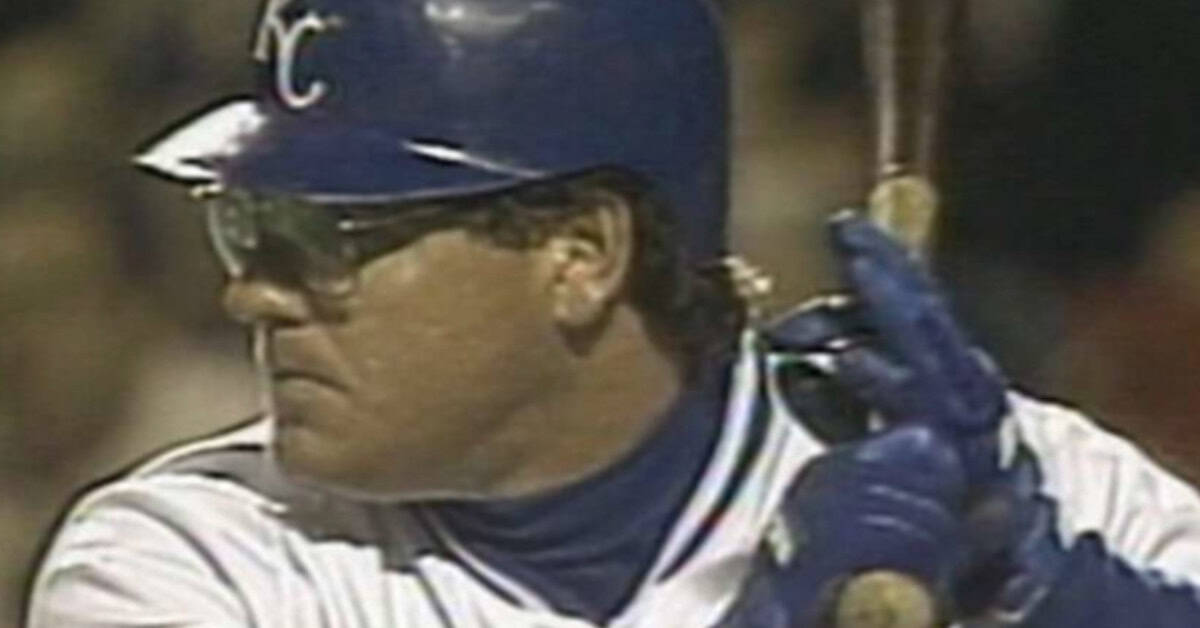
The bespectacled designated hitter took the AL by storm in the strike-shortened 1994 season, hitting .282 with 24 homers to win Rookie of the Year. “The Hammer” would never recapture that magic, but his thick glasses and powerful swing made him an unlikely folk hero in Kansas City.
Shane Spencer’s Magical September (1998)
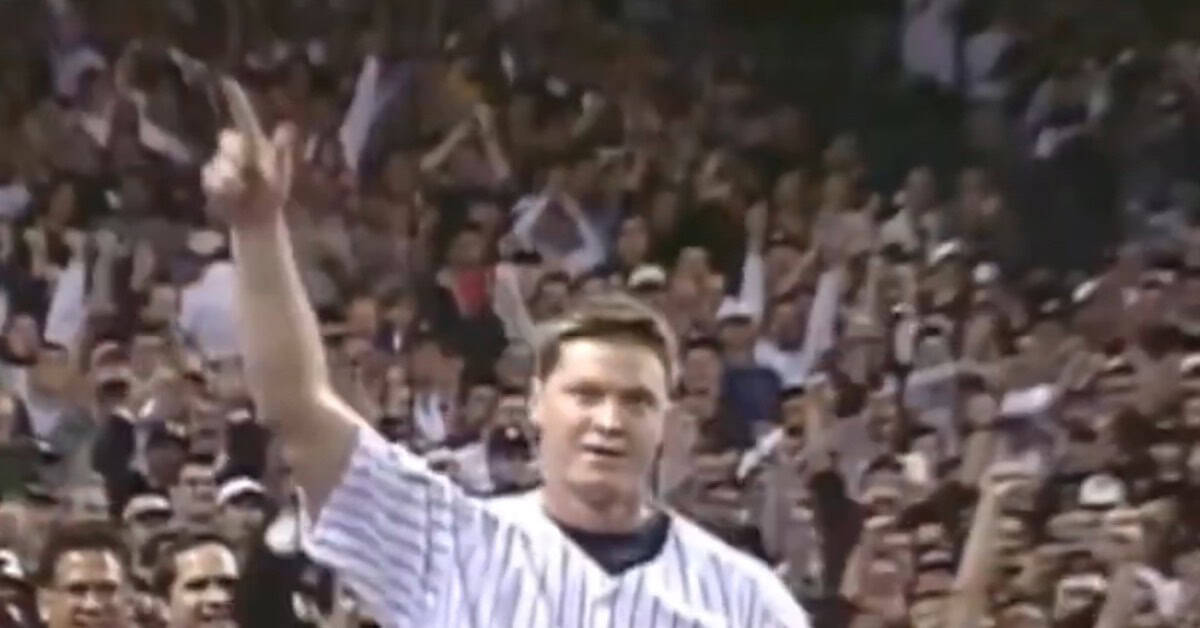
In September 1998, Yankees rookie Shane Spencer hit .421 with 10 home runs in just 67 at-bats, including three grand slams. Though he’d play eight more seasons, nothing would match his extraordinary month when he briefly outshone even the great home run chase of ’98.
Bobby Thigpen’s Record-Setting Summer (1990)
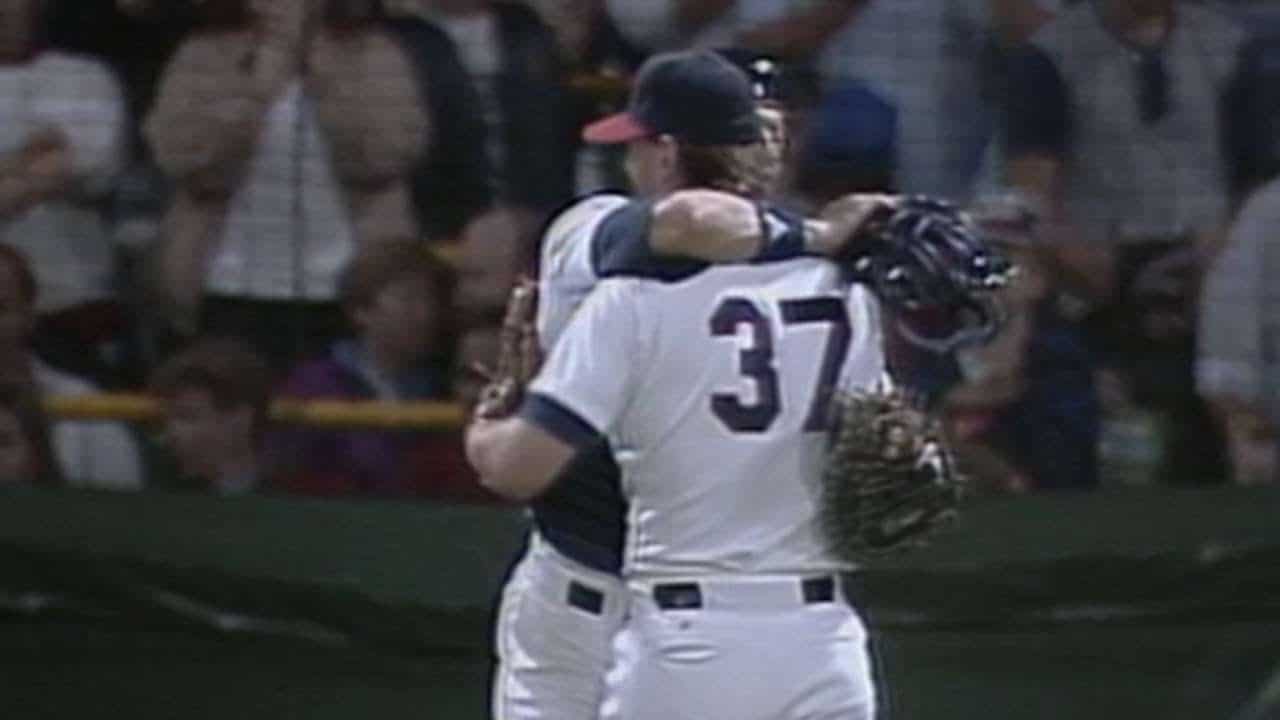
In 1990, Bobby Thigpen shattered the single-season saves record with 57 for the White Sox, posting a 1.83 ERA in the process. His record would stand for 18 years, but Thigpen himself would save just 49 more games across his final four seasons combined.
Dick Ellsworth’s Cubs Magic (1963)
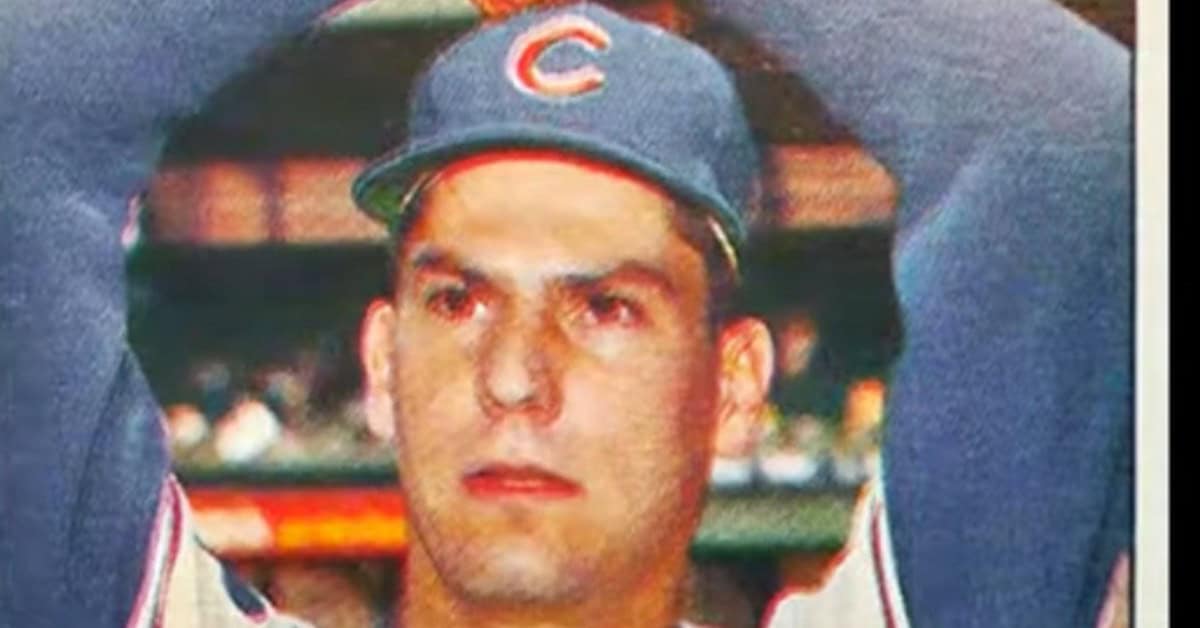
The year before, in 1962, the Cubs lost 103 games. But in 1963, Ellsworth was brilliant, going 22-10 with a 2.11 ERA. The 23-year-old lefty looked like a future ace, but he would never win more than 14 games in any other season of his 13-year career.
Wally Bunker: Teen Phenom’s Perfect Summer (1964)
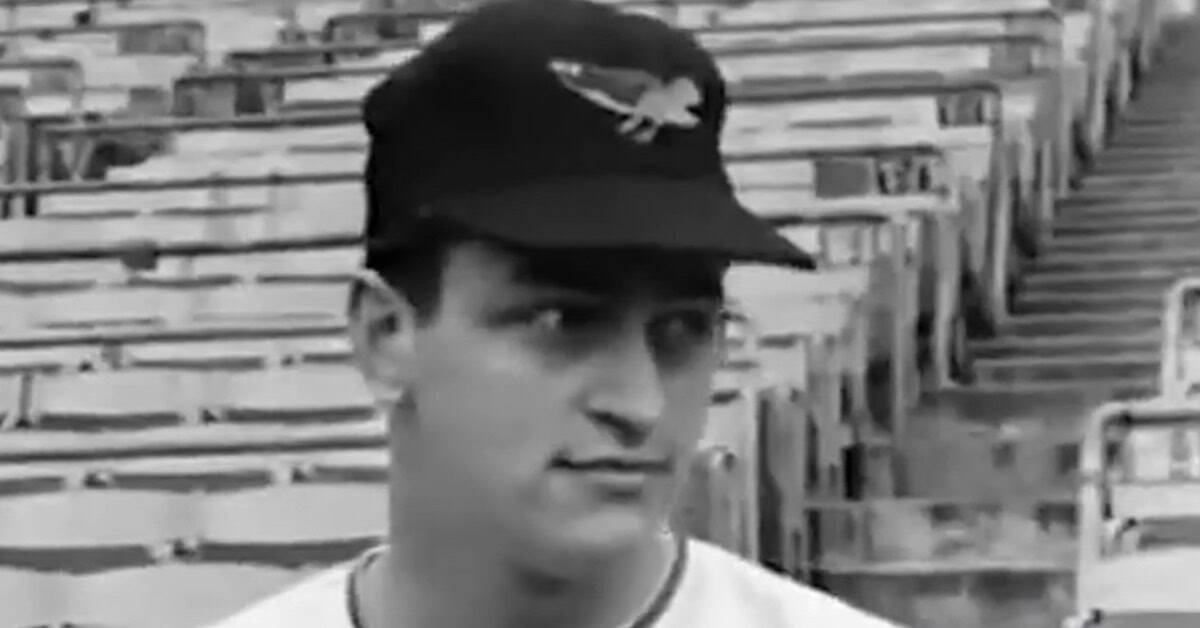
At just 19 years old, Wally Bunker went 19-5 with a 2.69 ERA for the Orioles in 1964. The teenage sensation threw 12 complete games in his rookie campaign, but arm troubles would soon derail what looked to be a promising career.
Jerome Walton: Chicago’s 30-Game Wonder (1989)
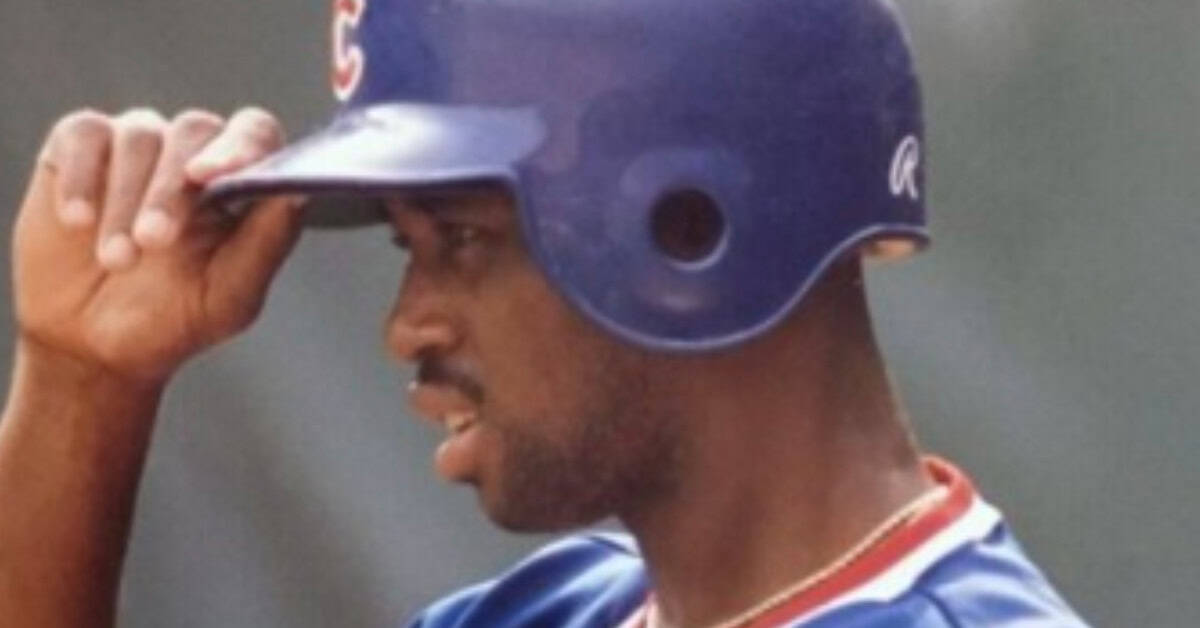
The Cubs’ rookie centerfielder electrified Wrigley Field in 1989 with a 30-game hitting streak and stellar defense, batting .293 and winning NL Rookie of the Year. Though he’d play seven more seasons, Walton would never again hit higher than .219 in a full season.
Dave Fleming: Seattle’s Southpaw Sensation (1992)

The soft-tossing lefty went 17-10 with a 3.39 ERA as a rookie for the Mariners, including three shutouts. Fleming’s pinpoint control and deceptive delivery baffled hitters throughout 1992, but arm problems would soon rob him of his effectiveness.
Chris Hoiles: Baltimore’s Backstop Blast (1993)
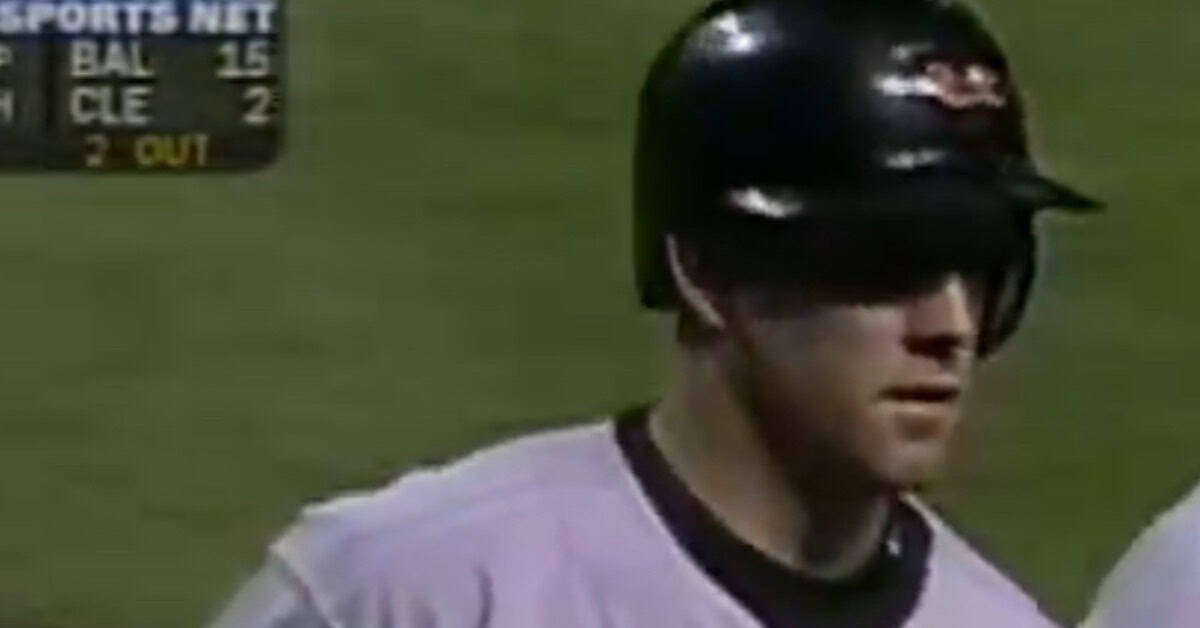
In 1993, Orioles catcher Chris Hoiles put together one of the finest offensive seasons ever by a backstop, hitting .310 with 29 homers and a .416 on-base percentage. Though he remained a solid player, he would never again approach the offensive heights of his magical ’93 campaign.
Justin Thompson: Detroit’s Lost Ace (1997)

The Tigers thought they had their next great lefty when Thompson went 15-11 with a 3.02 ERA and made the All-Star team in 1997. Shoulder problems would soon derail his promising career, but for one summer, he gave Detroit fans a glimpse of what might have been. Tiger fans got their ace eight years later—his name was also Justin. Justin Verlander.
Jack Armstrong: All-Star Jack’s Magic Half (1990)
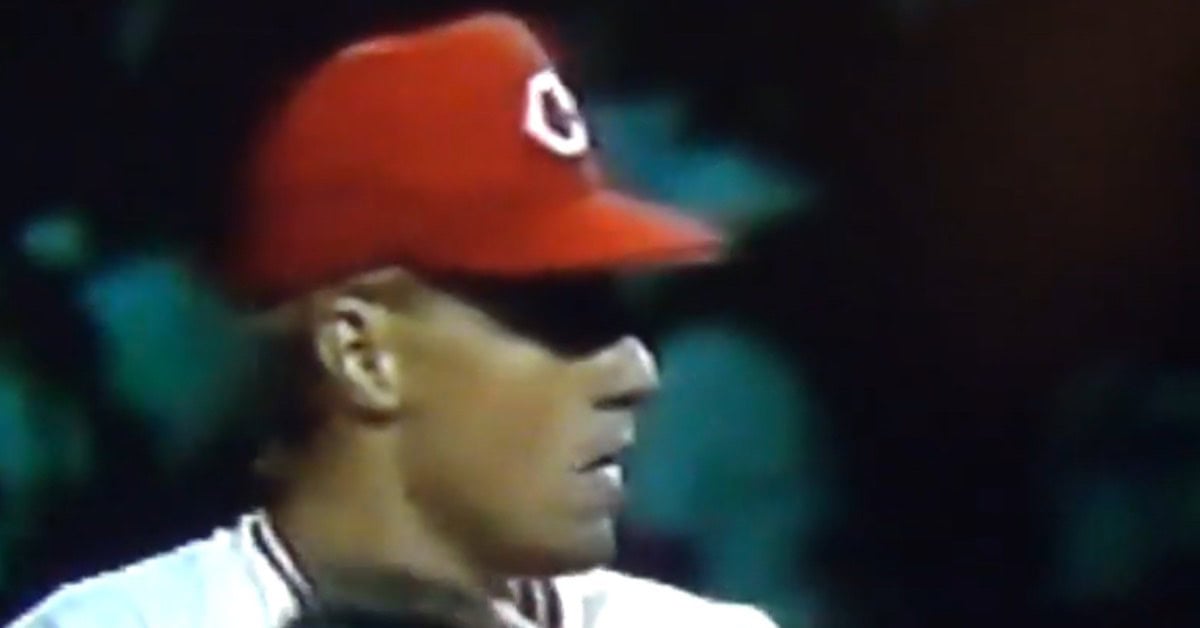
The first half of 1990 saw Jack Armstrong go 11-3 with a 2.28 ERA, earning him the nod to start in the All-Star Game. But “All-Star Jack” would go 1-6 in the second half, beginning a rapid decline that would see him out of baseball by 1994.
Shawn Estes: San Francisco’s One-Year Wonder (1997)
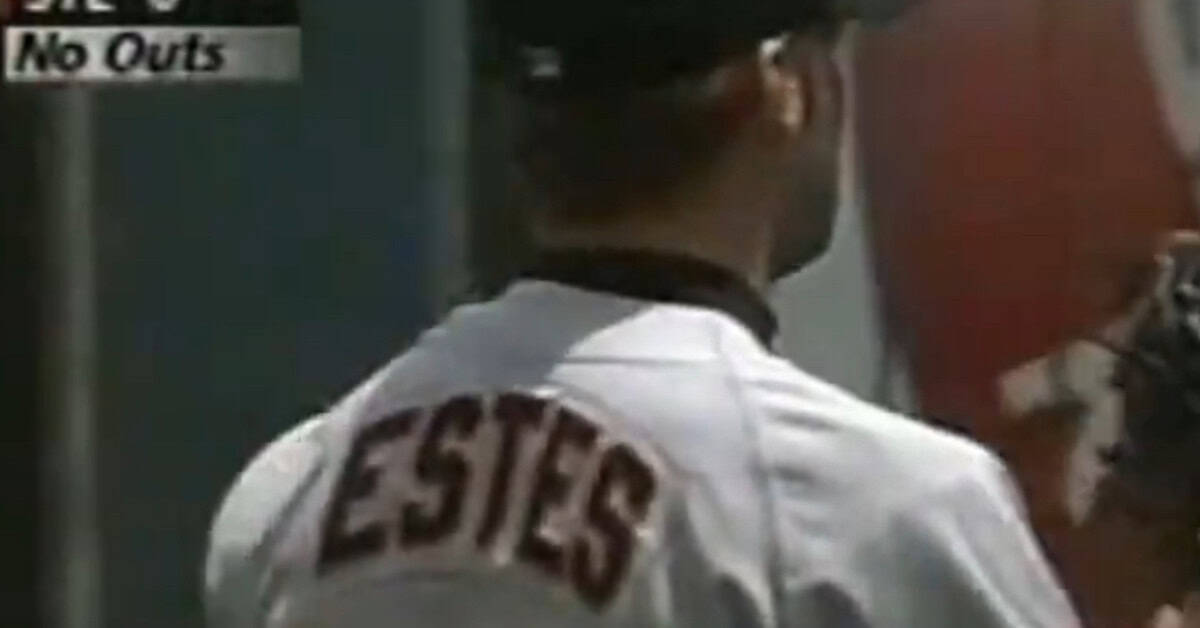
In 1997, everything clicked for the Giants’ lefty as he went 19-5 with a 3.18 ERA, making the All-Star team and finishing fourth in Cy Young voting. Though he’d pitch for another decade, Estes would never again capture the dominance he showed during that magical season by the Bay. He’s now largely remembered for homering off Roger Clemens.
Marcus Giles: Atlanta’s Second Base Sensation (2003)
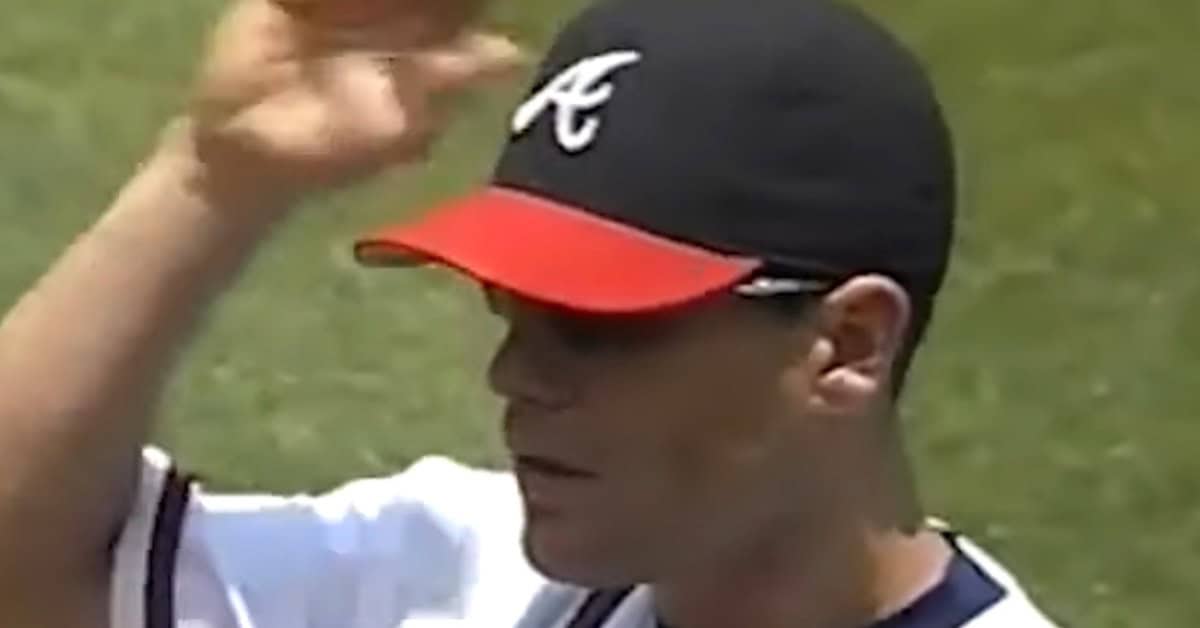
The diminutive second baseman put together a monster 2003 campaign, hitting .316 with 21 homers and 49 doubles for the Braves. Though he remained Atlanta’s starter for several more years, Giles would never again approach the offensive excellence of his All-Star season.
Tommy Harper: Milwaukee’s Power Surge (1970)
In 1970, Harper shocked the baseball world by slugging 31 home runs for the Brewers—nearly triple his previous career high. The speedy outfielder would return to his usual single-digit homer totals afterward, but for one season, he was Milwaukee’s unlikely power threat.