

Last Updated: June 17th, 2026 by Michael Schatz
Before sabermetrics ruled the diamond and before every swing was dissected by exit velocity, the 2000s belonged to a special breed of ballplayer—the quietly excellent stars who did their jobs with workmanlike precision while the spotlight chased flashier names. These were the players your baseball-loving dad respected, the ones who made the All-Star Game but never quite became household names outside their home cities.
Don't lose this article. Enter your email below, and I'll send it to you right now. Plus, we'll send you other unbelievable stories from baseball's past.
Bobby Abreu: The Patient Power Hitter Who Made Walking Look Cool
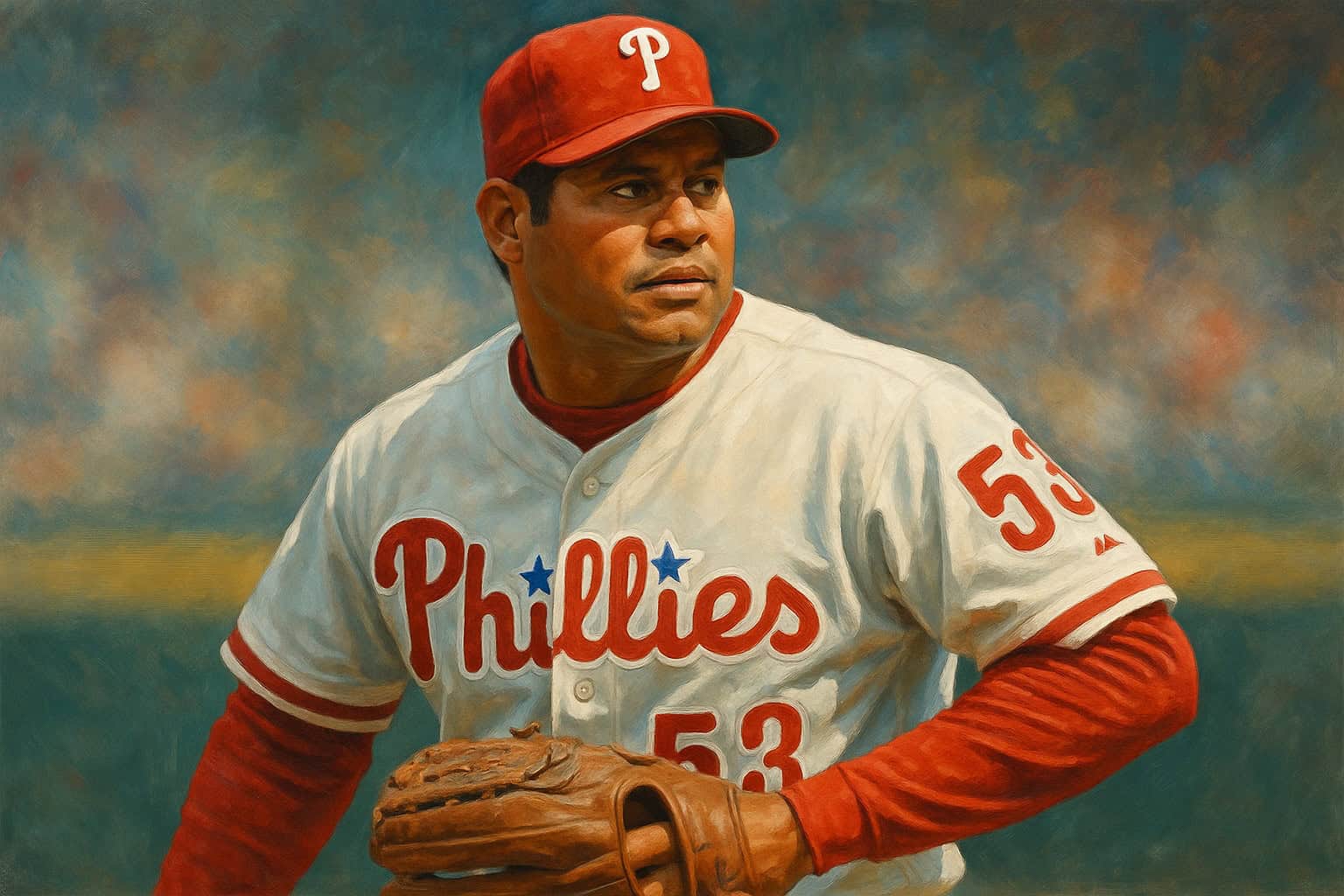
Bobby Abreu turned patience into an art form during his Philadelphia years, routinely posting .400+ on-base percentages while casual fans wondered why he didn’t swing more. The Venezuelan outfielder averaged 20 home runs and 30 stolen bases annually from 1999-2004, joining the exclusive 30-30 club twice while drawing 100+ walks in six straight seasons. His smooth left-handed swing and selective eye made him one of just seven players in history to collect 900+ extra-base hits and 400+ steals, yet he’s rarely mentioned among the decade’s elite hitters.
Scott Rolen: The Gold Glove Third Baseman Who Quietly Dominated

Scott Rolen redefined third base defense with ballet-like grace and a rocket arm that made impossible plays look routine. The 2023 Hall of Fame inductee won eight Gold Gloves and posted a .281 career average with 316 home runs, anchoring the St. Louis Cardinals’ 2006 World Series championship team. His 2004 Cardinals squad captured the NL pennant largely thanks to his .314 batting average and flawless defense, yet Rolen’s steady excellence was often overshadowed by flashier teammates like Albert Pujols and Jim Edmonds.
Mike Cameron: The Center Field Wizard With 30-30 Swagger

Mike Cameron patrolled center field like a gazelle with a glove, covering acres of Safeco Field turf during Seattle’s magical 2001 season when they won 116 games. The Georgia native became one of only 22 players in baseball history to hit 250+ home runs and steal 250+ bases, achieving a 25-homer, 30-steal season in 2001 with the Mariners. His combination of power, speed, and Gold Glove defense made him the prototype for the modern center fielder, yet he’s forgotten in discussions of the era’s best all-around players.
Brian Giles: Pittsburgh’s Forgotten Offensive Machine

Brian Giles transformed from a Cleveland bench player to a Pittsburgh superstar, posting a ridiculous .309/.426/.604 slash line from 1999-2002, while the Pirates struggled around him. The left-handed outfielder averaged 37 home runs during that four-year stretch, consistently drawing over 100 walks and posting elite on-base percentages. His 160 OPS+ during those peak Pittsburgh years rivaled any hitter in baseball, but playing for perpetually rebuilding Pirates teams kept him out of October and out of the national spotlight.
Carlos Guillen: The Switch-Hitting Shortstop Who Saved Detroit

Carlos Guillen arrived in Detroit as damaged goods from Seattle, then blossomed into the Tigers’ most consistent offensive threat during their mid-2000s resurgence. The Venezuelan switch-hitter posted standout seasons in 2004 and 2006 with clutch hitting and steady defense at shortstop. His .318 batting average in 2004 helped transform the Tigers from 119-loss laughingstock to playoff contender, earning him an All-Star selection and proving that sometimes the best trades are the ones nobody talks about.
Tim Hudson: The Crafty Righty Who Won Everywhere He Went
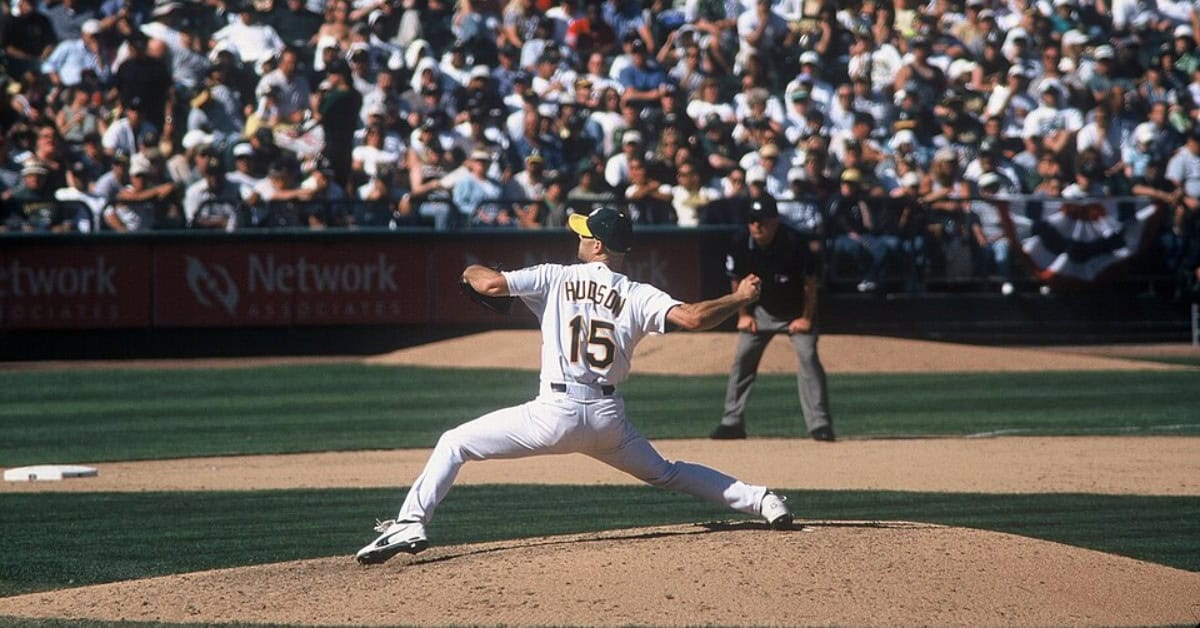
Tim Hudson anchored Oakland’s “Big Three” rotation alongside Barry Zito and Mark Mulder, winning 20 games in 2000 and posting a 3.30 ERA over his first six seasons. The Alabama native’s sinker-slider combination befuddled hitters throughout the decade, earning him 222 career wins and a 3.49 ERA across 17 seasons. Hudson’s durability and consistency made him a staff ace wherever he pitched—Oakland, Atlanta, and San Francisco—yet his workmanlike approach and small-market beginnings kept him from receiving Cy Young recognition despite years of elite performance.
Brandon Webb: The Sinkerball Artist Who Made Hitters Look Foolish

Brandon Webb’s sinkerball dropped off tables and into the desert dirt, generating more ground balls than a batting practice pitcher and earning him the 2006 Cy Young Award. The Kentucky native was one of the NL’s most dominant pitchers for a three-year stretch, inducing weak contact with his devastating two-seam fastball that seemed to defy physics. Webb’s peak was brief but brilliant—winning a Cy Young and finishing runner-up twice—before shoulder injuries ended his career prematurely, leaving fans to wonder what might have been for one of the decade’s most dominant pitchers.
Roy Oswalt: Houston’s Ace Who Thrived in the Steroid Era

Roy Oswalt’s compact delivery and four-pitch repertoire made him Houston’s most reliable starter during their golden years, posting a 3.24 ERA from 2001-2010 while hitters were launching baseballs into orbit. The Mississippi native won 20 games twice and consistently finished in the top five in Cy Young voting, anchoring the Astros’ rotation during their 2005 World Series run. Oswalt’s 143 wins and 3.36 ERA in the offensive-heavy 2000s demonstrated remarkable consistency, yet his small-market success and quiet demeanor kept him from achieving the recognition afforded to flashier aces in bigger cities.
Vernon Wells: The Blue Jays’ Five-Tool Star You Forgot About
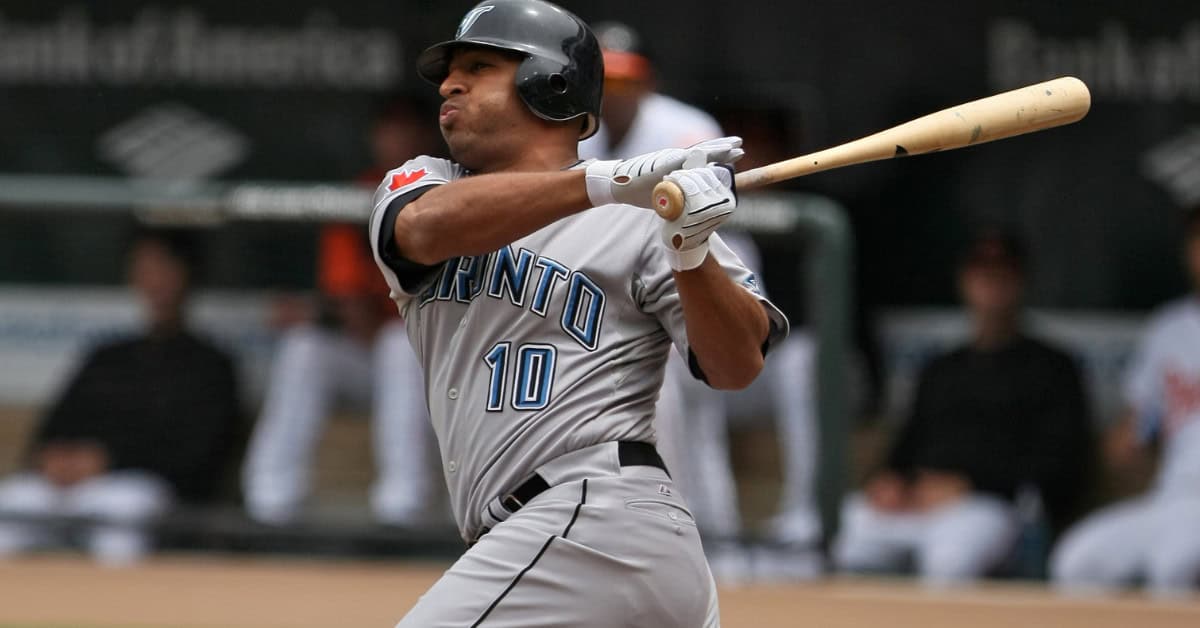
Vernon Wells embodied the complete package during his Toronto prime, combining Gold Glove defense with 30-home run power and the speed to steal 20+ bases annually. The Texas native posted multiple 30-homer seasons, earning three All-Star selections while patrolling center field at the Rogers Centre with grace and athleticism. Wells’ .270 career average and 270 home runs represented steady excellence in the AL East, but playing north of the border for mediocre Blue Jays teams kept him from achieving the recognition his five-tool talent deserved.
Torii Hunter: The Defensive Wizard Who Made Impossible Catches Routine

Torii Hunter turned center field into his personal highlight reel, scaling walls and diving through gaps with the fearlessness of a stuntman and the precision of a surgeon. The Arkansas native won nine Gold Gloves during his 19-year career, including seven consecutive awards from 2001-2007 while patrolling the Metrodome’s expansive center field. Hunter’s 353 career home runs and five All-Star selections proved he could hit as well as field, but his defensive wizardry—including countless home run robberies that left opposing hitters shaking their heads—defined his legacy as one of the decade’s most complete players.