


Last Updated: June 17th, 2026 by Matthew Brown
Before exit velocities and launch angles, baseball was built on batting practice rituals and the sweet crack of Louisville Sluggers echoing through concrete stadiums. George Brett’s 21-year career in Kansas City placed him alongside legends who could turn routine ground balls into poetry and make grown men believe that .400 batting averages were achievable through pine tar and pure determination.
Don't lose this article. Enter your email below, and I'll send it to you right now. Plus, we'll send you other unbelievable stories from baseball's past.
Hal McRae: The Designated Hitter Who Made Pitchers Question Their Life Choices
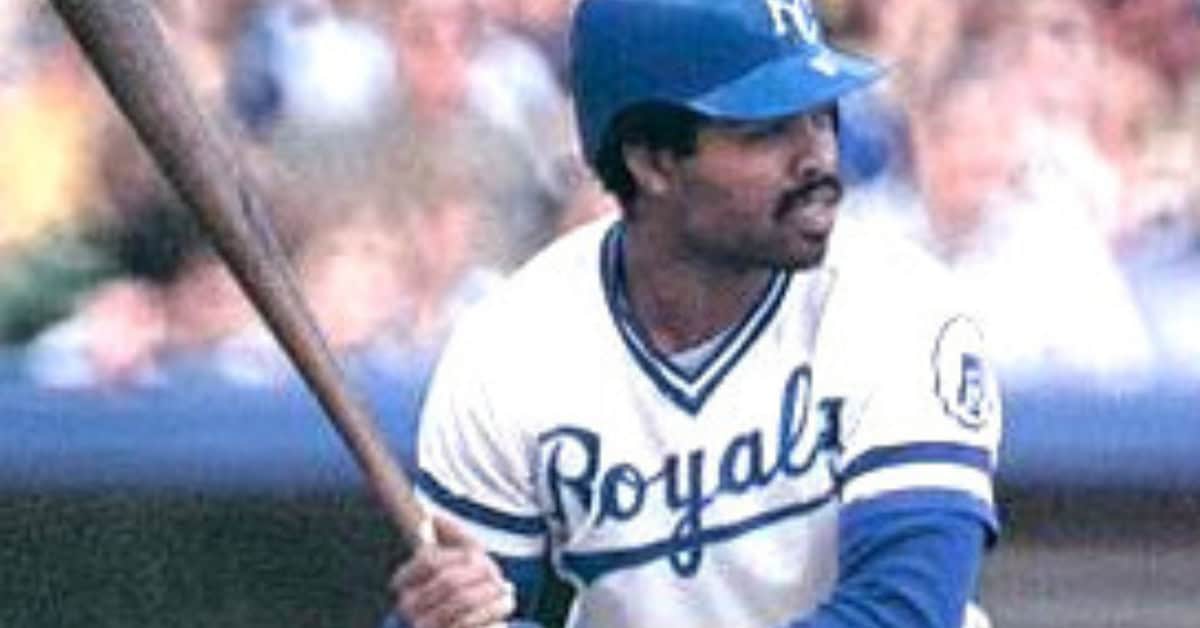
Hal McRae was an intimidating presence in the batter’s box, a fierce competitor whose ability to drive in runs gave George Brett crucial protection in the lineup. As one of the premier designated hitters of his era, McRae’s fiery determination provided a perfect example of professionalism for a young Brett, showing him how to approach the craft when championships hung in the balance.
Frank White: The Second Baseman Who Made Double Plays Look Like Ballet
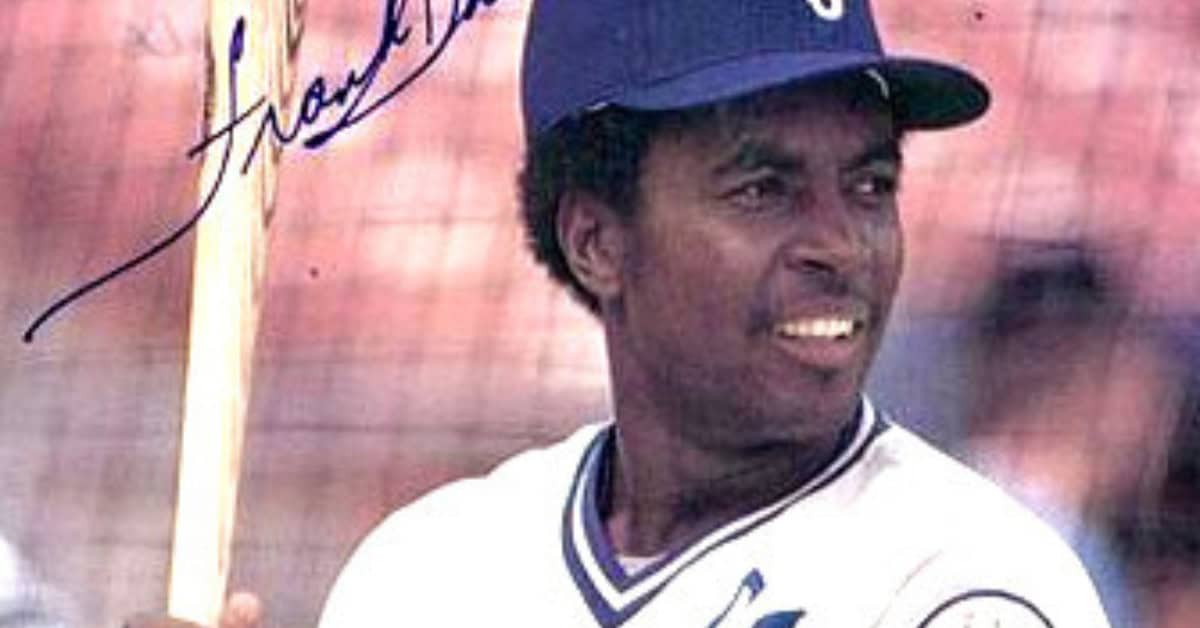
Frank White’s defensive prowess at second base was a thing of beauty; he turned double plays with a smooth precision that earned him eight Gold Gloves. The Kansas City native’s ability to make difficult plays look routine gave Brett confidence in the infield defense. White’s steady presence and clutch hitting provided the reliable excellence that championship teams require.
Willie Wilson: The Speedster Who Could Steal Second While You Blinked
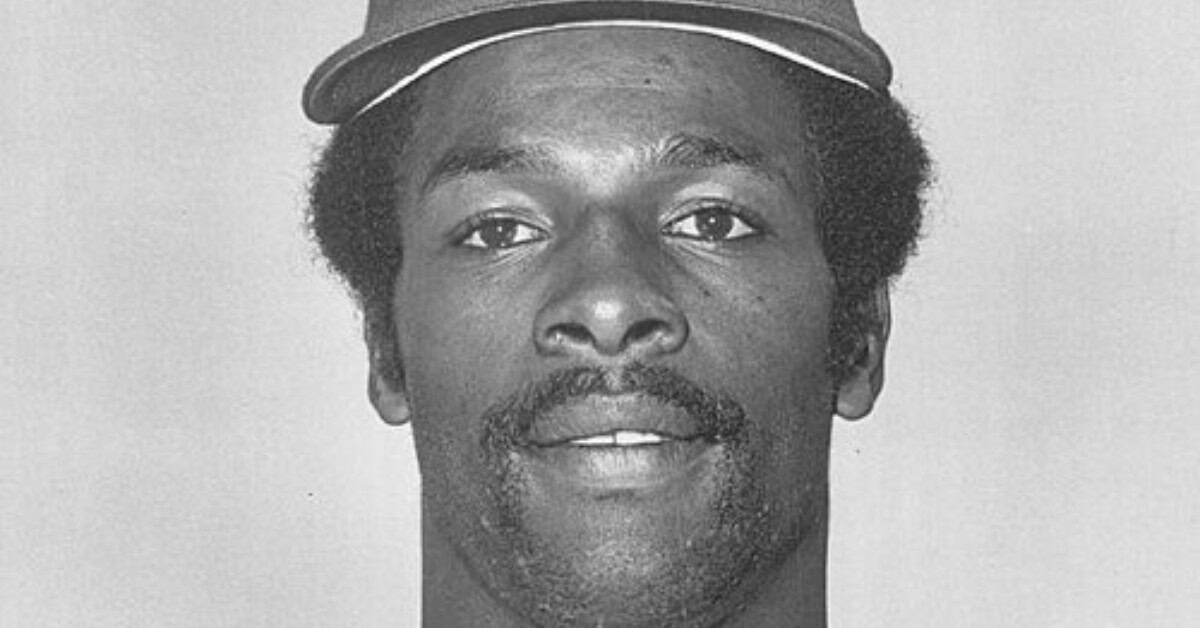
Willie Wilson’s speed was a devastating weapon. With 668 career steals, he could turn a single into a scoring threat in the blink of an eye. As a switch-hitting center fielder, Wilson’s ability to get on base consistently set the table for Brett’s RBI opportunities, creating a dynamic one-two punch that made the Royals offense nearly impossible to contain.
Amos Otis: The Center Fielder Who Patrolled Kauffman Stadium Like a Sheriff
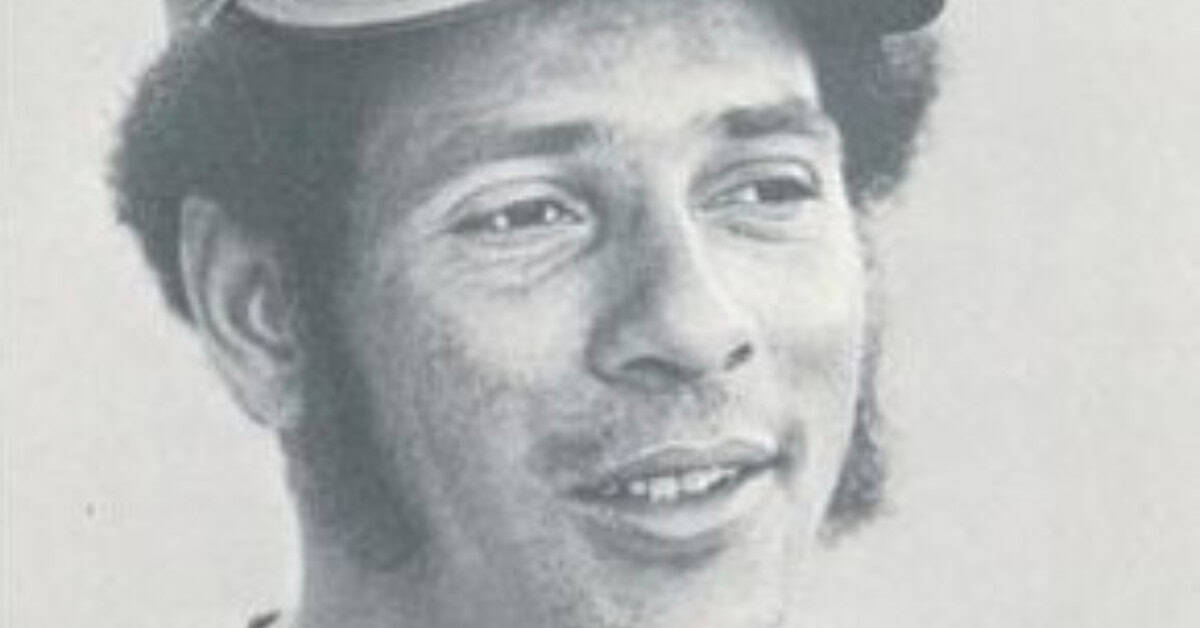
Amos Otis patrolled Kauffman Stadium’s vast center field with the authority of a sheriff, earning three Gold Gloves for his spectacular and consistent play. His ability to track down fly balls gave pitchers confidence and provided veteran leadership that a young superstar like Brett could learn from during his formative years in the major leagues.
Dan Quisenberry: Quiz’s Submarine Delivery That Baffled American League Hitters

Dan “Quiz” Quisenberry’s submarine delivery was one of the most unusual and effective weapons in baseball, baffling hitters and racking up 244 career saves. The quirky closer induced weak contact and gave Brett confidence that any late-inning lead was safe. Quisenberry’s dry wit and philosophical approach also made him a unique personality in a clubhouse full of talent.
Bret Saberhagen: The Cy Young Winner Who Made Fastballs Dance
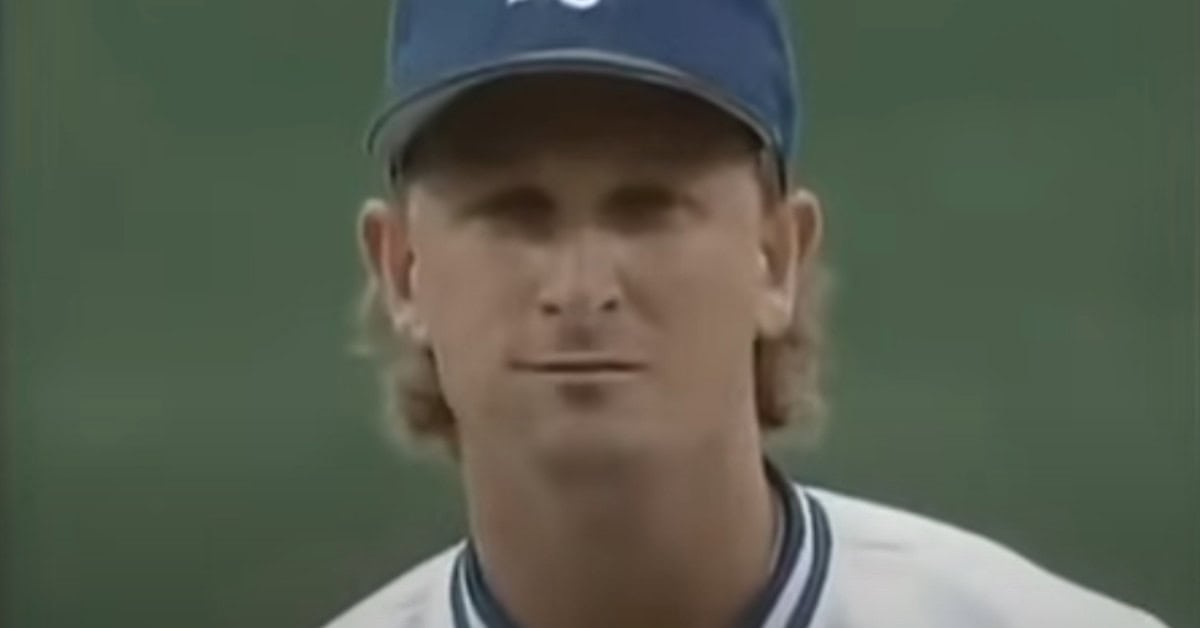
Bret Saberhagen’s fastball had incredible late life, and his mastery of the craft earned him two Cy Young Awards before his 26th birthday. The right-hander’s ability to rise to the occasion, especially during the 1985 World Series, gave the team the ace it needed. Saberhagen’s competitive fire showed Brett that individual excellence was crucial for team success when the stakes were highest.
Dennis Leonard: The Workhorse Who Ate Innings Like Breakfast Cereal
Dennis Leonard was a true workhorse for the Royals’ rotation, a durable right-hander who won 144 games with the club. His ability to pitch deep into games gave the offense multiple opportunities to work against tiring opposing pitchers. Leonard’s professional approach and willingness to take the ball every fifth day set a standard for what it meant to be a competitor.
Larry Gura: The Crafty Lefty Who Made Hitters Look Foolish
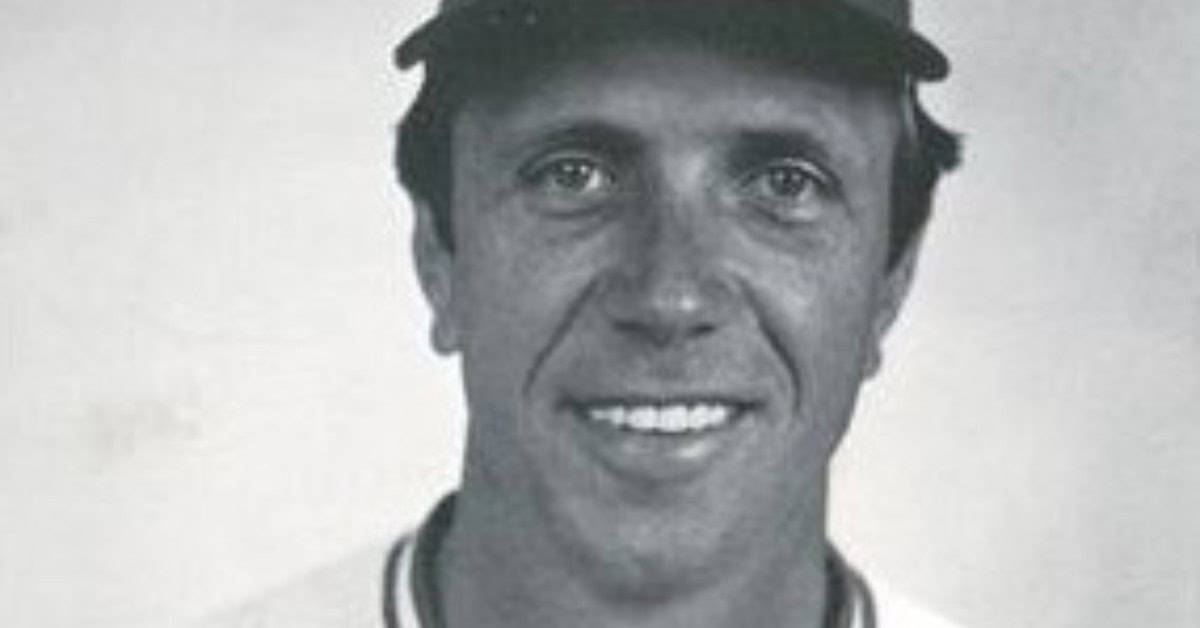
Larry Gura was a crafty left-hander whose repertoire of off-speed pitches kept American League hitters off balance throughout his tenure. With 111 wins as a Royal, he proved that intelligence could be more effective than pure velocity. Gura’s cerebral approach gave his team a chance to win every time he took the mound, a testament to his mental mastery of the game.
John Mayberry: Big John’s Swing That Could Launch Satellites
With a massive frame and a swing to match, John “Big John” Mayberry was an intimidating presence in the Royals lineup. His power provided protection for a young Brett, allowing him to see better pitches and develop his legendary swing. Mayberry’s gentle demeanor off the field, contrasted with his thunderous bat, showed Brett that feared hitters could also be respected leaders.
Cookie Rojas: The Veteran Who Could Play Every Position Except Pitcher
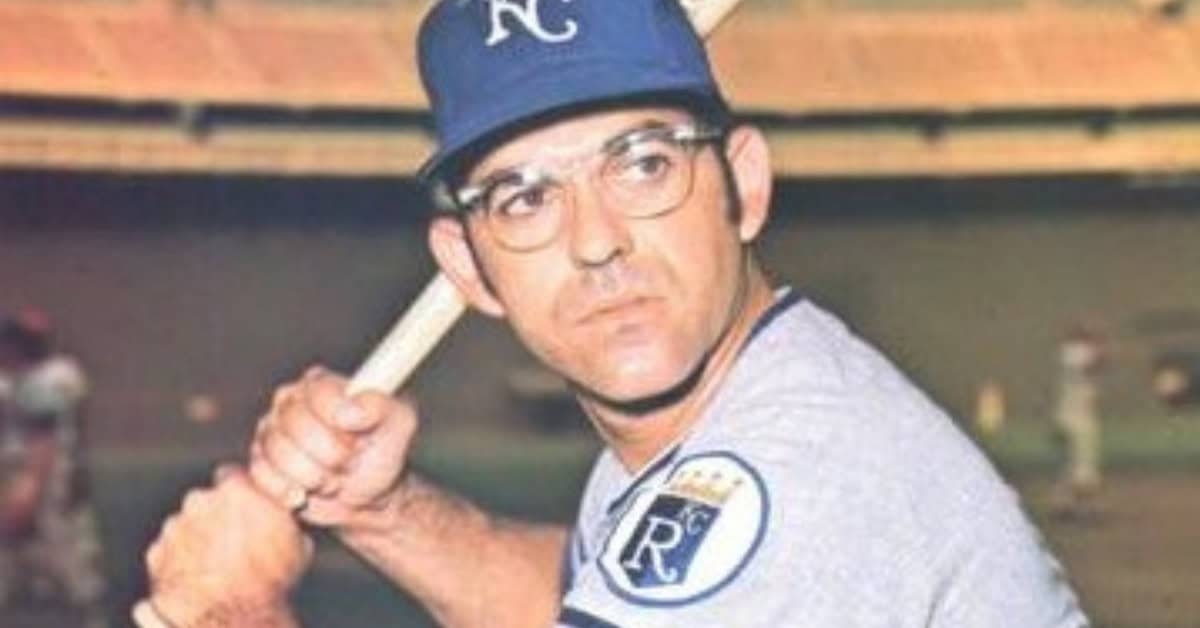
A five-time All-Star, Octavio “Cookie” Rojas was a veteran who could play nearly any position on the diamond with the versatility of a Swiss Army knife. His mentorship was invaluable for young players like Brett, offering insights into the mental and physical demands of the game. Rojas’s steady presence and team-first attitude demonstrated the blueprint for a championship-caliber player.
U.L. Washington: The Shortstop Who Kept a Toothpick in His Mouth While Playing
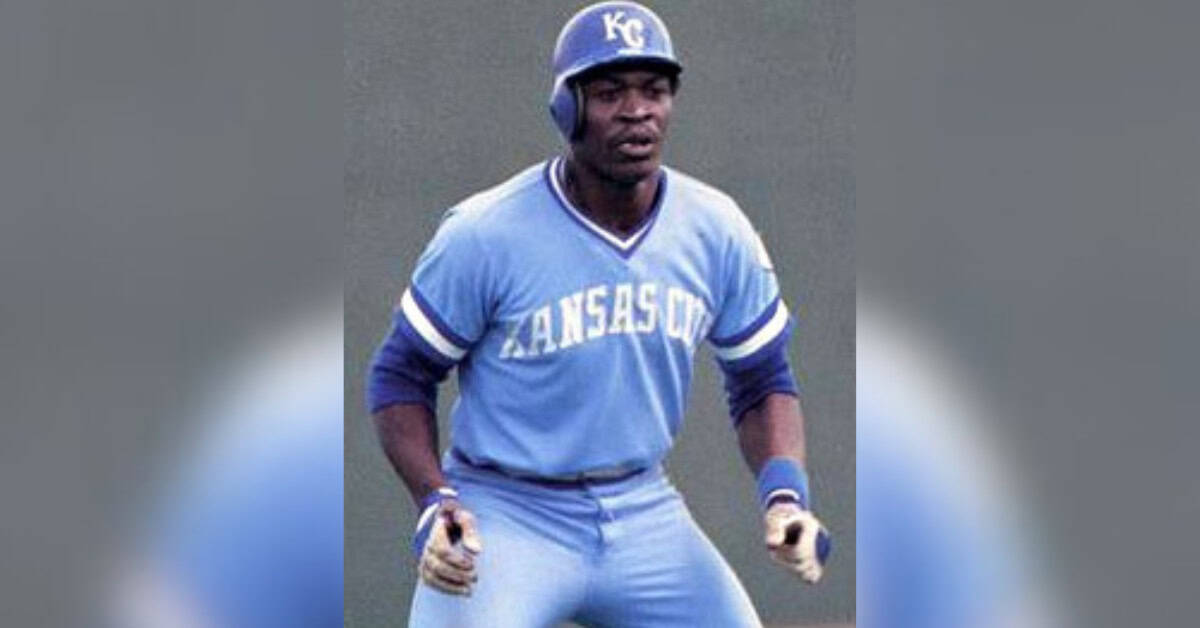
U.L. Washington’s signature toothpick, ever-present during games, made him one of baseball’s most distinctive characters. But beyond the quirk, he was a speedy shortstop who could turn a double play with flair. Washington’s unique style and consistent performance showed that baseball had room for individuality as long as a player could deliver when it mattered.
Steve Busby: The Pitcher Who Threw Two No-Hitters Before Age 25
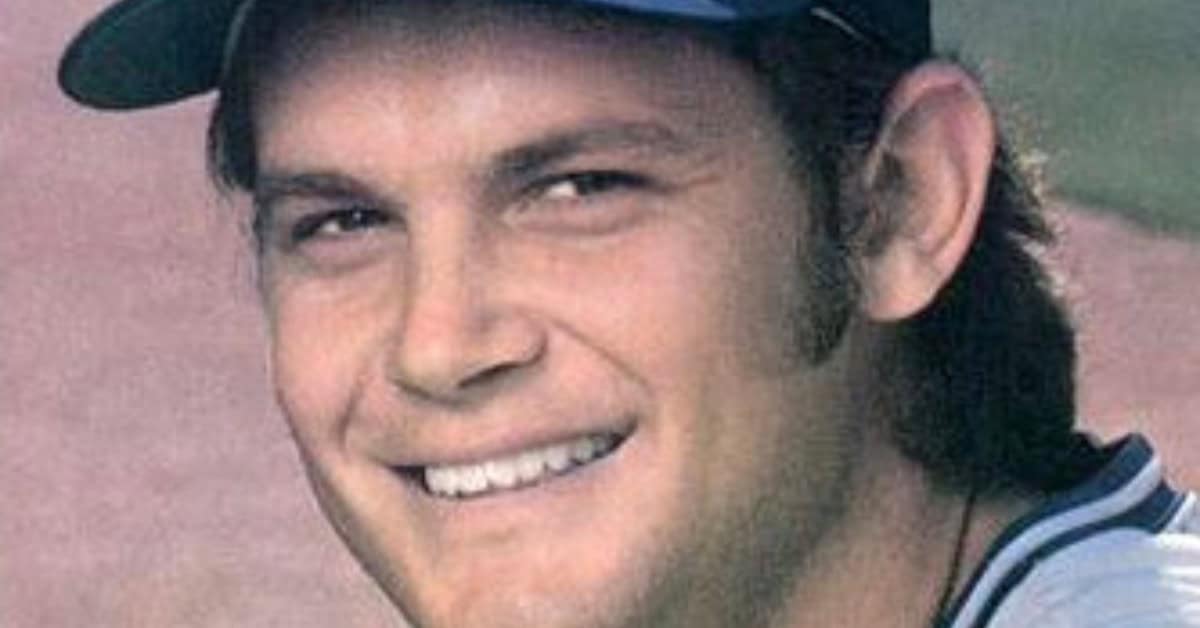
Steve Busby gave a young George Brett a front-row seat to pitching excellence, throwing two no-hitters before he turned 25. His devastating fastball-slider combination made American League hitters look foolish. While his career was ultimately cut short by injury, Busby’s early dominance showed how a brilliant talent could elevate an entire team and served as a lesson that such careers are fragile.
Paul Splittorff: The Left-Hander Who Bled Royal Blue

As the franchise’s all-time leader with 166 wins, Paul Splittorff bled Royal blue. The crafty left-hander’s ability to reinvent himself throughout his long career gave Brett a masterclass in professional longevity. Splittorff’s dedication and his role as a mentor showed Brett what it meant to be a franchise cornerstone.
David Cone: The Perfectionist Who Threw Like a Mad Scientist
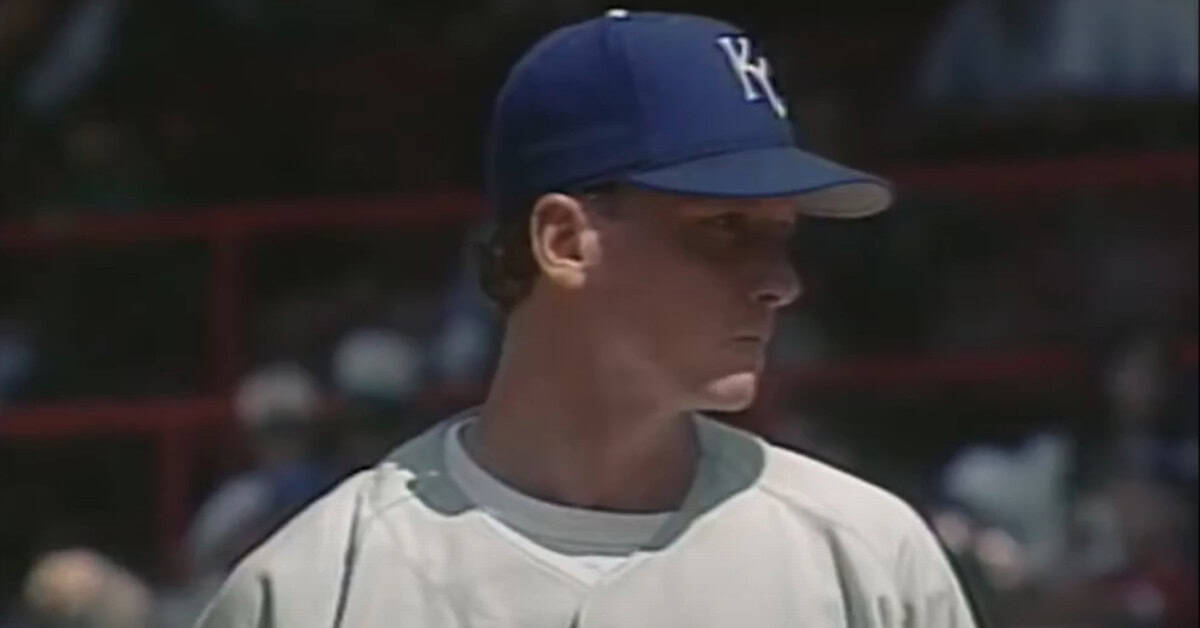
David Cone’s intellectual approach to pitching was like watching a mad scientist at work. His arsenal of pitches, particularly a devastating slider, baffled hitters. Cone’s emergence in Kansas City gave Brett insight into how the modern player was beginning to analyze the game’s mental aspects, and his constant reinvention showed that longevity required both talent and adaptability.
Willie Aikens: The First Baseman Who Hit Like Thor’s Hammer
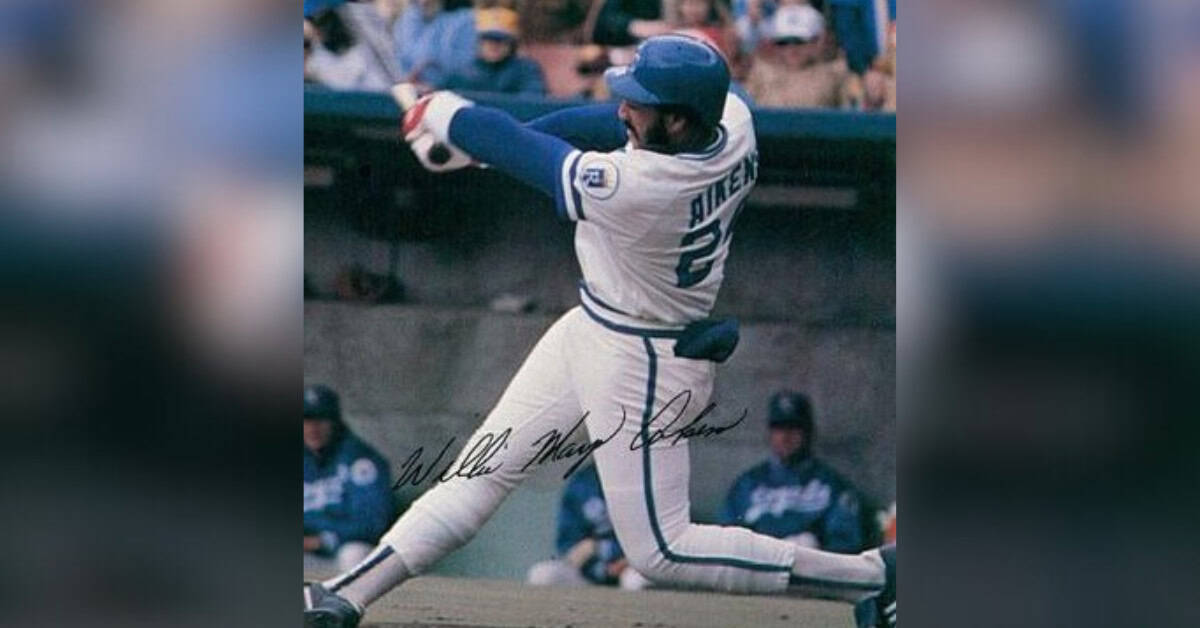
Willie Aikens’ power stroke was legendary, culminating in a historic 1980 World Series where he hit four home runs. His ability to drive in runs from the first base position gave Brett crucial lineup protection. While Aikens’ career was marked by personal struggles, his on-field performance in clutch moments remains an unforgettable part of Royals history.
Freddie Patek: The Tiny Shortstop With the Cannon Arm
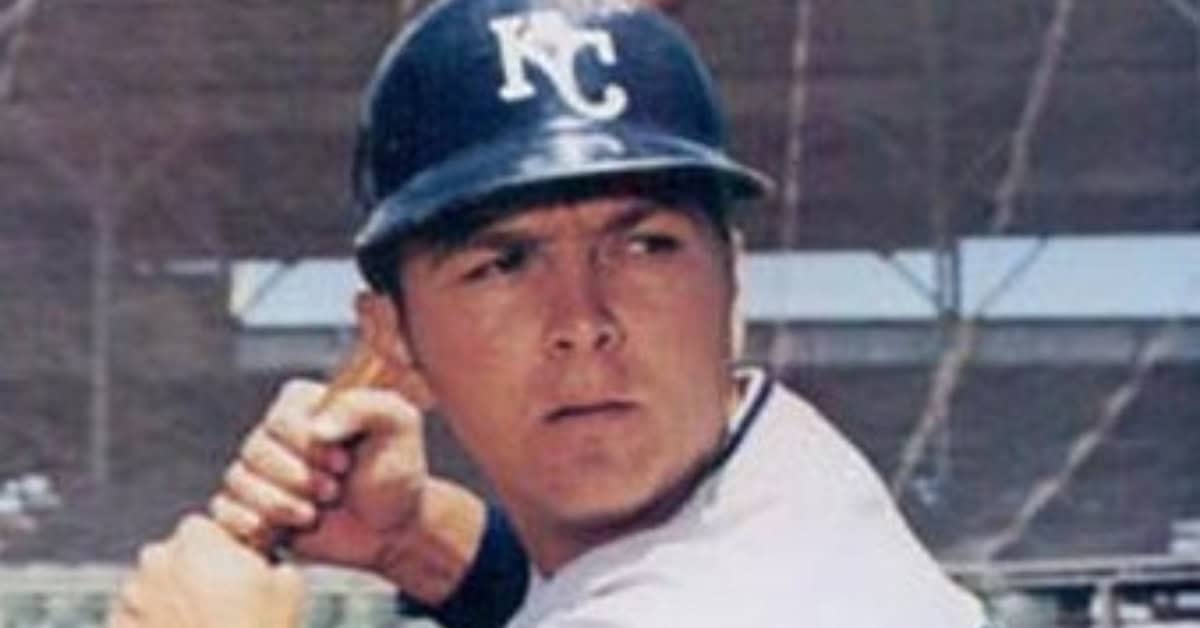
At just 5’5″, Freddie Patek may have been the smallest man on the field, but his rocket arm and fearless defense made him a giant at shortstop. His speed and clutch hitting proved that heart could overcome physical limitations. Patek was a daily reminder that success in baseball comes in all shapes and sizes, and that a refusal to be defined by limitations is what makes a player memorable.
Al Cowens: The Outfielder Who Made Routine Catches Look Spectacular
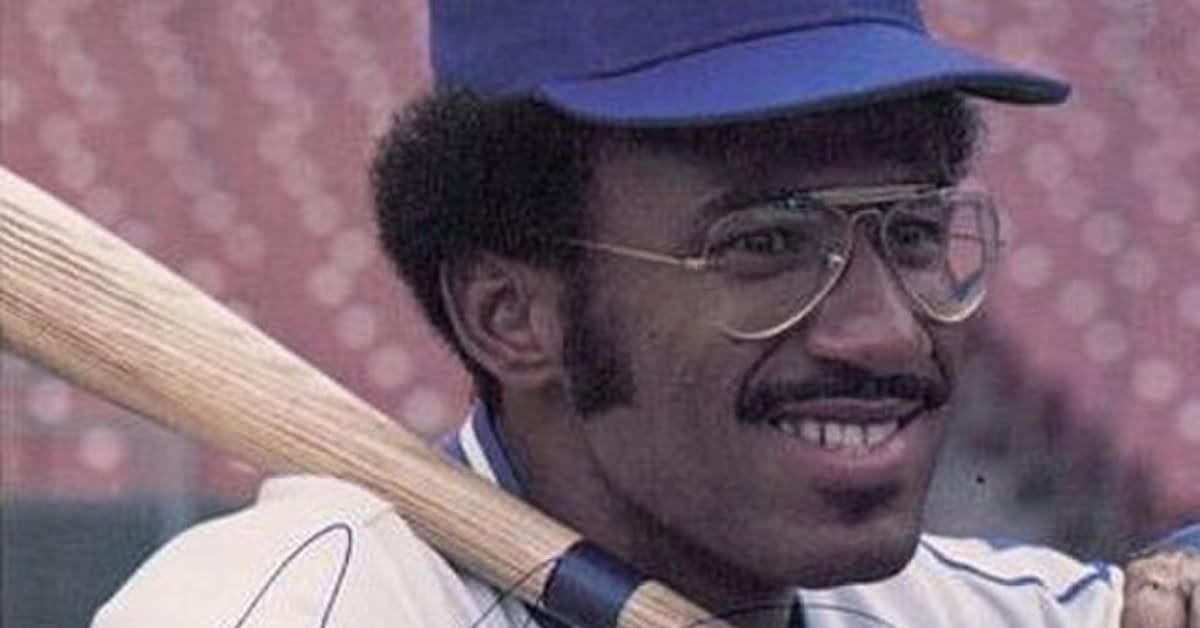
Al Cowens played right field with a fierce intensity, turning routine fly balls into displays of aggressive, all-out effort. His consistent RBI production provided reliable offensive support for the lineup. Cowens’ relentless work ethic and professional approach provided a daily example of how to maintain excellence through sheer dedication.
Mark Gubicza: The Right-Hander Whose Slider Dropped Off Tables
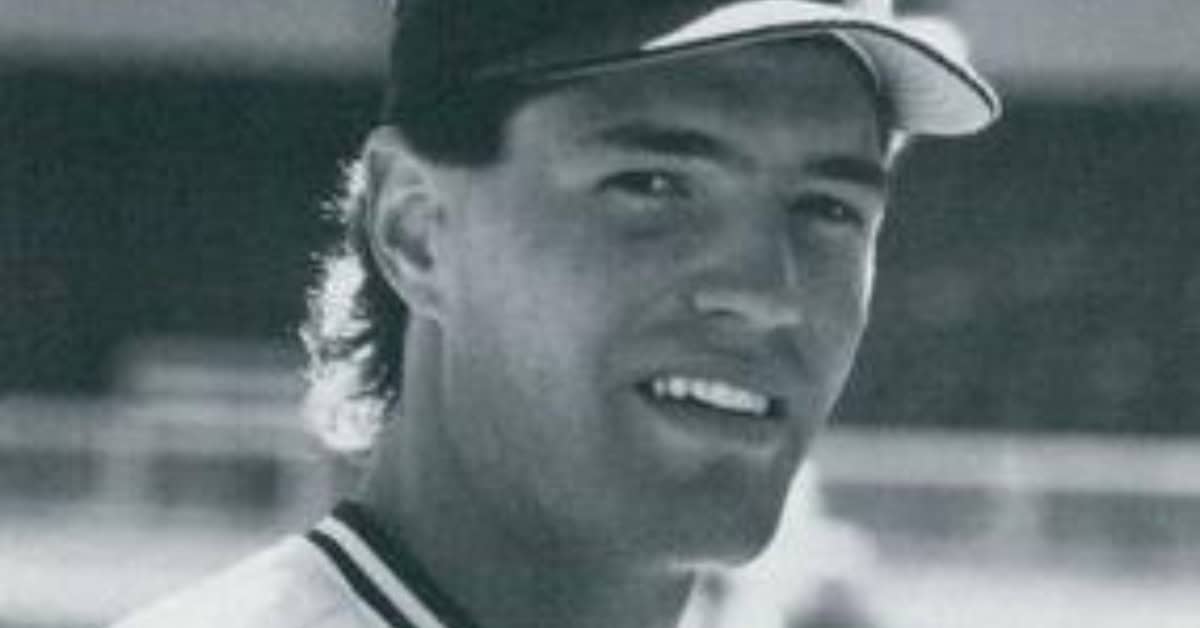
Mark Gubicza’s slider was his signature weapon, a pitch that broke so sharply it seemed to defy physics. As a homegrown talent who won 132 games for the Royals, his ability to dominate lineups gave the team a dependable ace. Gubicza’s loyalty and willingness to pitch through pain showed what it meant to be a franchise cornerstone, embodying a team-first attitude.