
Last Updated: June 17th, 2026 by Michael Schatz
Before ESPN highlights and million-dollar contracts, the 1950s belonged to a different breed of ballplayer—men who rode trains between cities, played hurt, and earned their keep with grit rather than glamour. These forgotten stars lit up ballparks across America when baseball was still the undisputed national pastime, yet their names have faded like old newspaper clippings in dusty attics.
Don't lose this article. Enter your email below, and I'll send it to you right now. Plus, we'll send you other unbelievable stories from baseball's past.
Minnie Miñoso: The Cuban Comet Who Blazed Trails Before Anyone Noticed
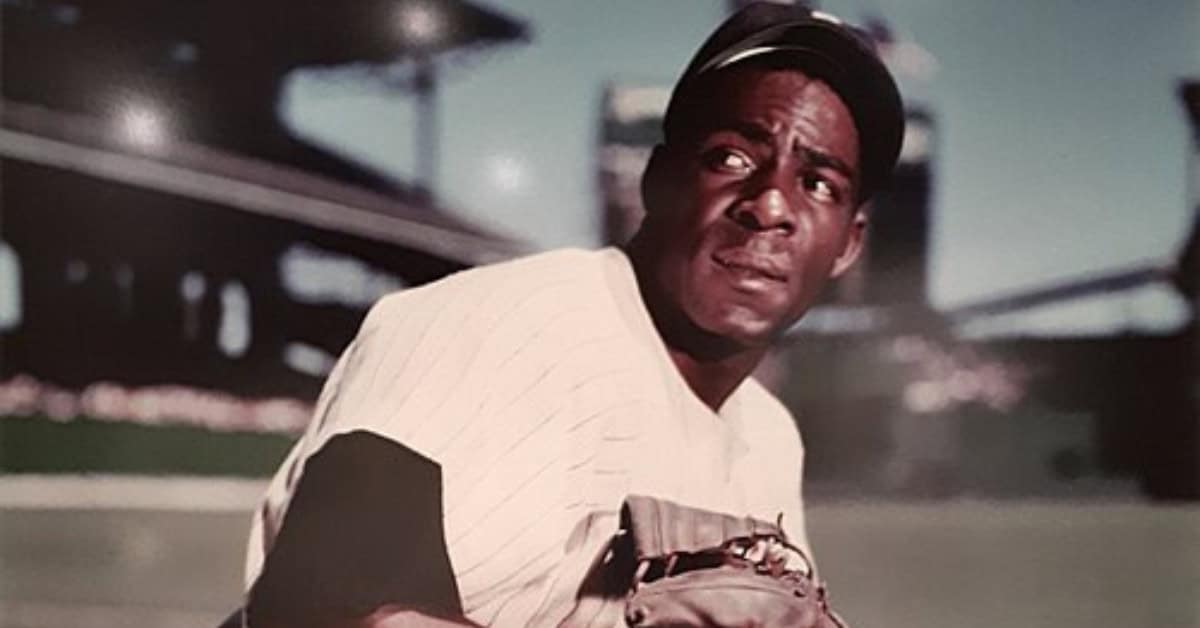
When Saturnino Orestes Armas “Minnie” Miñoso stepped into the batter’s box on May 1, 1951, he didn’t just become the first Black player for the Chicago White Sox—he became baseball’s first Afro-Latino superstar. The Cuban speedster could steal bases like a pickpocket and spray line drives to all fields with the grace of a matador. His infectious smile and aggressive baserunning made Comiskey Park electric, yet somehow his seven All-Star selections and three Gold Gloves get overshadowed by bigger names from that era.
Nellie Fox: The Scrappy Second Baseman Who Made Contact an Art Form

At 5’10” and 160 pounds, Jacob Nelson “Nellie” Fox looked more like your neighborhood accountant than a ballplayer, but the man could flat-out hit. The Pennsylvania native choked up on his bat like he was holding a pencil and sprayed singles around the diamond with surgical precision, leading the American League in singles eight times. His 1959 MVP season helped carry the “Go-Go” White Sox to their first pennant in 40 years, yet Fox remains one of the most overlooked Hall of Famers from baseball’s golden age.
Billy Pierce: The White Sox Southpaw Who Painted Corners Like Picasso
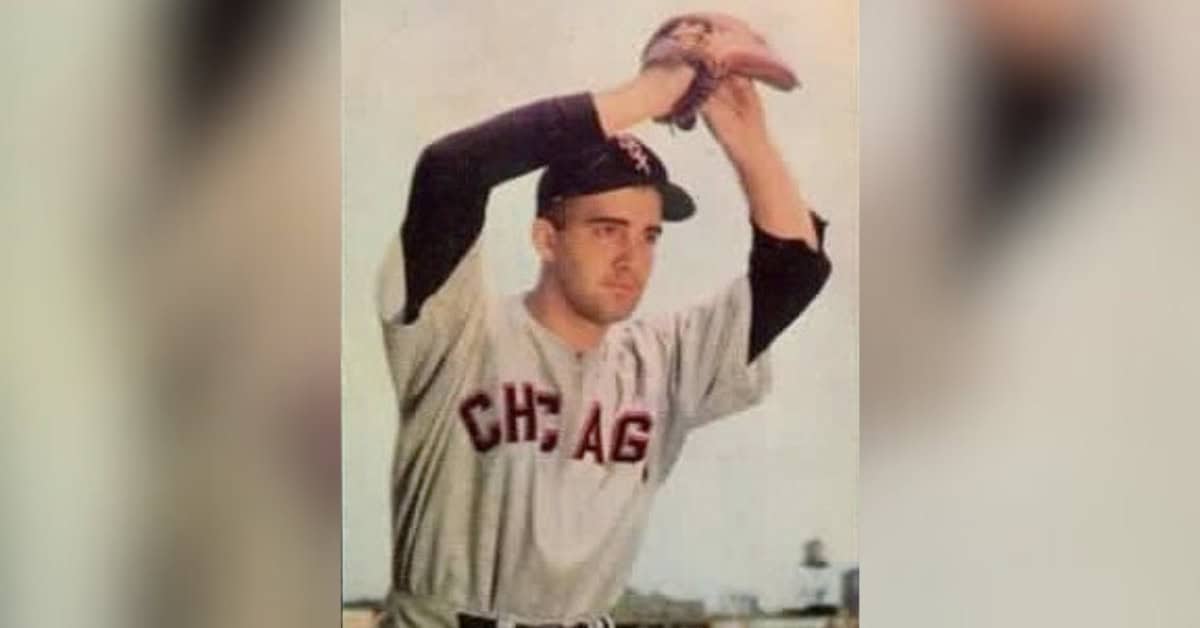
Billy Pierce threw fastballs that seemed to whistle past batters’ ears and curveballs that dropped off tables, compiling 211 career wins with pinpoint control that made Ted Williams tip his cap. The Detroit native won 155 games in the 1950s—more than any other American League lefty—and started three All-Star games during the decade. Despite posting an ERA under 3.00 in seven different seasons and helping anchor those great White Sox teams, Pierce’s name rarely surfaces in discussions of the era’s greatest pitchers.
Harvey Kuenn: The Batting Champion Nobody Remembers
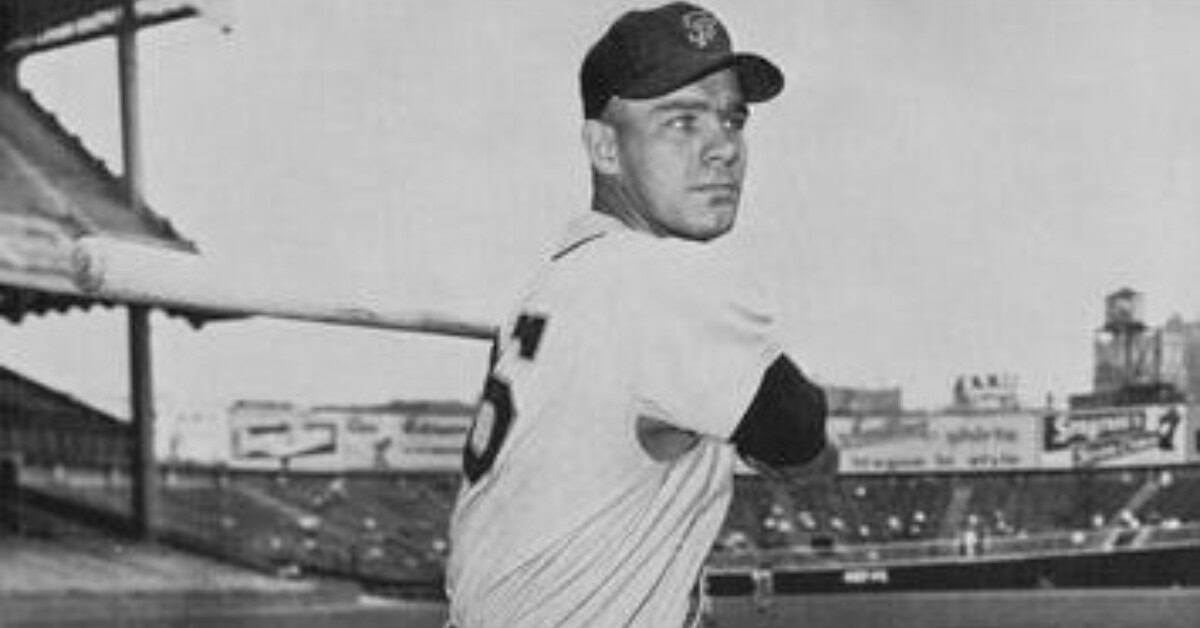
Harvey Kuenn was a hitting machine disguised as a mild-mannered Midwesterner, collecting base hits like a stamp collector gathers rare finds. The Wisconsin native won the 1959 American League batting title with a .353 average and led the league in hits four times during the decade, yet somehow gets lost in the shuffle of Detroit Tigers history. His sweet swing produced a .303 career average and 2,092 hits, but Kuenn’s quiet demeanor and workmanlike approach meant he never captured the public’s imagination like his flashier contemporaries.
Richie Ashburn: The Phillies Speedster Who Could Spray Hits Like a Garden Hose

“Whitey” Ashburn patrolled center field at Philadelphia’s Shibe Park like a prairie dog scanning for danger, covering ground with deceptive speed and a rifle arm that kept runners honest. The Nebraska native won two batting titles in the 1950s and finished the decade with a .311 average, using his keen eye and contact hitting to frustrate pitchers across the National League. Despite being the catalyst for the 1950 “Whiz Kids” pennant winners and earning four All-Star selections in the decade, Ashburn waited until 1995 for his well-deserved Hall of Fame induction.
Gil Hodges: The Gentle Giant First Baseman Brooklyn Loved More Than Ebbets Field

Gil Hodges possessed hands so large they could palm a basketball and a swing so smooth it looked effortless, making him the most beloved Dodger not named Jackie Robinson or Duke Snider. The Indiana native drove in over 100 runs seven times during the 1950s and hit 310 home runs during the decade, providing the quiet leadership that helped hold together those legendary “Boys of Summer” teams. His graceful fielding and clutch hitting made him a fan favorite in Flatbush, yet Hodges had to wait until 2022 for his posthumous induction into Cooperstown, an honor many felt was long overdue.
Allie Reynolds: The Superchief Who Threw No-Hitters Like They Were Batting Practice
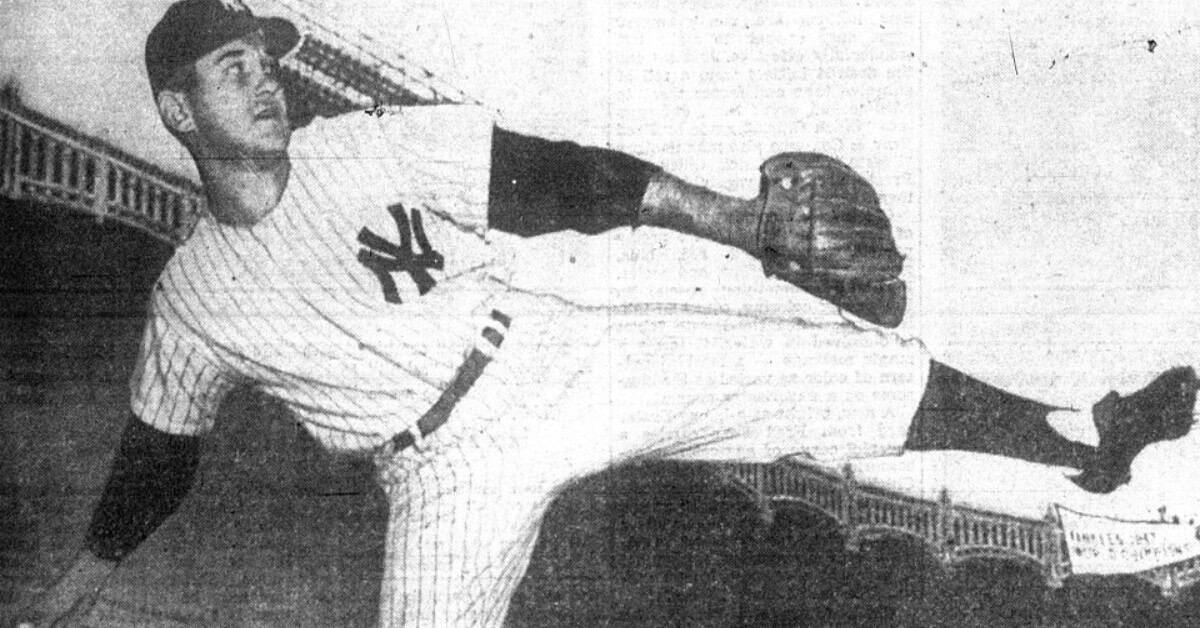
Allie Reynolds earned his nickname “Superchief” not just for his Creek Indian heritage, but for the way he dominated opposing lineups with a blazing fastball and devastating slider. The Oklahoma native threw two no-hitters in 1951 alone and won 83 games during the 1950s while helping the Yankees capture six World Series titles. His clutch pitching in October—including seven World Series victories—made him Casey Stengel’s most trusted arm. Yet, Reynolds gets overshadowed by Whitey Ford and other Yankees legends despite superior postseason numbers.
Larry Doby: The Quiet Pioneer Who Integrated the American League

Just 11 weeks after Jackie Robinson broke baseball’s color barrier in the National League, Larry Doby quietly walked into Cleveland’s Municipal Stadium and became the American League’s first Black player. The South Carolina native endured the same hatred and isolation as Robinson but with far less fanfare, using his powerful swing and graceful center field play to let his performance speak for itself. Doby helped lead the Indians to their 1948 World Series championship and hit 253 career home runs, yet his pioneering role gets overshadowed by Robinson’s more celebrated journey.
Vic Raschi: The Springfield Rifle Who Fired Strikes for Five Yankee Championships
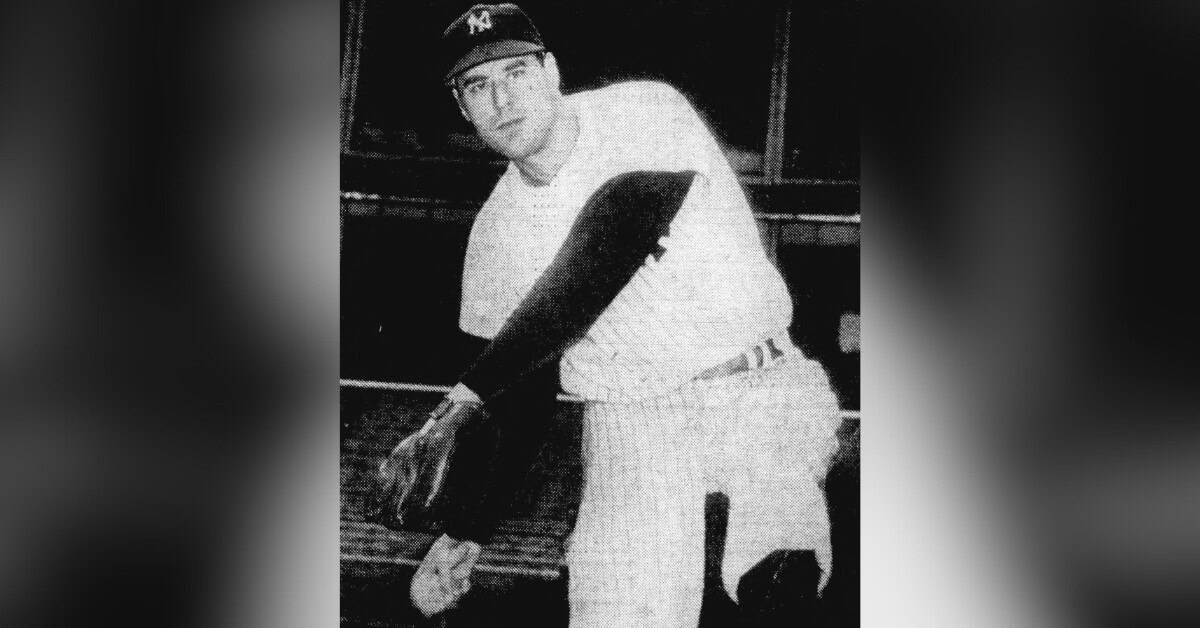
Victor “Vic” Raschi threw fastballs with the precision of a marksman and the fury of a thunderstorm, earning his “Springfield Rifle” nickname by consistently firing strikes past the game’s best hitters. The Massachusetts native won 21 games three straight seasons (1949-1951) and compiled a 92-50 record during the 1950s while anchoring the Yankees’ dynastic pitching staff. His fierce competitiveness and clutch performances helped New York win five consecutive World Series titles from 1949-1953, yet Raschi’s contributions get lost among the Yankees’ embarrassment of riches from that golden era.
Herb Score: The Flamethrower Whose Career Ended in One Horrifying Moment
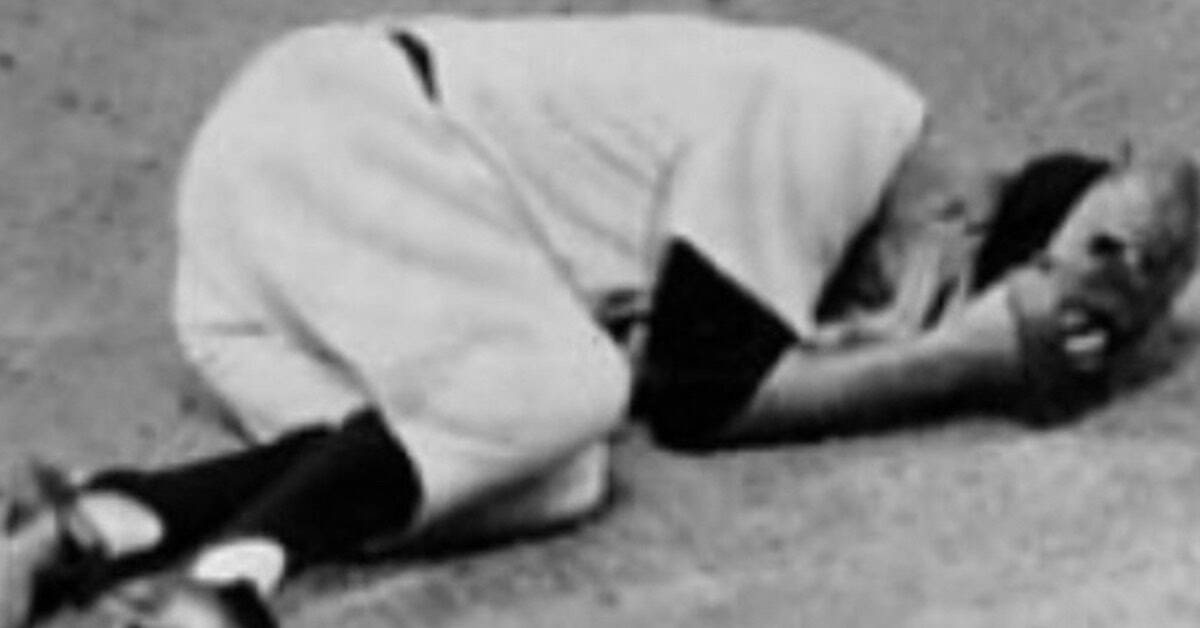
Herb Score’s left arm was a lightning bolt wrapped in flannel, throwing fastballs that made seasoned hitters look like Little Leaguers swinging at smoke. The New York native struck out 245 batters as a rookie in 1955 and followed with 263 strikeouts the next season, establishing himself as the most dominant young pitcher in baseball. Then came that fateful night in May 1957 when Gil McDougald’s line drive struck Score in the face, effectively ending one of the most promising careers in baseball history and leaving fans to wonder what might have been.