

Last Updated: June 17th, 2026 by Michael Schatz
Baseball’s Hall of Fame in Cooperstown is home to the game’s greatest players, but not all inductees are created equal. Here’s a look at 10 Hall of Famers whose credentials have sparked debate among baseball historians and analysts.
Don't lose this article. Enter your email below, and I'll send it to you right now. Plus, we'll send you other unbelievable stories from baseball's past.
1. Harold Baines: A Controversial Modern Selection
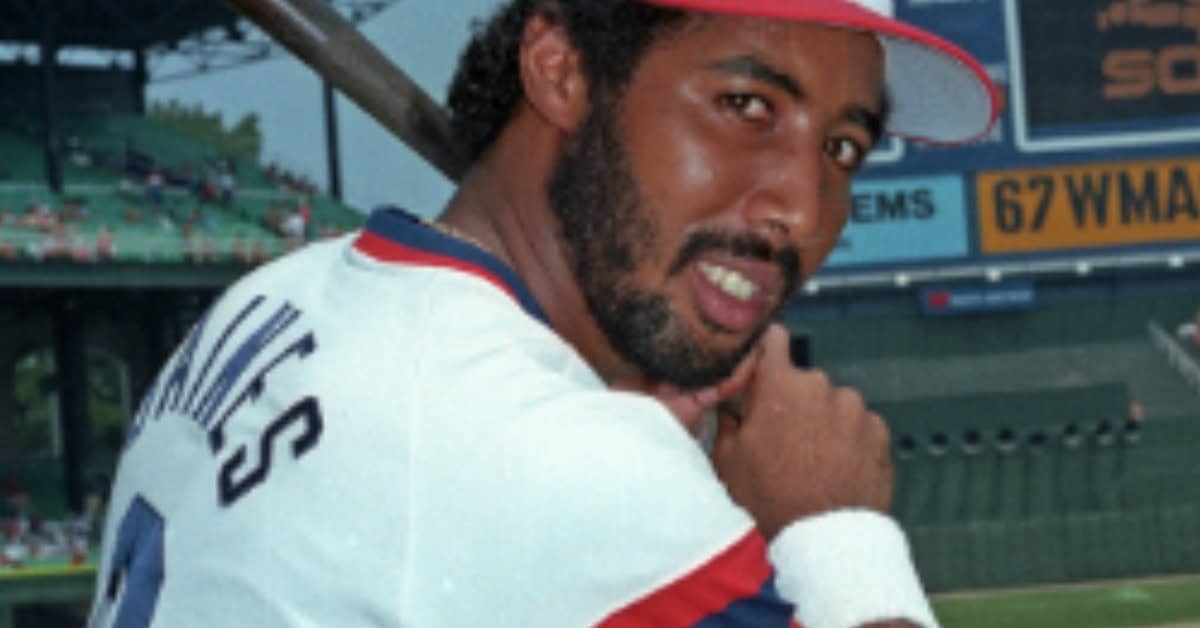
Harold Baines’ 2019 induction raised eyebrows throughout the baseball world. Despite a solid .289 career batting average and 2,866 hits over 22 seasons, his 38.7 WAR falls significantly below typical Hall standards. Never finishing higher than 9th in MVP voting and making just six All-Star appearances, Baines’ selection by the Today’s Game Era Committee remains one of Cooperstown’s most debated decisions.
2. Bruce Sutter: Revolutionary But Brief Career

While Bruce Sutter revolutionized relief pitching with his split-finger fastball, his career lasted just 12 seasons. Despite 300 saves and a stellar 2.83 ERA, his 24.3 WAR ranks among the lowest for Hall of Fame pitchers. His brief but brilliant peak raises questions about the value of short-term dominance versus long-term consistency.
3. Lloyd Waner: Riding His Brother’s Coattails

Nicknamed “Little Poison,” Lloyd Waner’s Hall of Fame case seems largely built on his association with his more talented brother Paul. With a .316 career average but just 27.4 WAR over 18 seasons, his numbers rank among the weakest for Hall of Fame outfielders. Despite playing in a high-offense era, he managed only 28 home runs and never led the league in any major offensive category.
4. Phil Rizzuto: The Beloved Scooter

Phil “Scooter” Rizzuto’s popularity as a Yankees broadcaster may have influenced his selection more than his playing career. His .273 batting average and 40.8 WAR fall short of Hall standards, despite winning an MVP award in 1950. While an excellent defender, his numbers benefited significantly from playing on dominant Yankees teams of his era.
5. Jim Rice: Fenway’s Fearsome Slugger
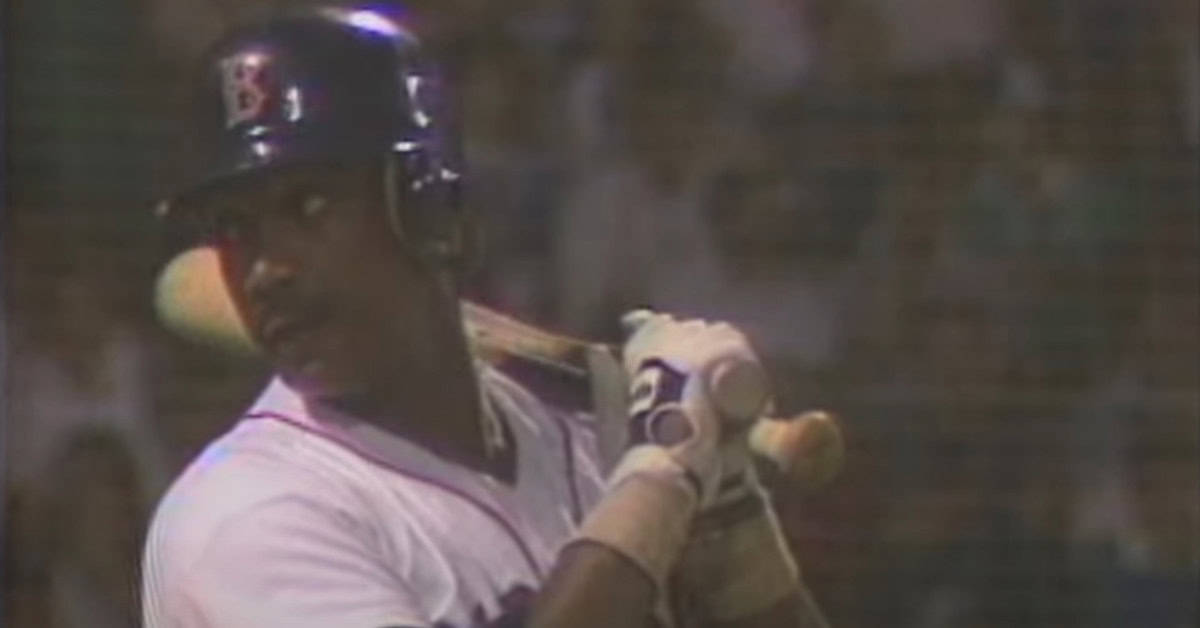
Despite being one of baseball’s most feared hitters during his prime, Jim Rice’s career numbers (382 home runs, .298 average, 47.7 WAR) don’t quite match Hall of Fame standards. His production declined sharply after age 33, and his road numbers were notably worse than his Fenway Park statistics. While his peak years were impressive, his overall career falls short of truly elite outfielders.
6. High Pockets Kelly: A Questionable Veterans Committee Pick

George “High Pockets” Kelly exemplifies the questionable Veterans Committee selections of the 1970s. With a modest .297 career average and just 25.3 WAR, he ranks among the weakest first basemen in Cooperstown. Playing in the offense-heavy 1920s, his numbers were merely above average, not exceptional, and his selection appears influenced more by committee relationships than merit.
7. Freddie Lindstrom: A Short Career of Question Marks
Another controversial Veterans Committee selection, Lindstrom’s 13-season career produced a .311 average but only 28.3 WAR. His numbers, while solid for his era, don’t stand out when adjusted for the high-offense period in which he played. With just one truly elite season, his selection remains one of the more puzzling Veterans Committee decisions.
8. Ray Schalk: Defense Over Offense
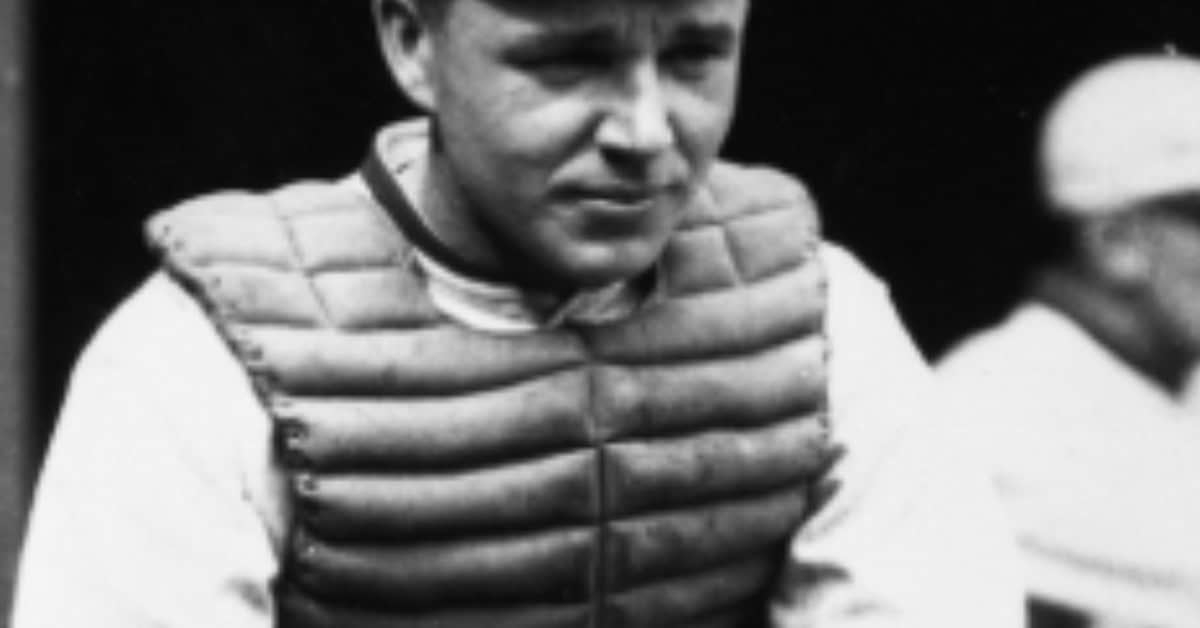
While Ray Schalk revolutionized catching defense, his offensive numbers are the weakest of any position player in the Hall. A career .253 hitter with just 11 home runs over 18 seasons, his 28.5 WAR falls well below Hall standards. Though respected for his defensive innovations, his overall impact doesn’t justify his place among baseball’s greatest players.
9. Jesse Haines: A Friend in High Places
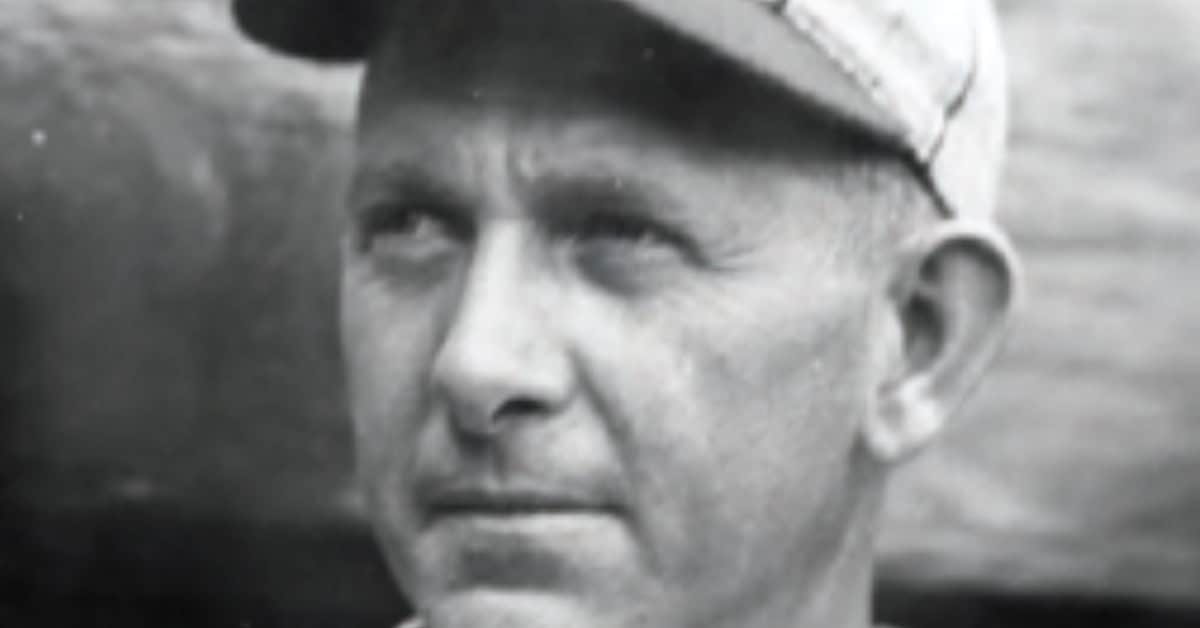
Jesse Haines accumulated 210 wins mainly through longevity and playing for excellent Cardinals teams. His 3.64 ERA and 32.6 WAR are among the lowest figures for Hall of Fame pitchers. His selection appears heavily influenced by former teammate Frankie Frisch’s presence on the Veterans Committee rather than his actual performance level.
10. Rube Marquard: Fame Over Fortune
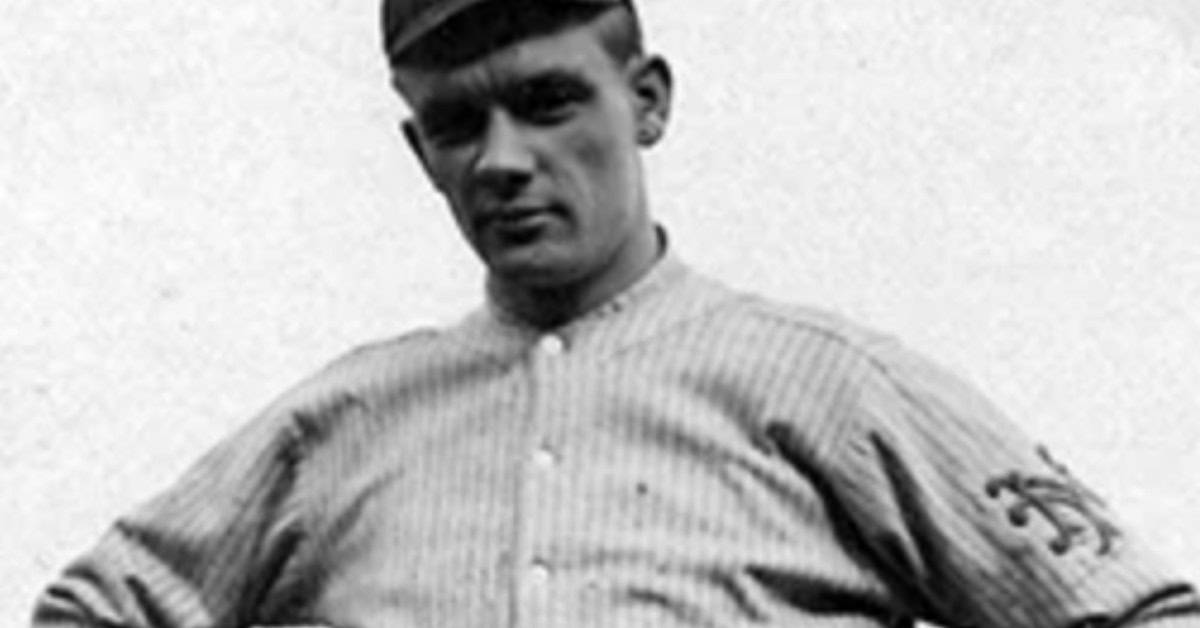
Despite a famous 19-game winning streak in 1912, Marquard’s career numbers (201-177, 3.08 ERA, 34.2 WAR) don’t justify Hall of Fame status. His election seems based more on early career fame and longevity than sustained excellence. Modern analysis suggests he was merely an above-average pitcher who benefited from playing in the deadball era.