

Last Updated: June 17th, 2026 by Michael Schatz
Before television changed everything, when radio crackled with play-by-play and box scores were gospel, the 1940s belonged to the men behind the plate. These were the catchers who called the shots, took the hits, and made the decade unforgettable. Here are the backstops who defined an era when baseball was America’s true pastime.
Don't lose this article. Enter your email below, and I'll send it to you right now. Plus, we'll send you other unbelievable stories from baseball's past.
Walker Cooper – The Cardinals’ Wartime Powerhouse
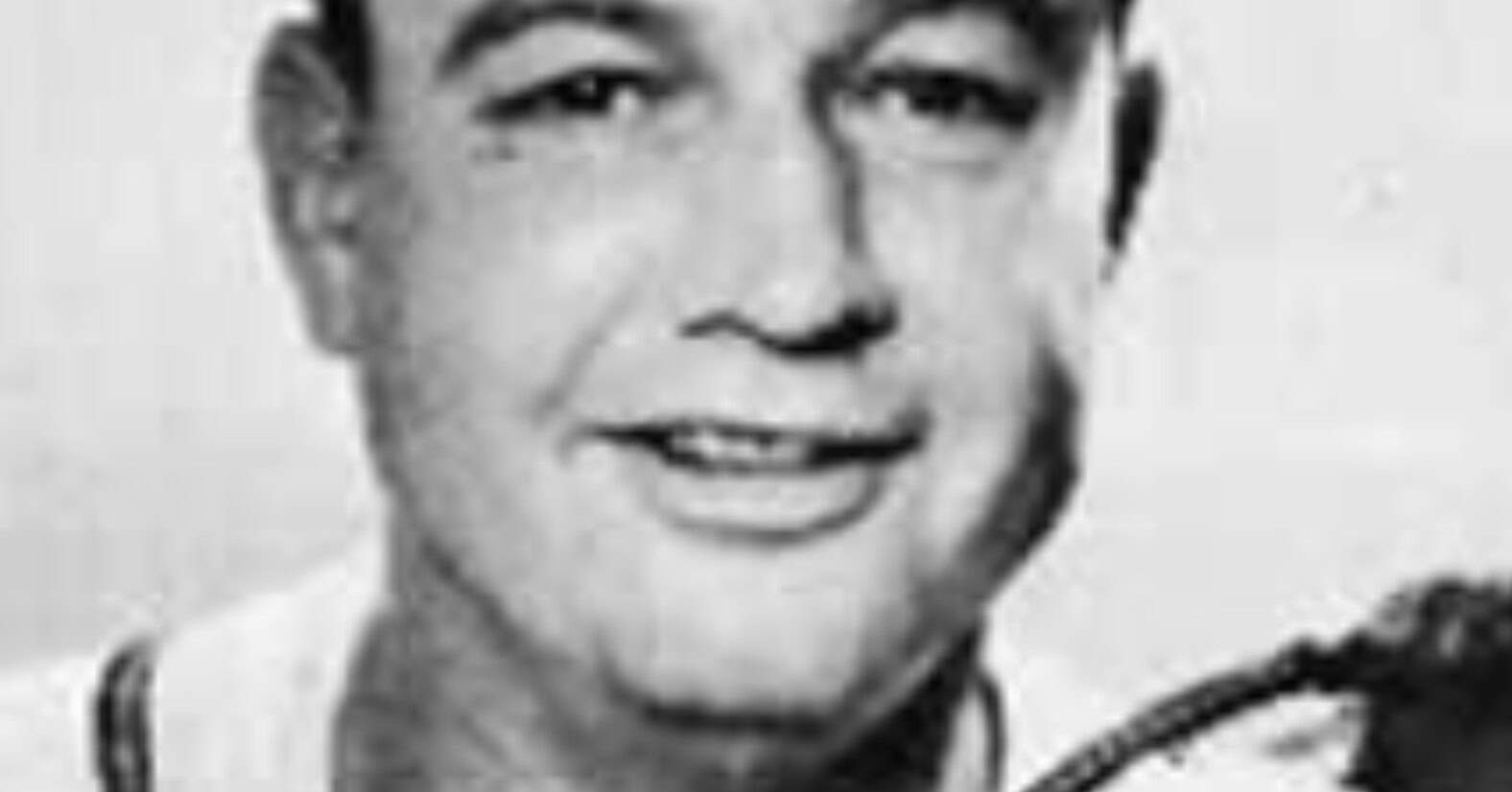
Widely considered one of the best catchers of the 1940s, Walker Cooper was the beating heart of St. Louis Cardinals baseball during the war years. This 6’3″ tower of power made seven All-Star teams in the decade and helped the Cardinals win World Series titles in 1942 and 1944. Cooper’s .318 batting average in 1943 was just one highlight in a career that saw him become one of the only catchers to drive in 10 runs in a single game, a feat he accomplished in 1949 against the Cubs.
Bill Dickey – The Yankee Legend’s Final Act
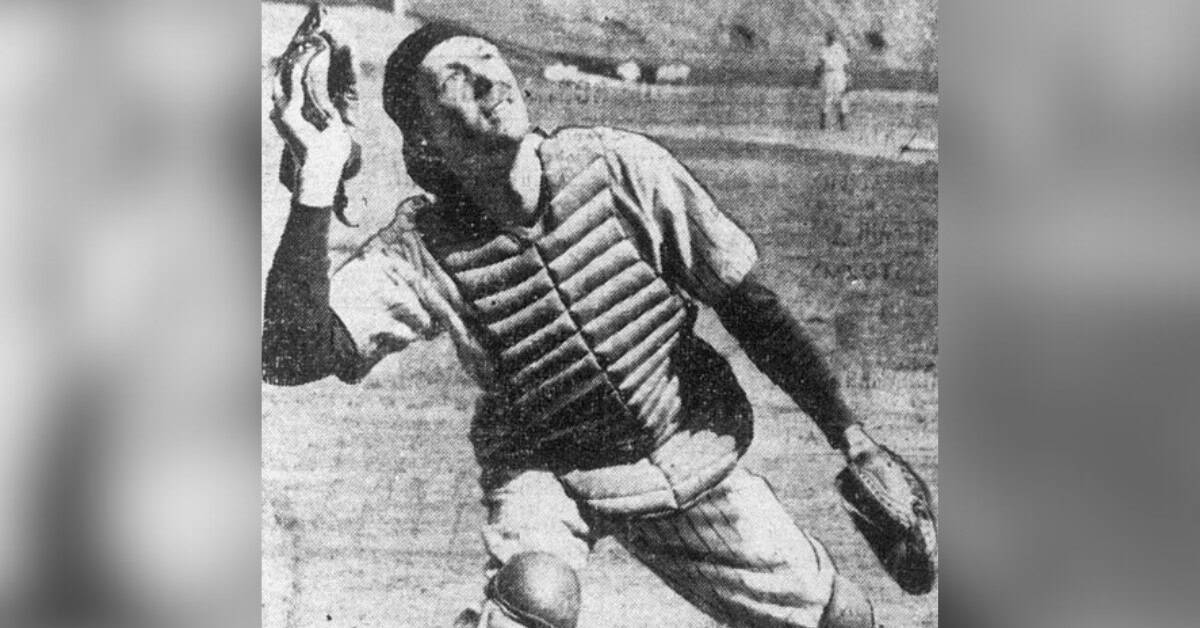
The Arkansas native who redefined what it meant to be a Yankees catcher spent the early 1940s cementing his Hall of Fame legacy. Though his best years were behind him, Dickey remained the steady presence behind the plate that Yankees fans had come to expect. His .362 batting average in 1936 still stands as the American League’s single-season record for a catcher, and his mentorship of a young Yogi Berra in the mid-1940s helped shape the next generation of Yankees greatness.
Ernie Lombardi – The Schnozz’s Twilight Years
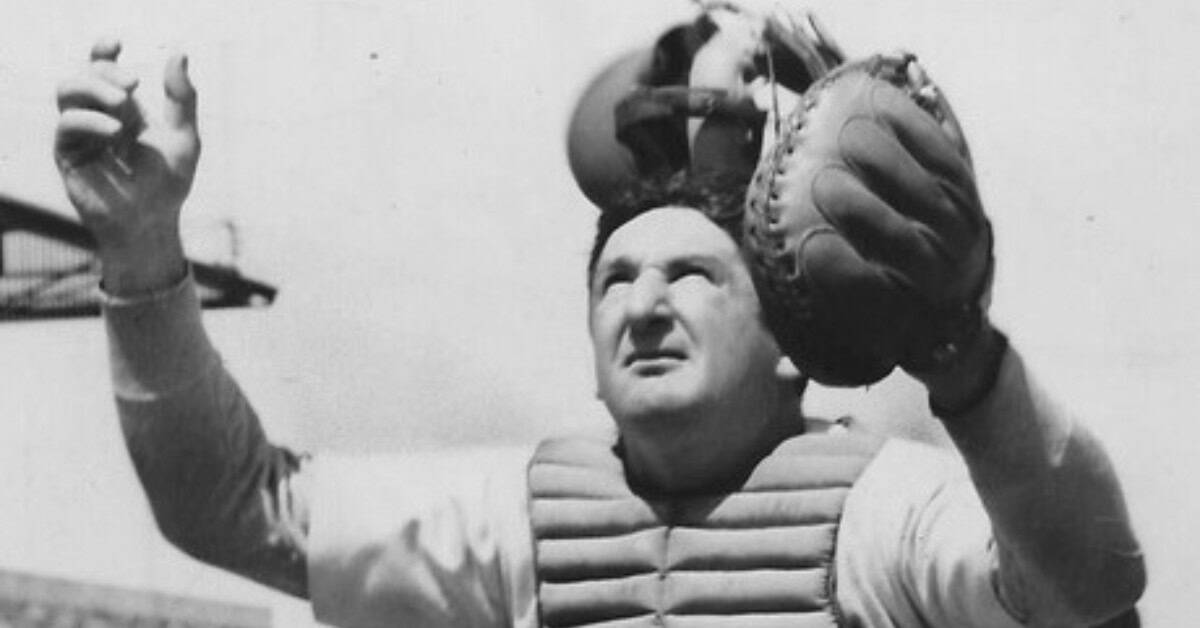
The man with the most famous nose in baseball was still swinging a dangerous bat as the 1940s dawned. Lombardi’s .319 batting average in 1940 with the Cincinnati Reds proved that even at 32, “The Schnozz” could still rake. Though his legendary slowness on the basepaths made him a target for double plays, his ability to hit for average and his cannon arm kept him valuable. His 1942 season with the Boston Braves showed he could still contribute at age 34, hitting .330 in limited action.
Frankie Hayes – The Athletics’ Steady Hand
While Connie Mack’s Philadelphia Athletics struggled through the 1940s, Frankie Hayes provided one of the few bright spots behind the plate. The Massachusetts native was a workhorse who caught over 130 games in multiple seasons during the decade, including a career-high 138 games in 1944. Hayes combined solid defense with surprising pop, launching 13 home runs in 1940 and maintaining a respectable batting average throughout the war years. His durability and consistency made him one of the most reliable catchers of the era.
Yogi Berra – The Future Legend’s Debut

September 22, 1946, marked the beginning of something special when a 21-year-old Lawrence “Yogi” Berra made his Yankees debut. The D-Day veteran from St. Louis played just seven games that season but showed flashes of the greatness to come, including a home run in his first start. Though he split time between catching and the outfield in his early years, Berra’s 1947 season (.280 average, 11 home runs) hinted at the Hall of Fame career that would define the next two decades of Yankees baseball.
Roy Campanella – Breaking Barriers in Brooklyn
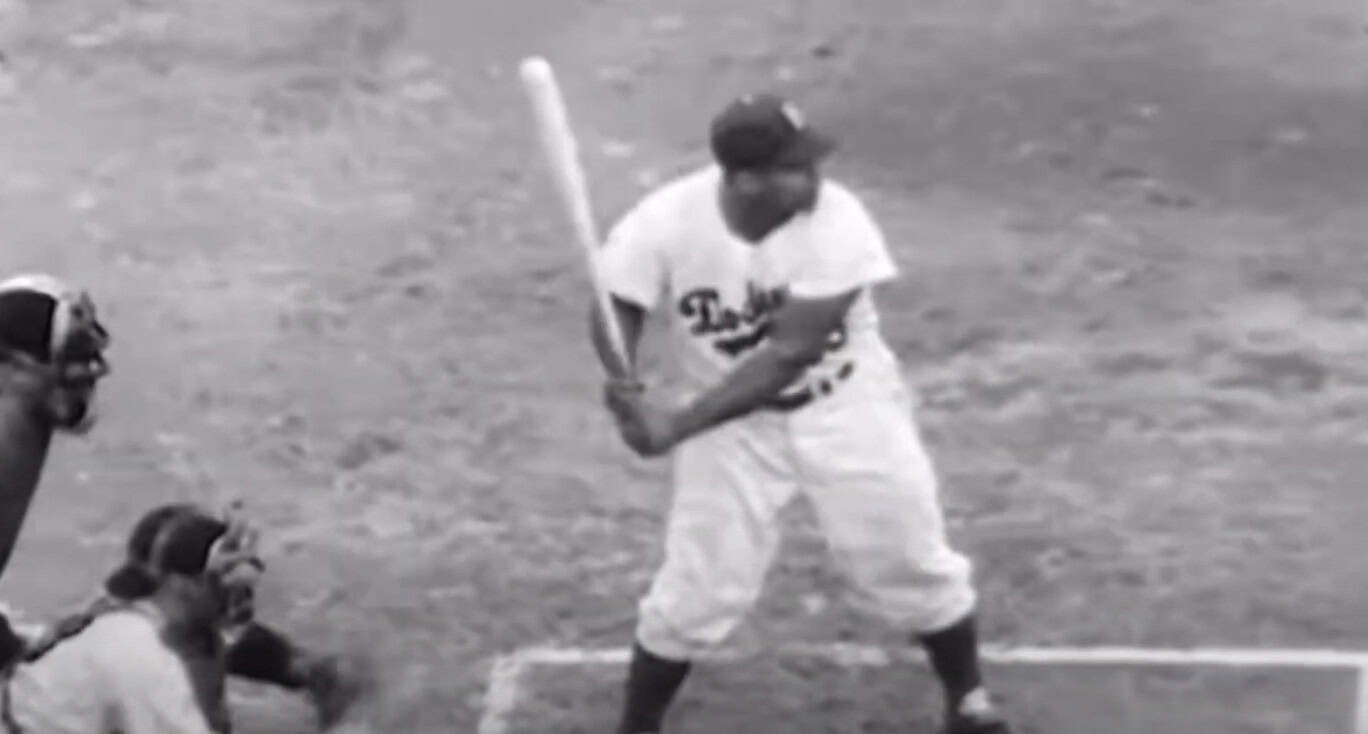
When Roy Campanella joined the Brooklyn Dodgers organization in 1946, he brought with him years of experience from the Negro Leagues and a smile that could light up Ebbets Field. Though he didn’t make his MLB debut until 1948, Campanella spent the late 1940s honing his skills in the minors, where he quickly established himself as a force both behind the plate and at bat. His infectious personality and incredible talent made him one of the most beloved players in baseball history, setting the stage for three National League MVP awards in the 1950s.
Andy Seminick – The Phillies’ Iron Man
The tough-as-nails Ukrainian-American from West Virginia became the backbone of the Philadelphia Phillies’ catching corps throughout the 1940s. Seminick’s durability was legendary – he caught 134 games in 1949 and was known for playing through injuries that would sideline lesser players. His 24 home runs in 1949 set the stage for the “Whiz Kids” to win their first pennant in 35 years in 1950, and his leadership was instrumental in developing the young pitching staff that would carry Philadelphia into the next decade.
Ray Mueller – Cincinnati’s Reliable Receiver
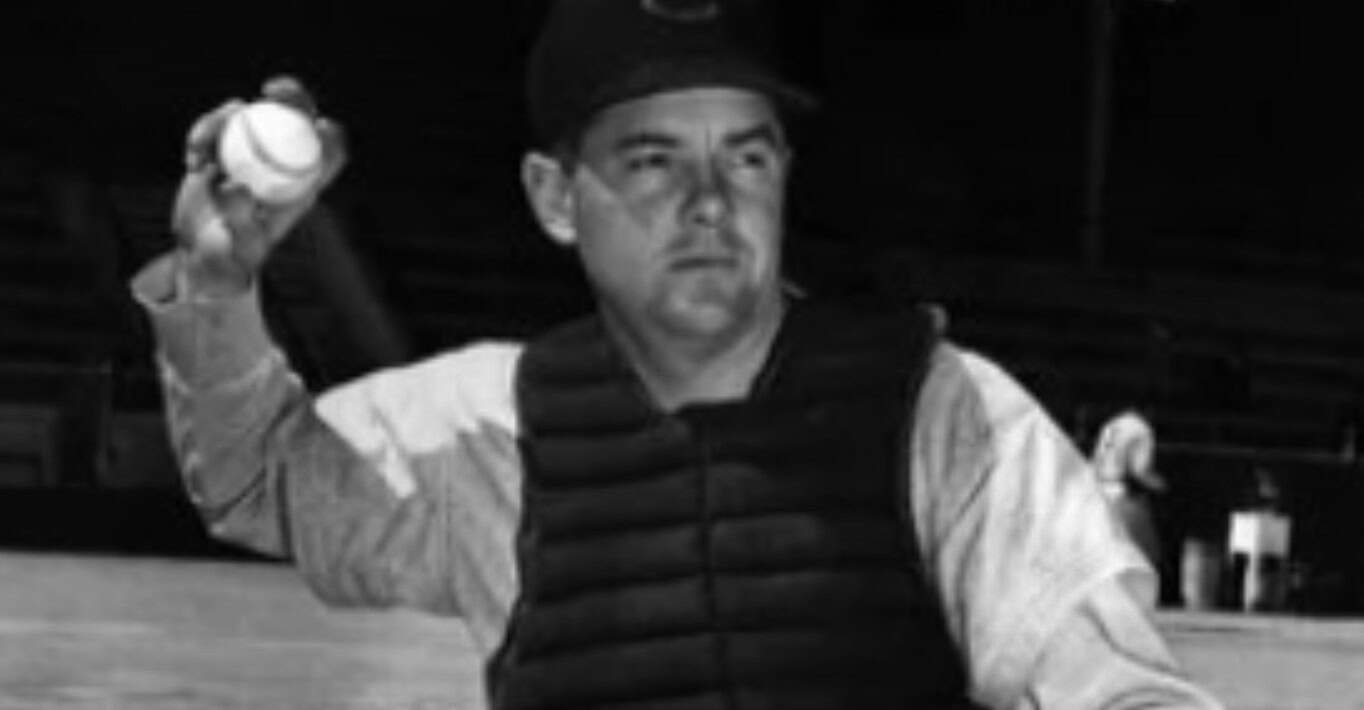
When the Cincinnati Reds needed someone to step up after Ernie Lombardi’s departure, Ray Mueller answered the call with quiet consistency. The Pennsylvania native became the Reds’ primary catcher in the early 1940s and delivered solid performance both offensively and defensively. Mueller’s best season came in 1944 when he hit .286 with 10 home runs, helping anchor a Reds team that remained competitive throughout the war years. His steady presence behind the plate provided the stability Cincinnati needed during a transitional period.
Harry Danning – The Giants’ Pre-War Star
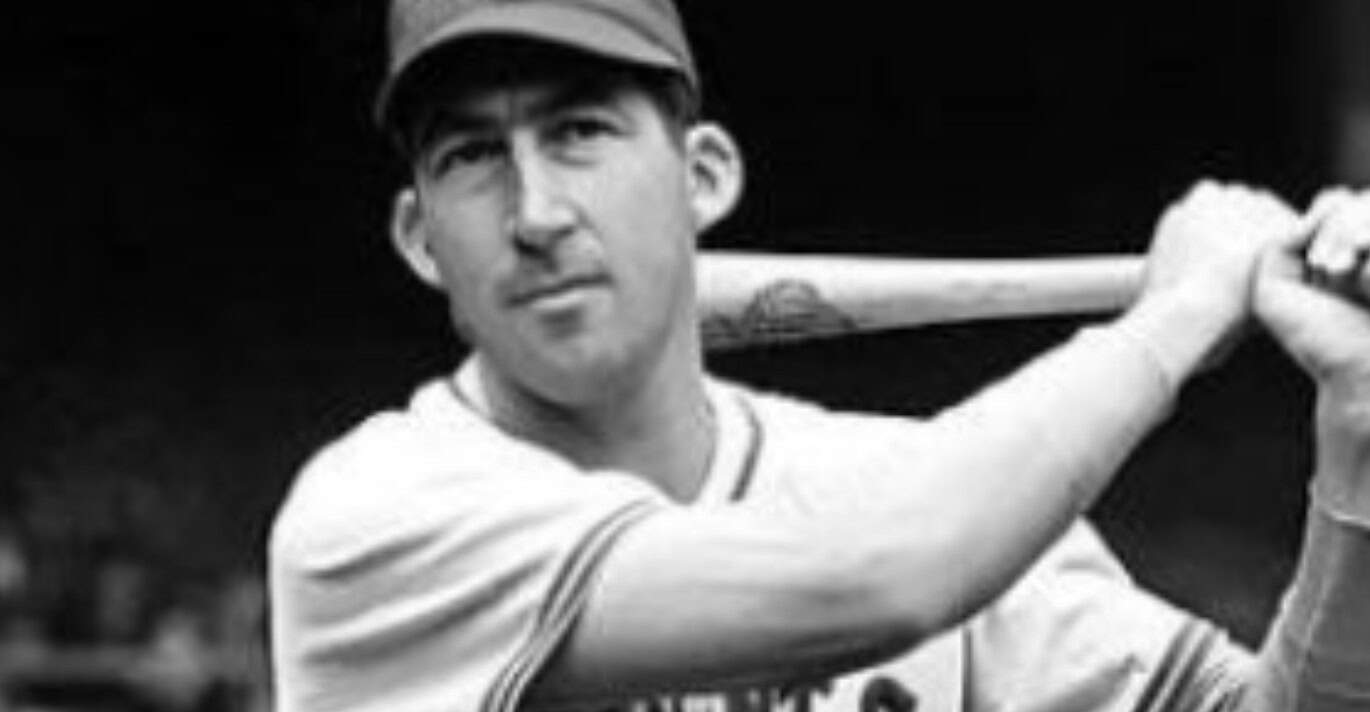
Before his career was cut short by military service, Harry “The Horse” Danning was one of the National League’s premier catchers. The New York Giants’ backstop made four All-Star teams between 1938 and 1941, with his .300 batting average in 1940 representing the peak of his offensive prowess. Danning’s combination of power and average made him a fan favorite at the Polo Grounds, and his leadership helped guide the Giants through the early 1940s before World War II interrupted what could have been an even more decorated career.
Phil Masi – Boston’s Consistent Contributor
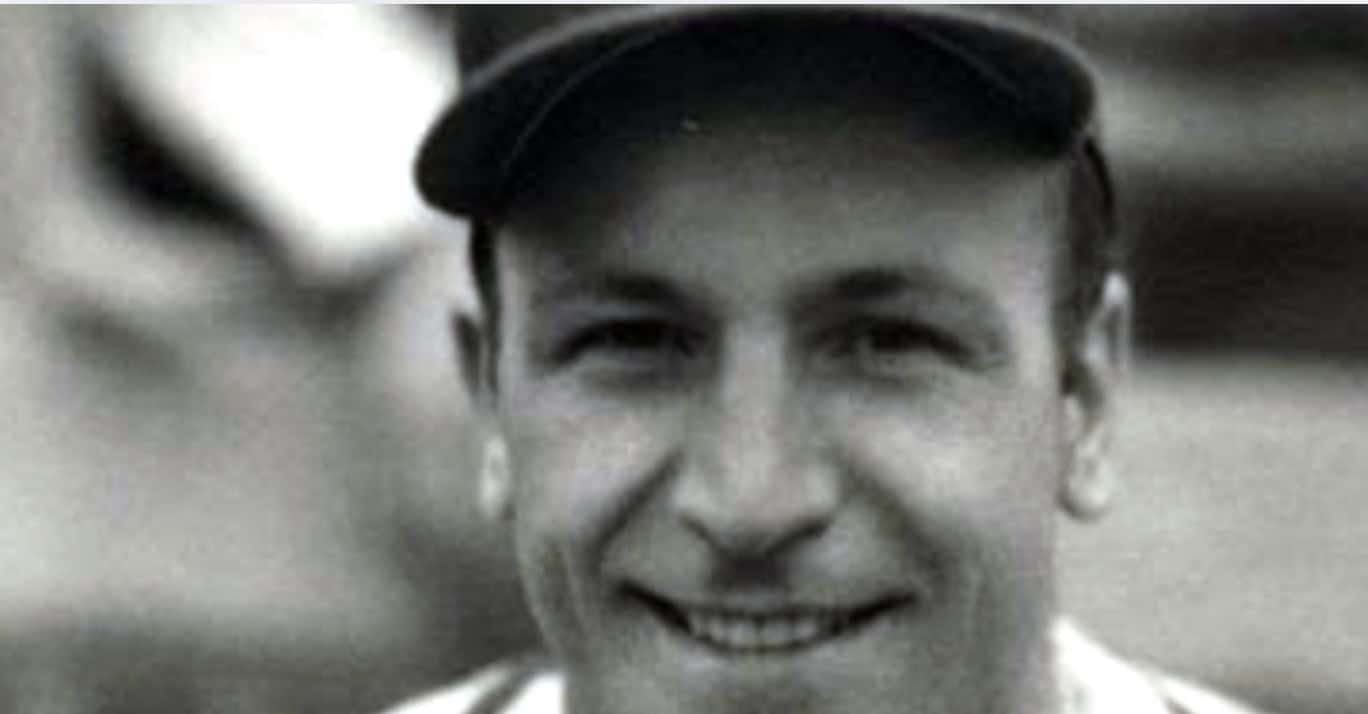
The Chicago-born catcher became a cornerstone of the Boston Braves throughout the 1940s, providing steady defense and timely hitting. Masi’s most famous moment came in Game 1 of the 1948 World Series when he was involved in one of baseball’s most controversial plays – the “pickoff” at second base that wasn’t called. Despite the controversy, Masi’s contributions to the Braves’ 1948 pennant were undeniable, as he provided the veteran leadership that helped Boston capture its first National League title since 1914.
Birdie Tebbetts – The Tigers’ Scrappy Leader
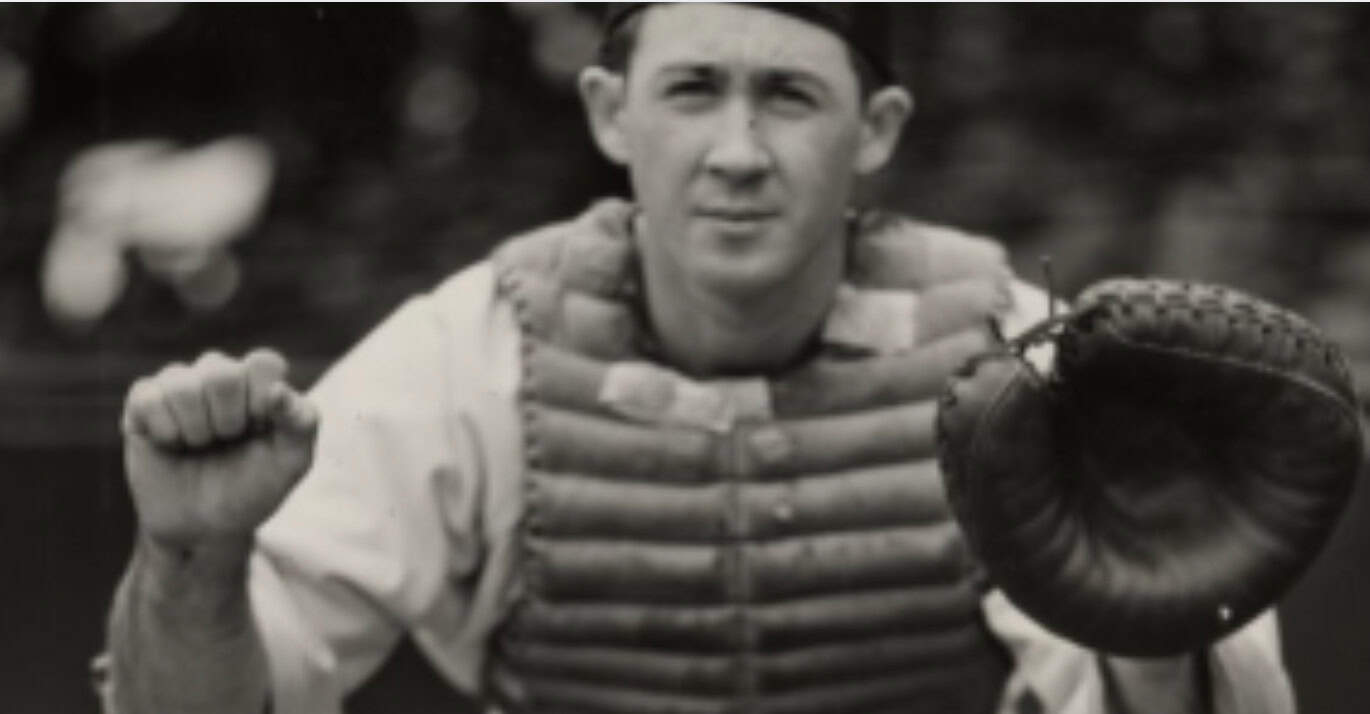
George “Birdie” Tebbetts brought a scrappy, intelligent approach to catching that made him invaluable to the Detroit Tigers throughout the 1940s. The Vermont native was known more for his baseball IQ than his bat, but his .297 batting average in 1940 showed he could contribute offensively when needed. Tebbetts’ real value lay in his ability to handle pitchers and call a smart game, skills that would later make him a successful manager. His leadership behind the plate helped stabilize the Tigers’ pitching staff during some lean years in the Motor City.
Buddy Rosar – The Yankees’ Backup Turned Starter
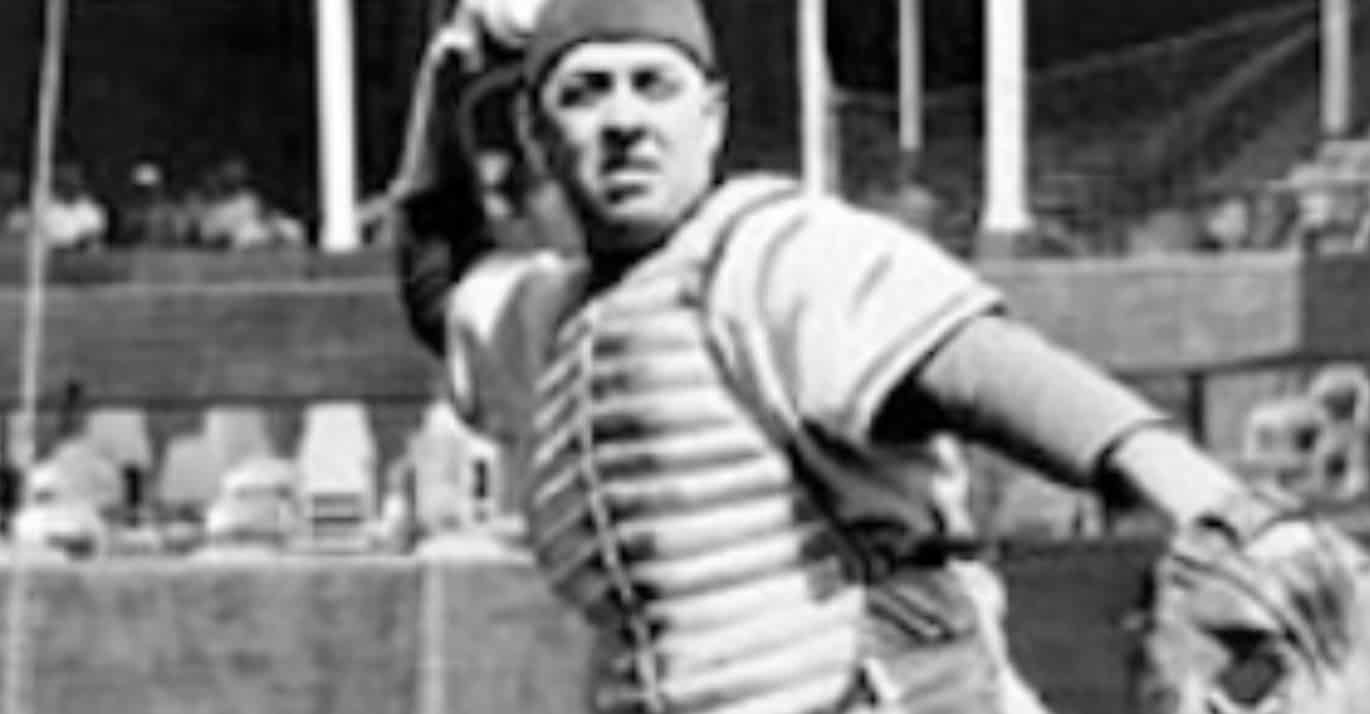
Warren “Buddy” Rosar spent years as Bill Dickey’s understudy with the Yankees before getting his chance to shine with other teams in the 1940s. The Buffalo native’s patient approach at the plate and solid defensive skills made him a valuable commodity, leading to productive seasons with the Cleveland Indians and Philadelphia Athletics. Rosar’s 1945 season with Cleveland was particularly impressive, as he hit .289 while providing steady leadership for a young pitching staff. His journey from backup to starter exemplified the opportunities that World War II created for role players.
Bruce Edwards – The Dodgers’ Rising Talent
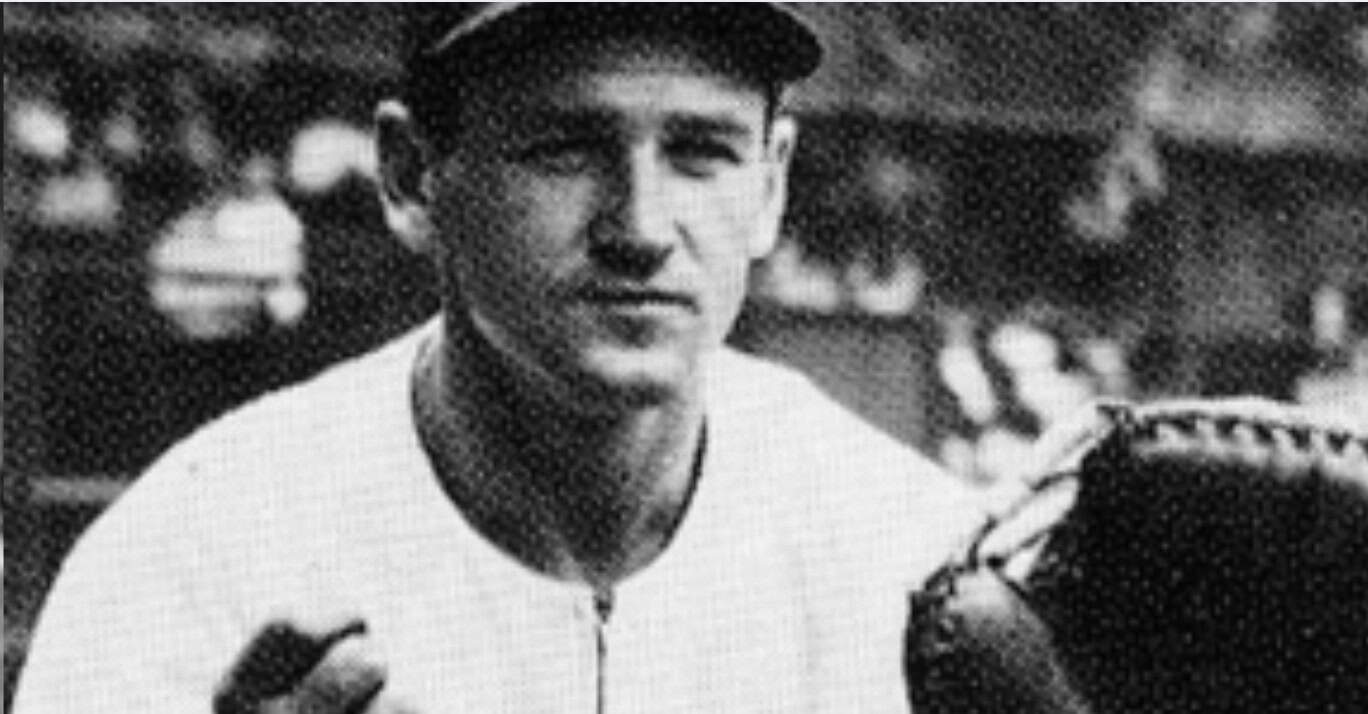
The Illinois native burst onto the scene with the Brooklyn Dodgers in 1946, immediately establishing himself as one of the most promising young catchers in the National League. Edwards’ .295 batting average in 1947, his first full season, announced his arrival as a legitimate offensive threat. His strong arm and quick release made him a favorite of Dodgers pitchers, and his clutch hitting in key situations helped Brooklyn remain competitive throughout the late 1940s. Edwards represented the new generation of catchers who combined traditional defensive skills with modern offensive capabilities.
Mickey Owen – The Man Behind the Dropped Third Strike
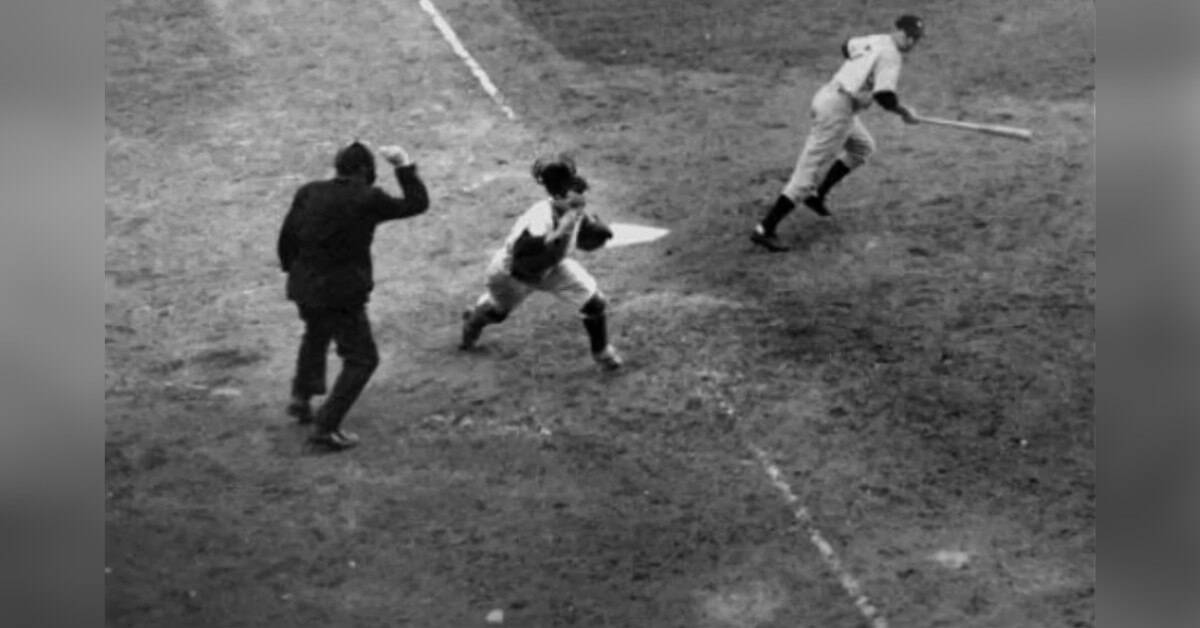
Mickey Owen’s name became synonymous with one of baseball’s most infamous moments – the dropped third strike in Game 4 of the 1941 World Series that helped the Yankees complete their comeback victory over the Dodgers. Despite that heartbreaking moment, Owen was one of the finest defensive catchers of his era, leading the National League in fielding percentage multiple times during the 1940s. His defensive prowess and leadership made him a valuable player long after that October afternoon in Brooklyn.
Jim Hegan – Cleveland’s Defensive Wizard
The Massachusetts native arrived in Cleveland in 1941 and quickly established himself as one of the American League’s premier defensive catchers. Hegan’s rocket arm and exceptional game-calling ability made him the perfect complement to the Indians’ outstanding pitching staff of the late 1940s. While his batting average rarely climbed above .250, his defensive value was immeasurable – he helped guide Bob Feller, Bob Lemon, and the rest of Cleveland’s staff to the 1948 World Series championship. Hegan’s All-Star selection in 1949 was a testament to the fact that defense alone could make a catcher indispensable.