


Last Updated: June 17th, 2026 by Michael Schatz
Before television brought baseball into living rooms and night games became routine, the 1940s represented the golden twilight of afternoon baseball. Right fielders stood in the sun-drenched outfield grass, their gloves weathered leather and their swings pure poetry. These were the men who patrolled the right field lines during wartime and peacetime, creating memories that still echo in the hearts of those who witnessed their greatness.
Don't lose this article. Enter your email below, and I'll send it to you right now. Plus, we'll send you other unbelievable stories from baseball's past.
Stan Musial – The Man Who Made St. Louis Swing

Stan “The Man” Musial transformed right field into an art gallery, painting masterpieces with his bat from 1941 onward. His corkscrew stance from the left side of the plate became as iconic as the Gateway Arch, and Cardinals fans would arrive early just to watch him take batting practice. During the war years, Musial carried St. Louis on his shoulders, hitting .357 in 1943 and leading the Cardinals to two World Series titles. His unique peek-a-boo stance was so distinctive that opposing pitchers studied it like a foreign language, yet never quite cracked the code.
Enos Slaughter – The Hustler Who Never Walked
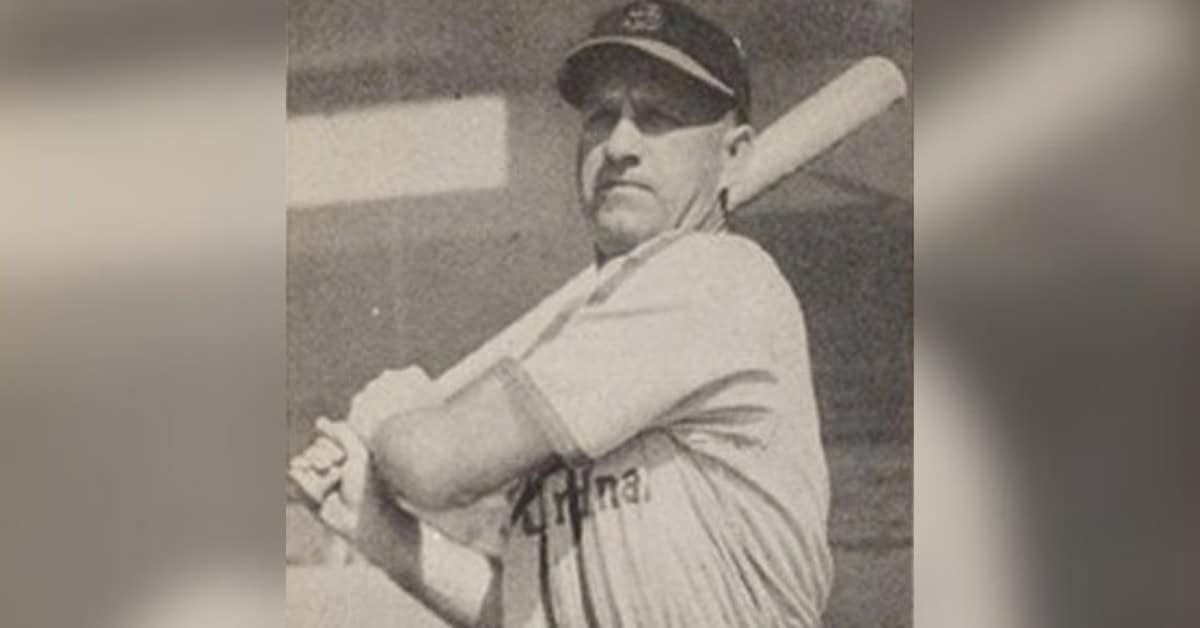
Enos “Country” Slaughter turned every routine play into a sprint, famously running to first base even on walks—a sight that made opposing fans both admire and curse his relentless energy. His “mad dash” from first to home in Game 7 of the 1946 World Series became the stuff of baseball legend, proving that hustle could triumph over talent. Slaughter’s approach to right field was methodical and passionate, never taking a single play for granted. His .300 batting average throughout the decade was merely the statistical footnote to his larger-than-life presence.
Dixie Walker – Brooklyn’s Beloved People’s Choice

Dixie Walker earned the nickname “The People’s Choice” by embodying everything Brooklyn fans loved—grit, consistency, and an everyman quality that made him feel like one of their own. His sweet swing produced a .357 batting average in 1944, leading the National League and proving that nice guys could indeed finish first. Walker’s presence in right field at Ebbets Field was as comforting as a Sunday dinner, and his ability to drive in runs in clutch moments made him the heartbeat of those memorable Dodgers teams that captured Brooklyn’s imagination.
Bill Nicholson – Swish’s Wartime Thunder
Bill “Swish” Nicholson got his nickname from the sound his bat made cutting through the air, but when he connected, the sound was pure thunder echoing through Wrigley Field. During the war-depleted years of 1943 and 1944, Nicholson led the National League in both home runs and RBIs, becoming one of the most feared hitters in baseball while many stars served overseas. His power was so respected that he was often pitched around in key situations—a testament to his reputation as a game-changer who could turn any at-bat into a highlight.
Mel Ott – The Polo Grounds’ Leg-Kick Legend
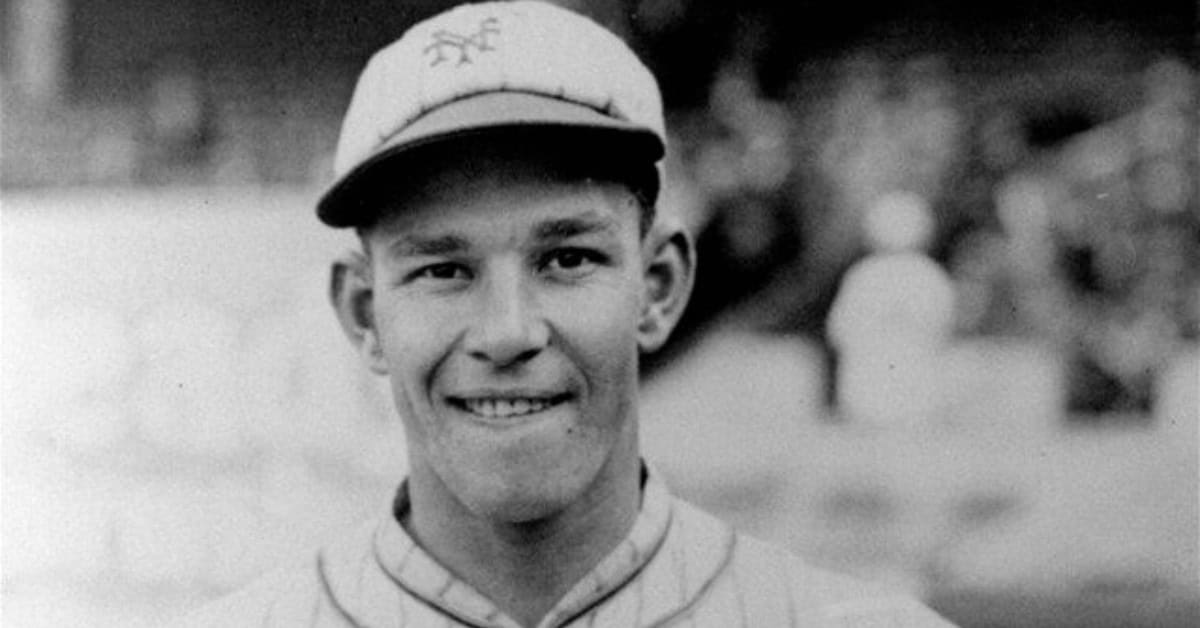
Mel Ott’s distinctive leg-kick batting stance looked like a ballet dancer preparing for a grand jeté, but the results were pure baseball poetry as he lifted balls over the Polo Grounds’ short right field wall with artistic precision. “Master Melvin’s” 511 career home runs were built one leg-kick at a time, and his gentlemanly demeanor made him the perfect ambassador for the game. Even as the decade wore on and his skills diminished, Ott’s presence in right field remained magnetic, drawing fans who remembered when his unique style revolutionized how power hitters approached the plate.
Tommy Henrich – Old Reliable’s Clutch Magic
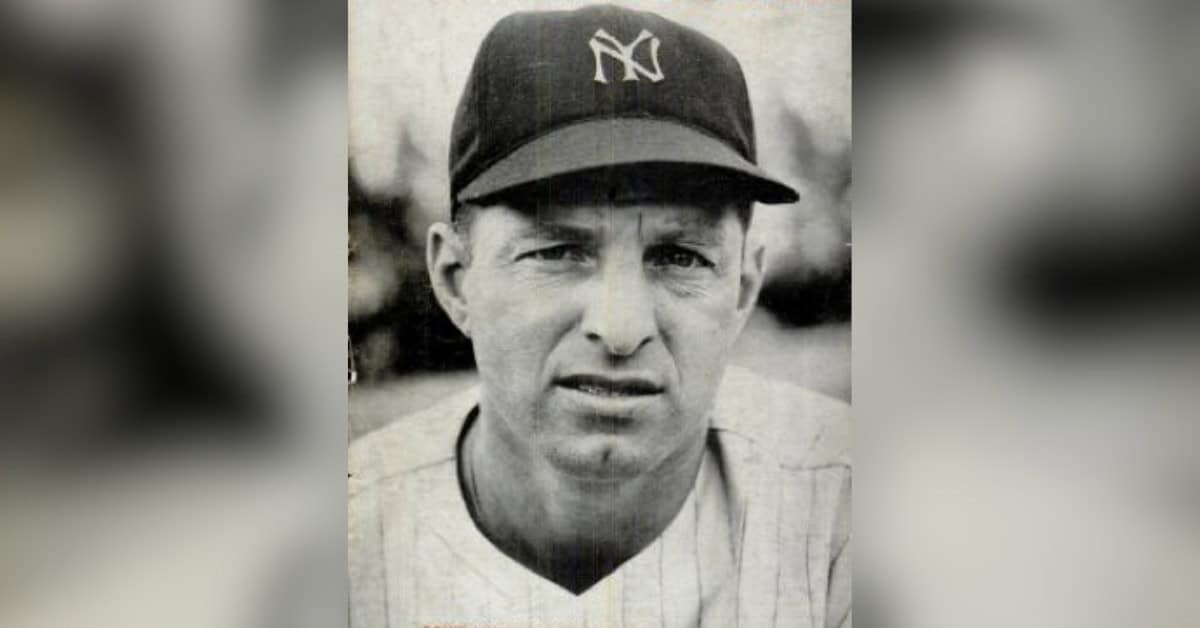
Tommy “Old Reliable” Henrich earned his nickname by delivering clutch hits with remarkable consistency, particularly in the pressure-cooker atmosphere of Yankee Stadium. His walk-off home run in Game 1 of the 1949 World Series was the kind of moment that defined October baseball, and his ability to rise to the occasion made him Joe DiMaggio’s perfect complement. Henrich’s steady presence and knack for coming through when it mattered most embodied the Yankee mystique, proving that championships were built on reliability as much as raw talent.
Hank Greenberg – The Hebrew Hammer’s Comeback
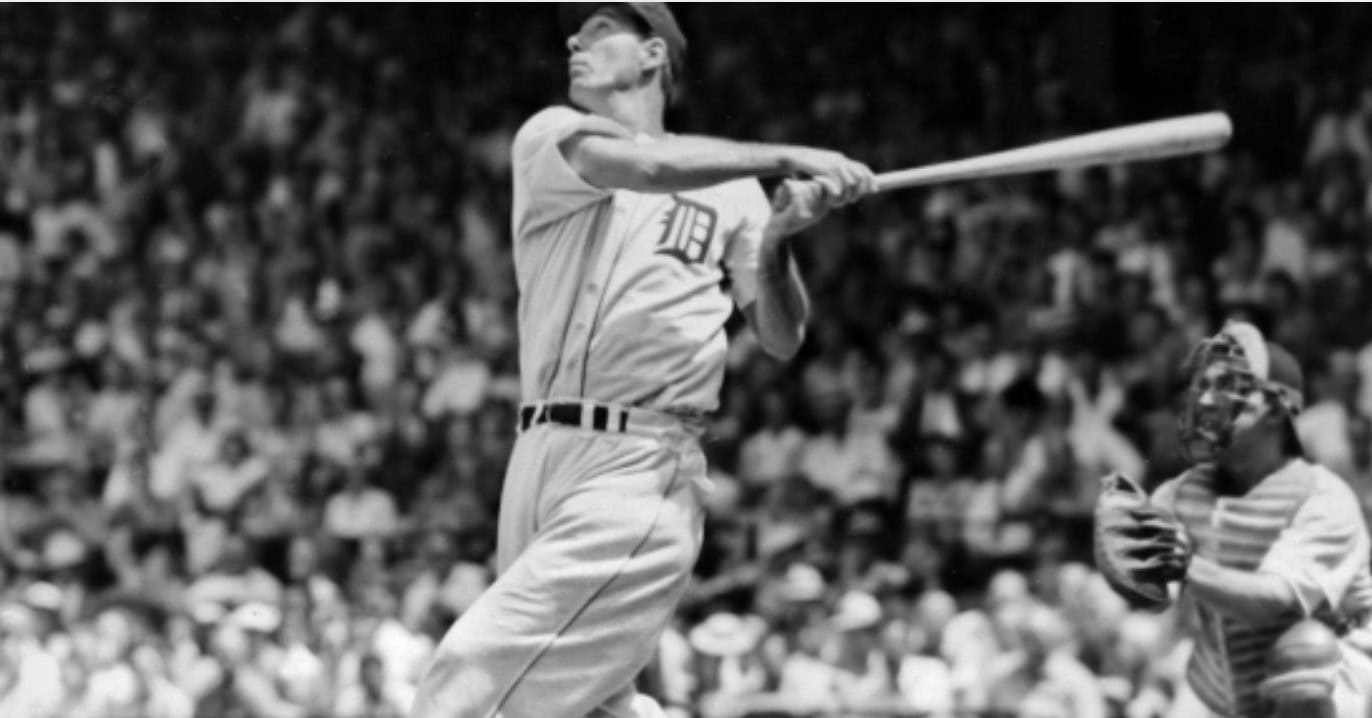
Hank Greenberg’s return from military service in 1945 was like watching a sleeping giant awaken. “The Hebrew Hammer” picked up his bat and immediately reminded everyone why he was one of baseball’s most feared sluggers. His solo home run on the final day of the 1945 season clinched the pennant for Detroit, creating a moment so perfect it seemed scripted by Hollywood. Moving to right field to accommodate other players, Greenberg proved his versatility while maintaining his reputation as a clutch performer.
Paul Waner – Big Poison’s Smooth Stroke

Paul “Big Poison” Waner’s batting stroke was smoother than aged whiskey, and his ability to spray line drives to all fields made him a nightmare for opposing pitchers even as he entered the twilight of his Hall of Fame career. His 3,000th hit in 1942 was a milestone that seemed as inevitable as sunrise, achieved with the same effortless grace that had defined his approach for two decades. Waner’s presence in right field during the early 1940s was like watching a master craftsman demonstrate his trade, each at-bat a lesson in the art of hitting.
Tommy Holmes – Boston’s Hitting Streak Sensation
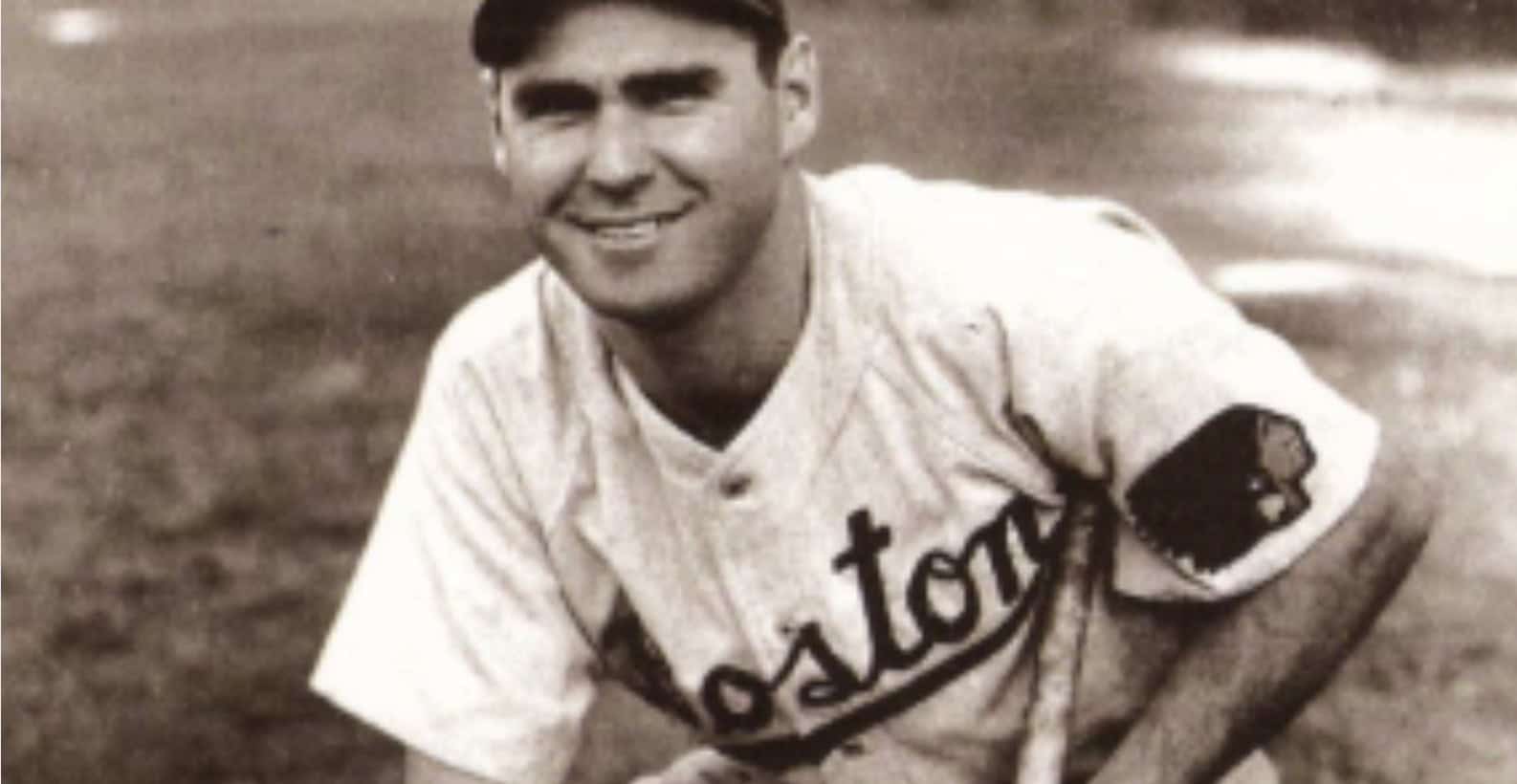
Tommy Holmes turned 1945 into his personal highlight reel, hitting safely in 37 consecutive games—the modern National League record at the time—while patrolling right field for the Boston Braves. His .352 batting average that season was complemented by remarkable plate discipline; he struck out only nine times in 636 plate appearances, a feat that seems almost mythical in today’s game. Holmes proved that contact hitting could be just as exciting as home run derbies, turning every at-bat into a chess match where intelligence trumped raw power.
Del Ennis – Philadelphia’s Forgotten Slugger

Del Ennis burst onto the Philadelphia scene in 1946 like a thunderclap, immediately establishing himself as the kind of power hitter that could change a game with one swing. His 17 home runs as a rookie were just an appetizer for a career that would see him become one of the most consistent run producers of the late 1940s. Ennis possessed the rare combination of power and average that made him dangerous in any situation, giving Phillies fans at Shibe Park something to cheer about during some lean years for the franchise.
Carl Furillo – The Reading Rifle
Carl Furillo’s arm was so powerful and accurate that he earned the nickname “The Reading Rifle,” a tribute to his hometown and his ability to gun down runners from the depths of Ebbets Field’s tricky right field corner. Breaking in with the Dodgers in 1946, he quickly established himself as the premier defensive right fielder in the National League. While his arm got the headlines, Furillo was also a formidable hitter, providing consistent production for the “Boys of Summer” and proving that a great right fielder could save as many runs with his glove as he drove in with his bat.
Charlie Keller – King Kong’s Yankee Power
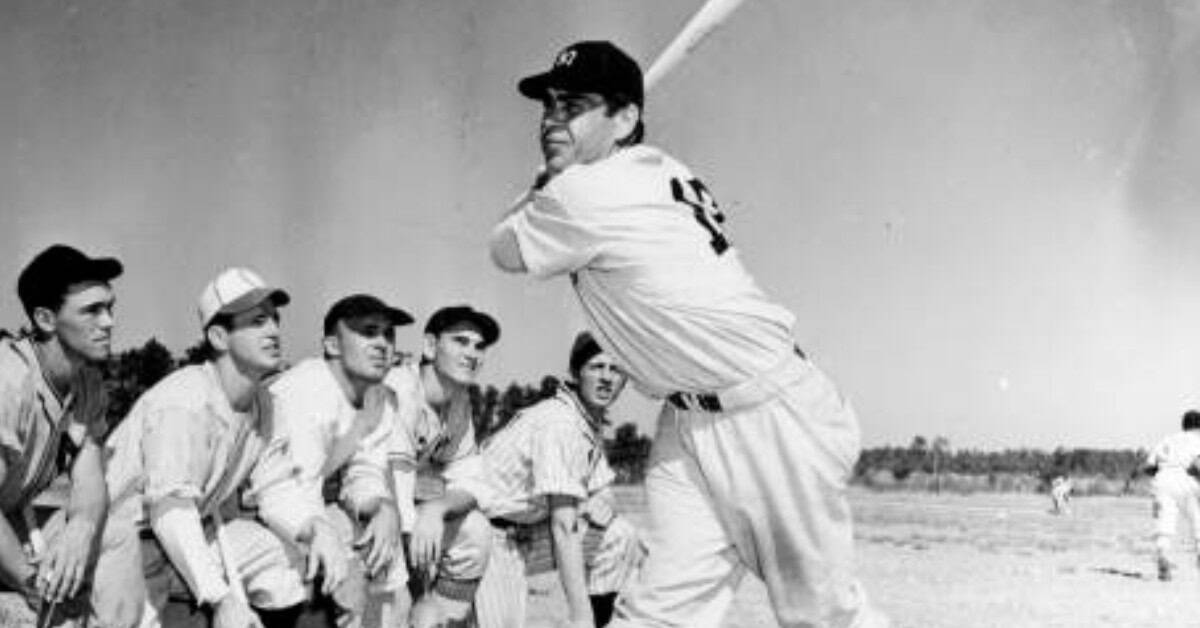
Charlie “King Kong” Keller’s nickname perfectly captured his imposing presence at the plate, where his muscular frame and powerful swing made him one of the most feared hitters in the American League during the early 1940s. His 33 home runs in 1941 helped power the Yankees to another championship, and his ability to work deep counts and draw walks made him the perfect complement to Joe DiMaggio. Keller’s approach to hitting was methodical and patient, but when he connected, the results were explosive enough to earn him a place among the elite power hitters of his generation.
Sid Gordon – The Giant’s Consistent Contributor
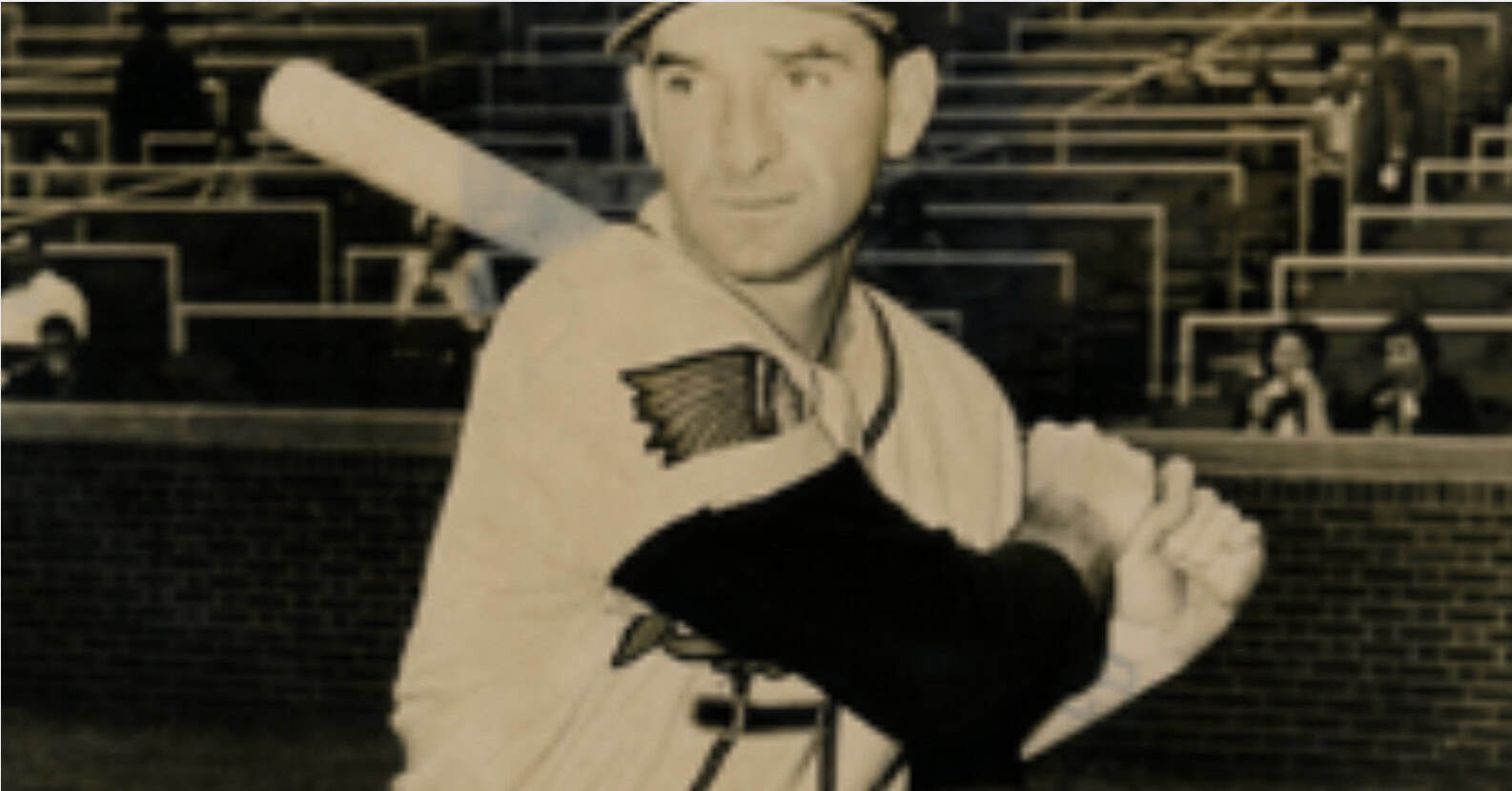
Sid Gordon was the kind of steady, professional ballplayer that championship teams were built around, providing consistent offense and reliable defense in right field for the New York Giants throughout the 1940s. His patient approach and ability to drive in runs in clutch situations made him a favorite of manager Leo Durocher, who valued players who could execute under pressure. Gordon’s career was defined not by spectacular individual moments but by the accumulation of solid performances that helped his teams compete at the highest level.
Johnny Wyrostek – Cincinnati’s Steady Outfielder
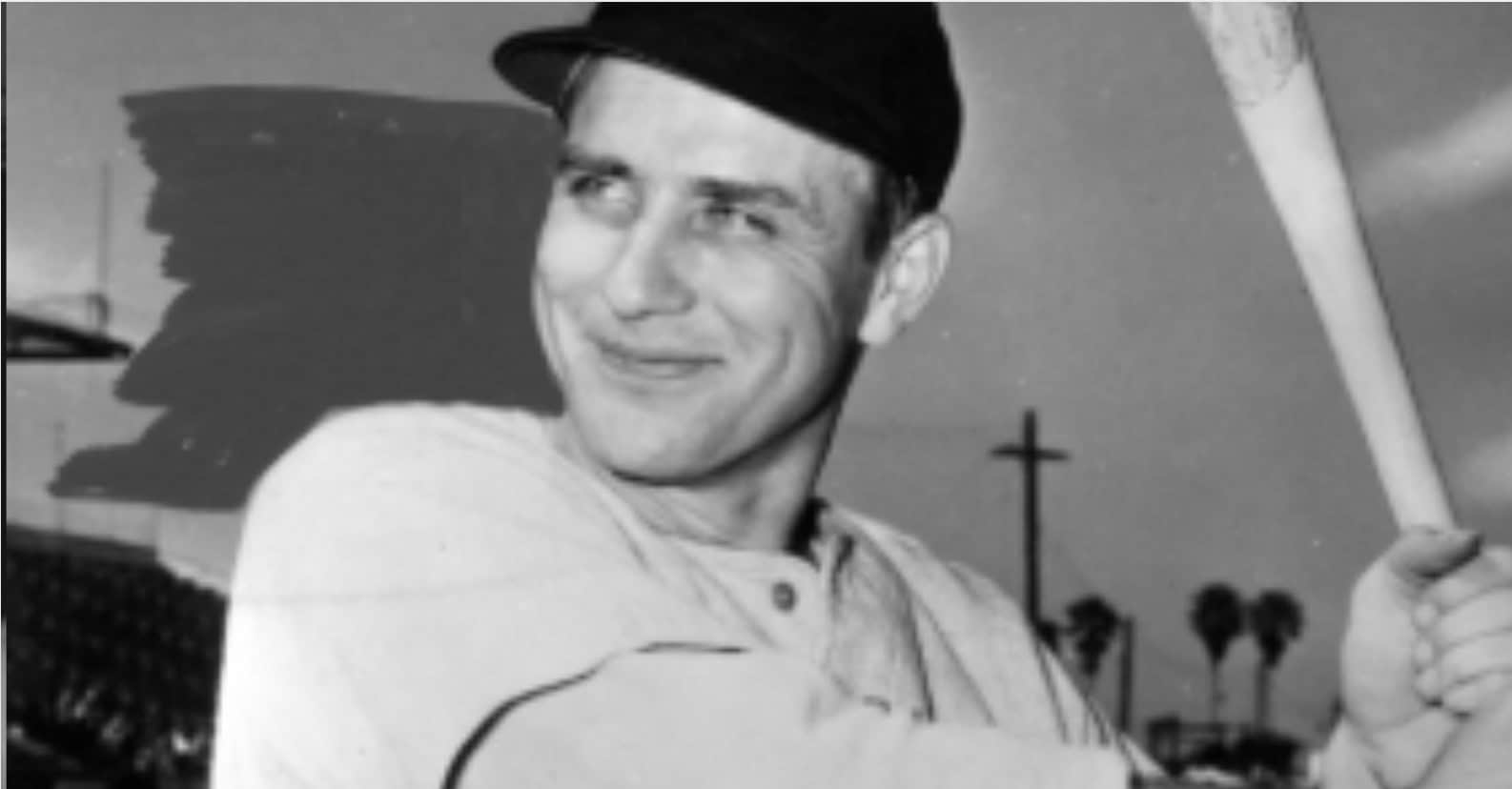
Johnny Wyrostek embodied the workmanlike approach that characterized many players of his era, bringing lunch-pail reliability to right field for the Cincinnati Reds. His .281 career batting average might not have grabbed headlines, but his ability to get on base and drive in runs made him a valuable contributor. Wyrostek’s career represented the thousands of professional ballplayers who formed the backbone of major league baseball, playing the game with dignity and skill even if their names weren’t destined for Cooperstown.
Willard Marshall – The Giants’ Reliable Right Fielder
Willard Marshall’s emergence in the late 1940s represented the new generation of power hitters who would define the post-war era. His 36 home runs in 1947 established him as one of the premier right fielders in the National League, and his ability to drive in runs consistently made him a cornerstone of the Giants’ lineup. Marshall’s career bridged the gap between the wartime years and the explosive offensive era that would follow, proving that power and consistency could coexist in the same player.