
Last Updated: June 17th, 2026 by Matthew Brown
Before corporate naming rights and luxury suites ruled the game, All-Star venues were temples where baseball’s gods descended for one magical midsummer night. These ballparks didn’t just host games—they captured the soul of their cities, complete with local quirks, architectural oddities, and the kind of atmosphere that made grown men weep during the national anthem.
Don't lose this article. Enter your email below, and I'll send it to you right now. Plus, we'll send you other unbelievable stories from baseball's past.
Comiskey Park: Where the South Side Showed Off Its Summer Swagger

The original Comiskey’s 1983 All-Star Game showcased Chicago’s grittiest ballpark at its absolute finest, when the South Side’s blue-collar cathedral still reeked of beer, bratwurst, and decades of White Sox heartbreak. Bill Veeck’s exploding scoreboard and the upper deck that hung over the field like a steel thundercloud created an atmosphere that made Yankee Stadium feel sterile by comparison. This was baseball’s last great working-class palace, where the All-Star Game felt less like a corporate showcase and more like the neighborhood’s biggest block party.
Tiger Stadium: When Detroit’s Corner Still Had Soul and Stories
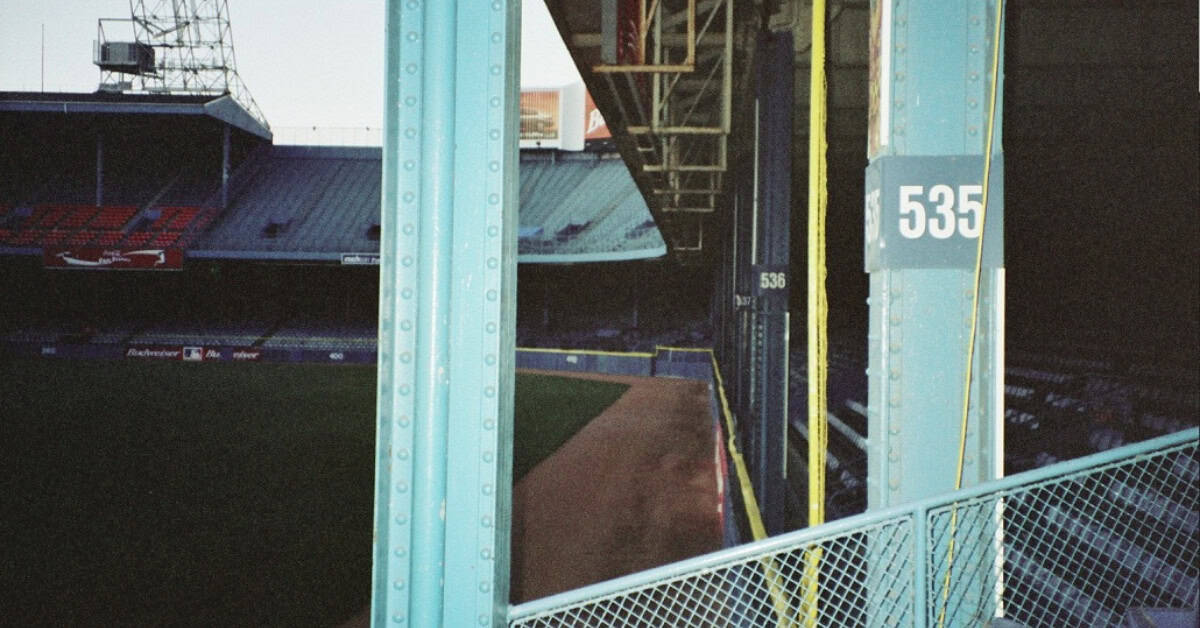
Tiger Stadium’s 1971 All-Star Game transformed Detroit’s ancient corner ballpark into baseball’s most intimate cathedral, where Reggie Jackson’s legendary blast off the light tower became the stuff of midsummer legend. The old park’s quirky dimensions and overhanging upper deck created a cocoon of baseball intimacy that made every seat feel like you were sitting in Ty Cobb’s living room. This was Motor City baseball at its purest—no frills, no fancy amenities, just 54,000 screaming fans packed into a ballpark that felt like it might collapse from sheer enthusiasm.
Astrodome: The Eighth Wonder’s Air-Conditioned All-Star Spectacle
The Astrodome’s 1968 All-Star Game was baseball’s first glimpse into the future, where air conditioning and artificial turf created a climate-controlled baseball experience that felt more like visiting a space station than a ballpark. Houston’s domed wonder showcased the game’s technological revolution, complete with that rainbow-colored Astroturf that made ground balls bounce like pinballs and outfielders look like they were playing on a putting green. This was baseball’s moon landing moment, when the Eighth Wonder of the World proved that America’s pastime could thrive even in the most unnatural environments.
Three Rivers Stadium: Pittsburgh’s Concrete Donut Served Up Steel City Pride

Three Rivers Stadium’s 1974 All-Star Game transformed Pittsburgh’s concrete cookie-cutter into a showcase for the Steel City’s championship swagger, when the Pirates’ gold and black uniforms perfectly matched the city’s blue-collar pride. The multipurpose stadium’s artificial turf and symmetrical dimensions epitomized the era’s obsession with efficiency over character, yet somehow the building’s sterile perfection captured the industrial precision that made Pittsburgh great. This was baseball’s tribute to American manufacturing, where even the ballpark felt like it had been assembled on a factory floor.
Riverfront Stadium: Cincinnati’s Big Red Machine Hosted Baseball’s Best
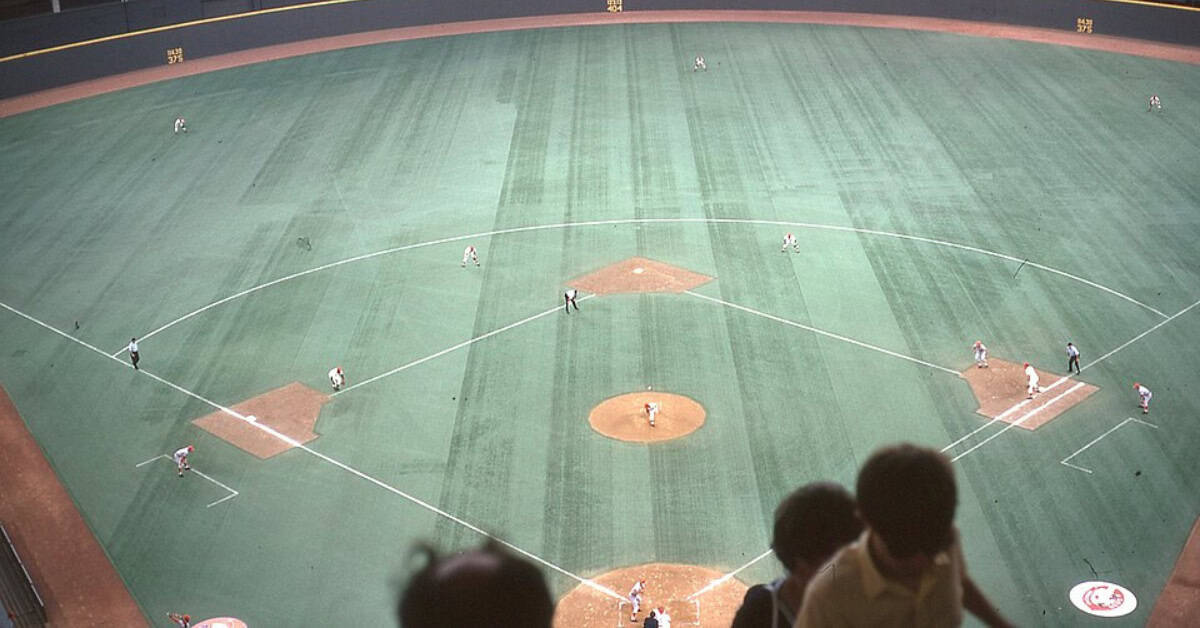
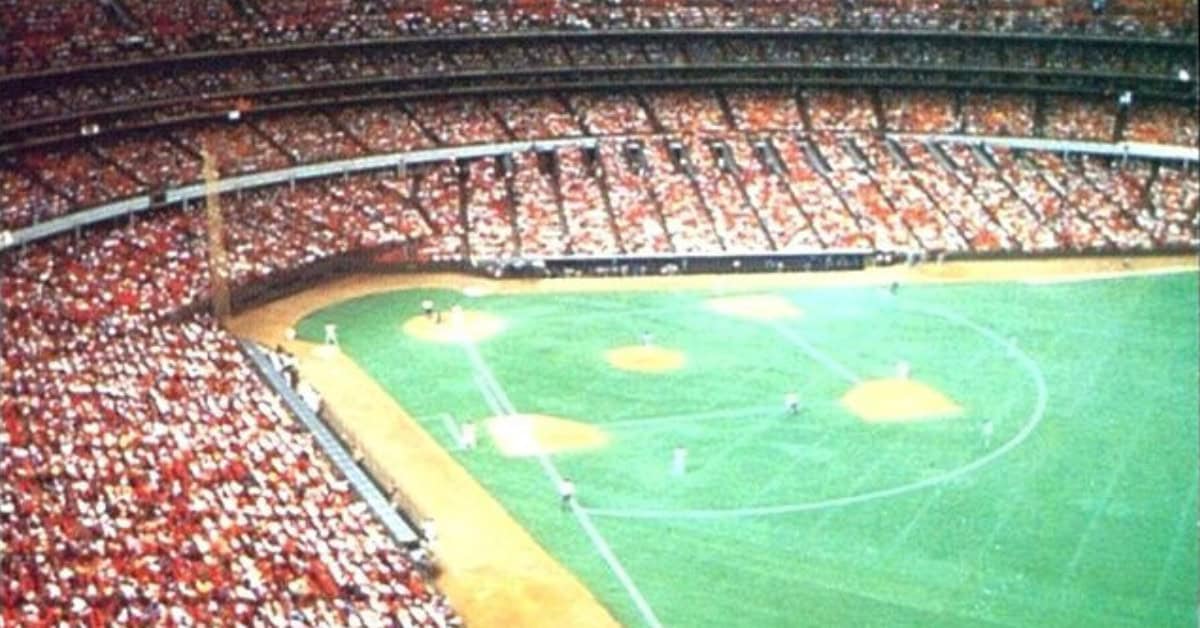
Riverfront Stadium’s 1988 All-Star Game showcased Cincinnati’s concrete bowl during the twilight of the cookie-cutter era, when the Big Red Machine’s old home still echoed with memories of championship glory. The stadium’s artificial turf and symmetrical dimensions created the perfect backdrop for baseball’s biggest stars, while the Ohio River’s gentle breeze carried the scent of Cincinnati chili and Hudepohl beer through the summer air. This was middle America’s All-Star moment, when the heartland proved it could host baseball’s elite with the same workmanlike efficiency that built the Big Red Machine.
Yankee Stadium: The House That Ruth Built Welcomed Baseball Royalty
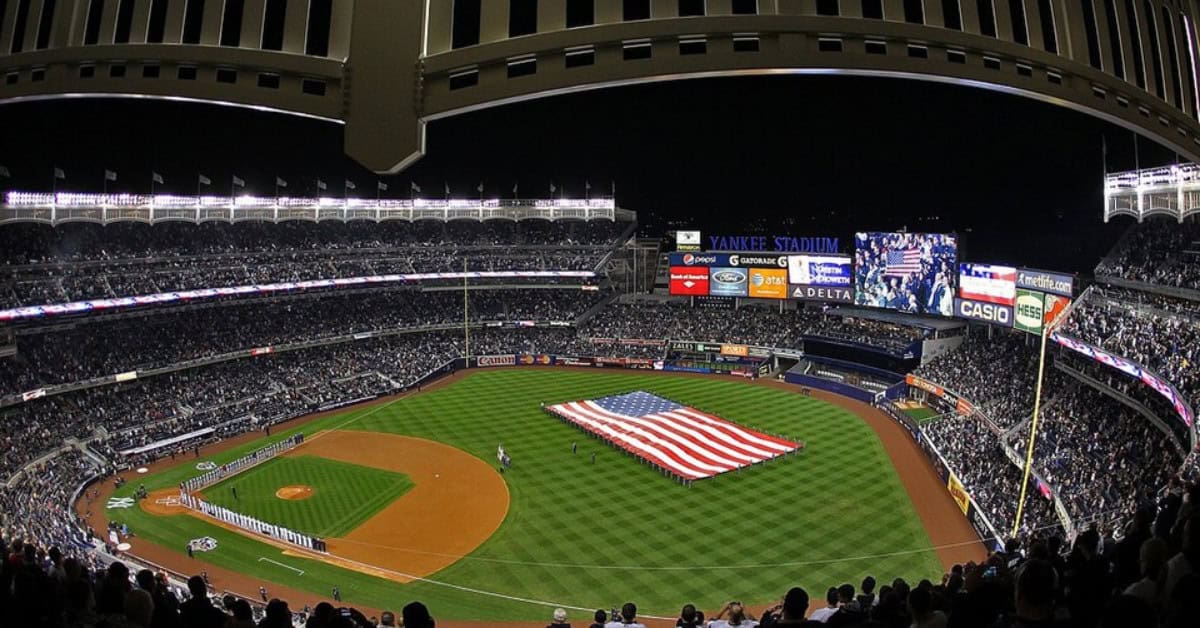
Yankee Stadium’s multiple All-Star Games (1977, 2008) transformed the Bronx cathedral into baseball’s ultimate throne room, where Monument Park’s legends watched over the game’s current stars like ancient gods blessing their successors. The original Stadium’s Gothic arches and cavernous dimensions created an atmosphere of baseball royalty that made even opposing players feel honored to step onto the same field where Ruth, Gehrig, and DiMaggio had made history. This was baseball’s Vatican, where the All-Star Game felt less like an exhibition and more like a coronation ceremony for the sport’s newest saints.
Fenway Park: When the Green Monster Met the Game’s Greatest Stars
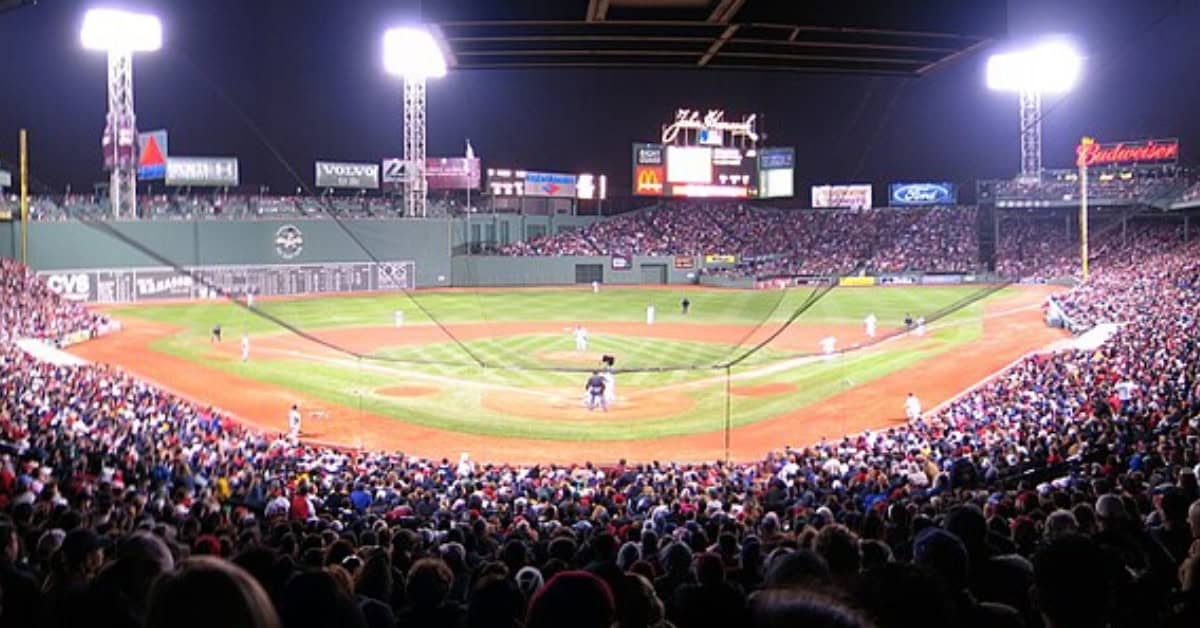
Fenway Park’s All-Star Games (1946, 1961, 1999) showcased baseball’s most beloved irregularity, where the Green Monster’s looming presence turned routine fly balls into adventures and made left fielders look like mountain climbers. The ballpark’s cramped quarters and quirky angles created an intimacy that made 35,000 fans sound like 100,000, while the hand-operated scoreboard and real grass reminded everyone why baseball’s oldest venues remained its most magical. This was New England’s gift to the baseball world, where the All-Star Game felt like a family reunion held in America’s most charming backyard.
County Stadium: Milwaukee’s Beer-Soaked All-Star Summer Party
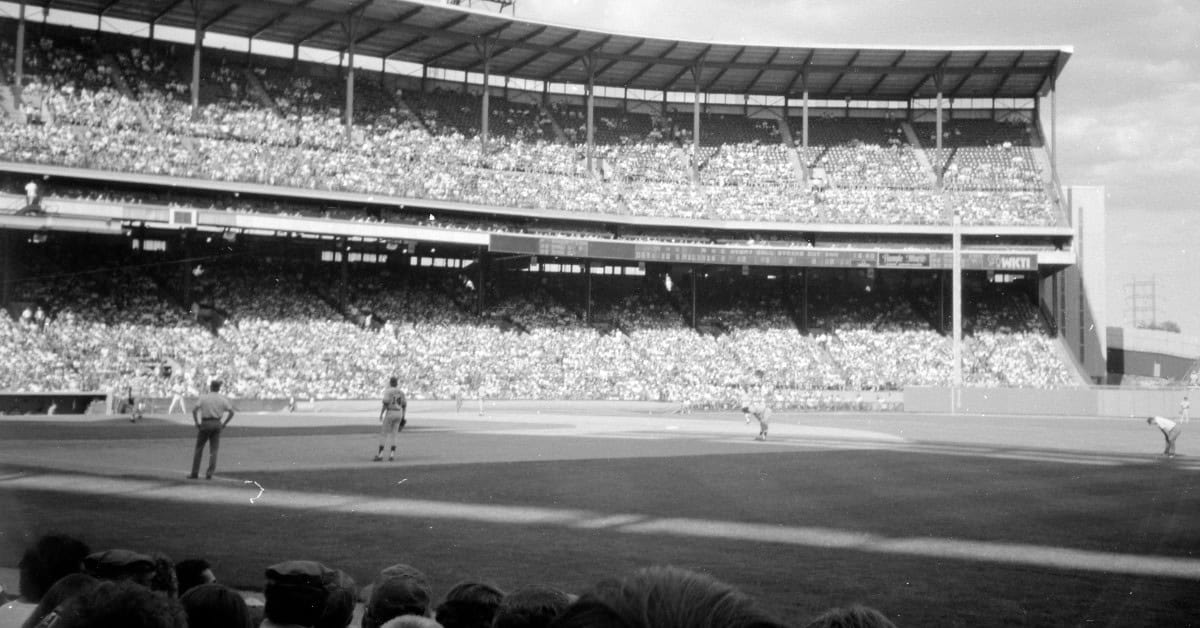
County Stadium’s 1975 All-Star Game turned Milwaukee’s modest ballpark into the ultimate Midwest baseball celebration, where bratwurst, beer, and Bernie Brewer’s slide created an atmosphere that felt more like a county fair than a corporate showcase. The stadium’s intimate dimensions and working-class charm made every fan feel like they were part of the action, while the aroma of grilled sausages and the sound of polka music drifting from the parking lot tailgates created a uniquely Wisconsin baseball experience. This was small-market baseball at its finest, where the All-Star Game felt like the entire state of Wisconsin had been invited to the party.
Kingdome: Seattle’s Concrete Cave Echoed With All-Star Thunder
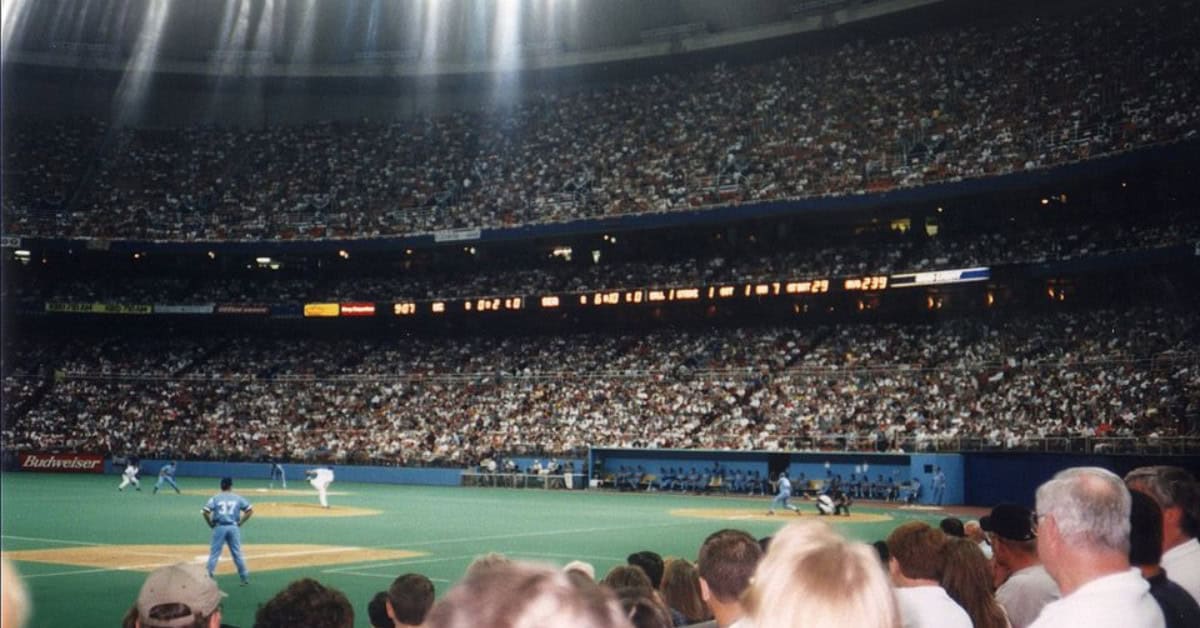
The Kingdome’s 1979 All-Star Game showcased Seattle’s concrete cathedral during the Pacific Northwest’s brief moment in baseball’s spotlight, when the dome’s artificial acoustics made every crack of the bat sound like thunder rolling off Mount Rainier. The stadium’s gray concrete walls and artificial turf created an atmosphere that felt more like playing baseball inside a giant bunker, yet somehow the building’s stark functionality perfectly captured Seattle’s no-nonsense approach to the game. This was baseball’s tribute to the Pacific Northwest, where even the All-Star Game felt like it was being played in perpetual twilight.
Veterans Stadium: Philadelphia’s Vet Hosted Stars Before the Boos
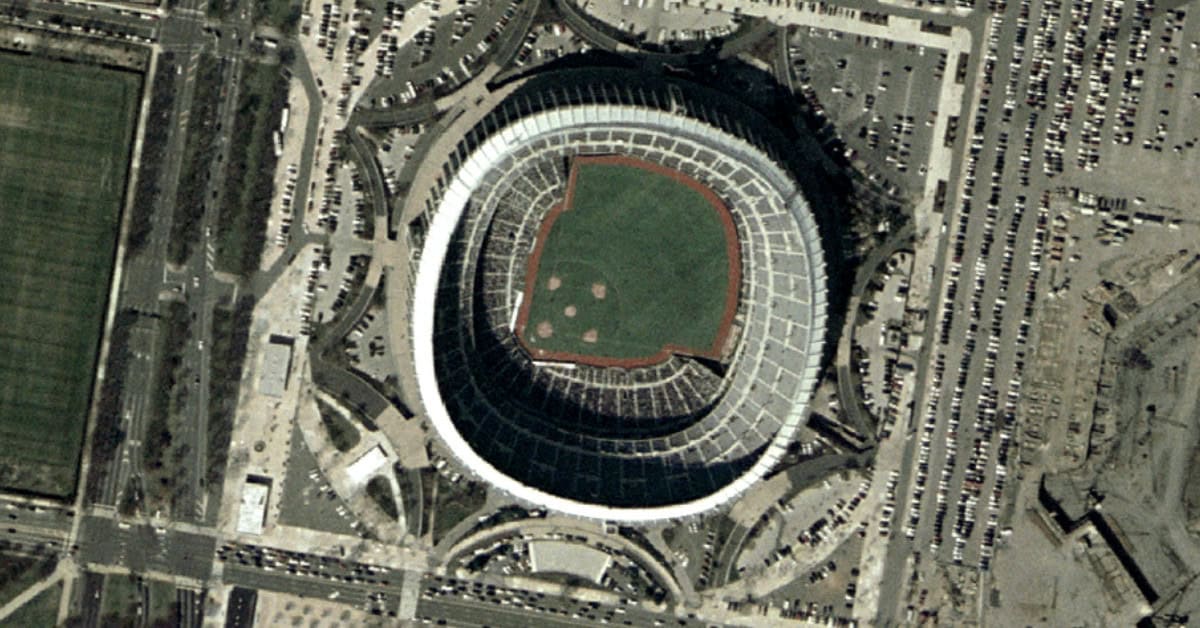
Veterans Stadium’s 1976 All-Star Game transformed Philadelphia’s concrete bowl into a Bicentennial celebration, where the Vet’s artificial turf and symmetrical dimensions provided the perfect backdrop for America’s 200th birthday party. The stadium’s no-frills functionality and blue-collar atmosphere captured the essence of the City of Brotherly Love, even if the building’s sterile design made it feel more like a government facility than a baseball cathedral. This was Philadelphia’s moment to shine on the national stage, when the Vet briefly became the center of the baseball universe before decades of boos and battery-throwing made it infamous.
Candlestick Park: San Francisco’s Windy Giant by the Bay
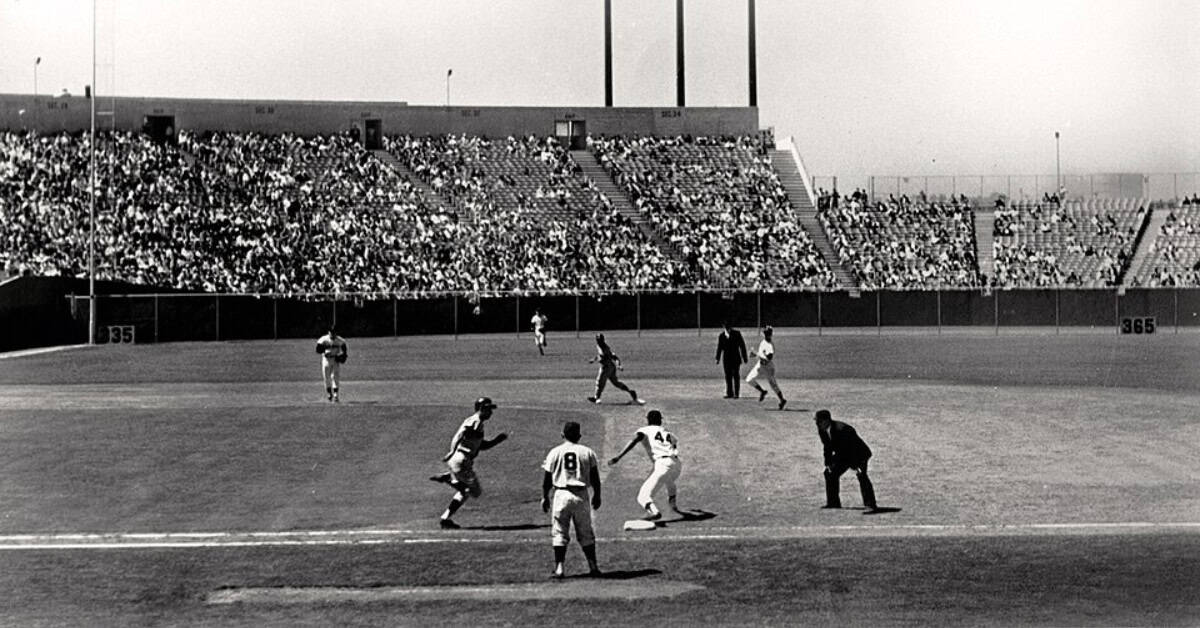
Candlestick Park’s 1984 All-Star Game showcased San Francisco’s notorious wind tunnel during the summer’s only guaranteed warm night, when the ballpark’s swirling breezes and bone-chilling fog created the most unpredictable playing conditions in baseball. The stadium’s concrete brutalism and bay-side location made it feel like a fortress built to withstand nuclear attack, while the famous “Croix de Candlestick” pins given to fans who survived extra-inning games became badges of honor for the truly dedicated. This was baseball’s tribute to Northern California’s unique climate, where even the All-Star Game felt like an endurance test disguised as entertainment.
Olympic Stadium: Montreal’s Concrete Spaceship Brought International Flair
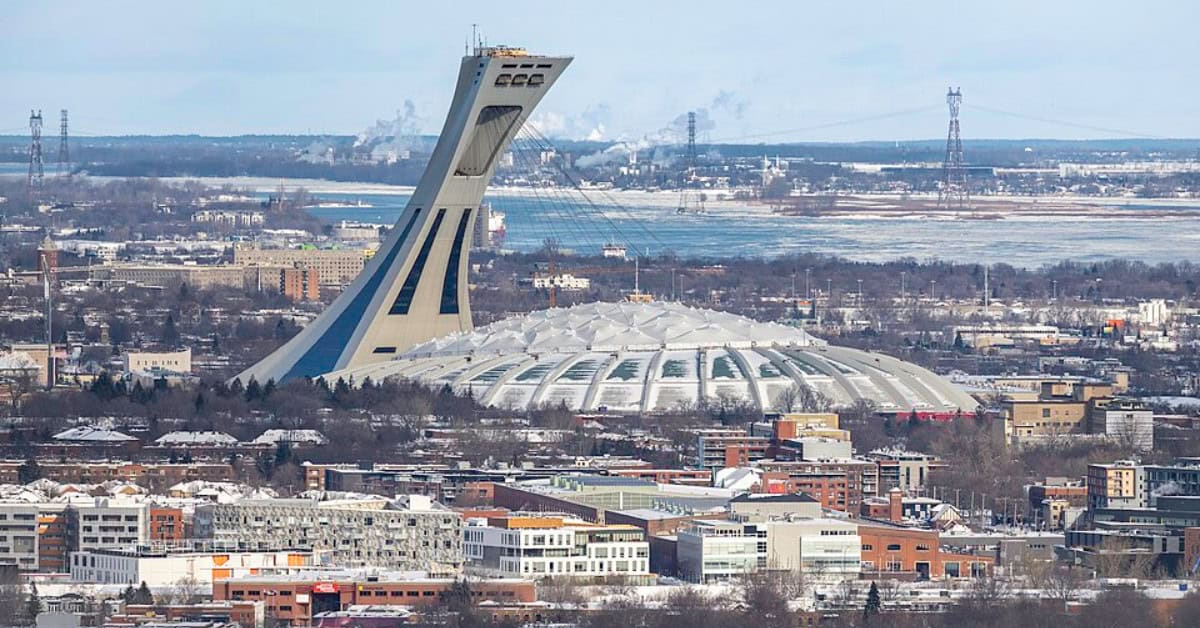
Olympic Stadium’s 1982 All-Star Game brought baseball’s midsummer classic to foreign soil for the first time, where Montreal’s futuristic concrete spaceship and bilingual announcements created an otherworldly atmosphere that felt more like the United Nations than a baseball game. The stadium’s retractable roof and artificial turf represented the cutting edge of sports architecture, while the French-Canadian crowd’s enthusiasm for “le baseball” proved that America’s pastime could thrive even in the most unlikely locations. This was baseball’s international debut, when the All-Star Game became a diplomatic mission disguised as a sporting event.
Municipal Stadium: Cleveland’s Cavernous Lakefront Cathedral
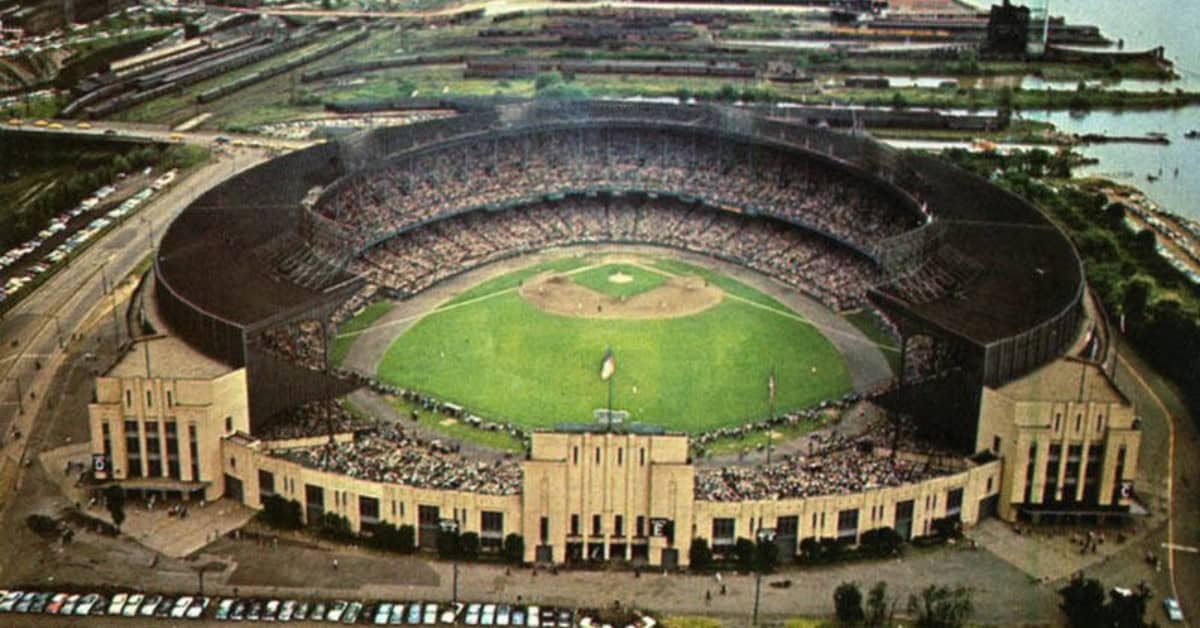
Municipal Stadium’s 1981 All-Star Game transformed Cleveland’s cavernous lakefront monument into baseball’s most intimidating venue, where the building’s massive dimensions and Lake Erie winds created an atmosphere that made even the game’s biggest stars look small. The stadium’s 80,000-seat capacity and concrete brutalism perfectly captured the industrial might of the Rust Belt, while the perpetual threat of rain and the scent of steel mills reminded everyone that this was blue-collar baseball at its most authentic. This was Cleveland’s moment to showcase its baseball passion, when the mistake by the lake briefly became the center of the baseball universe.
Kauffman Stadium: Kansas City’s Fountain-Filled All-Star Showcase
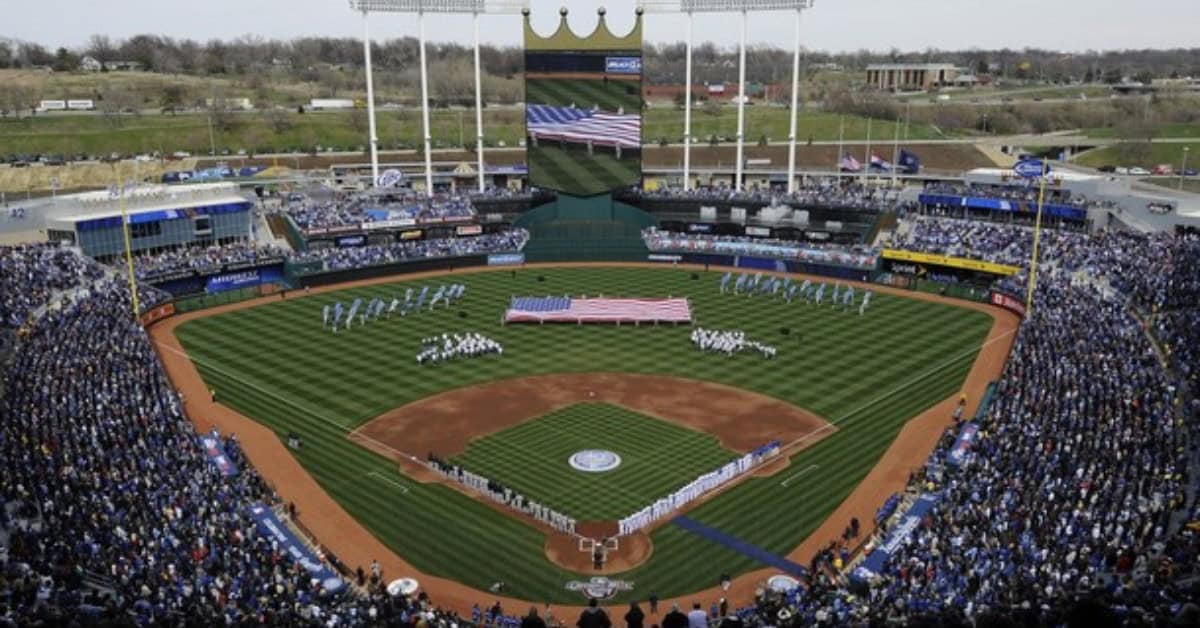
Kauffman Stadium’s 1973 All-Star Game introduced baseball to the most beautiful ballpark in America, where the famous water fountains and rolling hills beyond the outfield created a pastoral paradise that made every other venue look like a concrete prison. The stadium’s innovative design and natural grass perfectly captured the essence of the American heartland, while the barbecue smoke drifting from the parking lot tailgates reminded everyone that Kansas City knew how to throw a party. This was small-market baseball’s architectural masterpiece, when the All-Star Game felt like it was being played in the world’s most elegant backyard.
Wrigley Field: The Friendly Confines Welcomed Baseball’s Elite
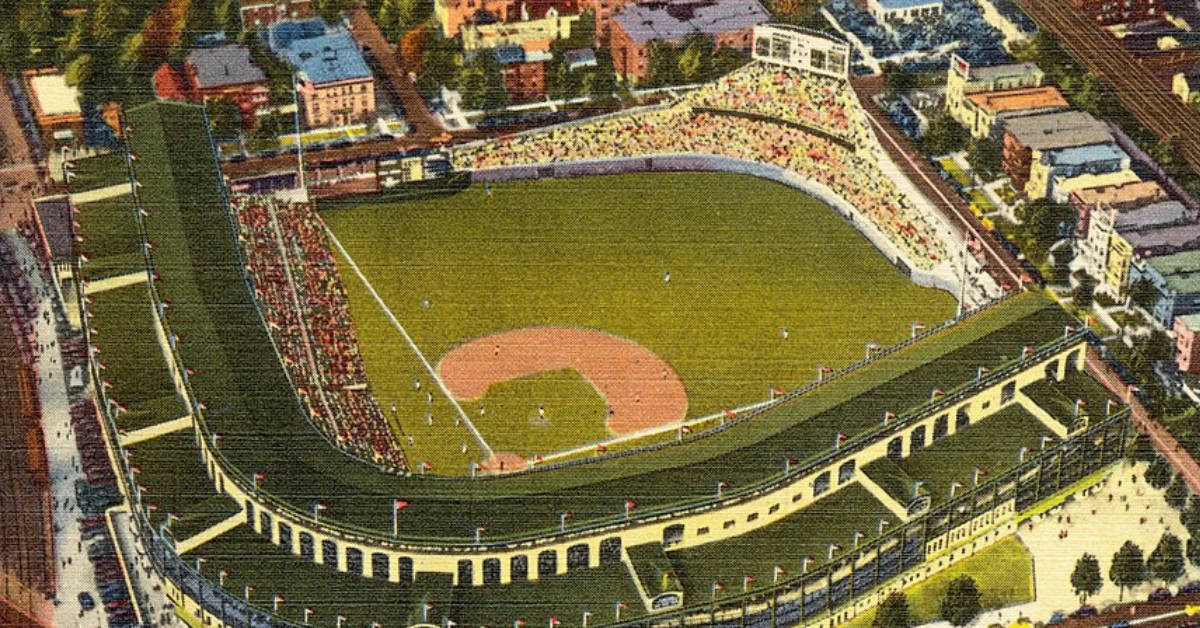
Wrigley Field’s 1990 All-Star Game transformed Chicago’s ivy-covered jewel into baseball’s most romantic venue, where the hand-operated scoreboard and real grass created an atmosphere that felt more like a Norman Rockwell painting than a modern sporting event. The ballpark’s intimate dimensions and neighborhood setting made every fan feel like they were watching baseball in their own backyard, while the Lake Michigan breeze and the aroma of Old Style beer reminded everyone why the Friendly Confines remained baseball’s most beloved address. This was baseball’s tribute to simpler times, when the All-Star Game felt like a family reunion held in America’s most charming living room.
Jack Murphy Stadium: San Diego’s Perfect Weather All-Star Paradise
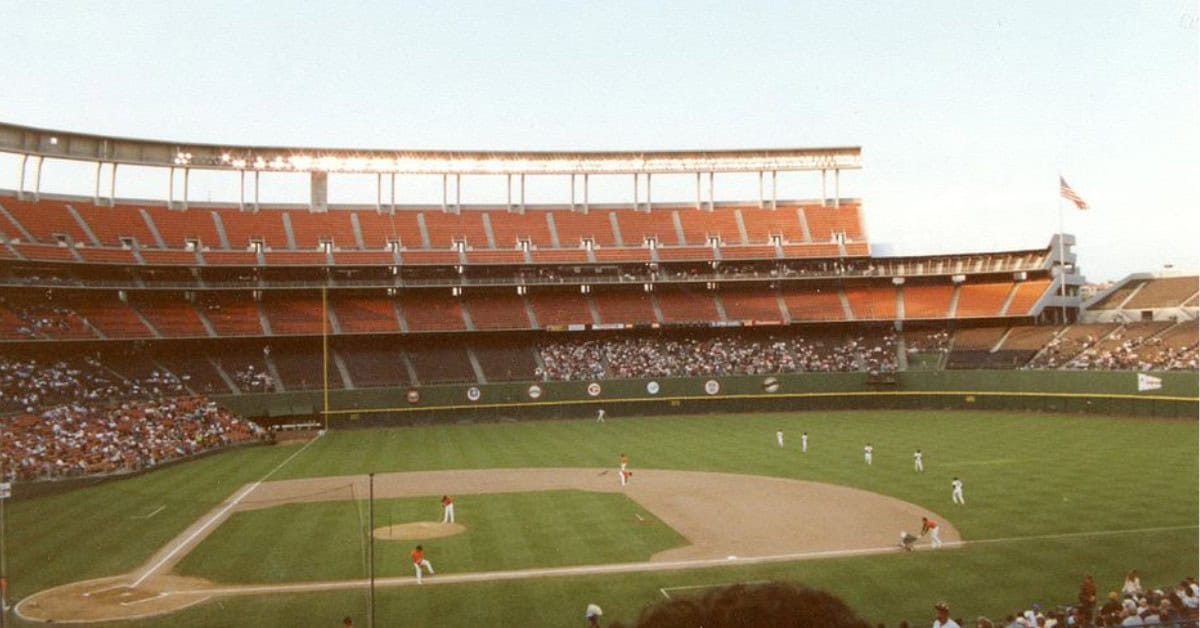
Jack Murphy Stadium’s 1992 All-Star Game showcased San Diego’s perfect weather paradise, where 72-degree temperatures and cloudless skies created the ideal conditions for baseball’s midsummer showcase. The stadium’s multipurpose design and artificial turf epitomized the cookie-cutter era’s obsession with efficiency, yet somehow the building’s sterile perfection was redeemed by the Pacific Ocean breeze and the laid-back Southern California atmosphere. This was baseball’s tribute to the good life, when the All-Star Game felt like a vacation disguised as a sporting event.
Busch Stadium: St. Louis’s Cookie-Cutter Served Up Cardinal Pride

Busch Stadium’s 1966 All-Star Game transformed St. Louis’s concrete bowl into a showcase for Cardinal pride, where the stadium’s artificial turf and symmetrical dimensions provided the perfect backdrop for the Gateway City’s baseball passion. The building’s sterile functionality was redeemed by the enthusiastic crowd and the Mississippi River breeze, while the famous Budweiser scoreboard reminded everyone that this was beer country’s tribute to America’s pastime. This was middle America’s All-Star moment, when the heartland proved it could host baseball’s elite with the same workmanlike efficiency that built the Cardinal Way.
SkyDome: Toronto’s Retractable Roof Revolutionized All-Star Night
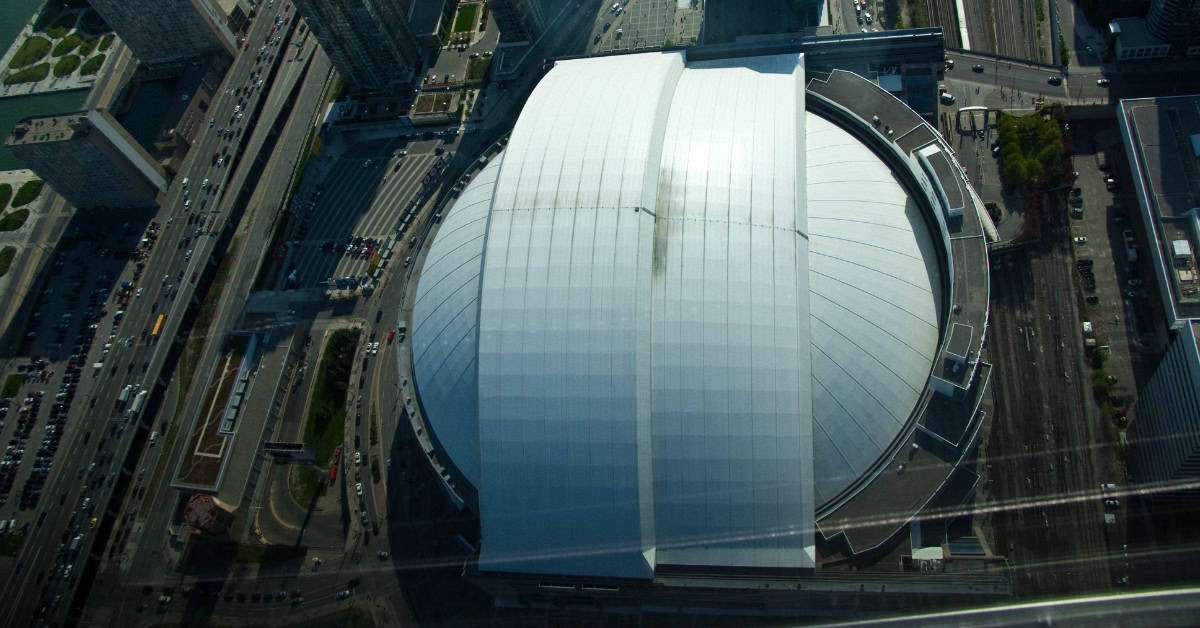
SkyDome’s 1991 All-Star Game showcased baseball’s technological future, where the world’s first retractable roof stadium created a climate-controlled paradise that made every other venue look primitive by comparison. The building’s innovative design and luxury amenities represented the cutting edge of sports architecture, while the international crowd’s enthusiasm for “baseball, eh?” proved that America’s pastime could thrive even in the most unlikely locations. This was baseball’s glimpse into the future, when the All-Star Game became a showcase for architectural innovation disguised as entertainment.
Coors Field: Denver’s Thin Air Made All-Star Homers Fly Forever
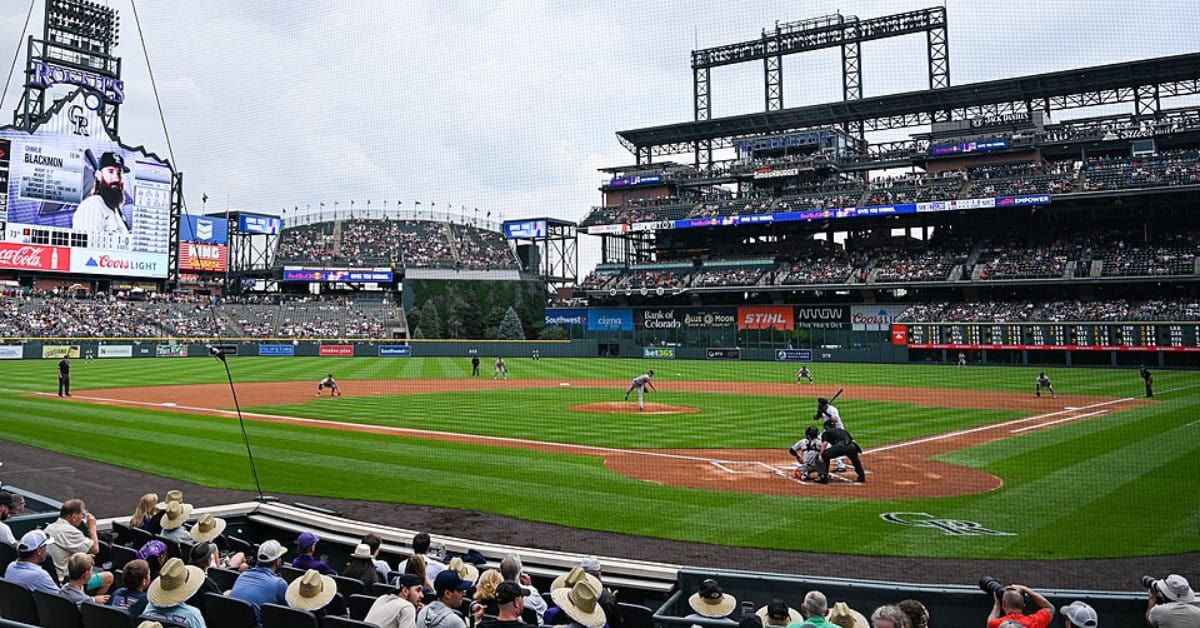
Coors Field’s 1998 All-Star Game transformed Denver’s mile-high palace into baseball’s ultimate launching pad, where the thin Rocky Mountain air turned routine fly balls into majestic home runs that seemed to defy the laws of physics. The ballpark’s brick facade and natural grass created a nostalgic atmosphere that perfectly captured the retro revolution sweeping through baseball, while the snow-capped mountains beyond the outfield reminded everyone that this was frontier baseball at its most spectacular. This was baseball’s tribute to the American West, when the All-Star Game felt like a celebration of manifest destiny disguised as a sporting event.
Camden Yards: Baltimore’s Retro Revolution Changed All-Star History
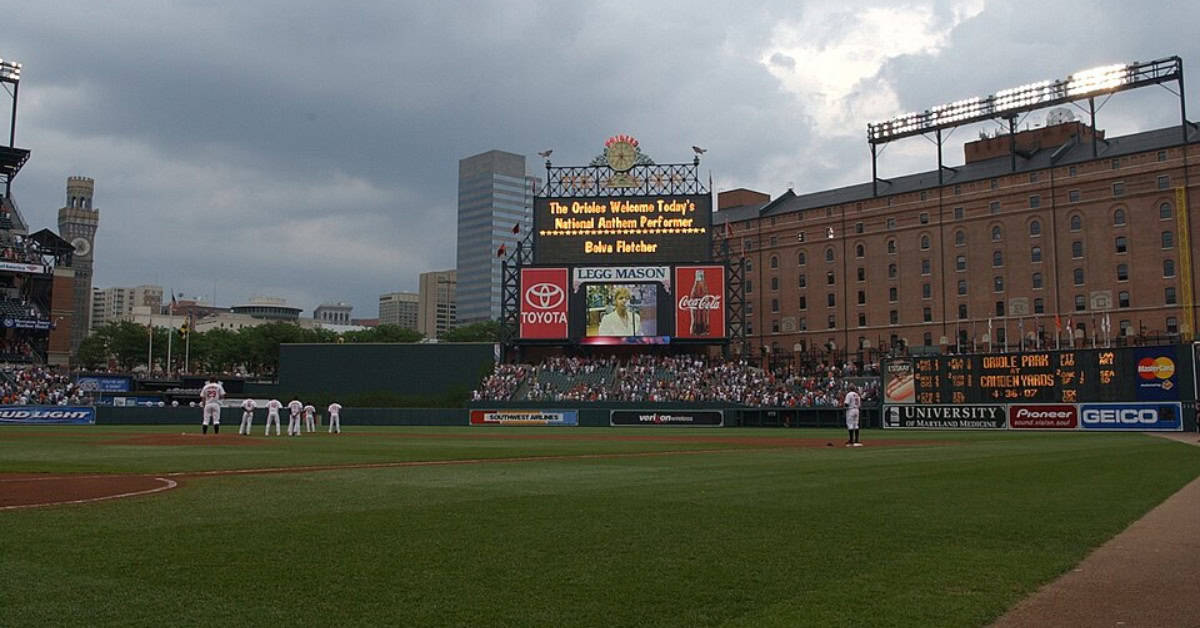
Camden Yards’ 1993 All-Star Game revolutionized baseball architecture forever, where Baltimore’s brick and steel masterpiece proved that new ballparks could capture the soul of the old while embracing the conveniences of the modern era. The stadium’s asymmetrical dimensions and natural grass created an intimate atmosphere that made every fan feel connected to the action, while the warehouse beyond right field reminded everyone that baseball’s future lay in honoring its past. This was baseball’s architectural renaissance, when the All-Star Game became the coronation ceremony for a new era of ballpark design that would influence stadium construction for generations to come.