

Last Updated: June 17th, 2026 by Michael Schatz
From the frozen tundra of Metropolitan Stadium to the climate-controlled comfort of Target Field, the Minnesota Twins have gifted us with legends who made baseball feel like pure magic. These 25 players didn’t just wear the uniform—they became the heartbeat of a franchise that turned ordinary October nights into unforgettable memories.
Don't lose this article. Enter your email below, and I'll send it to you right now. Plus, we'll send you other unbelievable stories from baseball's past.
25. Randy Bush – The Steady Utility Man Who Survived Two Championship Decades
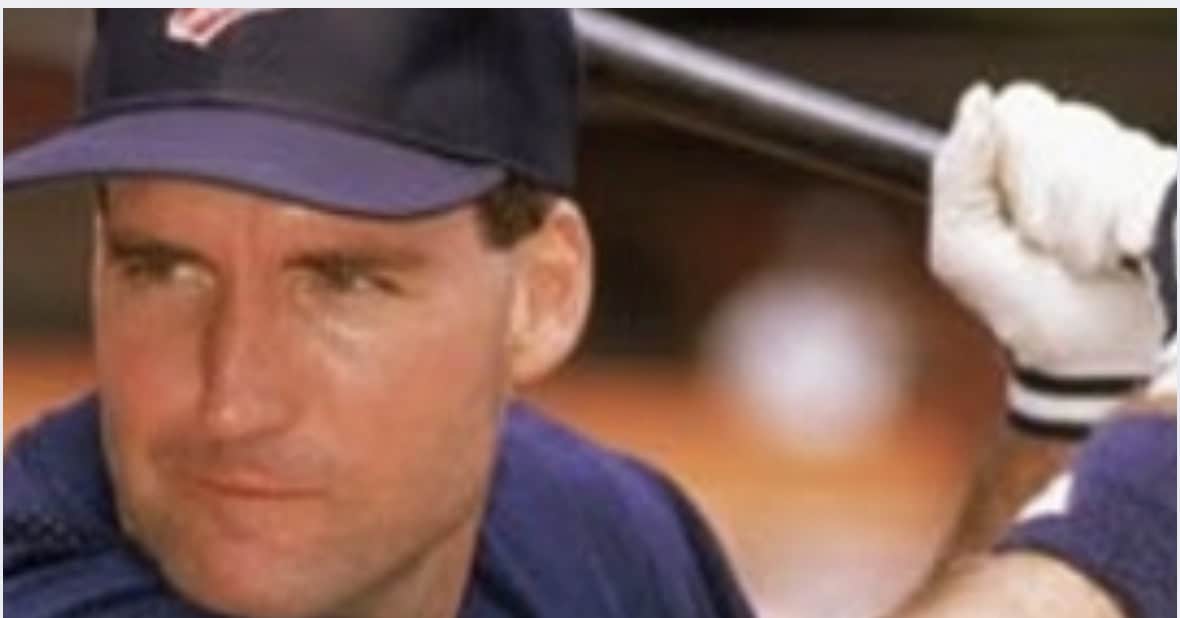
Randy Bush was the Swiss Army knife before Michael Cuddyer made it cool, playing everywhere from first base to the outfield with workmanlike precision. He spent 12 seasons in Minnesota, contributing to both the 1987 and 1991 World Series championships with clutch hitting and defensive versatility. Bush’s .251 career average doesn’t tell the story of a player who always seemed to deliver when the Twins needed him most, embodying the blue-collar spirit that defined those championship teams.
#24. Denard Span – The Leadoff Catalyst Who Made Center Field Look Easy
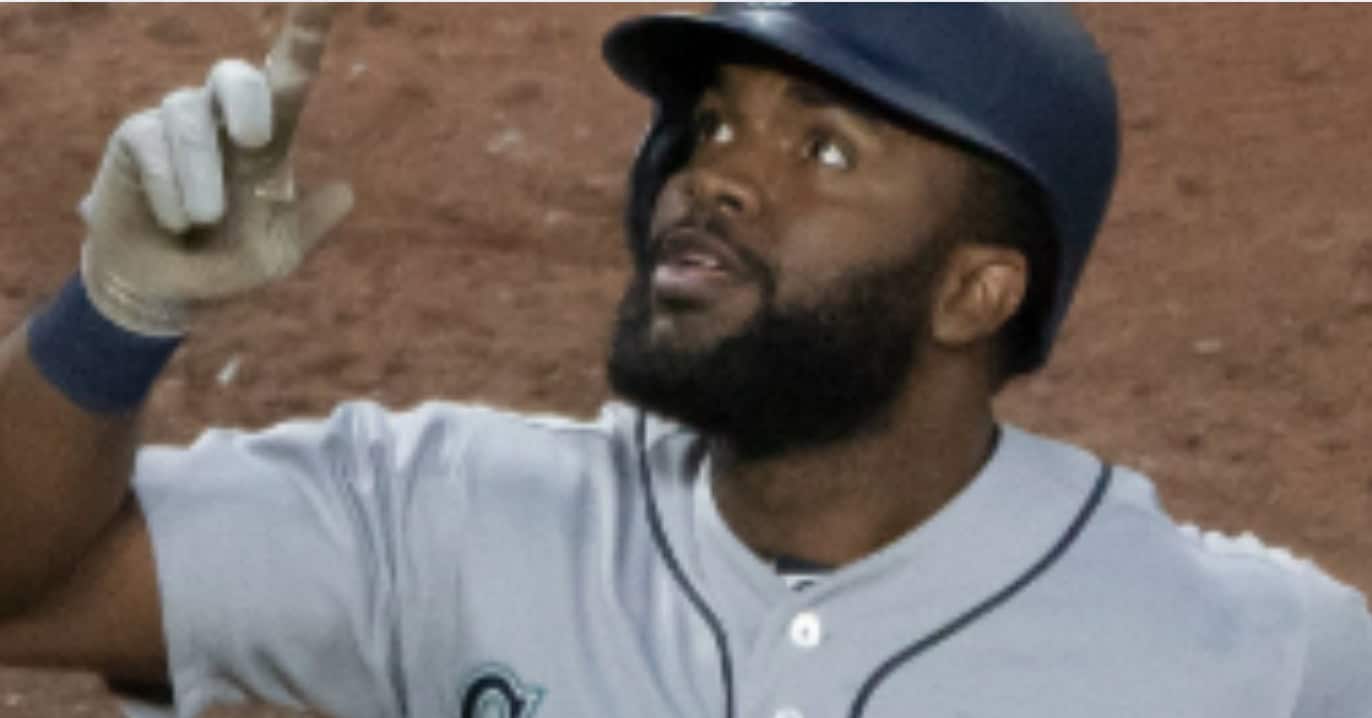
Denard Span glided across the Metrodome’s artificial turf like he was born to play center field, covering ground with an effortless grace that made difficult catches look routine. From 2008 to 2012, he was the perfect leadoff hitter for the Twins’ playoff runs, combining speed, patience, and gap power. His .284 average and 88 stolen bases in Minnesota set the table for Justin Morneau and Joe Mauer, proving that sometimes the best players are the ones who make everyone else better.
23. Jason Kubel – The Designated Masher with Postseason Power
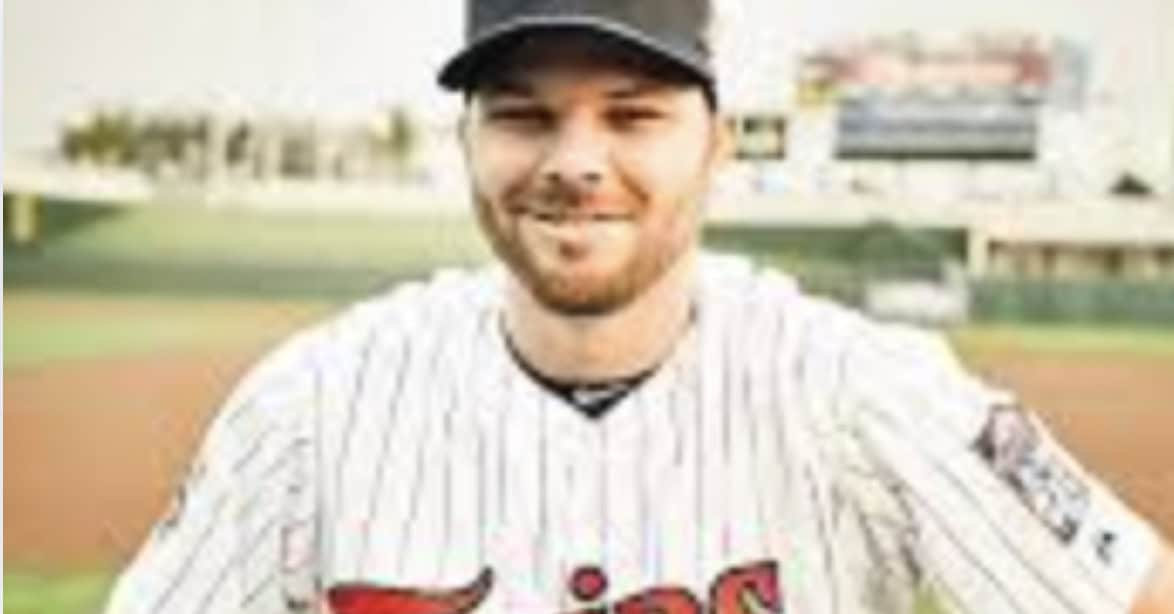
Jason Kubel overcame a devastating knee injury in the minors to become one of the most feared designated hitters in Twins history, launching 103 home runs during his Minnesota tenure. His left-handed power stroke was perfectly suited for the Metrodome’s dimensions, and he saved his best for October, hitting .318 in the postseason. Kubel represented the grittiness of mid-2000s Twins baseball, a player who refused to let injury derail his dreams and rewarded the organization’s faith with clutch hitting when it mattered most.
22. Michael Cuddyer – The Swiss Army Knife’s Decade of Dependability
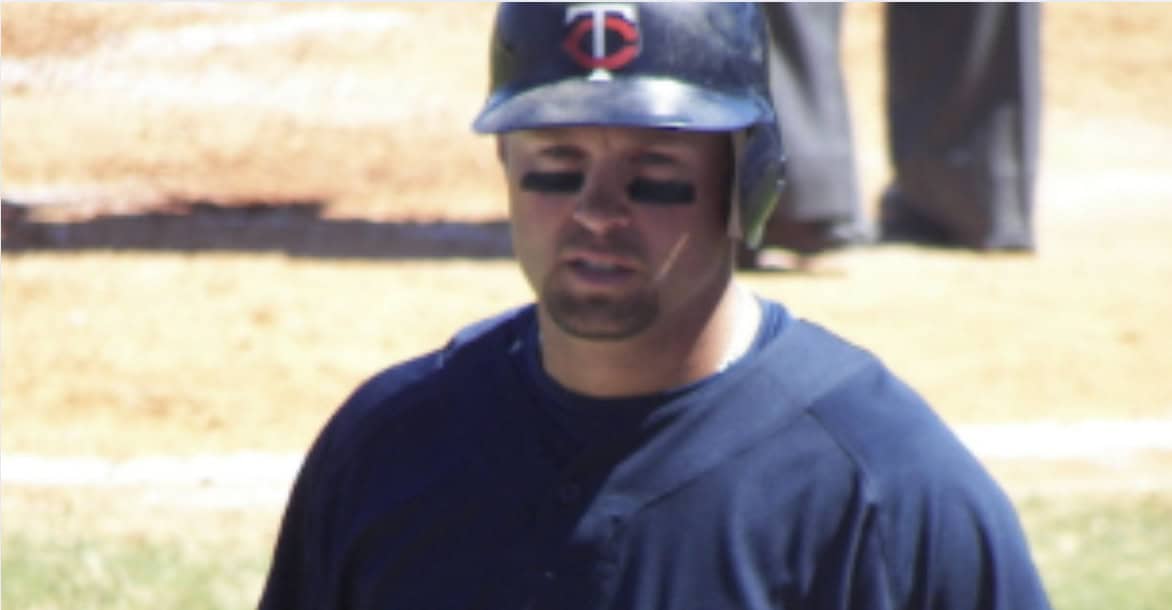
Michael Cuddyer embodied versatility like few players in Twins history, playing every position except pitcher and catcher during his nine seasons in Minnesota. His 109 home runs and steady .266 average provided consistent production, but it was his leadership and professionalism that made him invaluable to the clubhouse. Cuddyer’s 2009 season, when he hit .276 with 32 homers, showcased the peak of his all-around excellence, proving that sometimes the most valuable players are the ones who simply show up and do their job every single day.
21. Corey Koskie – The Canadian Corner Man with Surprising Pop
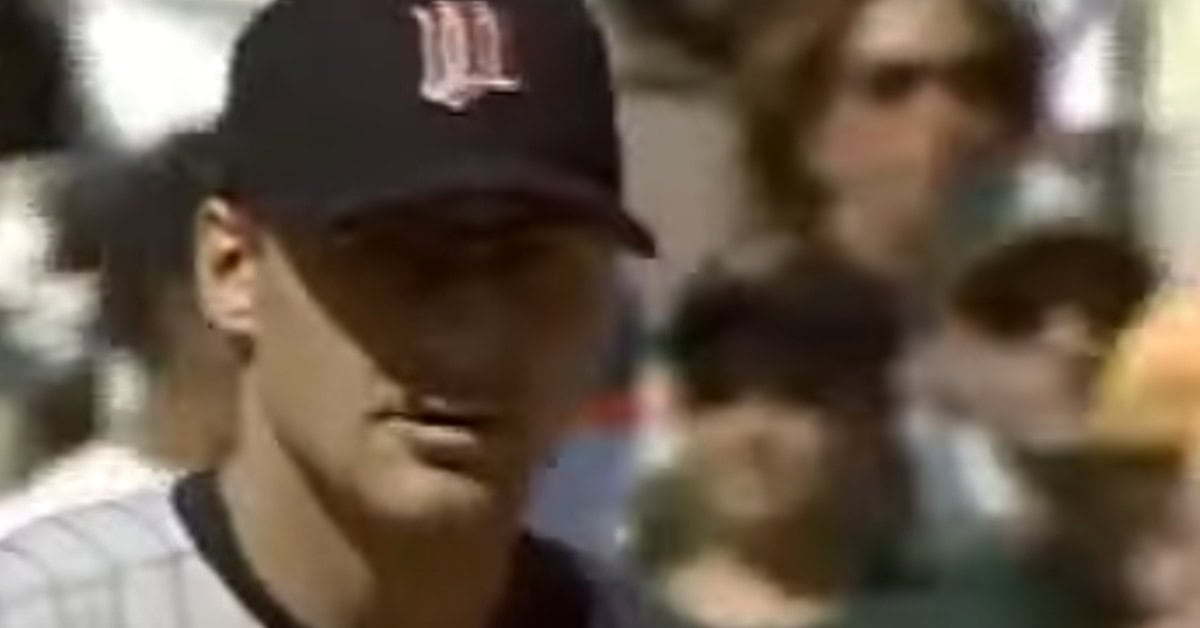
Corey Koskie brought a unique blend of power and patience to third base, becoming the first Canadian position player to have a significant impact in Twins history. His 90 home runs and 124 walks in 2001 showcased a player who understood the value of getting on base, while his steady glove work anchored the hot corner. Koskie’s Canadian politeness masked a fierce competitor who helped bridge the gap between the championship teams of the early ’90s and the division winners of the mid-2000s.
20. Greg Gagne – The Slick Shortstop Who Sparked Two World Series

Greg Gagne’s glove work at shortstop provided the defensive foundation for both Twins championship teams, turning double plays with Gary Gaetti and Chuck Knoblauch like they were reading each other’s minds. His .254 career average doesn’t capture his October magic, including crucial hits in both 1987 and 1991 World Series runs. Gagne represented the lunch-pail mentality of those championship squads. This player understood that sometimes the most important contributions don’t show up in the box score but in the championship banners hanging from the rafters.
19. Rick Aguilera – The Closer Who Delivered October Magic
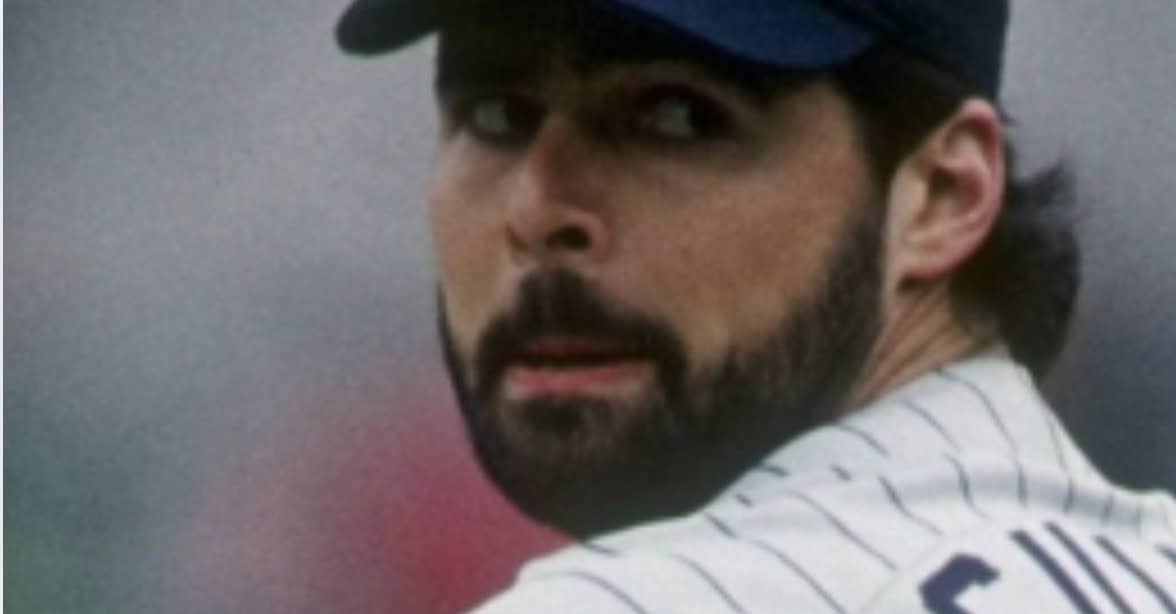
Rick Aguilera transformed from a struggling starter with the Mets into one of the most dominant closers in Twins history, saving 254 games over two separate stints in Minnesota. His 2.76 ERA and devastating slider made him nearly unhittable in the ninth inning, particularly during the magical 1991 postseason run. Aguilera’s ability to rise to the occasion when the stakes were highest epitomized the clutch gene that defined those championship Twins teams, proving that sometimes a change of scenery and role can unlock greatness.
18. Chuck Knoblauch – The Scrappy Second Sacker Before the Yips
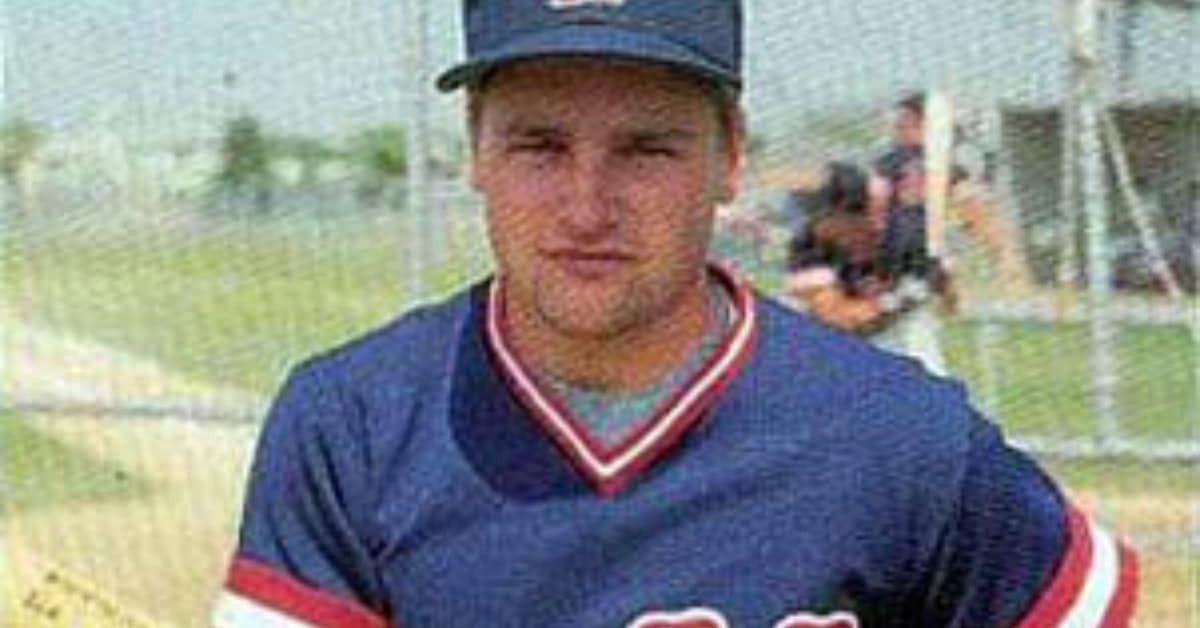
Chuck Knoblauch was pure electricity at second base, combining speed, scrappiness, and clutch hitting that made him the 1991 AL Rookie of the Year and a key cog in the World Series championship machine. His 140 stolen bases and .289 average over seven seasons in Minnesota showcased a player who could change games with his legs and bat. Before the throwing yips derailed his career, Knoblauch represented everything great about Twins baseball: hustle, intelligence, and an uncanny ability to come through when it mattered most, particularly in that magical October of 1991.
17. Gary Gaetti – The Hot Corner Wizard of Championship Dreams
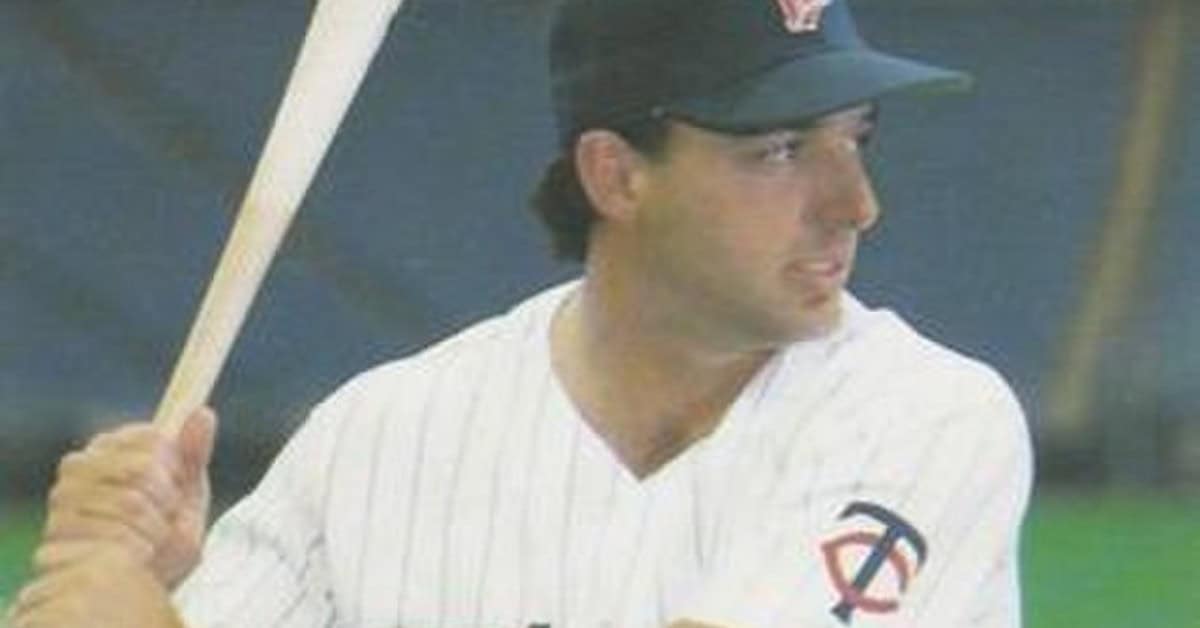
Gary Gaetti’s rocket arm and lightning-quick reflexes made third base look like a video game, earning him four Gold Gloves while anchoring the left side of the infield for both championship teams. His 201 home runs and 830 RBIs over 11 seasons provided the perfect blend of power and defense that championship teams require. Gaetti’s clutch gene reached its peak in October 1987, when his timely hitting helped deliver Minnesota’s first World Series title, cementing his legacy as one of the greatest third basemen in franchise history.
16. Jim Perry – The Cy Young Sinkerball Master of 1970
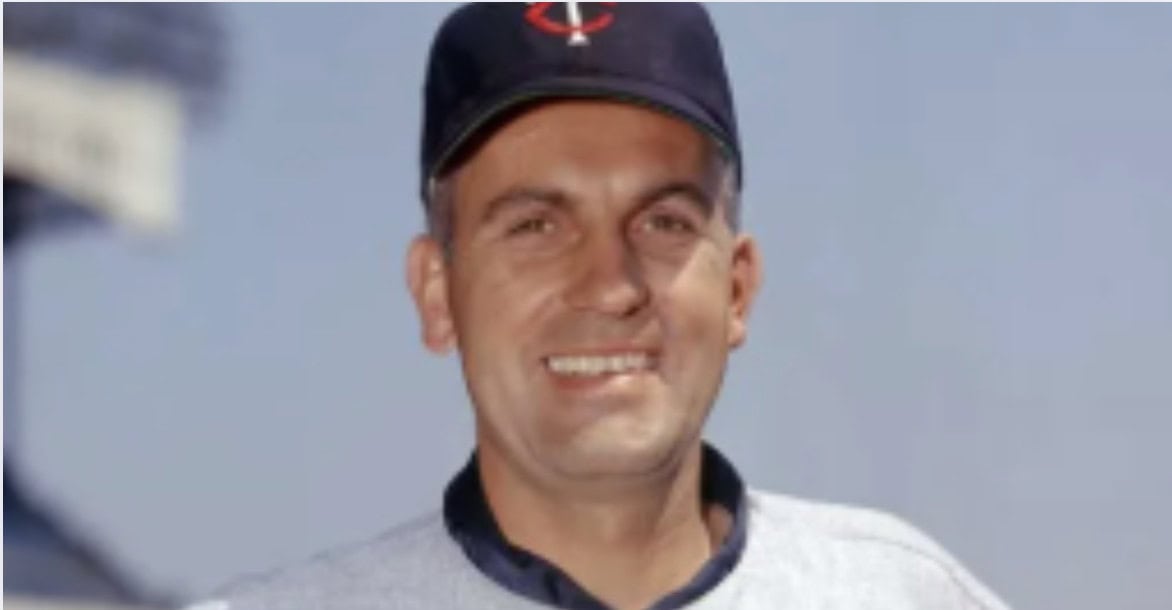
Jim Perry’s devastating sinkerball made him the first Twins pitcher to win the Cy Young Award, going 24-12 with a 3.04 ERA in 1970 while leading the league in wins. His 128 victories over 10 seasons in Minnesota established him as the franchise’s most consistent starter of the pre-championship era. Perry’s ability to induce ground balls and eat innings made him the perfect pitcher for the Twins’ strong infield defense, proving that sometimes the most effective approach is simply throwing strikes and letting your teammates make plays behind you.
15. Bob Allison – Minnesota’s First Franchise Slugging Hero
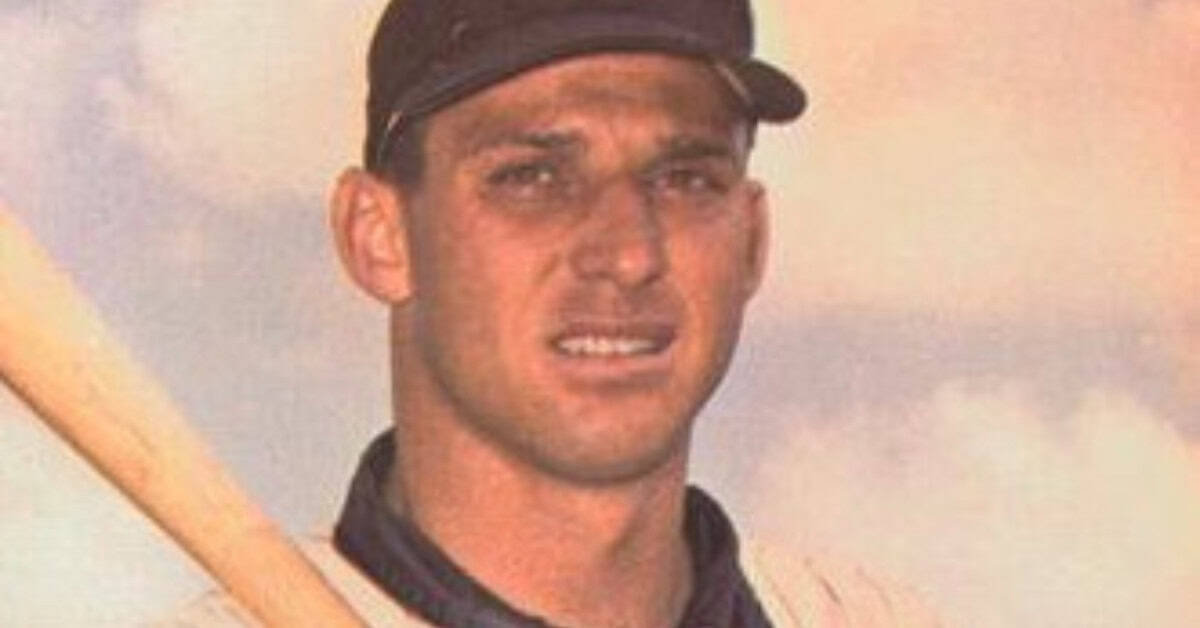
Bob Allison became the face of the franchise when the Senators moved to Minnesota, launching 211 home runs and driving in 796 runs over 13 seasons while establishing the power-hitting tradition that would define Twins baseball. His 1959 AL Rookie of the Year award and three All-Star selections showcased a player who could carry a team on his broad shoulders. Allison’s combination of power, speed (he stole 84 bases), and clutch hitting made him the perfect ambassador for baseball in the Twin Cities, proving that Minnesota fans would embrace stars who played the game with passion and intensity.
14. Brad Radke – The Quiet Ace Who Never Sought Spotlight
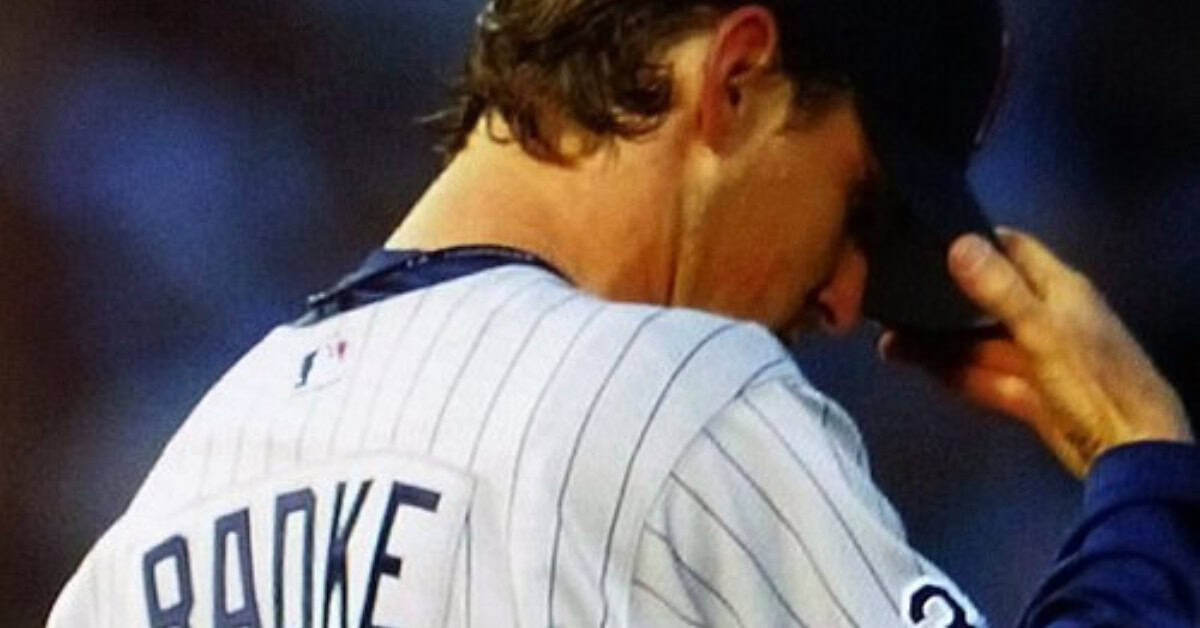
Brad Radke epitomized quiet excellence, winning 148 games over 12 seasons with pinpoint control and an unflappable demeanor that made him the perfect staff ace for the Twins’ early 2000s resurgence. His 3.87 ERA and 1,467 strikeouts came without fanfare or self-promotion, just consistent excellence that ate innings and kept the team in games. Radke’s 2004 season, when he won 11 games with a 3.48 ERA while anchoring the pitching staff for a division-winning team, showcased a pitcher who understood that individual statistics mattered less than giving your team a chance to win every fifth day.
13. Joe Nathan – The Closer Who Made the Ninth Inning Must-See TV
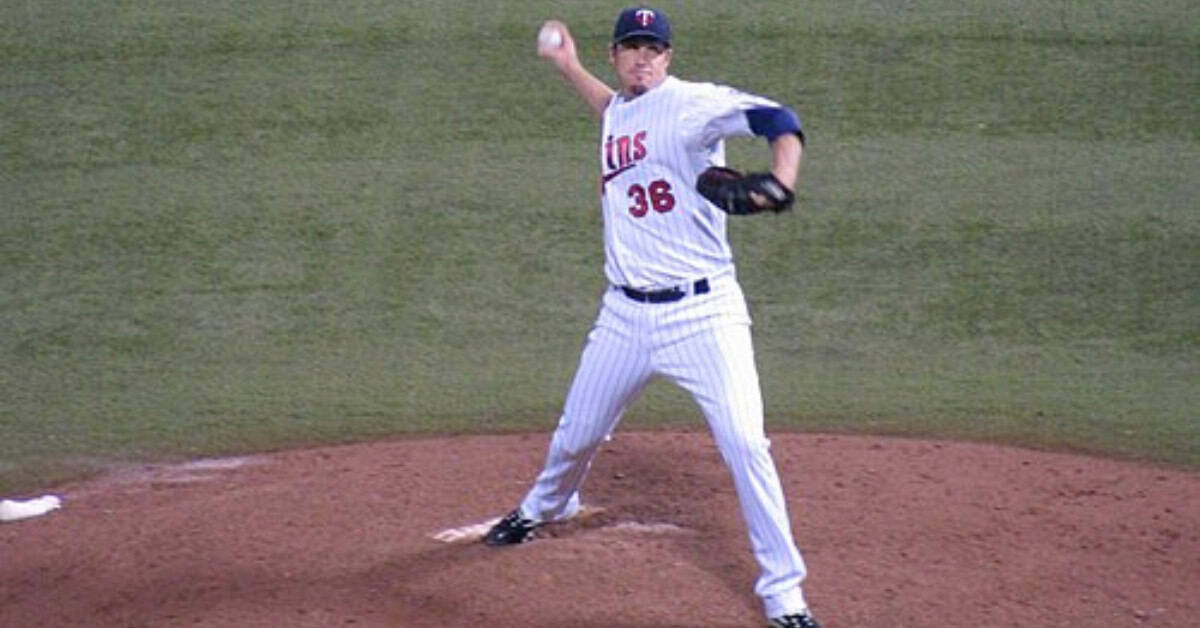
Joe Nathan’s 260 saves and 2.16 ERA over eight seasons turned the ninth inning at the Metrodome into appointment television, with his 95-mph fastball and devastating slider making him virtually unhittable. His four All-Star selections and 2004 AL saves leader award established him as one of the premier closers in baseball during the Twins’ mid-2000s playoff runs. Nathan’s ability to slam the door with authority gave Twins fans the confidence that any lead entering the ninth inning was as good as gold, creating an aura of invincibility that lifted the entire team.
12. Frank Viola – Sweet Music’s World Series Symphony
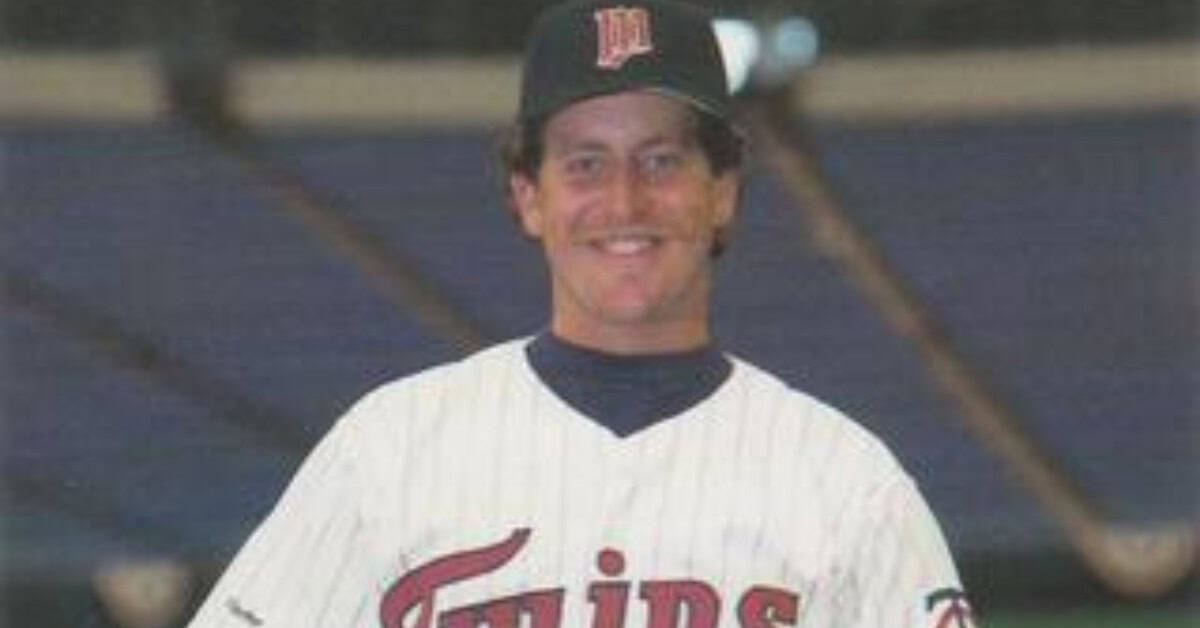
Frank Viola earned the nickname “Sweet Music” for the poetry in motion that was his left-handed delivery, culminating in a World Series MVP performance in 1987 and a Cy Young Award in 1988. His 112 wins over eight seasons in Minnesota included his magical 1988 campaign when he went 24-7, but it was his October heroics in the 1987 World Series that first cemented his legacy. Viola proved that greatness is measured not just in regular season statistics but in the ability to rise to the occasion when an entire city is watching.
11. Justin Morneau – The Canadian MVP Who Crushed When It Counted
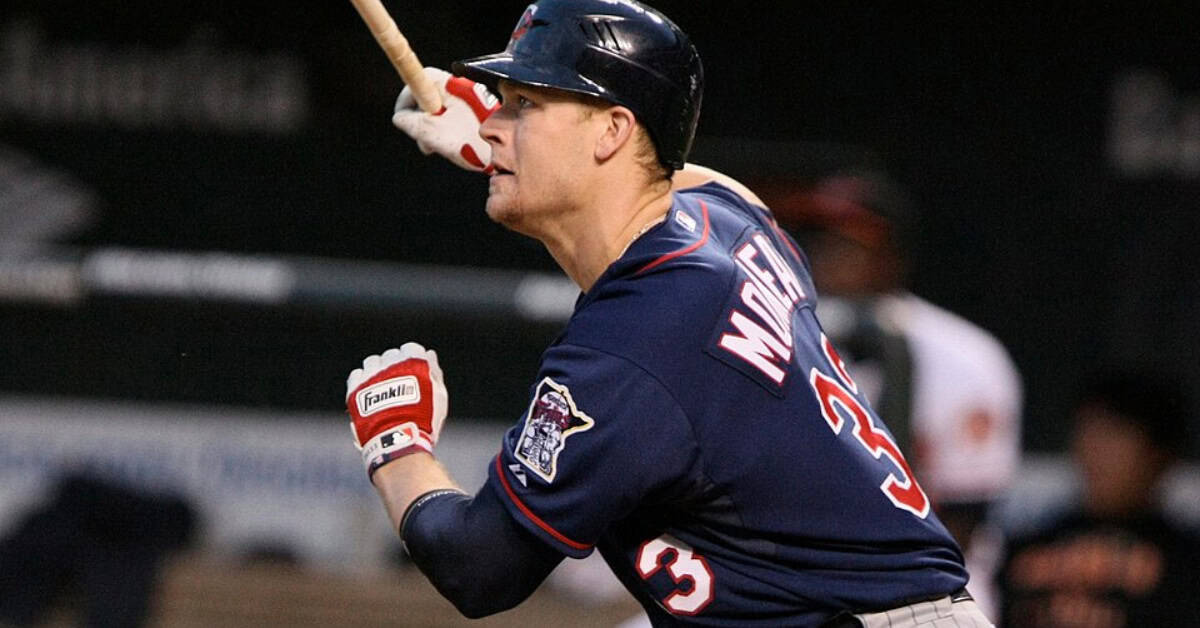
Justin Morneau’s 2006 AL MVP season, when he hit .321 with 34 home runs and 130 RBIs, represented the peak of the Twins’ offensive renaissance and established him as one of the most feared first basemen in the American League. His 221 home runs and 860 RBIs over 11 seasons in Minnesota provided the perfect complement to Joe Mauer’s contact hitting, forming one of the most potent 3-4 combinations in baseball. Morneau’s clutch gene reached its zenith during the Twins’ playoff runs, when his ability to drive in runs with men in scoring position made him the perfect cleanup hitter for championship-caliber teams.
10. Johan Santana – The Changeup Picasso Who Painted Strikeout Art
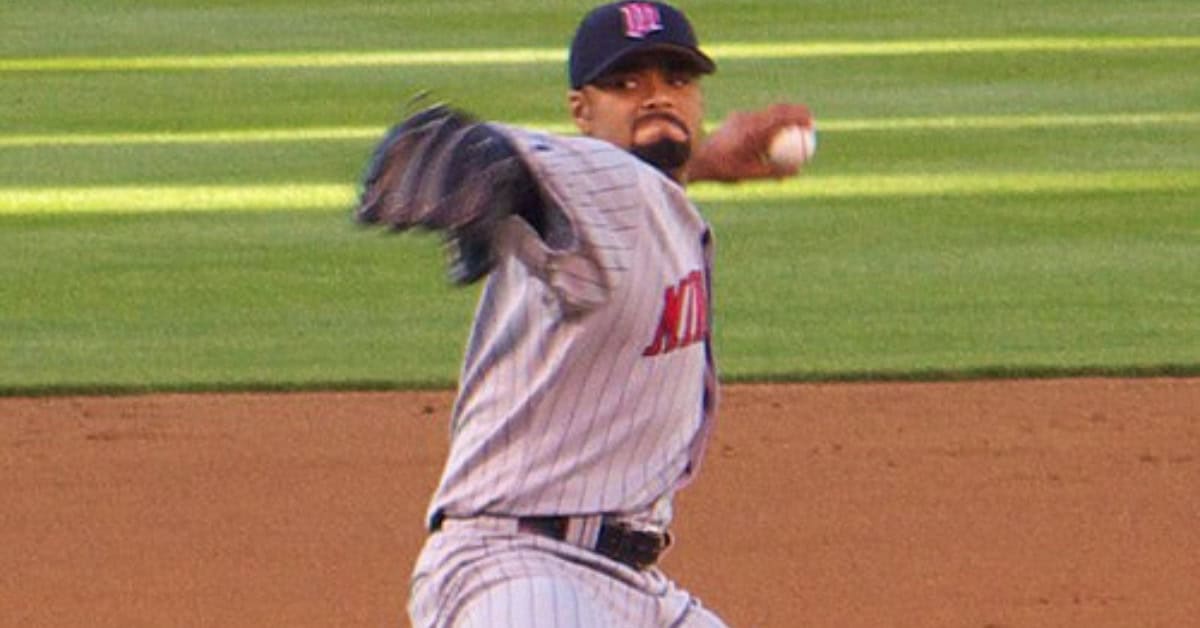
Johan Santana’s devastating changeup made him a two-time Cy Young Award winner and the most dominant pitcher in Twins history, striking out 1,381 batters over seven seasons with an artistry that bordered on the supernatural. His 2004 season, when he went 20-6 with a 2.61 ERA and 265 strikeouts, showcased a pitcher at the absolute peak of his powers, capable of making the best hitters in the world look foolish. Santana’s ability to change speeds and locations with surgical precision turned every start into a masterclass in pitching, proving that sometimes the most beautiful art comes from making the difficult look effortless.
9. Jim Kaat – Kitty’s Golden Glove and Quarter-Century Excellence
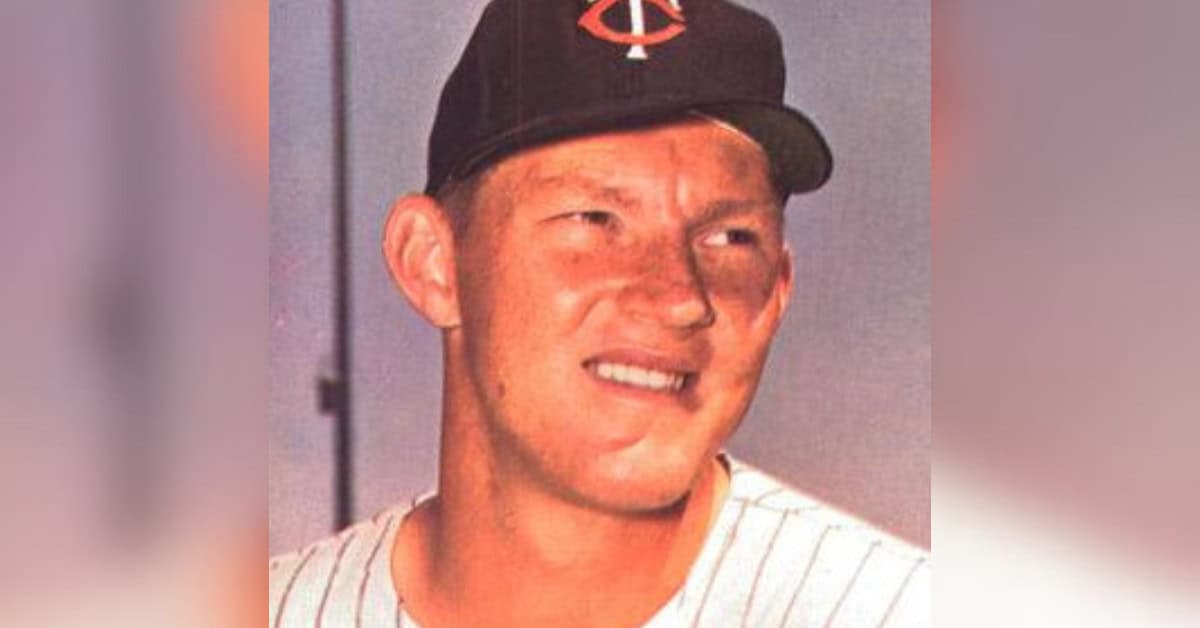
Jim Kaat’s 189 wins over 15 seasons in Minnesota established him as the Minnesota Twins’ all-time victory leader, while his 16 Gold Gloves made him one of the greatest fielding pitchers in baseball history. His durability and consistency were legendary, throwing over 200 innings in 13 different seasons while maintaining a 3.45 ERA that showcased remarkable longevity. “Kitty” represented the old-school values of pitching to contact and trusting your defense, proving that sometimes the most effective approach is simply throwing strikes and letting your exceptional glove work get you out of trouble when batters make contact.
8. Kent Hrbek – The Bloomington Bomber Who Bled Twins Red
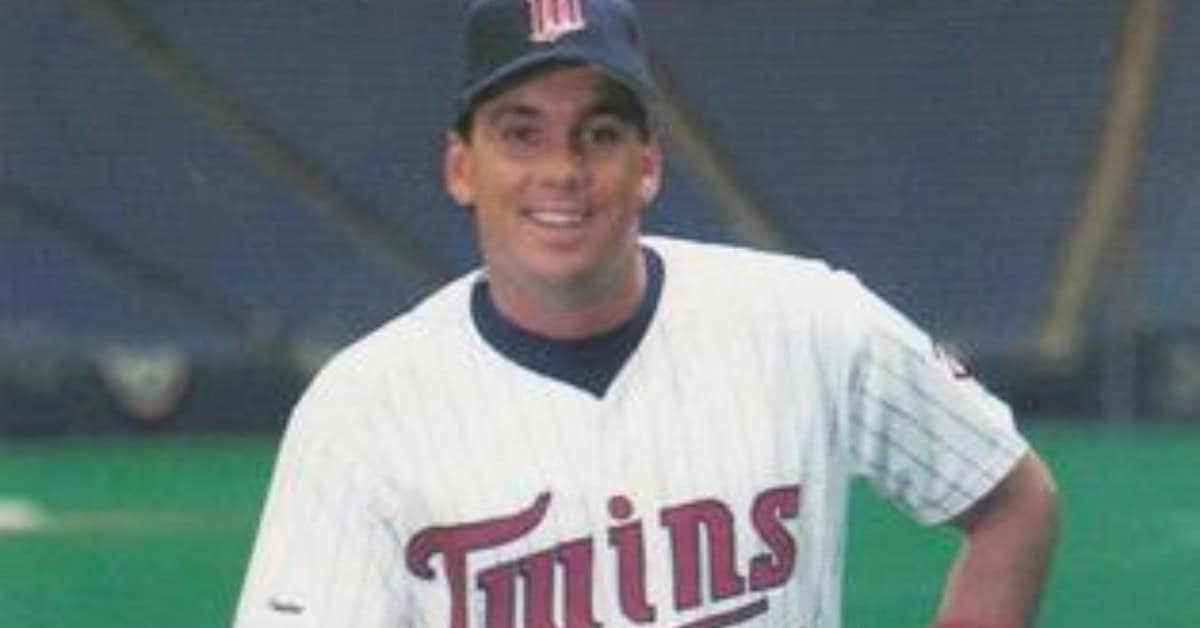
Kent Hrbek embodied everything great about Minnesota baseball, a homegrown hero from Bloomington who launched 293 home runs and drove in 1,086 runs while becoming the emotional heart of two championship teams. His clutch hitting in both 1987 and 1991 World Series runs, including that controversial but brilliant tag of Ron Gant in Game 2 of ’91, showcased a player who understood the weight of October moments. Hrbek’s retirement at age 32 robbed baseball of several more productive seasons, but his legacy as the ultimate hometown hero remains unmatched in Twins history.
7. Joe Mauer – The Hometown Hero Who Never Left
Joe Mauer’s 2009 AL MVP season, when he hit .365 with 28 home runs while catching 138 games, represented the pinnacle of offensive excellence from the most demanding position on the field. His three batting titles and .306 career average established him as the greatest hitting catcher in American League history, while his decision to sign a hometown discount and finish his career in Minnesota made him a beloved figure. Mauer’s transition from catcher to first base extended his career and allowed fans to appreciate his pure hitting ability, proving that sometimes the greatest gift an athlete can give a city is simply staying home.
6. Torii Hunter – The Acrobatic Center Fielder Who Stole Home Runs
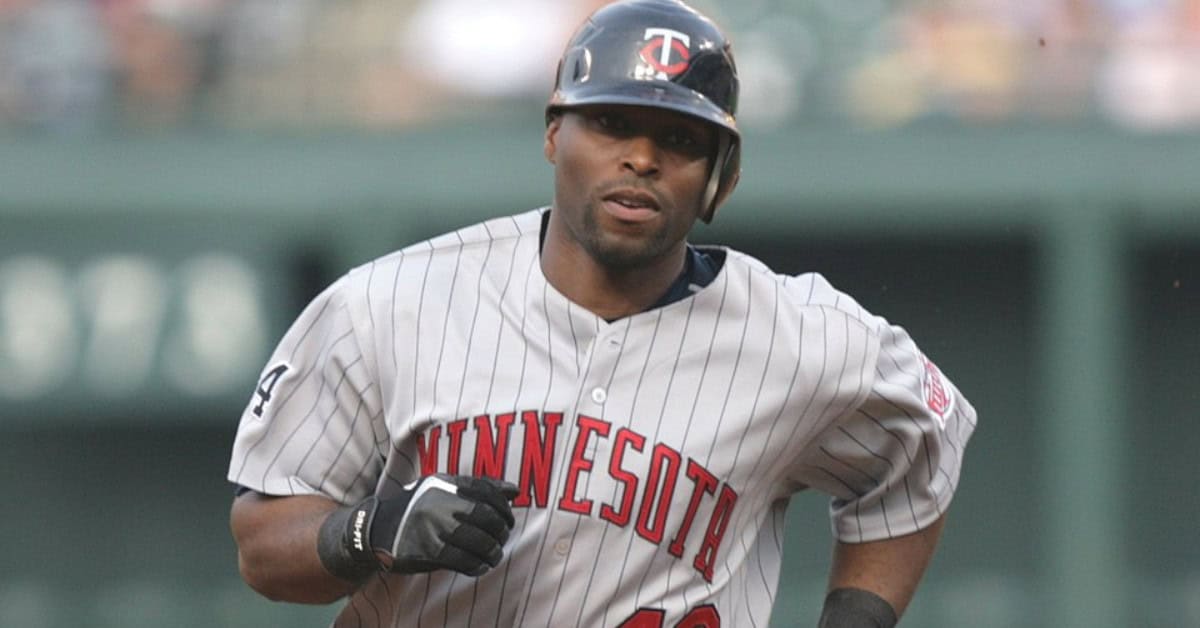
Torii Hunter’s nine Gold Gloves and highlight-reel catches made him the most spectacular defensive player in Twins history, turning routine fly balls into works of art with his acrobatic leaps and wall-climbing catches. His 181 home runs and 830 RBIs over 12 seasons provided the perfect complement to his defensive wizardry, making him a complete five-tool player who could change games with his glove or bat. Hunter’s infectious smile and tireless work ethic made him a fan favorite who represented everything positive about baseball, proving that sometimes the most memorable moments come not from statistics but from pure athletic artistry.
5. Bert Blyleven – The Curveball Magician’s Hall of Fame Journey
Bert Blyleven’s devastating curveball and 149 wins over 11 seasons in Minnesota made him one of the greatest pitchers in franchise history, though his Hall of Fame recognition took far too long to arrive. His 2,035 strikeouts in a Twins uniform showcased a pitcher who could make the best hitters in baseball look foolish with a breaking ball that seemed to defy physics. Blyleven’s durability and consistency, including 17 seasons with double-digit wins, proved that sometimes greatness is measured not in flashy statistics but in the ability to take the ball every fifth day and give your team a chance to win for over two decades.
4. Tony Oliva – The Cuban Rocket’s Hall of Fame Swing
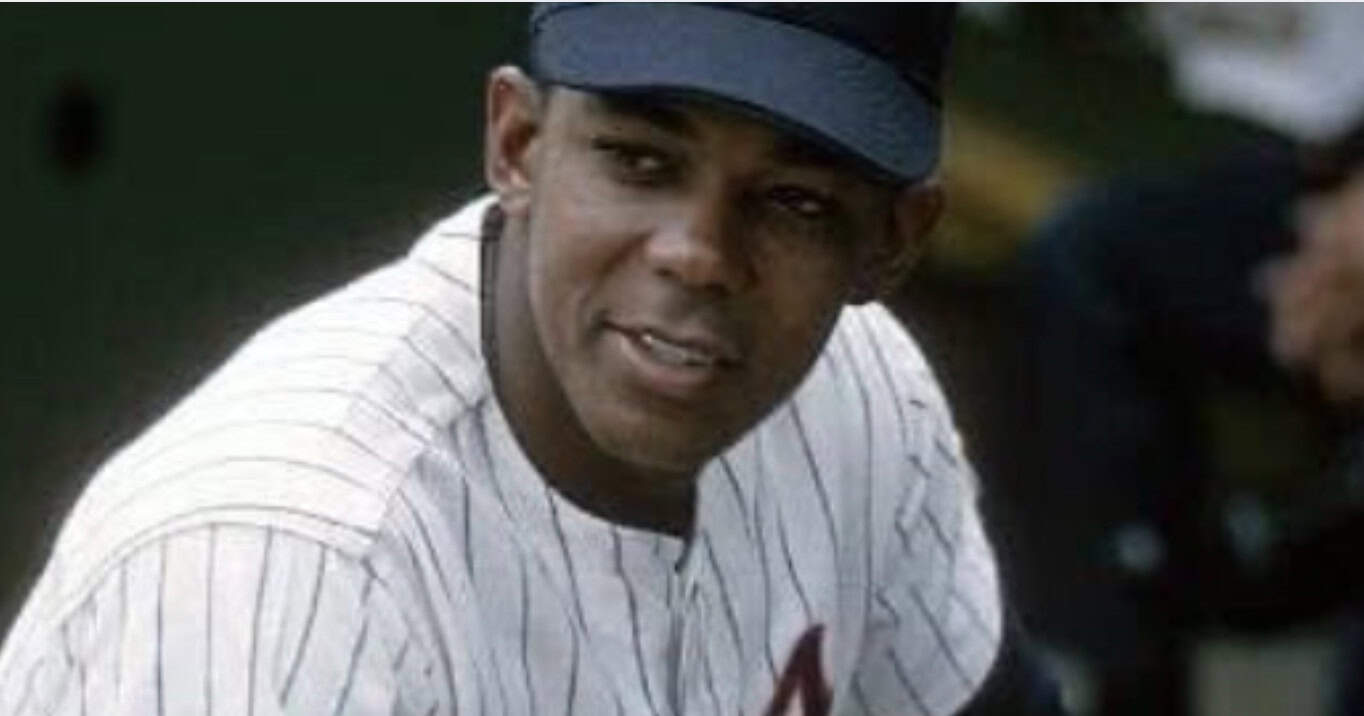
Tony Oliva’s .304 career average and three batting titles established him as one of the greatest pure hitters in baseball history, with a swing so smooth it looked like he was playing a different sport than everyone else. His 220 home runs and 947 RBIs over 15 seasons showcased a hitter who could drive in runs from anywhere in the lineup, while his eight All-Star selections proved his sustained excellence. After a long wait, Oliva’s greatness was finally recognized with his induction into the Hall of Fame in 2022, cementing the legacy of a player whose impact on the Twins and mentorship of stars like Kirby Puckett made him invaluable beyond his impressive statistics.
3. Kirby Puckett – The Joyful Giant Who Made Baseball Pure Magic
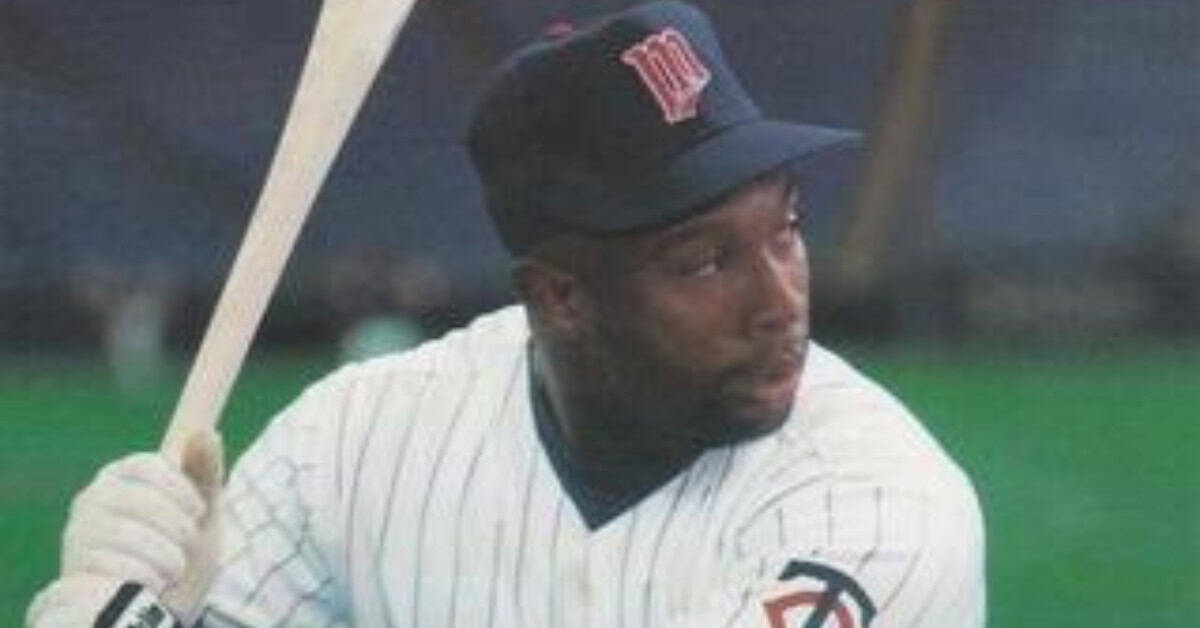
Kirby Puckett’s infectious joy and clutch hitting made him the heart and soul of two championship teams, with his .318 career average and 207 home runs representing just a fraction of his impact on Twins baseball. His legendary Game 6 performance in the 1991 World Series, including that walk-off home run that forced a Game 7, remains the single greatest individual performance in franchise history. Puckett’s premature retirement due to glaucoma robbed baseball of several more productive seasons, but his legacy as a player who genuinely loved the game and made everyone around him better remains the gold standard for what a franchise player should represent.
2. Rod Carew – The Hitting Wizard Who Made Contact Look Effortless
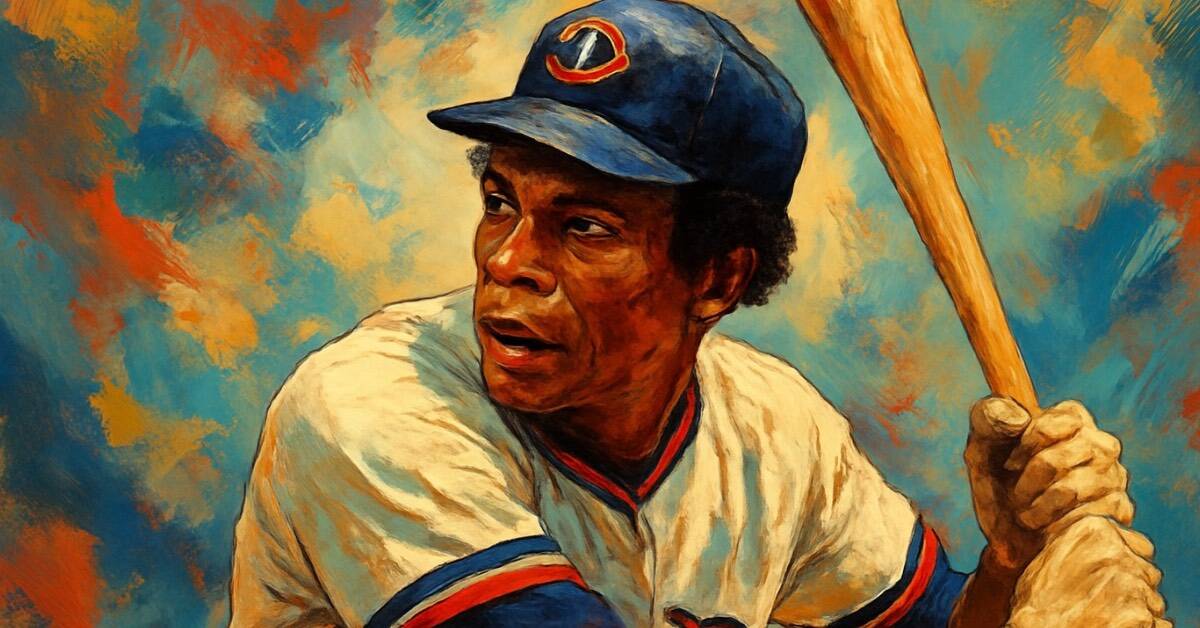
Rod Carew’s .334 career average and seven batting titles established him as the greatest pure hitter in Twins history, with a swing so perfect that Ted Williams called him the best hitter he ever saw. His 1977 MVP season, when he flirted with .400 while hitting .388, showcased a hitter who could make contact with any pitch in any location with surgical precision. Carew’s 18 All-Star selections and first-ballot Hall of Fame induction proved that sometimes the most beautiful aspect of baseball is simply watching a master craftsman work his art, turning at-bats into poetry and making the impossible look routine.
1. Harmon Killebrew – The Gentle Slugger’s Moonshot Legacy
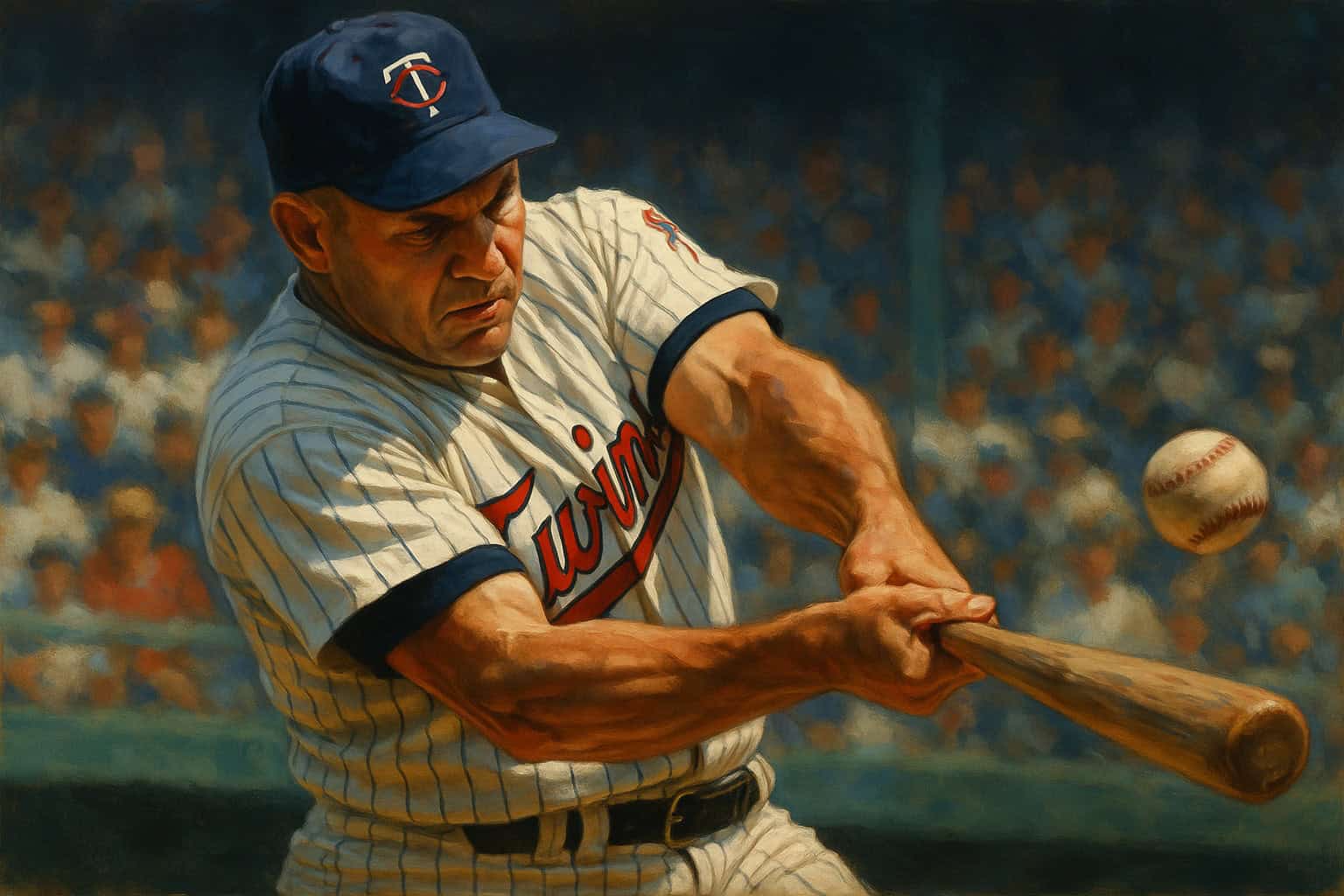
Harmon Killebrew’s 475 home runs and gentle demeanor made him the perfect ambassador for baseball in Minnesota, combining devastating power with the kind of humble personality that made him beloved by teammates and opponents alike. His 573 career home runs and 1969 AL MVP award established him as one of the greatest sluggers in baseball history, while his leadership helped establish the winning culture that would eventually produce two championship teams. “Killer’s” tape-measure blasts and quiet dignity represented everything great about baseball’s golden era, proving that sometimes the most powerful statements are made not with words but with the crack of the bat and the grace with which you carry yourself both on and off the field.