
Last Updated: August 28th, 2026 by Michael Schatz
Detroit is one of the historic blue-collar cities in the United States. There's a sense of grit throughout the city that can be felt wherever you go. From its icy winters and hard-working businesses, there's always strong support for its sports teams, including its good old baseball team.
Don't lose this article. Enter your email below, and I'll send it to you right now. Plus, we'll send you other unbelievable stories from baseball's past.
The Tigers have been around pretty much since the dawn of baseball. We want to celebrate the 25 best who have represented such a tough city.
How We Made This List
Selecting a list of only 25 players seems to be disrespectful to the history of the Detroit Tigers. We did our best to weigh their primes with their longevity and overall impact on the city of Detroit. I'm sure there are memories for each and every player when they played for this historic franchise, and I hope we did them justice with this list.
25. Donie Bush – The Tiny Terror at the Top
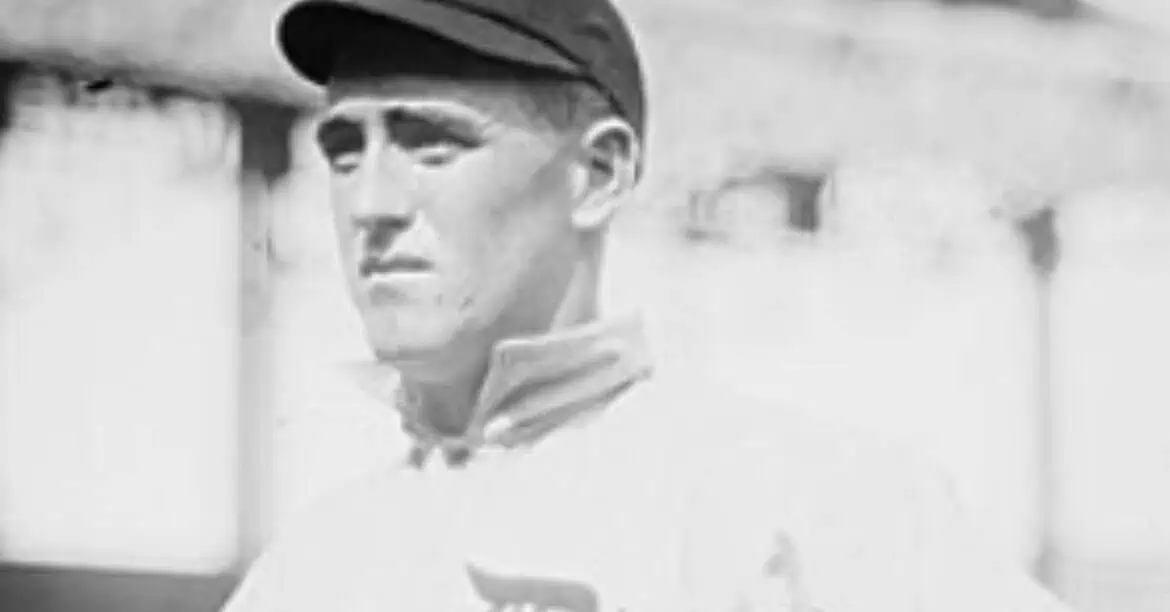
The small but mighty players always seem to catch the eye of a fan base. That was the case for Donie Bush. He stood at 5'6, 140 pounds, and always found a way to get on base. With that stature, I'm sure you can guess his main method of getting to first base.
He led the American League in walks five times and used his speed to steal 404 bases. That was part of why he was able to be a mainstay in the Detroit lineup for 14 seasons.
| Donie Bush — Career | Total |
|---|---|
| G | 1949 |
| AB | 7210 |
| H | 1804 |
| HR | 9 |
| RBI | 436 |
| SB | 404 |
| AVG | .250 |
| OBP | .356 |
| SLG | .300 |
| OPS | .656 |
24. Denny McLain – The 31-Game Winner Who Burned Bright
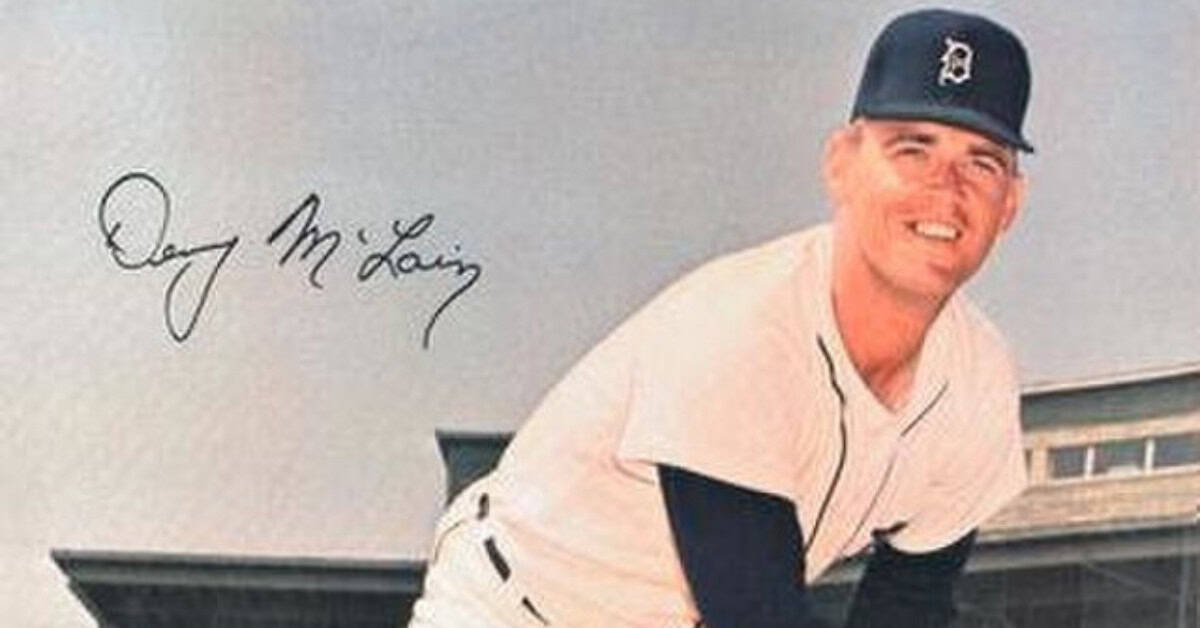
When you talk about a peak for a pitcher, I'm sure you can bet that there will be a good number of strikeouts along with a very low ERA and a ton of wins. Denny McLain certainly did all of that in his two Cy Young seasons in 1968 and 1969.
That 1968 season also resulted in an MVP award. Why? Well, he simply won 31 games. He is the last pitcher to do so. With the way starting pitchers are used in today's game, I don't think that will be accomplished in the near future, if ever again.
| Denny McLain — Career | Total |
|---|---|
| W | 131 |
| L | 91 |
| ERA | 3.39 |
| G | 280 |
| IP | 1886.0 |
| SO | 1282 |
| WHIP | 1.16 |
| SV | 2 |
| MVP | 1 |
| Cy Young | 2 |
| All-Star selections | 3 |
| World Series titles | 1 |
23. Virgil Trucks – The Third Arm of Detroit's TNT
Aptly named for the city of Detroit, Virgil Trucks was a part of one of the great pitching rotations in Tigers history. The TNT trio of starting pitchers was bookended by Trucks, as he was able to win 114 games and tally over 1,000 strikeouts over his 12 years in Detroit. Trucks also earned an All-Star selection in 1949 as he went 19-11 with a 2.81 ERA and an MLB-leading 153 strikeouts.
| Virgil Trucks — Career | Total |
|---|---|
| W | 177 |
| L | 135 |
| ERA | 3.39 |
| G | 517 |
| IP | 2682.1 |
| SO | 1534 |
| WHIP | 1.31 |
| SV | 30 |
| All-Star selections | 2 |
| World Series titles | 1 |
22. Willie Horton – Hometown Hero with the Sweetest Swing
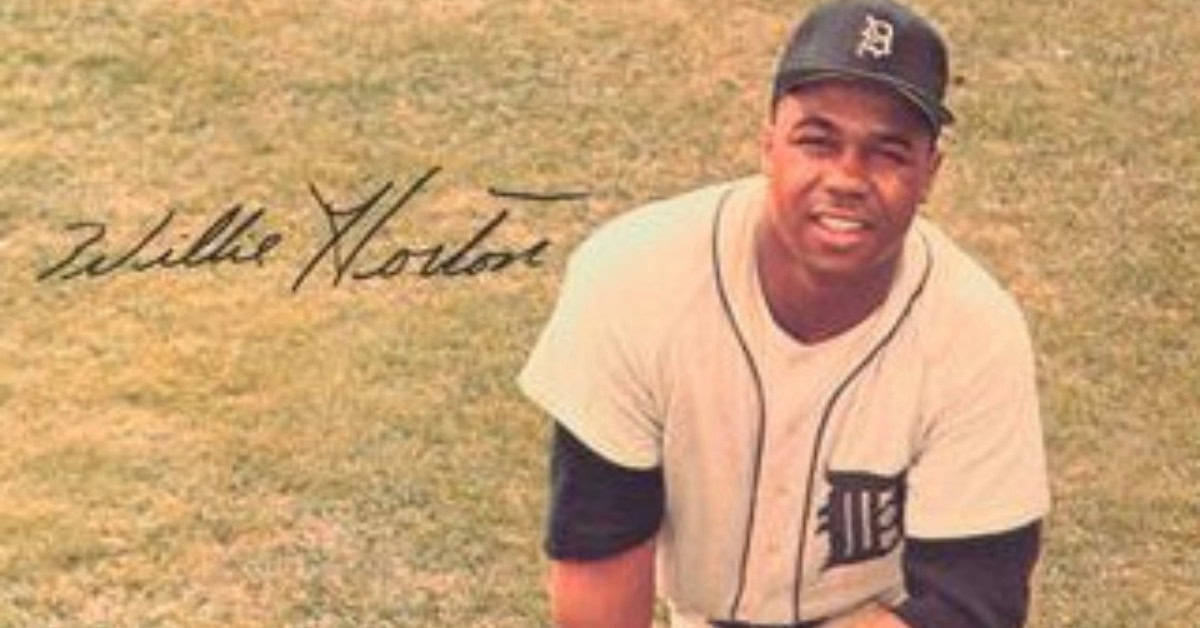
Having moved from Virginia at a young age, Willie Horton has seen the cleanest and dirtiest streets that Detroit has to offer. He worked hard and became a great Detroit Tiger. In 15 years, he accumulated almost 1,500 hits and built a 127 OPS+. Those are great numbers to accomplish in a career. However, Horton is even more known for things he's done while the ball is not in play.
He once saved Al Kaline's life as he was suffocating after an on-field collision with a different teammate. Then there were the 1967 riots, when Horton went out into the dangerous city streets and urged everyone to restore peace and calm. There may be a lot of names on this list that did a lot with their numbers. Horton was also able to do it with his heart.
| Willie Horton — Career | Total |
|---|---|
| G | 2028 |
| AB | 7298 |
| H | 1993 |
| HR | 325 |
| RBI | 1163 |
| SB | 20 |
| AVG | .273 |
| OBP | .332 |
| SLG | .457 |
| OPS | .789 |
| All-Star selections | 4 |
| World Series titles | 1 |
21. Schoolboy Rowe – The Arkansas Humming Bird
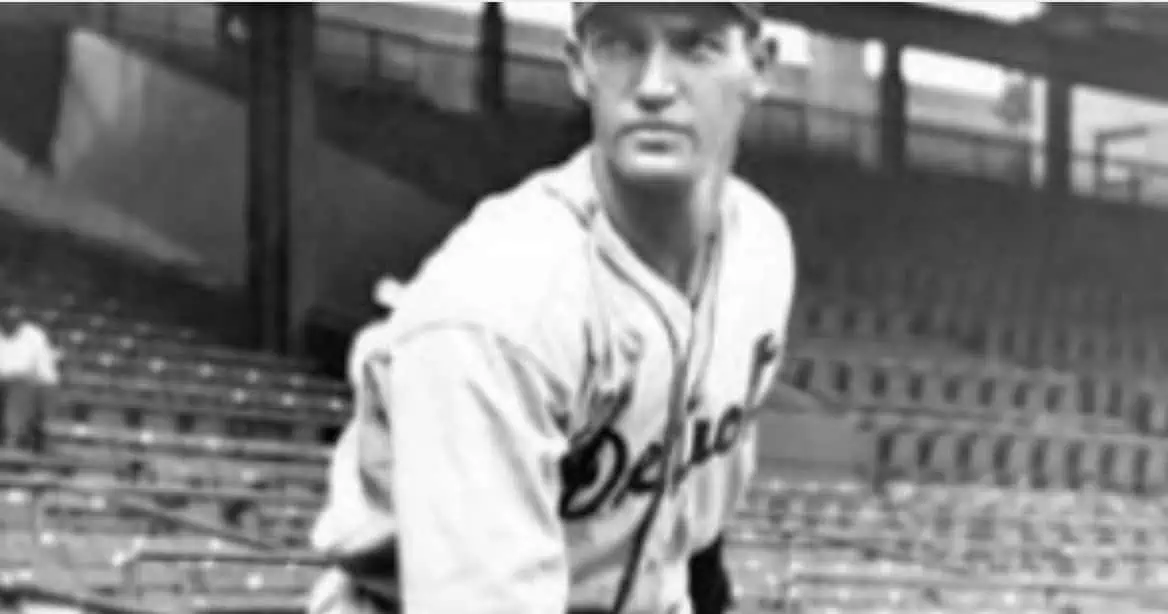
One of the most unique names in Tigers history, Schoolboy Rowe pitched for ten years in Detroit. He won over 100 games and earned two All-Star selections. He was a big part of Detroit's AL Pennant win in 1934 as he went 24-8 with a 3.45 ERA. He then contributed a win in their 1935 World Series championship and cemented his legacy.
| Schoolboy Rowe — Career | Total |
|---|---|
| W | 158 |
| L | 101 |
| ERA | 3.87 |
| G | 382 |
| IP | 2219.1 |
| SO | 913 |
| WHIP | 1.30 |
| SV | 12 |
| All-Star selections | 3 |
| World Series titles | 1 |
20. Rudy York – The Cherokee Slugger
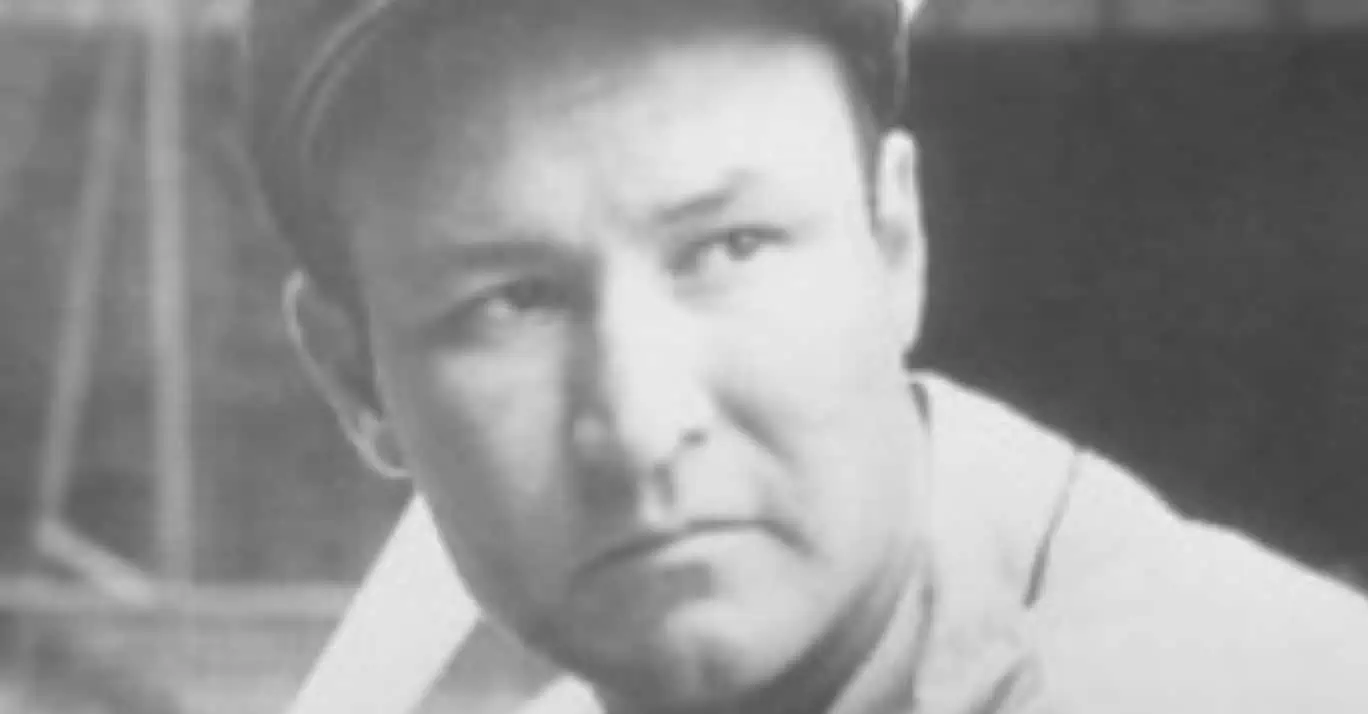
Starting out as a power-hitting catcher, Rudy York eventually settled in as the everyday first baseman for the Tigers. His bat was too important to keep out of the lineup on days that he needed rest from behind the plate, so he just anchored the batting order on a daily basis.
In 1943, York led baseball with 34 home runs, driving in an AL-leading 118 RBI. He finished third in MVP voting that season. York was recognized with seven All-Star selections in his decade-long run with the Tigers. It all culminated in a 1945 World Series championship.
| Rudy York — Career | Total |
|---|---|
| G | 1603 |
| AB | 5891 |
| H | 1621 |
| HR | 277 |
| RBI | 1152 |
| SB | 38 |
| AVG | .275 |
| OBP | .362 |
| SLG | .483 |
| OPS | .845 |
| All-Star selections | 7 |
| World Series titles | 1 |
19. Dick McAuliffe – The Crouching Tiger of the Deadball Revival
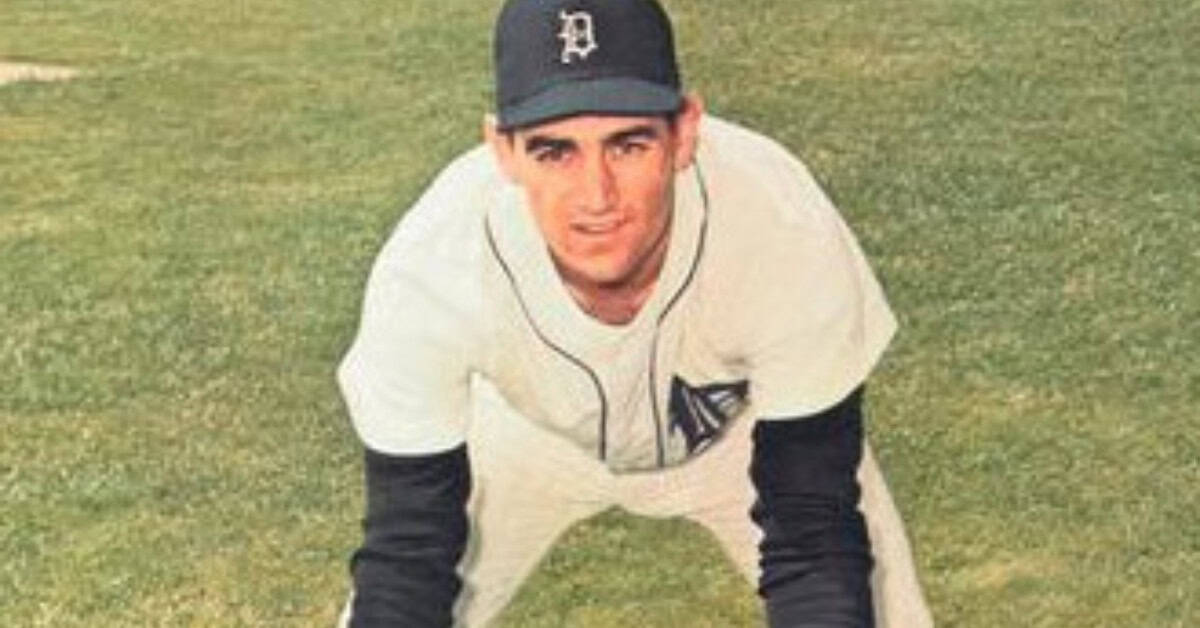
Dick McAuliffe was a mainstay in the middle part of the infield for 14 years with the Tigers. He brought some pop with his 192 home runs over that span and an above-average 111 OPS+. He earned three consecutive All-Star selections that led to a season where he got some MVP votes and helped lead the Tigers to a 1968 World Series championship.
| Dick McAuliffe — Career | Total |
|---|---|
| G | 1763 |
| AB | 6185 |
| H | 1530 |
| HR | 197 |
| RBI | 697 |
| SB | 63 |
| AVG | .247 |
| OBP | .343 |
| SLG | .403 |
| OPS | .746 |
| All-Star selections | 3 |
| World Series titles | 1 |
18. Lance Parrish – The Big Wheel Behind the Plate
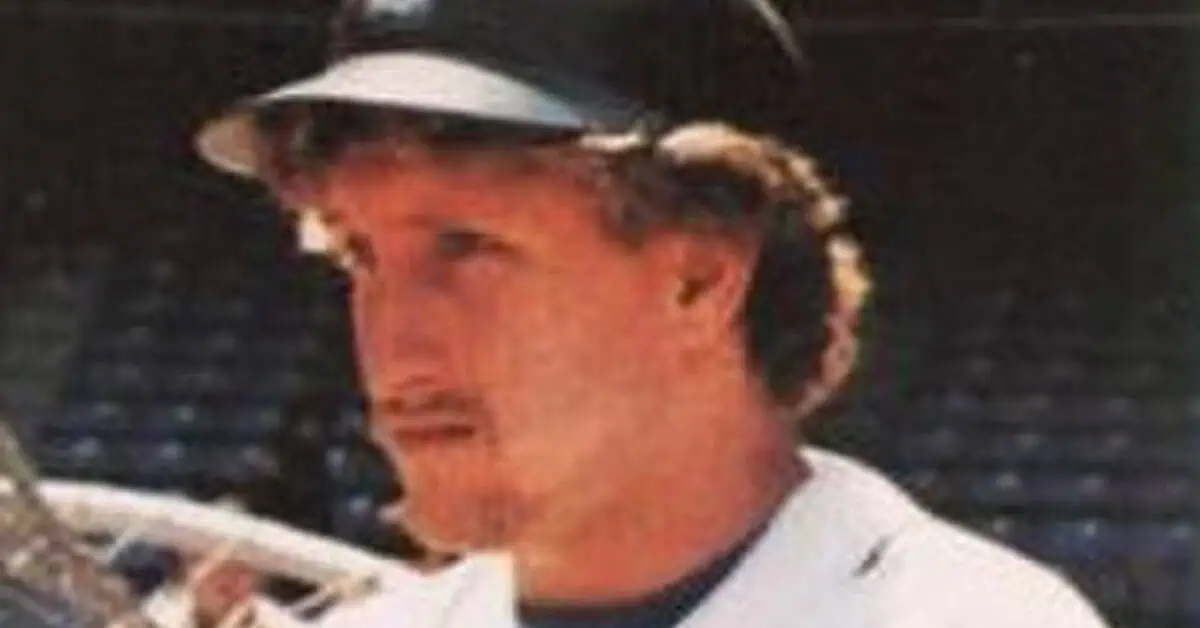
Lance Parrish brought value that you could see out on the field more than you could see on the stat sheet. His ability to call pitches effectively and handle his pitching staff helped guide the Tigers through their successful 1980s stretch.
It was a big reason why they won the 1984 World Series, even though he only had a league-average 100 OPS+ that season. He brought power to the position, mashing 212 homers in his 10 years with the Tigers. That was recognized by the MLB with five Silver Slugger awards while he was with Detroit.
| Lance Parrish — Career | Total |
|---|---|
| G | 1988 |
| AB | 7067 |
| H | 1782 |
| HR | 324 |
| RBI | 1070 |
| SB | 28 |
| AVG | .252 |
| OBP | .313 |
| SLG | .440 |
| OPS | .753 |
| All-Star selections | 8 |
| Gold Gloves | 3 |
| Silver Sluggers | 6 |
| World Series titles | 1 |
17. Cecil Fielder – Big Daddy's 50-Homer Renaissance
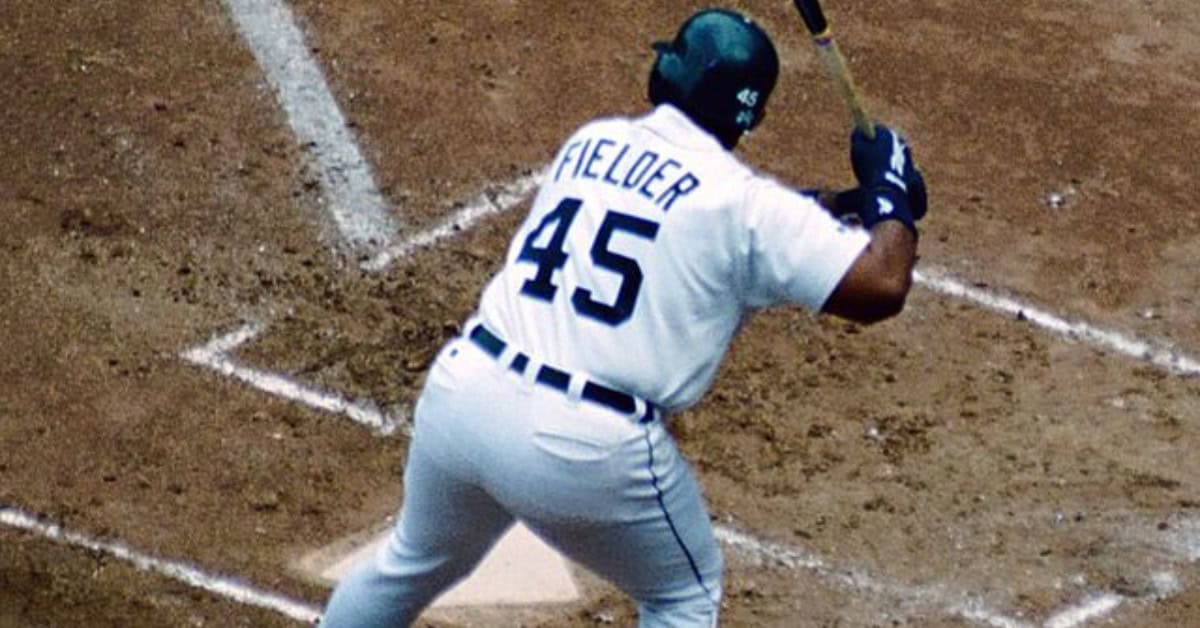
Cecil Fielder had a tough four seasons in Toronto as a young man trying to make it in the MLB. Then he went to Japan for a year and quickly developed into the power hitter he became as he returned to the United States and immediately started helping the Tigers score some runs. He clobbered 51 home runs in 1990 and drove in 132 RBI.
The next year, he hit 44 home runs with 133 RBI. All of those numbers led the entire MLB. He went on to earn three All-Star selections during his seven years with the Tigers.
| Cecil Fielder — Career | Total |
|---|---|
| G | 1470 |
| AB | 5157 |
| H | 1313 |
| HR | 319 |
| RBI | 1008 |
| SB | 2 |
| AVG | .255 |
| OBP | .345 |
| SLG | .482 |
| OPS | .827 |
| All-Star selections | 3 |
| Silver Sluggers | 2 |
| World Series titles | 1 |
16. Kirk Gibson – Fist-Pumping Fire in Tiger Stripes
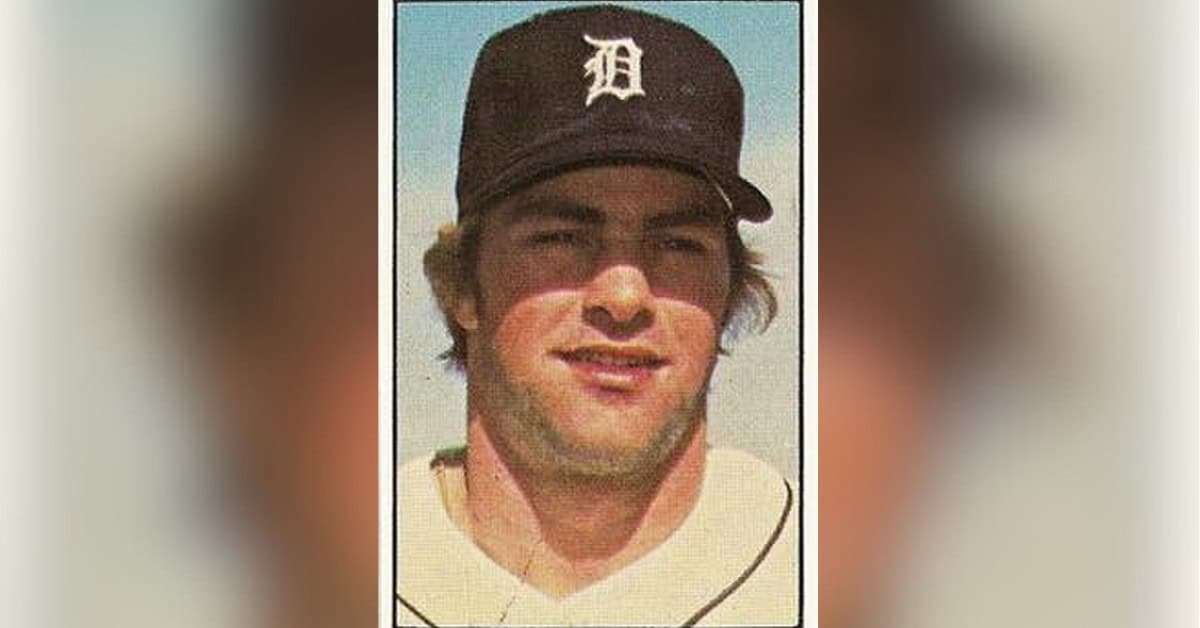
It's hard to quantify Kirk Gibson's career, as he was never selected to an All-Star team. But we all know of his postseason heroics and even an MVP award when he went to Los Angeles. But when he was with the Tigers, Gibson was just as productive.
Famous for getting hot in the second half of seasons, Gibson had five different years where he had an OPS+ of 130 or higher. Those numbers suggest Hall of Fame talent. He didn't quite reach those lofty heights in his career production, but he is forever my pick as the greatest player to never play in an All-Star game.
| Kirk Gibson — Career | Total |
|---|---|
| G | 1635 |
| AB | 5798 |
| H | 1553 |
| HR | 255 |
| RBI | 870 |
| SB | 284 |
| AVG | .268 |
| OBP | .352 |
| SLG | .463 |
| OPS | .815 |
| MVP | 1 |
| Silver Sluggers | 1 |
| World Series titles | 2 |
15. Bobby Veach – The Forgotten Third Outfielder
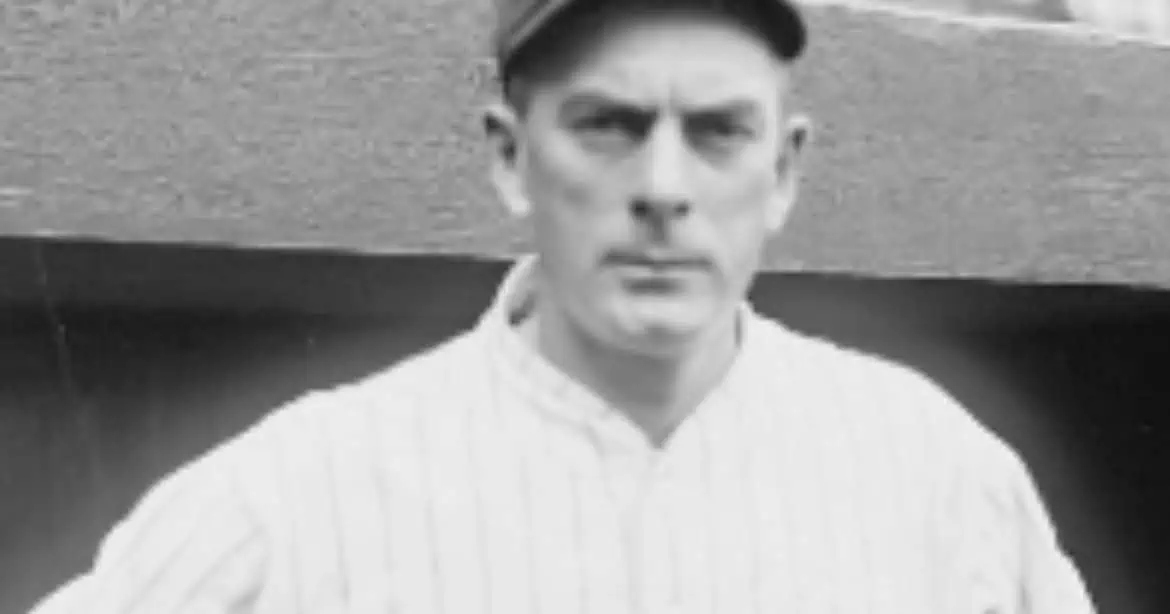
There are no accolades of note that come with Bobby Veach's name. That may be because some of his teammates are on this list for good reason. However, Veach really held his own as Detroit's trusted left fielder. He amassed over 2,000 hits in his 14-year career by hitting .310 and built an OPS+ of 127. Veach may be a more forgotten Tiger for his era, but he definitely deserves his spot on this list.
| Bobby Veach — Career | Total |
|---|---|
| G | 1823 |
| AB | 6656 |
| H | 2063 |
| HR | 64 |
| RBI | 1166 |
| SB | 195 |
| AVG | .310 |
| OBP | .370 |
| SLG | .442 |
| OPS | .812 |
14. Bill Freehan – Michigan's Golden Glove
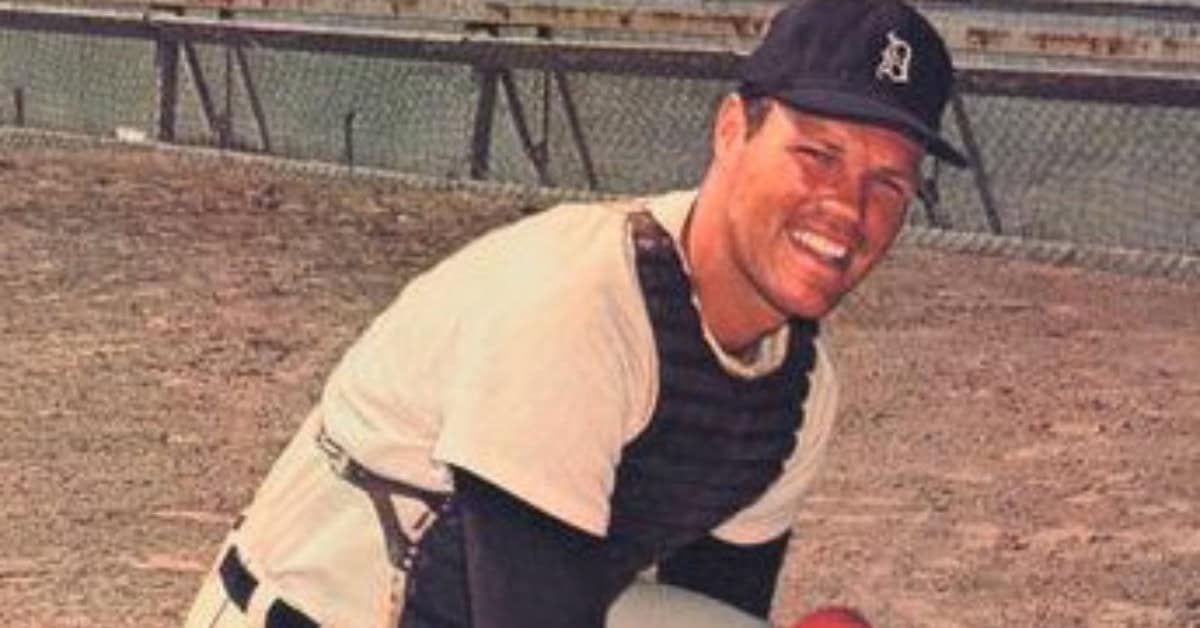
There are so many catchers that have excelled in Detroit throughout history. Bill Freehan might have been the best defensively out of all of them. That's saying something. Freehan earned 11 All-Star selections and five Gold Gloves.
He even finished runner-up in MVP voting in 1968. He was only beaten out by the man he helped record a historic season on the mound, Denny McLain.
| Bill Freehan — Career | Total |
|---|---|
| G | 1774 |
| AB | 6073 |
| H | 1591 |
| HR | 200 |
| RBI | 758 |
| SB | 24 |
| AVG | .262 |
| OBP | .340 |
| SLG | .412 |
| OPS | .752 |
| All-Star selections | 11 |
| Gold Gloves | 5 |
| World Series titles | 1 |
13. Tommy Bridges – 150 Pounds of Pure Guts

Tommy Bridges was a workhorse for Detroit throughout his 16-year career. He was a successful one at that. He accumulated 194 wins on a 3.57 career ERA, completing 200 games and collecting 1,674 strikeouts. Bridges was recognized as an All-Star six times and was a part of their two World Series championships during that time period.
| Tommy Bridges — Career | Total |
|---|---|
| W | 194 |
| L | 138 |
| ERA | 3.57 |
| G | 424 |
| IP | 2826.1 |
| SO | 1674 |
| WHIP | 1.37 |
| SV | 10 |
| All-Star selections | 6 |
| World Series titles | 2 |
12. Mickey Lolich – The Southpaw Who Outdueled Gibson
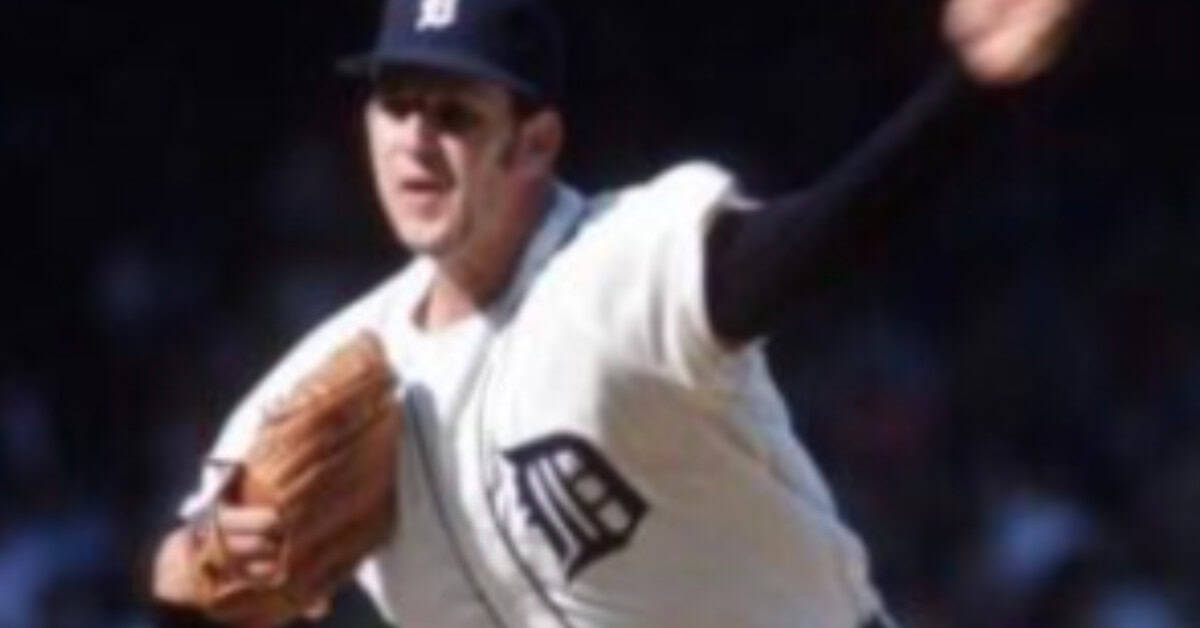
I don't know how, but Mickey Lolich took advantage of Bob Gibson in multiple ways. Before the mound was lowered in 1969, Lolich was a mediocre starting pitcher for the Tigers. He ended 1968 on a high note, beating Bob Gibson and winning the World Series with the Tigers in Game 7. That was the first way he took advantage of Gibson.
Then 1969 got underway with a lowered mound because of Gibson and pitchers like him. Lolich turned into a three-time All-Star as he suddenly saw an increase in production. Funny how things can work out like that.
| Mickey Lolich — Career | Total |
|---|---|
| W | 217 |
| L | 191 |
| ERA | 3.44 |
| G | 586 |
| IP | 3638.1 |
| SO | 2832 |
| WHIP | 1.23 |
| SV | 11 |
| All-Star selections | 3 |
| World Series titles | 1 |
11. Dizzy Trout – The Deaf Pitcher Who Heard Opportunity
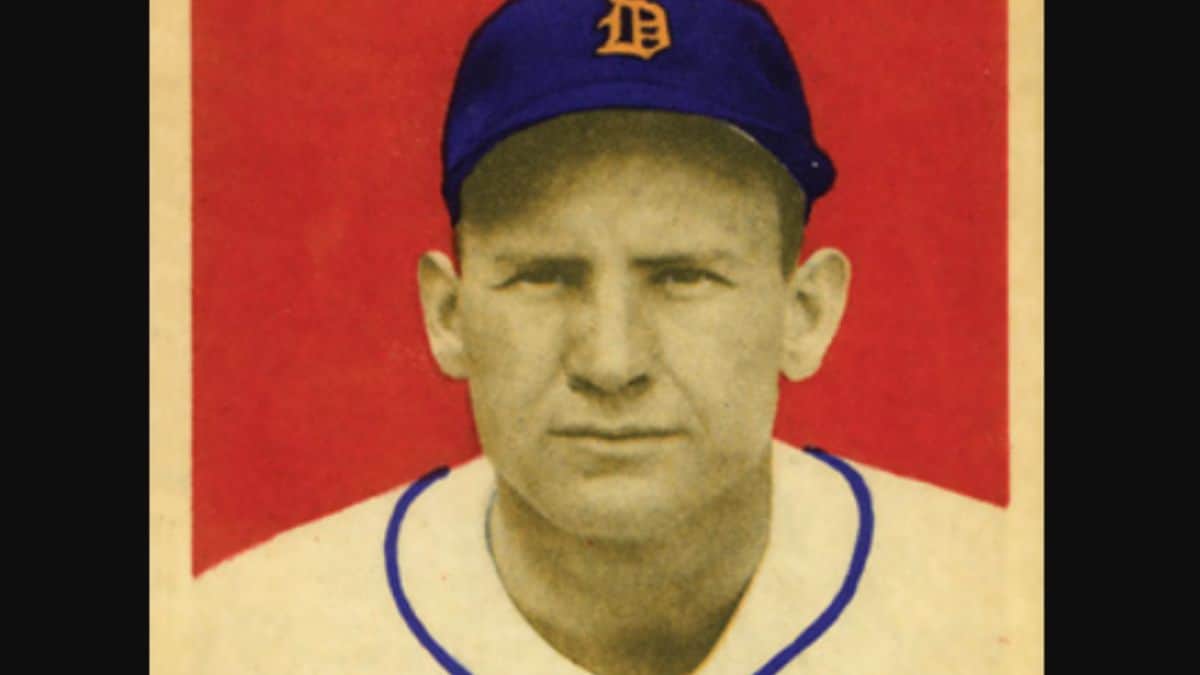
Here is the second T of the TNT pitching trio for the Tigers. Dizzy Trout didn't have to worry about military service during World War II. He was disqualified due to poor eyesight and poor hearing. It's a wonder how he finished second in MVP voting in 1944 as one of the best pitchers in the MLB.
He had a 27-14 record that year with a 2.12 ERA in a baseball-leading 352.1 innings pitched and seven complete-game shutouts. That season alone gets him on this list. His production over 14 years gets him higher.
| Dizzy Trout — Career | Total |
|---|---|
| W | 170 |
| L | 161 |
| ERA | 3.25 |
| G | 521 |
| IP | 2725.2 |
| SO | 1256 |
| WHIP | 1.35 |
| SV | 35 |
| All-Star selections | 2 |
| World Series titles | 1 |
10. Norm Cash – The Corked Bat Slugger Who Came Clean
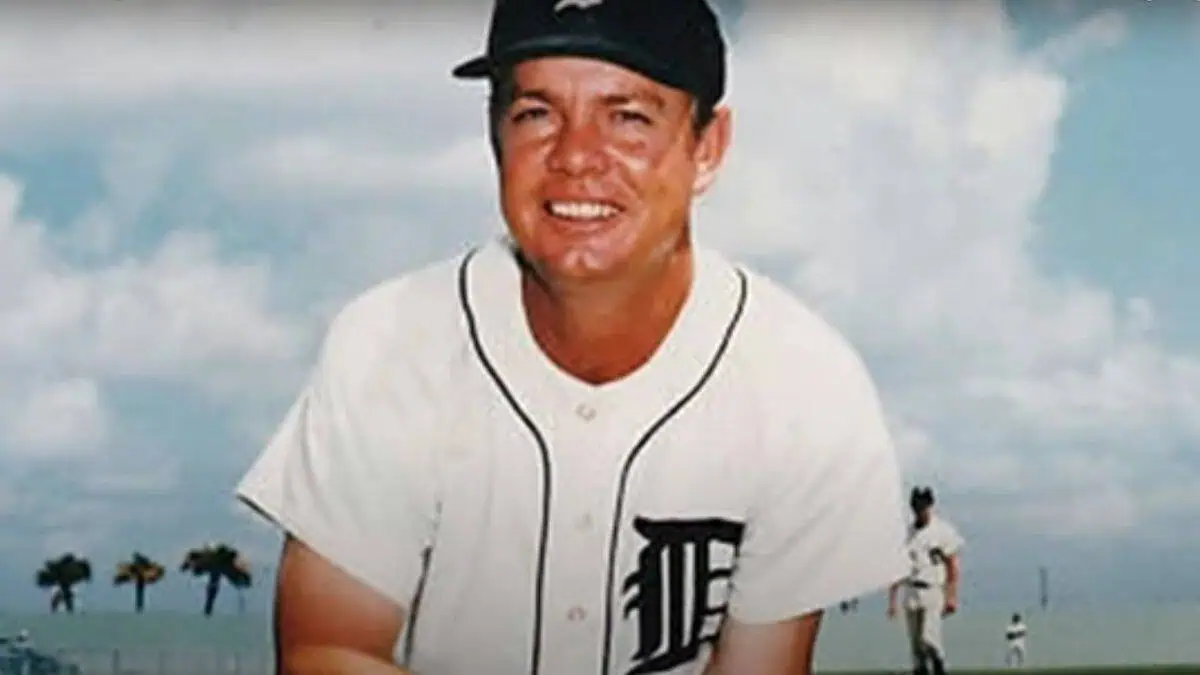
Norm Cash was a reliable first baseman for the Tigers for 15 years after he got to Detroit following two seasons in Chicago. He earned two All-Star selections in 1961, when they were doing both games at that time. That ended up being his best season, when he hit .361 with 41 home runs and 132 RBI. His 1.148 OPS that season led all of baseball. His numbers didn't quite reach those heights again, but he was still a consistent bat throughout his career.
| Norm Cash — Career | Total |
|---|---|
| G | 2089 |
| AB | 6705 |
| H | 1820 |
| HR | 377 |
| RBI | 1103 |
| SB | 43 |
| AVG | .271 |
| OBP | .374 |
| SLG | .488 |
| OPS | .862 |
| All-Star selections | 4 |
| World Series titles | 1 |
9. Jack Morris – The Forkball Master of October (HOF)
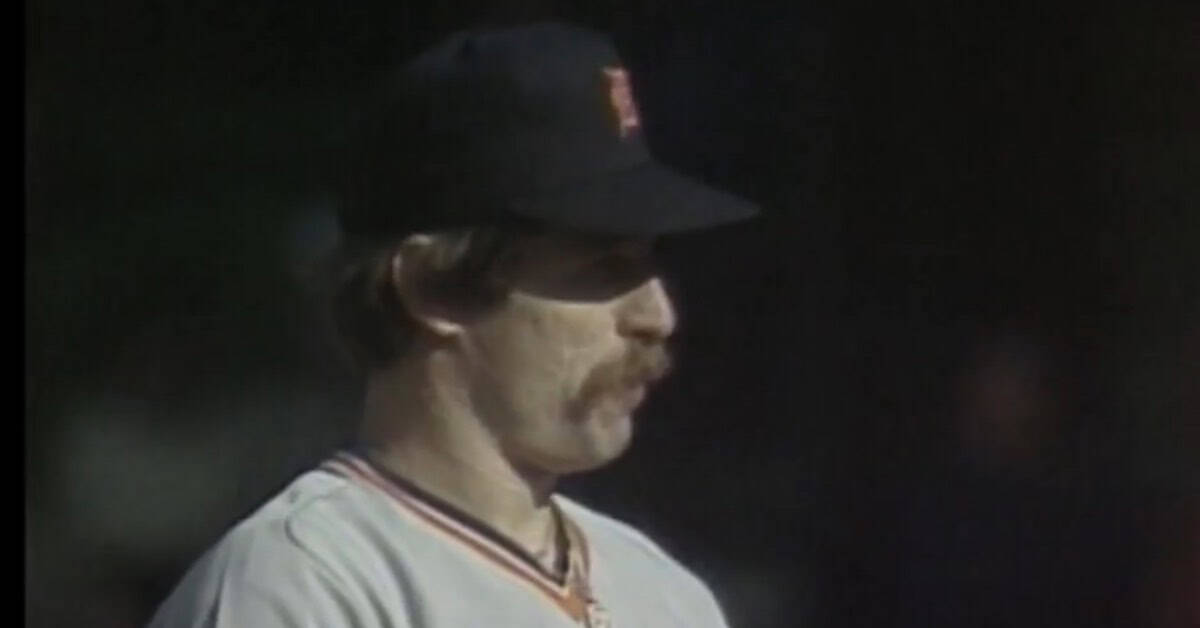
One of the greatest pitchers to never win a Cy Young Award, Jack Morris is an easy pick for this list. I know he's remembered for his heroics with other teams, but we can't forget that he led the Tigers for 14 seasons, winning almost 200 games and striking out almost 2,000 batters.
He earned four All-Star selections as a Tiger and started his famous string of postseason performances in 1984 when he helped the Tigers win the World Series.
| Jack Morris — Career | Total |
|---|---|
| W | 254 |
| L | 186 |
| ERA | 3.90 |
| G | 549 |
| IP | 3824.0 |
| SO | 2478 |
| WHIP | 1.30 |
| SV | 0 |
| All-Star selections | 5 |
| World Series titles | 4 |
8. Justin Verlander – The Fastball Phenom
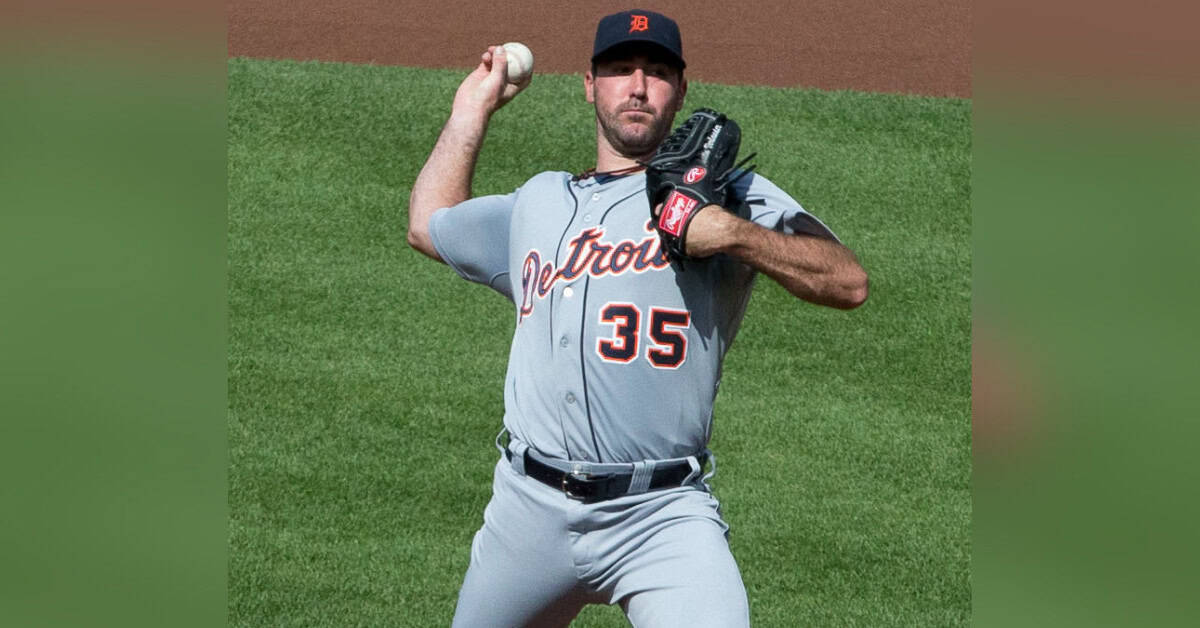
I think it has gotten to a point where we don't appreciate Justin Verlander enough. I know it's hard to believe, but Verlander has had a few quiet seasons at the end of his career. His 14 years in Detroit saw a historic Cy Young and MVP season in 2011. Verlander won 24 games with a 2.40 ERA and recorded 250 strikeouts.
All of those led the league, which means he earned the pitching Triple Crown. His place in Tigers history matches his place in baseball history: near the top.
| Justin Verlander — Career | Total |
|---|---|
| W | 266 |
| L | 159 |
| ERA | 3.33 |
| G | 556 |
| IP | 3571.1 |
| SO | 3554 |
| WHIP | 1.14 |
| SV | 0 |
| MVP | 1 |
| Cy Young | 3 |
| All-Star selections | 10 |
| World Series titles | 2 |
| Rookie of the Year | 1 |
7. Miguel Cabrera – The Triple Crown King
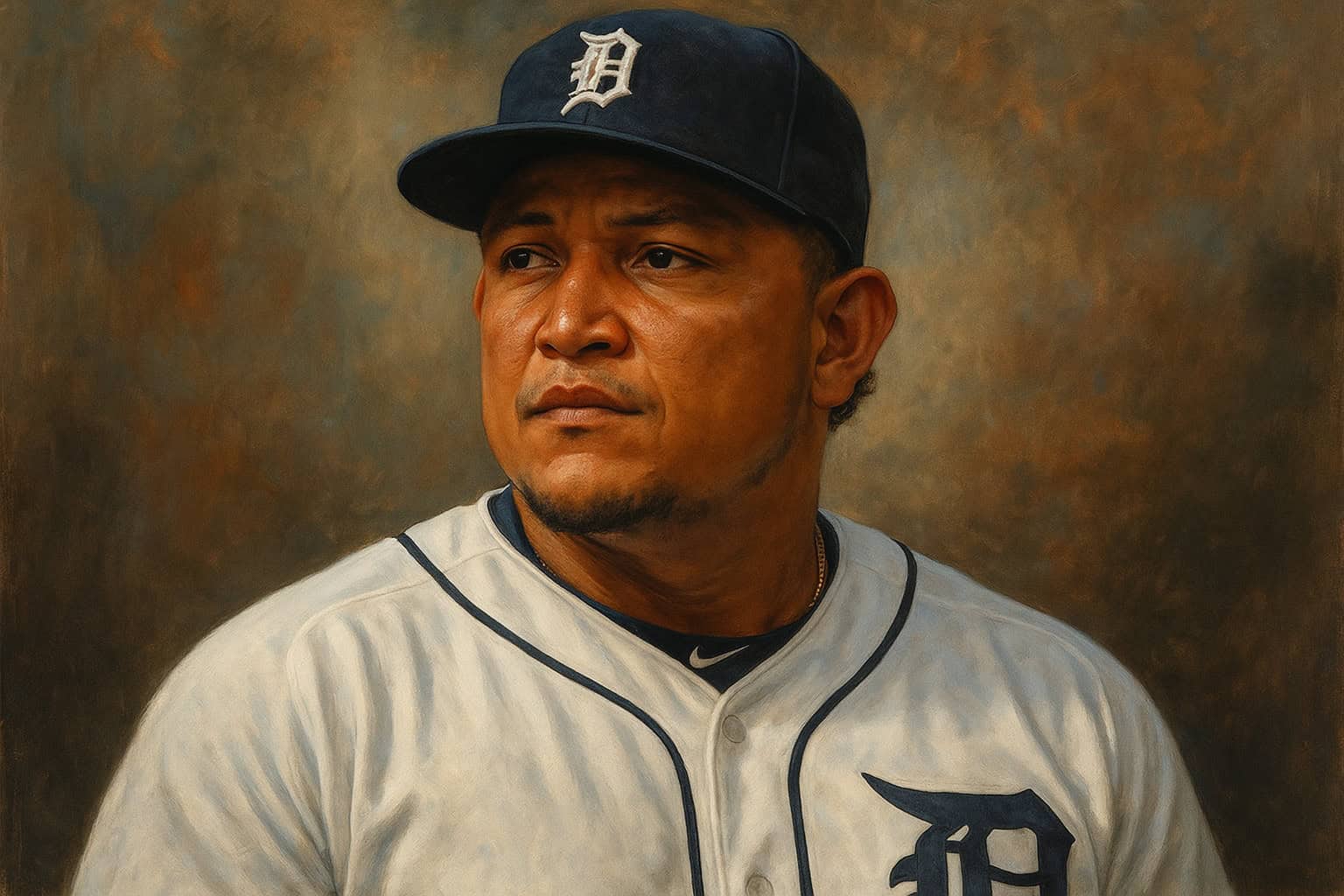
Miguel Cabrera brought a charm to the city that few athletes have ever brought. Once he came over from Florida, Cabrera became an instant legend. Some thought that Carl Yastrzemski would be baseball's last Triple Crown winner, but Miguel Cabrera proved them all wrong in 2012. He hit 373 home runs in 16 seasons in Detroit.
Career-wise, he is a part of that exclusive 3,000-hit, 500-homer club. The Tigers were truly spoiled to have this baseball great grace their field for so long.
| Miguel Cabrera — Career | Total |
|---|---|
| G | 2797 |
| AB | 10356 |
| H | 3174 |
| HR | 511 |
| RBI | 1881 |
| SB | 40 |
| AVG | .306 |
| OBP | .382 |
| SLG | .518 |
| OPS | .900 |
| MVP | 2 |
| All-Star selections | 12 |
| Silver Sluggers | 7 |
| World Series titles | 1 |
6. Hal Newhouser – Prince Hal's Wartime Dominance (HOF)
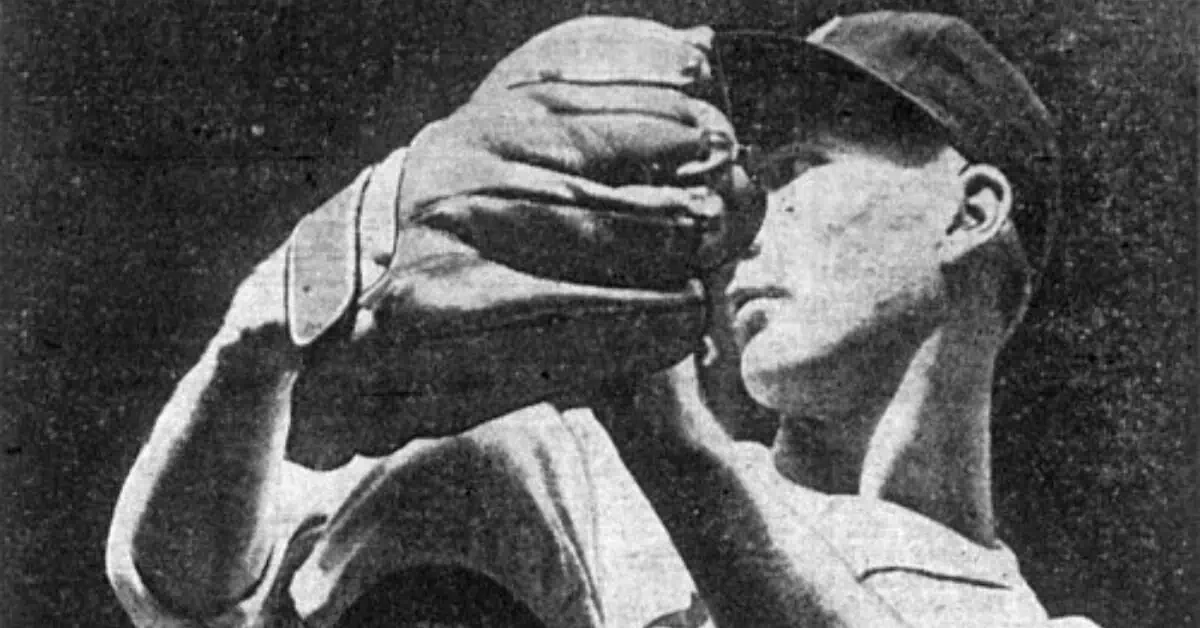
This Hall of Famer was disqualified from military service due to heart murmurs. All he did was turn 1944 and 1945 into MVP seasons. He won the pitching Triple Crown in 1945 by simply dominating the competition. He won 25 games with a 1.81 ERA and 212 strikeouts.
Those two seasons are a big part of the reason why Detroit can see this man enshrined in Cooperstown.
| Hal Newhouser — Career | Total |
|---|---|
| W | 207 |
| L | 150 |
| ERA | 3.06 |
| G | 488 |
| IP | 2993.0 |
| SO | 1796 |
| WHIP | 1.31 |
| SV | 26 |
| MVP | 2 |
| All-Star selections | 6 |
| World Series titles | 1 |
5. Sam Crawford – Wahoo Sam's Triple Threat (HOF)
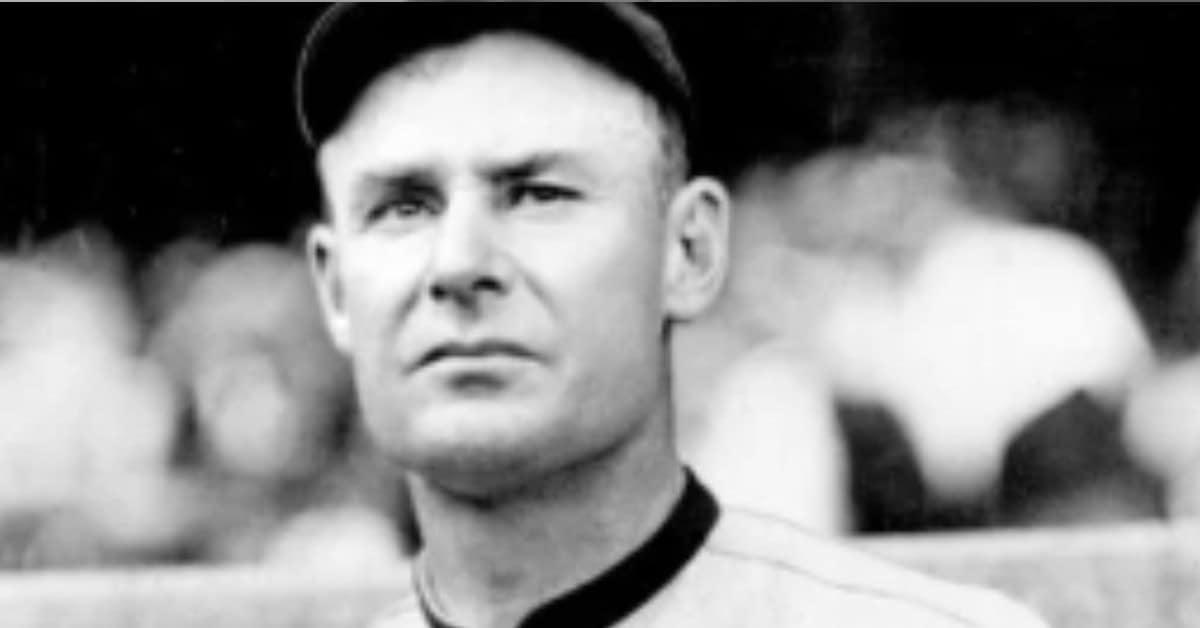
Center fielders are famous for being five-tool players. Sam Crawford would show three of those tools by accumulating a single stat. His 309 career triples illustrate that he was able to make good contact on a consistent basis, with some slugging and some speed.
No other player in history has been able to approach that record. And I think it should be noted that 249 of those triples were recorded during his time in Detroit.
| Sam Crawford — Career | Total |
|---|---|
| G | 2517 |
| AB | 9570 |
| H | 2961 |
| HR | 97 |
| RBI | 1525 |
| SB | 366 |
| AVG | .309 |
| OBP | .362 |
| SLG | .452 |
| OPS | .814 |
4. Al Kaline – Mr. Tiger's 22-Year Love Affair (HOF)
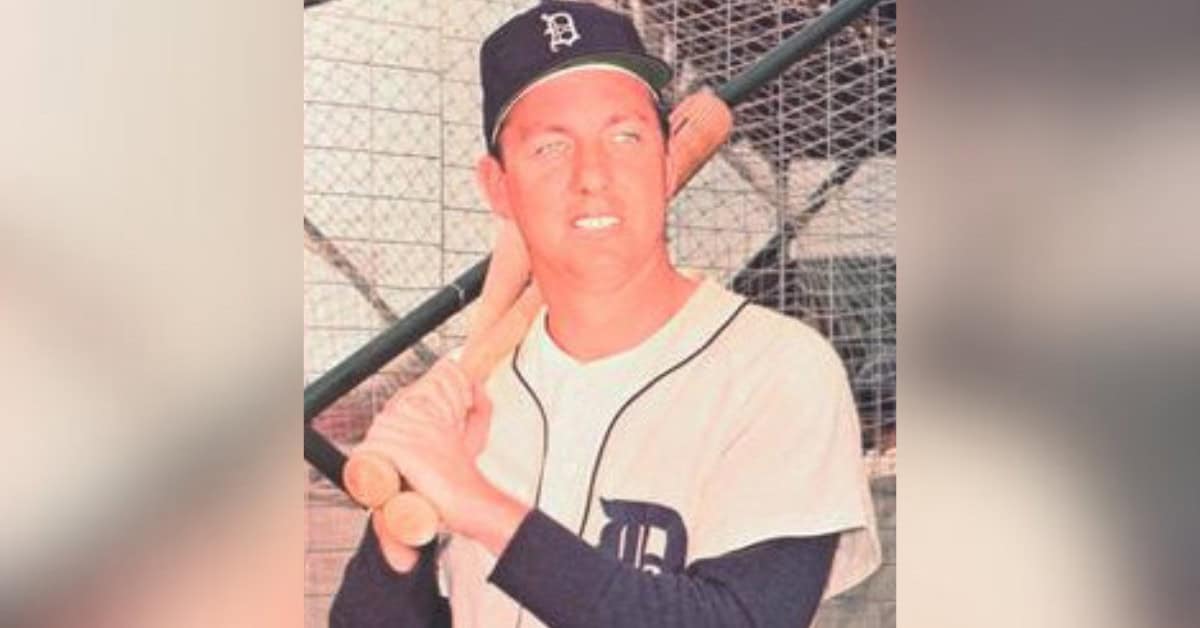
I know. It's tough to see Mr. Tiger not at the top of this list. That's just how great this franchise is. I'm sure I don't need to remind you of his 3,007 hits, all recorded as a Tiger during his 22-year career. Kaline built up a Hall of Fame-worthy 134 OPS+ and earned 18 All-Star selections with 10 Gold Gloves.
I'm sure one of the trophies he's most proud of is the Roberto Clemente Award that he was able to earn during his illustrious career. That shows that he was not just an amazing player, but an amazing person as well.
| Al Kaline — Career | Total |
|---|---|
| G | 2834 |
| AB | 10116 |
| H | 3007 |
| HR | 399 |
| RBI | 1583 |
| SB | 137 |
| AVG | .297 |
| OBP | .376 |
| SLG | .480 |
| OPS | .856 |
| All-Star selections | 15 |
| Gold Gloves | 10 |
| World Series titles | 1 |
3. Harry Heilmann – The Speakeasy Slugger (HOF)
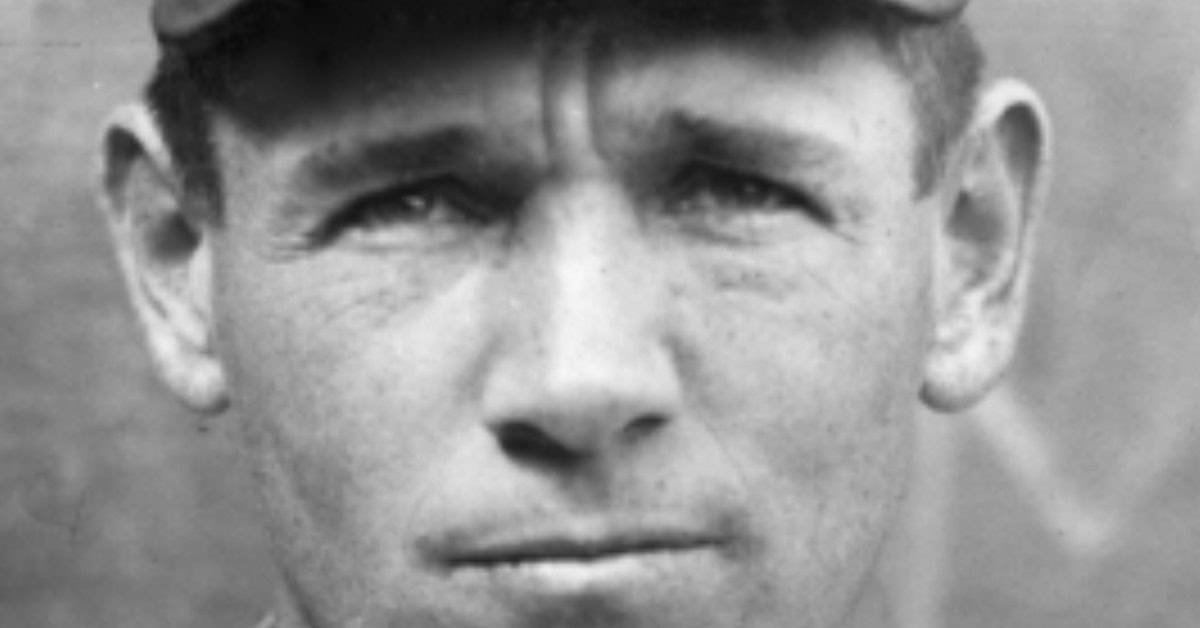
It's almost unfair that Harry Heilman had the career he had, knowing that he could have been more well-known if it weren't for his own teammate overshadowing him. He won the batting title four times in his 15 years with the Tigers.
He collected 2,499 hits in Detroit and was a perennial MVP candidate. The only problem is he played alongside another all-time great that we will get to in a bit.
| Harry Heilmann — Career | Total |
|---|---|
| G | 2147 |
| AB | 7787 |
| H | 2660 |
| HR | 183 |
| RBI | 1539 |
| SB | 113 |
| AVG | .342 |
| OBP | .410 |
| SLG | .520 |
| OPS | .930 |
2. Charlie Gehringer – The Mechanical Man (HOF)
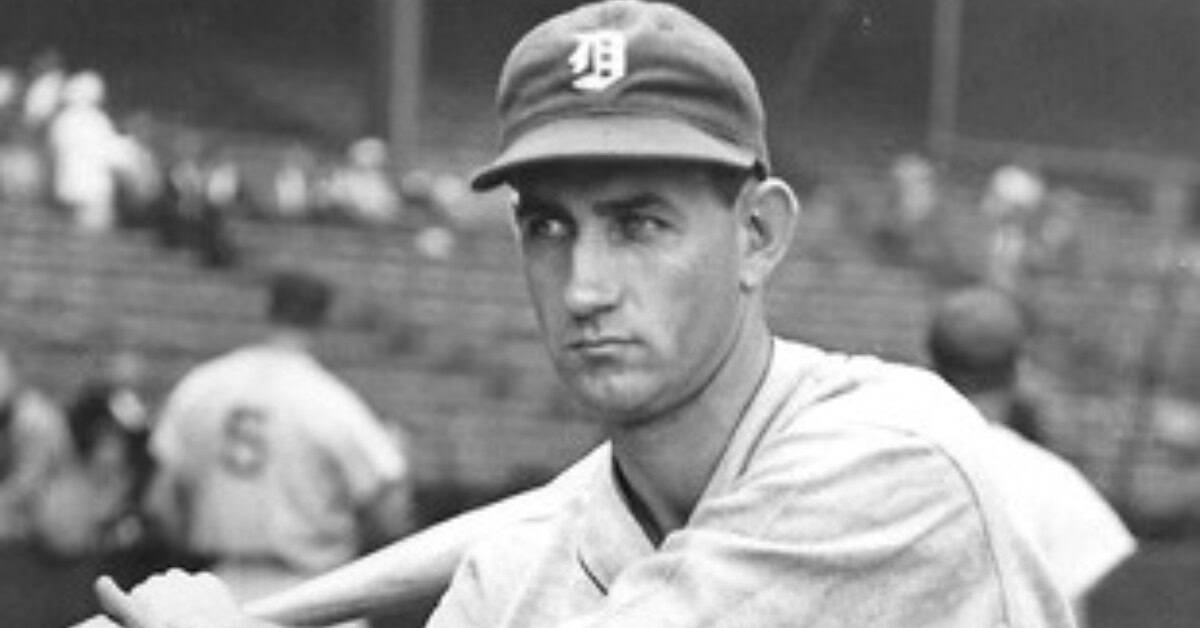
Speaking of perennial MVP candidates, Charlie Gehringer was that and more for Detroit during his entire 19-year career. Gehringer led the Tigers to a World Series championship in 1935 and earned MVP honors a couple of years later as he won the batting title with a .371 average.
He consistently collected over 200 hits per season and finished with a total of 2,839 hits that sent him into the Hall of Fame.
| Charlie Gehringer — Career | Total |
|---|---|
| G | 2323 |
| AB | 8860 |
| H | 2839 |
| HR | 184 |
| RBI | 1427 |
| SB | 181 |
| AVG | .320 |
| OBP | .404 |
| SLG | .480 |
| OPS | .884 |
| MVP | 1 |
| All-Star selections | 6 |
| World Series titles | 1 |
1. Ty Cobb – The Georgia Peach (HOF)

It's kind of funny that a man nicknamed the Georgia Peach is going down as the greatest Detroit Tiger ever. That's just how good Ty Cobb was. His .366 career batting average is unmatched by any other player in MLB history.
The MVP award was not a consistent thing during his time, so he was only able to claim one during his 24-year career. That one MVP season alone gets him high on this list. He batted .419 in 1911, accruing 248 hits, 47 doubles, 24 triples, 148 runs, 127 RBI, and 83 stolen bases. Those numbers seem utterly impossible to achieve altogether in one season today.
| Ty Cobb — Career | Total |
|---|---|
| G | 3035 |
| AB | 11429 |
| H | 4191 |
| HR | 117 |
| RBI | 1938 |
| SB | 892 |
| AVG | .367 |
| OBP | .433 |
| SLG | .513 |
| OPS | .946 |