
Last Updated: June 17th, 2026 by Michael Griffin
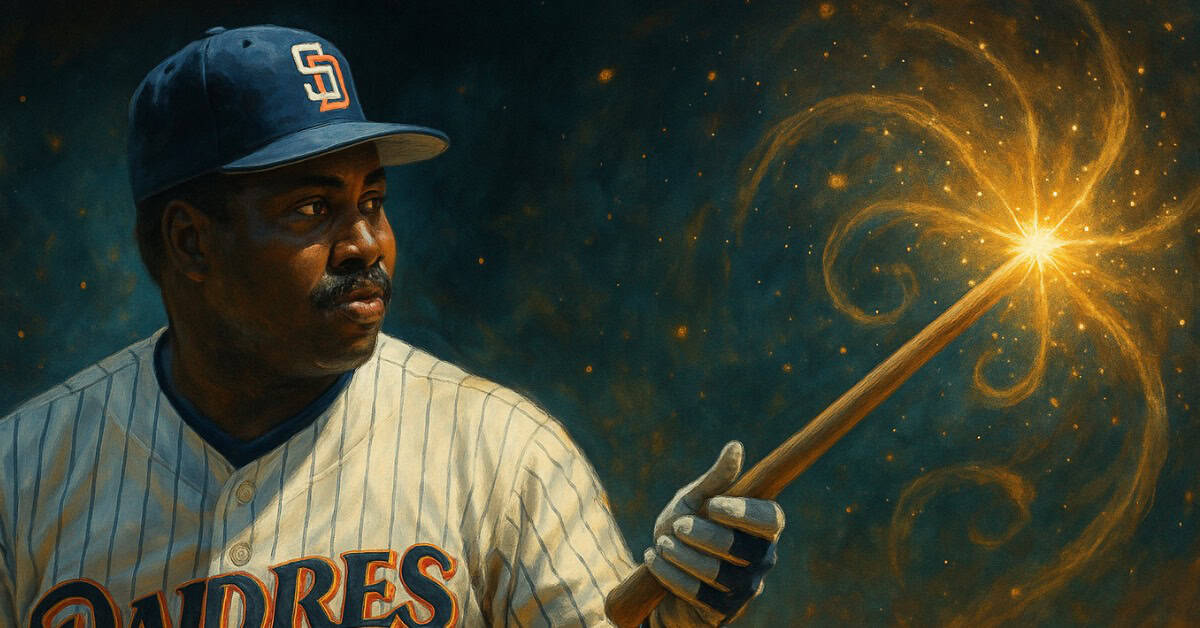
Tony Gwynn didn’t look too much like a prototypical hitter. He always had a paunch that grew with time and age, and while he had some speed earlier in his career, he had to become savvier on the basepaths later. But he could always put the bat on the ball. How good was he? He stymied some of the best pitchers in the game — more on that in a bit. Here are 20 reasons why Mr. Padre rightfully has a plaque in Cooperstown.
Don't lose this article. Enter your email below, and I'll send it to you right now. Plus, we'll send you other unbelievable stories from baseball's past.
213 Hits in His First Full Season (1984)
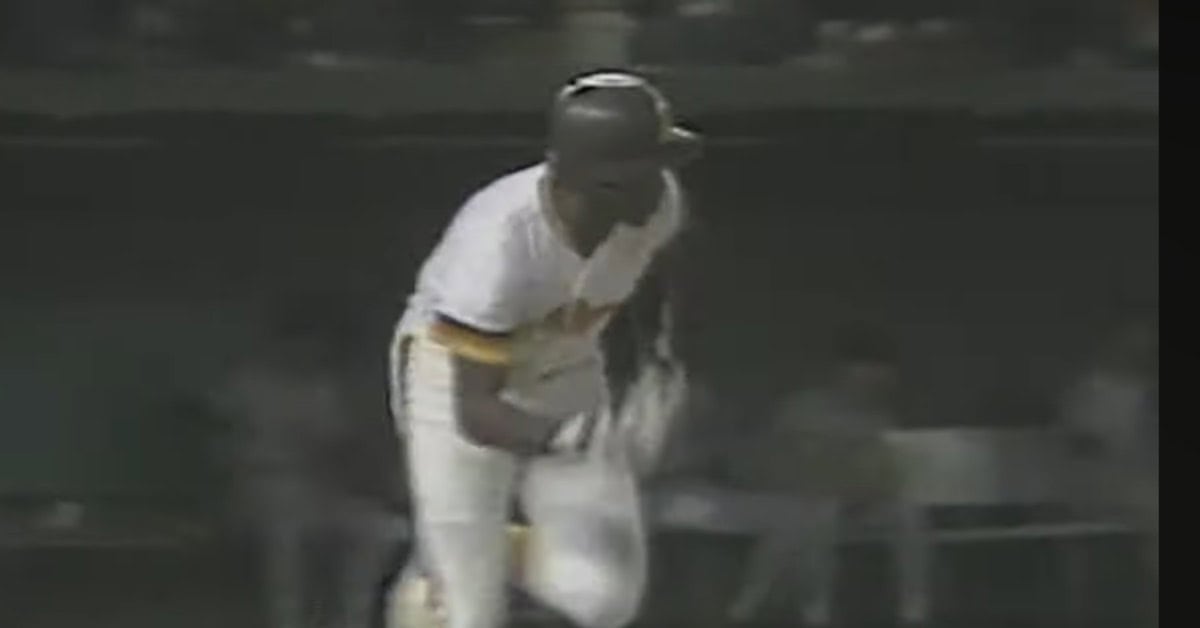
After having limited playing time in 1982 and ’83, Gwynn showed why he was a superstar in ’84. He spread out 213 hits around the field to the tune of a league-leading .351 batting average. He was a vital part of the San Diego team that made it all the way to the World Series. He finished third in the National League MVP race for his efforts while also winning a Silver Slugger.
Leading the League in Four Categories (1986)
It’s not that pitchers solved Gwynn in 1985. He still had nearly 200 hits on the season (197) for a .317. As a legendary sportscaster once said, “You can’t stop him … you can only contain him.” The next season, the ascendant superstar said, “My turn.” He led the league in WAR, runs, and hits. His batting average of .329 announced that he was going to make pitchers miserable for a long time.
.370?! (1987)
You thought 1986 was his coming-out party? Hah. Gwynn said, “Think again.”He rapped out 218 hits to the tune of a .370 average. People usually scoff at 1987 numbers, given how inflated home run totals were. Gwynn wasn’t one such beneficiary, finishing with 7 homers. Mark McGwire hit seven in a month. People were starting to wonder if Mr. Padre was going to challenge Ted Williams’ .406 average in the future.
When .313 Led The National League (1988)
1988 was a disappointing year for many. Overall, the numbers were down around the league. Gwynn had what amounted to a pedestrian year for him, hitting .313 while collecting “only” 163 hits. The average was still good enough to lead the National League. Even in a quiet year, he dominated.
Hitting .336 and Leading the National League in Batting Average AGAIN (1989)
It must have started to feel routine. Tony Gwynn would lead the league in batting average. He also wound up collecting 203 hits to lead the National League in that category. The 80s were coming to a close, and Gwynn was showing he was the most consistent hitter in the game.
The What-If Season of .394 (1994 (Sigh))
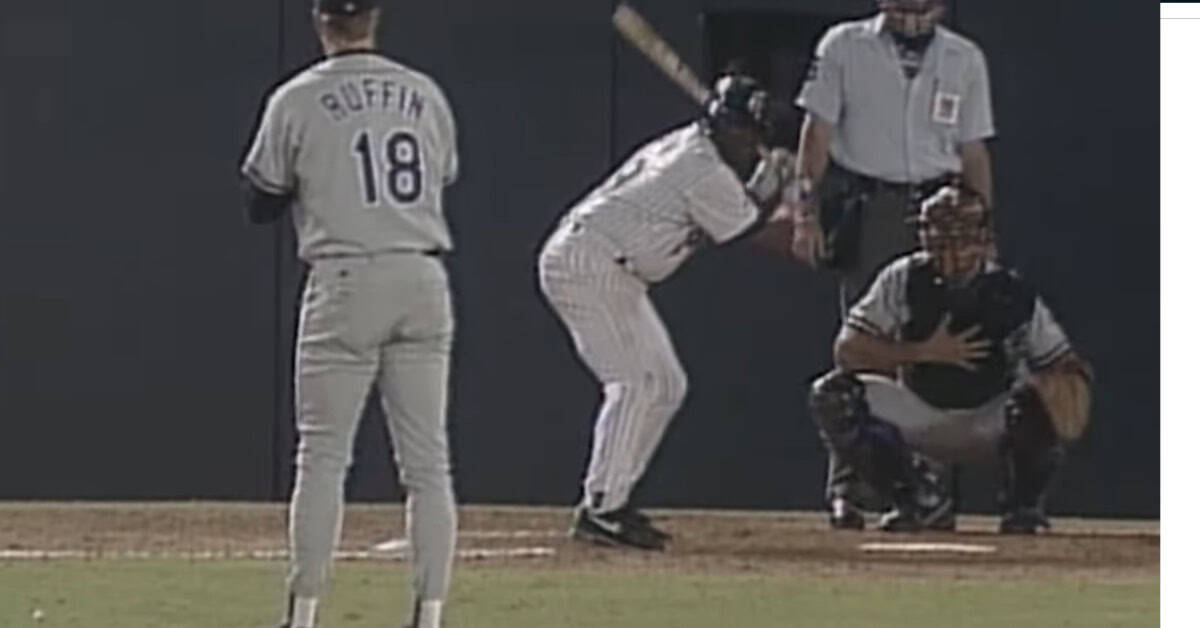
The Players Strike of 1994 was crushing on so many levels. The World Series was cancelled for the first time since 1904. When the players walked off in August, Gwynn was among several players chasing records. He had Ted Williams’ .406 average in his sights, hitting .394. His hit total was 165. Chances were good he would have 200 or more and people can only wonder if he would have faltered in the quest for .400.
Strike? What Strike? (1995)
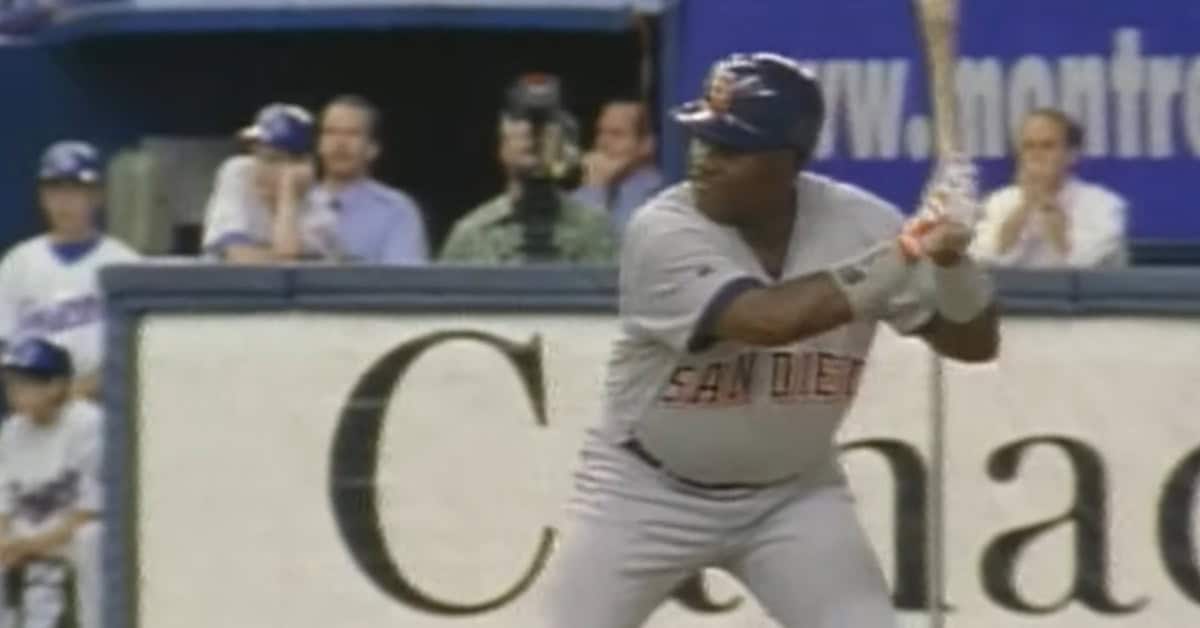
Did the time off from the strike affect Tony Gwynn’s hitting stroke? Silly reader … you know the answer. Of course it didn’t. He led the league in hits (197) and batting average (.368). Opposing teams probably wished he’d stayed on the picket lines.
.353? Nothing Out of the Ordinary (1996)
The Gwynn Train kept right on chugging. He gave pitching coach nightmares each day, getting 159 hits in an injury-shortened season. The lefty-hitting legend still got enough at-bats to lead the league in batting average.
.372?!?! (1997)
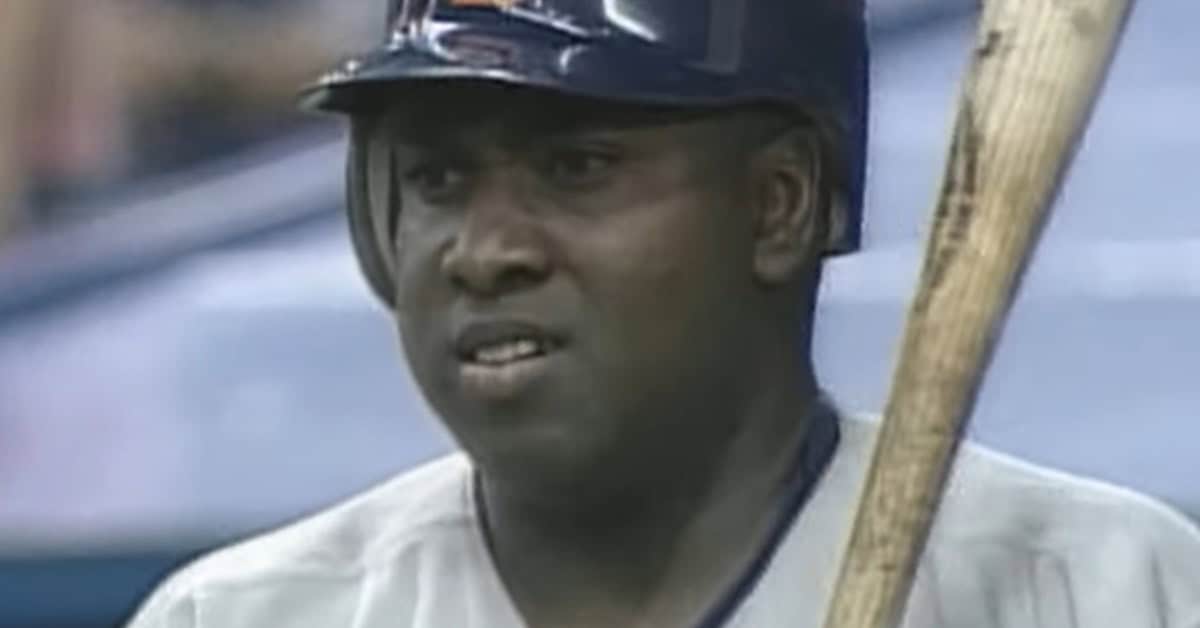
Gwynn must have been mad at missing time the previous year. He hit like a man possessed, getting 220 hits en route to a .372 average. He was also a team player, leading the league with 12 sacrifice flies.
.321 and a World Series Trip (1998)
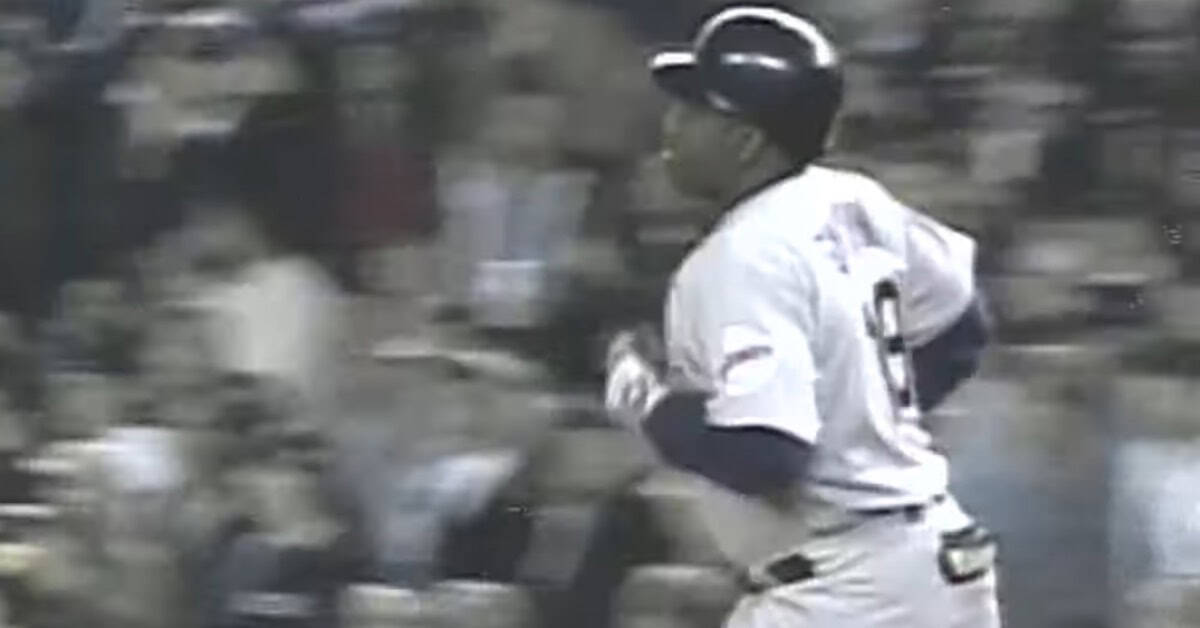
The Padres legend had to have enjoyed this season. While his average “dipped” to .321, he got to go back to the World Series. Mr. Padre made an impact, crushing a no-doubt home run at Yankee Stadium that bounced off an advertising facade in the upper deck. Unfortunately for him, the ’98 Yankees were a juggernaut that wouldn’t be stopped.
Easing Off Into the Sunset (1999-2001)
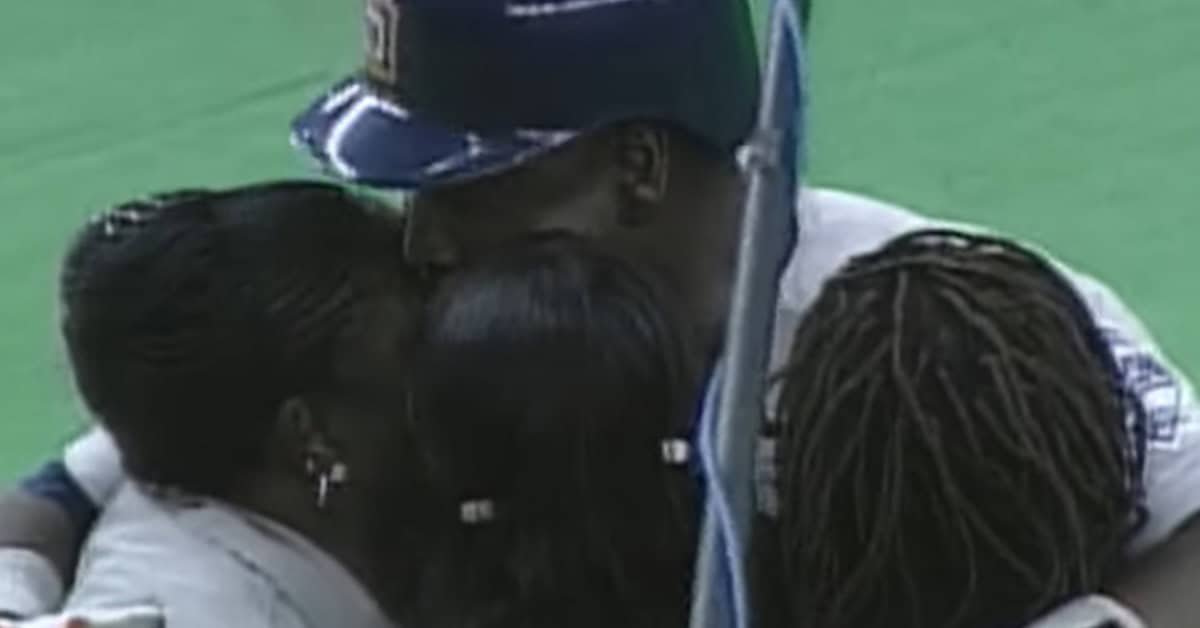
While Gwynn didn’t make it to the World Series again in his career, he did get to reach milestones like career hit No. 3,000, where he got to hug his family on the field. He was putting the final touches on the resume that would result in his induction into Cooperstown.
Yes, He Could Help Himself With His Legs
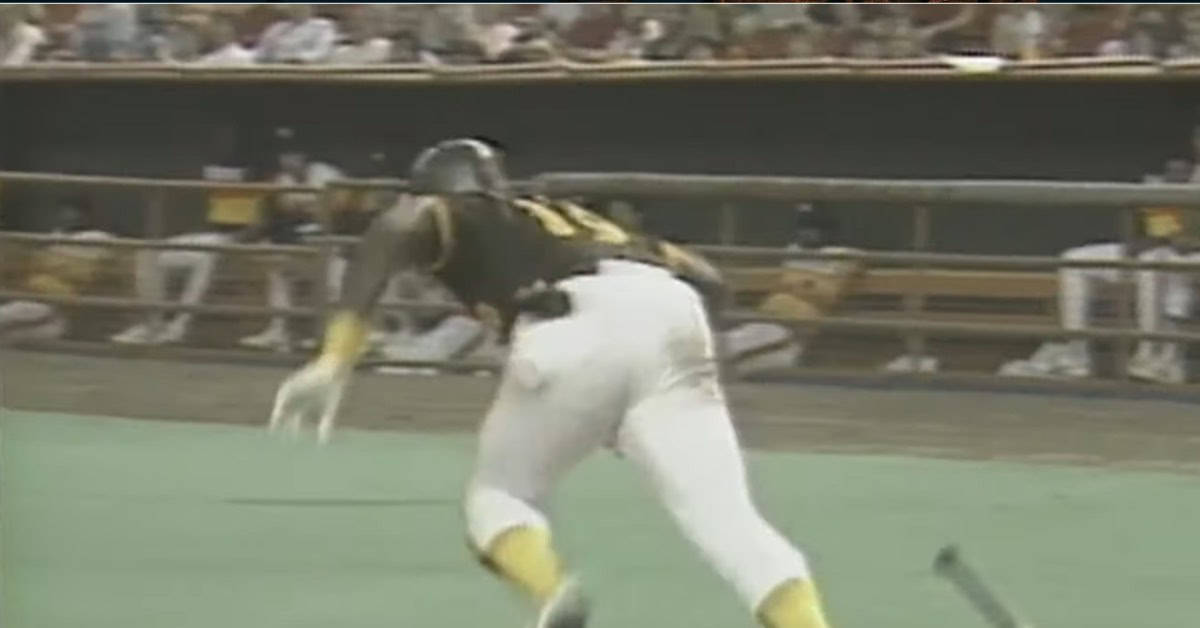
People might remember the heftier Gwynn at the tail end of his career. He actually was a stolen base threat earlier on, with a career-high of 56 in 1987.He had seasons where he swiped 33, 37, and 40 bags. That meant pitchers had to focus on more than just the next hitter when he was in his prime.
Making Greg Maddux and Other Hall of Famers Mad
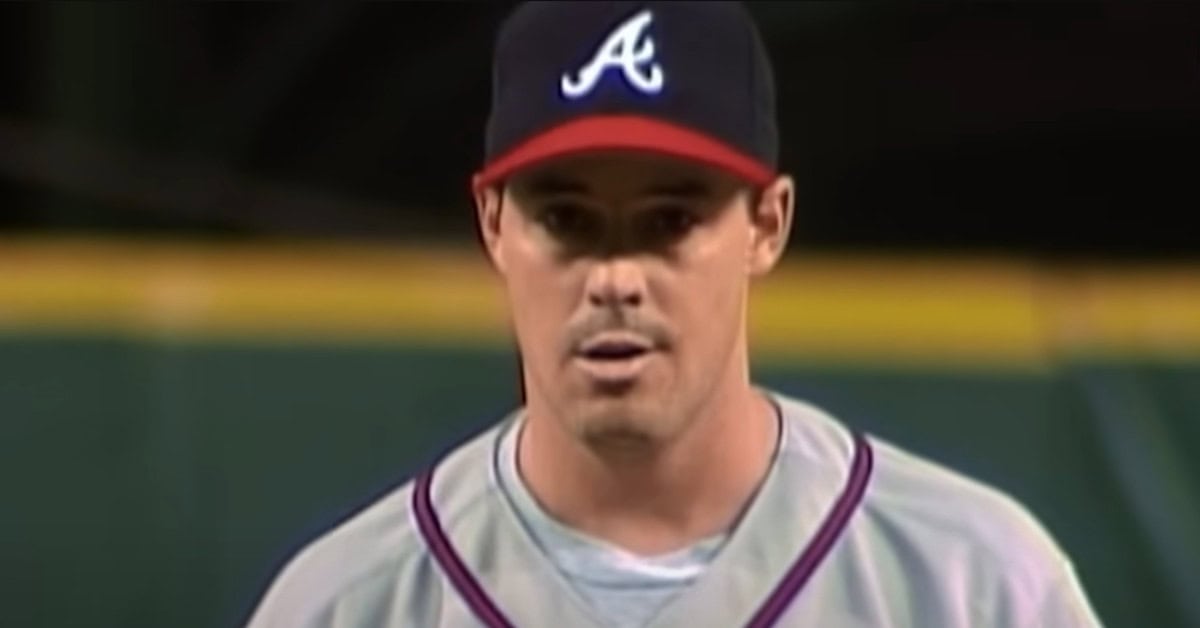
Greg Maddux was a master of changing speeds and locations when it came to facing hitters. He felt that if he could make any batter look helpless. His own words: “Except for that (expletive) Tony Gwynn.” Maddux could not strike out the Padres legend and gave up 39 hits to the tune of a .415 batting average. The pitching legend shouldn’t feel bad; Gwynn did that to many other Hall of Fame pitchers, including Tom Glavine and John Smoltz. Only fireballers like Randy Johnson and Nolan Ryan had any success, with the Ryan Express notching nine strikeouts.
An Allergy to Striking Out
Many hitters would get stressed with two strikes. Not Tony Gwynn. He had the pitcher right where he wanted him. The legendary hitter had a .302 average when he was faced with that situation. On top of that, he was nearly impossible to strike out – having 434 in a 20-year career. Today’s sluggers have that many in four years. Mr. Padre never struck out more than 40 times in a season.
Remarkably Consistent Hit Streaks
While other hitters endured week-long slumps, Tony Gwynn’s “cold streaks” were remarkably short; he almost never went more than a couple of games without a hit, and his longest career hitless streak was an astonishingly brief four games. Pitchers couldn’t savor any o-fers for long. They had to know that their rotation mate would likely give up a hit or two the next game.
Consistently Getting on Base Despite Not Walking Much
This might have also been a product of both his spot in the batting order and his ability to get the bat on nearly any pitch. He never walked 100 times in a season, with 82 being his career high. Gwynn preferred to get on base the old-fashioned way — a hit.
His Career Batting Average Was .338
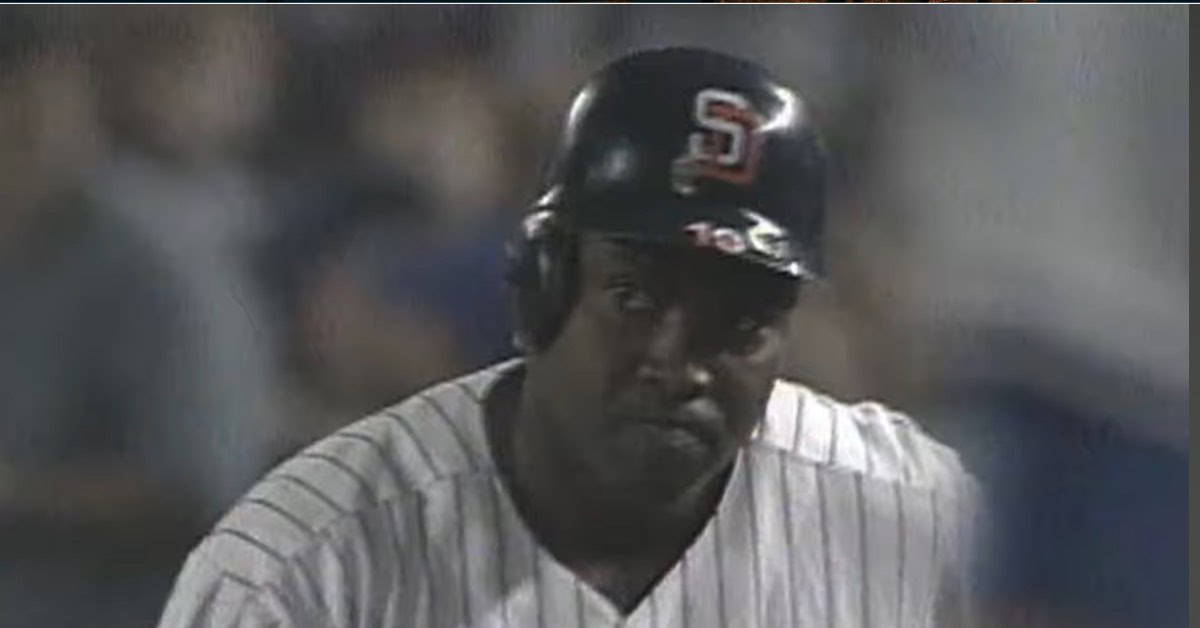
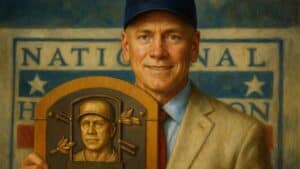
Tony Gwynn could hit. We can talk about how well he did in each season, but it’s really the sum that shows what he was capable of. Mr. Padre wound up with 3,141 hits and a .338 batting average. That puts him in Ted Willams territory as far as batting average goes. His power numbers were far behind, but there was only one Teddy Ballgame, after all. Many of us were all lucky to see the singular Tony Gwynn in person.
He Was Deadly With Runners on Base
Gwynn, who already had extraordinary levels of concentration, took it to another level when there were runners on base. While his overall RBI totals might have been even higher had he batted lower in the order, his average with runners on base was a stellar .349. Still, he had 1,138 RBIs for his career. This was one man who didn’t shrink under pressure.
Hitting .370 Against Left-Handed Pitching When It “Shouldn’t” Happen
Lefty hitters are supposed to struggle against lefty pitchers. Mr. Padre apparently missed that memo, finishing his career with a .325 average against southpaws. He was comfortable in the batter’s box regardless of which hand the pitcher threw with. Opposing pitching coaches would be holding their breaths when he was at the plate.
He Used Video Technology To His Benefit
Gwynn was one of the first early adopters of video technology. He would have all of his at-bats recorded, and he would study them closely, identifying the tendencies he could observe. The hitting legend coupled that with fanatical batting practice to use muscle memory for hitting different kinds of pitches. He brought his VCR equipment with him on the road. Were he playing today, he’d be using an iPad to dissect his at-bats in between innings. This was part of what made him great.