
Last Updated: September 18th, 2026 by Matthew Brown
I think the 2010s were a renaissance for elite third basemen. That's when you saw players like Nolan Arenado and Manny Machado be elite at both offense and defense. In a way, they were showing a side of baseball that hadn't been seen in about 30 years. The 1980s were a prime era for the position.
Don't lose this article. Enter your email below, and I'll send it to you right now. Plus, we'll send you other unbelievable stories from baseball's past.
So many players were able to excel in so many different ways and become stars of the game. Let's go over some of those great players who commanded the hot corner in this decade.
20. Rance Mulliniks: Toronto’s Part-Time Star
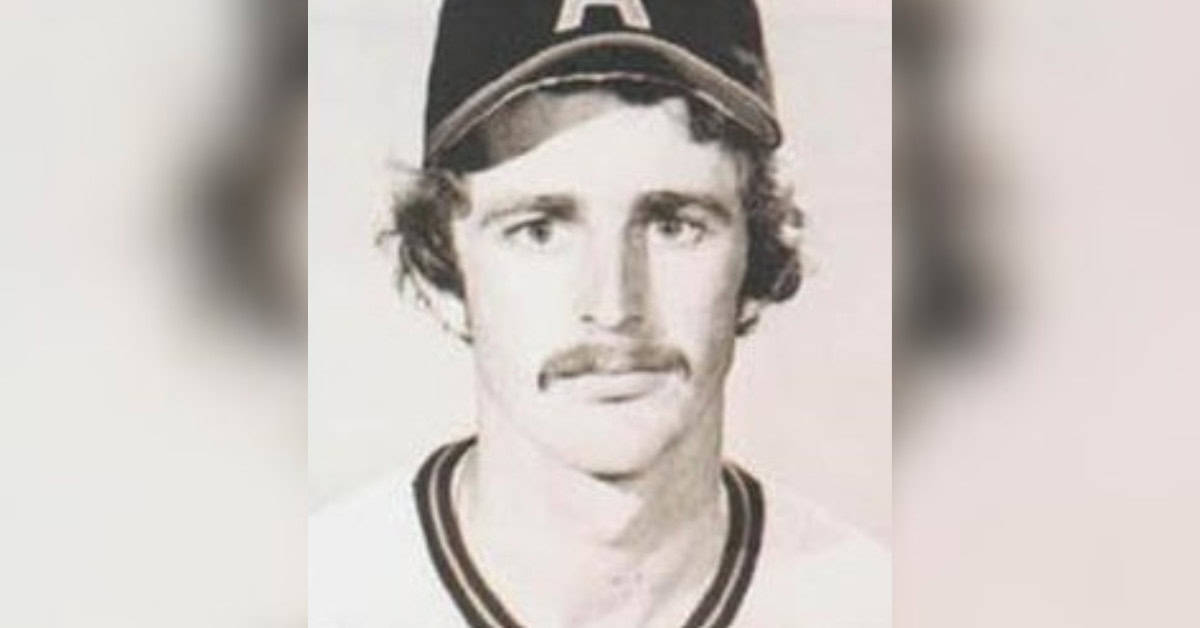
Utility players are so important to this sport, and Rance Mulliniks was one of the best. Most of his playing time came at third base, so he certainly qualifies for this list.
It's a shame he couldn't scratch out an All-Star selection at least once in his career, and he was essential to the Blue Jays' efforts throughout the 1980s. He hit .281 with a 115 OPS+, suggesting he was a well-above-average hitter.
| Rance Mulliniks — Career | Total |
|---|---|
| G | 1325 |
| AB | 3569 |
| H | 972 |
| HR | 73 |
| RBI | 435 |
| SB | 15 |
| AVG | .272 |
| OBP | .354 |
| SLG | .407 |
| OPS | .761 |
19. Darrell Evans: The Home Run King After 40
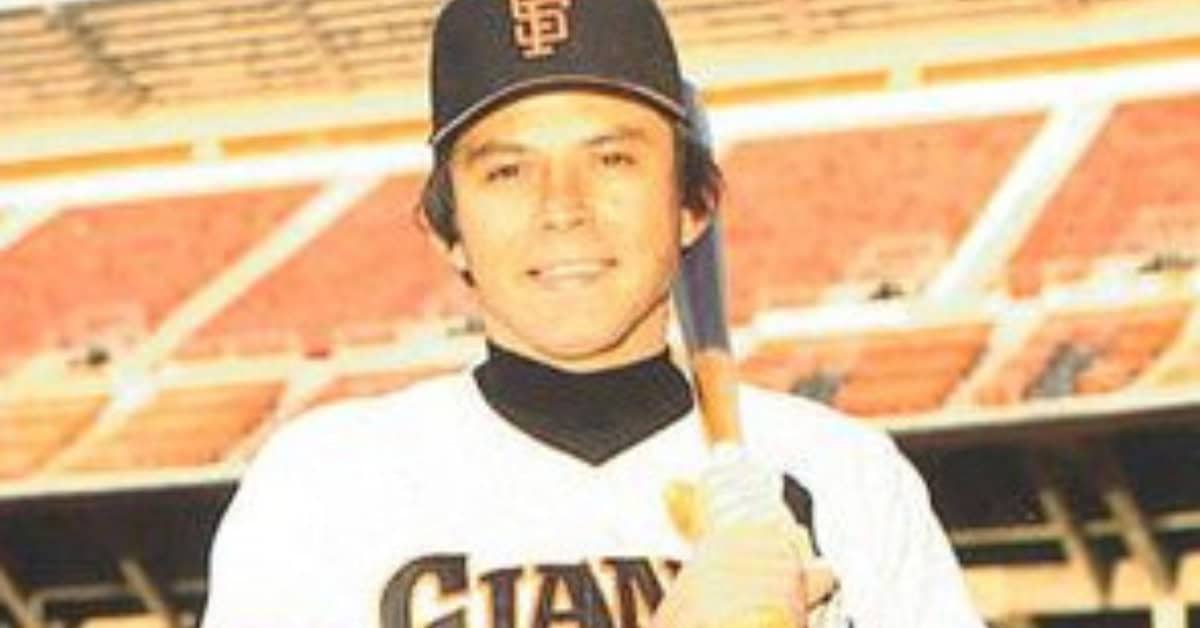
Darrell Evans is one of the most underrated players of his era and of the decade. He hit 230 of his 414 career home runs in this decade, which covered his age-33 to 42 seasons. He led baseball in 1985 at 38 years old with 40 home runs.
He also was able to mash 34 home runs at the age of 40. That sustained power helped Evans contribute to all three teams he played for in his career in this decade.
18. Bill Madlock: Mad Dog’s Four Batting Titles
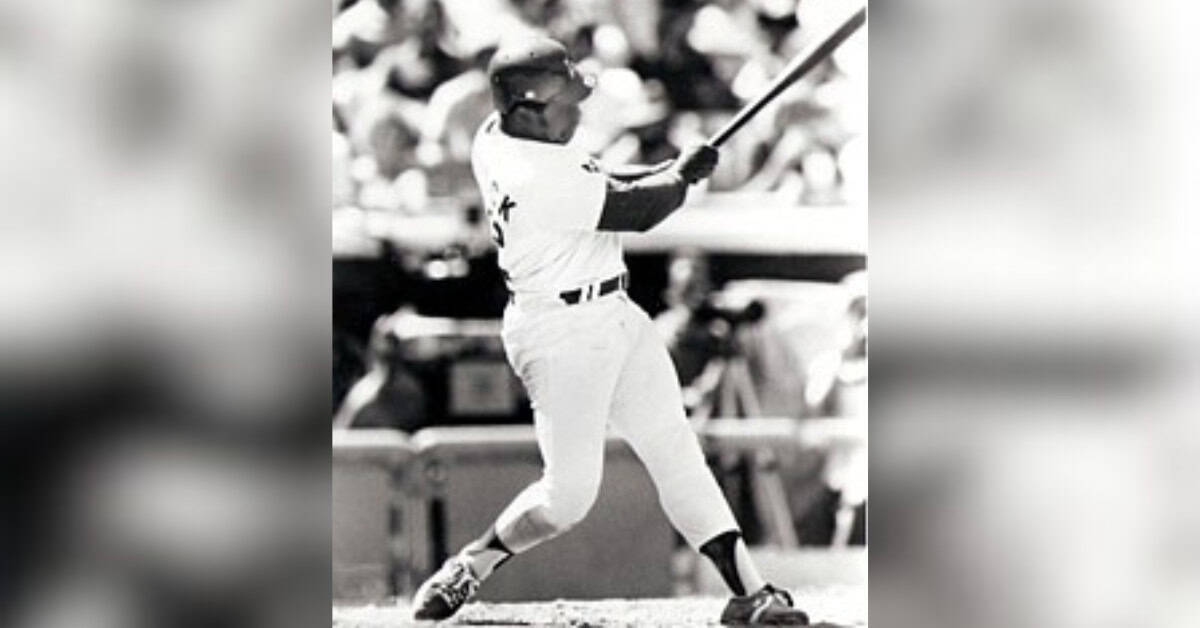
Bill Madlock came off a dream season in 1979 when he got traded to the eventual champions, the Pittsburgh Pirates. He quickly made himself at home and earned two All-Star selections, winning the batting title in both years.
He hit a productive .291 through eight seasons as he retired in 1987 after a solid 15-year career. He was able to collect his 2,000th hit before he called it quits to cap it all off.
| Bill Madlock — Career | Total |
|---|---|
| G | 1806 |
| AB | 6594 |
| H | 2008 |
| HR | 163 |
| RBI | 860 |
| SB | 174 |
| AVG | .305 |
| OBP | .365 |
| SLG | .442 |
| OPS | .807 |
| All-Star selections | 3 |
| World Series titles | 1 |
17. Phil Garner: Scrap Iron’s Gritty Leadership

Phil Garner was also coming off a World Series season as he entered the '80s with the Pittsburgh Pirates. He promptly earned back-to-back All-Star selections as more of a second baseman.
Then he found his way back to the hot corner when he switched over to Houston and became their everyday third baseman. He had a couple of his best hitting seasons there as he batted .274 and .278 in 1982 and 1984, respectively.
| Phil Garner — Career | Total |
|---|---|
| G | 1860 |
| AB | 6136 |
| H | 1594 |
| HR | 109 |
| RBI | 738 |
| SB | 225 |
| AVG | .260 |
| OBP | .323 |
| SLG | .389 |
| OPS | .712 |
| All-Star selections | 3 |
| World Series titles | 1 |
16. Chris Brown: San Francisco’s Injury-Prone Phenom
Chris Brown was such a promising young player when he debuted with the San Francisco Giants in 1984. He earned an All-Star selection in just his second full season in 1986 as he hit .317 with a 125 OPS+.
He was just 24 years old at the time, but injuries prevented him from playing a full season again. Still, that All-Star season proved his talent and why scouts thought of him so highly.
15. Toby Harrah: The Veteran Who Could Play Anywhere
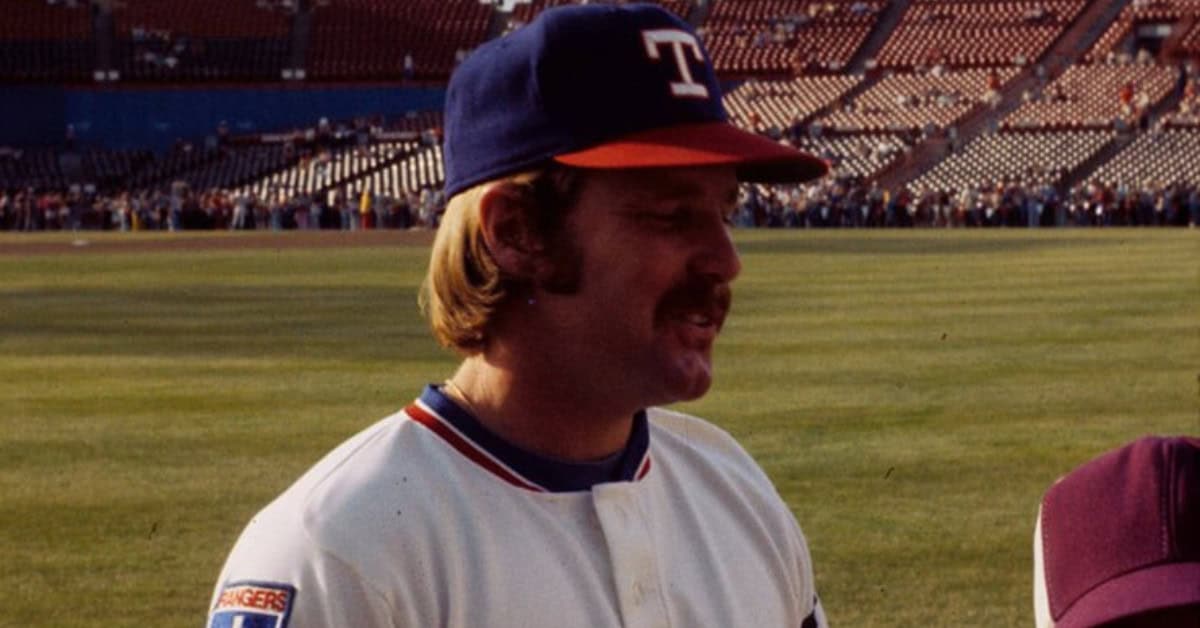
Toby Harrah was on the back half of his career in the 1980s, as he had spent a good chunk of time with the Rangers as their shortstop to start his career.
In his decade, he became an everyday third baseman in Cleveland as he earned his fourth career All-Star selection in 1982, hitting .304 with 25 home runs and 29 doubles while playing in every single game that season.
| Toby Harrah — Career | Total |
|---|---|
| G | 2155 |
| AB | 7402 |
| H | 1954 |
| HR | 195 |
| RBI | 918 |
| SB | 238 |
| AVG | .264 |
| OBP | .365 |
| SLG | .395 |
| OPS | .760 |
| All-Star selections | 4 |
14. Terry Pendleton: The Switch-Hitting Sparkplug

Terry Pendleton started his career in the middle of the 1980s as a young third baseman with plenty of potential. He won two Gold Gloves in the decade as he found his footing in the league and laid a foundation for what he would do in Atlanta in the coming years.
He had an MVP season lying in wait in 1991 thanks to the change of scenery after he established himself in the league in the '80s.
| Terry Pendleton — Career | Total |
|---|---|
| G | 1893 |
| AB | 7032 |
| H | 1897 |
| HR | 140 |
| RBI | 946 |
| SB | 127 |
| AVG | .270 |
| OBP | .316 |
| SLG | .391 |
| OPS | .707 |
| MVP | 1 |
| All-Star selections | 1 |
| Gold Gloves | 3 |
13. Bob Horner: Atlanta’s Four-Homer Hero
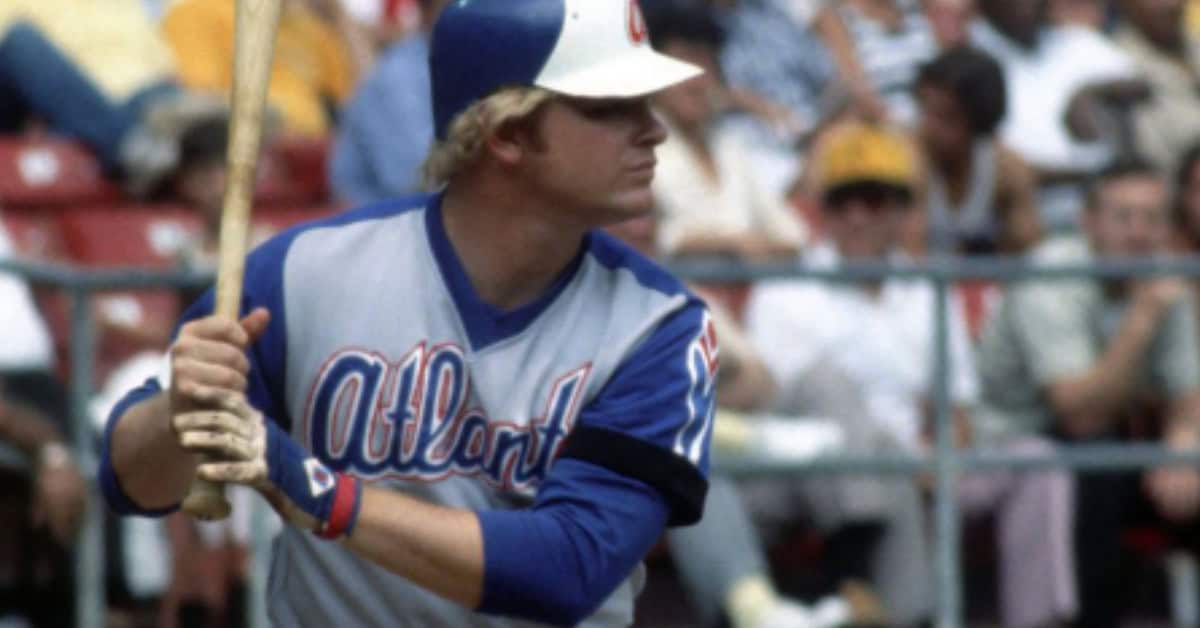
Even though his career spanned just 10 seasons, Bob Horner got the chance to pummel the baseball during his time. He had a four-homer game in 1986, his final season with the Braves, which made him only the 11th player ever to achieve that feat.
His All-Star season in 1982 saw him hit 32 home runs, which was the third 30-homer season of his career.
| Bob Horner — Career | Total |
|---|---|
| G | 1020 |
| AB | 3777 |
| H | 1047 |
| HR | 218 |
| RBI | 685 |
| SB | 14 |
| AVG | .277 |
| OBP | .340 |
| SLG | .499 |
| OPS | .839 |
| All-Star selections | 1 |
| Rookie of the Year | 1 |
12. Ron Cey: The Penguin Who Waddled to Greatness
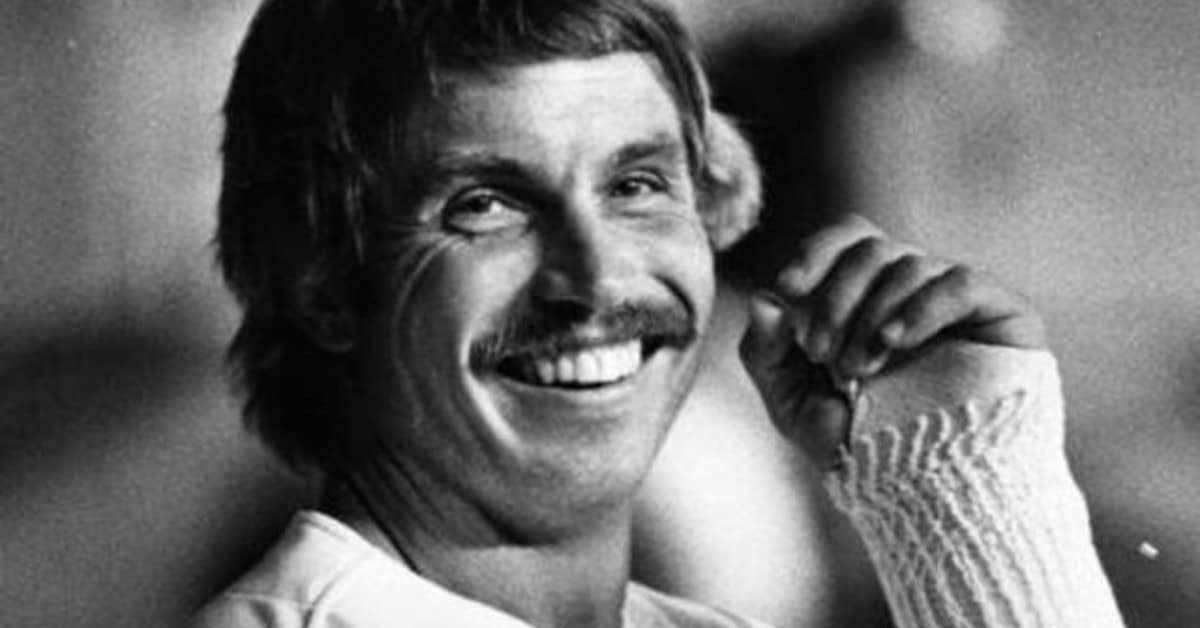
The only time the World Series recognized three MVPs was in this decade, in 1981. Ron Cey was a huge part of the Dodgers' postseason run that season.
He batted .350 with a home run, six RBI, and three runs scored on the biggest stage. The Penguin then found himself in Chicago, giving four years to the Cubs before ending his very good career in Oakland in 1987.
| Ron Cey — Career | Total |
|---|---|
| G | 2073 |
| AB | 7162 |
| H | 1868 |
| HR | 316 |
| RBI | 1139 |
| SB | 24 |
| AVG | .261 |
| OBP | .354 |
| SLG | .445 |
| OPS | .799 |
| All-Star selections | 6 |
| World Series titles | 1 |
11. Gary Gaetti: Minnesota’s Defensive Anchor
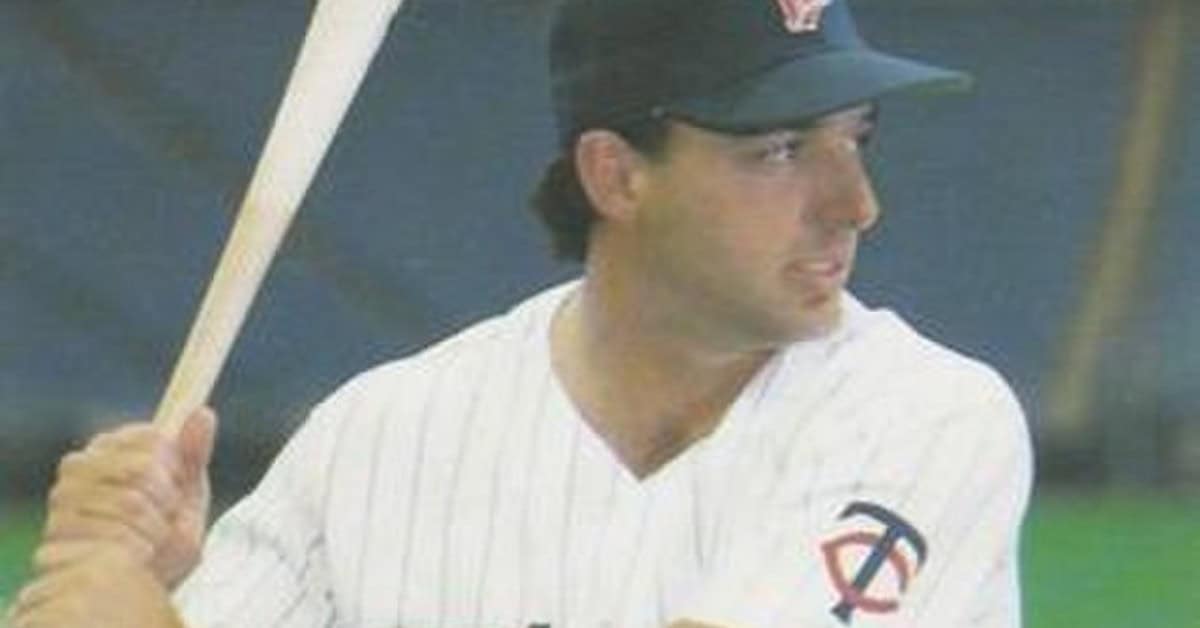
Gary Gaetti is one of the more underrated third basemen of this era. He was essential to the Minnesota Twins, earning two All-Star selections and collecting over 2,200 hits in his career.
He was the 1987 ALCS MVP, helping the Twins eventually win the World Series that year. He won four straight Gold Glove Awards from 1986 to 1989 as he locked down the position throughout his entire 20-year career.
| Gary Gaetti — Career | Total |
|---|---|
| G | 2507 |
| AB | 8951 |
| H | 2280 |
| HR | 360 |
| RBI | 1341 |
| SB | 96 |
| AVG | .255 |
| OBP | .308 |
| SLG | .434 |
| OPS | .742 |
| All-Star selections | 2 |
| Gold Gloves | 4 |
| Silver Sluggers | 1 |
| World Series titles | 1 |
10. Howard Johnson: HoJo’s Power Surge in Queens
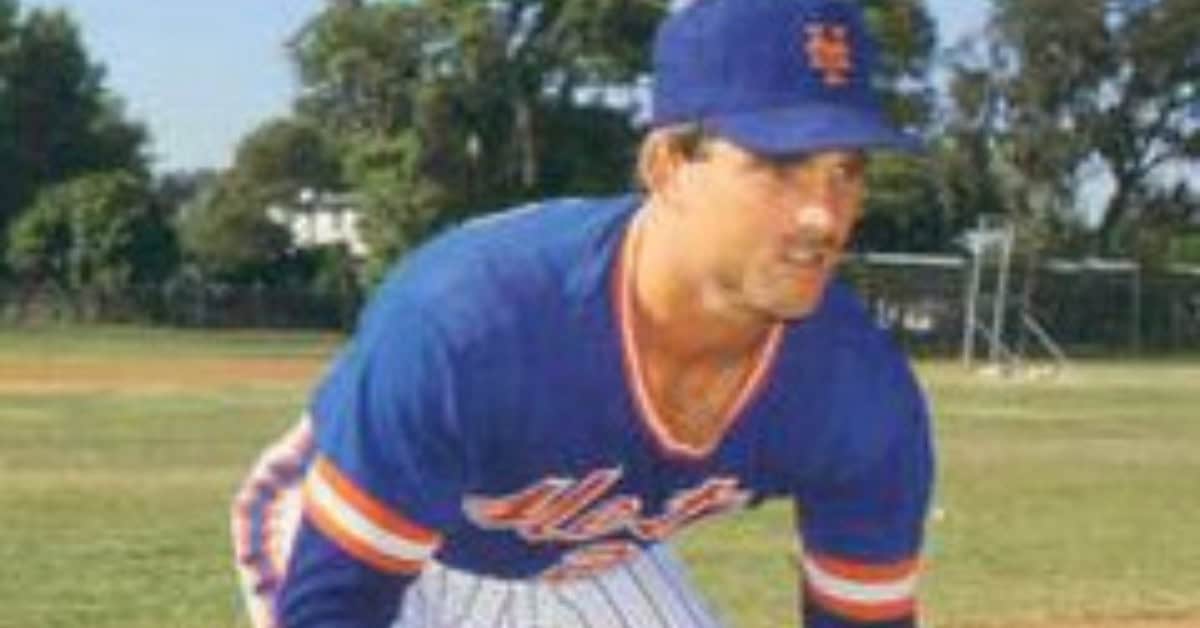
A great combination of power and speed defined Howard Johnson's game. He had three seasons of at least 30 home runs and 30 stolen bases as he was a big player in the Big Apple.
He led the league in runs scored in 1989 as he earned his first All-Star selection and first Silver Slugger. Johnson was a fan favorite in Queens, and I'm sure he is welcomed warmly any time he appears at a Mets game today.
| Howard Johnson — Career | Total |
|---|---|
| G | 1531 |
| AB | 4940 |
| H | 1229 |
| HR | 228 |
| RBI | 760 |
| SB | 231 |
| AVG | .249 |
| OBP | .340 |
| SLG | .446 |
| OPS | .786 |
| All-Star selections | 2 |
| Silver Sluggers | 2 |
| World Series titles | 2 |
9. Doug DeCinces: The Man Who Replaced Brooks Robinson
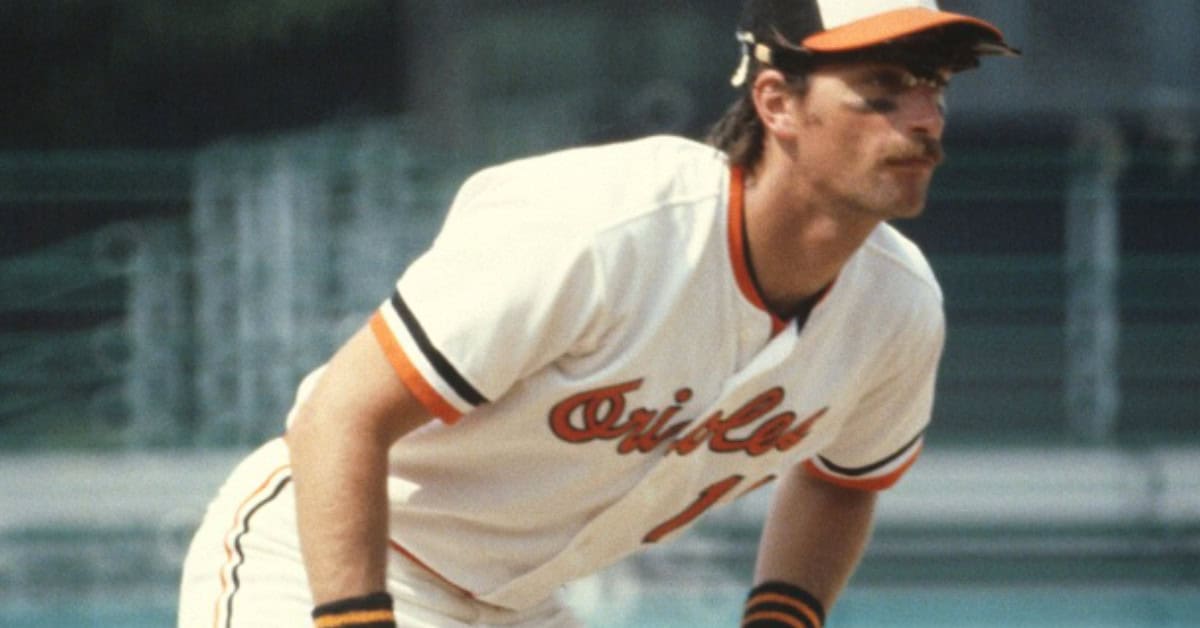
Doug DeCinces brought stability to an organization that could have panicked after the retirement of a Hall of Famer. DeCinces had the unenviable task of replacing the great Brooks Robinson, and by the time the '80s came around, he had found his stride.
He then moved over to California and became a reliable Angel for the rest of the decade. He had a career-best 7.6 WAR in 1982 with a .301 batting average and followed that up with an All-Star season in 1983.
| Doug DeCinces — Career | Total |
|---|---|
| G | 1649 |
| AB | 5809 |
| H | 1505 |
| HR | 237 |
| RBI | 879 |
| SB | 58 |
| AVG | .259 |
| OBP | .329 |
| SLG | .445 |
| OPS | .774 |
| All-Star selections | 1 |
| Silver Sluggers | 1 |
8. Tim Wallach: Montreal’s Quiet Superstar
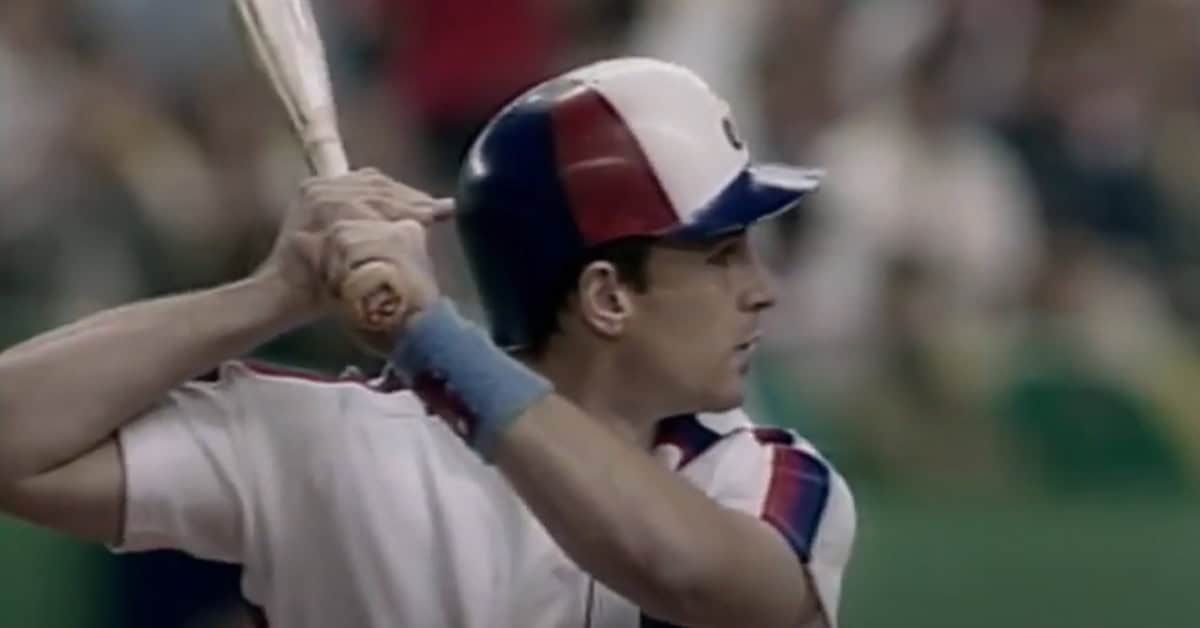
While there were so many flashy stars in baseball that entertained the masses, Tim Wallach quietly made great contributions to the Montreal Expos throughout the 1980s.
He led the league twice in doubles while earning four All-Star selections, two Gold Gloves, and two Silver Sluggers in the decade. Wallach was just a quiet constant in Montreal throughout his career.
| Tim Wallach — Career | Total |
|---|---|
| G | 2212 |
| AB | 8099 |
| H | 2085 |
| HR | 260 |
| RBI | 1125 |
| SB | 51 |
| AVG | .257 |
| OBP | .316 |
| SLG | .416 |
| OPS | .732 |
| All-Star selections | 5 |
| Gold Gloves | 3 |
| Silver Sluggers | 2 |
7. Carney Lansford: The Contact King with the Golden Swing
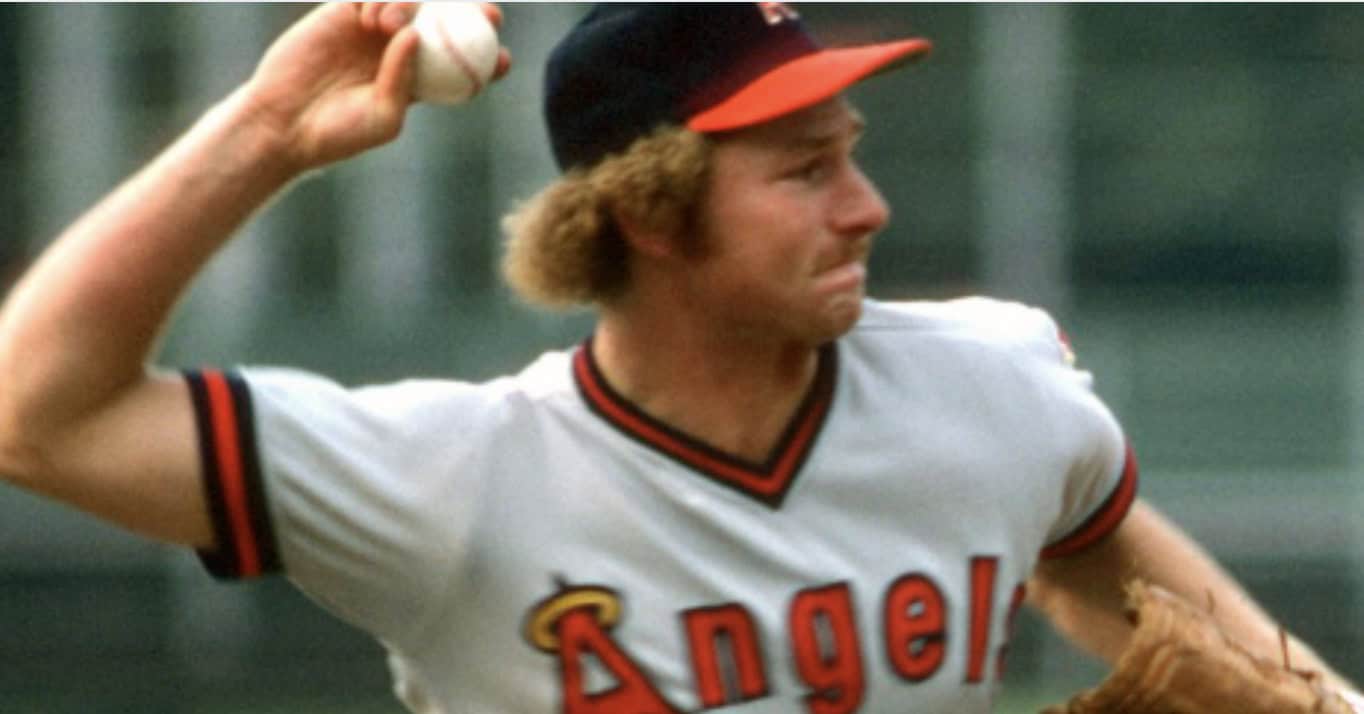
Carney Lansford was a big part of the reason why the A's rose to power in the late-'80s. His lone All-Star selection came in 1988, but that wasn't even his best year.
He actually won the batting title in 1981 when he was with the Boston Red Sox and grew from there. His .438 batting average in the World Series was part of the Oakland dominance in 1989.
| Carney Lansford — Career | Total |
|---|---|
| G | 1862 |
| AB | 7158 |
| H | 2074 |
| HR | 151 |
| RBI | 874 |
| SB | 224 |
| AVG | .290 |
| OBP | .343 |
| SLG | .411 |
| OPS | .754 |
| All-Star selections | 1 |
| Silver Sluggers | 1 |
| World Series titles | 1 |
6. Buddy Bell: The Glove Wizard Texas Loved
The best run of Buddy Bell's great career came at the start of the decade. He earned his first of four All-Star selections in the '80s as he found success with the Texas Rangers.
He also continued a stretch where he won six consecutive Gold Gloves. We were really spoiled in this decade, when great defensive third basemen could be found all over the MLB.
| Buddy Bell — Career | Total |
|---|---|
| G | 2405 |
| AB | 8995 |
| H | 2514 |
| HR | 201 |
| RBI | 1106 |
| SB | 55 |
| AVG | .279 |
| OBP | .341 |
| SLG | .406 |
| OPS | .747 |
| All-Star selections | 5 |
| Gold Gloves | 6 |
| Silver Sluggers | 1 |
5. Pedro Guerrero: The Dodger Blue Slugger
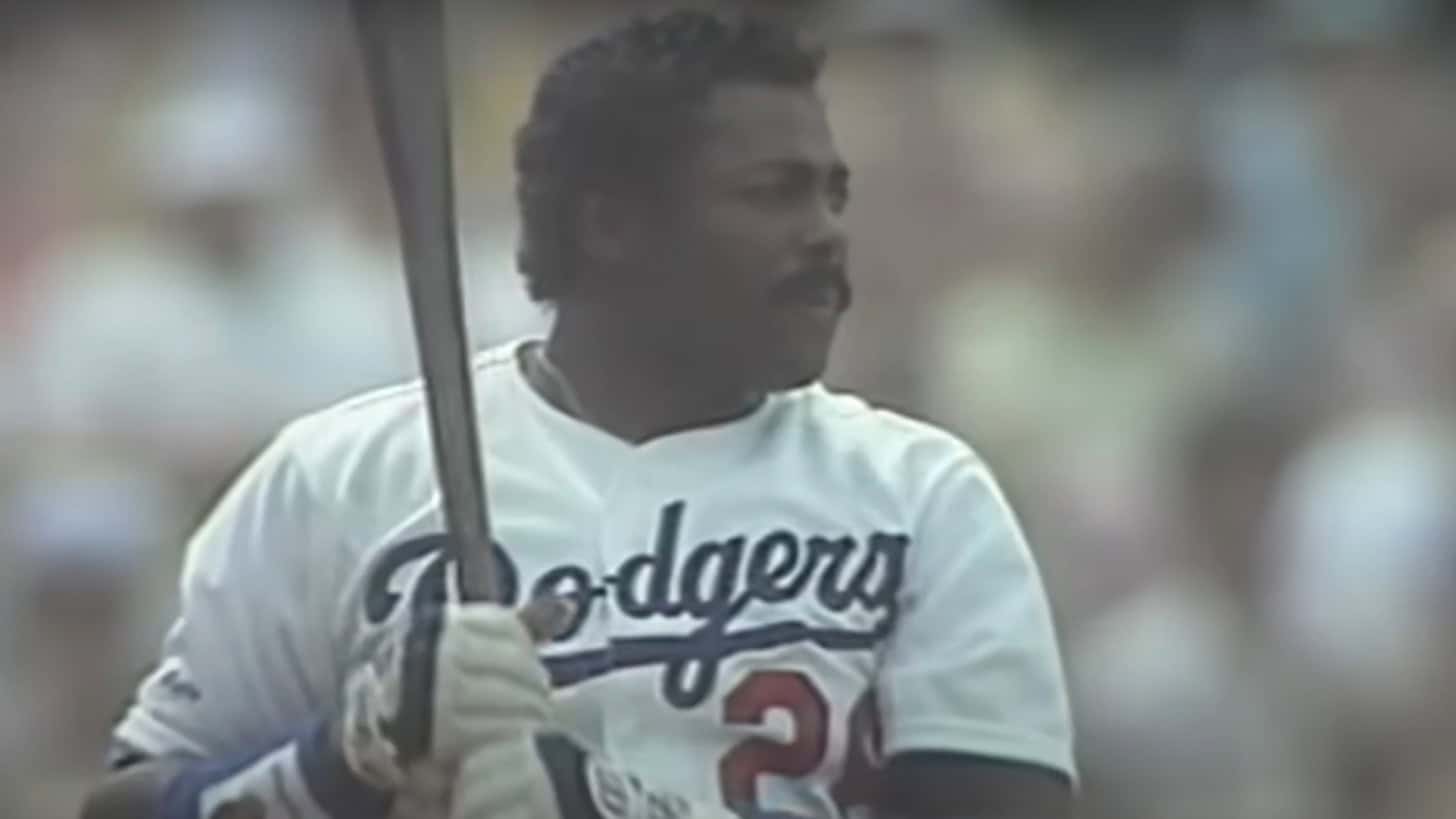
Pedro Guerrero was another one of those tri-MVPs in 1981, playing a little more right field while the Dodgers had Ron Cey produce at third. Guerrero would see more starts at the position later in the decade while being an elite utility player.
In 1985, Guerrero hit .320 with 33 home runs, leading the league in both on-base and slugging percentages. That season, he started at five different positions, displaying his versatility.
| Pedro Guerrero — Career | Total |
|---|---|
| G | 1536 |
| AB | 5392 |
| H | 1618 |
| HR | 215 |
| RBI | 898 |
| SB | 97 |
| AVG | .300 |
| OBP | .370 |
| SLG | .480 |
| OPS | .850 |
| All-Star selections | 5 |
| Silver Sluggers | 1 |
| World Series titles | 1 |
4. Paul Molitor: The Swiss Army Knife Before DH Fame
I feel like not enough fans remember Paul Molitor as a third baseman. Especially in the 1980s, he was an everyday starter at the hot corner for most of the decade. Molitor hit .301 with a really solid 124 OPS+ in those 10 years while building his Hall of Fame resume.
A little less than half of his 3,319 career hits were collected in the '80s while he earned three All-Star selections as one of the league's best at third.
| Paul Molitor — Career | Total |
|---|---|
| G | 2683 |
| AB | 10835 |
| H | 3319 |
| HR | 234 |
| RBI | 1307 |
| SB | 504 |
| AVG | .306 |
| OBP | .369 |
| SLG | .448 |
| OPS | .817 |
| All-Star selections | 7 |
| Silver Sluggers | 4 |
| World Series titles | 1 |
3. George Brett: The Pine Tar Prince of Kansas City

George Brett's career happened at the start of this decade. He won the MVP in 1980 as he had a whopping 1.118 OPS that came out to a 203 OPS+. That was complementary to the major storyline of chasing that magical .400 batting average for a season.
Brett came so close with his .390 that year. Other than that, he continued his streak of 13 straight All-Star selections, shining brightly as one of the great players of the decade.
| George Brett — Career | Total |
|---|---|
| G | 2707 |
| AB | 10349 |
| H | 3154 |
| HR | 317 |
| RBI | 1596 |
| SB | 201 |
| AVG | .305 |
| OBP | .369 |
| SLG | .487 |
| OPS | .856 |
| MVP | 1 |
| All-Star selections | 13 |
| Gold Gloves | 1 |
| Silver Sluggers | 3 |
| World Series titles | 1 |
2. Mike Schmidt: The Power King Who Owned October

Mike Schmidt was in the middle of his prime in 1980, as he won his first of three MVP awards in his career and this decade. His 48 home runs were the most by a third baseman in a single season that wouldn't be matched for over 20 years.
He led the league in home runs for five separate seasons, led in RBI in four, and led in walks in three straight seasons. He wasn't just a premier slugging third baseman; he was a premier slugger in all of baseball.
| Mike Schmidt — Career | Total |
|---|---|
| G | 2404 |
| AB | 8352 |
| H | 2234 |
| HR | 548 |
| RBI | 1595 |
| SB | 174 |
| AVG | .267 |
| OBP | .380 |
| SLG | .527 |
| OPS | .907 |
| MVP | 3 |
| All-Star selections | 12 |
| Gold Gloves | 10 |
| Silver Sluggers | 6 |
| World Series titles | 1 |
1. Wade Boggs: The Hitting Machine Who Made .300 Look Easy
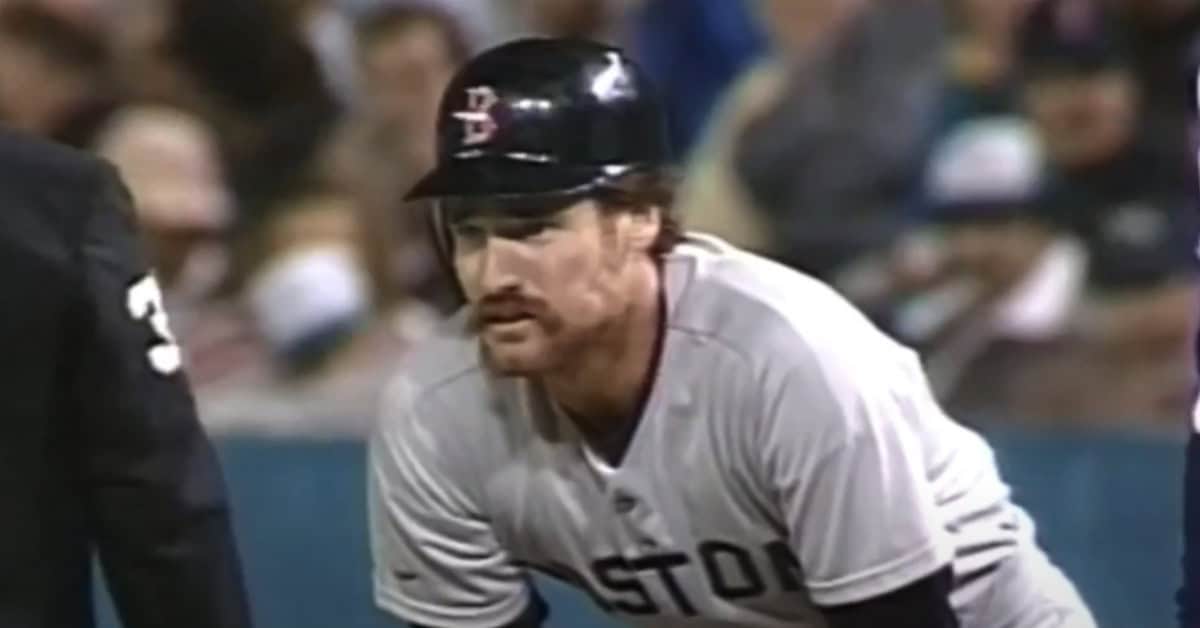
No third baseman has ever been as pure of a hitter as Wade Boggs. He dominated the batting title in the '80s, winning five of them and four in a row from 1985 to 1988. He had an amazing .352 batting average in the decade while still building up a 150 OPS+.
Five straight All-Star selections with five Silver Sluggers are even more impressive considering the fact that his career started in 1982 and he didn't even play the full decade.
| Wade Boggs — Career | Total |
|---|---|
| G | 2440 |
| AB | 9180 |
| H | 3010 |
| HR | 118 |
| RBI | 1014 |
| SB | 24 |
| AVG | .328 |
| OBP | .415 |
| SLG | .443 |
| OPS | .858 |
| All-Star selections | 12 |
| Gold Gloves | 2 |
| Silver Sluggers | 8 |
| World Series titles | 1 |