
Last Updated: June 17th, 2026 by Matthew Brown
Before Statcast turned every pitch into a physics equation, the curveball was baseball’s dark art—a mystical pitch that bent reality and broke spirits. These masters of the breaking ball didn’t just throw curves; they created optical illusions that left batters questioning everything they thought they knew about hitting a baseball. From smoky stadiums of the ’50s to the high-def present, these craftsmen turned 60 feet, 6 inches into a canvas for their masterpieces.
Don't lose this article. Enter your email below, and I'll send it to you right now. Plus, we'll send you other unbelievable stories from baseball's past.
Bert Blyleven’s “Dutch Delight” That Dropped Off The Face of The Earth
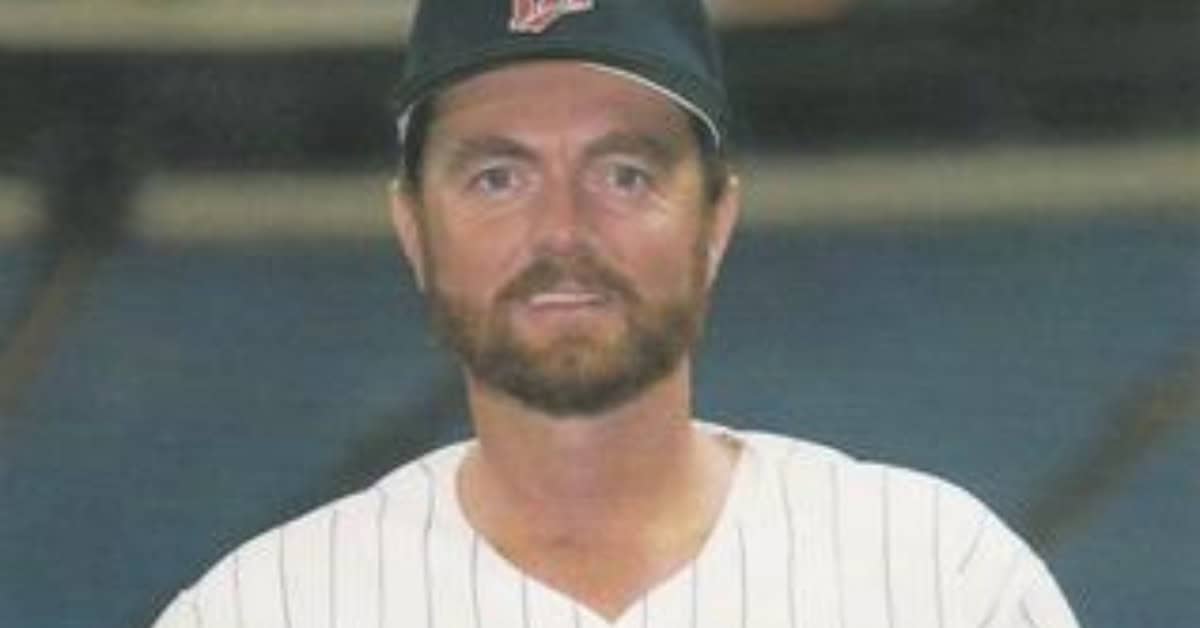
The Flying Dutchman’s curve was so dramatic it should have come with motion sickness warnings. Blyleven would release his signature pitch and watch as it started at a batter’s head, then dropped through what seemed like three different area codes before crossing the plate at the knees. That curve was so good, it made him famous in two countries and left a generation of American League hitters wondering if the Netherlands had some secret pitch they weren’t telling anyone about.
Nolan Ryan’s Hammer That Broke More Than Just Records

Ryan’s curve was like his fastball’s evil twin—just as terrifying but with a mean streak that made it drop like an anvil in a cartoon. The Express would rear back and fire this breaking ball with the same violent delivery as his heater, leaving batters to decide which form of embarrassment they preferred. When Ryan had both pitches working, hitters would have better luck trying to catch lightning in a bottle than making contact.
Dwight Gooden’s Uncle Charlie That Owned 1980s New York
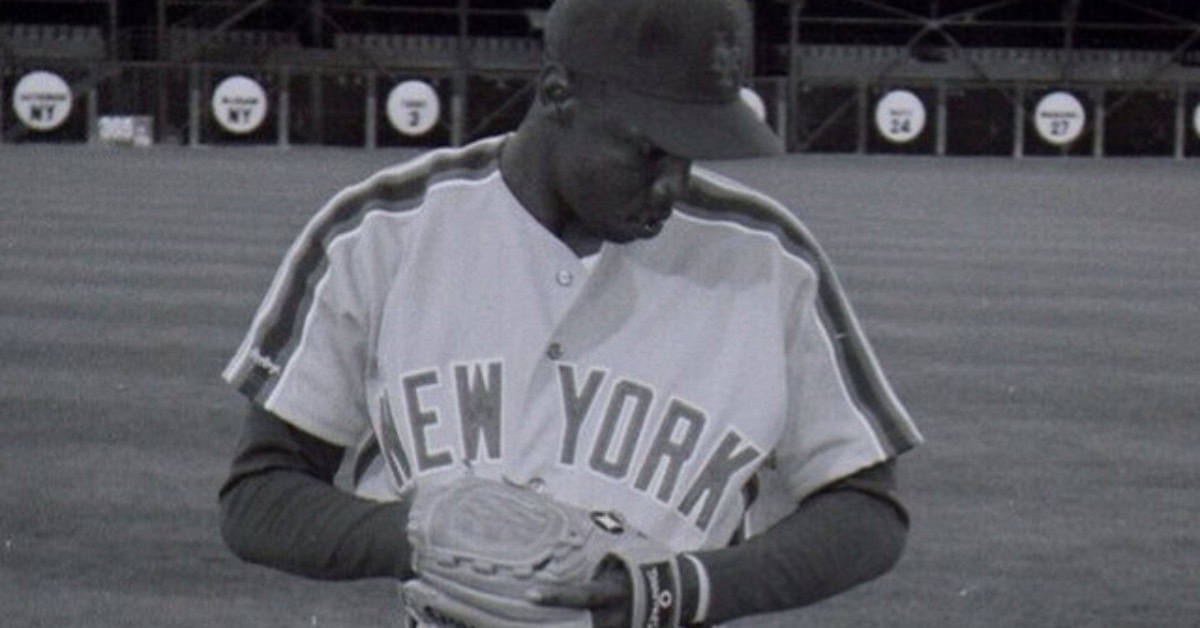
Doc’s curveball was so electric it could have powered Manhattan during a blackout. The teenage phenom would snap off this pitch with a motion so smooth it looked like he was conducting an orchestra, and the ball would break with more drama than a Broadway show. In 1985, that curve turned Shea Stadium into baseball’s greatest theater, and even Yankees fans had to admit the best show in town was in Queens.
Clayton Kershaw’s 12-6 Curve That Defies Modern Launch Angles
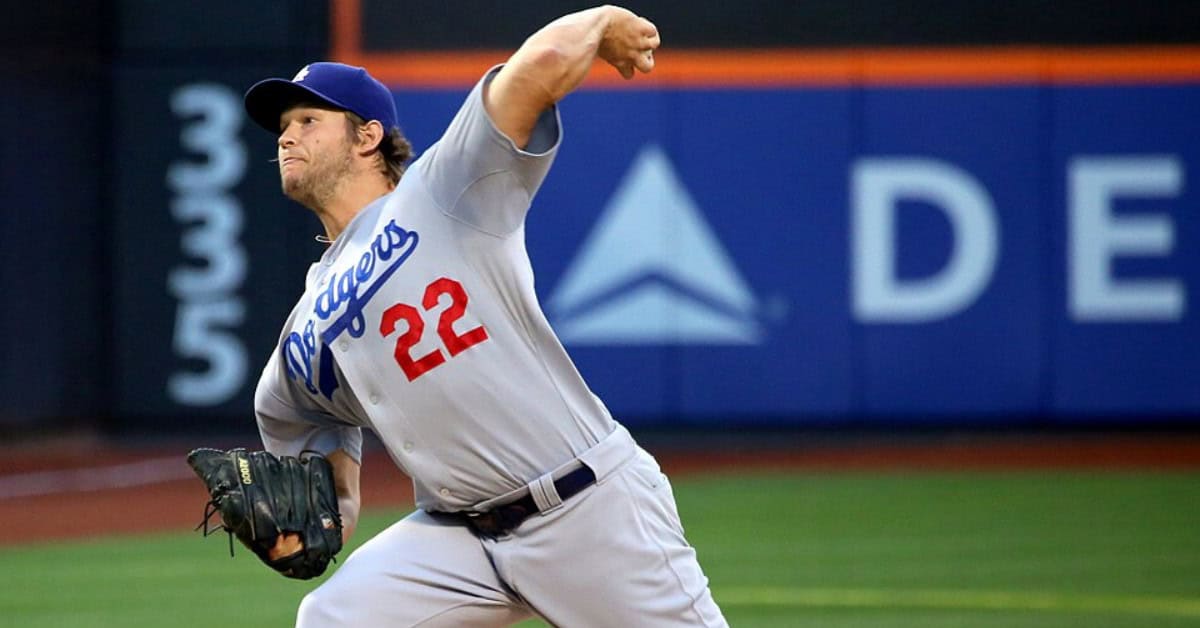
Kershaw’s curve drops like it’s riding an invisible elevator straight to the basement of Dodger Stadium. The modern-day Koufax releases this pitch and it starts at the batter’s eyes before plummeting like it just remembered it was late for an appointment with home plate. In an era obsessed with launch angles and exit velocity, Kershaw’s curve reminds everyone that some things in baseball still can’t be explained by computers.
Barry Zito’s Rainbow Curve That Made Oakland Feel Like Oz
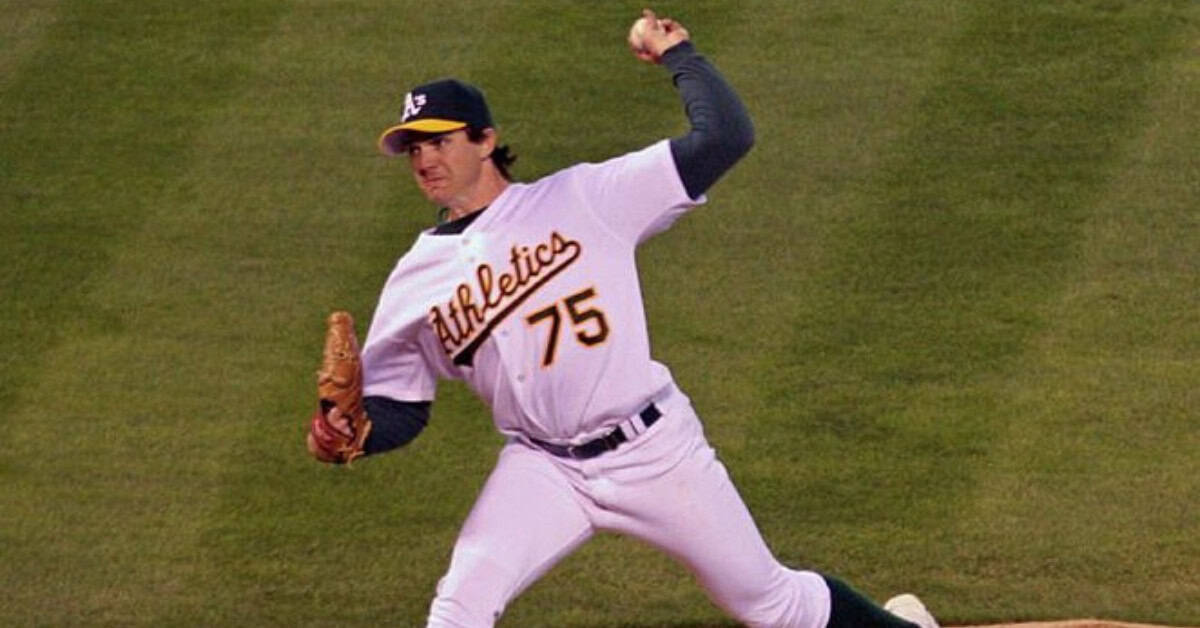
Zito’s curve was less a pitch and more a magic trick that belonged in Las Vegas. The laid-back lefty would float this pitch toward home plate with so much arc it looked like it might never come down, then watch as batters swung under it by what seemed like feet. That rainbow curve turned the Oakland Coliseum into a house of mirrors where nothing was quite what it seemed, and even the seagulls had to stop and watch.
Camilo Pascual’s Curve That Taught The Teachers How To Teach
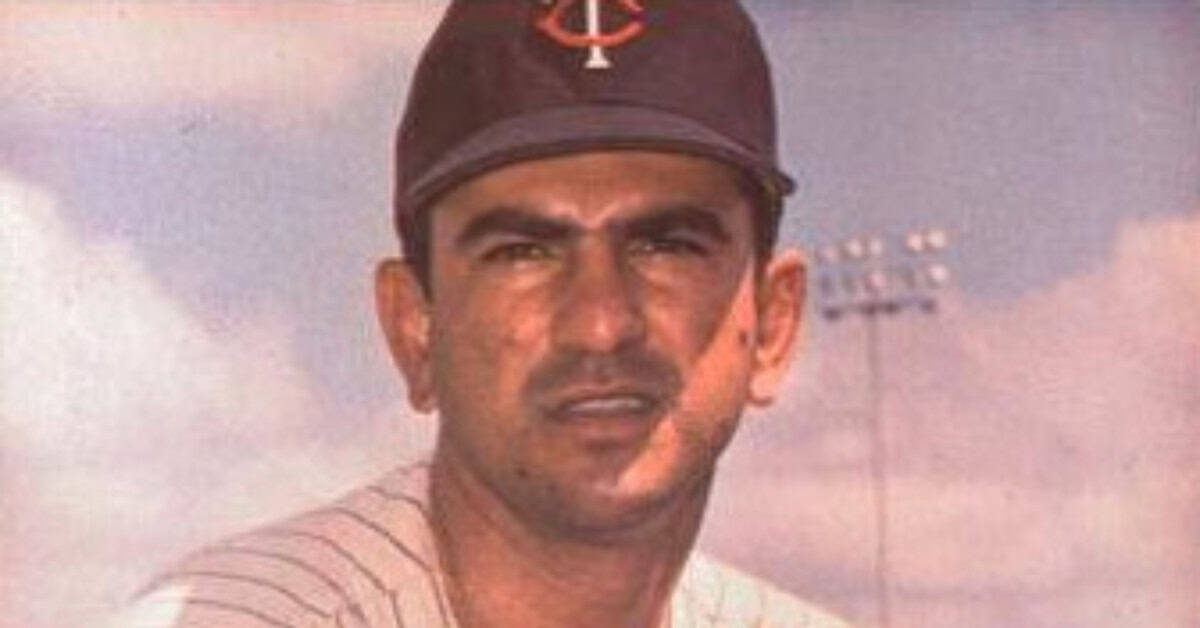
Before there were pitching coaches with iPads, there was Pascual’s curveball—the pitch that other pitchers studied like it was written in ancient scrolls. The Cuban right-hander’s curve was so technically perfect that baseball men would use film of it to teach young pitchers what a breaking ball was supposed to look like. When Pascual was dealing, his curve didn’t just get batters out—it educated a generation of hurlers on the art of the breaking ball.
Dennis Martinez’s “El Presidente” Curve That Crossed Two Borders
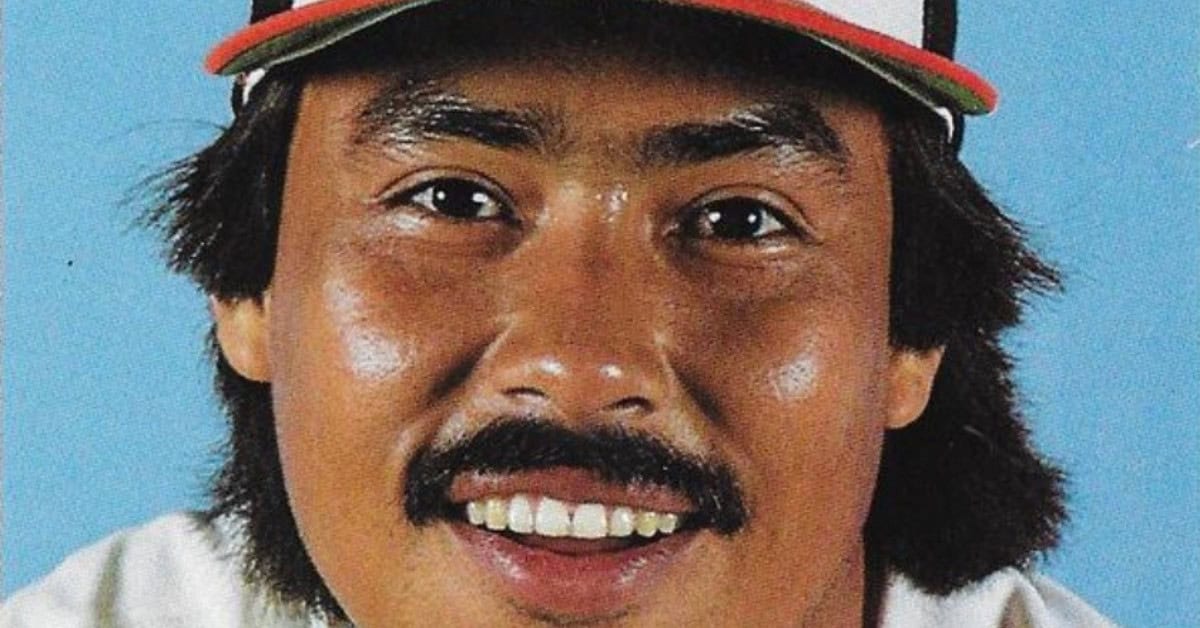
El Presidente’s curve was a pitch that united two nations in admiration of its artistic beauty. Martinez would spin this breaking ball with the grace of a ballet dancer, watching it sweep across the plate like it was painting a portrait of perfection. That curve didn’t just break bats—it broke down barriers, making fans from Montreal to Managua stand and cheer for baseball artistry that needed no translation.
Mike Mussina’s Knuckle-Curve That Made Physics Professors Weep
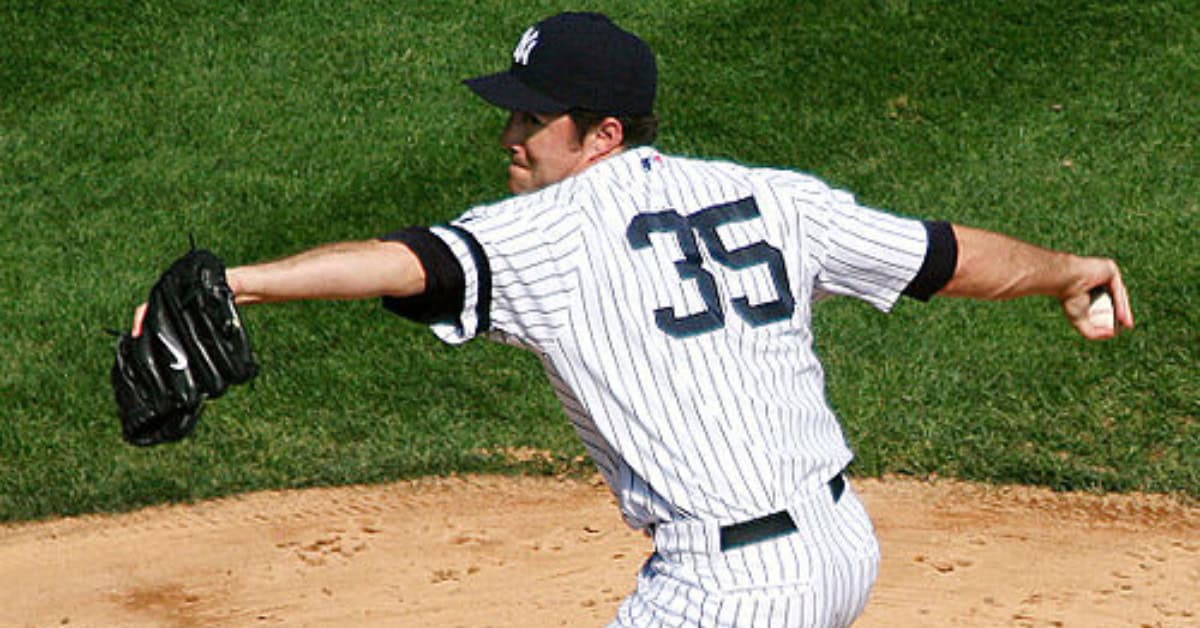
Moose’s knuckle-curve was so intellectually superior it should have come with a Stanford degree. The cerebral right-hander would grip this pitch with a physicist’s precision, then release a breaking ball that seemed to change directions more times than a lost tourist in Manhattan. When Mussina had that curve working, even the smartest hitters in baseball felt like they were trying to solve quantum mechanics equations in their heads.
Adam Wainwright’s Curve That Froze New York In October
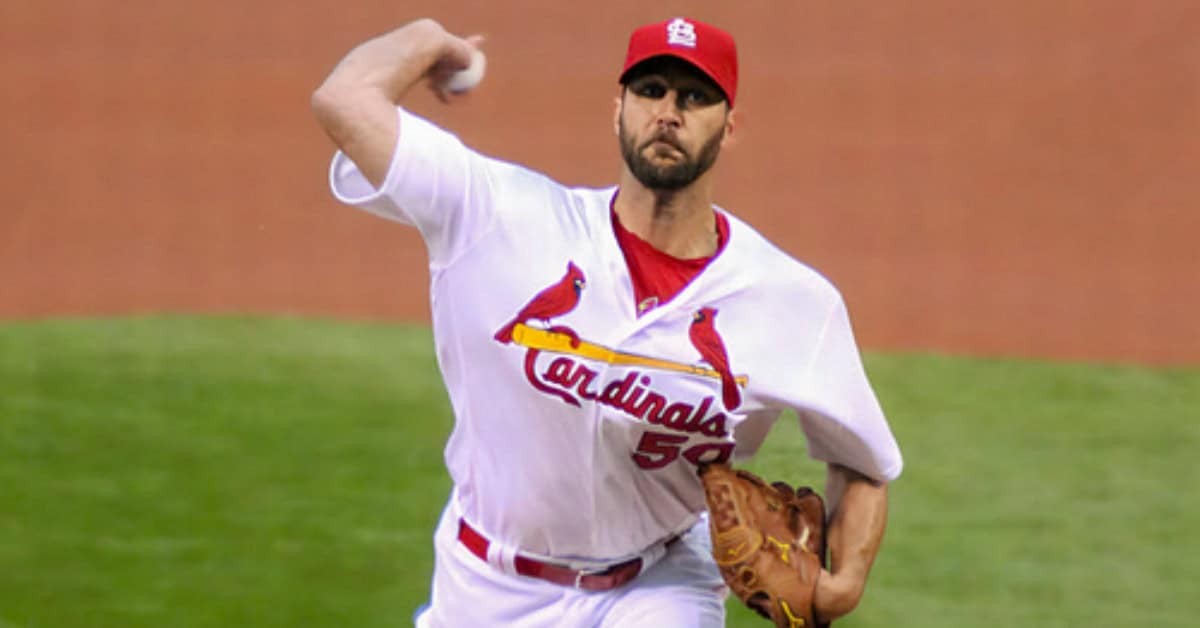
Wainwright’s curve didn’t just end the 2006 NLCS—it created a moment frozen in time that still gives Mets fans nightmares. The Cardinals ace would unleash this breaking ball with the confidence of a man who knew what was about to happen, then watch as even the best hitters could only stand and admire. That curve turned Carlos Beltran into a statue and Shea Stadium into a museum of broken dreams.
Bob Feller’s “Noon to Six” Breaking Ball That Time Forgot
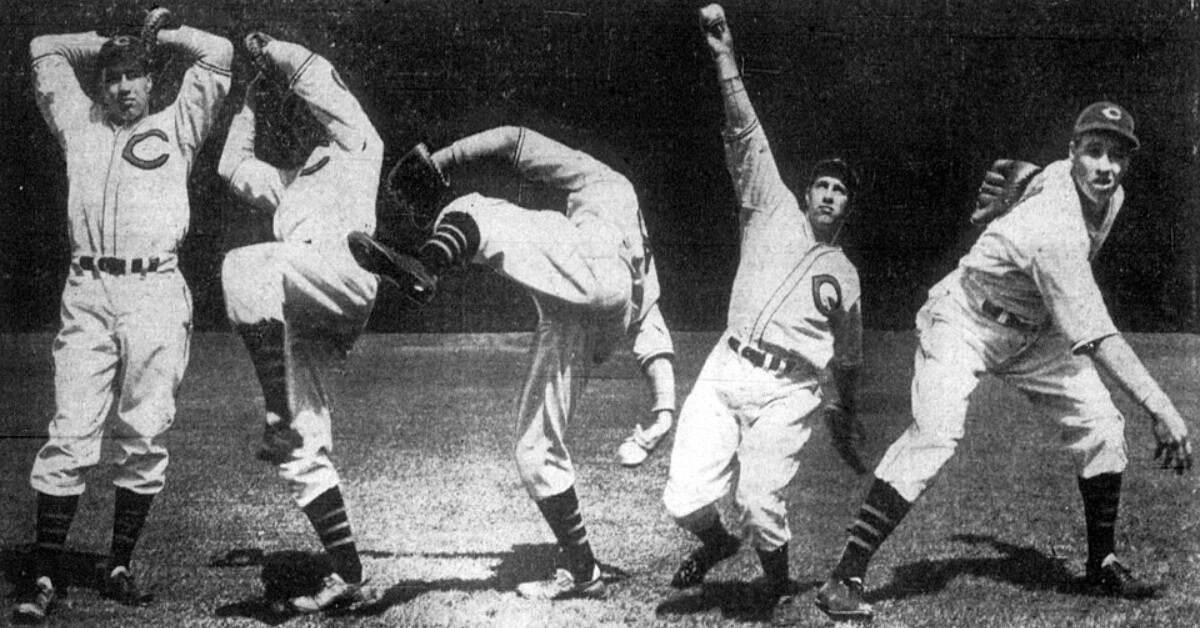
Rapid Robert’s curve dropped like a stone thrown off the Empire State Building, earning its “noon to six” nickname from batters who swore it moved straight down like a clock’s hour hand. Feller would grip this pitch with hands that had just returned from World War II, then fire a breaking ball that moved with military precision. When that curve was on, which was most of the time, batters felt like they were trying to hit a bowling ball dropped from the upper deck.
Greg Maddux’s Curve That Made Hitters Look Like Chess Pieces

The Professor’s curve was like watching a chess master set up checkmate three moves ahead. Maddux would release this pitch with the same motion as his fastball, but the ball would arrive at the plate moving like it had taken a detour through another dimension. That curve wasn’t about overwhelming power—it was about outsmarting batters who never knew they were playing into Maddux’s master plan.
Whitey Ford’s Chairman of the Board Curve That Ruled The ’50s
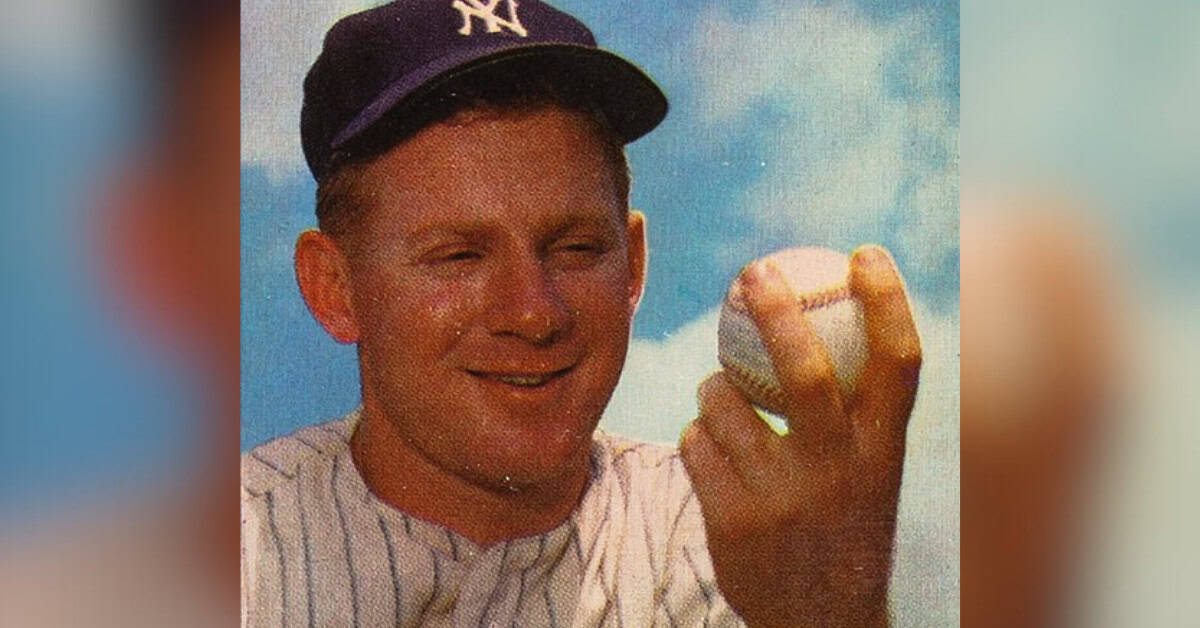
Ford’s curveball had more authority than a board meeting at Yankees headquarters. The Chairman would spin this pitch with corporate precision, watching it break with the inevitability of a Wall Street success story. When Ford was dealing in the World Series, which seemed like every October in the ’50s, that curve turned Yankee Stadium into his personal boardroom where he made all the decisions.
Roy Halladay’s Curve That Made Perfect Games Look Routine

Doc’s curve was a surgical instrument that turned the mound into an operating theater. Halladay would deliver this pitch with mechanical precision, watching it break with the exactitude of a Swiss timepiece. When that curve was working, which was almost always, perfect games weren’t just possible—they were probable, and batters felt like they were facing a pitching machine programmed by NASA.
Don Drysdale’s Curve That Scared More Than His Fastball
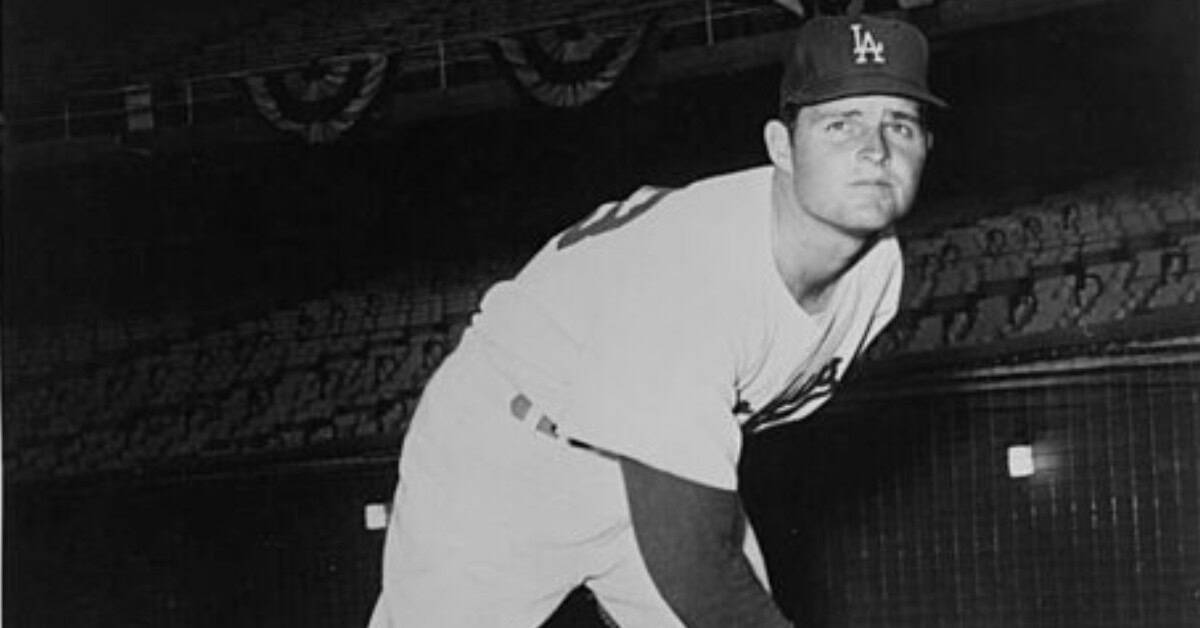
Big D’s curve was the perfect complement to his intimidating presence—a pitch that could buckle your knees while his glare buckled your courage. Drysdale would fire this breaking ball with the same mean streak that made him famous for brushback pitches, and the ball would dart down and away like it was trying to avoid prosecution. When that curve was biting, batters weren’t just defeated—they were demoralized.
Tom Seaver’s Terrific Curve That Brought Joy To Queens

Tom Terrific’s curve was a pitch so perfect it belonged in the Metropolitan Museum of Art. Seaver would drop to one knee as he released this masterpiece, watching it break with the grace of a ballet performed at Lincoln Center. That curve didn’t just get outs—it got standing ovations from Mets fans who knew they were watching an artist paint corners with a baseball instead of a brush.
Jim Palmer’s Curve That Made Underwear Models Look Tough
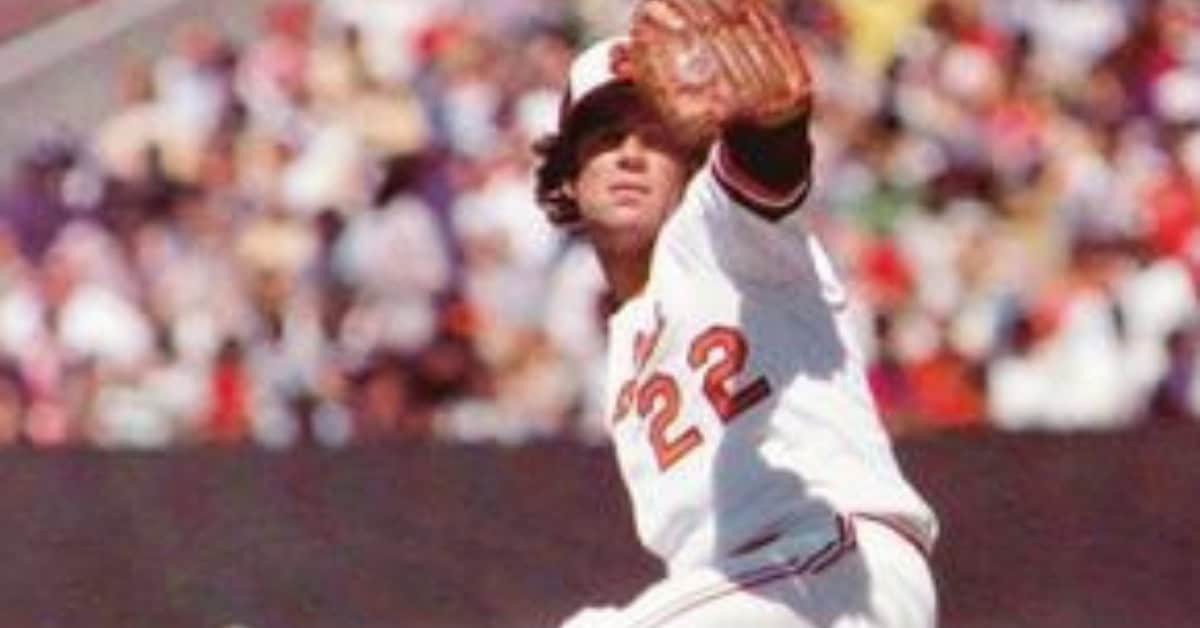
Palmer’s curve was as elegant as his famous underwear ads, but twice as devastating to anyone who had to face it. The Orioles’ ace would snap off this breaking ball with model-perfect form, then watch as it dropped with more grace than a fashion show runway walk. That curve proved you could look like a GQ cover model and still make major league hitters look completely helpless.
Vida Blue’s Midnight Curve That Lit Up The Bay Area

Vida’s curve was like watching a midnight movie in Oakland—mysterious, dramatic, and impossible to look away from. The A’s southpaw would unleash this pitch with explosive energy, and the ball would disappear into the night like a fog rolling off San Francisco Bay. When Blue had that curve working under the Coliseum lights, batters felt like they were swinging at shadows in the dark.
Steve Carlton’s Lefty Loop That Saved Philadelphia

Lefty’s curve was the perfect complement to his slider—a pitch that made Veterans Stadium rock even when the Phillies were struggling. Carlton would snap this breaking ball off with those massive hands, and the ball would loop toward the plate like it was trying to avoid toll booths on the Schuylkill Expressway. That curve helped him win games for teams that sometimes seemed determined to lose them, making him the one bright spot in some very dark Philadelphia summers.
Hoyt Wilhelm’s Knuckleball That Danced Through Decades
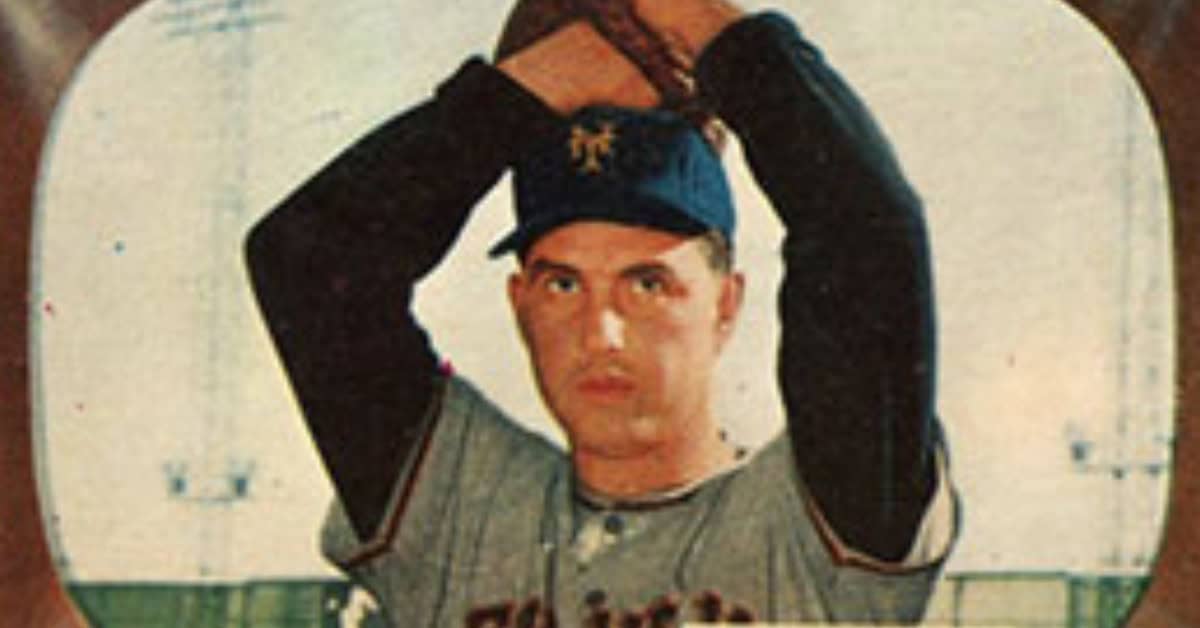
Wilhelm’s knuckleball was baseball’s original ghost pitch—a floater that moved with no rhyme or reason, leaving catchers and hitters equally mystified. The ageless wonder would push the ball from his fingertips, removing all spin to create a pitch that danced and fluttered toward home plate like a butterfly in a hurricane. That legendary knuckler kept Wilhelm baffling batters well into his late 40s, proving that some baseball magic defies physics and time itself.
Sandy Koufax’s Curve That Made Grown Men Question Their Career Choice
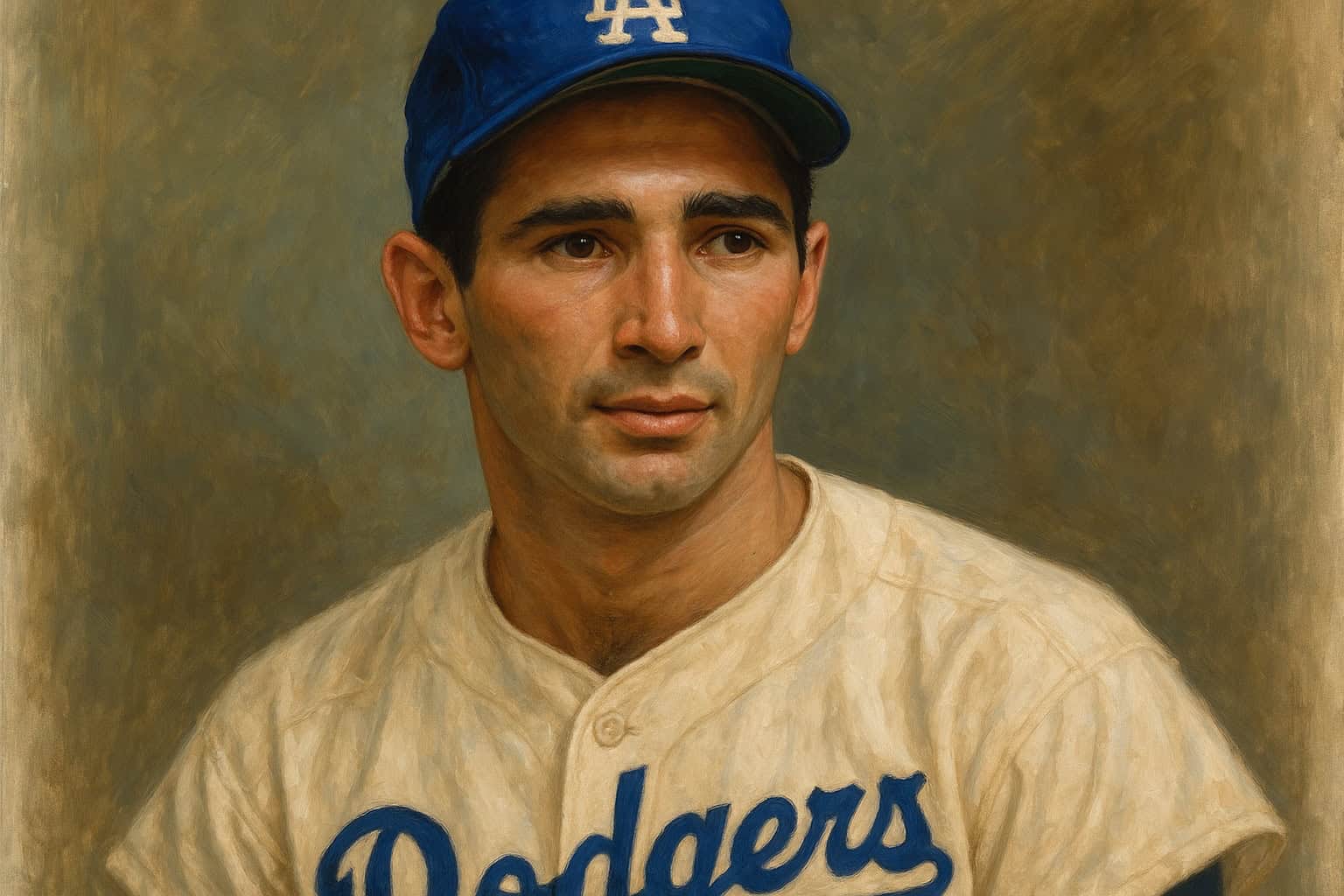
Koufax’s curveball didn’t just drop—it fell off the face of the Earth like it was answering to a higher power. The Jewish left-hander would grip the ball with those legendary fingers, and what happened next was less physics and more religious experience. When that curve was working, which was pretty much always in his prime, even the best hitters in baseball would walk back to the dugout looking like they’d just seen a ghost wearing Dodger Blue.