

Last Updated: June 17th, 2026 by Michael Griffin
During its 100-plus years, baseball has had its cheaters. John McGraw would hold runners’ belts to slow them down. Some teams would purposely grow their grass long to let their faster runners have a better chance of getting a hit. In modern times, few pitchers sparked more controversy than Mike “Scuff” Scott. The Houston Astros ace had batters seeing ghosts during the 1986 season, with his pitches making such unnatural moves that opponents were certain he was scuffing the ball. Despite multiple glove checks and ball inspections, umpires never caught him in the act. But plenty of other players weren’t so lucky. From elaborate sign-stealing schemes to corked bats and mysterious substances, here are the most memorable times baseball players got caught trying to break the rules in plain sight.
Don't lose this article. Enter your email below, and I'll send it to you right now. Plus, we'll send you other unbelievable stories from baseball's past.
Gaylord Perry’s Notorious Vaseline Ball That Everyone Knew About
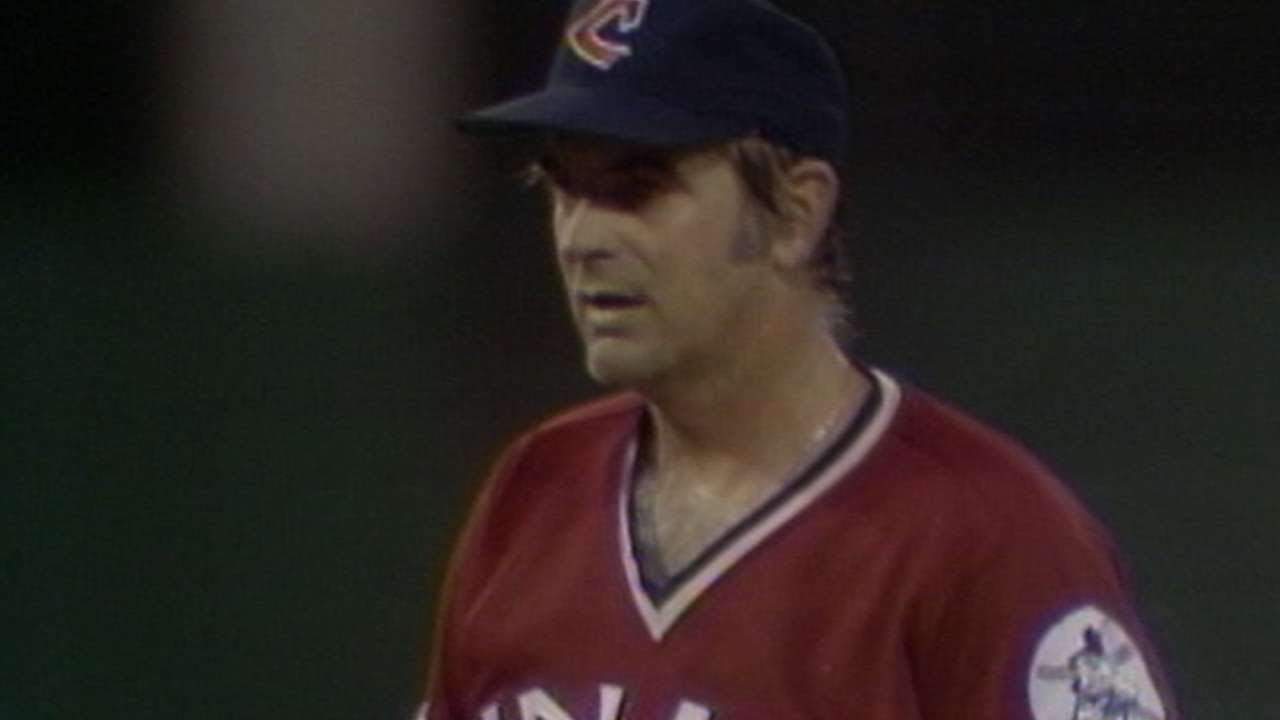
Baseball’s most famous greaseball pitcher made loading up pitches into an art form, even writing a book called “Me and the Spitter” while still active. Perry would touch his cap, neck, and uniform so often that batters were psyched out even when he wasn’t applying anything. The hurler would even joke with umpires when checking him (“Hotter.” “Colder.”) He finally got caught red-handed (or rather, greasy-handed) in 1982, becoming the first pitcher ejected for doctoring a baseball since 1944.
When Albert Belle’s Corked Bat Sparked a Midnight Heist

In 1994, the White Sox challenged Belle’s bat, and umpires confiscated it for testing. What followed was straight out of a heist movie: Indians pitcher Jason Grimsley crawled through the ceiling tiles to break into the umpires’ room and swap Belle’s corked bat with a legal one. The only problem? The replacement belonged to Paul Sorrento and had his name on it. As Homer Simpson would say, “D’oh!”
The Astros’ Trash Can Symphony of 2017

The Houston Astros turned their home stadium into a percussion section, using cameras to steal signs and relay incoming pitches to batters by banging on trash cans. The scheme helped them win the World Series, but the scandal broke wide open two years later. The resulting investigation led to fired executives, suspended managers, and the most sophisticated cheating scandal since the 1951 Giants, though some feel the punishments weren’t harsh enough.
Spider Tack: How Sticky Stuff Changed Modern Pitching
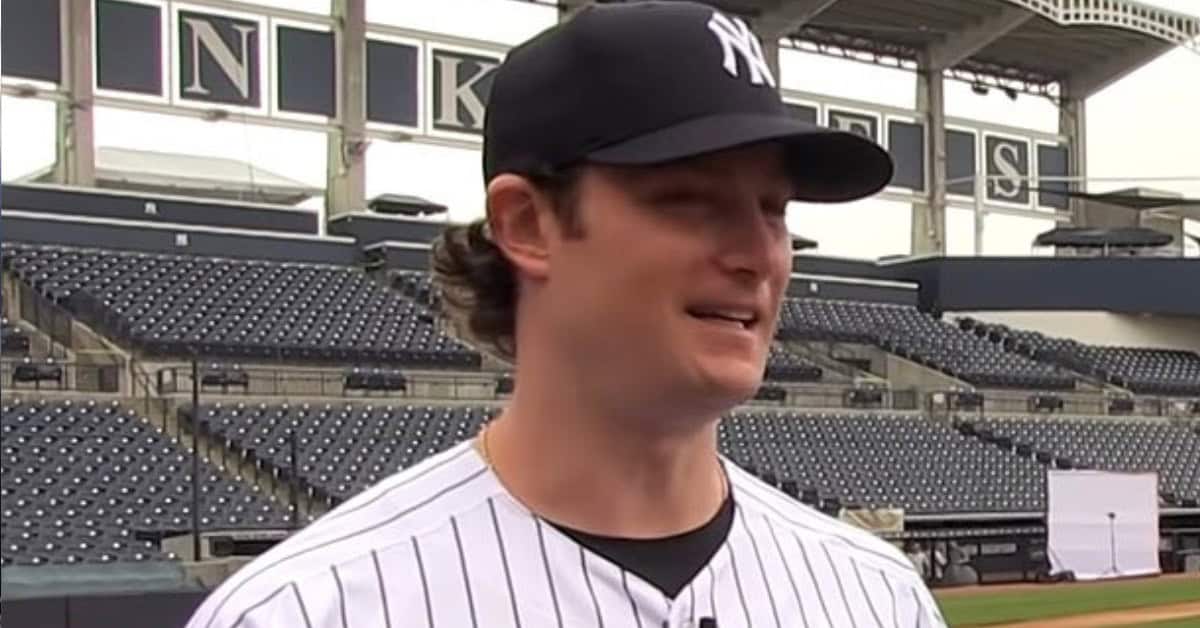
In 2021, MLB finally cracked down on pitchers using advanced grip substances like Spider Tack, leading to dramatic drops in spin rates across the league. The sticky stuff had become so prevalent that some called it “baseball’s dirty little secret,” with spin rates (which could make the ball move almost like a frisbee) and strikeouts reaching historic highs before the enforcement began.
Kenny Rogers’ Mysterious ‘Dirt’ Hand in the 2006 World Series

During Game 2 of the 2006 World Series, Rogers was spotted with a mysterious brown substance on his pitching hand. When questioned, he claimed it was just dirt, quickly washing it off between innings. The Cardinals never formally protested, but photos of the substance became some of baseball’s most notorious evidence of potential pine tar use.
Sammy Sosa’s Exploding Cork: The Bat That Went Pop

In 2003, Sosa’s bat shattered during a game against the Tampa Bay Devil Rays, exposing a cork center that sent pieces flying across the infield. His explanation that he accidentally used his “batting practice bat” didn’t save him from a suspension, though x-rays of his other bats came up clean. Fans also thought he had some other “help” with his home run hitting.
The Hidden Camera in the Polo Grounds: 1951’s Sign-Stealing Scheme

The New York Giants’ miracle comeback to win the 1951 pennant had a secret helper: a telescope-and-buzzer system in center field. Bobby Thomson’s “Shot Heard ‘Round the World” home run came with this system in place, though he maintained until his death that he wasn’t tipped off about Ralph Branca’s fateful pitch.
Michael Pineda’s Pine Tar Neck: Baseball’s Most Obvious Cover-Up
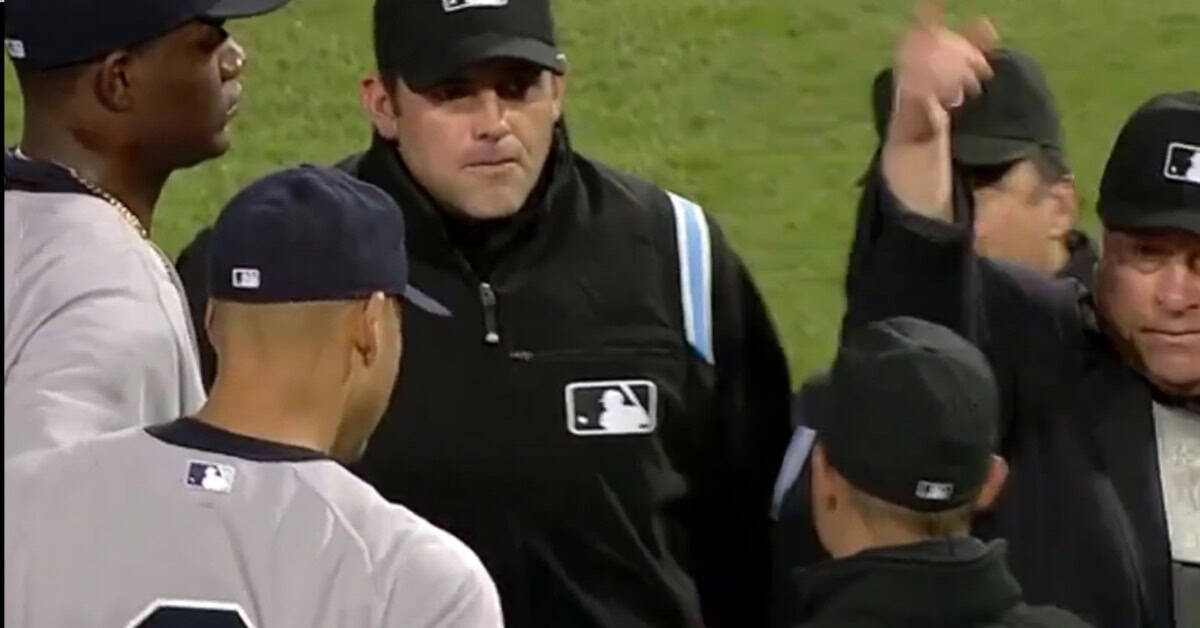
In April 2014, Yankees pitcher Michael Pineda took the mound against the Red Sox with a glaringly obvious brown substance smeared on his neck. After being caught with pine tar on his hand two weeks earlier, this brazen attempt led to an immediate ejection and 10-game suspension. It remains one of baseball’s most obvious attempts at rule-breaking.
Joe Niekro’s Emery Board Toss: The Worst Sleight of Hand Ever
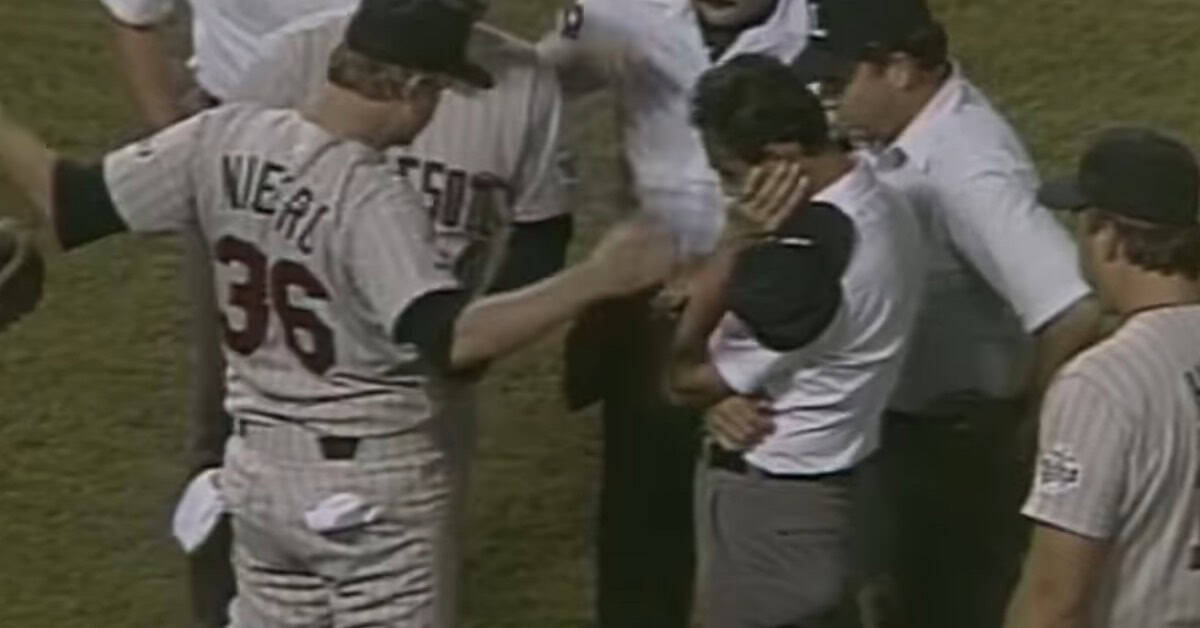
In 1987, when umpires approached the mound to check Niekro for scuffing tools, he attempted to casually toss an emery board from his back pocket. The evidence went flying through the air on national television, leading to his ejection and suspension. His claim that he needed it to trim his fingernails so that he could effectively throw his knuckleball didn’t convince anyone.
Whitey Ford’s Wedding Ring Scuffer and Other Jewelry Tricks

The Chairman of the Board admitted late in life that he used his wedding ring to cut baseballs, and occasionally had catcher Elston Howard scratch them with a buckle from his shin guard. Ford’s creative use of jewelry and equipment helped him become one of the most successful pitchers in World Series history.
Graig Nettles’ Super Ball Surprise: The Bat That Kept On Giving
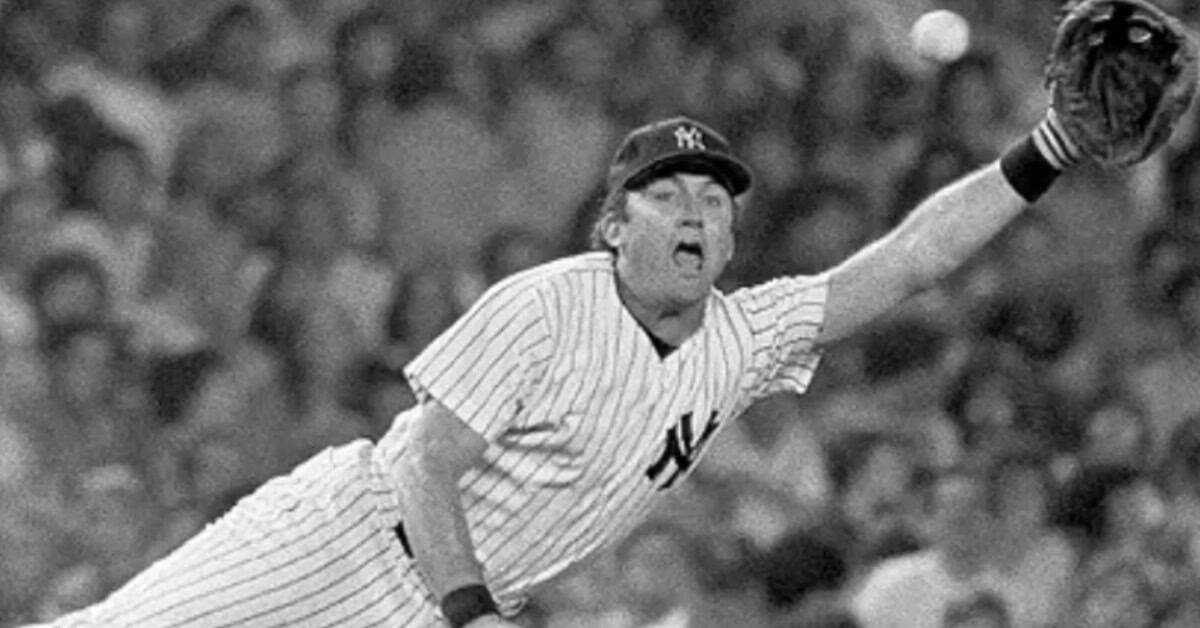
In a 1974 game, Nettles’ bat split open, releasing six super balls onto the field. The Yankees third baseman claimed ignorance, saying he had gotten the bat from a fan. But the incident lives on as one of baseball’s most creative – and comical – attempts at gaining an edge.
Don Sutton’s Sandpaper Special: The Day His Glove Got Searched

In 1978, umpires finally caught Sutton with sandpaper in his glove during a game against the Cardinals. When confronted, the future Hall of Famer quipped, “You’re crazy if you don’t take advantage of the rules.” The incident cemented his reputation as one of baseball’s craftiest players who attempted to subvert the rules, though he maintained it was all just “competitive gamesmanship.”